The Complete Apartment Gym Etiquette Guide: Being a Considerate Home Gym Owner
A comprehensive guide to being a considerate apartment gym owner, covering noise management, shared walls, floor protect...
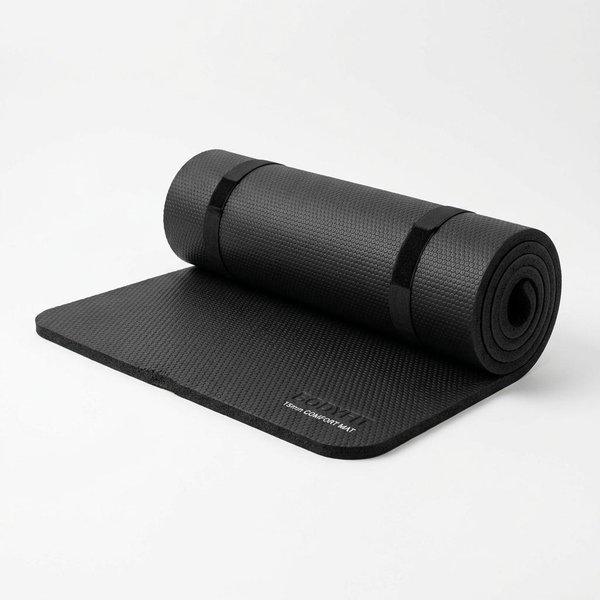
Doorframe protectors prevent damage from pull-up bars. Compare foam pads, custom guards, and DIY solutions to keep your security deposit safe.
FTC Disclosure: SnugGym.com participates in the Amazon Associates Program. We earn commissions from purchases made through our links at no cost to you. Our reviews are independently researched and not influenced by affiliate partnerships.
Pull-up bars are among the most space-efficient strength tools for apartment gyms — but they're also one of the fastest ways to lose your security deposit. Unprotected contact points can crush molding, compress drywall, and leave permanent marks on doorframes. Doorframe protectors create a buffer between the pull-up bar and your rental's surfaces, distributing force across a wider area and preventing the indentations and scuffs that landlords charge hundreds to repair.
| Damage Type | Cause | Repair Cost (Estimated) |
|---|---|---|
| Molding compression | Concentrated pressure from bar ends | $50-150 |
| Paint scuffing | Metal-on-paint contact | $30-75 |
| Drywall indentation | Excessive force during explosive movements | $100-300 |
| Wood fiber crushing | Sustained pressure softening trim | $75-200 |
| Doorframe loosening | Repeated leverage against frame | $200-500 |
Most doorway pull-up bars ship with thin foam pads — typically 1/4" to 1/2" of low-density foam. This basic padding is designed for user comfort, not frame protection. During a single pull-up session generating 100-200 lbs of dynamic force, this thin foam compresses almost completely, transferring nearly full force to the doorframe.
These are the simplest and most affordable solution: thick foam pads that adhere to or wrap around the existing contact points on your pull-up bar.
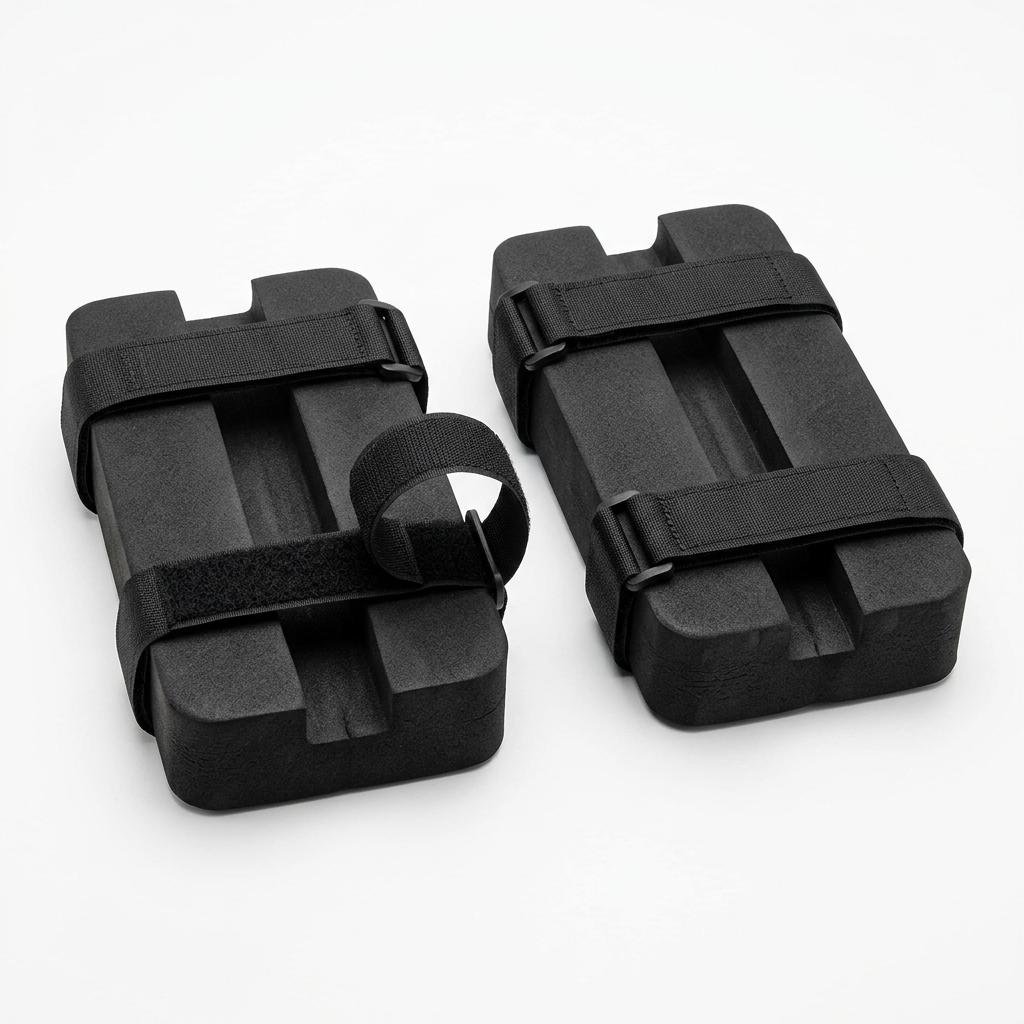
Best option: Harbinger Foam Doorframe Guards
| Specification | Detail |
|---|---|
| Material | High-density closed-cell foam |
| Thickness | 1" per pad |
| Dimensions | 6" × 4" per pad (set of 2) |
| Attachment | Velcro straps |
| Price | $12-18 |
Pros: Inexpensive, easy to install/remove, no residue, work with any bar Cons: Foam compresses over months, may need periodic replacement, visible when bar is up
Our analysis: These provide 4x the cushioning of stock bar pads. The closed-cell foam doesn't absorb moisture and maintains shape longer than open-cell alternatives. Velcro attachment means they come off clean when you move.
Silicone guards offer superior durability compared to foam while providing similar protection.
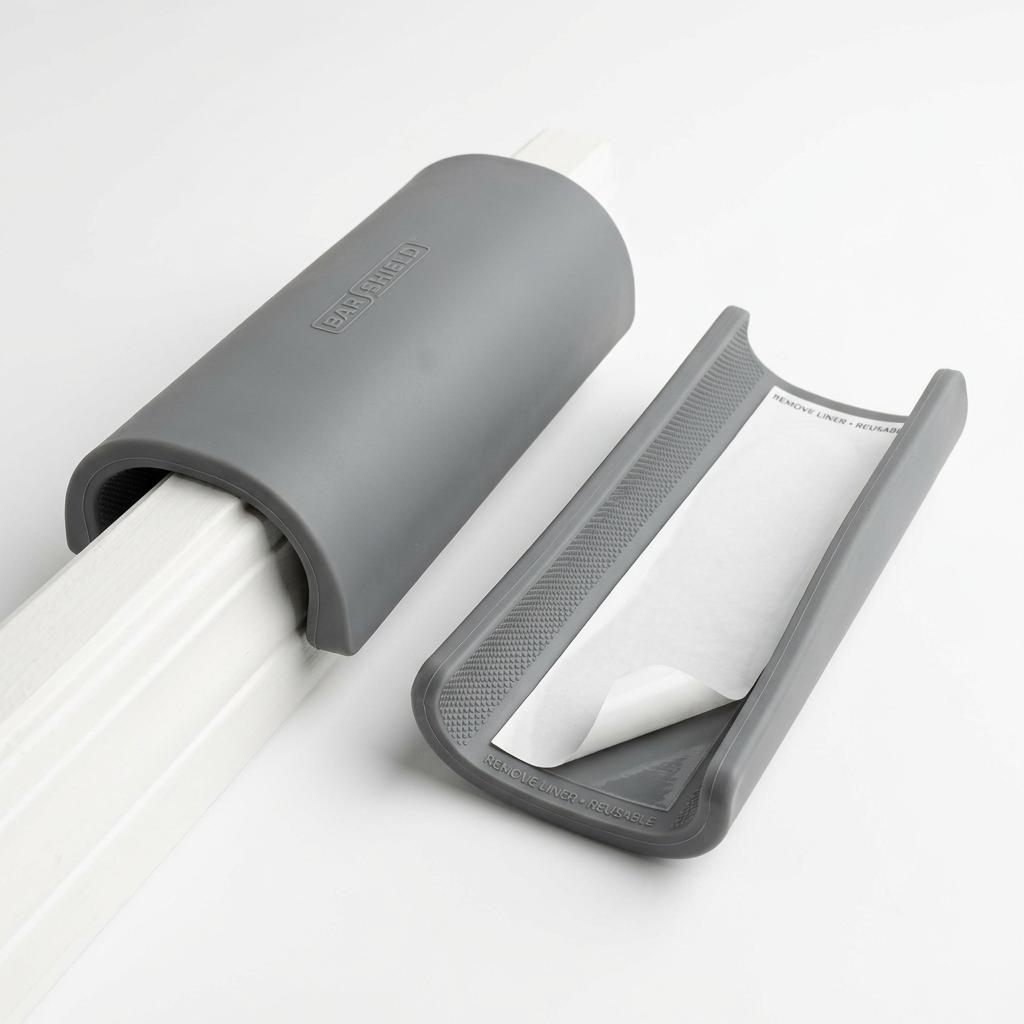
Best option: Silicone Doorframe Protector Set
| Specification | Detail |
|---|---|
| Material | Food-grade silicone |
| Thickness | 3/4" |
| Dimensions | 8" × 5" per guard |
| Attachment | Adhesive backing + bar clip |
| Price | $18-25 |
Pros: Extremely durable (lasts years), easy to clean, doesn't compress over time, temperature stable Cons: Higher price, adhesive backing may leave residue (test first)
Our analysis: Silicone distributes force better than foam because it doesn't compress as much. The trade-off is that it transmits slightly more vibration. For most users, this difference is negligible.
For users with telescoping doorway bars that press outward against the frame, wall-mounted plates distribute lateral force across a wide surface.
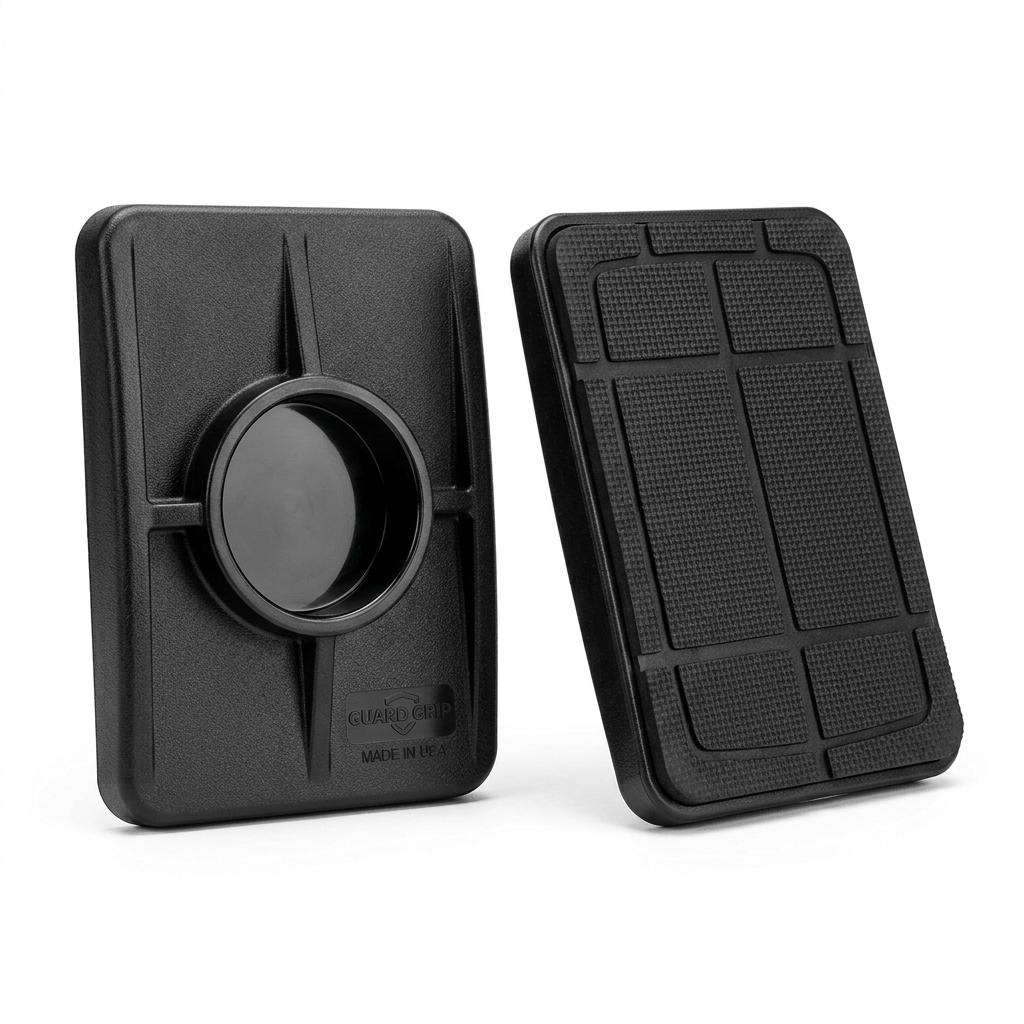
Best option: ProsourceFit Wall Saver Plates
| Specification | Detail |
|---|---|
| Material | ABS plastic with rubber backing |
| Dimensions | 12" × 4" per plate |
| Attachment | Pressure-fit (no drilling) |
| Price | $15-22 |
Pros: Distributes force across widest area, non-marking rubber backing, works with all telescoping bars Cons: Visible when bar is not in use, requires flat surface area
For homes with ornate or irregular molding, custom guards provide the best fit.
Materials needed:
Construction:
| Protector Type | Force Distribution | Durability | Ease of Install | Cost | Protection Rating |
|---|---|---|---|---|---|
| Stock bar padding | Poor (1x) | 3-6 months | N/A (included) | Free | ★★☆☆☆ |
| Foam add-on pads | Good (4x) | 6-12 months | 30 seconds | $12-18 | ★★★★☆ |
| Silicone guards | Very Good (5x) | 2+ years | 2 minutes | $18-25 | ★★★★☆ |
| Wall plates | Excellent (8x) | 5+ years | 1 minute | $15-22 | ★★★★★ |
| DIY custom guards | Excellent (6-8x) | 1-2 years | 30 minutes | ~$18 | ★★★★★ |
Exceeding a bar's rated weight capacity is the fastest way to damage your doorframe. The rated capacity assumes proper installation and adequate frame strength.
| User Weight | Minimum Bar Rating | Additional Load (kipping, weights) | Adjusted Minimum |
|---|---|---|---|
| Under 150 lb | 200 lb | +50 lb | 250 lb |
| 150-200 lb | 250 lb | +50 lb | 300 lb |
| 200-250 lb | 300 lb | +50 lb | 350 lb |
| 250+ lb | 350 lb | +75 lb | 425 lb |
Before installing any pull-up bar:
Leaving a tension-mounted bar in place for weeks compresses foam and transfers more load to the frame. Remove the bar after each use if possible — this also prevents the bar from becoming a permanent hazard.
Will a doorframe protector completely prevent all damage?
No protector eliminates 100% of risk. They dramatically reduce the probability and severity of damage. For absolute protection, consider a wall-mounted pull-up bar mounted directly into studs, or a freestanding power tower that doesn't contact the doorframe at all.
Can my landlord prohibit pull-up bars even with protectors?
Most leases don't specifically address pull-up bars, but they do prohibit damage. Doorframe protectors demonstrate due diligence, but review your lease terms. Some landlords object to anything that "alters" the property, even temporarily.
What's the best pull-up bar type for renters?
Telescoping doorway bars are most common but create the most frame pressure. Leverage-mounted bars (hooking over the top of the frame) distribute weight differently but still contact the frame. Freestanding towers require floor space but create zero doorframe risk.
Should I tell my landlord I'm using a pull-up bar?
Generally no — unless your lease specifically requires approval for temporary fixtures. If you cause damage despite using protectors, the repair cost typically falls below most insurance deductibles and is better handled as a security deposit deduction.
| Image | Product | Price | Badge | Link |
|---|---|---|---|---|
 |
Harbinger Foam Doorframe Guards | $12-$18 | Best Overall | Check Price |
 |
Bar Shield Silicone Doorframe Protectors | $18-$25 | Most Durable | Check Price |
 |
ProsourceFit Wall Saver Plates | $15-$22 | Best Force Distribution | Check Price |
 |
Yes4All Heavy Duty Foam Protector Pads | $10-$15 | Best Budget | Check Price |
 |
Iron Gym Total Upper Body Workout Bar | $25-$35 | Best with Built-in Protection | Check Price |
The best upgrade from thin stock pull-up bar padding.
Long-lasting silicone protection that maintains shape indefinitely.
Maximum protection through the widest contact surface.
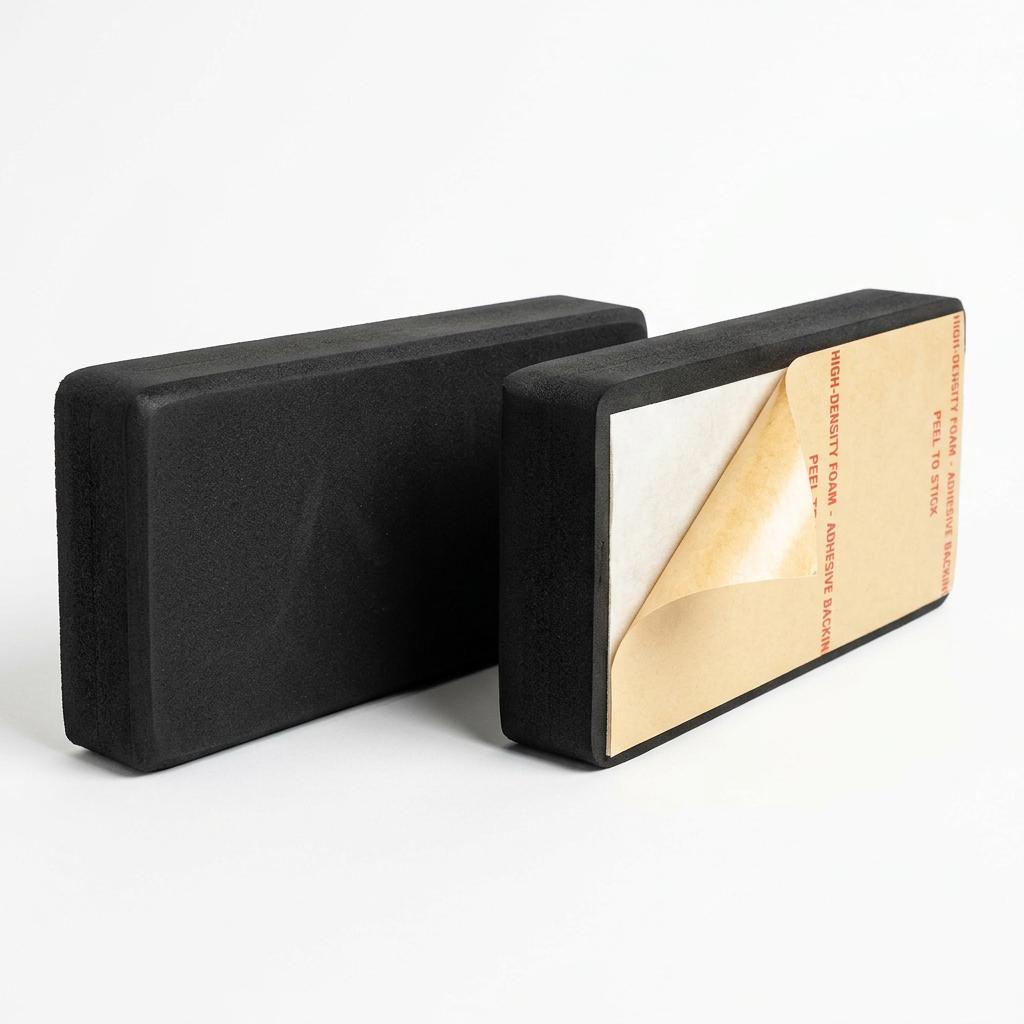
Affordable adhesive foam pads for basic frame protection.
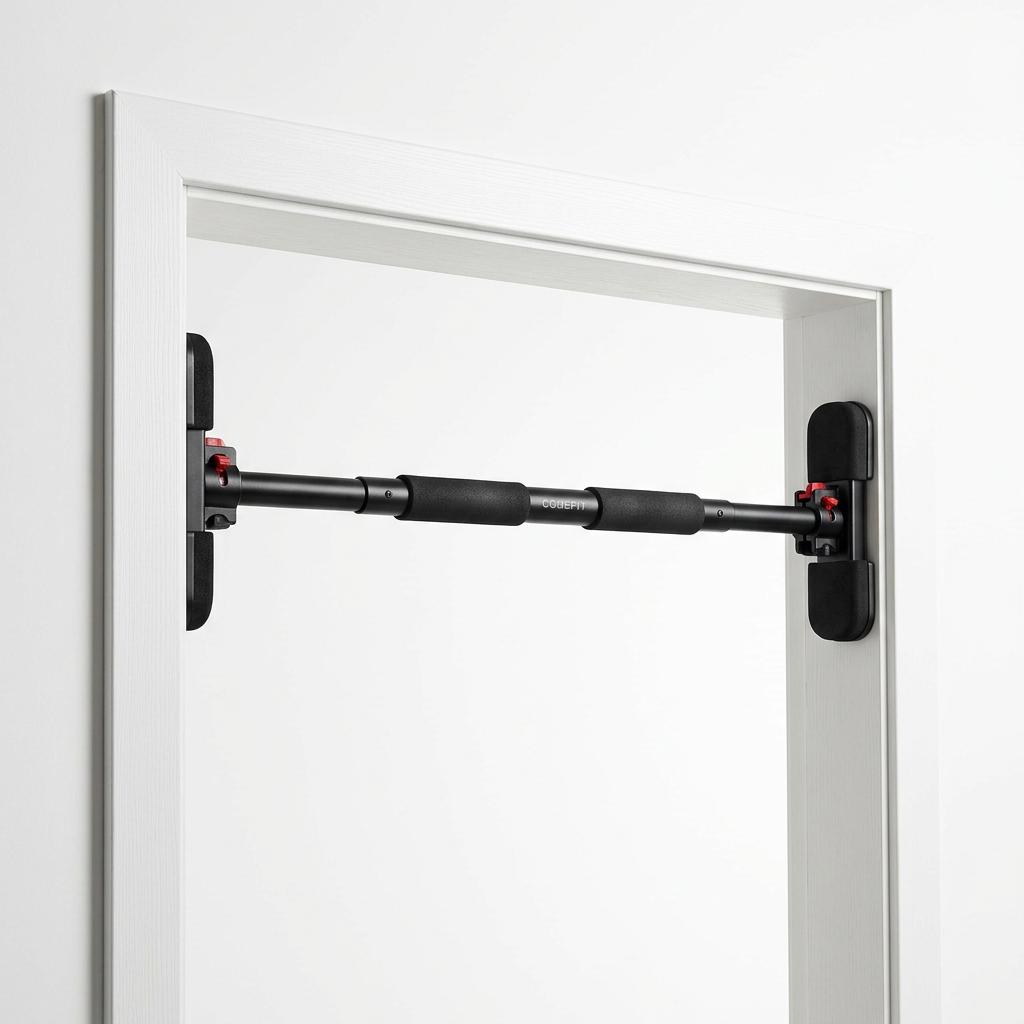
A complete doorway pull-up bar with built-in frame protection.
The Harbinger Foam Doorframe Guards provide a dramatic upgrade over the thin pads included with most doorway pull-up bars. At 1-inch thick, they offer four times the cushioning of stock pads, effectively distributing force across a wider area to prevent molding compression and paint scuffs. The Velcro straps mean they attach and remove cleanly, with zero risk to your security deposit.
Check Price on Amazon
The Bar Shield Silicone Doorframe Protectors solve the compression problem that plagues foam options. Silicone maintains its shape and cushioning properties for years, providing consistent force distribution workout after workout. The adhesive backing plus bar clip design keeps them securely in place. They are easy to wipe clean and temperature stable, making them the most durable option in our analysis.
Check Price on Amazon
The ProsourceFit Wall Saver Plates offer the most comprehensive protection through sheer surface area. The 12x4 inch plates distribute lateral force across eight times the area of stock bar pads, virtually eliminating any risk of frame damage. The non-marking rubber backing grips the wall without leaving residue, and the pressure-fit design requires no tools or installation. For users with telescoping bars, these are the safest option.
Check Price on Amazon
The Yes4All Heavy Duty Foam Pads are the budget-friendly adhesive option for pull-up bar frame protection. The high-density foam provides good impact absorption at a very accessible price point. The adhesive backing ensures they stay put during workouts. The trade-off is that adhesive residue may require cleanup upon removal, and the foam will compress more quickly than silicone alternatives.
Check Price on Amazon
The Iron Gym Workout Bar comes with substantially better frame padding than most doorway bars, making it a good all-in-one choice. The leverage-mount design distributes weight across the entire doorframe rather than concentrating it at contact points. The included thick foam pads provide adequate protection for most users, though adding aftermarket guards is still recommended for heavy daily use. No installation means zero risk to your security deposit.
Check Price on Amazon