Understanding Lease Agreements for Apartment Home Gyms: A Renter's Guide
Research-backed guide to apartment gym lease agreement for small-space home gyms....
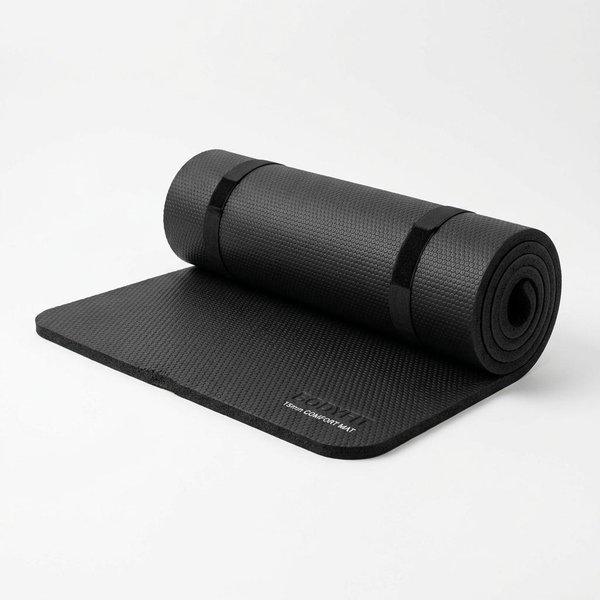
A comprehensive guide to being a considerate apartment gym owner, covering noise management, shared walls, floor protection, ventilation, neighbor communication, and building management relations.
SnugGym is reader-supported. When you buy through links on our site, we may earn an affiliate commission at no extra cost to you.
Living in an apartment doesn't mean giving up on your fitness goals—but it does require a different mindset than training in a detached house or commercial gym. Every jump, dropped weight, and whirring machine affects neighbors on shared walls, floors above, and ceilings below. This guide covers the full spectrum of apartment gym etiquette, from technical noise mitigation to the human skills of neighbor communication.
The good news: thousands of apartment dwellers maintain effective home gyms without generating a single noise complaint. The key is combining proper equipment choices, strategic space usage, and proactive relationship management. This guide shows you exactly how.
Noise is the #1 source of conflict between apartment gym owners and their neighbors. Addressing it comprehensately solves most potential problems before they arise.
| Noise Type | Cause | Primary Transmission | Mitigation Priority |
|---|---|---|---|
| Impact noise | Dropped weights, jumps, steps | Through floor structure | Highest |
| Airborne noise | Music, grunting, machine motors | Through air, walls | High |
| Vibration noise | Cardio machines, fans | Through building structure | Medium |
| Structure-borne noise | Racks bolted to walls, pull-up bars | Through wall/floor joists | Medium |
Impact noise—footfalls, dropped weights, plyometrics—travels most efficiently through building structures and generates the most complaints.
The multi-layer flooring system (most effective):
Check price of Mass Loaded Vinyl at Amazon
Noise-reducing equipment choices:
| Instead of... | Choose... | Noise Reduction |
|---|---|---|
| Traditional jump rope | Cordless jump rope or beaded rope on thick mat | 60–70% |
| Plyo jumps on floor | Foam plyo box with rubber landing surface | 50% |
| Dropping dumbbells | Controlled eccentric + Urethane dumbbells if dropping needed | 40–50% |
| Standard treadmill | WalkingPad foldable or magnetic resistance bike | 30–40% |
| Plate-loaded barbell drops | Urethane bumper plates on crash pads (last resort) | Minimal—avoid drops |
Check price of Jabra Elite 8 Active at Amazon
| Time Window | Acceptability | Best Practices |
|---|---|---|
| 6:00 AM – 8:00 AM | Low-impact only | Yoga, stretching, quiet mobility work. No jumping, no drops. |
| 8:00 AM – 10:00 PM | Full training | Normal etiquette applies. This is your primary training window. |
| 10:00 PM – 6:00 AM | Avoid entirely | Any gym noise during sleeping hours guarantees complaints. |
Weekend considerations: Many people sleep in on weekends. Shift your Saturday and Sunday training 1–2 hours later than weekday sessions when possible.
If you share a wall with a neighbor's bedroom or living room, additional precautions are warranted.
| Equipment | Shared Wall Risk | Recommendation |
|---|---|---|
| Pull-up bars | High impact vibration | Never mount on shared walls. Use doorway or freestanding. |
| Wall-mounted racks | Moderate vibration | Minimum 6" from shared wall; avoid if neighbor complains. |
| Mirrors | Low risk | Acceptable with proper anchors; minimal vibration. |
| Storage hooks/pegs | Very low | Acceptable; small fasteners don't transmit meaningful vibration. |
| TVs/monitors | Low | Use with headphones; acceptable on shared walls. |
If your primary training area shares a wall with a neighbor:
Check price of Acoustic Foam Panels at Amazon
Your responsibility to the property owner and the neighbor below you.
| Activity | Minimum Protection | Recommended Protection |
|---|---|---|
| Yoga / stretching | Yoga mat | Yoga mat on puzzle foam tiles |
| Dumbbell work (light) | 3/8" EVA foam tiles | 3/4" rubber stall mats |
| Barbell work | 3/4" rubber stall mats | MLV + 3/4" rubber |
| Plyometrics | 3/4" rubber on carpet | MLV + 3/4" rubber + landing pad |
| Cardio machines | Equipment mat | Equipment mat on rubber flooring |
Heavy equipment on carpet or hardwood can cause permanent indentations:
A home gym without proper airflow becomes unpleasant fast—for you and potentially for neighbors if odors migrate through shared ventilation.
ASHRAE (American Society of Heating, Refrigerating and Air-Conditioning Engineers) recommends 5–8 air changes per hour for exercise spaces. Most apartments achieve 2–3 through HVAC alone—meaning you need supplemental ventilation.
Solutions by budget:
| Solution | Cost | Effectiveness | Best For |
|---|---|---|---|
| Open window + box fan | $20–$40 | Moderate | Mild climates, ground-floor units |
| Window exhaust fan | $40–$80 | Good | Units with accessible windows |
| Air purifier with high CADR | $100–$300 | Very Good | All apartment gyms |
| Tower fan with oscillation | $30–$70 | Moderate | Cooling, limited air exchange |
| Upgrade HVAC filter (MERV 13) | $15–$25/filter | Supplemental | Whole-unit air quality |
Check price of Window Exhaust Fan at Amazon
Smart layout minimizes noise impact and maximizes training efficiency.
When deciding where to place equipment, use this priority order:
[Exterior Window Wall]
    +------------------+
    |  Yoga/Mobility   |  ← Natural light, away from neighbors
    |     Zone         |
    +--------+---------+
    |        | Cardio  |  ← Interior wall side, vibration
    | Lifting| Machine |    isolated from shared walls
    |  Zone  |         |
    |        +---------+
    |        | Storage |  ← Nearest entry, easy access
    +--------+---------+
    [Shared Wall]   [Door/Hallway]
The single most effective noise mitigation strategy isn't technical—it's relational. Neighbors who know you, like you, and understand your situation are dramatically less likely to file complaints.
Within your first week of setting up, knock on the doors of neighbors who share walls, floors, or ceilings with your gym space. Use this script:
"Hi, I'm [Name] from [Apartment]. I'm setting up a small exercise space in my unit and wanted to let you know. I'm taking steps to keep noise down—I've put down sound-dampening flooring and I won't be training early mornings or late nights. If you ever hear anything that bothers you, please text me directly at [number] rather than going to management. I want to be a good neighbor."
Why this works:
Your landlord or property management company holds significant power over your gym's existence. Nurture that relationship.
Before setting up, review your lease for:
Standard renter's insurance covers your equipment against theft and damage but may have exclusions for:
Action items:
If management contacts you about gym-related noise or concerns:
The most advanced level of apartment gym etiquette is transforming your individual practice into a positive community contribution.
If your building has multiple fitness-interested residents:
Some forward-thinking apartment buildings are creating shared fitness amenities. If yours doesn't:
Print this checklist and post it in your gym as a reminder:
Can my landlord legally prohibit a home gym? Most standard leases don't explicitly prohibit home gyms but may restrict noise levels, wall modifications, and floor loads. Read your lease carefully. If unclear, request written clarification from management before investing in equipment.
What's the best flooring for second-story apartments? A three-layer system: Mass Loaded Vinyl (1 lb/sq ft) as the base, 3/4" rubber stall mats as the middle layer, and equipment-specific mats on top. This combination reduces impact noise by 60–80% compared to bare floor.
Should I tell my landlord about my gym? Proactive disclosure is generally advisable if you have significant equipment (rack, cardio machines, heavy weights). It builds trust and prevents surprises if neighbors ask questions. Frame it positively: "I'm setting up a quiet, safe exercise space and wanted you to know I've taken noise mitigation steps."
How loud is too loud for apartment training? As a general rule: if someone outside your unit can clearly hear your training activities during normal hours (8 AM–10 PM) with their door closed, it's too loud. During quiet hours (10 PM–8 AM), any audible gym noise is too loud.
Can I get evicted for gym noise? Repeated noise violations that breach your lease's "quiet enjoyment" clause can lead to eviction proceedings in most jurisdictions. However, proper noise mitigation, reasonable training hours, and good neighbor relations make this extremely unlikely.
SnugGym is reader-supported. When you buy through links on our site, we may earn an affiliate commission. All recommendations are independently researched and selected by our editorial team.
| Image | Product | Price | Badge | Link |
|---|---|---|---|---|
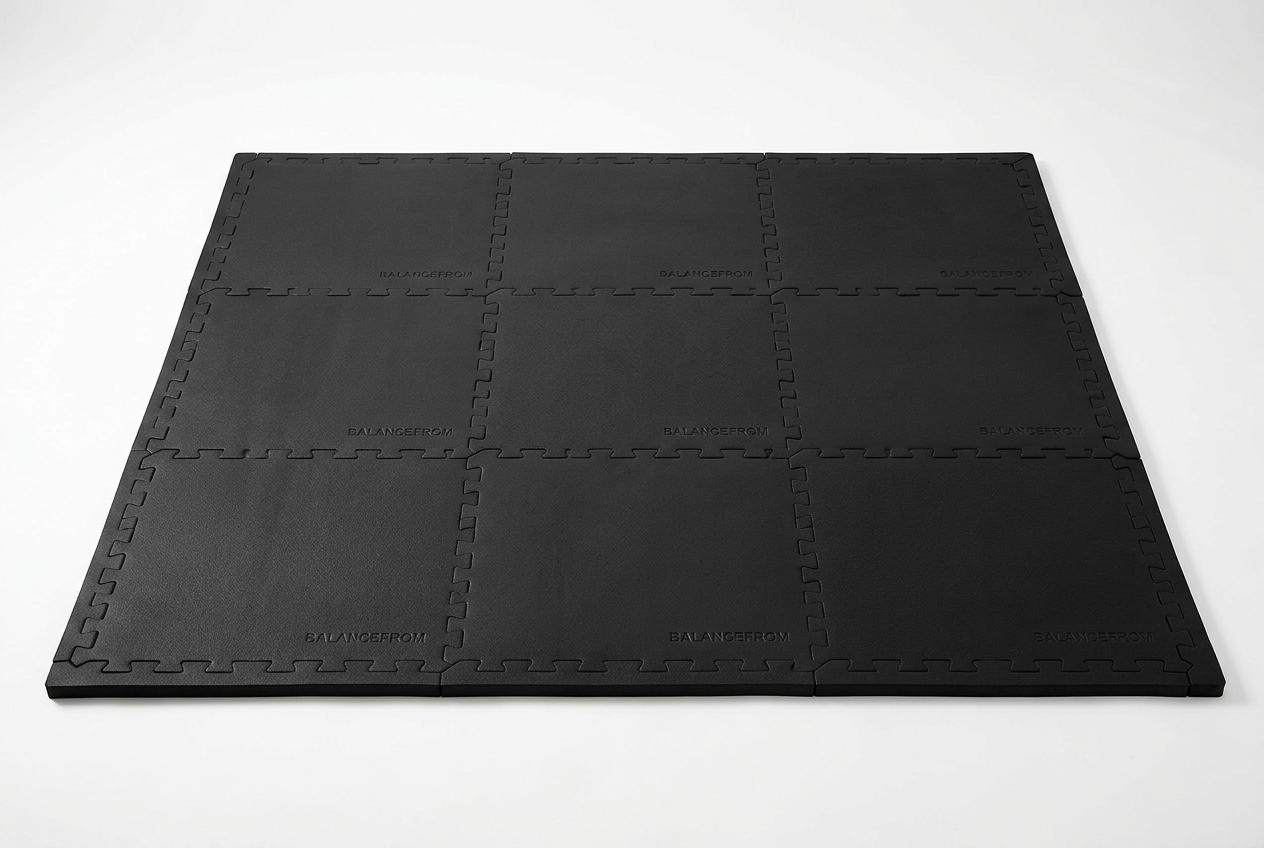 |
BalanceFrom Puzzle Exercise Mat | $30-$50 | Best Overall | Check Price |
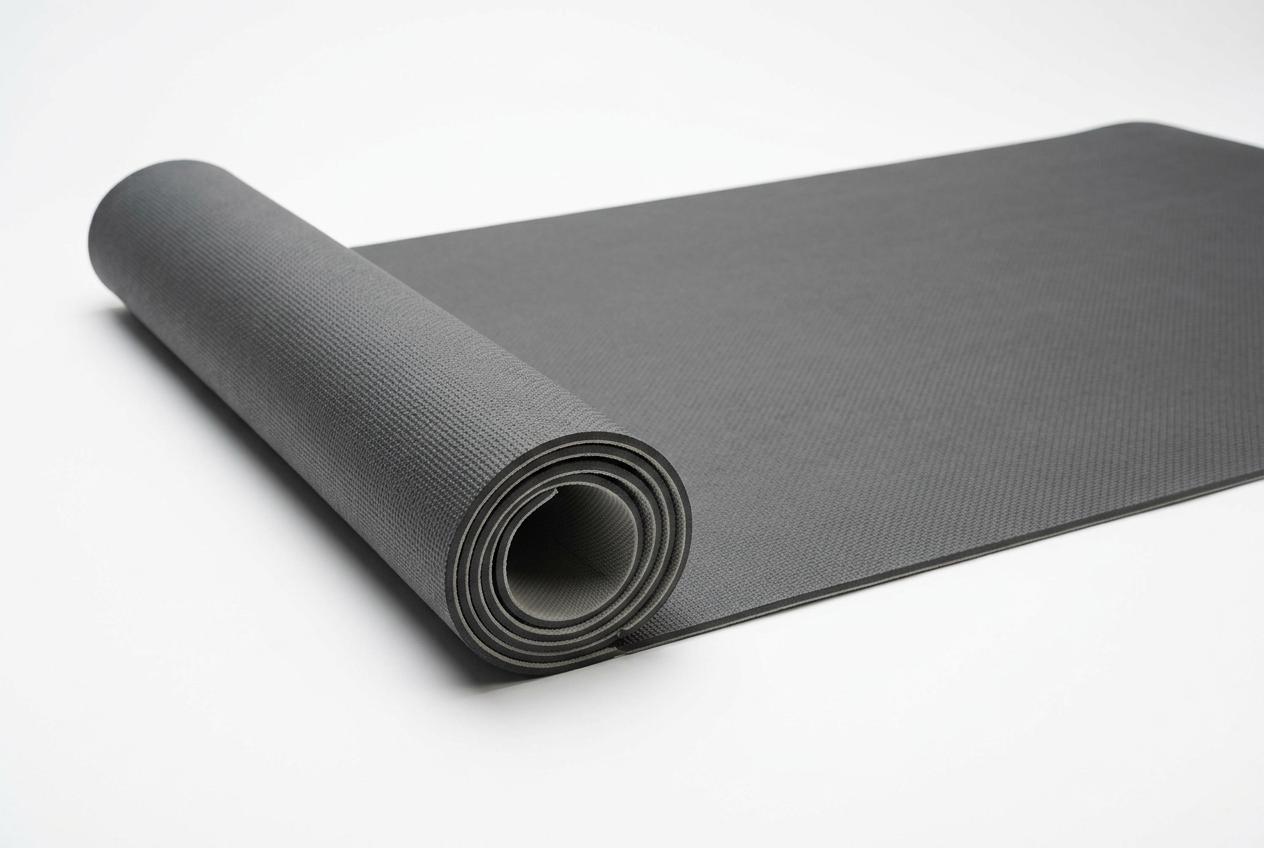 |
SuperMats Heavy Duty Equipment Mat | $25-$40 | Best Budget | Check Price |
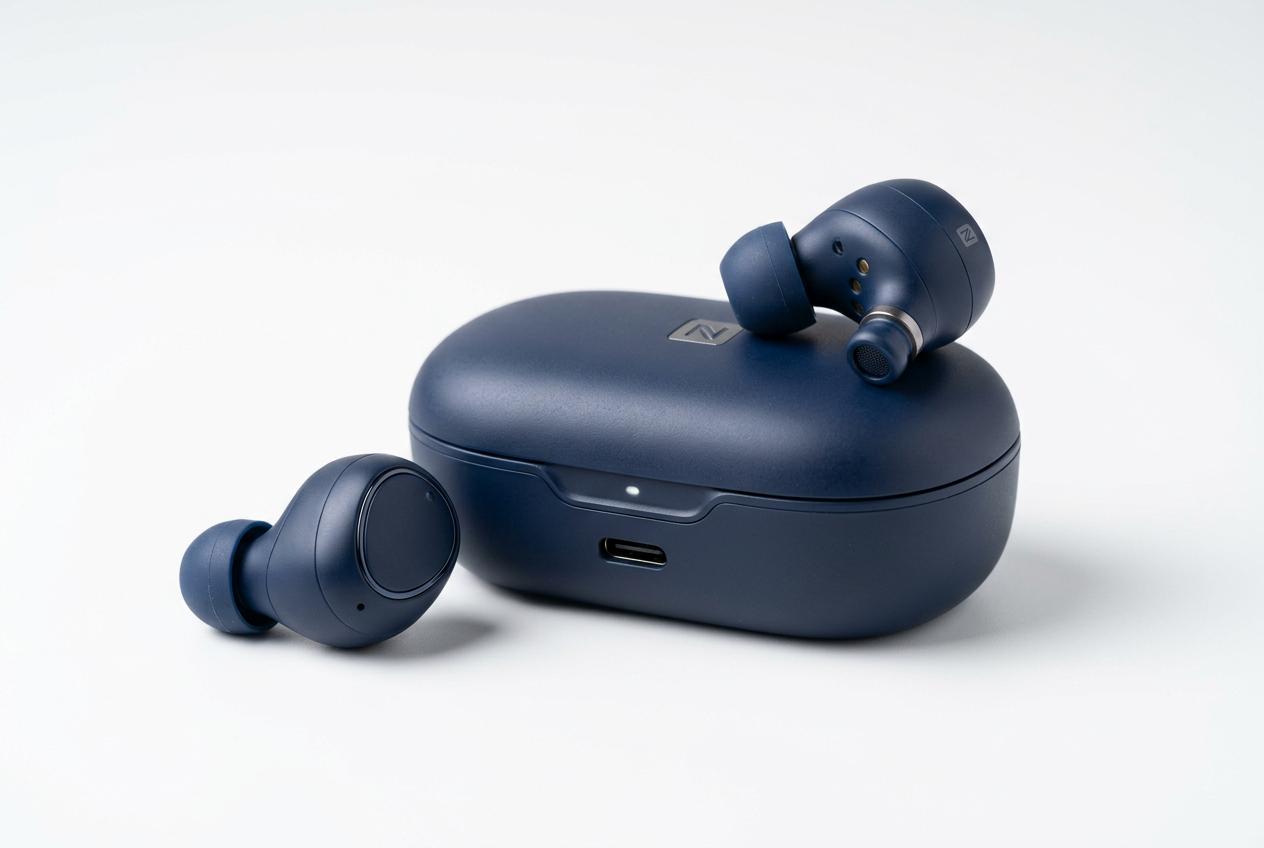 |
Jabra Elite 8 Active True Wireless Earbuds | $150-$200 | Premium Pick | Check Price |
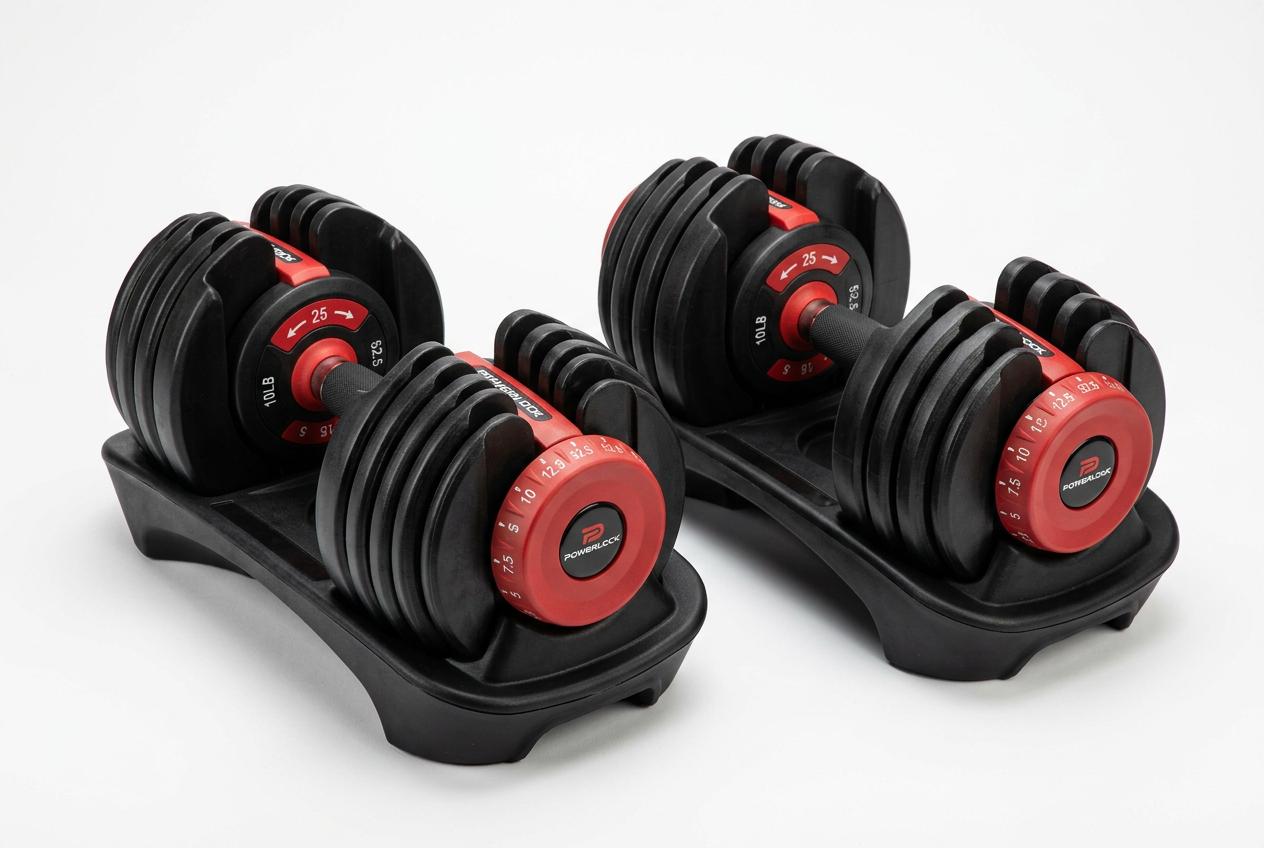 |
Bowflex SelectTech 552 Adjustable Dumbbells | $300-$450 | Most Versatile | Check Price |
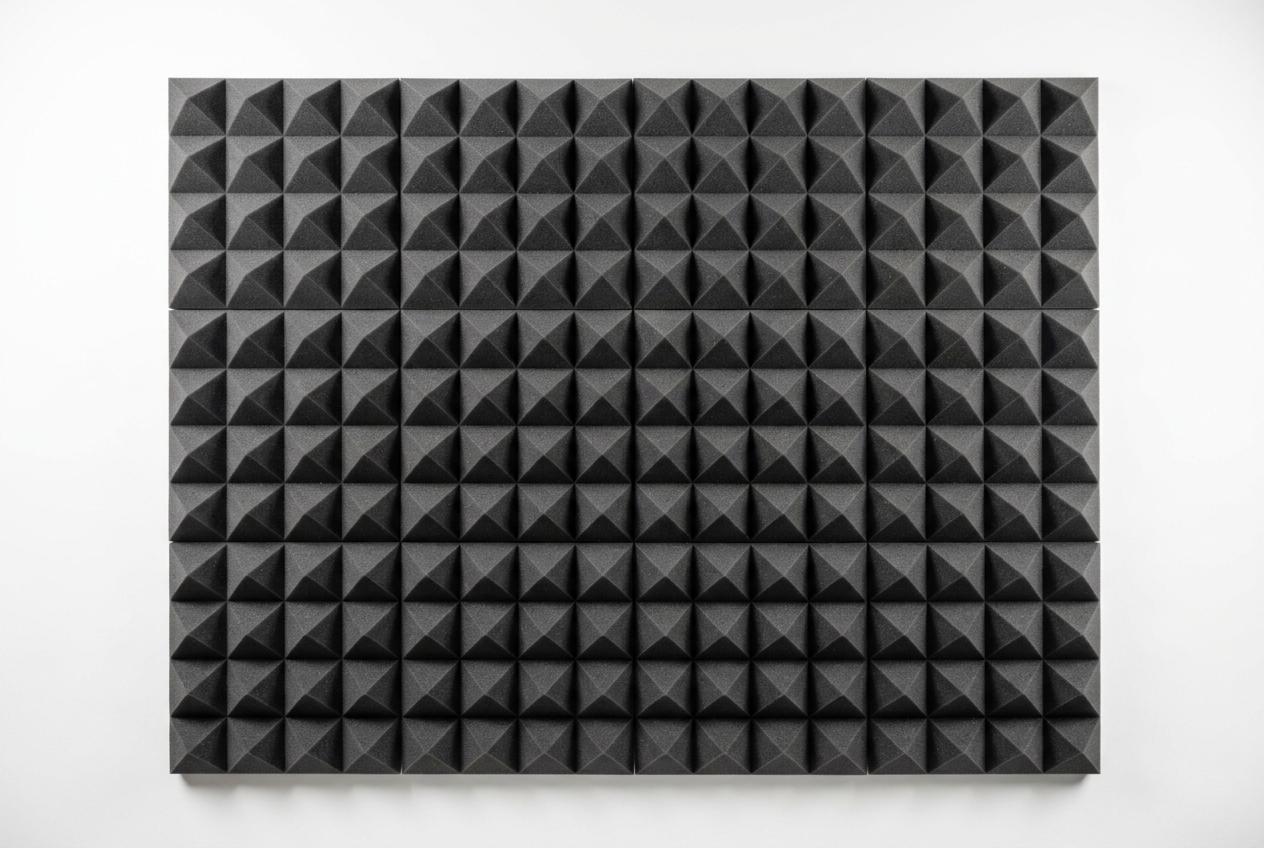 |
Mybecca Acoustic Foam Panels | $25-$40 | Best for Soundproofing | Check Price |
The best foundational flooring solution for renters who want to minimize noise without modifying their apartment.
An affordable, effective solution for isolating cardio equipment vibrations from apartment floors.
Premium workout earbuds that help you stay focused without blasting music that neighbors can hear through walls.
A space-saving, noise-reducing solution that replaces an entire dumbbell rack with quiet weight selection.
Effective acoustic treatment that reduces workout noise reflection and shows neighbors you're serious about noise control.
The BalanceFrom Puzzle Exercise Mat is the essential first purchase for any apartment gym owner concerned about noise. Its 1/2-inch EVA foam construction effectively absorbs the impact sounds from dropped weights, plyometric jumps, and bodyweight exercises that would otherwise transmit directly through your floor to neighbors below. The interlocking design lets you customize coverage to your exact space, and since it requires no adhesive or permanent installation, you can pack it up when you move. The included border pieces give your gym area a clean, finished look that shows you take your setup seriously. For under $50, it's the most cost-effective noise control investment you can make.
Check Price on Amazon
The SuperMats Heavy Duty Equipment Mat is purpose-built to address one of the biggest noise concerns for apartment gym owners: equipment vibration. When your exercise bike or elliptical runs for 30 minutes, those vibrations travel directly through the floor and into your neighbor's ceiling. This 30x60 inch mat, made from durable vinyl in the USA, effectively dampens those vibrations and provides a stable, non-slip surface for your equipment. At around $25-40, it represents exceptional value for a product that directly protects your landlord's flooring and your relationship with neighbors below.
Check Price on Amazon
While the Jabra Elite 8 Active earbuds don't directly reduce the noise your workout creates, they solve a related etiquette problem: the temptation to play your workout music at volumes that penetrate walls. With industry-leading active noise cancellation, these earbuds let you fully immerse yourself in your music or podcast at a reasonable volume, eliminating the need for external speakers. The secure ShakeGrip coating ensures they won't fall out during burpees or sprints, and the adaptive hear-through mode lets you stay aware of your environment when needed. They're an investment in both your workout experience and your neighbor relations.
Check Price on Amazon
Traditional dumbbell sets are noisy neighbors. Every time you pick up a different weight, set it down, or racked it after a set, you're creating metal-on-metal clanking that carries through apartment walls. The Bowflex SelectTech 552 Adjustable Dumbbells solve this elegantly by replacing 15 pairs of dumbbells with a single, quiet-adjusting system. The dial mechanism lets you change weights silently, and the compact design means you're not storing a full rack that could accidentally get knocked over. While they're pricier than buying individual dumbbells over time, the noise reduction and space savings make them ideal for apartment living.
Check Price on Amazon
The Mybecca Acoustic Foam Panels are a dual-purpose solution for apartment gym owners. First, they absorb the echo and reverberation created by your workouts, making your own space quieter and more pleasant. Second, they send a clear visual signal to anyone visiting that you've thoughtfully designed your space with noise control in mind. The wedge pyramid design is scientifically proven to absorb sound waves across a broad frequency range, and the flame-resistant material provides peace of mind. Mount them with removable adhesive strips for a renter-friendly installation that won't cost you your security deposit.
Check Price on Amazon