The Complete Apartment Gym Etiquette Guide: Being a Considerate Home Gym Owner
A comprehensive guide to being a considerate apartment gym owner, covering noise management, shared walls, floor protect...
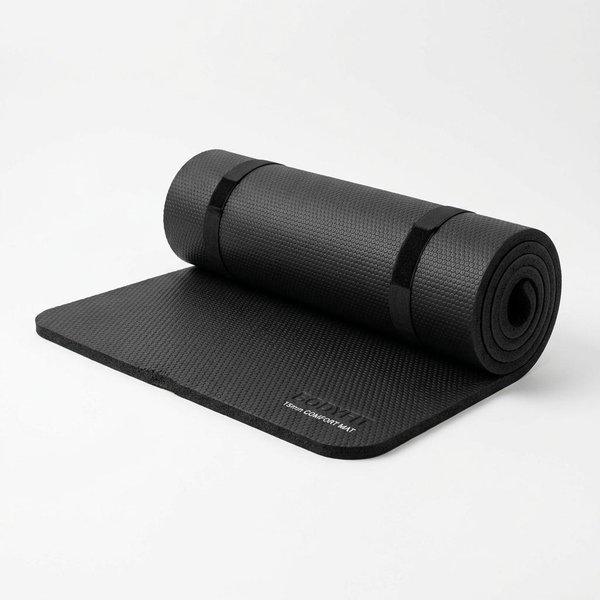
Research-backed guide to apartment gym lease agreement for small-space home gyms.
FTC Disclosure: This article contains affiliate links. If you purchase through these links, we may earn a small commission at no extra cost to you. We only recommend products we genuinely believe in.
Setting up a home gym in a rental apartment exists in a gray area that most leases don't explicitly address. While landlords rarely prohibit exercise equipment outright, numerous lease provisions can impact your ability to create the gym you want — and ignorance of these provisions can cost you your security deposit or worse.
This guide examines the legal and practical landscape of apartment home gyms, helping you navigate lease language, negotiate with landlords, protect yourself financially, and create a gym setup that complies with your rental agreement while meeting your fitness goals.
Nearly every residential lease includes language guaranteeing all tenants the right to "quiet enjoyment" of their premises. While primarily intended to protect you from landlord intrusion, this clause is typically mutual — you also agree not to interfere with other tenants' quiet enjoyment.
What this means for your gym: noise that disturbs neighbors, regardless of time of day, can constitute a lease violation. Most leases don't specify decibel limits or exact definitions of "disturbance," leaving enforcement subjective. A neighbor's complaint, even if you believe unfounded, can trigger lease enforcement proceedings.
Practical protection: Document your soundproofing efforts and reasonable exercise hours. If a dispute arises, demonstrating good-faith noise mitigation strengthens your position significantly.
Many leases explicitly incorporate local noise ordinances by reference, making municipal noise regulations part of your contractual obligations. These ordinances typically specify:
Key insight: Exercise equipment that operates below 55dB (quality magnetic bikes, ellipticals) likely complies with municipal noise limits even during daytime hours. Treadmills used for running (65-75dB) may violate ordinances if the noise is audible beyond your unit.
Standard lease language prohibits alterations to the premises without landlord consent and holds tenants liable for damage beyond "normal wear and tear." For gym setups, this creates several risk areas:
Flooring damage from heavy equipment, dropped weights, or sweat is the most common damage claim. Hardwood floors are particularly vulnerable — rubber mat indentation, moisture damage, and scratches from equipment movement top the list of gym-related flooring issues.
Wall damage from mounted equipment (pull-up bars, wall-mounted racks, TV brackets) almost always exceeds normal wear and tear. Even "damage-free" mounting solutions can fail, taking paint or drywall with them.
Ceiling damage from vibration or impact in upper-floor units can manifest as cracks or plaster damage in the unit below — for which you may be held liable.
Few leases explicitly address floor loading, but structural engineering principles matter. Standard residential floors are designed for 40 pounds per square foot live load. Concentrated loads from gym equipment can exceed this:
While residential floors rarely fail from gym equipment, excessive loading can cause sagging, cracks in drywall below, or doorframe misalignment — all potentially chargeable to your security deposit.
Many leases require tenants to maintain renter's insurance with specific liability coverage minimums ($100,000 is standard, $300,000 increasingly common). For gym setups, this matters because:
Critical gap: Standard renter's insurance typically covers liability for bodily injury and property damage to others but may not cover noise nuisance claims or landlord-imposed fines. Review your policy carefully.
Rather than asking forgiveness later, seek permission proactively. A well-structured request to your landlord should include:
Most landlords appreciate proactive communication and are more likely to approve setups that demonstrate forethought and consideration. A written approval protects you later if management changes or disputes arise.
For premium gym setups that landlords view as risky, consider offering:
These concessions signal seriousness and can convert a reluctant landlord into a supportive one.
Verbal approvals from landlords or property managers are worth little in disputes. Always obtain written confirmation that:
Email confirmation is acceptable but a signed addendum to your lease is ideal. If your landlord won't provide formal documentation, send a follow-up email summarizing the conversation and requesting confirmation — this creates a paper trail.
Renter's insurance typically covers personal property against theft, fire, and certain other perils. For gym equipment:
Covered: Theft of equipment from your apartment, fire damage, water damage from building plumbing failures, vandalism
Not covered: Equipment damage from normal use (wear and tear), equipment damaged by your own negligence (improper assembly leading to collapse), equipment damaged during moves
Valuation matters: Standard policies use actual cash value (depreciated value) rather than replacement cost. A $1,000 treadmill purchased two years ago might be valued at $600 under actual cash value. Upgrade to replacement cost coverage if your equipment is valuable.
Liability coverage protects you if someone is injured in your apartment or if you damage the building. For home gyms:
Recommended minimum: $300,000 liability coverage for home gym setups. Consider an umbrella policy ($1-2 million) if you have substantial assets to protect.
Create a detailed inventory of your gym equipment:
Store this documentation offsite or in cloud storage. Update it annually as you acquire new equipment.
Before placing a single piece of equipment, thoroughly document your apartment's condition:
Store documentation with date stamps and consider emailing copies to yourself for timestamp verification. This documentation is your primary defense against false damage claims when you move out.
Landlords can deduct from security deposits for damage beyond "normal wear and tear" — a deliberately vague standard. For gym setups, these deductions commonly include:
Flooring:
Walls:
Structural:
Use comprehensive floor protection: Layer MLV beneath rubber mats for complete floor isolation. The small investment prevents costly flooring damage.
Never mount anything to walls without written approval: Even "damage-free" solutions can fail. Free-standing alternatives exist for virtually every wall-mounted gym function.
Clean thoroughly before move-out: Sweat residue, dust accumulation around equipment, and rubber marking should be completely removed. Professional cleaning may be worth the cost if your gym area is substantial.
Request a pre-move-out inspection: Many states require landlords to offer this. Use it to identify any concerns and address them before final inspection.
Tenant rights vary significantly by state. Key variations affecting gym setups:
Right to Quiet Enjoyment: All states recognize this, but enforcement mechanisms vary. Some states require written notice before lease termination for noise violations; others allow immediate action.
Security Deposit Limits: States cap security deposits (typically 1-2 months' rent). Some states require deposits to be held in interest-bearing accounts. Know your state's rules.
Repair and Deduct: Some states allow tenants to make repairs and deduct costs from rent if landlords fail to address habitability issues. This rarely applies to gym-related situations but worth knowing.
Retaliation Protections: Most states prohibit landlords from retaliating against tenants who exercise legal rights. If you file a legitimate noise complaint about a neighbor, your landlord cannot subsequently target your gym setup.
Research your specific state's landlord-tenant laws before investing significantly in an apartment gym.
In extreme cases, home gyms can lead to eviction proceedings. This typically occurs through:
If you receive a noise complaint: Respond in writing immediately, acknowledge the concern, describe your mitigation efforts, and propose specific solutions (adjusted hours, additional soundproofing). Documented good faith efforts significantly strengthen your position.
If facing eviction proceedings: Consult a tenant rights attorney immediately. Many jurisdictions offer free legal aid for residential tenants. Document everything — your soundproofing investments, communication with neighbors and landlords, and reasonable exercise hours.
Last updated: January 2025. This guide provides general information, not legal advice. Consult a qualified attorney for advice specific to your situation and jurisdiction.
| Image | Product | Price | Badge | Link |
|---|---|---|---|---|
 |
Amazon Basics High Density Exercise Equipment Mat | $30-$50 | Best Overall | Check Price |
 |
ProsourceFit Extra Thick Puzzle Exercise Mat | $40-$70 | Best for Floor Protection | Check Price |
 |
Sunny Health & Fitness Magnetic Rowing Machine | $200-$300 | Best Quiet Cardio | Check Price |
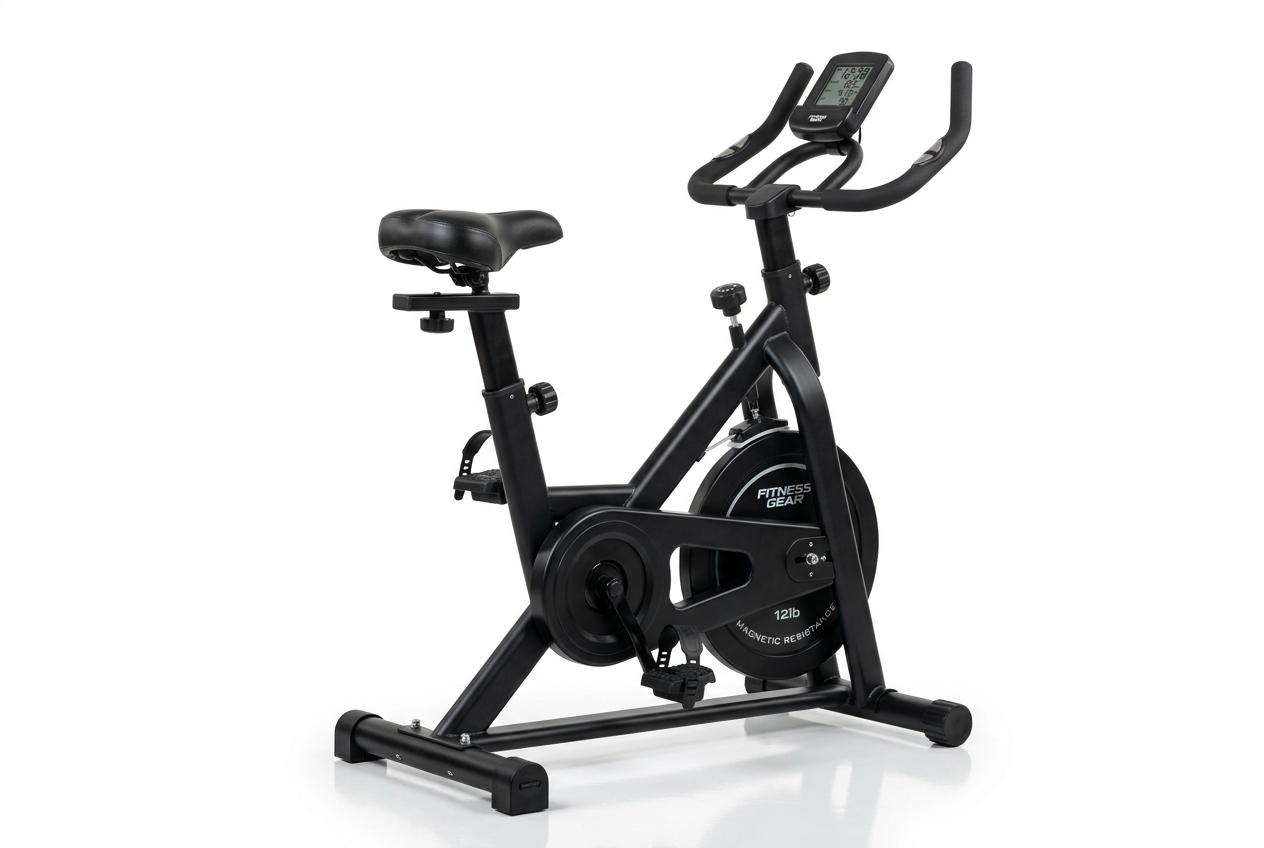 |
Marcy ME-708 Upright Exercise Bike | $100-$200 | Best Budget Cardio | Check Price |
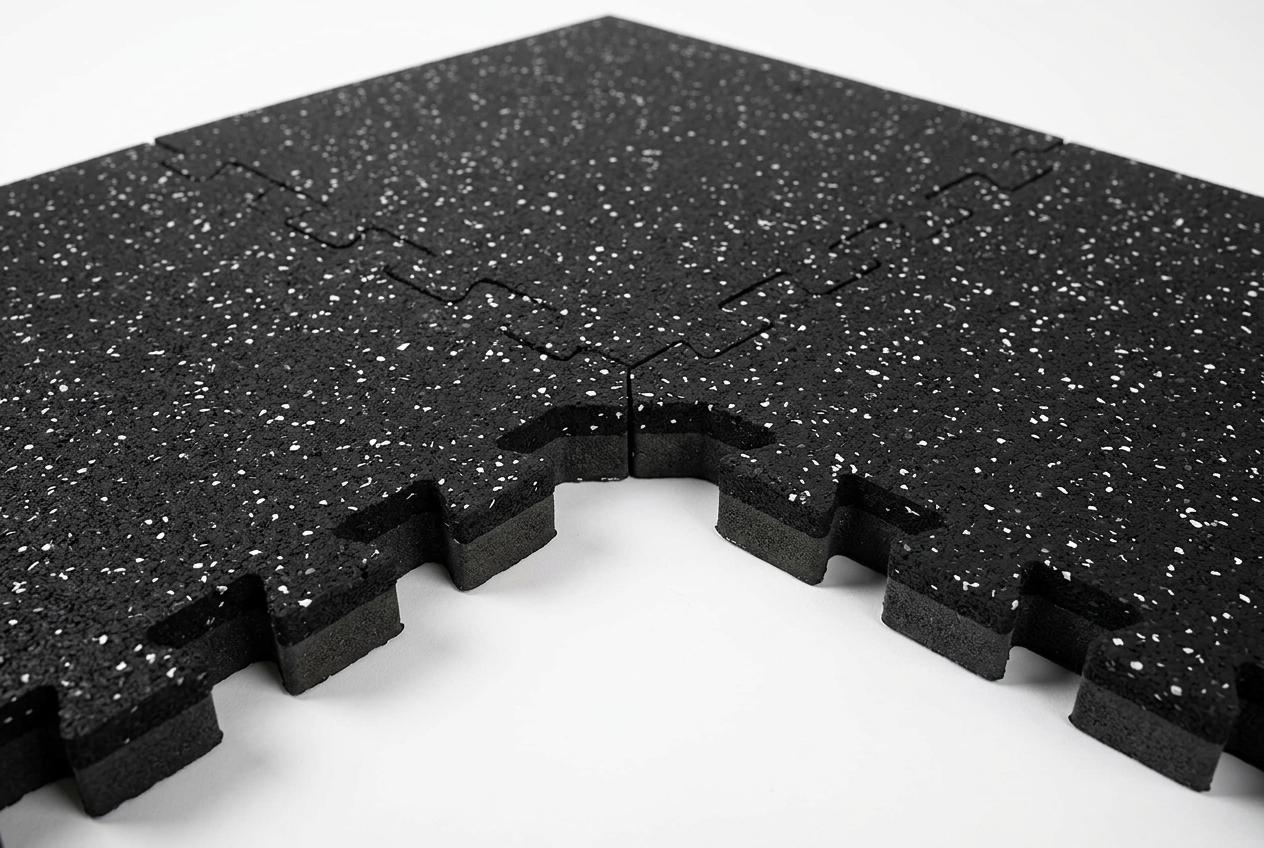 |
Yes4All Interlocking Rubber Gym Flooring | $50-$80 | Best Premium Flooring | Check Price |
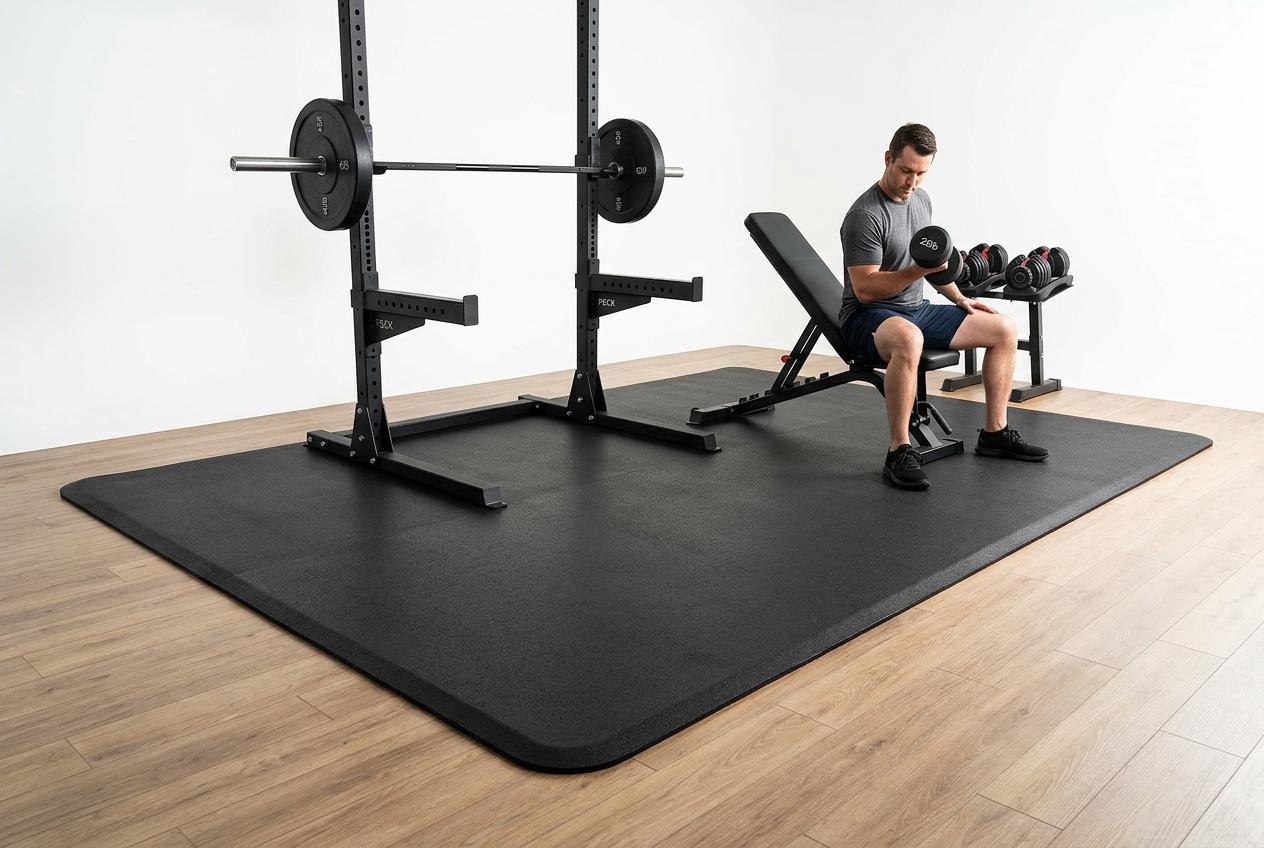
The essential floor protection mat that satisfies lease requirements for preventing floor damage.
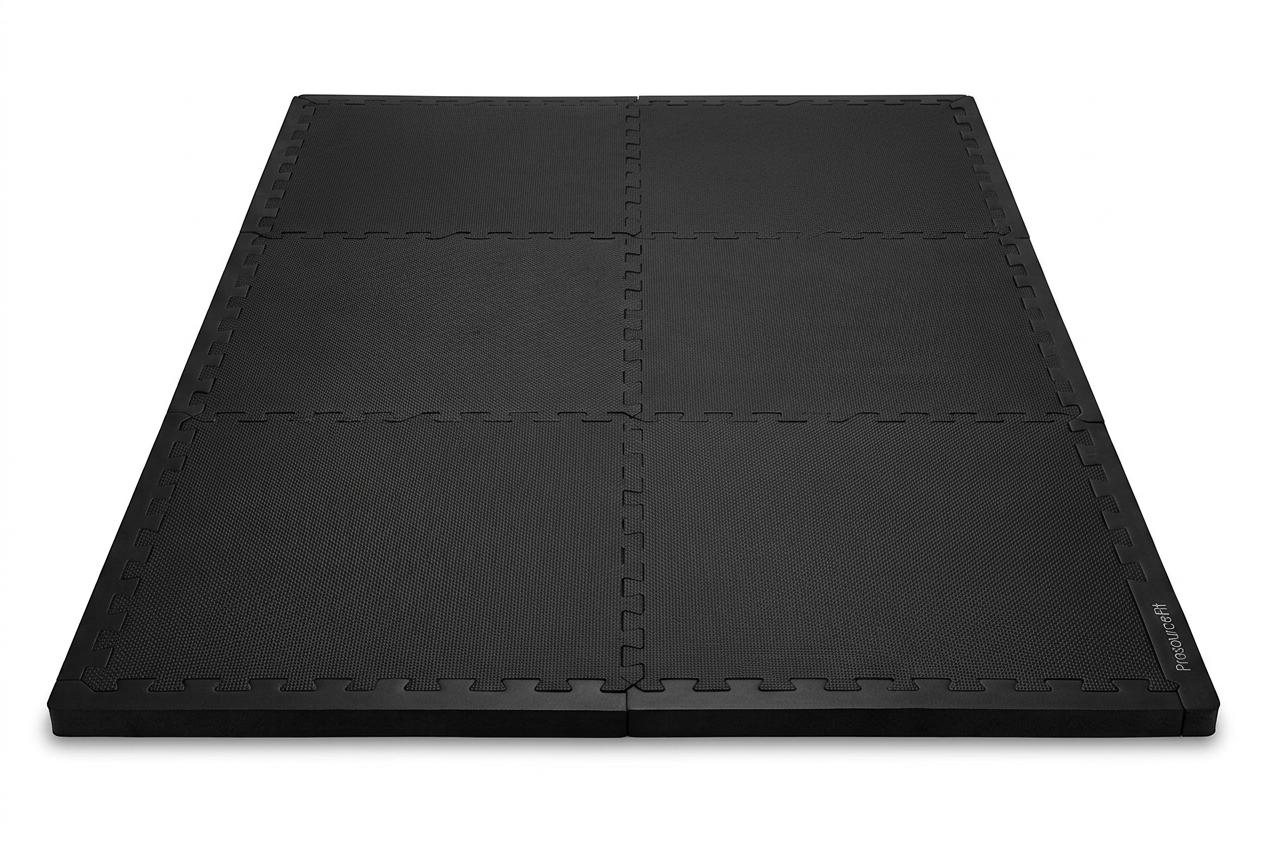
Extra-thick protection that satisfies the strictest lease flooring requirements while providing excellent noise dampening.
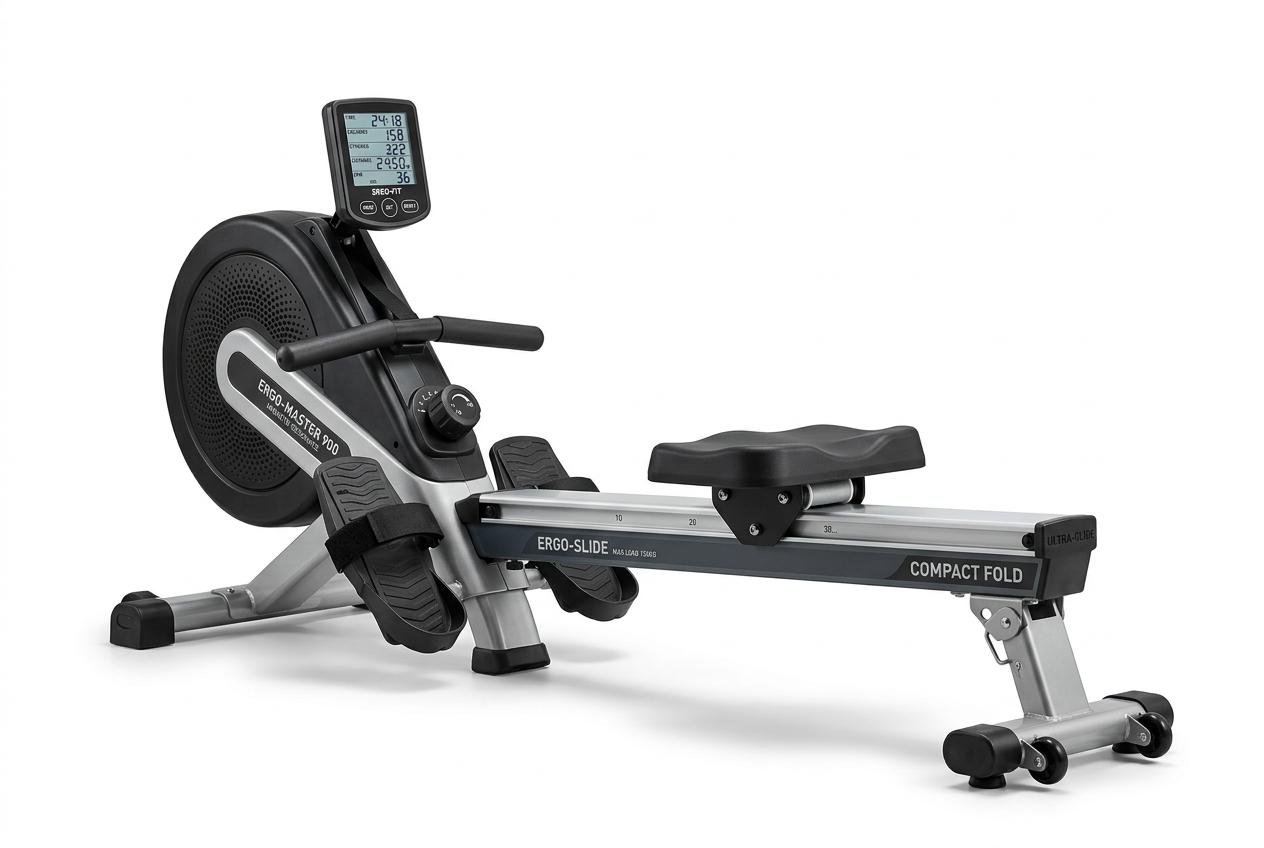
A whisper-quiet cardio machine that delivers a full-body workout without lease-violating noise or installation.
An affordable, whisper-quiet stationary bike that respects both your lease and your neighbors.
Professional-grade rubber flooring that offers the ultimate protection for apartment floors under heavy gym equipment.
When your lease specifies that you must protect the flooring, the Amazon Basics High Density Exercise Equipment Mat is your most straightforward solution. This heavy-duty PVC mat creates a durable barrier between your exercise equipment and your landlord's flooring, preventing the scratches, dents, and sweat stains that commonly lead to security deposit deductions. The textured pebble surface keeps equipment stable during use, and the generous size accommodates most home cardio machines. When it's time to move, simply roll it up and take it with you, leaving the floor underneath in the same condition you found it.
Check Price on Amazon
For renters whose leases specifically require comprehensive floor protection, the ProsourceFit Extra Thick Puzzle Exercise Mat delivers with a full 1-inch of high-density EVA foam. This extra thickness provides significantly more protection than standard 1/2-inch mats, making it ideal for weightlifting areas where dumbbells or kettlebells might be dropped. The interlocking tiles can be assembled to fit any room configuration and just as easily disassembled when you move, leaving zero evidence behind. When you're renting a space with premium flooring that you absolutely must protect, this is the investment that pays for itself by preventing costly damage deductions.
Check Price on Amazon
The Sunny Health & Fitness Magnetic Rowing Machine is arguably the most lease-friendly cardio machine you can own. Unlike treadmills that pound the floor with every step or air rowers that create whooshing noise heard two apartments over, this magnetic rower operates at a whisper-quiet level that won't disturb anyone. It's a free-standing unit that requires zero installation, zero wall anchoring, and zero modifications to your space. When you're done working out, it folds upright and rolls away on built-in transport wheels. For renters who want serious cardio equipment without any lease compliance concerns, this rowing machine checks every box.
Check Price on Amazon
The Marcy ME-708 Upright Exercise Bike is a renter's dream cardio machine. Its magnetic belt drive is so quiet that you can watch TV at normal volume while pedaling, and your downstairs neighbors will have no idea you're even working out. At just 41 pounds with a compact footprint of 18 by 31.5 inches, it takes up minimal space and can be easily moved by one person. The battery-powered console means no cords to trip over and no need to position near an outlet. For under $200, you're getting a lease-compliant, neighbor-friendly cardio solution that delivers consistent, low-impact workouts day after day.
Check Price on Amazon
When your lease demands serious floor protection and your workouts include heavy lifting, the Yes4All Interlocking Rubber Gym Flooring is worth the investment. Unlike basic foam mats, this product features a genuine rubber top layer bonded to an EVA foam base, providing the same level of protection found in commercial gyms. The rubber surface withstands dropped barbells and kettlebells without tearing or compressing, while the foam base cushions your floor from impact. The interlocking edges create a seamless surface that looks professional and stays in place. When you eventually move, simply disassemble the tiles and take your investment with you, leaving the original floor untouched.
Check Price on Amazon