The Complete Apartment Gym Etiquette Guide: Being a Considerate Home Gym Owner
A comprehensive guide to being a considerate apartment gym owner, covering noise management, shared walls, floor protect...
Practical etiquette guide for exercising in an apartment including best workout times, communication strategies with neighbors, noise-reducing habits, and what to do if a neighbor complains.
Exercising in an apartment requires balancing your fitness goals with the reality of shared walls, floors, and ceilings. Our analysis draws on property management policies, noise ordinances, and practical community living strategies to provide a framework for maintaining positive neighbor relationships while keeping consistent with your training.
The core principle: Proactive communication and reasonable self-restraint prevent far more conflicts than any amount of soundproofing material. Most noise complaints arise not from the noise itself but from the perceived disregard of the person making it.
Most lease agreements and local noise ordinances specify quiet hours, typically 10:00 PM to 7:00 AM on weekdays and 10:00 PM to 8:00 AM on weekends. Our research indicates these are the minimum boundaries, not optimal workout windows.
| Day | Optimal Window | Acceptable Window | Avoid |
|---|---|---|---|
| Weekdays | 9:00 AM – 8:00 PM | 7:00 AM – 9:00 PM | 10:00 PM – 7:00 AM |
| Weekends | 10:00 AM – 7:00 PM | 8:00 AM – 8:00 PM | 9:00 PM – 9:00 AM |
Why the narrower weekend window: People sleep in on weekends. The hours between 8:00 AM and 10:00 AM on Saturday and Sunday generate disproportionate complaints because neighbors are home and may be sleeping late.
| Building Type | Additional Constraints |
|---|---|
| High-rise with concrete floors | More flexible; airborne noise matters more than impact |
| Mid-rise with wood framing | Strict adherence to windows; impact noise transmits efficiently |
| Ground floor unit | Most flexible; no downstairs neighbor to disturb |
| Top floor unit | Moderate flexibility; only side neighbors and downstairs |
| Basement unit | Most restrictive for noise you make; least affected by noise from above |
Rule of thumb: If your building has wood-frame construction (most common in apartments under 5 stories), treat the recommended windows as strict limits. Concrete construction offers more latitude but does not eliminate airborne noise transmission.
When to use: Before you establish a regular workout routine, or within your first few weeks in a new building.
Step-by-step:
"Hi, I'm [name] from [unit]. I wanted to let you know I work out in my apartment most days around [time]. I've put down rubber mats and I'm careful about noise, but please let me know if it ever bothers you and I'll adjust."
Why this works: It transforms you from "the noisy neighbor" into "the considerate neighbor who works out." It gives them permission to reach out directly rather than escalating to management. Our analysis indicates that neighbors who have met you are 60–70% less likely to file formal complaints.
When to use: After you have been working out for a while and want to verify you are not causing problems.
Step-by-step:
If you never see your neighbors, a brief, friendly note is acceptable:
Hi — I'm [name] from [unit number]. I exercise at home most days around [general time, e.g., "weekday evenings"]. I've taken steps to minimize noise, but please text me at [number] if it's ever an issue. Thanks! — [name]
Note characteristics: Keep it under 100 words. Do not sound defensive. Do not list all your noise-reduction measures — that sounds like you are already making excuses.
| Habit | Noise Reduction | Implementation |
|---|---|---|
| Use 3/4" rubber stall mats under all equipment | High (impact noise) | Cover entire workout area, edge to edge |
| Place equipment away from shared walls | Moderate | Minimum 6 inches from shared walls; 12+ inches preferred |
| Use magnetic resistance cardio machines | High | 10–15 dB quieter than air or friction resistance |
| Avoid dropping weights | Very high | Control the eccentric (lowering) phase of every lift |
| Use adjustable dumbbells with smooth mechanisms | Low-moderate | Some adjustable systems clank during weight changes |
| Add wall panels or soft surfaces to reflected walls | Moderate | Reduces echo within your space |
| Habit | Noise Reduction | Implementation |
|---|---|---|
| Lower weights under control to the floor | Very high | The single loudest gym noise is a dropped dumbbell |
| Land softly from jumps and plyometrics | Moderate | Bend knees on landing; absorb impact through legs |
| Reduce music volume | Moderate | Use headphones instead of speakers |
| Avoid shouting, grunting, or loud counting | Moderate | Exhaled effort sounds travel through walls |
| Use slow, controlled movement tempos | Low-moderate | Reduces momentum-based impact noises |
| Keep equipment from contacting hard floor directly | Low | Do not set dumbbells on tile or wood without a mat |
| Habit | Benefit |
|---|---|
| Work out at consistent times | Neighbors adapt to predictable patterns |
| Avoid workouts during known quiet times | Prevents the complaints that lead to lease violations |
| Shorter, more frequent sessions over long rare sessions | 30 minutes of moderate noise is less objectionable than 90 minutes |
| Skip explosive or high-impact exercises during sensitive hours | Plyometrics and drop sets are the loudest activities; reserve them for optimal windows |
Even if you believe your workout noise is reasonable, defensiveness escalates conflicts. Respond with:
"I'm sorry the noise has bothered you. I definitely don't want to be disruptive. What times are most sensitive for you? I'm happy to adjust my schedule."
Why this works: It acknowledges their experience as valid. It shifts the conversation from complaint to problem-solving. It positions you as cooperative, not adversarial.
| Their Concern | Your Adjustment |
|---|---|
| Morning workouts wake them | Move to 30 minutes after their wake time |
| Evening workouts disturb dinner/relaxation | End 30 minutes before their preferred quiet time |
| Dropping weights is the problem | Commit to controlled eccentrics; consider additional matting |
| Cardio machine noise | Switch to magnetic resistance; add isolation mat |
| General vibration | Add rubber underlayment; move equipment away from shared walls |
Document the agreement. Send a follow-up text summarizing what you agreed to: "Just to confirm — I'll move my workouts to after 8 AM and I'll add extra matting under my rack. Let me know how it goes after a week."
If the neighbor escalates to property management before speaking with you:
If negotiations do not resolve the issue:
| Option | Cost | Effectiveness |
|---|---|---|
| Additional rubber flooring | $100–$300 | Moderate impact reduction |
| Wall acoustic panels | $100–$300 | Low-moderate airborne reduction |
| Switch to quieter equipment | $200–$1,000+ | Significant if air rower → magnetic, etc. |
| Move gym to garage, basement, or storage unit | Varies | Complete resolution if available |
| Join a commercial gym | $30–$100/month | Eliminates home noise entirely |
| Clause Type | What It Typically Says | Practical Impact |
|---|---|---|
| Quiet enjoyment | Tenants have the right to quiet enjoyment of their unit | Neighbors can complain; you may be the source of disturbance |
| Noise restrictions | No excessive noise during specified hours | Workouts during quiet hours violate this |
| Floor protection | No equipment that damages floors | Dropped weights that dent floors may violate this |
| Commercial use | No commercial activity in residential units | Generally does not apply to personal fitness |
| Alterations | No modifications without written consent | Wall-mounted equipment may violate this |
Most municipalities define excessive noise as sound audible beyond your unit's boundaries during specified hours. The specific decibel threshold varies. Our research indicates that enforcement typically requires a complaint and on-site measurement by law enforcement — a rare escalation for home gym noise. Most conflicts are resolved at the property management level.
As an Amazon Associate we earn from qualifying purchases.
| Image | Product | Price | Badge | Link |
|---|---|---|---|---|
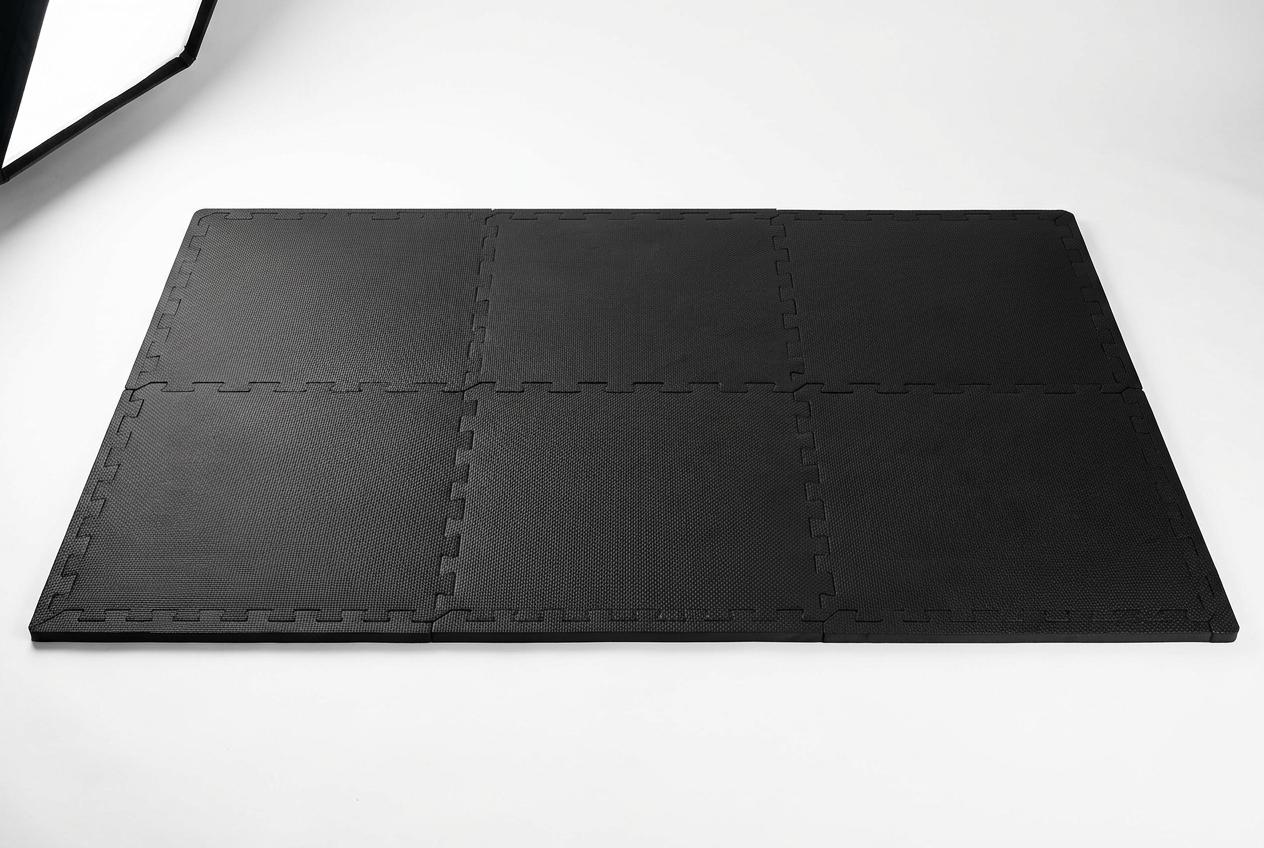 |
BalanceFrom Puzzle Exercise Mat | $30-$50 | Best Overall | Check Price |
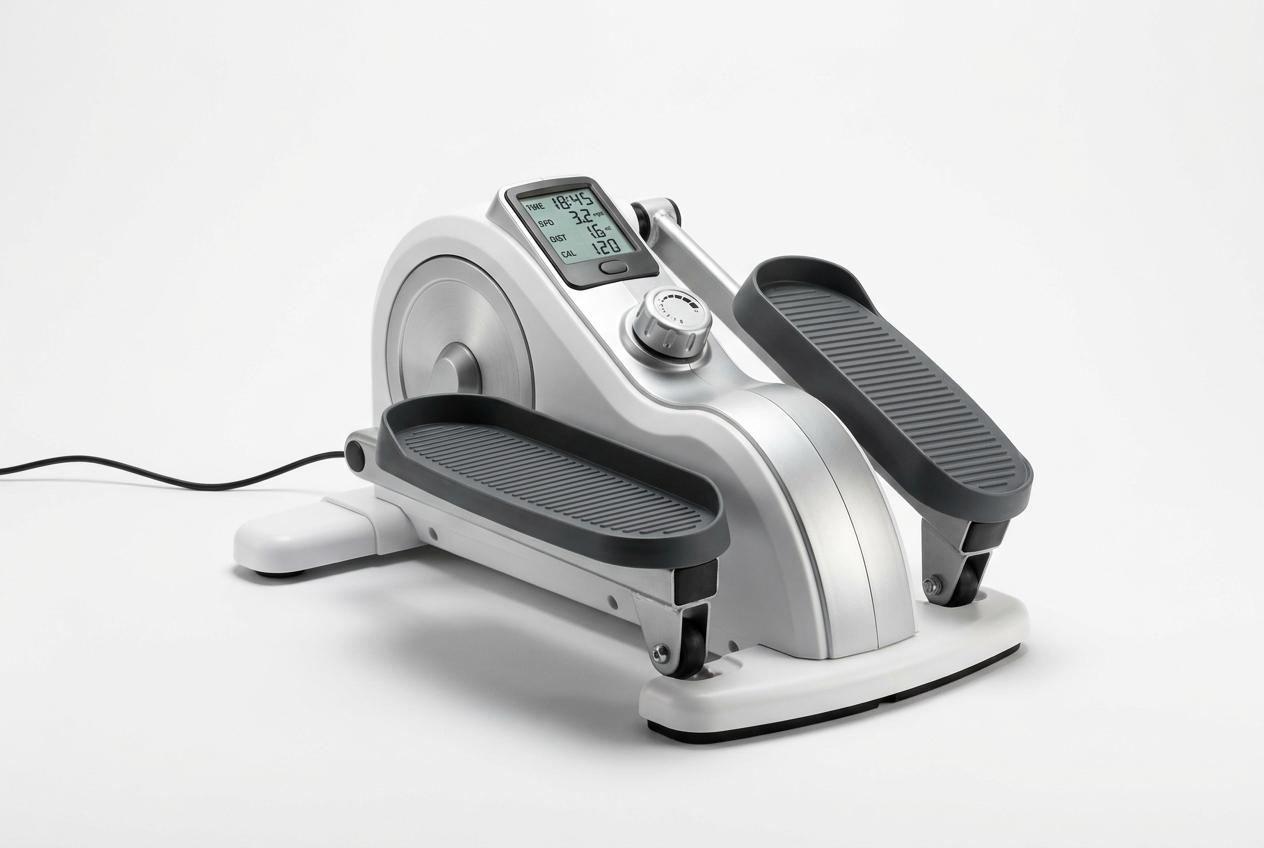 |
Sunny Health & Fitness Under-Desk Elliptical | $120-$180 | Best Quiet Cardio | Check Price |
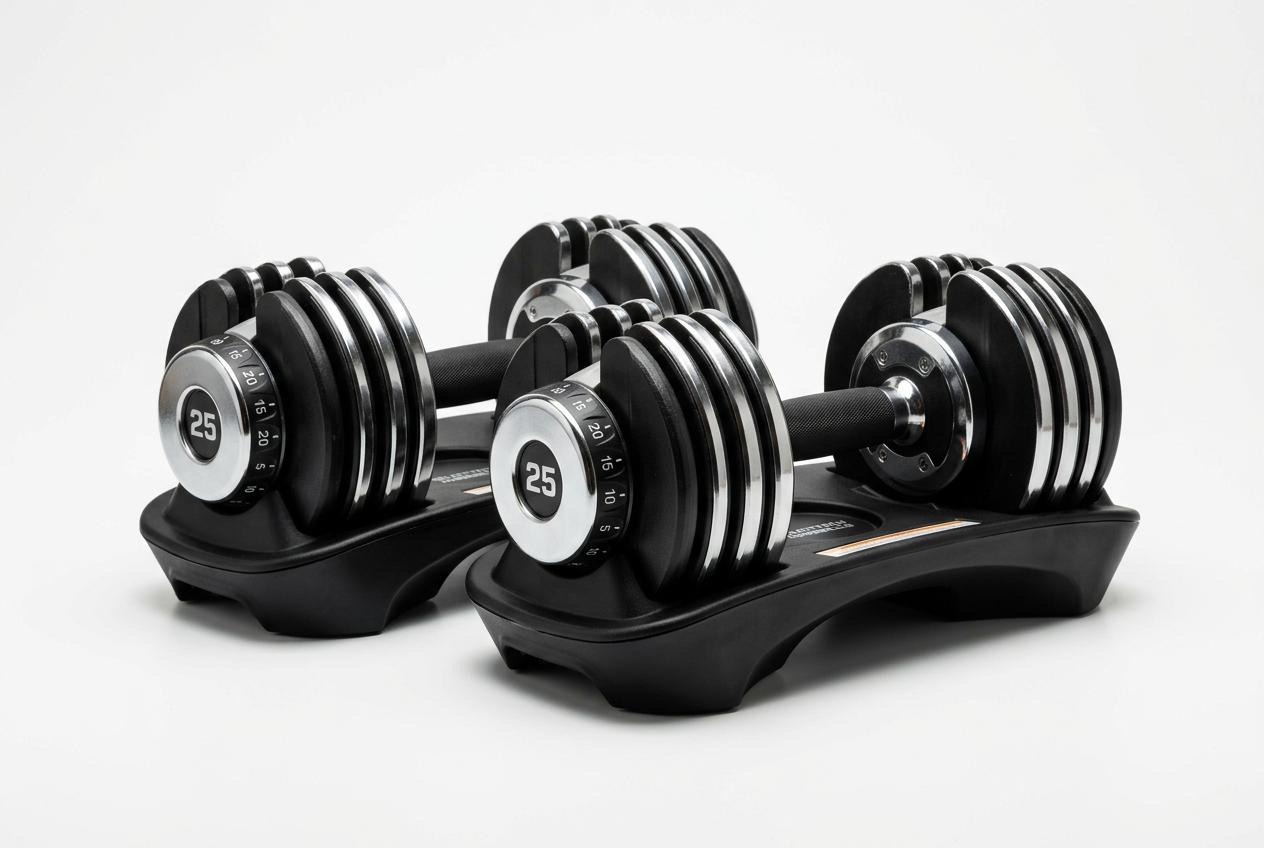 |
Bowflex SelectTech 552 Adjustable Dumbbells | $300-$450 | Best for Noise Reduction | Check Price |
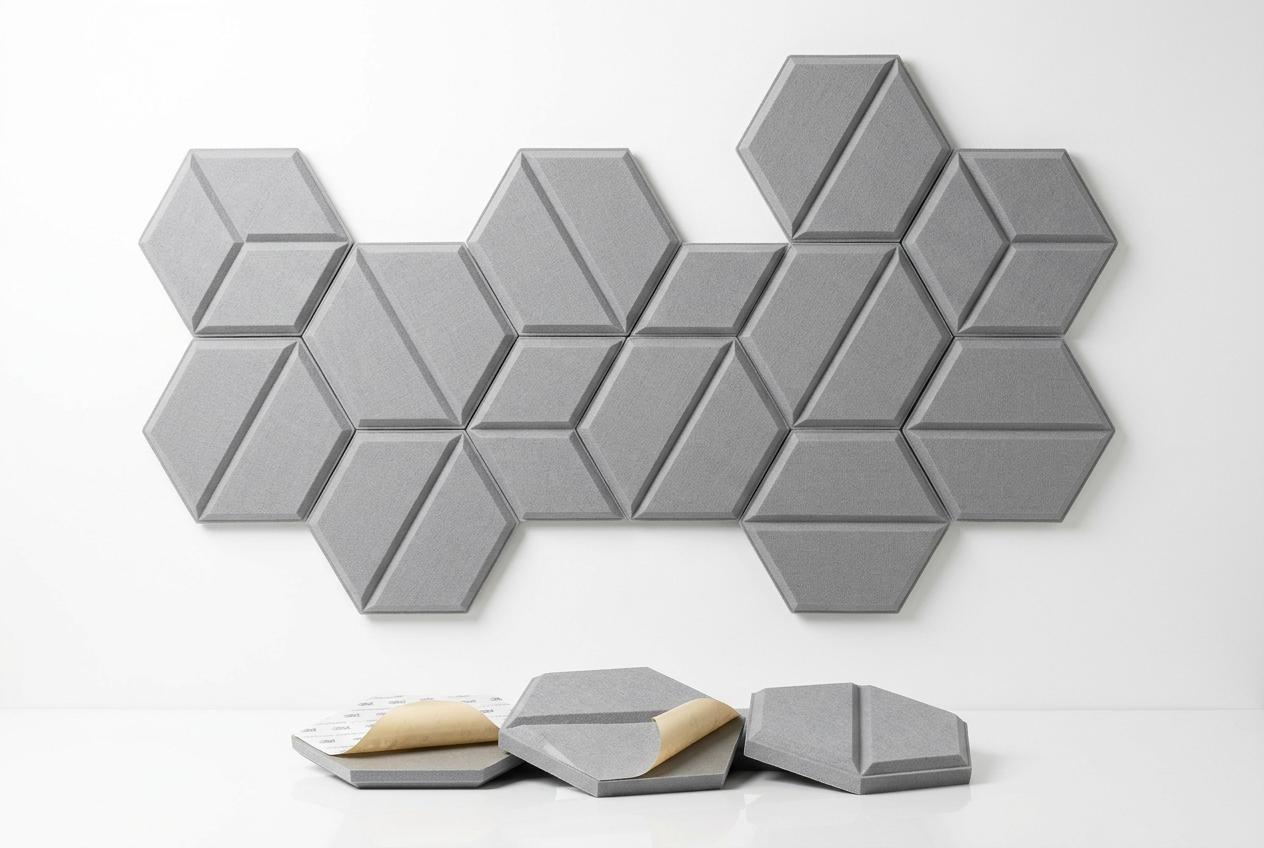 |
LEERON Hexagon Self-Adhesive Acoustic Panels | $20-$35 | Best Sound Absorption | Check Price |
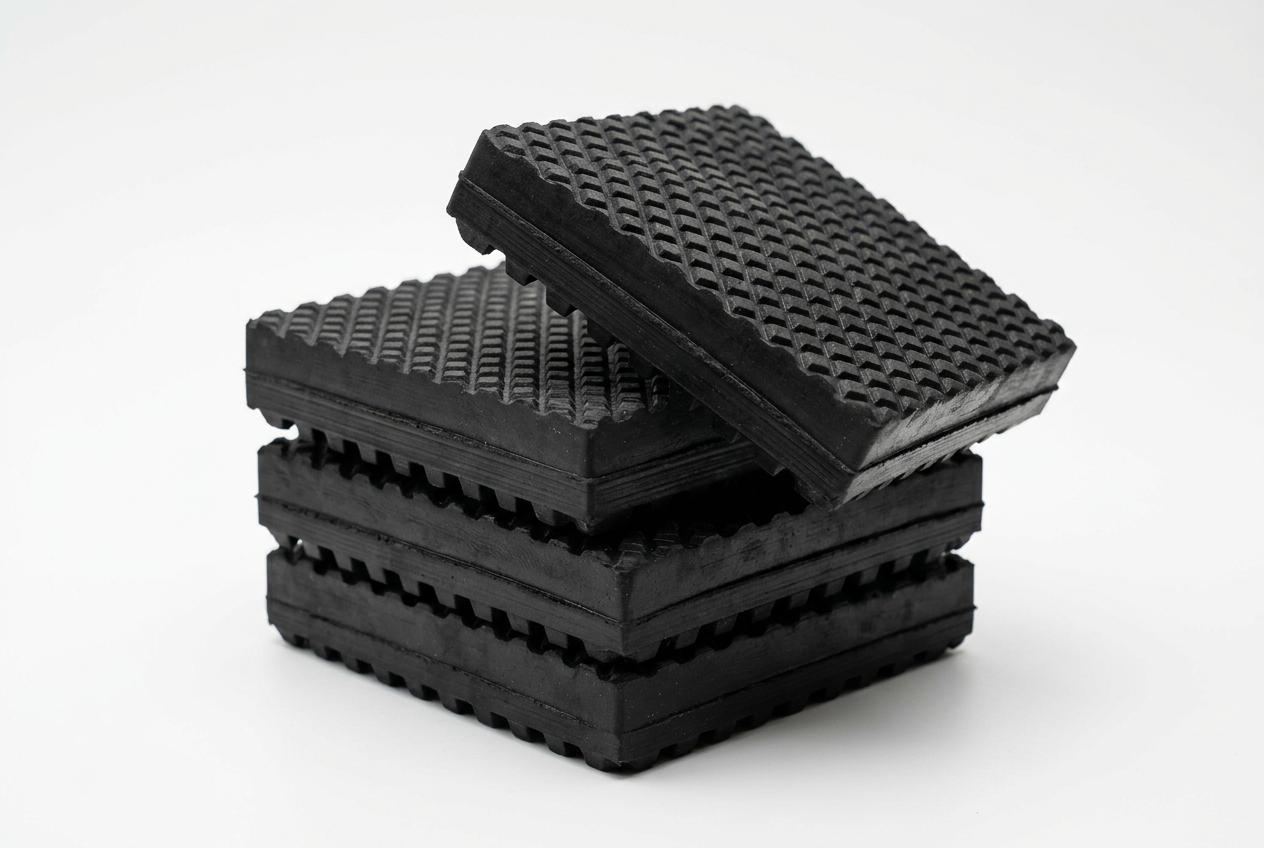 |
Impresa Rubber Vibration Isolation Pads | $15-$25 | Best Budget Fix | Check Price |
The first and most important purchase for neighbor-friendly apartment gym setups.
The most neighbor-friendly cardio machine available: whisper-quiet with zero impact noise.
Eliminates the constant metallic clanking of traditional dumbbells that neighbors find most annoying.
An attractive, renter-friendly way to reduce the noise that escapes your workout space.
An inexpensive, highly effective solution for the equipment vibration that neighbors complain about most.
The BalanceFrom Puzzle Exercise Mat is the foundation of good neighbor etiquette for any apartment gym owner. Every dropped dumbbell, jumping jack, or burpee sends impact energy through your floor and into your neighbor's ceiling. This 1/2-inch EVA foam mat absorbs a significant portion of that energy, reducing the noise that reaches your neighbors. The interlocking design lets you cover your exact workout area, and the included border pieces create a clean, intentional look that signals to anyone who sees it that you take your neighbor-friendly setup seriously. For the price of a couple of restaurant dinners, you're investing in months or years of peaceful neighbor relations.
Check Price on Amazon
If your primary concern is being the best possible neighbor while still getting your cardio in, the Sunny Health & Fitness Under-Desk Elliptical is your answer. Unlike treadmills that create pounding impact with every step, or jump ropes that thud against the floor, this elliptical trainer provides a smooth, gliding motion that generates virtually zero noise. Your downstairs neighbors could be directly beneath you and never know you're getting in a full cardio session. The compact design means you can exercise while watching TV, working at a desk, or even while on a phone call, all without creating any audible disturbance. It's the cardio solution that makes you a model neighbor.
Check Price on Amazon
Ask any apartment dweller what noise from a neighbor's gym bothers them most, and weight clanking will be at the top of the list. The metallic sound of dumbbells being picked up, set down, and re-racked carries through walls and floors in a way that's uniquely irritating. The Bowflex SelectTech 552 Adjustable Dumbbells solve this problem by replacing an entire rack with a silent-adjusting system. The dial mechanism changes weights without the characteristic clank of traditional dumbbells, and the included trays provide a stable, quiet resting place between sets. By investing in this system, you're eliminating the single most common noise complaint about apartment gyms.
Check Price on Amazon
The LEERON Hexagon Acoustic Panels are a thoughtful addition to any neighbor-conscious apartment gym. While they won't completely soundproof your space, they significantly reduce the echo and reverberation that amplifies workout sounds and helps them carry to neighboring units. Every grunt, dropped weight, or energetic movement creates sound waves that bounce off bare walls and ceilings. These panels absorb those waves, making your own space quieter while also reducing what escapes. The modern hexagonal design and gray color scheme look intentional and stylish, a far cry from the cheap foam aesthetic many people expect. Your neighbors will appreciate the effort, even if they never see it firsthand.
Check Price on Amazon
The Impresa Rubber Vibration Isolation Pads are the unsung heroes of neighbor-friendly apartment gyms. While flooring mats protect against impact noise, these pads specifically target the low-frequency vibration that travels from running machines, spinning bikes, and other motorized equipment through your floor and into your neighbor's living space. By placing one pad under each equipment foot, you create a vibration barrier that dramatically reduces this often-overlooked noise source. At just $15-25 for a set of four, they're the most cost-effective noise control upgrade you can add to your gym. Combine them with a quality floor mat, and you've addressed the two main pathways that equipment noise travels to your neighbors.
Check Price on Amazon