The Complete Apartment Gym Etiquette Guide: Being a Considerate Home Gym Owner
A comprehensive guide to being a considerate apartment gym owner, covering noise management, shared walls, floor protect...
Complete guide to legal rights regarding home gyms in rental properties. Learn lease review, ADA considerations, noise ordinances, insurance, and dispute resolution.
FTC Disclosure: SnugGym receives commissions from purchases made through Amazon links on this page. Our editorial opinions remain independent.
The dream of a home gym shouldn't be limited to homeowners with garages and basements. Millions of renters successfully maintain effective workout spaces in apartments, condos, and townhomes — but navigating the legal landscape requires understanding your rights and responsibilities. This comprehensive guide examines the legal framework governing home gyms in rental properties, from lease agreements and noise ordinances to insurance requirements and disability accommodations.
Important Legal Disclaimer: This article provides general information about legal concepts and is not legal advice. Laws vary significantly by state, county, and municipality. Always consult a licensed attorney in your jurisdiction for advice specific to your situation.
Your lease agreement is the primary legal document governing what you can and cannot do in your rental unit. Most leases contain clauses that directly impact home gym setup:
Common lease provisions affecting home gyms:
| Clause Type | Typical Language | Impact on Home Gym |
|---|---|---|
| Quiet enjoyment | "Tenant shall not disturb other tenants' peaceful enjoyment" | Limits workout hours and noise levels |
| Alterations | "No alterations without written landlord consent" | May prohibit wall-mounted equipment, flooring changes |
| Weight limits | "Floors rated for X pounds per square foot" | Restricts heavy rack and equipment placement |
| Use restrictions | "Unit for residential use only" | May prohibit commercial-grade equipment |
| Insurance requirements | "Tenant must maintain renter's insurance" | May require specific liability coverage |
Most standard lease agreements do not explicitly prohibit home gyms. Instead, general clauses about noise, property damage, and alterations provide the framework within which gym activities must operate. This ambiguity cuts both ways: your landlord may claim gym activities violate general provisions, but the lack of specific prohibition also works in your favor.
Key principle: Absent an explicit prohibition on exercise equipment or home gyms, renters generally have the right to maintain workout spaces that comply with all other lease terms (noise, property damage, safety).
If your lease doesn't address home gyms specifically, request written clarification from your landlord before investing in equipment. A simple email: "I'm planning to set up a small exercise area with a yoga mat and adjustable dumbbells. I wanted to confirm this is acceptable under my lease terms" creates a paper trail and demonstrates good faith.
Document all communications. Save emails, texts, and written notes from verbal conversations. If a dispute arises, this documentation becomes evidence of your cooperative approach and the landlord's awareness.
The Fair Housing Act (FHA) and Americans with Disabilities Act (ADA) require landlords to provide "reasonable accommodations" for tenants with disabilities. A reasonable accommodation is a change in rules, policies, practices, or services that enables a person with a disability an equal opportunity to use and enjoy their dwelling.
For tenants with disabilities where exercise is medically recommended or necessary, a home gym may constitute a reasonable accommodation. Common qualifying conditions include:
To request accommodation:
Sample language: "I am requesting a reasonable accommodation under the Fair Housing Act. My physician has prescribed regular exercise as part of my treatment for [condition]. This letter confirms that home-based exercise is medically necessary. I am requesting permission to maintain [specific equipment] in my unit and to exercise during [specific hours] as prescribed by my doctor."
Landlords must:
Landlords cannot:
A landlord may deny an accommodation if:
Noise ordinances exist at the city or county level and typically specify:
| Common Provision | Typical Standard |
|---|---|
| Daytime noise limit | 55-65 dB at property line (varies by jurisdiction) |
| Nighttime noise limit | 50-55 dB at property line (typically 10 PM - 7 AM) |
| "Plainly audible" standard | Sound that can be clearly heard in another unit may violate ordinance regardless of decibel level |
| Excessive noise prohibition | Sounds that disturb reasonable persons may be prohibited |
Regardless of lease terms or accommodation status, you must comply with local noise ordinances. Violations can result in:
Know your local law: Search "[your city] noise ordinance" to find specific decibel limits, prohibited hours, and enforcement procedures. Many municipalities publish this information online.
Measure your output: Use a free decibel meter app (iOS: Decibel X, Android: Sound Meter) to measure gym noise at your property line or in adjacent units. This data helps you stay within legal limits and provides evidence if complaints arise.
Typical home gym noise levels:
| Activity | Noise Level at Source | Noise Level in Adjacent Room | Noise Level in Adjacent Unit |
|---|---|---|---|
| Yoga/stretching | 40-50 dB | 30-40 dB | 25-35 dB |
| Dumbbell work | 60-75 dB | 45-55 dB | 35-45 dB |
| Barbell lifts (controlled) | 65-80 dB | 50-65 dB | 40-55 dB |
| Dropped weights | 85-100 dB | 65-80 dB | 55-70 dB |
| Cardio equipment | 55-75 dB | 40-55 dB | 30-45 dB |
Most apartment gyms can operate legally during daytime hours if:
As a tenant, you are legally responsible for damage caused by your negligence or intentional acts. This includes:
Before setting up your gym:
Protective measures:
Standard floor load capacities:
| Building Type | Typical Floor Load Capacity |
|---|---|
| Modern apartments (post-1980) | 40-50 lbs/sq ft live load |
| Older apartments | 30-40 lbs/sq ft live load |
| Ground floor units | Often higher (may support power racks) |
| Upper floor units | Typically lower (dumbbells and bodyweight safer) |
| Units over garages/carports | Check carefully — may have reduced capacity |
Example calculation: A 4×6 foot workout area (24 sq ft) in a modern apartment:
Renter's insurance protects you financially if:
Personal property coverage: Replaces your equipment if stolen or damaged by covered perils (fire, theft, vandalism). Typical policies cover $10,000-30,000 in personal property. Document your equipment with photos and receipts.
Liability coverage: Protects you if someone is injured in your unit or by your activities. This includes:
Standard liability coverage: $100,000 per occurrence. Consider increasing to $300,000 if you have significant gym equipment and regular workout partners.
Some landlords now require specific liability minimums or name the landlord as "additional insured" on your policy. Review your lease for these requirements and ensure compliance.
Standard renter's insurance covers gym equipment as personal property. However:
When you move out, your landlord can deduct from your security deposit for:
Documentation:
Upon move-out:
If deductions are taken:
| Condition | Normal Wear and Tear (Not Deductible) | Damage (Deductible) |
|---|---|---|
| Floors | Slight carpet compression | Torn carpet, cracked tile, dented hardwood |
| Walls | Minor scuffs | Holes from mounting, significant marks |
| Ceilings | No expected wear | Cracks from vibration/impact |
| Doors | Normal hinge wear | Damage from equipment contact |
When disputes arise, follow this progressive approach:
Step 1: Direct communication
Step 2: Written formal request
Step 3: Mediation
Step 4: Legal consultation
Step 5: Formal legal action
Most states prohibit landlord retaliation for tenants exercising legal rights. If you request a reasonable accommodation or report code violations, your landlord cannot:
Document everything if you suspect retaliation. The timing of adverse actions after you exercised your rights creates a presumption of retaliation in many jurisdictions.
General advice: Search "[your state] tenant rights" or "[your state] landlord tenant law" to find state-specific resources. Many states publish tenant rights handbooks online.
| Equipment Type | Apartment-Friendly? | Risk Level | Mitigation |
|---|---|---|---|
| Resistance bands | Excellent | Minimal | None needed |
| Adjustable dumbbells | Very good | Low | Rubber mat, controlled movements |
| Pull-up bar (doorway) | Good (with permission) | Low | Use proper installation, patch holes on move-out |
| Foldable bench | Good | Low | Rubber mat underneath |
| Yoga mat/bodyweight | Excellent | Minimal | None needed |
| Kettlebells | Moderate | Medium | Rubber mat, never drop |
| Power tower | Moderate | Medium | Check floor capacity, rubber mat |
| Barbell + plates | Limited | High | Ground floor only, proper flooring, no drops |
| Power rack | Poor | Very high | Generally not advisable in apartments |
Q: Can my landlord evict me for having a home gym? Generally no, unless your gym violates specific lease terms (noise, property damage) or local ordinances. A landlord cannot evict you solely for possessing exercise equipment that doesn't violate any provision. However, if your gym creates unreasonable noise, causes damage, or exceeds floor capacity, these consequences may support eviction proceedings.
Q: Do I need my landlord's permission for a home gym? Not legally required unless your lease specifically prohibits exercise equipment or your setup requires alterations (wall mounting, flooring changes). However, seeking permission demonstrates good faith and may protect you from future disputes. Always seek written permission for any wall-mounted equipment or flooring installation.
Q: Can my landlord charge extra for me to have a gym? No, unless the gym causes measurable increases in landlord costs (utilities in included-rent situations, increased insurance premiums documented with evidence). For disability-related accommodations, charging extra is explicitly prohibited under the Fair Housing Act.
Q: What if my upstairs neighbor complains about noise from my gym? First, verify that your noise levels comply with local ordinances (measure with a decibel app). If compliant, the noise is likely legally permissible during daytime hours. However, being legally right doesn't eliminate neighbor conflicts. Consider noise reduction measures, adjusting workout times, or communicating directly with the neighbor to find mutually acceptable solutions.
Q: Can I mount a pull-up bar to my door frame or wall? Only with landlord written permission. Mounting hardware creates holes that constitute property damage without authorization. Use tension-mounted doorway pull-up bars that don't require drilling, or request written permission for wall-mounted options with a commitment to repair holes upon move-out.
Renters have the right to maintain home gyms in most situations, provided they comply with lease terms, local ordinances, and basic standards of neighborly conduct. The key to successful apartment gym ownership is proactive communication, thorough documentation, and genuine effort to minimize impact on others.
The most legally protected position combines: adherence to noise ordinances, use of protective flooring, selection of appropriate equipment for your building type, adequate insurance coverage, and (when applicable) medical documentation supporting exercise as a reasonable accommodation. With these elements in place, the vast majority of renters can maintain effective home gyms without legal complications.
Last updated: May 2026. Laws vary by jurisdiction and change over time. This article is informational and does not constitute legal advice. Consult a licensed attorney for guidance specific to your situation.
| Image | Product | Price | Badge | Link |
|---|---|---|---|---|
 |
Fit Simplify Resistance Loop Exercise Bands | $10-$20 | Best Budget | Check Price |
 |
Amazon Basics Exercise Equipment Mat | $30-$50 | Best Floor Protection | Check Price |
 |
Marcy Foldable Upright Exercise Bike | $120-$180 | Best Quiet Cardio | Check Price |
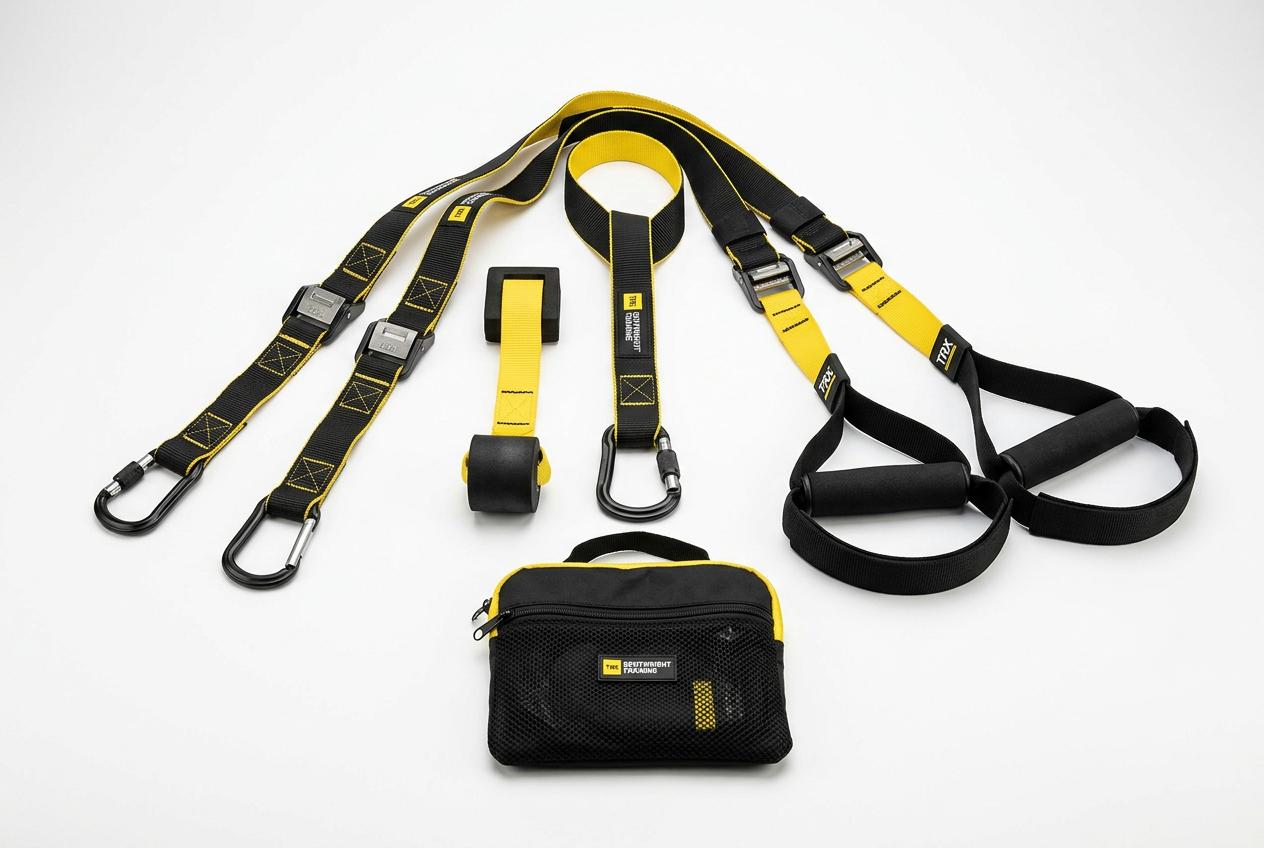 |
TRX GO Suspension Training Kit | $100-$150 | Most Versatile | Check Price |
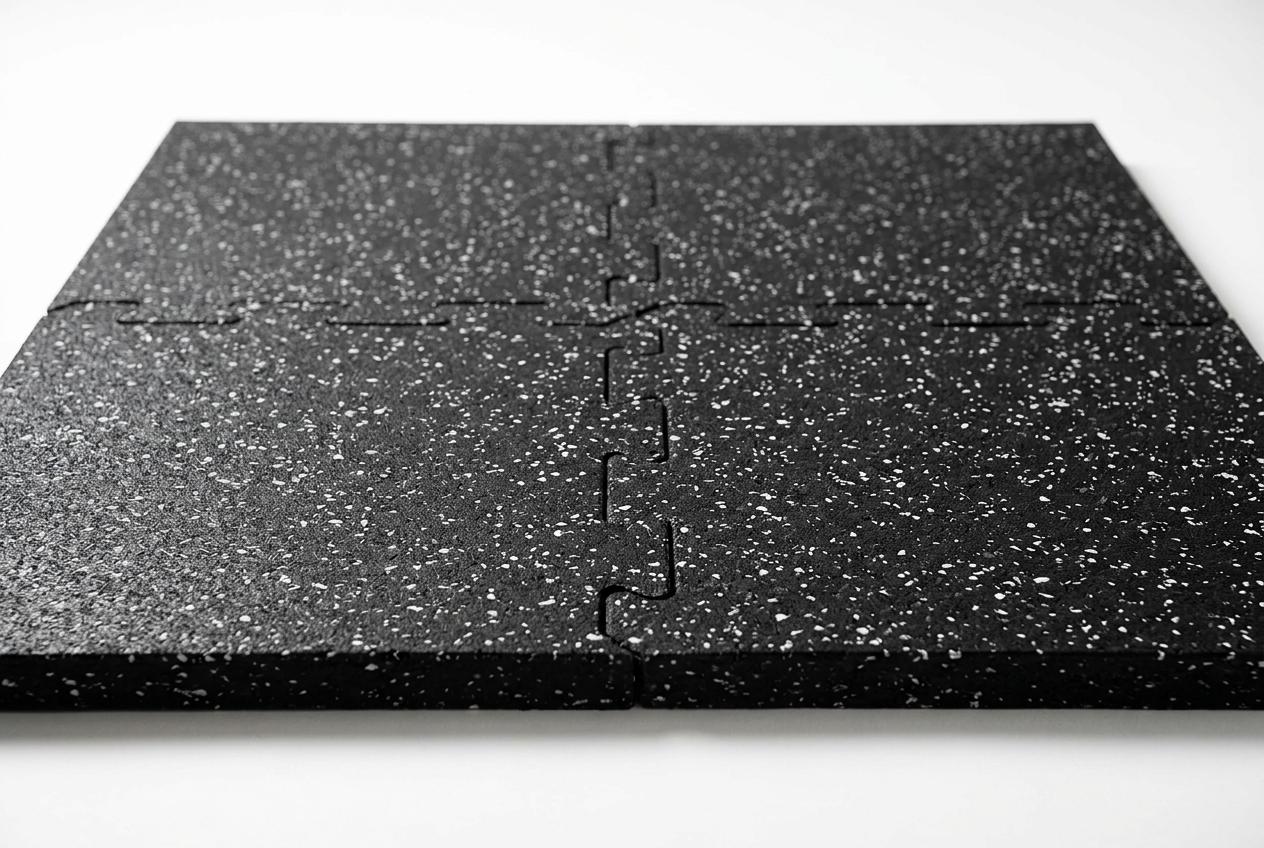 |
Yes4All Rubber Top Gym Flooring Tiles | $50-$80 | Best Heavy-Duty Protection | Check Price |
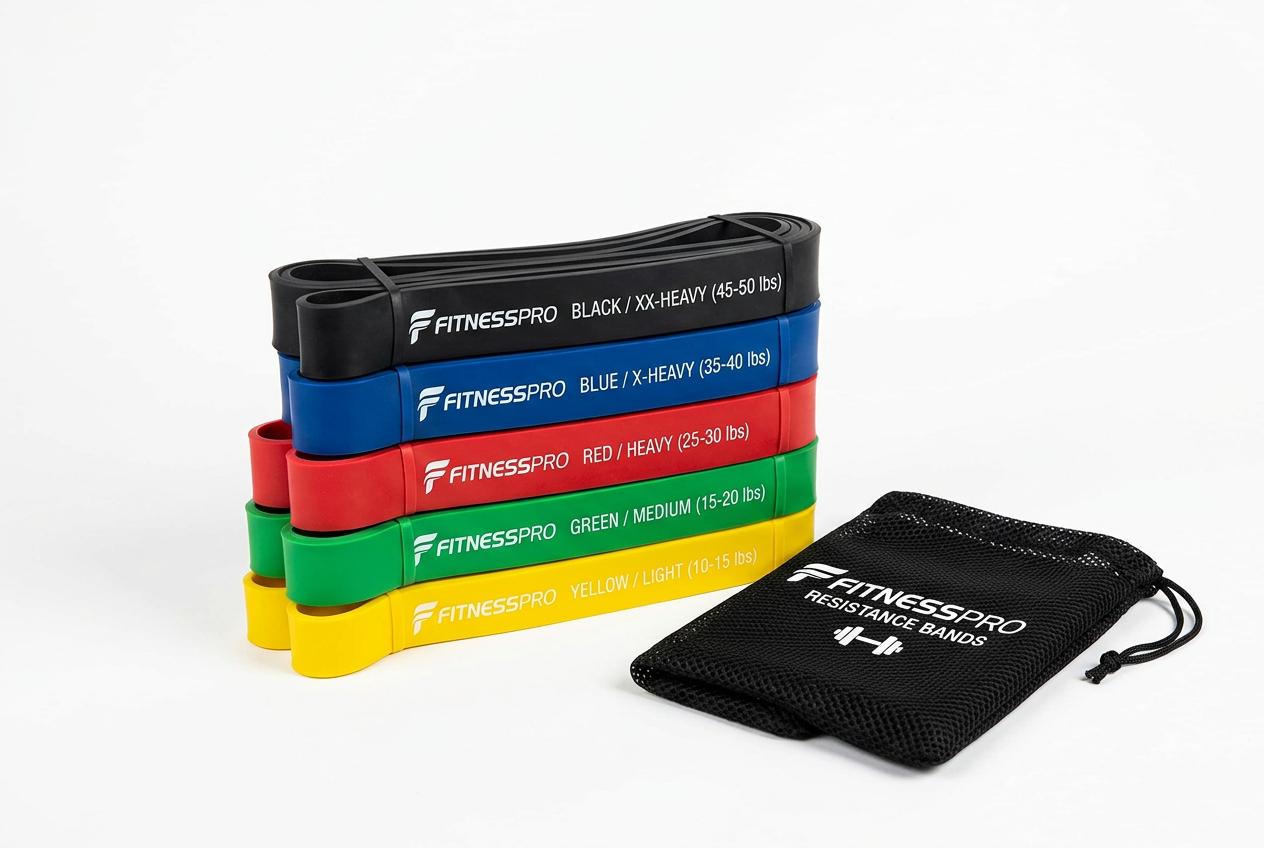
The most legally bulletproof exercise equipment: completely silent, requires no space, and poses zero risk of property damage.
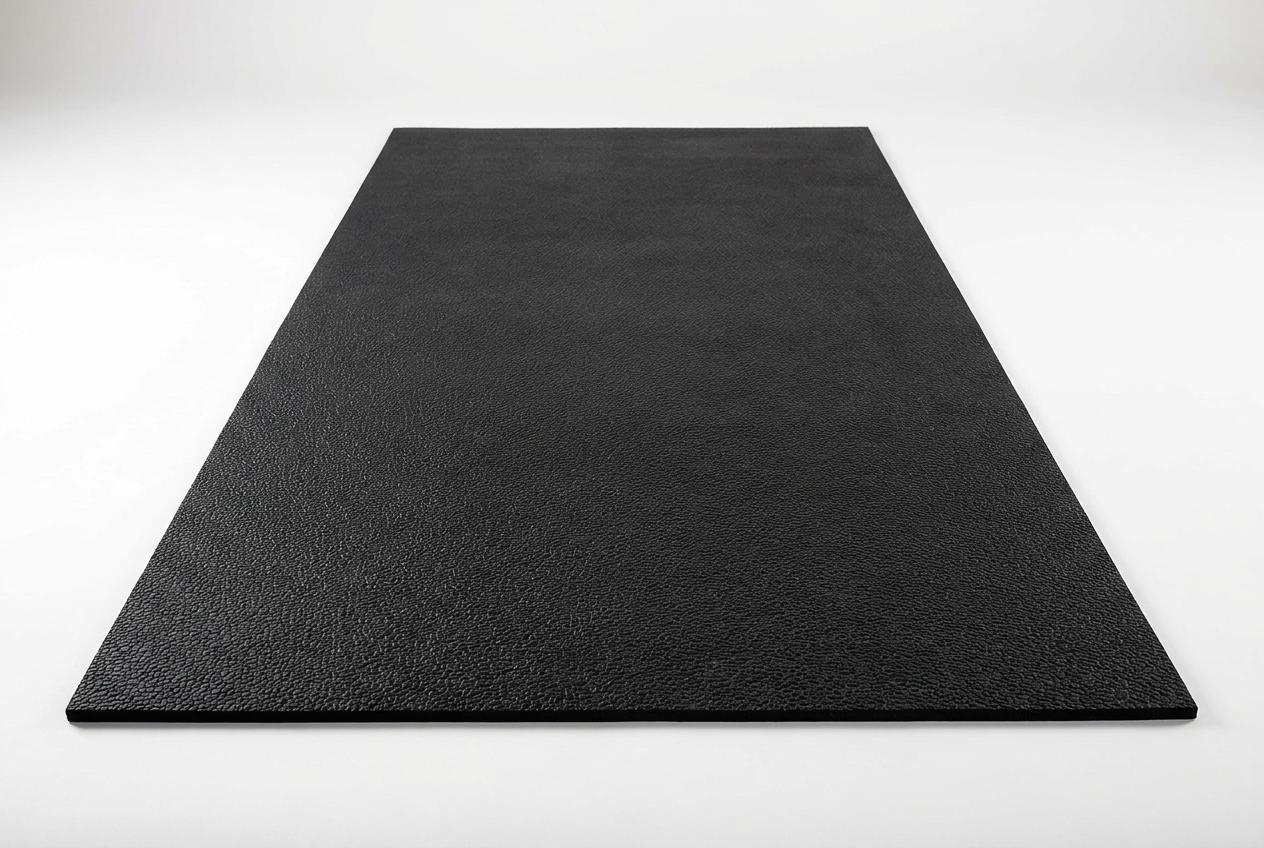
An affordable, effective way to document your commitment to protecting rental property from gym equipment damage.
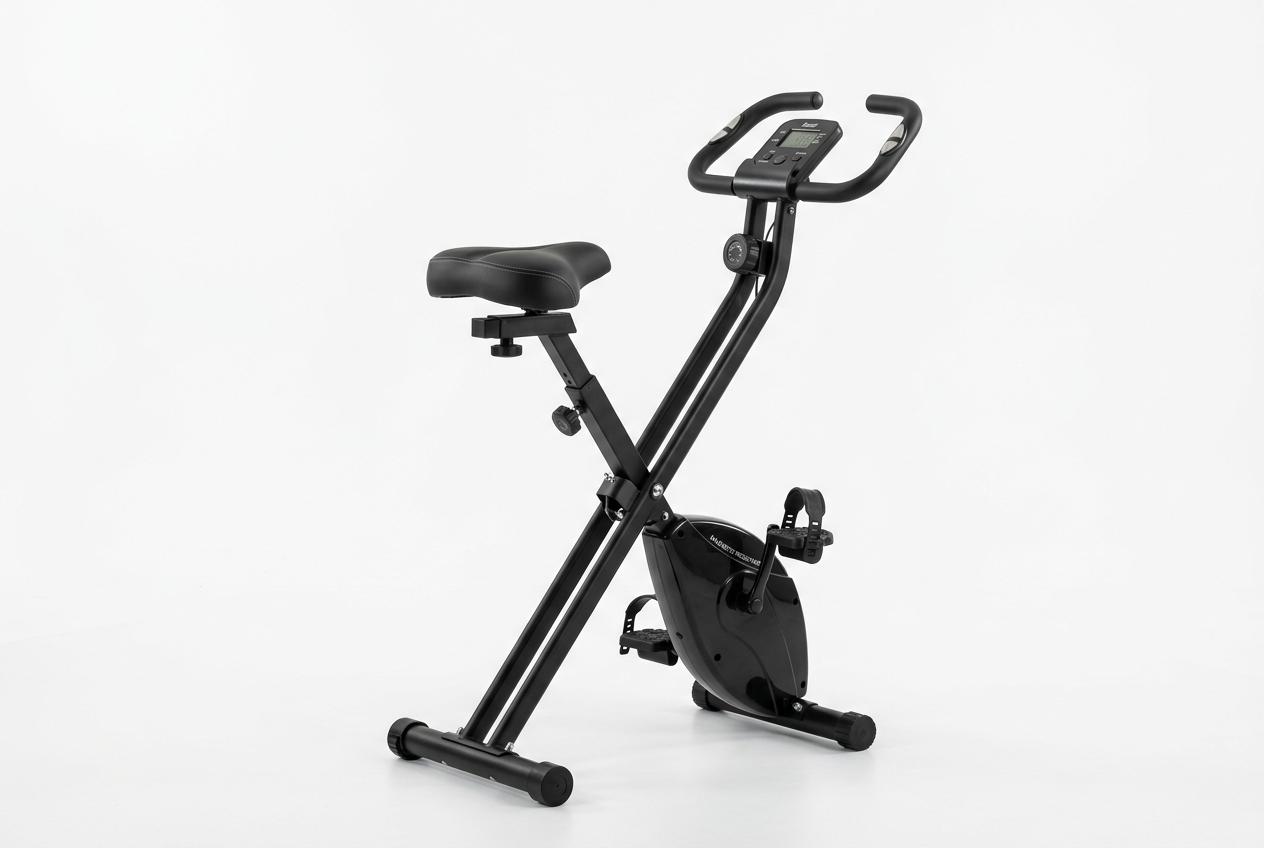
A legally defensible cardio choice: quiet, non-permanent, and demonstrably respectful of shared living spaces.
A landlord-friendly training system that requires zero installation and produces virtually no noise.
Premium rubber flooring that provides strong evidence of responsible property stewardship in any legal dispute.
From a legal rights perspective, resistance bands are arguably the safest exercise equipment a renter can own. They produce absolutely no noise, require no dedicated space, exert no stress on floors or walls, and pose zero risk of property damage. The Fit Simplify Resistance Loop Exercise Bands set includes five resistance levels from extra-light to extra-heavy, enabling a full-body workout that no landlord could reasonably object to. If you're concerned about your legal standing to maintain a home gym, starting with resistance bands establishes a precedent of responsible, non-disruptive fitness activity that strengthens your position if any disputes arise.
Check Price on Amazon
In the unfortunate event of a dispute with your landlord over property damage, having an equipment mat in place from day one provides tangible evidence that you took reasonable precautions to protect the flooring. The Amazon Basics Exercise Equipment Mat is an affordable way to create this documentation while actually providing meaningful protection. The durable PVC material prevents scratches, dents, and sweat stains, while the textured surface keeps equipment stable. Keep your receipt and take a dated photo of the mat in place when you first set up your gym; this documentation could be valuable if you ever need to demonstrate responsible tenancy.
Check Price on Amazon
When considering your legal rights as a renter with a home gym, choosing equipment that is demonstrably quiet and non-disruptive strengthens your position significantly. The Marcy Foldable Upright Exercise Bike operates so quietly that it generates no reasonable basis for noise complaints. Its folding design shows clear consideration for space limitations, and its free-standing construction requires no modifications to the rental unit. In the event of any dispute, you can demonstrate that you selected equipment specifically designed to minimize impact on the property and neighbors, supporting your argument that your gym constitutes reasonable use of your rented space.
Check Price on Amazon
The TRX GO Suspension Training Kit is perhaps the most legally defensible home gym system available. It requires zero installation (the door anchor simply hooks over a closed door), produces virtually no noise, and exerts no stress on floors, walls, or ceilings. The included 'Do Not Disturb' door sign is a thoughtful safety feature that also demonstrates your awareness of shared space considerations. Because suspension training uses only your body weight, there's no equipment to drop, no weights to slam, and nothing that could damage the property. If you're concerned about your legal standing to maintain a home gym, the TRX system represents the most conservative, least objectionable option available.
Check Price on Amazon
While no one wants to end up in a legal dispute with their landlord, being prepared means choosing equipment that demonstrates clear responsibility. The Yes4All Rubber Top Gym Flooring Tiles represent a significant investment in floor protection that would be difficult to argue against in any reasonable dispute. The genuine rubber top layer provides commercial-grade protection against dropped weights and heavy equipment, while the interlocking design ensures no adhesive or fasteners touch the original floor. By installing this level of protection, you're not just preventing damage, you're creating visible, documented evidence that you took substantial steps to protect the property, which strengthens your legal position considerably.
Check Price on Amazon