The Complete Apartment Gym Etiquette Guide: Being a Considerate Home Gym Owner
A comprehensive guide to being a considerate apartment gym owner, covering noise management, shared walls, floor protect...
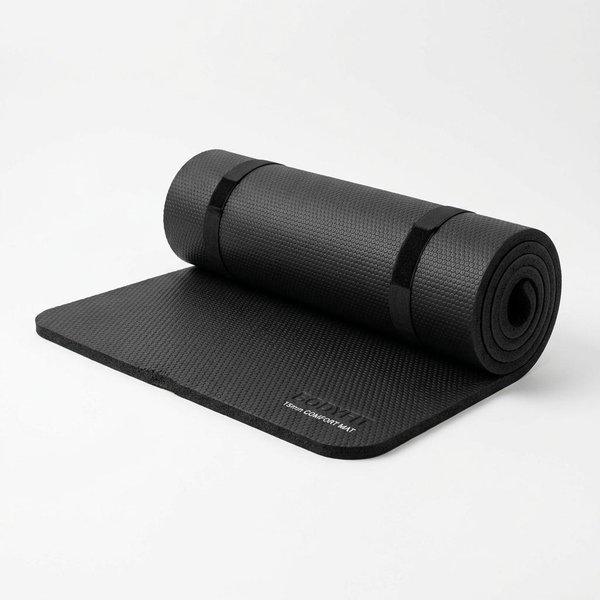
Learn 5 effective methods to soundproof your home gym room including mats, wall panels, door seals, curtains, and insulation. Includes cost breakdowns, DIY difficulty ratings, and renter-friendly options.
Noise is the most common constraint for home gym owners, particularly in apartments, condos, and shared living situations. Our analysis addresses five noise transmission pathways — floor impact, wall vibration, door gaps, window leakage, and structural flanking — with solutions ranging from $20 quick fixes to $500+ comprehensive treatments.
The key principle: Soundproofing works best when you address the dominant noise path first. For weight training, that is floor impact. For cardio, it is airborne sound through walls and doors. Identify your primary noise source, then apply the corresponding solution.
Before selecting solutions, distinguish between two types of noise:
| Noise Type | Source | Example | Primary Solution |
|---|---|---|---|
| Impact/structure-borne | Physical contact with building structure | Dropped weights, footfalls, equipment vibration | Mass-loaded barriers, decoupling |
| Airborne | Sound waves traveling through air | Rowing machine fan, workout music, verbal cues | Absorption, sealing gaps, mass barriers |
Most home gyms produce both types. The five methods below address each.
Floor impact is the dominant noise path for any gym involving weights or plyometrics. When a dumbbell hits the floor, the impact energy travels directly into the subfloor, through joists, and radiates into rooms below.
Step 1: Assess your subfloor type.
Step 2: Select appropriate flooring.
| Scenario | Minimum Recommended | Upgrade Option |
|---|---|---|
| Light dumbbells, no dropping | 3/8" rubber mat | 1/2" rubber tiles |
| Moderate weights, controlled sets | 1/2" rubber over subfloor | 3/4" stall mats |
| Heavy weights, Olympic lifts | 3/4" rubber + 3/4" plywood platform | Platform on rubber isolation pads |
| Cardio equipment only | 1/4" rubber mat | 3/8" rubber with underlayment |
Step 3: Install with decoupling in mind.
The goal is to create a mass-spring system where the rubber layer absorbs impact before energy reaches the subfloor. Place rubber directly on the subfloor. For maximum isolation on wood floors, add a 3/4" plywood layer between the rubber and the subfloor, creating a floating platform.
Step 4: Cover the entire workout zone.
Sound escapes at edges and gaps. A 4×6 ft mat in the center of a room leaves surrounding hard floor exposed. Extend flooring wall-to-wall if possible, or place mats edge-to-edge without gaps.
| Subfloor | Noise Reduction | Cost Range |
|---|---|---|
| Concrete with 3/8" rubber | Moderate | $1.50–$3.00/sq ft |
| Wood with 1/2" rubber | Good | $2.00–$4.00/sq ft |
| Wood with platform + rubber | Very good | $4.00–$7.00/sq ft |
Walls transmit airborne noise — rowing machine fans, music, and vocal cues — and vibrate from impact noise if equipment is positioned against them.
Step 1: Identify shared walls.
Focus treatment on walls shared with living spaces, bedrooms, or neighboring units. Exterior walls are lower priority.
Step 2: Choose panel type.
| Panel Type | Thickness | NRC Rating | Price per 2×4 ft Panel | Best For |
|---|---|---|---|---|
| Fabric-wrapped fiberglass | 2" | 0.85–1.00 | $25–$50 | Maximum absorption; music studios |
| Mineral wool panels | 2" | 0.80–0.95 | $15–$30 | Fire resistance; good absorption |
| Acoustic foam (wedge/pyramid) | 2" | 0.65–0.80 | $10–$20 | Budget option; limited low-frequency absorption |
| PET felt panels | 1/2"–1" | 0.50–0.75 | $20–$40 | Aesthetic; moderate absorption |
NRC (Noise Reduction Coefficient) ranges from 0 to 1, where 1 absorbs all sound. Higher is better for gym applications.
Step 3: Calculate coverage.
For significant noise reduction, cover 25–40% of wall surface area with treatment. A 10×10 ft room has 400 sq ft of wall surface (four walls); target 100–160 sq ft of panel coverage on shared walls.
Step 4: Install panels.
Renter-friendly method: Use 3M Command strips rated for the panel weight, or Velcro mounting strips. Position panels at ear height where noise reflects most — roughly 3–6 ft from the floor.
Permanent method: Mount with construction adhesive or impaling clips for a permanent installation with better contact and performance.
| Treatment | Airborne Noise Reduction | Impact/Vibration Reduction |
|---|---|---|
| Foam panels, 25% coverage | Low-moderate | Minimal |
| Fiberglass panels, 30% coverage | Good | Minimal |
| Fiberglass panels, 50%+ coverage | Very good | Minimal |
Note: Wall panels absorb airborne sound within the room (reducing echo) but do not block sound transmission through the wall. For blocking sound, you need mass — see Method 5.
Doors are the weakest point in any room's sound containment. A standard interior door has gaps totaling 1–2 square inches — equivalent to a 1-inch diameter hole in your wall.
Step 1: Seal the gap under the door.
Install a door sweep or automatic drop seal:
| Product Type | Cost | Installation | Effectiveness |
|---|---|---|---|
| Adhesive foam sweep | $5–$10 | Peel and stick | Low; wears quickly |
| Aluminum sweep with rubber gasket | $15–$25 | Screw mount | Moderate; durable |
| Automatic drop-down seal | $30–$60 | Screw mount | High; seals only when closed |
| Draft stopper (fabric tube) | $10–$20 | Place on floor | Low-moderate; temporary |
Step 2: Seal the door frame perimeter.
Install adhesive weatherstrip tape around the door jamb where the door contacts the frame when closed. Use dense closed-cell foam or silicone bulb weatherstripping.
Step 3: Add mass to the door (optional upgrade).
Standard interior hollow-core doors offer minimal sound blocking. Adding a mass-loaded vinyl (MLV) barrier sheet (1 lb/sq ft) to the door surface increases mass and reduces sound transmission by 3–6 dB.
| Treatment | Noise Reduction Through Door | Cost |
|---|---|---|
| Weatherstrip + sweep | Moderate | $15–$35 |
| Weatherstrip + sweep + MLV | Good | $60–$120 |
| Solid core door + full sealing | Very good | $200–$400 (door replacement) |
Windows are secondary sound transmission paths — less significant than doors but still worth addressing if you play music or generate significant airborne noise.
Step 1: Install soundproof curtains.
Soundproof curtains are heavy, multi-layered drapes with dense interlining. They are not truly "soundproof" but do absorb internal room echo and block some external sound (and outgoing sound to a lesser degree).
| Curtain Type | Weight | Noise Reduction | Cost per Panel |
|---|---|---|---|
| Standard blackout curtain | 2–3 lb | Minimal absorption | $20–$40 |
| Heavy soundproof curtain (3-layer) | 5–8 lb | Moderate absorption | $40–$80 |
| Mass-loaded vinyl curtain | 10+ lb | Moderate blocking | $80–$150 |
Step 2: Seal window gaps.
Apply removable caulk rope or weatherstrip tape around window frames if there are air gaps. This is particularly relevant for older windows.
Step 3: Consider a window plug for unused windows.
A window plug is a removable insert made of acoustic foam or Owens Corning 703 insulation board cut to fit the window opening. Insert it during workouts, remove after. Highly effective but blocks light.
| Treatment | Noise Reduction | Cost |
|---|---|---|
| Heavy curtains only | Low | $40–$160 |
| Curtains + gap sealing | Low-moderate | $50–$180 |
| Window plug | Good (when installed) | $30–$60 DIY |
The most effective soundproofing addresses the building structure itself. These methods are generally not renter-friendly and require construction.
| Method | Description | Noise Reduction | Cost per Wall | DIY Difficulty |
|---|---|---|---|---|
| Resilient channel + drywall | Metal channels decouple new drywall from studs | Good | $200–$400 | Moderate |
| Green Glue + double drywall | Damping compound between drywall layers | Good | $150–$300 | Moderate |
| Mass-loaded vinyl barrier | 1–2 lb/sq ft vinyl sheet behind drywall | Moderate-good | $100–$250/sq ft covered | Moderate |
| Insulated wall cavity | Mineral wool or fiberglass in stud bays | Low-moderate | $50–$150/wall | Easy |
| Room-within-room | Floating floor, isolated ceiling, decoupled walls | Excellent | $5,000–$15,000+ | Professional |
Renter alternative: If you cannot modify walls, position a freestanding bookcase, storage rack, or wardrobe against shared walls. Filled with books, equipment, or mineral wool panels behind the unit, this adds mass and absorption without permanent installation.
| Method | Products Used | Cost | Effectiveness |
|---|---|---|---|
| Floor | Rubber stall mats, interlocking tiles | $50–$300 | Good for impact |
| Walls | Acoustic foam or fabric panels with Command strips | $50–$200 | Moderate for airborne |
| Door | Weatherstrip tape, adhesive sweep | $15–$35 | Good |
| Windows | Heavy curtains, removable caulk rope | $40–$120 | Low-moderate |
| Total renter package | $155–$655 | Moderate overall |
| Method | Products Used | Cost | Effectiveness |
|---|---|---|---|
| Floor | Glue-down rubber + plywood platform | $300–$1,000 | Very good |
| Walls | Resilient channel + MLV + drywall | $500–$2,000/room | Very good |
| Door | Solid core door + full seal kit | $250–$500 | Very good |
| Windows | Secondary window, permanent seals | $200–$800 | Good |
| Ceiling | Acoustic ceiling treatment (if needed) | $500–$2,000 | Good |
| Total permanent package | $1,750–$6,300 | Excellent |
| Budget Level | Investment | What You Get | Expected Result |
|---|---|---|---|
| Minimal ($50–$150) | Floor mats + door sweep | Impact absorption + basic door seal | Reduced floor impact; modest airborne reduction |
| Moderate ($150–$500) | Floor mats + door seal + wall panels + curtains | Full surface treatment | Significant echo reduction; moderate transmission reduction |
| Comprehensive ($500–$1,500) | All methods above + mass-loaded vinyl | Mass barriers + absorption | Substantial noise reduction; gym usable in most shared living situations |
| Professional ($2,000+) | Structural decoupling | Addressed at building level | Near-complete isolation; professional-grade result |
As an Amazon Associate we earn from qualifying purchases.