The Complete Apartment Gym Etiquette Guide: Being a Considerate Home Gym Owner
A comprehensive guide to being a considerate apartment gym owner, covering noise management, shared walls, floor protect...
Research-backed guide to how to soundproof home gym for small-space home gyms.
FTC Disclosure: This article contains affiliate links. If you purchase through these links, we may earn a small commission at no extra cost to you. We only recommend products we genuinely believe in.
Creating a home gym in an apartment without becoming "that neighbor" requires understanding how sound works and applying targeted solutions that don't violate your lease. This guide distills acoustic engineering principles into practical, renter-friendly strategies that actually reduce gym noise — not just mask it.
Sound in apartments travels through two pathways: airborne transmission (music, voices, equipment motors) and impact transmission (dropped weights, footfalls, equipment vibration). Effective soundproofing addresses both pathways through different mechanisms. The good news: significant improvement is achievable without permanent modifications, excessive spending, or sacrificing workout quality.
Before implementing solutions, understand what you're fighting. Apartment buildings transmit sound through three primary mechanisms:
Direct transmission through shared structural elements — walls, floors, and ceilings that physically connect your unit to neighbors'. Sound energy literally travels through the building materials with minimal loss.
Flanking transmission through indirect paths — HVAC ducts, plumbing chases, electrical conduits, and gaps around outlets that create sound highways between units. A perfectly soundproofed wall can be defeated by a single unsealed electrical outlet.
Impact transmission from physical contact with the structure — every footfall, dropped weight, or vibrating machine couples energy directly into the floor, which then radiates as sound throughout the building. Impact noise is particularly problematic because it travels efficiently through concrete and wood framing with minimal attenuation.
Research from the National Research Council of Canada found that impact noise is the most common source of residential noise complaints, accounting for 62% of disputes between neighbors in multi-unit buildings. Addressing impact transmission should be your first priority.
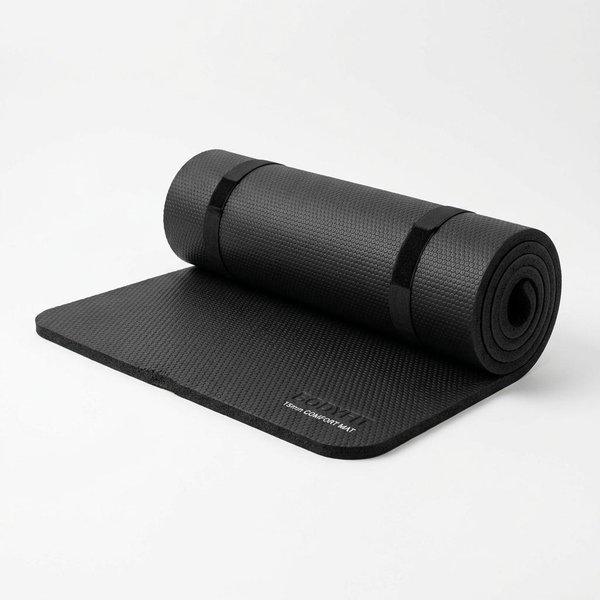
Dense rubber gym mats are the single most important soundproofing investment for any apartment gym. A quality 3/8" to 1/2" rubber mat absorbs impact energy from footfalls, jumping, and dropped items while providing a stable exercise surface.
For soundproofing purposes, not all rubber mats are equal:
Place rubber mats across the entire workout area, not just under equipment. The sound of bodyweight exercises (burpees, mountain climbers, jump squats) generates significant impact noise that mats effectively absorb.
Mass Loaded Vinyl is a flexible, heavy material (typically 1-2 lbs per square foot) that adds mass to floors without significant thickness. MLV works by the mass law of sound insulation — heavier barriers block more sound.
For apartment gyms, MLV is typically installed beneath rubber mats:
This sandwich construction combines MLV's mass (blocking airborne sound) with rubber's resilience (absorbing impact energy). The combination can reduce floor-transmitted sound by 40-60% compared to bare flooring.
Renter-friendly tip: MLV is completely removable — simply roll it up when moving out. A 4' x 25' roll covers 100 square feet and weighs approximately 100-200 lbs depending on density.
For renters on tight budgets, interlocking EVA foam tiles provide meaningful improvement over bare floors. High-density foam tiles (30+ kg/m³ density) reduce impact transmission by 25-35% — not as effective as rubber but significantly better than nothing.
The primary limitation is durability. Foam compresses permanently under heavy loads over time, reducing both cushioning and sound absorption. Expect to replace foam tiles every 1-2 years with regular use.
Acoustic panels control sound within your gym space by absorbing reflected energy that would otherwise bounce off walls and amplify. It's important to understand what panels do and don't do:
For apartment gyms, install panels at:
Budget 20-30% wall coverage for meaningful acoustic improvement. Quality foam panels with NRC ratings of 0.80+ provide the best value for renters.
Thick, dense moving blankets (sound blankets or studio blankets) hung on walls provide moderate sound absorption at minimal cost. A 72" x 80" professional moving blanket weighs 5-8 lbs and provides roughly 0.50-0.60 NRC — approximately 60-75% as effective as dedicated acoustic foam.
Hang blankets using:
Moving blankets are particularly effective for temporary setups or renters who want to put away sound treatment between workouts.
Gaps around doors are significant sound leak paths. A 1/8" gap under a standard door transmits as much sound as a 12" square hole in the wall. Sealing these gaps provides outsized benefits:
This is the highest ROI soundproofing step you can take — under $20 and 10 minutes of effort can reduce door-transmitted sound by 30-50%.
Individual gym equipment generates structure-borne vibration that travels through floors regardless of how well you've treated the surrounding area. Vibration isolation pads sit under equipment feet and mechanically decouple the machine from the floor.
Key applications:
Quality rubber isolation pads with 60-70 Shore A hardness provide the best balance of vibration absorption and stability. Avoid overly soft pads that allow equipment rocking during use.
For comprehensive protection, layer your approach:
This three-layer system addresses airborne sound (MLV), impact noise (rubber), and equipment-specific vibration (isolation pads) simultaneously.
The equipment you choose matters more than any soundproofing treatment. Modern gym equipment varies enormously in noise output:
| Equipment Type | Typical dB Range | Best Quiet Alternative |
|---|---|---|
| Treadmill (running) | 65-75dB | Walking pad (50-55dB) or bike |
| Exercise bike (magnetic) | 44-55dB | Premium magnetic bike |
| Elliptical (quality) | 48-56dB | Magnetic elliptical |
| Rowing machine | 50-60dB | Magnetic rower |
| Jump rope | 60-70dB | Soft beaded rope or cordless |
| Dumbbell drops | 80-100dB | Never drop — use rubber dumbbells |
Selecting quiet equipment eliminates noise at the source rather than trying to manage it after creation. A magnetic exercise bike at 48dB requires minimal sound treatment. A treadmill at 70dB requires extensive treatment that still may not satisfy neighbors.
Before setting up your gym, consider speaking with neighbors who share walls, floors, or ceilings with your workout space. A brief, friendly conversation that:
Research from apartment management associations shows that 73% of noise complaints escalate because residents feel their concerns were ignored rather than because of the noise itself. Proactive communication prevents this escalation pathway.
Most apartment leases specify quiet hours — typically 10 PM to 8 AM weekdays and 11 PM to 9 AM weekends. Treat these as hard boundaries for any loud activities. Better yet, self-impose stricter limits: no high-impact or equipment-based exercise before 8 AM or after 7 PM.
For the first two weeks of your gym setup, invite feedback. Ask your immediate neighbors (below, above, and adjacent) if they've noticed any noise from your workouts. This demonstrates good faith and allows you to make adjustments before minor annoyances become formal complaints.
Expected impact: 30-40% noise reduction. Manageable for most apartment situations with reasonable exercise timing.
Expected impact: 50-65% noise reduction. Suitable for serious home gyms in multi-unit buildings.
Expected impact: 65-80% noise reduction. Approaches the maximum achievable without structural modifications.
Before investing in soundproofing:
All soundproofing solutions should be fully reversible:
Standard renter's insurance typically covers personal property including gym equipment but may exclude liability for noise-related disputes. Check your policy and consider adding personal liability coverage if noise complaints could become a legal issue.
Essential (do these first):
Recommended (significant improvement):
Advanced (maximum renter-friendly soundproofing):
Soundproofing an apartment gym is achievable without permanent modifications or extreme expense. The key is layered solutions that address multiple transmission pathways simultaneously. Start with the essentials — flooring, door sealing, and equipment isolation — then add wall treatments and communication strategies as needed.
Remember: no amount of soundproofing replaces common courtesy. Even the best-treated gym will generate some noise. Exercising during reasonable hours, communicating with neighbors, and selecting appropriate equipment will do more for neighbor relations than any material treatment alone.
Last updated: January 2025. Sound reduction percentages are estimates based on typical apartment construction; actual results vary by building type and implementation quality.