The Complete Apartment Gym Etiquette Guide: Being a Considerate Home Gym Owner
A comprehensive guide to being a considerate apartment gym owner, covering noise management, shared walls, floor protect...
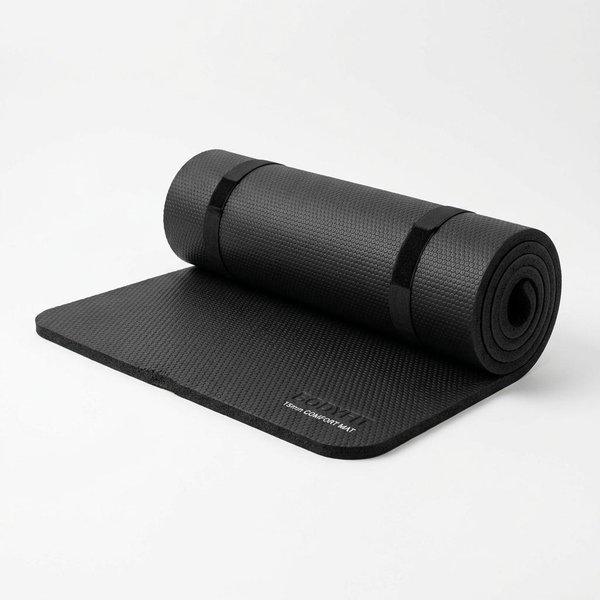
Research-backed guide to gym noise levels by equipment type for small-space home gyms.
FTC Disclosure: This article contains affiliate links. If you purchase through these links, we may earn a small commission at no extra cost to you. We only recommend products we genuinely believe in.
Understanding how much noise different gym equipment produces is essential for apartment dwellers. A single poorly chosen piece of equipment can transform your fitness routine from a personal health investment into a neighborhood conflict that escalates to lease violations, security deposit disputes, and potential eviction.
This guide provides comprehensive decibel data for every common type of gym equipment, explains how different noise levels translate to neighbor impact in typical apartment buildings, and offers specific noise reduction strategies for each equipment category. Use this information to make informed equipment purchases and design workout routines that keep the peace.
The decibel (dB) is a logarithmic unit measuring sound pressure level. Critical characteristics for gym noise:
| dB Level | Common Reference | Apartment Impact |
|---|---|---|
| 30 dB | Whisper, quiet library | Unnoticeable |
| 40 dB | Quiet office, refrigerator | Barely perceptible in adjacent unit |
| 50 dB | Moderate rainfall, quiet conversation | Noticeable but unlikely to disturb |
| 60 dB | Normal conversation, background music | Noticeable, may disturb sensitive neighbors |
| 70 dB | Vacuum cleaner, busy traffic | Disturbing to most neighbors |
| 80 dB | Alarm clock, garbage disposal | Very disturbing, likely complaints |
| 90 dB | Motorcycle, lawnmower | Intolerable for apartment use |
| 100 dB | Chainsaw, nightclub | Lease violation territory |
Not all noise is equal in its neighbor impact. Two machines at the same dB level can produce dramatically different complaints based on noise characteristics:
Frequency matters: Low-frequency noise (under 250 Hz) travels through building structures with minimal attenuation. A subwoofer at 60dB creates more neighbor complaints than conversation at the same level because bass frequencies penetrate walls efficiently.
Intermittency matters: Rhythmic, intermittent noise (footsteps, jumping, dropped weights) is more annoying than continuous noise at the same average level. The startle effect of sudden sounds triggers complaint behavior more than steady background hum.
Timing matters: Identical noise at 10 AM and 10 PM produces vastly different responses. Night noise interrupts sleep and creates disproportionate annoyance.
| Equipment | dB Range (3ft) | Primary Noise Source | Neighbor Risk | Quiet Alternative |
|---|---|---|---|---|
| Yoga/Mat Work | 30-35 dB | Breathing, mat contact | None | N/A |
| Stretching/Foam Rolling | 30-40 dB | Occasional contact | Negligible | N/A |
| Resistance Bands | 35-45 dB | Snap of bands | Very Low | Tubes vs. flat bands |
| TRX/Suspension Trainer | 40-45 dB | Strap adjustment | Very Low | N/A |
| Stationary Bike (magnetic) | 44-55 dB | Flywheel, slight mechanical | Low | Premium magnetic bike |
| Elliptical (magnetic) | 48-58 dB | Pedal motion, console beeps | Low-Medium | Schwinn 411 (48-52 dB) |
| Rowing Machine (moderate) | 50-60 dB | Seat slide, flywheel | Medium | Concept2 at easy pace |
| Treadmill (walking) | 55-65 dB | Foot impact, motor | Medium | Walking pad |
| Jump Rope (hard floor) | 60-70 dB | Foot impact | Medium-High | Cordless jump rope |
| Vibration Plate | 50-60 dB | Motor hum, floor coupling | Medium | Platform isolation pads |
| Dumbbell Work (controlled) | 50-65 dB | Weight contact with rack | Medium | Rubber-coated dumbbells |
| Kettlebell Swings | 55-70 dB | Floor contact at bottom | Medium-High | Controlled tempo, thick mats |
| Treadmill (running) | 65-75 dB | Foot impact (major factor) | High | Walking, bike, or elliptical |
| Rowing Machine (intense) | 60-70 dB | Fan resistance at high SPM | Medium-High | Magnetic resistance rower |
| Box Jumps | 65-75 dB | Landing impact | High | Step-ups on thick platform |
| Barbell Work (controlled) | 60-70 dB | Plates touching, rack noise | Medium | Urethane plates, rubber mats |
| Medicine Ball Throws | 70-85 dB | Wall/floor impact | Very High | Soft wall balls, no throws |
| Jumping (HIIT/plyometrics) | 60-75 dB | Foot impact on floor | High | Low-impact alternatives |
| Dumbbell Drops (any height) | 80-100 dB | Metal-on-metal or metal-floor | Extreme | Never drop in apartments |
| Barbell Drops (Olympic lifts) | 90-110 dB | Metal-on-floor/platform | Extreme | Never in apartments |
Treadmills are the most common source of apartment gym noise complaints, and for good reason. The combination of motor noise, belt friction, deck vibration, and — most significantly — footfall impact creates a multi-source noise profile that's difficult to fully mitigate.
Noise breakdown:
Why running is so problematic: Running on a treadmill generates impact forces of 2-3 times body weight with each step. At 150 steps per minute, that's 450 impacts per minute coupling directly into your floor structure. The rhythmic, repetitive nature of this impact makes it particularly penetrating — your downstairs neighbor hears a steady thump-thump-thump that no amount of music or TV can fully mask.
Noise reduction strategies:
Stationary bikes are the apartment cardio champions. Quality magnetic resistance bikes operate at noise levels comparable to a quiet office — barely perceptible through walls.
Noise breakdown:
The primary noise source is the belt or chain drive system. Magnetic resistance is virtually silent — the only noise comes from the drive mechanism and slight mechanical sounds. Friction resistance bikes are 5-10 dB louder and should be avoided in apartments.
Noise reduction strategies:
Ellipticals are the middle ground of apartment cardio — quieter than treadmills but potentially louder than bikes due to their more complex mechanical systems.
Noise breakdown:
The stride mechanism is the primary noise generator. Budget ellipticals with poor manufacturing tolerances produce clicking, squeaking, and grinding sounds that penetrate walls. Quality machines with sealed bearings and tight tolerances operate smoothly at apartment-friendly levels.
Noise reduction strategies:
Rowing machines vary dramatically in noise output based on resistance type and rowing intensity.
Air resistance (Concept2):
Magnetic resistance:
Water resistance:
The Concept2's noise scaling with intensity is a key insight for apartment scheduling: easy and moderate pace rowing is genuinely quiet; only sprint work approaches complaint territory.
Noise reduction strategies:
Dumbbell noise spans the widest range of any equipment category because the noise is entirely dependent on user behavior, not equipment design.
Controlled dumbbell work (proper technique):
Poor dumbbell etiquette (apartment destructive):
Noise reduction strategies:
Jumping — whether as part of HIIT, plyometrics, or jump rope — generates significant impact noise through floor structures.
Noise sources:
Noise reduction strategies:
Vibration plates produce two distinct noise sources: the motor/electronics hum and the vibration transmission through the floor.
Noise breakdown:
The vibration transmission is the apartment concern. Vibration plates are specifically designed to generate mechanical vibration — and in apartment buildings, that vibration travels through floors with remarkable efficiency.
Noise reduction strategies:
Impact noise requires mass and resilience to absorb energy:
Mechanical noise requires maintenance and isolation:
User behavior is the primary noise control:
Think of your apartment gym's total noise output as a budget — you can "spend" noise on various activities, but exceeding your building's tolerance triggers complaints.
Conservative noise budget (minimal complaint risk):
Moderate noise budget (requires good soundproofing and timing):
Aggressive noise budget (high complaint risk):
Last updated: January 2025. Decibel ranges are approximate and vary by specific equipment model, room acoustics, flooring type, and user characteristics. Measure your specific setup for precise data.