The Complete Apartment Gym Etiquette Guide: Being a Considerate Home Gym Owner
A comprehensive guide to being a considerate apartment gym owner, covering noise management, shared walls, floor protect...
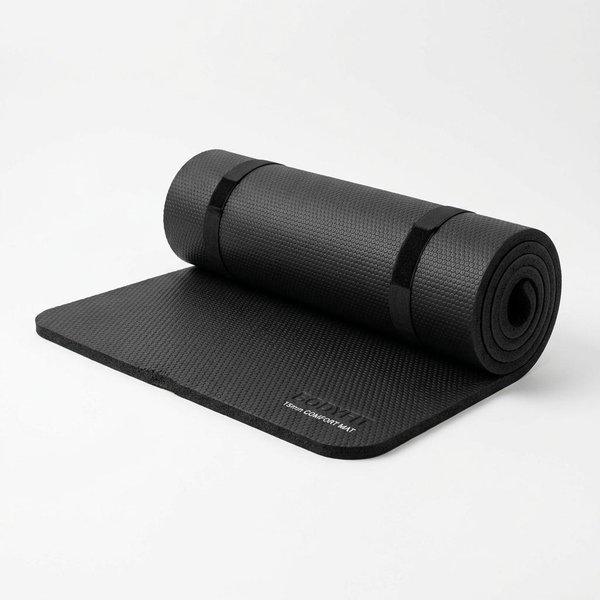
Comprehensive guide to gym flooring thickness for apartment renters. Learn how different materials and thicknesses affect noise reduction, floor protection, and equipment stability.
For renters building home gyms in apartments, condominiums, or shared-wall housing, flooring represents the single most important equipment decision after the equipment itself. The right flooring protects the underlying surface from damage, reduces structure-borne noise transmission to neighbors, provides traction and cushioning for exercises, and defines the training space. Our guide examines flooring materials, thickness requirements, noise science, and selection criteria specific to rental properties.
Key Principle: Flooring thickness must match the intended use. A yoga practitioner needs different flooring than a powerlifter dropping deadlifts. Understanding the relationship between activity type, impact force, material properties, and noise transmission enables informed selection without overspending on unnecessary protection.
Security deposits for rental properties typically range from $500 to $2,000. Flooring damage — scratches, dents, compression marks, or tears — ranks among the most common and expensive deductions. Gym equipment can cause:
| Damage Type | Cause | Typical Repair Cost |
|---|---|---|
| Hardwood scratches | Metal equipment base, grit under equipment | $200–$2,000 (refinishing) |
| Carpet compression | Heavy rack, weight plate storage | $300–$800 (patch or replacement) |
| Tile/grout cracks | Dropped weights, concentrated load | $150–$500 (per area) |
| Vinyl/laminate gouges | Dragged equipment, dropped plates | $200–$1,000 (section replacement) |
| Concrete spalling (garage) | Repeated heavy drops | $100–$400 (patching) |
Proper gym flooring typically costs $100–$500 — a fraction of potential damage liability.
Structure-borne sound — vibration transmitted through building materials — travels efficiently through modern construction. Impact noise from home gyms creates three categories of sound:
| Sound Category | Source | Primary Concern |
|---|---|---|
| Airborne sound | Vocal exertion, music, equipment motors | Travel through walls; heard in adjacent rooms |
| Impact sound | Footstrikes, dropped weights, jumping | Transmitted through floor structure to units below |
| Structure-borne vibration | Barbell racking, machine operation, subwoofer | Travels through building frame; heard multiple floors away |
Gym flooring primarily addresses impact sound and structure-borne vibration. Airborne sound requires separate treatment (wall insulation, weatherstripping, volume control).
Composition: Interlocking ethylene-vinyl acetate foam tiles, typically 10–24 mm thick (3/8" to 1").
| Property | Value |
|---|---|
| Density | 60–120 kg/m³ |
| Shore hardness | 30–50 A |
| Compression set | 5–15% (temporary deformation under load) |
| Sound absorption coefficient | 0.30–0.60 (frequency dependent) |
| Lifespan (moderate use) | 2–5 years |
Advantages:
Disadvantages:
Best for: Bodyweight training, yoga, Pilates, light dumbbell work, cardio equipment bases, temporary setups.
Check price at Amazon — EVA foam gym tiles
Composition: Natural and/or synthetic rubber, available as mats, rolls, or interlocking tiles. Thicknesses from 1/4" to 3/4" (6–19 mm).
| Property | Recycled Rubber | Virgin Rubber |
|---|---|---|
| Density | 450–650 kg/m³ | 600–900 kg/m³ |
| Shore hardness | 55–75 A | 60–80 A |
| Compression set | <5% | <3% |
| Impact absorption (50 lb drop from 24") | 70–85% force reduction | 80–90% force reduction |
| Lifespan (moderate use) | 8–15 years | 15–20+ years |
Advantages:
Disadvantages:
Best for: Weightlifting, power racks, dropped weight protection, permanent or semi-permanent installations, serious home gyms.
Check price at Amazon — rubber gym mats 3/4 inch
Composition: Thin rubber layer (2–4 mm) laminated to EVA foam base (10–20 mm). Combines rubber's durability surface with foam's cushioning and light weight.
| Property | Value |
|---|---|
| Overall thickness | 12–24 mm (1/2" to 1") |
| Weight | Moderate (lighter than solid rubber) |
| Surface durability | Better than pure EVA |
| Impact absorption | Better than pure rubber (foam layer adds cushioning) |
| Price | Mid-range ($2–$4 per square foot) |
Best for: Users wanting upgraded durability from foam without the weight and cost of full rubber.
| Property | Value |
|---|---|
| Sound absorption | Moderate (absorbs airborne, minimal impact protection) |
| Equipment stability | Poor (squishy surface) |
| Protection | Minimal for heavy equipment |
Not recommended as primary gym flooring. Existing carpet can serve as a supplementary layer beneath proper gym flooring but should not be the sole protection.
| Material | Thickness | Use Case |
|---|---|---|
| Plywood + rubber composite | 3/4"–1" | Weightlifting platforms; maximum drop protection |
| Cork flooring | 6–12 mm | Eco-friendly; moderate protection; attractive appearance |
| Vinyl composite tiles (VCT) | 3–4 mm | Easy cleaning; minimal impact protection; slippery when wet |
| Artificial turf | 10–20 mm | Sled pushes, agility work; specific functional training |
| Activity Type | Minimum Recommended | Optimal | Material | Rationale |
|---|---|---|---|---|
| Yoga, stretching, Pilates | 6 mm (1/4") | 10–15 mm (3/8–5/8") | EVA foam | Cushioning for joints; portability |
| Bodyweight exercises | 10 mm (3/8") | 15 mm (5/8") | EVA foam or rubber-top hybrid | Protection from bodyweight impact |
| Light dumbbell work (<30 lb) | 10 mm (3/8") | 15 mm (5/8") | EVA foam or rubber | Drop protection for small weights |
| Moderate dumbbell work (30–60 lb) | 15 mm (5/8") | 15–20 mm (5/8–3/4") | Rubber or hybrid | Significant drop protection needed |
| Heavy dumbbell/barbell work (60+ lb) | 20 mm (3/4") | 25+ mm (1"+) | Rubber or platform | Critical drop protection |
| Barbell deadlifts (controlled lowering) | 15 mm (5/8") | 20 mm (3/4") | Rubber | Bar and plate protection |
| Barbell deadlifts (dropped from height) | 25 mm (1") | 40+ mm (1.5"+) | Rubber + plywood platform | Maximum impact absorption |
| Power rack/bench press area | 20 mm (3/4") | 20 mm (3/4") | Rubber | Rack stability + drop protection |
| Cardio equipment base | 6 mm (1/4") | 10 mm (3/8") | EVA foam or rubber | Equipment stability; floor protection; noise reduction |
| Jump rope, plyometrics | 15 mm (5/8") | 20 mm (3/4") | Rubber or dense EVA | Joint impact absorption |
| Battle ropes | 15 mm (5/8") | 20 mm (3/4") | Rubber | Prevents rope abrasion of floor |
Laboratory testing of flooring materials for impact noise reduction reveals the following approximate performance:
| Flooring Type | Thickness | Impact Noise Reduction (ΔdB) | Effectiveness Rating |
|---|---|---|---|
| Bare concrete floor | N/A | Baseline | None |
| EVA foam tiles | 10 mm (3/8") | 10–15 dB | Basic |
| EVA foam tiles | 20 mm (3/4") | 15–20 dB | Moderate |
| Recycled rubber mat | 6 mm (1/4") | 12–18 dB | Basic |
| Recycled rubber mat | 12 mm (1/2") | 18–25 dB | Good |
| Recycled rubber mat | 20 mm (3/4") | 25–35 dB | Excellent |
| Recycled rubber mat | 25 mm (1") | 30–40 dB | Maximum practical |
| Rubber + plywood platform | 40 mm (1.5") | 35–45 dB | Platform-grade |
| Rubber + plywood + isolation | 50+ mm (2") | 40–50 dB | Professional gym |
Decibel scale reminder: A 10 dB reduction represents a perceived halving of loudness. A 20 dB reduction represents a perceived quartering of loudness. A 30+ dB reduction transforms a clearly audible thump into a barely perceptible sound.
Setup: Foldable equipment, stored between sessions Flooring solution: 24 mm (1") interlocking EVA foam tiles Coverage: Area under and around equipment only (4×6 ft minimum per station) Cost: $50–$150 Why: Maximum portability for moves; adequate protection for light-to-moderate loads; easy to stack and store
Setup: Semi-permanent equipment arrangement Flooring solution: 12–20 mm (1/2"–3/4") rubber rolls or tiles, wall-to-wall Coverage: Full room or primary training area Cost: $200–$600 Why: Comprehensive floor protection; excellent noise reduction; professional appearance; high durability
Setup: Permanent or semi-permanent; heavy equipment Flooring solution: 20 mm (3/4") rubber stall mats (4×6 ft) or rolled rubber Coverage: Full training area with additional platform for Olympic lifts Cost: $300–$800 Why: Maximum durability for heavy drops; concrete floor protection; moisture resistance
Construction:
Purpose: Provides a stable, level surface for Olympic lifts while allowing bumper plates to be dropped with minimal bounce and noise. The wood center prevents the sinking/instability of standing on rubber alone.
| Consideration | Recommendation |
|---|---|
| Permanent installation | Avoid adhesives, nails, or screws that damage subfloor |
| Odor sensitivity | Air out rubber flooring for 2–4 weeks before installation; some leases prohibit odor-emitting alterations |
| Weight load limits | Check lease for floor load restrictions (rare but present in some buildings) |
| Insurance requirements | Some landlords require renters insurance covering equipment damage liability |
| End-of-lease removal | Plan for complete removal; document floor condition before and after with photos |
| Method | Appropriate For | Notes |
|---|---|---|
| Loose lay (no attachment) | Mats on any surface | Simplest; may shift slightly; acceptable for most setups |
| Interlocking tiles | EVA foam, some rubber tiles | No adhesive; positive connection prevents shifting |
| Double-sided carpet tape | Lightweight flooring on carpet | Removable; test adhesive residue on hidden area first |
| Velcro strips | Moderate-weight mats | Removable; prevents sliding without residue |
| Anti-slip underlayment | Any flooring on smooth surfaces | Thin rubber mesh prevents sliding without adhesion |
Rubber stall mats (4×6 ft, 3/4") weigh 80–100 lb each — manageable for two people or one strong individual. EVA foam tiles pack efficiently. Both retain value on secondary markets if selling before a move is preferred over transport.
| Flooring Type | Weight (per 4×6 ft area) | Portability | Resale Value |
|---|---|---|---|
| EVA foam tiles (20 mm) | 3–5 lb | Excellent | Moderate |
| Rubber rolls (per 4 ft × 10 ft roll) | 100–150 lb | Poor | Good |
| Rubber stall mats (3/4") | 80–100 lb | Moderate | Excellent |
| Weightlifting platform | 150–200 lb | Poor (disassembles) | Moderate |
| Product | Thickness | Coverage | Price Range |
|---|---|---|---|
| AmazonBasics/Yes4All EVA foam tiles | 24 mm (1") | 24 sq ft | $30–$60 |
| ProsourceFit puzzle mat | 13 mm (1/2") | 24 sq ft | $25–$45 |
| Harbor Freight rubber mat (single) | 10 mm (3/8") | 16 sq ft | $15–$25 |
| Product | Thickness | Coverage | Price Range |
|---|---|---|---|
| Rubber-Cal Eco-Flex tiles | 15–20 mm (5/8–3/4") | 48 sq ft | $150–$250 |
| Tractor Supply horse stall mats (2×) | 19 mm (3/4") | 48 sq ft | $90–$120 |
| CAP Barbell puzzle mat (rubber-top) | 12 mm (1/2") | 48 sq ft | $100–$180 |
| Product | Thickness | Coverage | Price Range |
|---|---|---|---|
| Rogue rubber tiles | 20 mm (3/4") | Custom | $6–$8/sq ft |
| American Floor Mats rolled rubber | 8–15 mm (5/16–5/8") | Full room | $3–$5/sq ft |
| Eleiko weightlifting platform | 38 mm (1.5") | 8×8 ft | $500–$1,200 |
Check price at Amazon — rubber gym flooring
| Task | Frequency | Method |
|---|---|---|
| Sweep/vacuum debris | Daily or per session | Soft-bristle broom or vacuum without beater bar |
| Mop/disinfect | Weekly | Mild detergent or gym equipment disinfectant; avoid harsh chemicals on rubber |
| Inspect for damage | Monthly | Check for tears, compression, or separation |
| Rotate mats (if applicable) | Every 3–6 months | Even out wear patterns |
| Deep clean rubber | Quarterly | Water and mild soap; rinse thoroughly; air dry |
For most renters building a compact home gym:
As an Amazon Associate we earn from qualifying purchases. Acoustic data sourced from material testing standards and manufacturer specifications. Affiliate links on this page use the tag snuggym0626-20.