The Complete Apartment Gym Etiquette Guide: Being a Considerate Home Gym Owner
A comprehensive guide to being a considerate apartment gym owner, covering noise management, shared walls, floor protect...
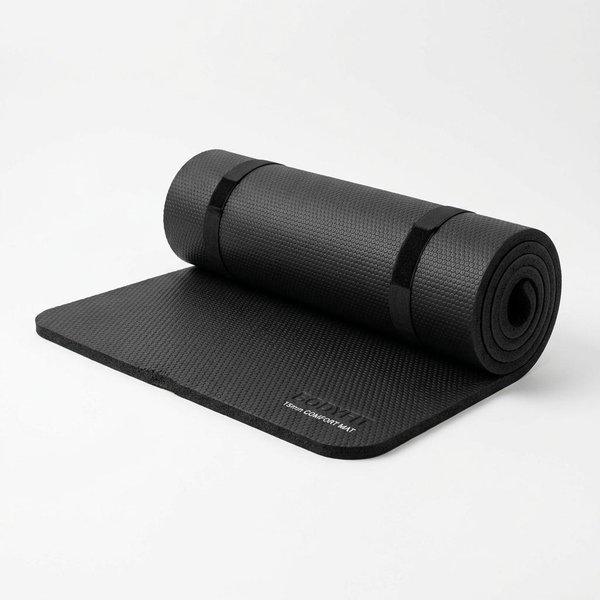
Detailed cost breakdown of home gym flooring options by material type. Price per square foot for rubber mats, foam tiles, vinyl, carpet, and composite options with installation considerations.
Flooring represents one of the highest-impact investments in a home gym. The right surface protects your subfloor, reduces noise transmission, provides traction during exercises, and cushions impact from drops and jumps. The wrong surface—or no surface—risks equipment damage, floor repairs, and neighbor complaints.
Our analysis provides cost-per-square-foot data for every major home gym flooring material, evaluates total installed costs including accessories, and identifies the optimal flooring choice based on your specific training type and living situation.
| Material | Price Per Sq Ft | Thickness Range | Durability (Years) | Best For |
|---|---|---|---|---|
| EVA Foam Tiles | $1.00–$2.50 | 3/8"–1" | 2–4 | Bodyweight, yoga, light cardio |
| PVC/Vinyl Tiles | $2.00–$4.00 | 5mm–10mm | 5–8 | General fitness, moderate weights |
| Rubber Rolls (granulated) | $2.50–$4.50 | 1/4"–1/2" | 10–15 | Weight training, commercial durability |
| Rubber Mats (stall mats) | $2.00–$3.50 | 3/4" | 15–20 | Heavy lifting, budget durability |
| Interlocking Rubber Tiles | $3.00–$6.00 | 3/8"–3/4" | 10–15 | Modular installation, renter-friendly |
| Cork | $3.00–$5.00 | 1/4"–1/2" | 5–10 | Yoga, Pilates, aesthetic spaces |
| Carpet (over pad) | $2.00–$5.00 | 1/2"–1" | 5–10 | Multi-purpose rooms, low-impact |
| Turf | $4.00–$8.00 | 1/2"–3/4" | 8–12 | Sled work, athletic training |
| LVT/LVP (Luxury Vinyl) | $3.00–$7.00 | 4mm–8mm | 15–20 | Permanent installations, aesthetics |
Important: Prices fluctuate based on raw material costs (particularly petroleum-derived products like rubber and vinyl), regional availability, and shipping costs for heavy items. The ranges above represent typical retail pricing as of our publication date.
EVA (ethylene-vinyl acetate) foam tiles are the entry point for home gym flooring. Lightweight, colorful, and comfortable underfoot.
Pros:
Cons:
Cost breakdown for 100 sq ft:
Recommended product: Yes4All Interlocking Exercise Foam Tiles — Available in multiple colors, 24×24 inch tiles, includes edge pieces.
Best for: Yoga, bodyweight exercise, light cardio, temporary setups, renters
The best-kept secret in home gym flooring. Horse stall mats are manufactured from recycled rubber in 4×6 foot sheets, sold at farm supply stores. Identical composition to fitness-branded rubber at 40–60% lower cost.
Pros:
Cons:
Cost breakdown for 100 sq ft (4 sheets):
If farm supply stores are not accessible: XMark Fitness Rubber Mat offers similar specifications at a premium over stall mat pricing.
Best for: Heavy weight training, Olympic lifting, permanent installations, garage gyms
Premium rubber tiles designed specifically for fitness environments. Higher cost than stall mats but offer modular installation, cleaner appearance, and easier transport.
Pros:
Cons:
Cost breakdown for 100 sq ft:
Recommended product: American Floor Mats Fit-Lock Rubber Tiles — 3/8" thickness, precision cut, multiple color options.
Best for: Home gyms where appearance matters, renters wanting portable installation, basement gyms
Continuous rubber flooring sold in rolls, typically 4 feet wide and 25–50 feet long. The commercial gym standard.
Pros:
Cons:
Cost breakdown for 100 sq ft:
Recommended product: Greatmats Rubber Rolled Flooring — 1/4" thickness, available in multiple textures.
Best for: Large garage gyms, basement conversions over 150 sq ft, permanent installations
Hard-surface tiles that offer durability and easy cleaning at moderate cost.
Pros:
Cons:
Cost breakdown for 100 sq ft:
Best for: Equipment-dense gyms, spaces where hygiene is paramount, garage gyms with separate lifting platform
A natural, renewable flooring option gaining popularity in yoga and Pilates spaces.
Pros:
Cons:
Cost breakdown for 100 sq ft:
Best for: Yoga-dedicated spaces, aesthetic-focused home gyms, low-impact training rooms
Artificial turf provides a surface for sled pushes, sprints, and athletic movements.
Pros:
Cons:
Cost breakdown for 100 sq ft:
Best for: Garage gyms with ample space, athletic training-focused facilities, sled work enthusiasts
| Gym Size | Foam Tiles | Stall Mats | Rubber Tiles | Rubber Rolls | Vinyl Tiles |
|---|---|---|---|---|---|
| 6×8 ft (48 sq ft) | $50–$120 | $80–$100 | $145–$290 | $120–$220 | $100–$195 |
| 8×10 ft (80 sq ft) | $80–$200 | $135–$170 | $240–$480 | $200–$360 | $160–$320 |
| 10×10 ft (100 sq ft) | $100–$250 | $160–$200 | $300–$600 | $250–$450 | $200–$400 |
| 12×12 ft (144 sq ft) | $145–$360 | $240–$290 | $430–$865 | $360–$650 | $290–$575 |
| 20×20 ft (400 sq ft) | $400–$1,000 | $535–$670 | $1,200–$2,400 | $1,000–$1,800 | $800–$1,600 |
If your subfloor needs protection (renters, high-end flooring underneath), budget for:
| Accessory | Cost | Purpose |
|---|---|---|
| Utility knife with fresh blades | $10–$15 | Cutting tiles and mats to fit |
| Straight edge/T-square | $10–$25 | Guiding cuts |
| Flooring tape (double-sided) | $10–$20 | Securing tiles without adhesive |
| Rubber flooring adhesive (gallon) | $30–$50 | Permanent installation of rolls |
| Transition strips | $5–$15 each | Clean edge where gym flooring meets room flooring |
Rubber flooring is heavy. Shipping 100 sq ft of 3/4" rubber can cost $50–$150 depending on distance and carrier. Factor delivery into total budget, or prioritize products with free shipping (Amazon Prime, certain retailers).
| Primary Training | Recommended Flooring | Budget (100 sq ft) | Why |
|---|---|---|---|
| Powerlifting | 3/4" stall mats | $160–$200 | Impact absorption, durability, cost |
| Olympic weightlifting | 3/4" stall mats + plywood platform | $200–$300 | Dropped bar protection |
| Bodyweight/calisthenics | 1/2" EVA foam or 3/8" rubber tiles | $100–$300 | Cushioning, traction, comfort |
| Yoga/Pilates | 1/2" EVA foam or cork | $100–$500 | Cushioning, grip, warmth |
| HIIT/cardio | 3/8"–1/2" rubber tiles | $300–$500 | Durability, shock absorption, easy clean |
| Mixed training | 3/8" interlocking rubber tiles | $300–$600 | Versatility, appearance, durability |
Renters face unique constraints: security deposits, lease terms, and the need to restore original condition upon move-out.
Best renter options:
Avoid: Adhesives, staples, or any permanent attachment methods that damage existing flooring.
Pro tip: Place a layer of cheap carpet remnant or painter's plastic beneath rubber flooring to prevent any rubber staining on the subfloor underneath.
For most compact home gyms (under 150 sq ft), the optimal flooring investment is 3/4" horse stall mats at approximately $2.00/sq ft installed. This provides commercial-grade durability and impact protection at the lowest cost of any premium flooring option. If stall mats are unavailable in your region, 3/8" interlocking rubber tiles at $3.00–$4.00/sq ft offer the best combination of performance, appearance, and renter-friendliness.
Foam tiles at $1.00–$2.50/sq ft are acceptable for low-impact training only. Do not use foam for weightlifting—it will compress permanently and provide inadequate subfloor protection.
As an Amazon Associate we earn from qualifying purchases.