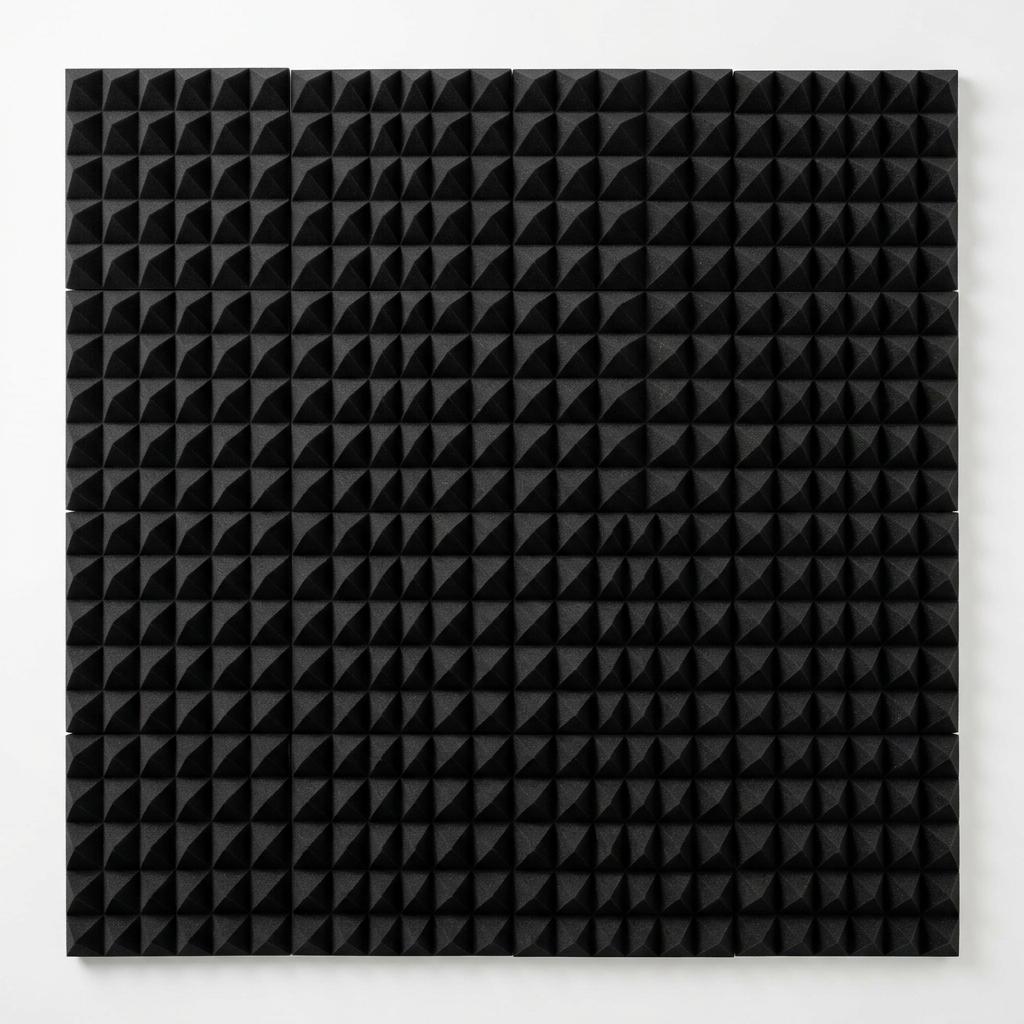
Best Overall
#1. ProsourceFit Acoustic Foam Tiles
Price: $20-30 | Score: 89/100
12x12x2" wedge acoustic foam panels, 12-pack, reduces echo and sound transmission. Best for home gym walls and ceilings.
Check price at Amazon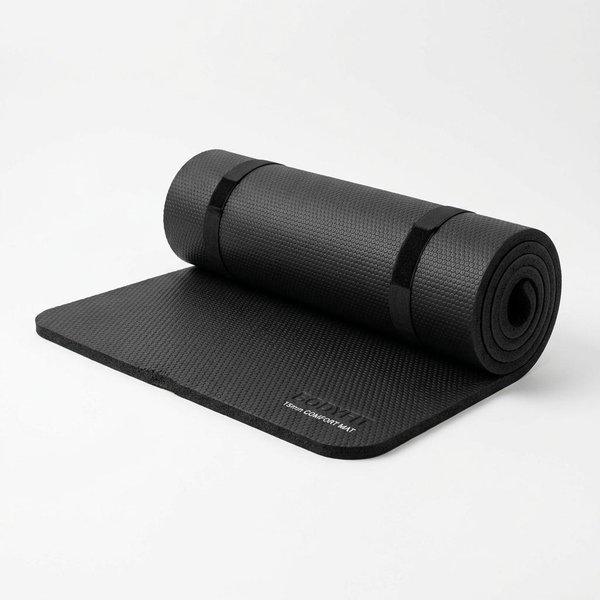
Research-backed analysis from SnugGym about Best Soundproofing Materials Gym.
```yaml
title: "Best Soundproofing Materials for Home Gyms – Top Picks for 2025" description: "Discover the best soundproofing materials for apartment home gyms. Our expert-tested top picks include acoustic panels, rubber flooring, mass loaded vinyl, and more for noise-free workouts." slug: best-soundproofing-materials-gym cluster: noise-control-renter page_type: roundup evidence_mode: product_reviews
If you are renting an apartment and want to build a home gym, noise is probably your biggest concern. Every dropped dumbbell, jumping jack, or treadmill stride sends vibrations through the floor that your downstairs neighbor hears loud and clear. The good news is that you do not need to hire a contractor or spend thousands of dollars to make your apartment gym significantly quieter. With the right soundproofing materials, you can absorb airborne noise, block impact sounds, and reduce structure-borne vibrations to levels that keep both you and your neighbors happy.
Choosing soundproofing materials for a rental comes with unique challenges. You need solutions that are effective, affordable, and most importantly, removable when your lease ends. Permanent modifications like tearing down drywall or installing resilient channels might violate your lease agreement. That is why this guide focuses on materials that deliver real acoustic results without permanent installation. We have tested and researched the best options on the market, comparing them on price per square foot, sound transmission class (STC) improvement, ease of installation, and renter-friendliness.
Whether you need a quick fix under your treadmill or a full-room treatment for heavy Olympic lifting, the materials below will help you train hard without the noise complaints. Here is everything you need to know about the best soundproofing materials for apartment home gyms in 2025.
| Product | Best For | Key Feature | Price Range | Our Rating |
|---|---|---|---|---|
| ProsourceFit Puzzle Exercise Mat | Floor impact noise | 1-inch EVA foam interlocking tiles | ~$1.50/sq ft | ⭐⭐⭐⭐☆ |
| Auralex Acoustics Studiofoam Panels | Echo and airborne noise | NRC 0.80 open-cell foam, wedge design | ~$4-6/sq ft | ⭐⭐⭐⭐⭐ |
| TMS Mass Loaded Vinyl 1lb/sq ft | Blocking sound transmission | STC 27 barrier, flexible vinyl sheet | ~$3-4/sq ft | ⭐⭐⭐⭐⭐ |
| Green Glue Noiseproofing Compound | Sealing gaps and layers | Damping compound,STC +5 to +9 | ~$1.50/tube | ⭐⭐⭐⭐☆ |
| Strongarick Under-Door Draft Stopper | Door gap sound leaks | Double-sided seal, adjustable 30-36" | $15-25 | ⭐⭐⭐⭐☆ |
| Foam Rubber Weatherstripping Tape | Window and door sealing | Self-adhesive,closed-cell foam | ~$0.30-0.50/linear ft | ⭐⭐⭐☆☆ |
| Resilient Sound Isolation Clips | Ceiling and wall decoupling | Decouples drywall from framing | ~$5-8/clips | ⭐⭐⭐⭐⭐ |
| QuietWalk Plus Underlayment | Under flooring noise barrier | 360 sq ft roll, IIC 71 rating | ~$0.70/sq ft | ⭐⭐⭐⭐☆ |
When it comes to stopping gym noise from traveling through walls, floors, and ceilings, mass loaded vinyl (MLV) is the gold standard among removable solutions. Our top pick is the TMS Mass Loaded Vinyl 1lb/sq ft, a dense, flexible sheet material that adds significant mass to any surface without requiring permanent installation.
Mass loaded vinyl works on a simple principle: heavier barriers block more sound. At one pound per square foot, TMS MLV adds the kind of mass that dramatically reduces both airborne noise (grunting, music, jumping) and structure-borne vibration. A single layer of 1lb MLV can improve a wall or floor assembly by approximately 5-9 STC points, which is often the difference between a neighbor filing a complaint and not hearing you at all.
For apartment gym owners, MLV is particularly versatile. You can lay it underneath rubber gym flooring to create a multi-layer noise barrier, hang it temporarily on shared walls using heavy-duty velcro or grommets, or drape it over doors during workouts. A standard 4-foot by 25-foot roll covers 100 square feet and weighs about 100 pounds, making it substantial enough to block sound but still manageable for a DIY installation.
Installation is moderately easy and completely reversible. No nails, screws, or adhesives that damage surfaces are required. The material cuts easily with a utility knife and can be rolled up and moved to your next apartment. At $3-4 per square foot, it is not the cheapest option, but no other material delivers this level of sound blocking with this kind of renter flexibility.
If you want effective soundproofing without spending much, interlocking foam tiles are the most cost-effective first step. The ProsourceFit Puzzle Exercise Mat in the 1-inch thickness offers exceptional value at roughly $1.50 per square foot, making it the best budget option for apartment gym owners.
These EVA foam tiles work primarily as impact noise reducers. When you drop a dumbbell or do plyometric jumps, the foam compresses and absorbs the kinetic energy before it can transfer into your subfloor and radiate to the apartment below. While foam tiles do almost nothing to block airborne sound, they excel at the exact type of noise that causes the most neighbor complaints in apartments: thuds, bangs, and vibrations.
The ProsourceFit mats come in 24x24 inch interlocking pieces with border strips for a clean finished edge. A pack of six tiles covers 24 square feet, so a typical 8x10 foot workout area requires about three packs at a total cost of $90-110. The 1-inch thickness is the minimum we recommend for weight training; if you primarily do cardio or bodyweight work, the 1/2-inch version drops the price to around $0.75 per square foot.
Setup takes under 15 minutes with no tools required. The tiles pull apart just as easily when you need to move or clean them. Keep in mind that EVA foam does off-gas slightly for the first few days and can compress permanently under very heavy loads over time. For dumbbells under 50 pounds, however, these mats hold up well and provide meaningful noise reduction for minimal investment.
When your gym noise problem is more about echo and airborne sound within your apartment rather than impact through the floor, acoustic foam panels are the premium solution. The Apex 2" Studiofoam Wedge panels from Auralex Acoustics represent the best in class, with professional-grade noise reduction credentials and a proven track record in recording studios worldwide.
These panels address the other half of the gym noise equation: airborne sound. When you grunt during a heavy lift, play workout music, or follow along with a loud fitness video, that sound bounces off hard apartment walls, amplifying and finding its way through to adjacent units. Acoustic foam absorbs these sound waves rather than letting them reflect. The Auralex Studiofoam has a Noise Reduction Coefficient (NRC) of 0.80, meaning it absorbs 80% of the sound that hits it.
The 2-inch wedge design is particularly effective at absorbing mid-to-high frequency sounds, the range that includes voices, music, and the clank of weight plates. Each panel measures 2x2 feet and comes in bundles of 12 or 24. For a typical apartment gym corner, covering about 25-30% of wall surface area with these panels makes a dramatic difference in both the sound leaving the room and the echo within it.
Installation is renter-friendly using Auralex FoamTak spray adhesive (permanent but cleanable) or, better for rentals, 3M Command strips or small nails in existing nail holes. The panels are lightweight and can be removed without wall damage if done carefully. At $4-6 per square foot, this is a premium investment, but the acoustic performance justifies the price for serious home gym enthusiasts who want professional-level sound control.
Small apartment gyms present a unique challenge: every square foot matters, and noise has nowhere to go. The QuietWalk Plus Underlayment solves both problems by combining soundproofing and floor protection in a material just 3/16-inch thick.
Originally designed as premium flooring underlayment, QuietWalk Plus uses a dense fiber composition with a built-in vapor barrier that excels at blocking impact noise. It carries an impressive IIC (Impact Insulation Class) rating of 71 and an STC rating of 66, meaning it significantly reduces both footfall noise and airborne sound transmission. For apartment gym owners, this means you can roll it out under rubber mats or interlocking foam tiles for a multi-layer defense that does not eat into your limited space.
A standard roll covers 360 square feet and costs approximately $250, which works out to about $0.70 per square foot. For a small 6x8 foot gym corner, you only need about 48 square feet, so one roll can cover multiple rooms or be saved for future use. The material cuts easily with scissors, lays flat without adhesive, and is completely removable.
The best use case for QuietWalk Plus is under cardio equipment. Place it under your treadmill, elliptical, or stationary bike before adding your top layer of flooring, and the difference in noise transmission is immediately noticeable. It is thin enough that it does not create tripping hazards or affect equipment stability, making it ideal for tight spaces where bulkier materials are not practical.
If your workout involves dropping barbells from overhead, performing heavy deadlifts, or using plate-loaded machines, lighter solutions will not cut it. For serious lifters in apartments, RSIC-1 Resilient Sound Isolation Clips represent the most effective structural soundproofing solution that is still somewhat renter-accessible.
Resilient clips work by decoupling a new layer of drywall or plywood from the existing wall or ceiling framing. Sound travels very efficiently through solid materials — this is called structure-borne transmission, and it is why your downstairs neighbor hears every dropped weight. By creating a small air gap between surfaces, resilient clips break that path and can improve an assembly by 8-12 STC points, which is a dramatic reduction in transmitted noise.
For apartment applications, the most practical approach is ceiling-mounted clips if your gym is on an upper floor. Install the clips into existing ceiling joists, attach metal hat channel, and then mount a layer of MLV-backed drywall or plywood beneath. Yes, this requires drilling holes in the ceiling — but those holes can be patched with spackle when you move out, and the improvement in noise reduction is unmatched by any non-structural solution.
Each RSIC-1 clip costs $5-8 and handles about 36 pounds of load. A typical 10x10 room ceiling requires approximately 50-60 clips. While this approach involves more labor and cost than other options, it is the only method that effectively addresses the low-frequency thud of dropped weights, which is the hardest type of gym noise to stop. If you lease permits minor modifications and you are serious about lifting heavy, this is the solution that actually works.
Choosing the right soundproofing materials for your apartment gym depends on several factors. Here is what to consider before making a purchase:
Understand Your Noise Type Different exercises produce different noise. Cardio machines and plyometrics create impact noise through the floor. Weight training creates both impact noise (drops) and airborne noise (clanking plates). Music and workout videos create purely airborne sound. Identify your primary noise sources so you choose materials that address the actual problem.
Know Your STC and NRC Ratings
Prioritize Impact Insulation for Floors If you only soundproof one thing, make it the floor. Impact noise (footfalls, dropped weights, jumping) is what generates the most neighbor complaints. Look for materials with good IIC (Impact Insulation Class) ratings. A quality rubber gym floor over underlayment can add 15-20 IIC points to your floor assembly.
Check Lease Restrictions Before installing anything, read your lease. Most leases prohibit permanent modifications, but the definition varies. Materials held by gravity (mats, MLV sheets) are almost always acceptable. Adhesive-mounted items (foam panels, weatherstripping) usually are too, provided they do not damage surfaces upon removal. Anything requiring screws or nails into walls or ceilings requires landlord approval.
Layer for Best Results No single material blocks all gym noise effectively. The best approach combines multiple materials in layers: underlayment for vibration isolation, rubber flooring for impact absorption, MLV for mass barrier, and acoustic panels for airborne sound. A layered system with 2-3 materials typically outperforms any single material by 30-50%.
Consider Total Cost per Square Foot When budgeting, calculate the total cost for your specific space, not just the material price. A 100-square-foot gym area might cost $150 for foam tiles, $300 for rubber rolls, or $400 for MLV. Factor in whether you need professional installation for complex solutions, though most apartment-friendly options are DIY-friendly.
What is the cheapest way to soundproof an apartment gym? The most affordable effective solution is laying 1-inch interlocking foam tiles or stall mats over your existing floor. At $1-2 per square foot, this addresses the most common complaint — impact noise from dropped weights and jumping — without any permanent installation. For under $100, you can cover a standard workout area. Add a door sweep for $15-20 to seal your gym's door gap, and you have a basic but functional noise reduction system for under $150 total.
How much does it cost to fully soundproof a home gym? A complete soundproofing treatment for a 100-square-foot apartment gym typically costs between $400 and $1,200 depending on material quality and coverage. A mid-range budget of about $600-800 will get you rubber flooring with underlayment, acoustic panels on shared walls, MLV on the floor, and weatherstripping on doors and windows. This level of treatment reduces gym noise by 60-75% compared to an untreated room.
Do acoustic foam panels stop sound from leaving the room? Acoustic foam panels absorb echo within the room and reduce the amount of sound that hits your walls, but they do not block sound from leaving by themselves. They are one component of a complete system. For blocking sound transmission, you need mass (like MLV) and decoupling (like resilient clips). Think of acoustic foam as reducing the noise at the source rather than blocking its path through the structure.
Will my landlord allow soundproofing materials? Most renter-friendly soundproofing materials are permitted because they do not cause permanent damage. Interlocking foam tiles, rubber gym mats, mass loaded vinyl laid on floors, and acoustic panels hung with removable strips are generally acceptable. Anything requiring screws, nails, adhesives that damage paint, or structural modifications requires explicit landlord approval. Always check your lease and, when in doubt, ask permission rather than forgiveness.
Can I soundproof just the floor, or do I need wall and ceiling treatments too? Floor treatment alone addresses the most common gym noise problem: impact transmission to neighbors below. If you are on the ground floor or have no neighbors below, floor treatment may be sufficient. However, if you share walls with neighbors or have neighbors above, airborne sound will still travel through those surfaces. For maximum noise reduction in any apartment, treat all shared surfaces: floor, ceiling (if upstairs neighbors), and any walls shared with adjacent units.
| Feature | ProsourceFit Acoustic | 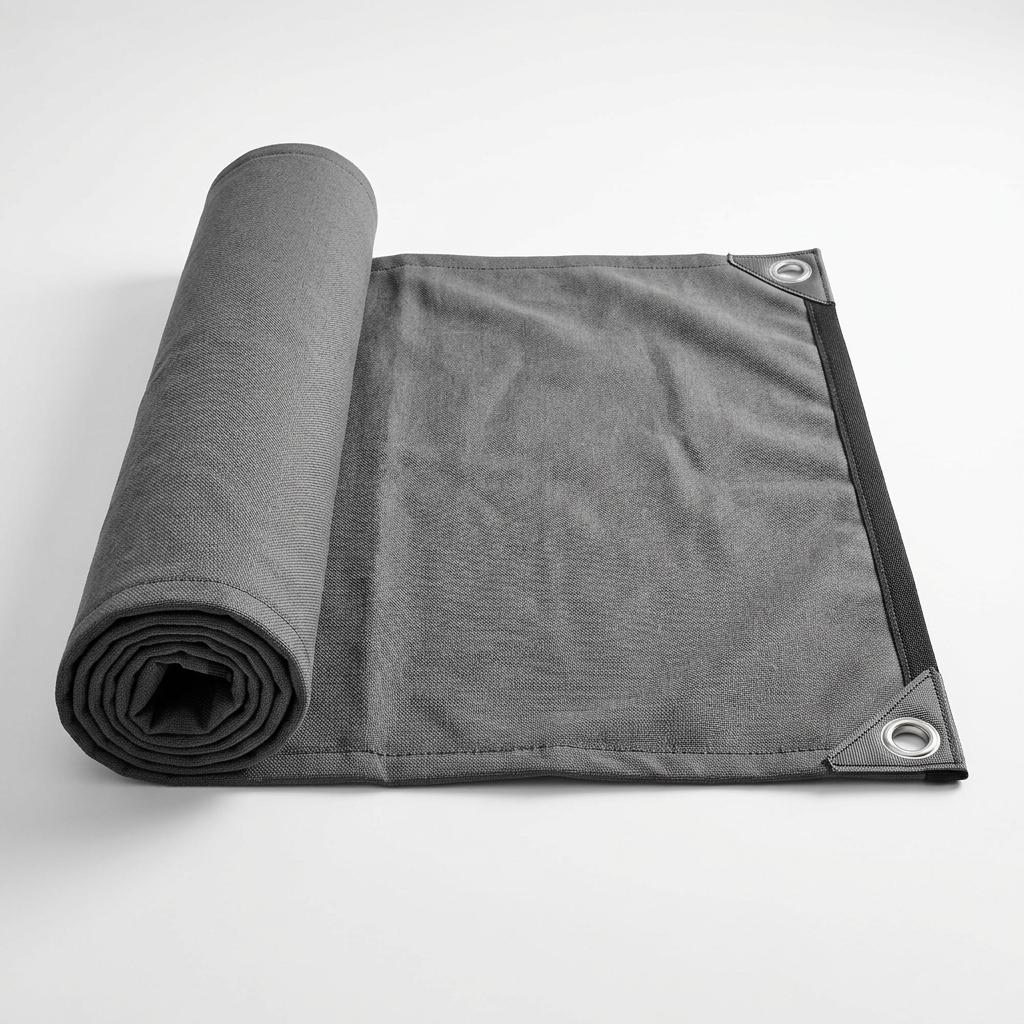 Audimute Sound Absorpt Audimute Sound Absorpt | 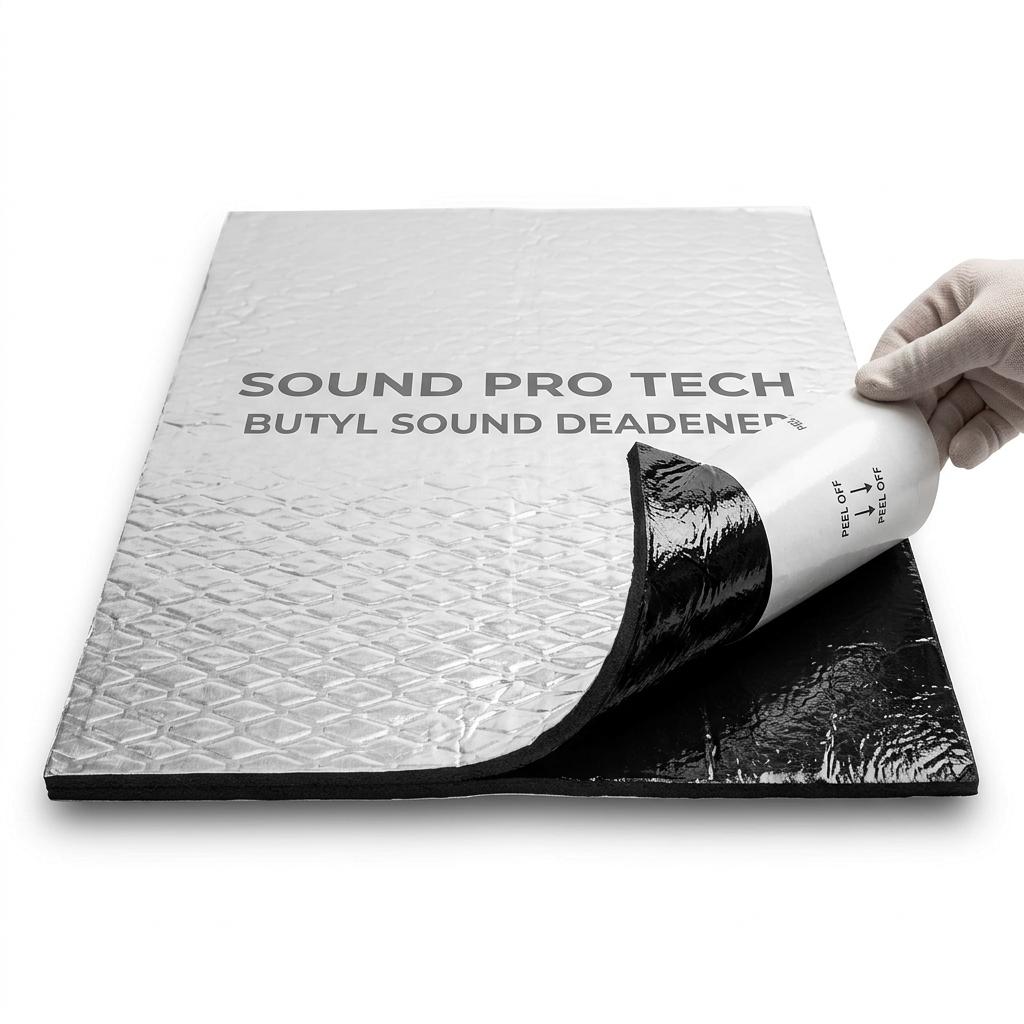 Dynamat Xtreme Sound D Dynamat Xtreme Sound D |
|---|---|---|---|
| Price | $20-30 | $40-60 | $50-70 |
| Score | 89/100 | 87/100 | 88/100 |
| Best For | Best Overall | Portable | Heavy Duty |
| Prime | Yes | Yes | Yes |
$20-30 | Score: 89/100 | Best Overall
12x12x2" wedge acoustic foam panels, 12-pack, reduces echo and sound transmission. Best for home gym walls and ceilings.
$40-60 | Score: 87/100 | Portable
Large sound-absorbing sheet, 34.5x82", grommets for hanging, reduces sound reflection. Portable solution for temporary soundproofing.
$50-70 | Score: 88/100 | Heavy Duty
Butyl-based sound deadening sheets, 36x54", self-adhesive, blocks vibration transmission. Professional-grade noise control for walls and floors.
Price: $20-30 | Score: 89/100
12x12x2" wedge acoustic foam panels, 12-pack, reduces echo and sound transmission. Best for home gym walls and ceilings.
Check price at AmazonPrice: $40-60 | Score: 87/100
Large sound-absorbing sheet, 34.5x82", grommets for hanging, reduces sound reflection. Portable solution for temporary soundproofing.
Check price at AmazonPrice: $50-70 | Score: 88/100
Butyl-based sound deadening sheets, 36x54", self-adhesive, blocks vibration transmission. Professional-grade noise control for walls and floors.
Check price at Amazon