FTC Disclosure: SnugGym.com participates in the Amazon Associates Program. As an Amazon Associate, we earn from qualifying purchases made through the links below, at no extra cost to you. These commissions help fund our independent analysis and reviews. All opinions are our own.
Why Mat Thickness Matters
The thickness of your gym flooring is not merely a specification — it's a critical design decision that affects equipment stability, joint comfort, noise transmission, floor protection, and training safety. Choose too thin, and you risk equipment damage, excessive noise, and insufficient joint cushioning. Choose too thick, and you create stability problems for heavy lifts, excessive sponginess underfoot, and unnecessary expense.
The correct thickness depends on three primary factors: the type of equipment you'll use, the exercises you'll perform, and the structural characteristics of the floor beneath. A yoga practitioner in a ground-floor room with concrete subflooring has fundamentally different flooring needs than a powerlifter on the third floor of an apartment building with wooden joists.
This guide provides a comprehensive framework for selecting the optimal gym mat thickness across all common home gym scenarios, with specific product recommendations at each thickness level and strategies for layering multiple thicknesses to create zone-specific flooring solutions.
3/8 Inch (10mm): Yoga, Stretching, and Light Bodyweight Work
Best For
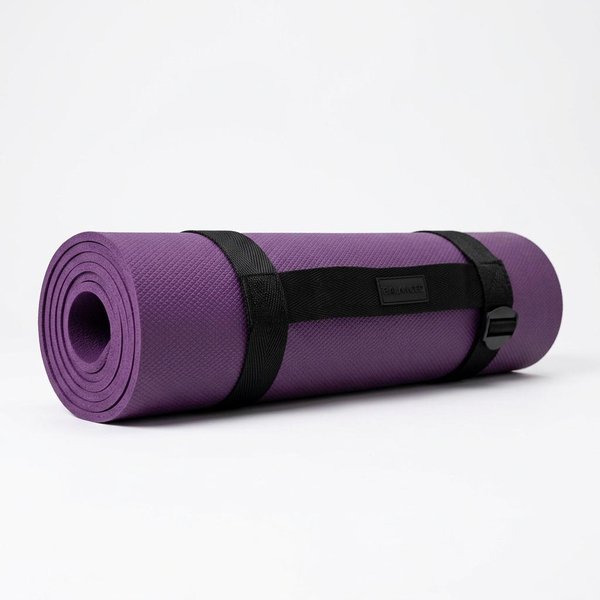
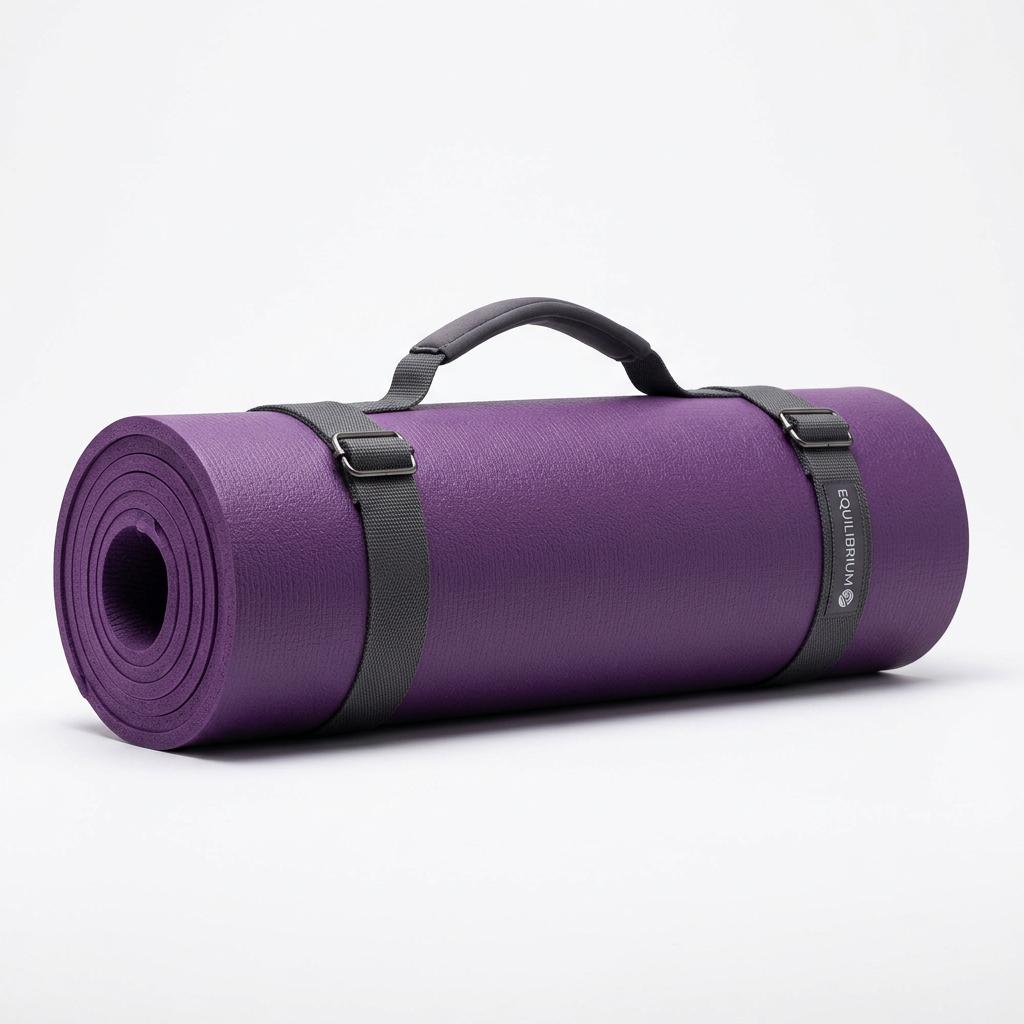
The 3/8-inch thickness is the standard for yoga and mat-based exercise. It provides adequate cushioning for kneeling, seated, and supine positions without creating the instability that thicker mats introduce for balance-focused movements. This thickness is ideal for:
- Yoga and Pilates practice
- Static stretching and mobility work
- Light bodyweight exercises (push-ups, planks, crunches)
- Foam rolling and self-myofascial release
- Meditation and breathwork
At 3/8 inch, floor protection is minimal — these mats are designed for bodyweight and light loads, not for protecting flooring from dropped weights or heavy equipment. Noise dampening is limited; the thin material provides some impact absorption but won't meaningfully reduce noise transmission to rooms below.
Joint cushioning is adequate for most users during yoga and stretching. Those with sensitive knees may prefer additional padding for prolonged kneeling, achievable by folding the mat or adding a thin towel.
Equipment stability is excellent — this thin profile creates virtually no instability for standing balance work, which is why yoga practitioners overwhelmingly prefer this thickness over thicker alternatives.
Material Considerations
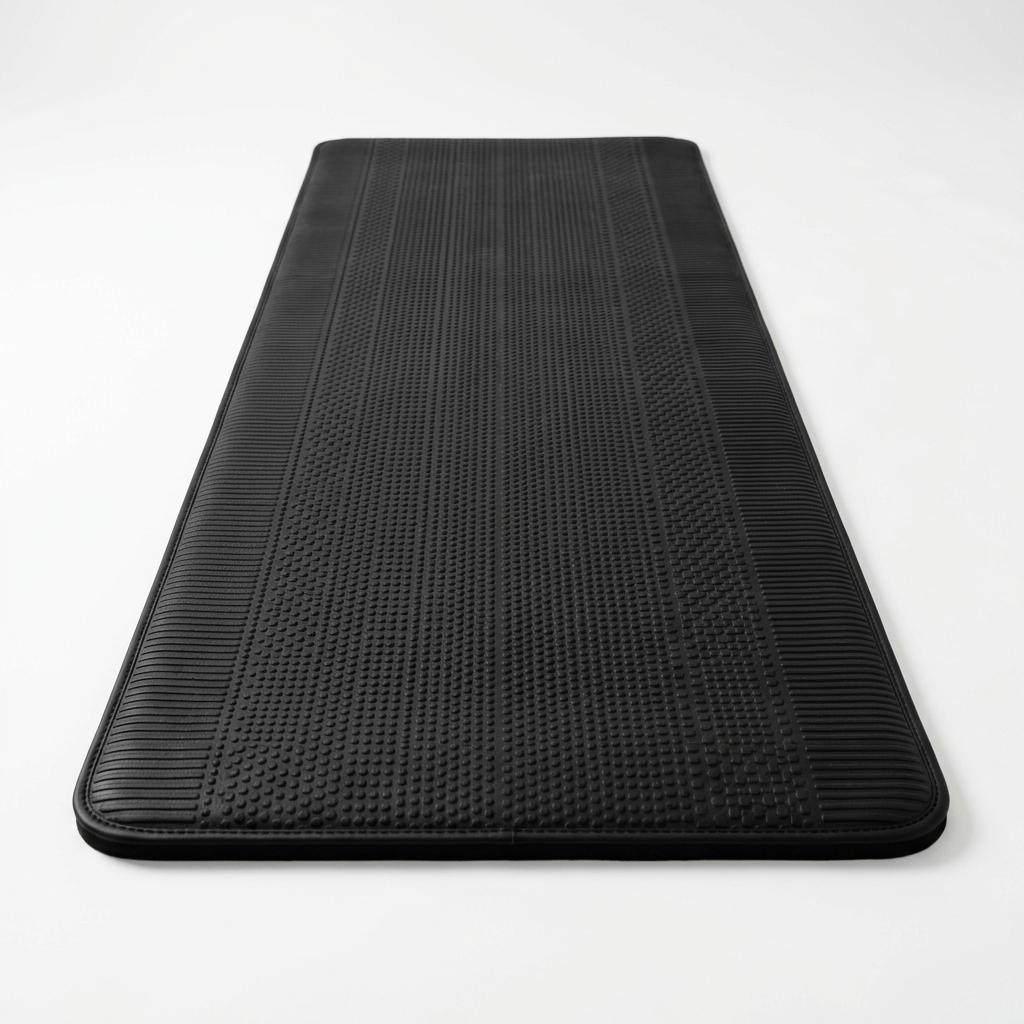
3/8-inch mats are typically made from:
- PVC (polyvinyl chloride): Most common; durable, easy to clean, good grip when textured. Budget-friendly but not the most environmentally friendly option.
- TPE (thermoplastic elastomer): More eco-friendly than PVC; good cushioning-to-weight ratio; latex-free.
- Natural rubber: Excellent grip and durability; heavier; not suitable for those with latex allergies; strong initial odor that dissipates over time.
- Cork: Natural antimicrobial properties; excellent dry grip; less cushioning than rubber or PVC.
Product Recommendations
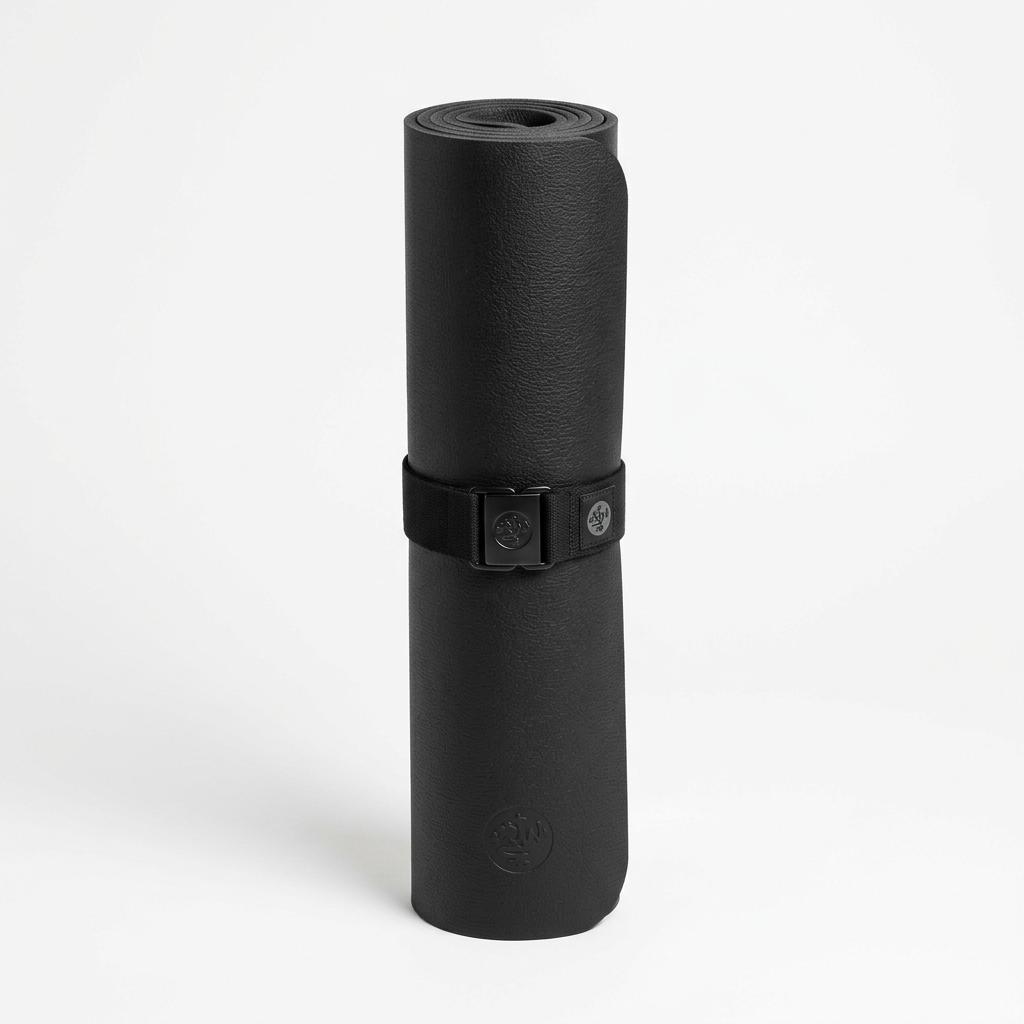
- Premium: Manduka PRO Yoga Mat (6mm/1/4", the closest standard thickness) — lifetime durability, dense cushioning
- Mid-range: Gaiam Premium Yoga Mat (6mm) — excellent value, good durability
- Budget: BalanceFrom GoYoga All-Purpose Mat (1/2" for extra cushioning at lower cost)
Cost
$15-120 depending on material and brand. This is the most affordable thickness category.
1/2 Inch (13mm): Light Equipment and General Fitness
Best For
The 1/2-inch thickness represents the entry point for equipment-protective gym flooring. It provides meaningful cushioning and floor protection for light-to-moderate gym use:
- Dumbbell training with weights up to 50 lbs
- Resistance band work and cable exercises
- Light kettlebell work (swings with moderate weights)
- Bodyweight strength training
- Cardio machines with low impact (stationary bikes, under-desk ellipticals)
Floor protection at 1/2 inch is meaningful for light equipment. Dumbbells can be set down without damaging hardwood or tile underneath, though heavy or dropped dumbbells may still cause impact marks. Weight plates should be lowered with control — don't drop them from height.
Noise dampening improves noticeably over 3/8-inch options. The additional material absorbs more impact energy and reduces the sharp transients that transmit through floors. This matters for apartment dwellers and those with rooms below their gym space.
Joint cushioning is good for standing exercises and light impact. The additional thickness over standard yoga mats reduces foot and ankle fatigue during longer standing sessions.
Equipment stability remains excellent. At 1/2 inch, most users won't perceive any instability during standing exercises, though very heavy lateral movements (heavy landmine presses, etc.) may benefit from the next thickness up.
Material Considerations
1/2-inch mats for gym use are typically:
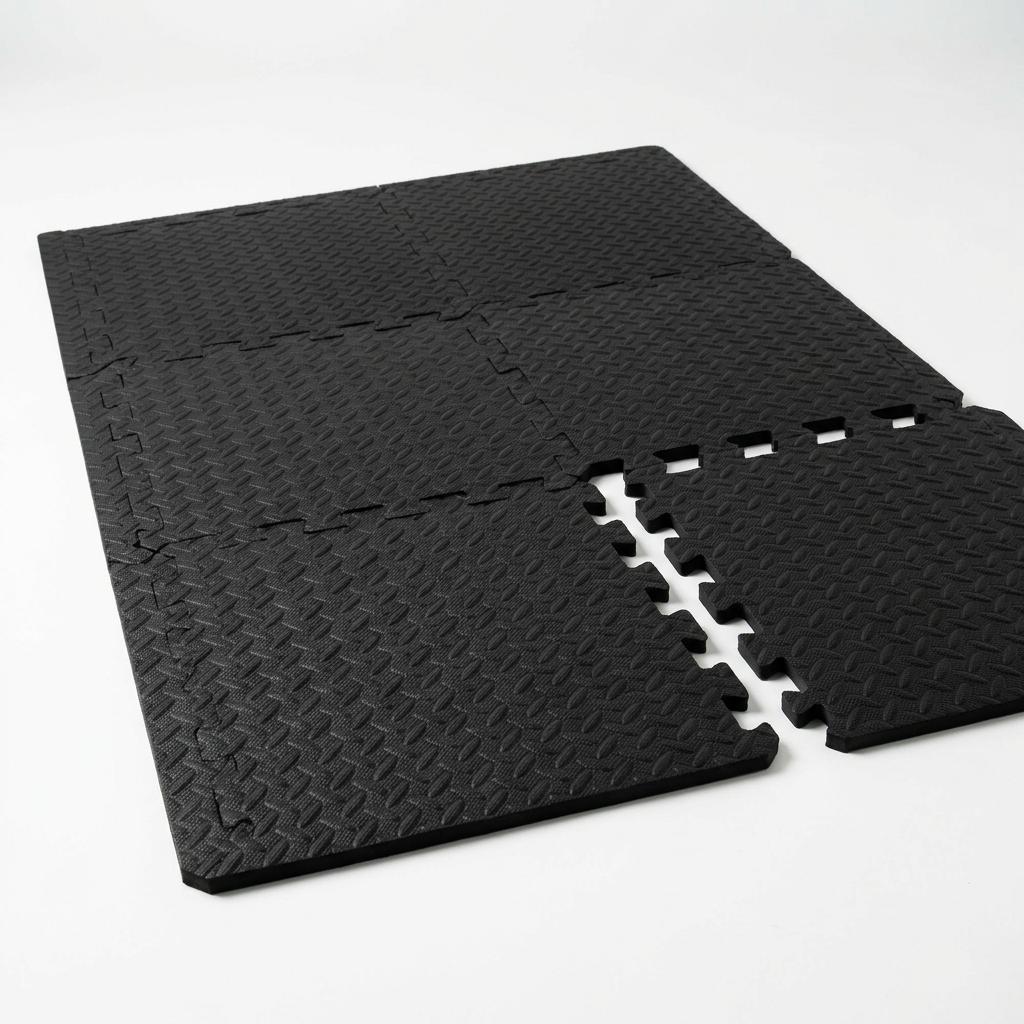
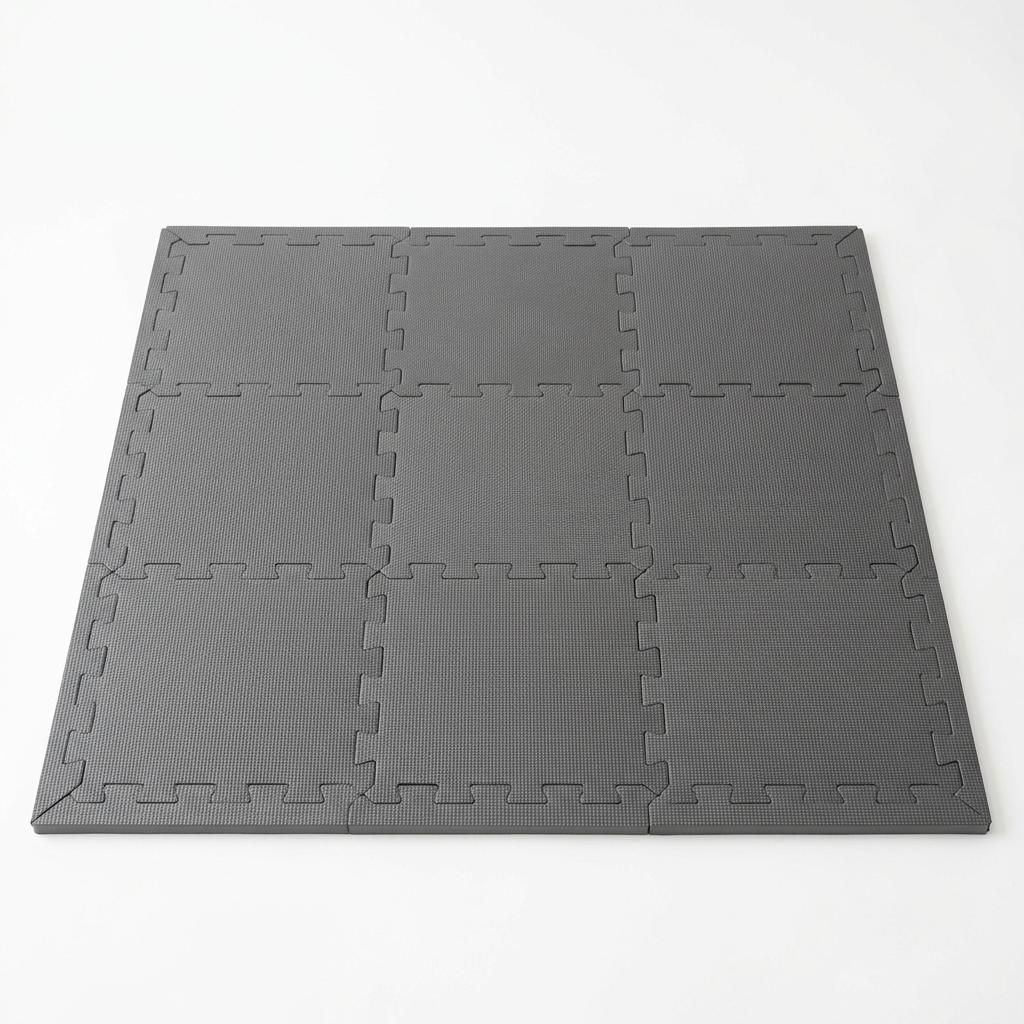
- EVA foam interlocking tiles: The most common format; easy to install; replaceable if damaged; various textures and colors available
- Rubber rolls or tiles: More durable than EVA; better for heavier use; higher cost; more difficult to install
- Foam roll-out mats: Portable; good for temporary setups; less durable than tile or roll options
Product Recommendations
- Best EVA Tiles: ProsourceFit Puzzle Exercise Mat (1/2") — excellent value, reliable interlock system
- Best Rubber Option: American Floor Mats Nitro Rubber Tiles (1/2") — superior durability, professional quality
- Best Roll-Out: IncStores Premium Martial Arts Mat (1/2") — portable, good cushioning
Cost
$1.50-4.00 per square foot for EVA tiles; $3-8 per square foot for rubber. A typical 10x10 gym space costs $150-400 for EVA or $300-800 for rubber at this thickness.
3/4 Inch (19mm): Weights and Moderate Cardio
Best For
The 3/4-inch thickness is the sweet spot for most home gyms that include weight training and moderate-impact cardio equipment. It provides substantial protection and cushioning without the cost, storage demands, or stability compromises of 1-inch+ flooring:
- Full barbell training (squats, deadlifts, presses) with controlled lowering
- Moderate dumbbell training (up to 100+ lbs with controlled eccentric)
- Kettlebell training including moderate-weight drops
- Cardio machines (treadmills, ellipticals, rowers)
- Moderate plyometrics (box jumps, broad jumps)
Floor protection is substantial at 3/4 inch. Dumbbells and weight plates can be lowered from normal lifting height without damaging hardwood, tile, or concrete underneath. Occasional light barbell drops (empty bar or very light loads) are absorbed without floor damage, though regular dropping of loaded bars requires the next thickness tier.
Noise dampening is significantly improved over 1/2-inch options. The additional material mass absorbs more impact energy and reduces both airborne and structure-borne noise. For apartment and condo dwellers, 3/4 inch is typically the minimum recommended thickness for weight training.
Joint cushioning is excellent for most training. Standing exercises are comfortable for extended sessions, and the material provides meaningful shock absorption for movements involving foot impact (jumping, step-ups, lunges with dynamic lowering).
Equipment stability remains very good. Most users will not perceive instability during heavy compound lifts. Very heavy squats (400+ lbs) or explosive Olympic lifts may benefit from the additional stability of 1-inch flooring, but 3/4 inch is adequate for 95% of home gym users.
Material Considerations
- High-density EVA foam tiles: Most popular home gym option; good balance of protection and cost; interlocking installation
- Rubber rolls or tiles: Professional gym standard; superior durability and noise dampening; higher cost
- Recycled rubber: Eco-friendly option; excellent durability; variable density depending on source material
Product Recommendations
- Best EVA Tiles: BalanceFrom GoFit High-Density EVA Foam (3/4") — excellent value, good density
- Best Rubber Tiles: Rogue Rubber Gym Tiles (3/4") — professional quality, extreme durability
- Best Rubber Rolls: American Floor Mats Rolled Rubber (3/4") — seamless coverage, maximum durability
Cost
$2-5 per square foot for EVA tiles; $4-10 per square foot for rubber. A 10x10 space costs $200-500 for EVA or $400-1,000 for rubber.
1 Inch+ (25mm+): Heavy Weights and Dropping
Best For
1-inch and thicker flooring is designed for serious strength training where controlled lowering is not always possible or desirable:
- Olympic weightlifting (snatches, cleans and jerks) with regular bar dropping
- Powerlifting training with missed lifts
- Strongman training (stone loads, atlas stone platforms, heavy implement drops)
- Heavy kettlebell work with ballistic drops
- Plyometric training with high-impact landings
Floor protection at 1 inch+ is comprehensive. Even loaded barbells dropped from overhead are absorbed without damaging the subfloor beneath. This is the standard thickness for commercial lifting platforms and CrossFit boxes for good reason.
Noise dampening is maximal among standard gym flooring options. The substantial material mass absorbs the energy from even heavy drops, dramatically reducing the impact sound that transmits through structures. For apartment lifters who must minimize noise, 1-inch+ flooring is essential if any dropping is planned.
Equipment stability is slightly compromised compared to thinner options. At 1 inch and above, some users may perceive a very slight "give" under maximal loads that can affect confidence during heavy squats or pulls. This is typically minor and can be addressed by using a dedicated lifting platform (3/4" rubber surrounding a 3/4" plywood insert) rather than uniform thick flooring.
Joint cushioning is maximal — standing is very comfortable, and high-impact landings are well-absorbed. However, the very softness that protects floors can create a "sinking" sensation that some lifters find destabilizing for maximal-effort movements.
Material Considerations
- High-density rubber tiles or rolls: The only practical material at 1 inch+; EVA at this thickness becomes too compressible
- Lifting platforms: Custom-built platforms using 3/4" plywood center with 3/4" rubber surrounding — provides hard center surface for lifting with protected drop zones
Product Recommendations
- Best Rubber Tiles: Rogue Individual Tile Flooring (1") — professional CrossFit box standard
- Best Lifting Platform Solution: Build a custom platform using 3/4" plywood center with 3/4" stall mat rubber surrounding
- Best Stall Mats: Tractor Supply 4x6 Horse Stall Mats (3/4") — the budget standard; use double-layered for 1.5" total protection
Cost
$5-12 per square foot for rubber tiles; $3-6 per square foot for stall mats (often the most economical 3/4" option). A 10x10 space costs $500-1,200 for dedicated thick rubber, though many lifters build partial platforms rather than covering the entire floor.
Layering Strategies: Combining Thicknesses for Zone-Specific Flooring
Rather than installing uniform thick flooring throughout the gym, many home gym owners create a dedicated lifting platform in one area:
- Platform area (where barbell work occurs): Build or purchase a 3/4" plywood platform with 3/4" rubber edges — approximately 8x8 feet
- Surrounding floor: 1/2" or 3/4" EVA or rubber tiles for general training
- Stretching/mobility area: 3/8" yoga mat or dedicated matting
This approach provides maximum protection where needed while saving cost and preserving stability in areas where thinner flooring is adequate.
The Deadlift Zone
For powerlifters focused primarily on squats, bench, and deadlifts:
- Deadlift area: Double-layered 3/4" stall mats (1.5" total) or dedicated deadlift platform
- Squat/bench area: 3/4" rubber tiles or single stall mats
- Accessory area: 1/2" EVA tiles
The Apartment Minimalist
For noise-conscious apartment dwellers with limited space:
- Full floor coverage: 3/4" high-density EVA or rubber to minimize noise transmission
- Lifting platform: Build a 6x8 platform with 3/4" plywood + 3/4" rubber for the heaviest lifts
- No dropping policy: With quality 3/4" flooring, controlled lowering of all loads eliminates the need for 1"+ flooring in most cases
Noise Dampening by Thickness: Quantified
While exact noise reduction depends on flooring material, subfloor construction, and impact characteristics, general guidelines for structure-borne noise reduction:
| Thickness |
Estimated Impact Noise Reduction* |
Suitability for Apartments |
| 3/8" (10mm) |
5-10 dB |
Poor — not suitable for weight training in shared buildings |
| 1/2" (13mm) |
10-15 dB |
Marginal — light weights only with controlled lowering |
| 3/4" (19mm) |
15-25 dB |
Good — adequate for most home gym use with controlled technique |
| 1" (25mm) |
20-30 dB |
Excellent — handles moderate drops and heavy training |
| 1.5" (38mm) |
25-35 dB |
Superior — appropriate for Olympic lifting in shared buildings |
*Reduction in impact sound pressure level transmitted to the room below, compared to bare flooring. Estimates based on rubber over wooden subflooring.
Cost Comparison Summary
| Thickness |
Material |
Cost per sq ft |
10x10 Space Cost |
Lifespan (years) |
| 3/8" |
PVC yoga mat |
$2-8 |
$200-800* |
2-10 |
| 1/2" |
EVA tiles |
$1.50-4 |
$150-400 |
3-7 |
| 3/4" |
EVA tiles |
$2-5 |
$200-500 |
5-10 |
| 3/4" |
Rubber tiles |
$4-10 |
$400-1,000 |
10-20+ |
| 1"+ |
Rubber tiles |
$5-12 |
$500-1,200 |
15-20+ |
| 1"+ |
Stall mats |
$1-2 |
$100-200** |
10-15 |
Yoga mats cover less area; multiple mats needed for full floor coverage *Stall mats are typically 4x6 feet; most economical option for heavy-duty flooring
Frequently Asked Questions
Can I put a treadmill on EVA foam tiles?
Yes, with caveats. Most treadmills function adequately on 1/2" or 3/4" EVA tiles, though very heavy commercial units may compress the foam over time. Place a plywood board under the treadmill feet if you notice compression. Rubber is preferable for permanent cardio installations.
Will thick gym mats damage my hardwood floor?
No — quality gym mats actually protect hardwood from equipment damage, sweat, and dropped weights. However, ensure the subfloor is dry before installation, as trapped moisture can damage wood over time. Some users place a vapor barrier (plastic sheeting) under rubber mats in damp environments.
How do I clean gym floor mats?
Vacuum regularly and mop with mild soap and water as needed. Avoid harsh chemicals that can degrade rubber or EVA. For rubber floors, a dedicated rubber floor cleaner extends lifespan and maintains appearance.
Should I glue my gym mats down?
Generally no — loose-laid flooring is preferred for home gyms as it allows for reconfiguration, cleaning underneath, and removal if you move. Commercial installations may glue flooring for permanent placement, but residential users benefit from the flexibility of loose installation.
Related reading: Best Noise-Reducing Gym Flooring | Best Threshold Ramp for Gym Equipment | Best Apartment-Friendly Gym Setup