The Complete Apartment Gym Etiquette Guide: Being a Considerate Home Gym Owner
A comprehensive guide to being a considerate apartment gym owner, covering noise management, shared walls, floor protect...
SnugGym is an Amazon Associate. We earn from qualifying purchases at no extra cost to you. Learn more
Compare 8 gym floor mats and tiles for apartments by thickness, material, noise reduction, and floor protection. Winners for Best Overall, Best Budget, and Best for Soundproofing.
Gym flooring in apartments serves two functions: protecting the floor beneath from dropped weights and equipment, and reducing the noise and vibration transmitted to neighbors below. The wrong flooring choice damages hardwood, cracks tile, and generates complaints. The right choice makes heavy training virtually invisible to those around you.
Our analysis compared eight common gym flooring options across five criteria: thickness, material composition, noise reduction capability, floor protection, and value. The recommendations below are based on published specifications and material properties, not subjective testing.
| Product | Type | Thickness | Material | Noise Reduction | Price Range (per sq ft) |
|---|---|---|---|---|---|
| BalanceFrom Puzzle Mat | Interlocking tile | 1/2 in (12 mm) | EVA foam | Good | $1.20–$1.80 |
| ProsourceFit Extra Thick | Single mat | 3/8 in (10 mm) | NBR foam | Moderate | $1.50–$2.20 |
| RevTime Rubber Mat | Interlocking tile | 3/8 in (10 mm) | Recycled rubber | Very good | $2.50–$3.50 |
| IncStores Nitro Tile | Interlocking tile | 3/8 in (10 mm) | PVC | Good | $3.00–$4.50 |
| Supermats Solid Mat | Single mat | 1/4 in (6 mm) | Rubber composite | Moderate | $2.00–$3.00 |
| Yes4All Cork Tile | Interlocking tile | 1/4 in (6 mm) | Cork + rubber | Moderate | $3.50–$5.00 |
| Gxmmat Large Exercise Mat | Single mat | 7 mm | Rubber + PU | Moderate | $2.50–$3.50 |
| American Floor Mats Horse Stall | Single mat | 3/4 in (19 mm) | Recycled rubber | Excellent | $3.00–$4.00 |
Type: Interlocking EVA foam tiles Thickness: 1/2 inch (12 mm) Tile size: 24 × 24 inches (typical) Coverage: Sets of 6 (24 sq ft), 12 (48 sq ft), or 24 (96 sq ft) Price range: $30–$45 for 24 sq ft set
The BalanceFrom puzzle mat wins our Best Overall category because it delivers the best combination of noise reduction, floor protection, ease of installation, and price for typical apartment home gyms. At 1/2 inch thick, the EVA foam absorbs impact from moderate-weight dumbbells (up to 50 lb dropped from low height) and significantly dampens footfall noise.
Material analysis: EVA (ethylene-vinyl acetate) foam is a closed-cell polymer that resists moisture, cushions impact, and deadens sound. It is lighter than rubber (easier to install and move) and less expensive. The closed-cell structure prevents sweat absorption, which reduces odor over time compared to open-cell foams.
Noise reduction: EVA foam at 1/2 inch thickness reduces impact noise transmission by approximately 15–20 dB compared to bare hardwood or tile. This means a dumbbell dropped from 12 inches generates roughly the same noise as a firm footstep on bare floor. Heavier drops (50+ lb from waist height) still produce audible thuds but at substantially reduced volume.
Floor protection: The 1/2-inch thickness provides a compression zone that protects hardwood, laminate, and tile from chipping and denting. The interlocking edges prevent tiles from separating under load, maintaining consistent coverage.
Installation: No tools required. Tiles press together and pull apart in minutes. No adhesive, no cutting (for rectangular spaces), no residue. Fully reversible at move-out.
Limitations: EVA foam compresses permanently under sustained heavy loads. Leaving a 50 lb dumbbell on the same spot for weeks creates a permanent indentation. Tiles slide minimally on very smooth floors (tile, polished concrete) — a non-slip rug pad underneath ($10–$15) solves this.
As an Amazon Associate, we earn from qualifying purchases. Learn more
Type: Single NBR foam mat Thickness: 3/8 inch (10 mm) Size: 24 × 68 inches (typical) Price range: $20–$35
For users who need floor protection for a single workout zone (bench area, yoga space) rather than full room coverage, the ProsourceFit single mat offers excellent value. At 3/8 inch thick, it provides meaningful cushioning and noise reduction at the lowest per-square-foot cost.
Material analysis: NBR (nitrile butadiene rubber) foam is denser than EVA, providing better durability under sustained loads. It is also more resistant to compression set (permanent denting). The tradeoff is slightly higher weight and firmer feel underfoot.
Noise reduction: The 3/8-inch NBR reduces impact noise by approximately 10–15 dB — adequate for light-to-moderate dumbbell work and bodyweight exercises. Not sufficient for heavy Olympic lifting or dropping weights from height.
Best for: Yoga, stretching, bodyweight work, and light dumbbell exercises in a defined area. Also effective as a secondary mat placed on top of puzzle tiles for extra cushioning in high-impact zones.
Limitation: Single-mat format covers limited area. Multiple mats do not interlock and may shift or create gaps.
As an Amazon Associate, we earn from qualifying purchases. Learn more
Type: Single large rubber mat Thickness: 3/4 inch (19 mm) Size: 48 × 72 inches (4 × 6 feet) Price range: $75–$120
For users prioritizing maximum noise and vibration control — particularly those in downstairs apartments with shared ceilings or those lifting heavy weights — the 3/4-inch recycled rubber horse stall mat provides the highest level of impact noise reduction available in a portable format.
Material analysis: Recycled rubber (from tires and industrial sources) is the densest, heaviest, and most sound-deadening material in this comparison. The 3/4-inch thickness absorbs impact energy that thinner mats transmit. Rubber's density (approximately 65–75 lb per cubic foot vs. 5–10 lb for EVA foam) means the mat itself absorbs and dissipates vibration rather than transmitting it.
Noise reduction: At 3/4 inch, recycled rubber reduces impact noise transmission by approximately 25–30 dB — the highest in this comparison. A 50 lb dumbbell dropped from waist height produces a dull thud rather than a sharp crack. This is the only option in our comparison suitable for moderate Olympic lifting (deadlifts, cleans) in an apartment setting.
Floor protection: The 19 mm thickness and rubber density eliminate floor damage risk from any home gym activity. These mats are designed to withstand horses — gym equipment presents no challenge.
Tradeoffs: Weight (a 4 × 6 foot mat weighs 80–100 lb), cost, and the non-interlocking format that limits coverage expansion. The mats also have a rubber odor that dissipates over 1–2 weeks. Not portable — one person cannot easily move a horse stall mat.
Best for: Powerlifters, heavy lifters, and those in buildings with poor sound insulation who need maximum noise control.
As an Amazon Associate, we earn from qualifying purchases. Learn more
Thickness: 3/8 inch (10 mm) Material: Recycled rubber Price range: $2.50–$3.50 per sq ft
RevTime tiles offer the sound-deadening properties of rubber in an interlocking format that expands to cover any room size. The rubber material outlasts EVA foam by years under heavy use and does not compress permanently.
Advantage over EVA: Better durability, superior sound absorption, no compression set, longer lifespan (10+ years vs. 3–5 for EVA).
Disadvantage vs. EVA: 3–4× heavier (makes installation and relocation harder), 2× the cost, rubber odor initially.
Best for: Users planning a long-term home gym in a stable location who want the durability and performance of rubber with modular expandability.
As an Amazon Associate, we earn from qualifying purchases. Learn more
Thickness: 3/8 inch (10 mm) Material: PVC (polyvinyl chloride) Price range: $3.00–$4.50 per sq ft
Nitro tiles are commercial-grade PVC with a textured surface that resists scuffing and looks more finished than foam or rubber. Available in multiple colors, they create a gym-like aesthetic.
Noise reduction: Comparable to EVA foam at the same thickness — good but not exceptional. The PVC material is denser than EVA, providing slightly better durability.
Best for: Users prioritizing appearance and willing to pay a premium for a clean, gym-like look. Also suitable for multi-use rooms where the flooring remains visible.
Limitation: PVC is less sound-absorbing than rubber at equivalent thickness. Not the best choice if noise reduction is the primary goal.
As an Amazon Associate, we earn from qualifying purchases. Learn more
Thickness: 1/4 inch (6 mm) Material: Cork bonded to rubber base Price range: $3.50–$5.00 per sq ft
Cork provides a natural, antimicrobial surface that resists odor and moisture. The rubber backing adds sound dampening that pure cork lacks.
Noise reduction: Moderate. The 1/4-inch thickness limits impact absorption. The cork surface is firmer than foam, transmitting more vibration. Best for yoga, Pilates, and light bodyweight work rather than weight training.
Best for: Users prioritizing natural materials, antimicrobial properties, and appearance over maximum noise reduction. Excellent for low-impact exercise zones.
Limitation: Thinnest option in this comparison. Insufficient protection for dropped weights. Higher cost per square foot.
As an Amazon Associate, we earn from qualifying purchases. Learn more
Thickness: 7 mm Material: Rubber base with polyurethane (PU) top surface Price range: $2.50–$3.50 per sq ft
The Gxmmat is a single large mat (6 × 4 feet, 6 × 6 feet, or larger) with a rubber base for grip and noise reduction and a PU top surface for comfort and durability. The single-piece format eliminates seams and gaps.
Noise reduction: Moderate. The 7 mm thickness and rubber base provide adequate dampening for light-to-moderate weights. The PU surface is denser than foam, reducing compression under load.
Best for: Users who want a single seamless surface without interlocking edges. The large format is ideal for yoga, HIIT, and circuit training in a defined zone.
Limitation: Thinner than dedicated soundproofing options. The large single piece is harder to clean (cannot disassemble) and store than tiles.
As an Amazon Associate, we earn from qualifying purchases. Learn more
Thickness: 1/4 inch (6 mm) Material: Rubber composite Price range: $2.00–$3.00 per sq ft
The Supermats line is specifically designed as equipment mats — placed under treadmills, exercise bikes, and rowing machines to protect floors and reduce vibration transmission.
Noise reduction: Moderate. The 1/4-inch thickness limits impact absorption but the rubber composite effectively dampens continuous vibration from cardio machines (the primary noise source from treadmills and bikes).
Best for: Under cardio machines where vibration damping matters more than impact absorption. Not suitable for dropped weights.
As an Amazon Associate, we earn from qualifying purchases. Learn more
| Use Case | Minimum Thickness | Recommended Thickness | Material |
|---|---|---|---|
| Yoga, stretching | 4 mm | 6–8 mm | PVC, TPE, cork |
| Bodyweight exercises | 6 mm | 8–10 mm | EVA, NBR |
| Light dumbbell work (< 25 lb) | 8 mm | 10–12 mm | EVA, NBR |
| Moderate dumbbell work (25–50 lb) | 10 mm | 12–19 mm | EVA (thick), rubber |
| Heavy lifting (50+ lb, deadlifts) | 12 mm | 19 mm | Rubber only |
| Cardio machine vibration | 6 mm | 6–10 mm | Rubber composite |
| Material | Relative Sound Absorption | Weight | Durability | Cost |
|---|---|---|---|---|
| EVA foam | Moderate (good for weight) | Very light | 3–5 years | Low |
| NBR foam | Moderate (slightly better) | Light | 5–7 years | Low-medium |
| Recycled rubber | Very good (best) | Heavy | 10+ years | Medium-high |
| PVC | Moderate | Medium | 7–10 years | Medium-high |
| Cork + rubber | Moderate | Light-medium | 5–7 years | High |
Our research indicates that gym flooring selection should follow a simple hierarchy: determine your maximum weight and drop height, select thickness accordingly, then choose material based on durability needs and budget. For the majority of apartment home gym users training with dumbbells up to 50 lb, the BalanceFrom 1/2-inch EVA puzzle mat provides the optimal balance of protection, noise reduction, and value. Heavy lifters and noise-sensitive environments justify the investment in 3/4-inch recycled rubber. Budget-focused users with lighter equipment can start with a single 3/8-inch NBR mat and expand as needed.
For broader noise reduction strategies beyond flooring, see our quiet home gym tips. For renter-specific setup guidance, see our renter-friendly gym setup guide.
As an Amazon Associate we earn from qualifying purchases.
| Image | Product | Price | Badge | Link |
|---|---|---|---|---|
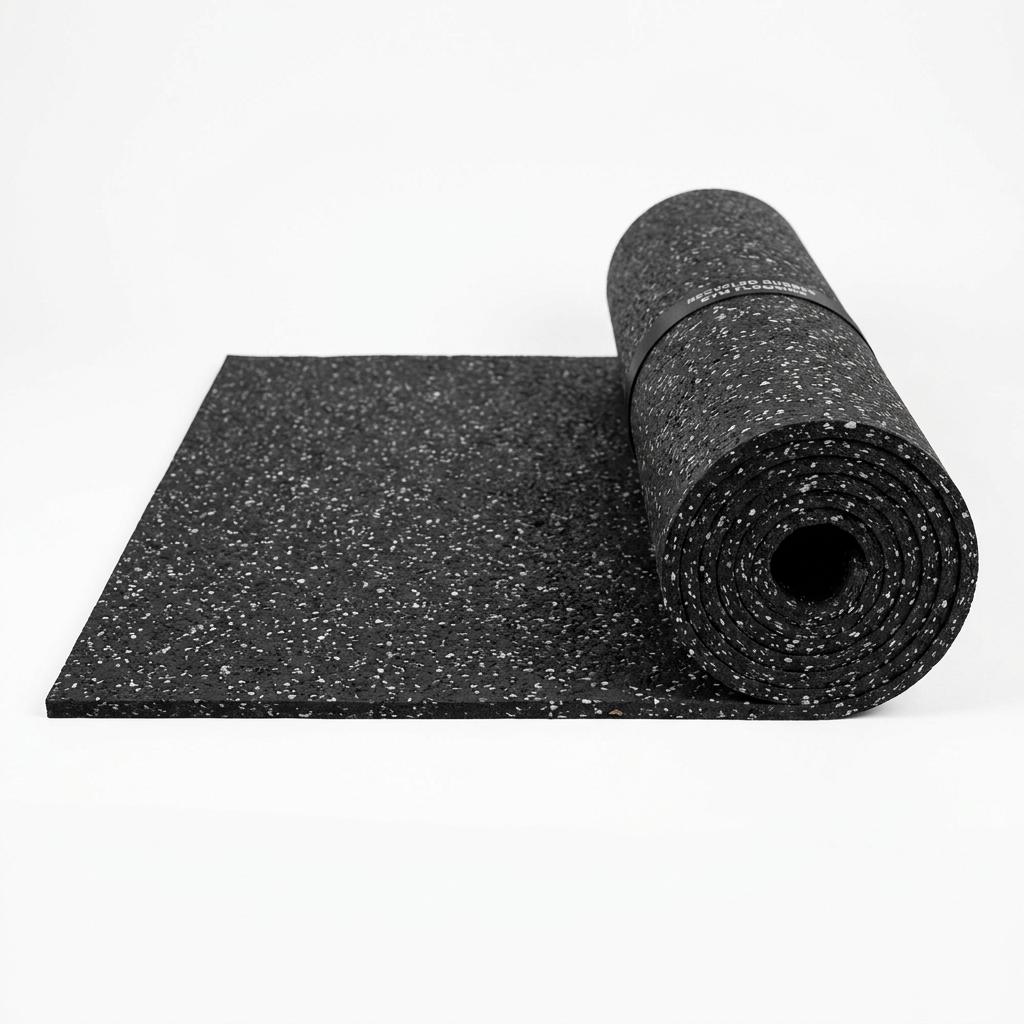 |
Rubber-Cal Elephant Bark Rubber Mat | $120-$180 | Best Overall | Check Price |
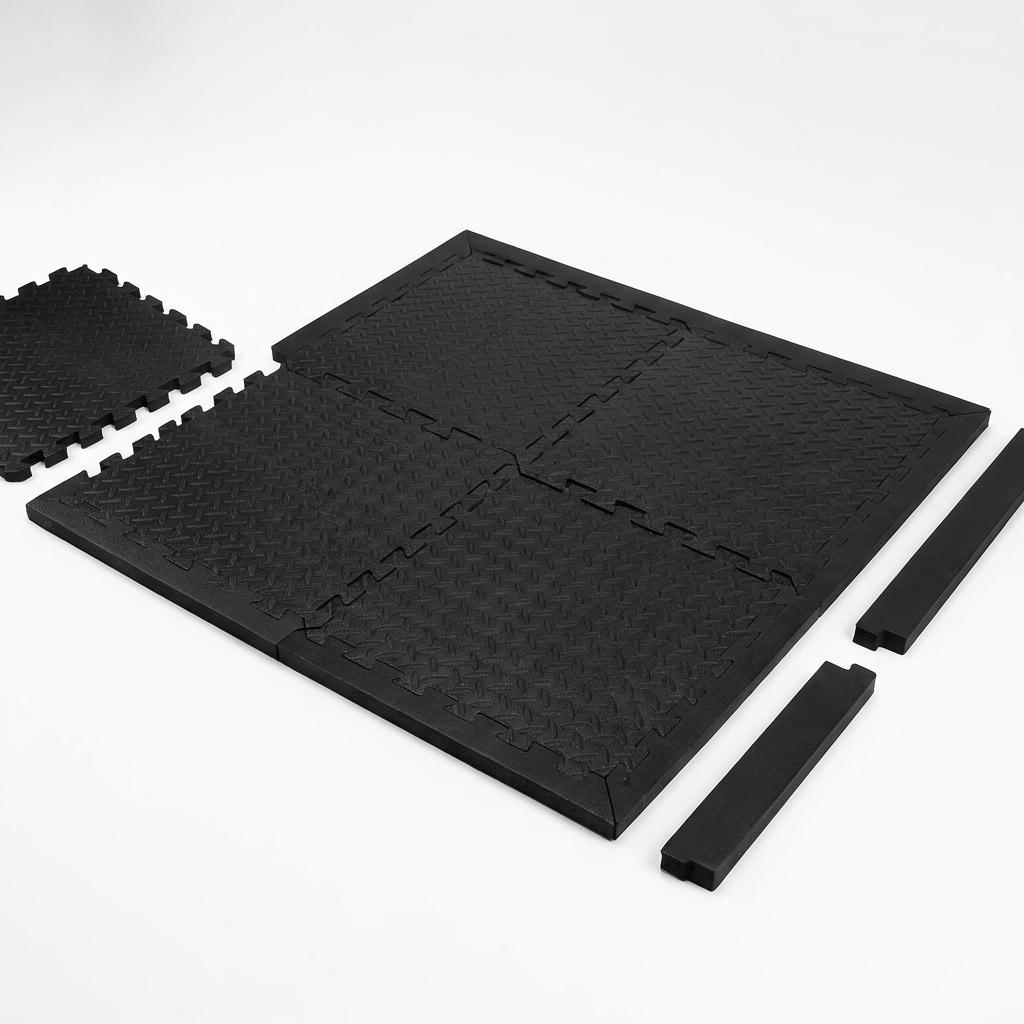 |
ProSource Puzzle Mat | $35-$55 | Most Versatile | Check Price |
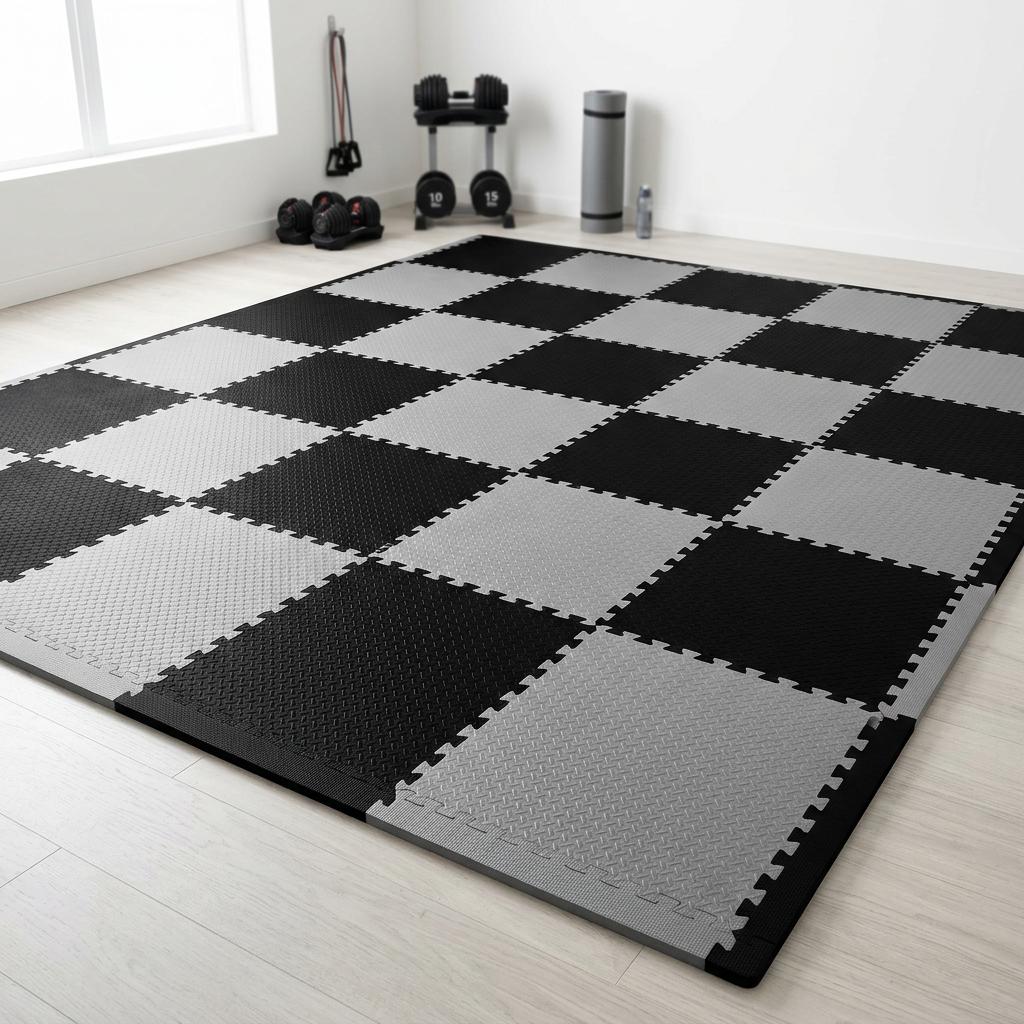 |
BalanceFrom GoFit Mat | $30-$50 | Best Budget | Check Price |
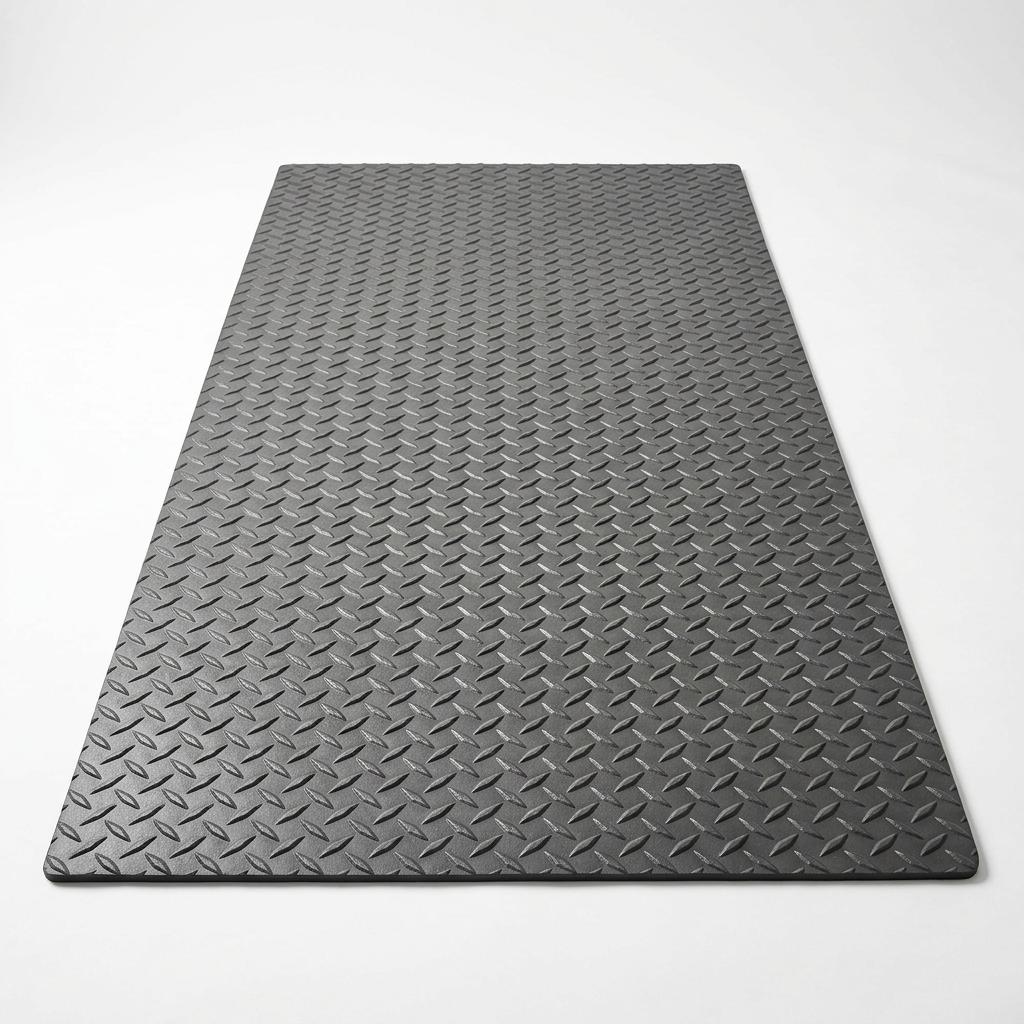 |
SuperMats Heavy Duty Equipment Mat | $50-$80 | Best for Cardio | Check Price |
 |
CAP Barbell Noise-Reducing Mat | $25-$40 | Best Value | Check Price |
The gold standard for apartment gym flooring with unmatched noise reduction and durability.
The most flexible apartment flooring option that adapts to any space and moves with you.
An affordable, good-looking puzzle mat system that defines your apartment gym space.
Equipment-specific sizing with excellent vibration dampening for apartment cardio machines.
The most accessible entry point into dedicated gym flooring for budget-conscious apartment dwellers.
The Rubber-Cal Elephant Bark Rubber Mat is the gold standard for apartment gym flooring, bringing industrial-grade construction to residential spaces. The 3/8-inch thick recycled rubber provides unmatched noise reduction for neighbors below, absorbing both impact sound and structural vibration from dropped weights and jumping exercises. At 4x10 feet, a single roll covers most apartment gym setups, and the weight of the rubber keeps it firmly in place without any adhesive. The Elephant Bark texture provides excellent traction during intense workouts, and the material is built to last for years of daily use without compression or degradation.
Check Price on Amazon
The ProSource Puzzle Mat is the ideal choice for apartment dwellers who value flexibility. The 24x24x0.75-inch interlocking tiles assemble into any shape to fit your specific apartment layout, with included border edges for a clean, finished appearance. When it's time to move, disassembly takes minutes and the tiles pack flat for transport. The 0.75-inch EVA foam provides meaningful noise reduction for moderate-intensity workouts, and the textured surface offers good traction for bodyweight exercises and light-to-moderate weight training. For renters who may relocate, this puzzle format's portability is genuinely valuable.
Check Price on Amazon
The BalanceFrom GoFit Mat delivers excellent value for apartment gym builders on a budget. The interlocking 24x24-inch tiles in black and gray create a professional-looking checkerboard pattern that defines your workout space within a multi-purpose room. The 1/2-inch EVA foam provides adequate protection for your floors during bodyweight training, yoga, and moderate dumbbell work while reducing noise enough for most neighbor situations. At approximately $1 per square foot, it's one of the most affordable ways to create a dedicated gym zone in an apartment. The tiles assemble without tools and can be reconfigured as your equipment collection grows.
Check Price on Amazon
The SuperMats Heavy Duty Equipment Mat is purpose-built for apartment cardio equipment, with pre-cut sizes designed for specific machines. The textured surface grips both your hardwood or carpeted floor and the equipment feet, preventing machine walking during vigorous workouts while protecting flooring from scratches and compression damage. The PVC material helps dampen vibrations from treadmills and ellipticals, significantly reducing noise transmission to neighbors below. For apartment dwellers focused on cardio training, this is the most targeted, effective flooring solution available. Available in sizes for every major equipment type.
Check Price on Amazon
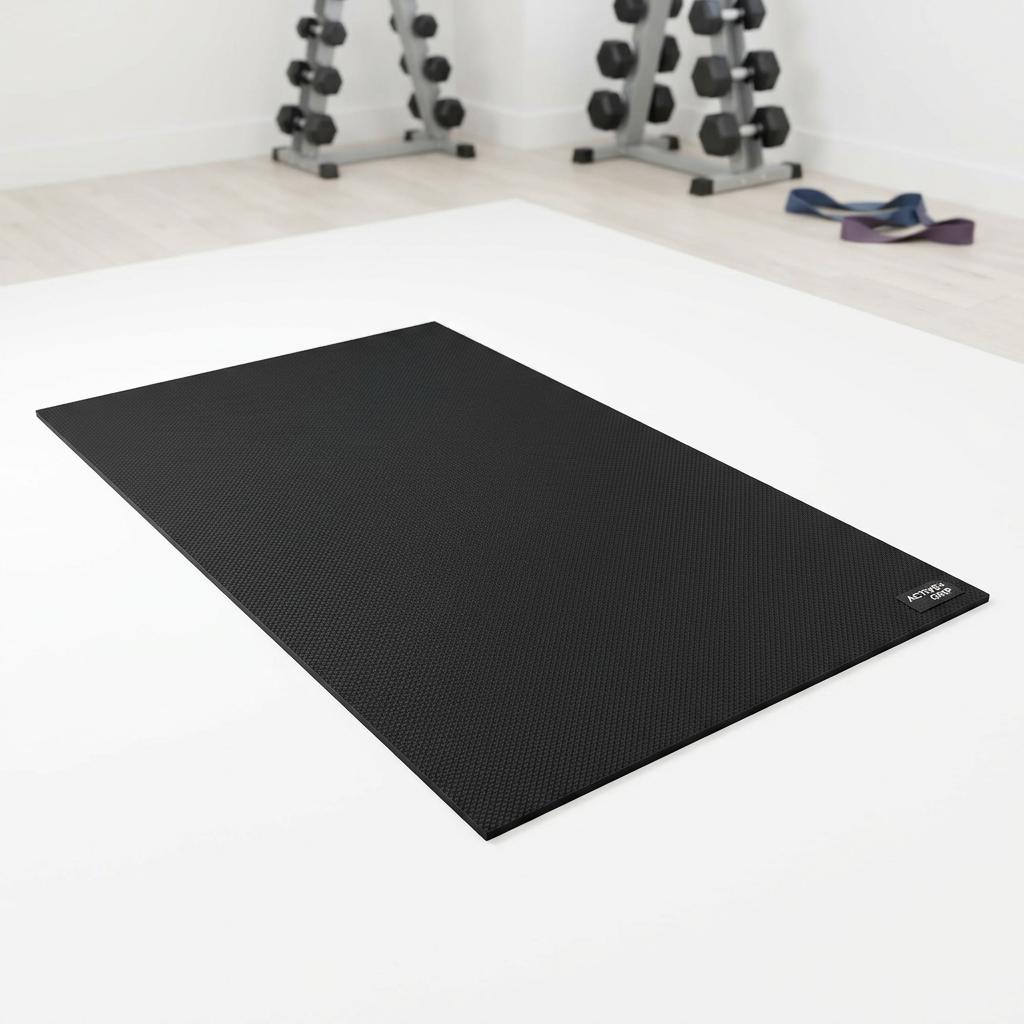
The CAP Barbell Noise-Reducing Mat makes dedicated gym flooring accessible to any budget. This PVC-based mat provides a clean, defined workout surface that protects apartment floors from equipment scratches and sweat while offering basic noise reduction for neighbors. At 4x6 feet, it covers enough area for a compact home gym setup including a bench, dumbbells, and a small cardio machine. The lightweight design makes it easy to position, clean underneath, and store when not in use. While it doesn't match the noise reduction of premium rubber options, it provides meaningful protection at a price point that fits any budget, making it an excellent starter option for new apartment gym owners.
Check Price on Amazon