The Complete Apartment Gym Etiquette Guide: Being a Considerate Home Gym Owner
A comprehensive guide to being a considerate apartment gym owner, covering noise management, shared walls, floor protect...
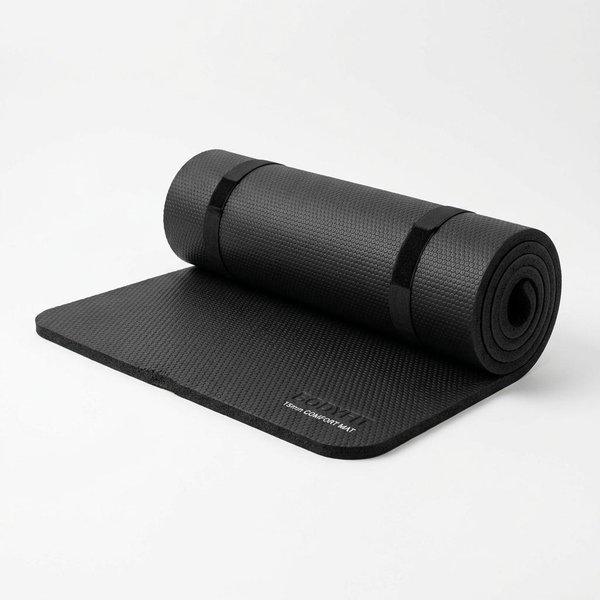
How to build a neighbor-friendly home gym in your apartment. Equipment choices, noise control, and space optimization for renters.
Building a home gym in an apartment requires more planning than in a house. You're working with limited square footage, shared walls and floors, and the ever-present risk of noise complaints from neighbors or warnings from your landlord. The good news: with the right approach, you can create a highly effective workout space that keeps everyone happy—including the person living below you.
This guide covers room selection, equipment choices, noise control strategies, and layout planning specifically designed for renters. Every recommendation prioritizes being a good neighbor while maximizing your fitness results.
Room selection is the foundation of a successful apartment gym. Making the right choice upfront reduces noise problems before you even buy equipment.
If your apartment has multiple levels, the ground floor is always the best choice for a gym. Eliminating the floor below you removes the most common source of noise complaints entirely. A basement-level unit is even better if available, as concrete basement floors absorb far more impact noise than wood-framed upper floors.
Place your gym area as far from shared walls as possible. Corner units have a significant advantage here, with two exterior walls reducing neighbor contact by half. In standard units, position cardio equipment and weight stations against exterior walls rather than walls shared with neighboring apartments.
If you're on an upper floor, try to position your workout area above your own kitchen or living room rather than a neighbor's bedroom. The kitchen is typically the most noise-tolerant room in any apartment, and you have more control over noise levels when the space below is yours.
Equipment choice is the single biggest factor in how neighbor-friendly your gym will be. Certain designs and resistance types are inherently quieter than others.
| Equipment | Noise Level | Best for Apartments | Key Features |
|---|---|---|---|
| Magnetic resistance bike | Very low | Excellent | Silent magnetic flywheel, no friction noise |
| Magnetic rower | Low | Excellent | Smooth pull, minimal seat noise |
| Air bike | Moderate | Good | Fan noise is white noise-like, less annoying than thuds |
| Treadmill with deck suspension | Moderate | Good with mat | Choose models with shock absorption and place on thick rubber mat |
| Jump rope | High | Poor | Impact transmits directly through floor |
Magnetic resistance systems are the clear winner for apartment cardio. They produce virtually no mechanical noise during operation. The Sole SB700 and similar magnetic spin bikes operate at under 40 dB at moderate intensity—roughly the volume of a quiet conversation.
Rubber-coated weights dramatically reduce noise compared to bare iron or hex dumbbells. When you set down a rubber dumbbell, the impact is muffled rather than producing a sharp metallic clank. Look for:
Compact cable machines like the NordicTrack Fusion CST or similar functional trainers guide movement along fixed paths, reducing the chance of dropped weights. The constant tension also eliminates the need for explosive movements that generate impact noise.
Proper flooring is non-negotiable in an apartment gym. The right surface can reduce transmitted noise by 60% or more.
| Activity Type | Minimum Flooring Thickness | Recommended Type |
|---|---|---|
| Yoga, stretching | 1/4 inch (6mm) | Yoga mat or thin EVA tile |
| Bodyweight exercises | 3/8 inch (10mm) | EVA puzzle mat |
| Light dumbbell work | 1/2 inch (12mm) | Rubber mat or thick EVA |
| Heavy lifting, deadlifts | 3/4+ inch (19mm+) | 8mm rubber roll + plywood platform |
| Cardio equipment | 1/4–3/8 inch (6–10mm) | Equipment-specific mat |
For comprehensive flooring recommendations, see our roundup of the best noise-reducing gym flooring for apartments.
Beyond flooring, several targeted solutions address specific noise sources in your gym.
Treadmills generate continuous vibration that transfers directly into the floor structure. Treadmill-specific isolation pads made from dense rubber or elastomer compounds sit under each corner of the machine, decoupling it from the floor. Research from fitness equipment manufacturers shows these pads can reduce structure-borne noise by 10-15 dB—often the difference between a complaint and complete silence from neighbors.
If you do Olympic lifting or heavy deadlifts, building a small platform area pays dividends. A simple 4×6 foot platform constructed from two layers of 3/4-inch plywood topped with a rubber horse stall mat (3/4 inch) provides exceptional impact absorption. The plywood distributes force across a wider area, while the rubber layer deadens the impact sound itself. Total height is approximately 2 inches, making it manageable in rooms with standard 8-foot ceilings.
Wall-mounted pull-up bars, squat racks, and suspension trainers all transfer force into the wall structure during use. Every rep sends vibration through the wall studs and into adjacent units. Whenever possible, mount equipment on exterior walls rather than shared walls. Use rubber isolation washers between brackets and the wall surface to minimize vibration transfer.
Noise management isn't just about equipment—it's also about when you use it.
| Time Block | Workout Type Recommendation |
|---|---|
| 6:00–8:00 AM | Low-impact only (yoga, stretching, light cycling) |
| 8:00 AM–12:00 PM | Full workouts acceptable |
| 12:00–2:00 PM | Moderate noise acceptable (lunch break window) |
| 2:00–6:00 PM | Full workouts acceptable |
| 6:00–9:00 PM | Moderate noise acceptable |
| 9:00 PM–6:00 AM | Low-impact only, or no workouts |
These guidelines represent conservative best practices. Your building may have specific quiet hours defined in the lease—typically 10:00 PM to 8:00 AM—which are legally binding and should be treated as hard limits.
Permanent modifications are usually prohibited by lease agreements, but several temporary soundproofing strategies can meaningfully reduce noise transmission.
Hanging thick, heavy curtains or moving blankets on shared walls adds mass that helps absorb sound before it reaches the wall surface. This is particularly effective for higher-frequency sounds like clanking weights. Positioning a bookshelf or storage unit full of equipment against a shared wall serves the same purpose while adding functional storage.
The gap under interior doors is a major sound leakage point. A simple draft stopper or door sweep can reduce sound transmission through this gap by 50% or more. This is especially important if your workout space is in a bedroom with a hallway shared by neighbors.
While primarily designed for room acoustics (reducing echo within a room), acoustic panels do provide minor sound blocking benefits. They work best in combination with other strategies rather than as a standalone solution. Look for panels with a Noise Reduction Coefficient (NRC) of 0.8 or higher for meaningful absorption.
The golden rule of renting: never do anything you can't undo in an afternoon. Here's what's generally safe versus what requires landlord approval.
| Modification | Risk Level | Notes |
|---|---|---|
| Interlocking foam tiles | No risk | No attachment to structure, fully removable |
| Rubber mat loose-lay | No risk | Place without adhesive |
| Equipment isolation pads | No risk | Sit under equipment, no attachment |
| Heavy curtains or blankets | No risk | Standard décor item |
| Wall-mounted pull-up bar | Medium risk | Check lease; may require patching upon move-out |
| Built-in shelving | High risk | Requires landlord approval |
| Permanent flooring adhesive | High risk | Almost certainly violates lease terms |
When in doubt, review your lease's alteration clause or ask your landlord directly. Many property managers are supportive of gym setups as long as modifications are reversible.
An 8×8 foot area (64 square feet) is enough for a highly effective apartment gym. Here's a layout that prioritizes noise control and functionality:
+------------------+
|  [Cardio]        |  4 ft
|   Bike/Mat       |
+--------+---------+
|        |         |
| [Rack] |  Free   |  4 ft
|  Area  |  Space  |
|        |         |
+------------------+
    4 ft     4 ft
Layout notes:
When space and budget are limited, prioritize these categories.
| Item | Purpose | Budget Estimate |
|---|---|---|
| Noise-reducing flooring | Foundation of noise control | $80–$200 |
| Adjustable dumbbells | Full-body strength training | $200–$400 |
| Resistance bands | Assistance work, mobility, warm-up | $20–$50 |
| Exercise mat | Floor work, stretching, yoga | $30–$80 |
| Fan | Air circulation and white noise masking | $30–$60 |
| Item | Purpose | Budget Estimate |
|---|---|---|
| Magnetic spin bike or rower | Cardio without joint impact | $300–$800 |
| Compact squat rack | Heavy compound lifts | $200–$500 |
| Pull-up bar (doorway) | Vertical pulling movements | $30–$60 |
| Suspension trainer | Bodyweight strength variations | $50–$150 |
| Treadmill with suspension | Running/walking in any weather | $400–$1,000 |
Building an apartment-friendly home gym comes down to three principles: choose the right room (ground floor, away from shared walls), select quiet equipment (magnetic resistance, rubber-coated weights), and invest in proper flooring (8mm rubber or thicker foam with full coverage). Combine these fundamentals with smart timing, equipment isolation, and reversible soundproofing hacks, and you can train hard without ever hearing a knock from your neighbors—or your landlord. Start with the essential equipment list, protect your floors first, and expand gradually as you confirm your setup works within your building's noise tolerance.
SnugGym participates in the Amazon Associates Program. We may earn a commission from qualifying purchases made through links on this page. This comes at no extra cost to you and helps support our independent testing and reviews.
| Image | Product | Price | Badge | Link |
|---|---|---|---|---|
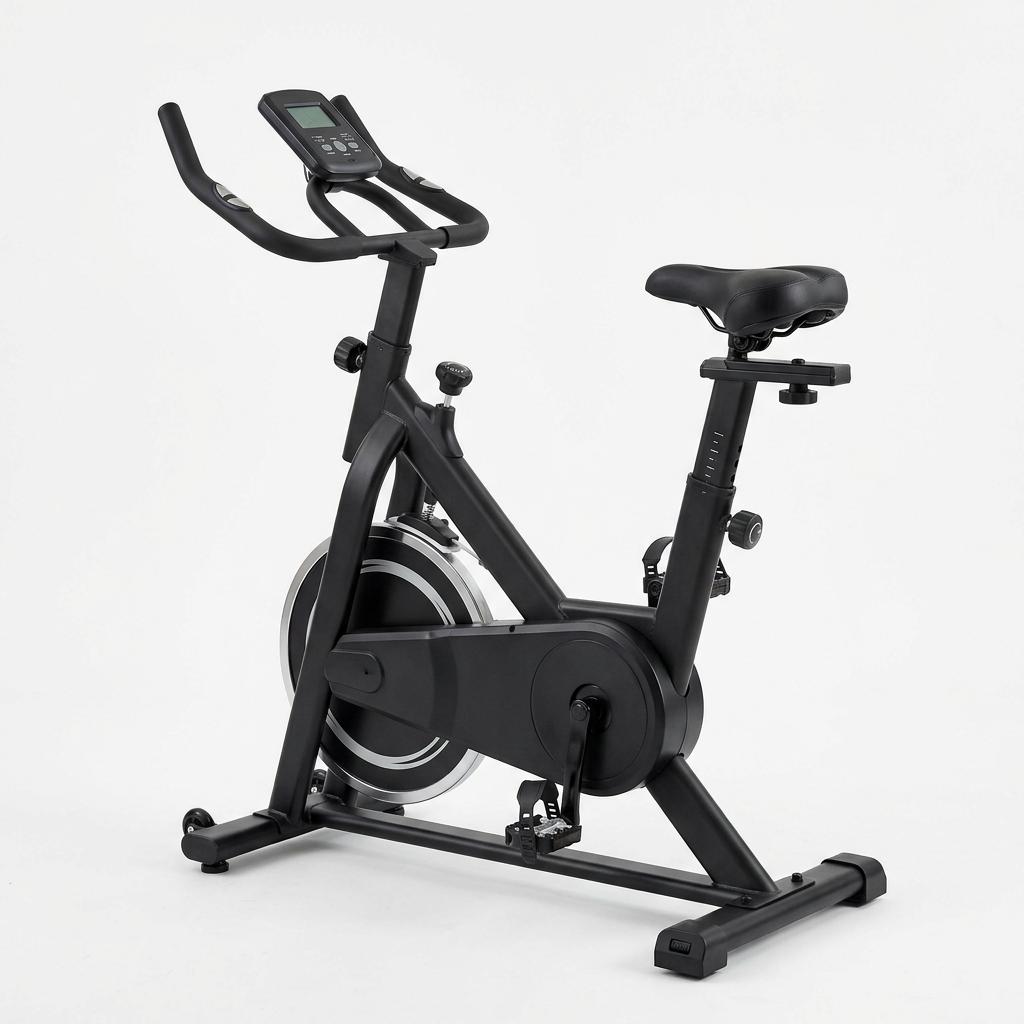 |
YOSUDA Magnetic Exercise Bike | $300-$400 | Best Overall | Check Price |
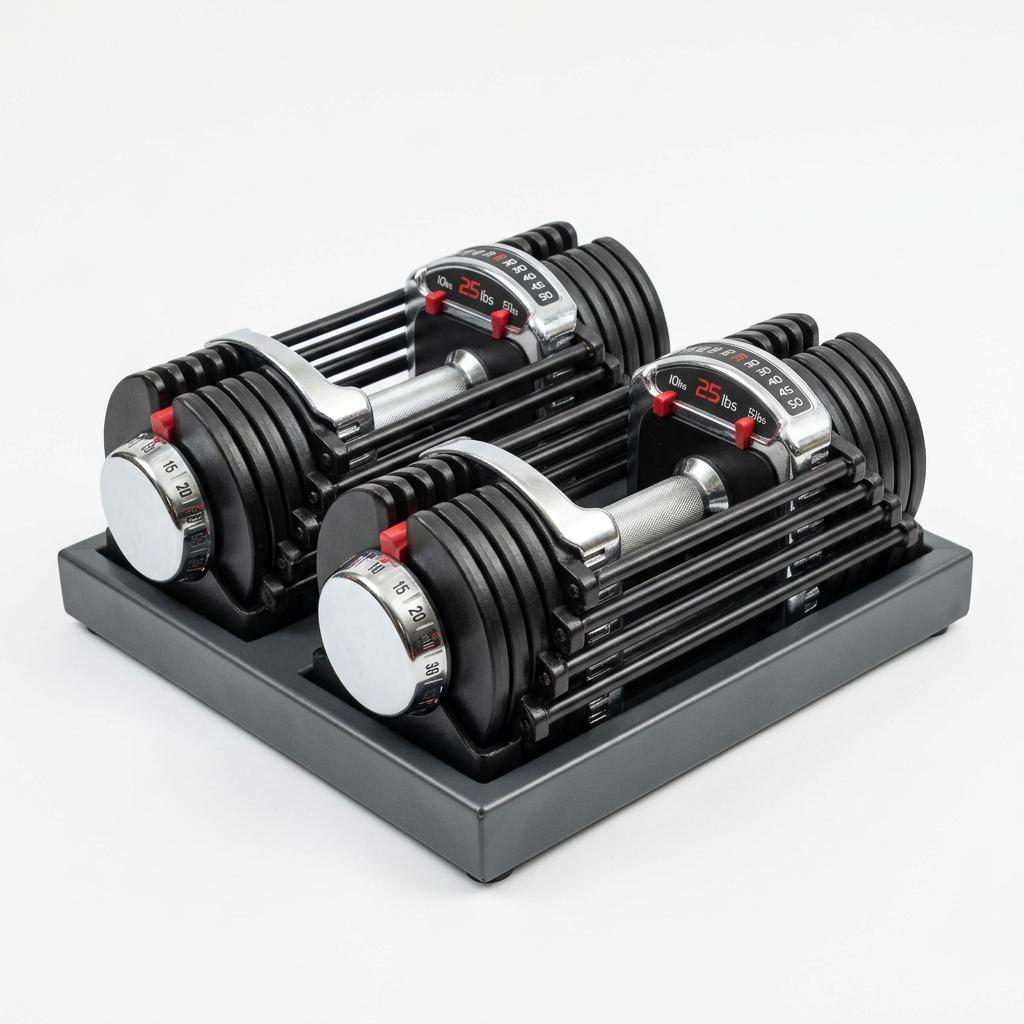 |
Bowflex SelectTech 552 Adjustable Dumbbells | $350-$450 | Premium Pick | Check Price |
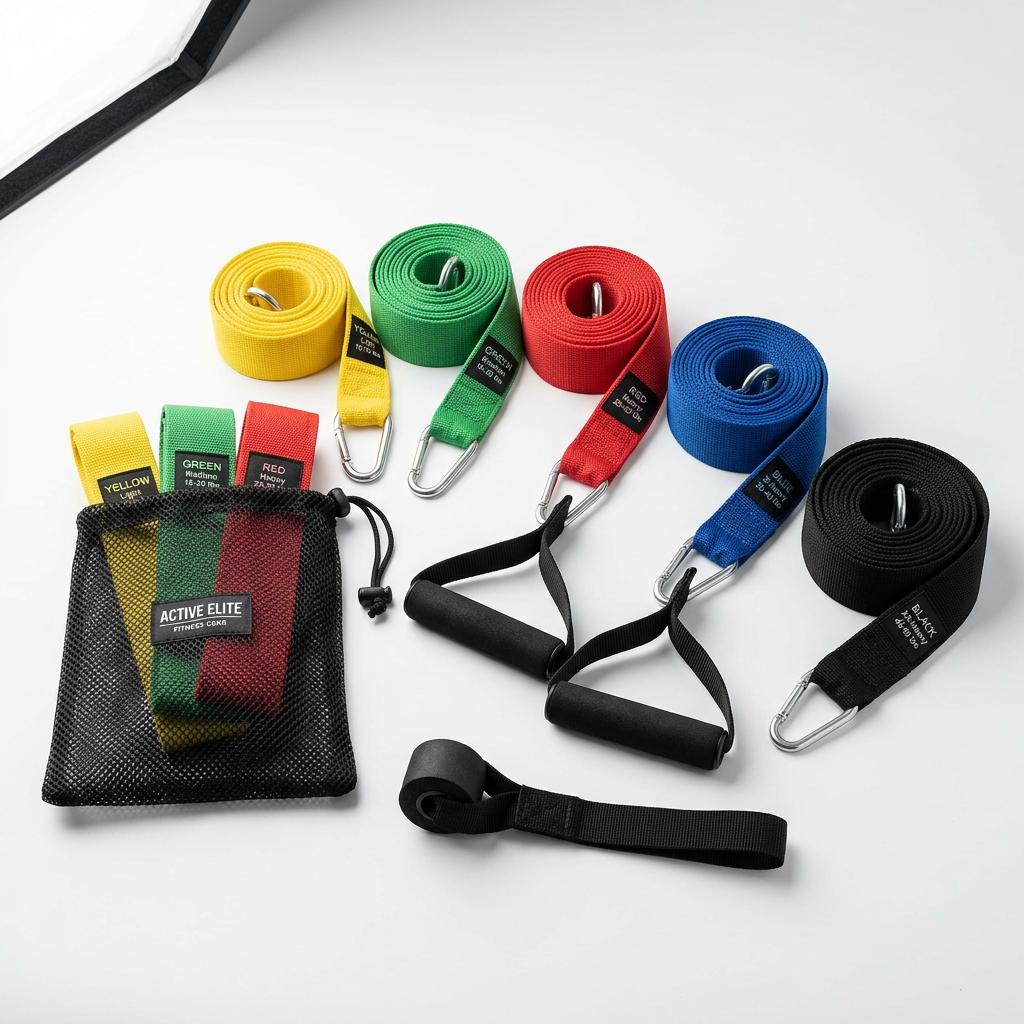 |
Fit Simplify Resistance Bands Set with Handles | $15-$25 | Best Budget | Check Price |
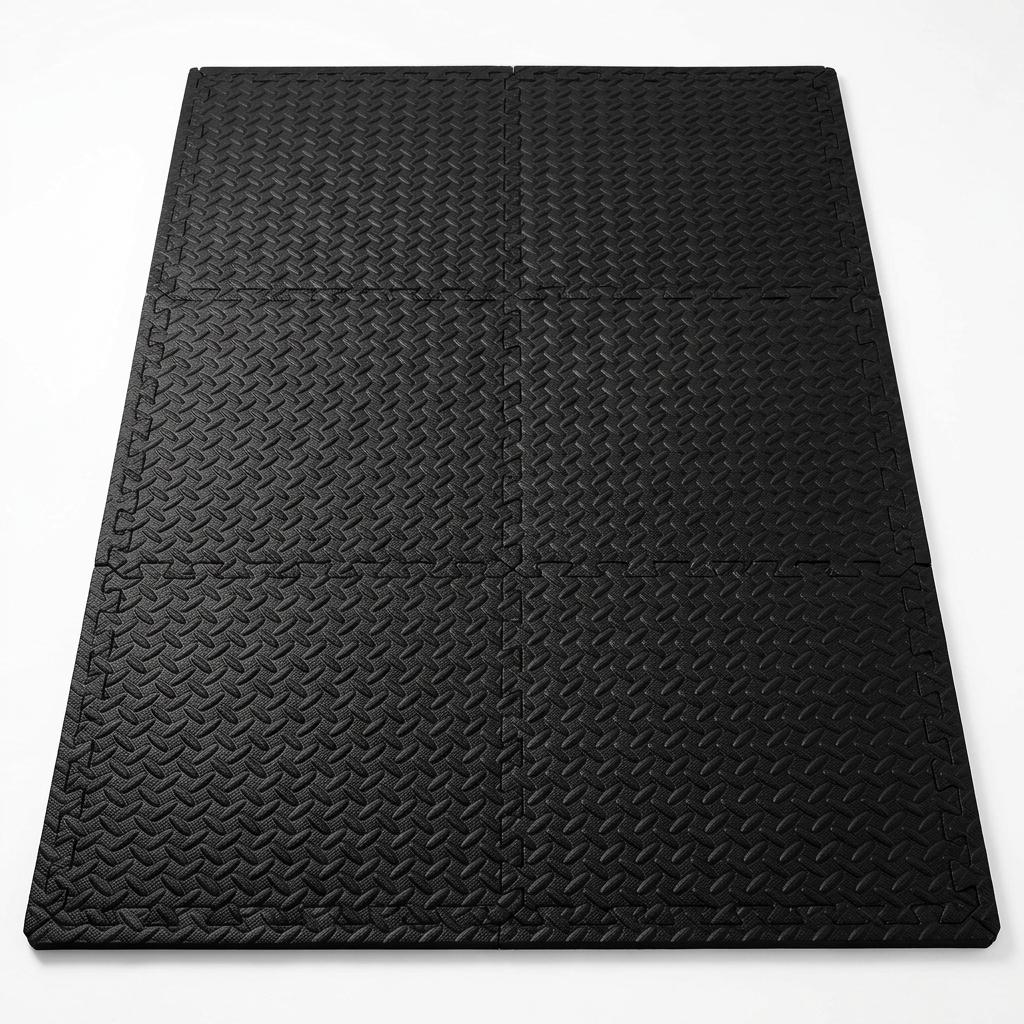 |
BalanceFrom GoFit All-Purpose Puzzle Exercise Mat | $40-$60 | Most Versatile | Check Price |
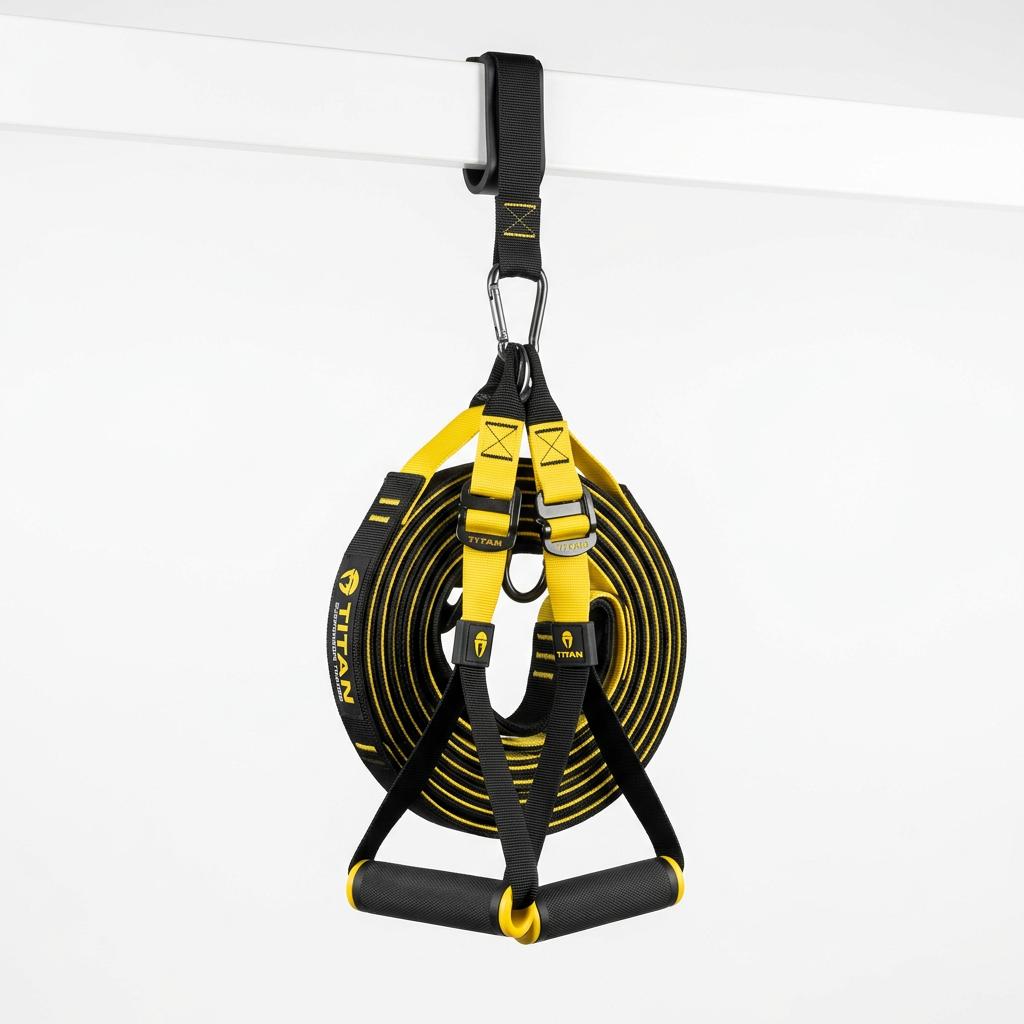 |
Lifeline Jungle Gym Suspension Trainer | $80-$120 | Best for Small Spaces | Check Price |
The quietest cardio option for apartment dwellers seeking low-impact training.
Space-saving adjustable dumbbells that replace an entire rack.
The most renter-friendly strength tool at the best price.
Modular flooring that adapts to any apartment gym layout.
A complete gym in a bag that hangs on any door.
The YOSUDA Magnetic Exercise Bike is purpose-built for apartment fitness. Its magnetic resistance system produces under 40dB of sound, quieter than a normal conversation, making it virtually silent to neighbors. The compact footprint fits in spaces as small as 4x2 feet, and the 35-pound flywheel provides smooth, road-like pedaling. For renters who want effective cardio without noise complaints, this is the clear winner.
Check Price on Amazon
The Bowflex SelectTech 552 adjustable dumbbells are the cornerstone of any apartment gym. Replacing 15 sets of traditional dumbbells with a single compact pair, they save massive amounts of floor space. The rubber-coated construction minimizes noise when setting them down, and the innovative dial system lets you adjust from 5 to 52.5 pounds in seconds. For apartment strength training, nothing else comes close.
Check Price on Amazon
Resistance bands are the ultimate renter-friendly strength tool, and the Fit Simplify set is the best value option. The included door anchor expands your exercise options dramatically, enabling chest presses, rows, and lat pull-downs. Because bands produce zero noise and require no mounting, they are perfect for shared-wall living situations. The set fits in a shoebox when not in use.
Check Price on Amazon
The BalanceFrom puzzle mat system is the most flexible flooring solution for apartment gyms. The interlocking tiles let you create a custom-sized workout area that perfectly fits your space and equipment. The 1/2-inch EVA foam provides excellent noise dampening for dropped weights and jumping movements. When you move, simply disassemble and reconfigure in your new space.
Check Price on Amazon
The Lifeline Jungle Gym Suspension Trainer is the ultimate small-space strength tool. Using your bodyweight for resistance, it eliminates the need for heavy weights entirely. The included door anchor installs in seconds with no hardware, making it perfectly renter-friendly. From push-ups and rows to core work and stretches, it enables hundreds of exercises in a system that fits in a drawstring bag.
Check Price on Amazon