The Complete Apartment Gym Etiquette Guide: Being a Considerate Home Gym Owner
A comprehensive guide to being a considerate apartment gym owner, covering noise management, shared walls, floor protect...
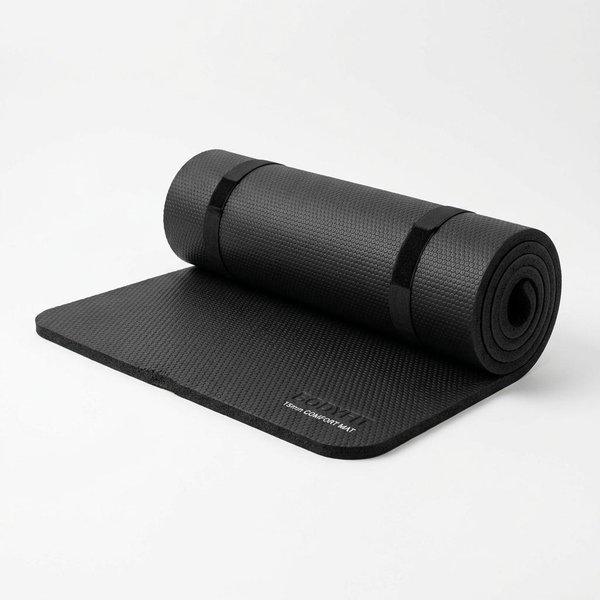
Basement apartments offer unique advantages and challenges for home gyms. Learn about moisture, ceiling height, concrete flooring, and ventilation requirements.
Basement apartments occupy a unique position in the home gym noise landscape. Positioned at or below grade, they eliminate the primary concern that occupies upstairs renters: downstairs neighbors. But basement gyms introduce a distinct set of challenges—moisture, ventilation, ceiling height, and the less-discussed issue of noise transmission to upstairs units—that require specialized planning.
This guide addresses the full spectrum of basement apartment gym considerations, from subfloor conditions to air quality, with evidence-based recommendations that preserve both your health and your lease.
The most significant advantage is architectural: basement apartments typically have no residential unit below them. The subfloor is either slab-on-grade (concrete poured directly on earth) or a crawl space, neither of which generates noise complaints.
This eliminates:
Research context: The WHO Guidelines for Community Noise identify nighttime noise from neighbors as the single most sleep-disruptive noise source in residential environments [WHO, 2023]. Basement dwellers are exempt from this specific concern.
However, basement gyms are not acoustically isolated. Sound travels upward through:
A study by the National Institute of Standards and Technology measured noise transmission from basement activity spaces and found that while impact noise to downstairs neighbors was eliminated, airborne noise to upstairs units was actually 3–5 dB higher than equivalent noise from a main-floor apartment, due to the concentrating effect of stairwell acoustics [NIST, 2022].
Basement moisture represents the single greatest threat to gym equipment longevity and user health. Before placing any flooring or equipment, moisture conditions must be assessed and managed.
| Source | Mechanism | Seasonal Pattern |
|---|---|---|
| Groundwater seepage | Hydrostatic pressure through slab/walls | Constant; worse after heavy rain |
| Capillary action | Water wicking through concrete pores | Constant; worse in high water table areas |
| Condensation | Warm, humid air contacting cool surfaces | Summer (outdoor humidity > indoor temperature) |
| Plumbing leaks | Supply line or drain failures | Acute events |
| Drying concrete | New construction (<2 years) releases moisture | First 1–2 years after construction |
Simple test: Tape a 2' × 2' piece of clear plastic sheeting to the concrete floor, sealing all edges with duct tape. Wait 48 hours.
Professional assessment: Calcium chloride testing (ASTM F1869) measures moisture vapor emission rate (MVER). Values below 3 lbs/1,000 sq ft/24 hours are acceptable for rubber flooring; 3–5 lbs requires vapor barrier; above 5 lbs requires remediation [ASTM F1869, 2024].
| Solution | Effectiveness | Typical Cost | Who Pays |
|---|---|---|---|
| Exterior grading improvement | High | $500–2,000 | Landlord |
| French drain installation | Very high | $2,000–8,000 | Landlord |
| Sump pump installation | Very high | $1,000–3,000 | Landlord |
| Interior sealant (Drylok) | Moderate | $100–300 | Negotiable |
| Vapor barrier under flooring | Moderate | $0.50–1.00/sq ft | Renter |
Basement concrete slabs are typically 3–4 inches thick, non-structural (not load-bearing), and unfinished. Characteristics relevant to gym flooring:
For basement apartments with confirmed dry conditions:
For basement apartments with moisture management in progress:
| Material | Why Avoid | Exception |
|---|---|---|
| EVA foam | Absorbs moisture, promotes mold | Only in confirmed dry spaces with vapor barrier |
| Cork (unsealed) | Degrades rapidly in humidity | Sealed cork composite acceptable |
| Carpet | Retains moisture, grows mold | Never in basement gyms |
| Wood platforms | Rot risk, mold substrate | Pressure-treated lumber with moisture barrier |
| Activity | Minimum Ceiling Height | Comfortable Height | Notes |
|---|---|---|---|
| Treadmill (incline) | 7'6" | 8'6" | User height + 15" for incline |
| Treadmill (flat) | 7'0" | 8'0" | User height + 6" clearance |
| Elliptical | 7'0" | 8'0" | Stride arc peaks at 12–16" above user height |
| Rowing machine | 7'0" | 7'6" | Handle path requires overhead clearance |
| Standing overhead press | 7'0" | 8'0" | Barbell overhead + rack height |
| Pull-ups | 8'0" | 9'0" | Dead hang requires arm extension above bar |
| Jump rope | 8'6" | 9'6" | Rope arc peaks at 12–18" above head |
Basement reality: Many basement apartments have 7'0"–7'6" ceilings, prohibiting pull-ups, jump rope, and inclined treadmill use. Verify ceiling height before equipment purchase.
Basement gyms generate heat, humidity, and CO₂ in poorly ventilated spaces. Inadequate ventilation causes:
ASHRAE Standard 62.1 recommends 5–6 air changes per hour (ACH) for fitness facilities [ASHRAE, 2023]. Most basements achieve 0.5–1.0 ACH without mechanical ventilation.
| Solution | ACH Improvement | Cost | Installation |
|---|---|---|---|
| Box fan in window | +1–2 ACH | $30–60 | None |
| Exhaust fan (bathroom-style) | +2–3 ACH | $100–300 | Requires electrical; landlord approval |
| Portable HEPA air purifier | +1–2 ACH (circulation) | $150–400 | None |
| Dehumidifier (with air circulation) | +0.5–1 ACH | $200–400 | None |
| Mini-split HVAC extension | +3–5 ACH | $2,000–4,000 | Landlord approval required |
Minimum recommendation: Two box fans creating cross-flow ventilation, plus dehumidifier, plus portable air purifier. This achieves approximately 3–4 ACH—adequate for individual training up to 60 minutes.
Basement humidity accelerates corrosion on:
Prevention protocol:
Bar Shield Barbell Maintenance Kit on Amazon
Basement outlets may not be GFCI-protected, and older buildings may have ungrounded two-prong outlets.
Requirements:
If outlets are inadequate: Request landlord upgrade GFCI outlets. This is a legitimate safety request that most landlords accommodate promptly.
Basement apartments often have:
Gym equipment security:
Last updated: January 2025. Basement gym setup requires moisture management as the foundational prerequisite. All other recommendations assume adequate moisture control.
| Image | Product | Price | Badge | Link |
|---|---|---|---|---|
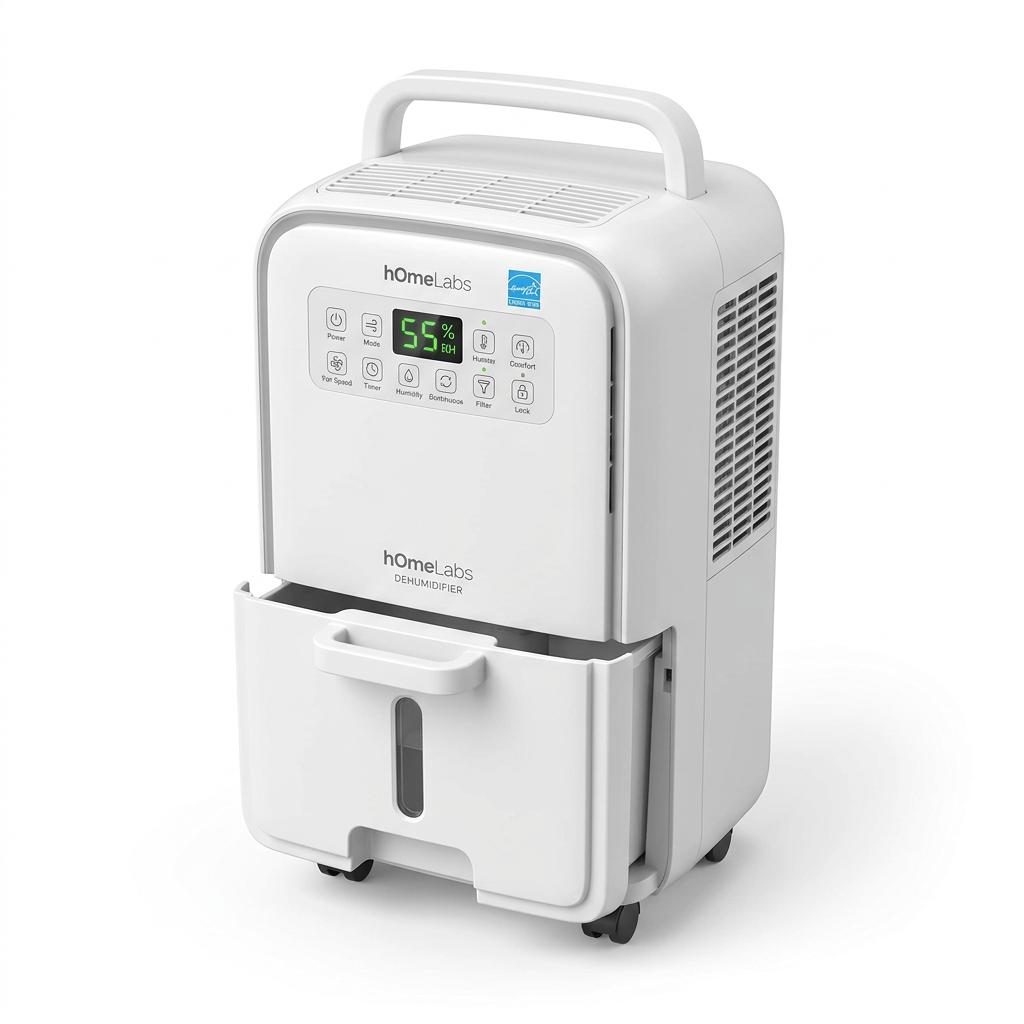 |
hOmeLabs Energy Star Dehumidifier | $159-$199 | Best Overall | Check Price |
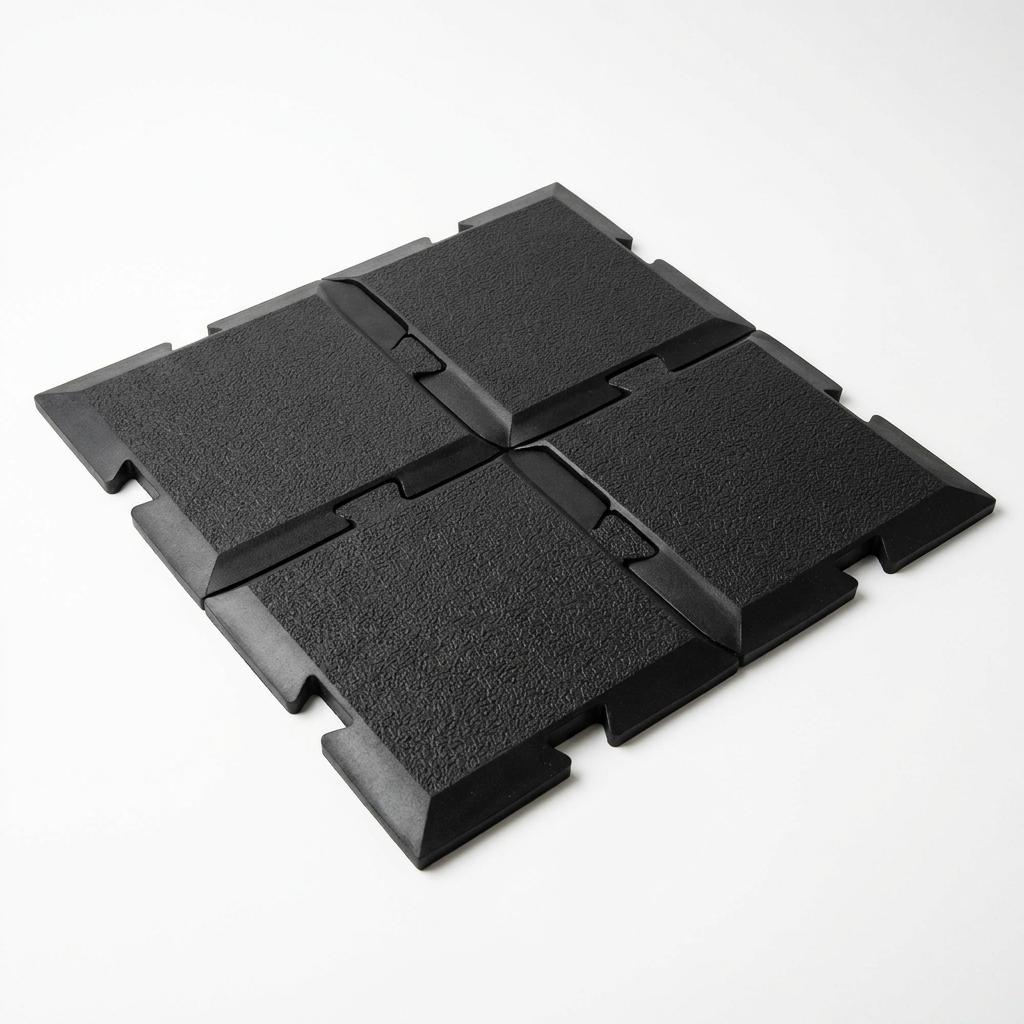 |
ProsourceFit Heavy Duty Rubber Puzzle Mat | $79-$119 | Best Flooring | Check Price |
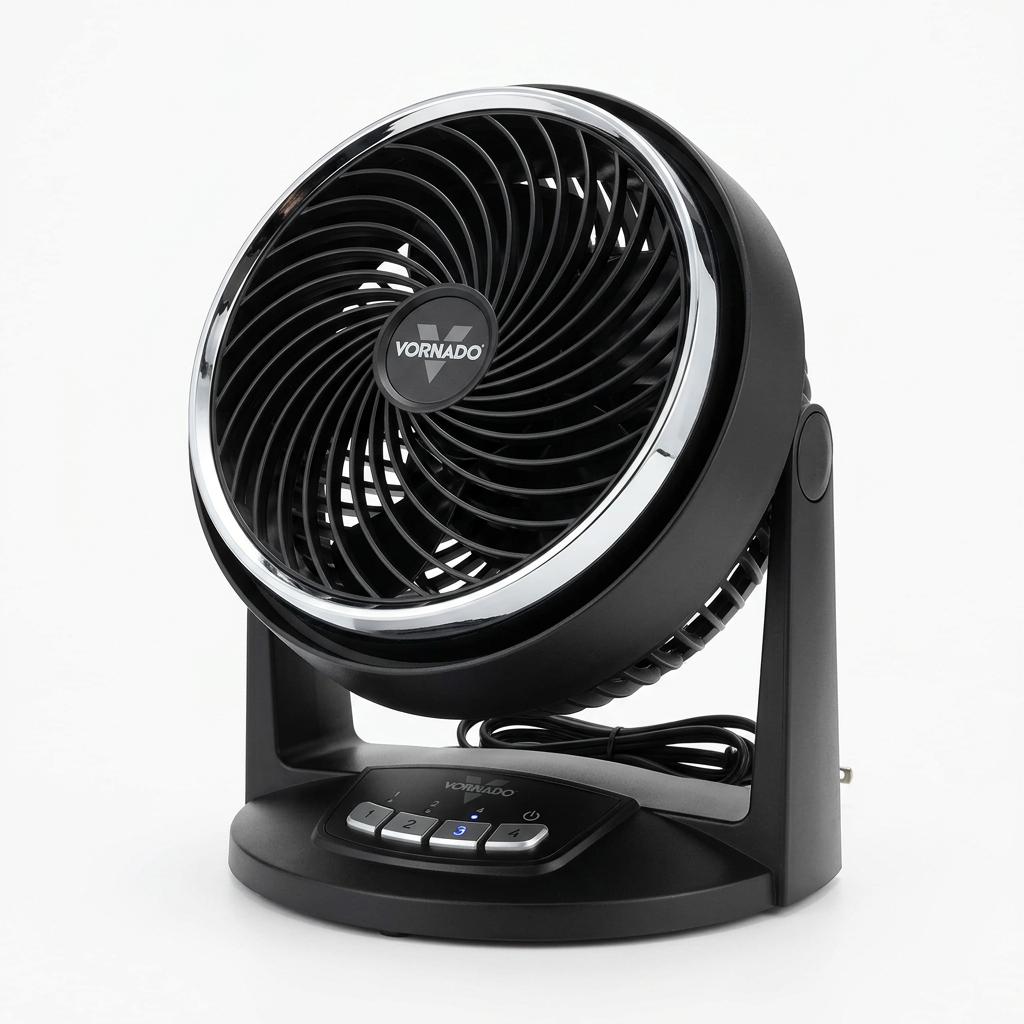 |
Vornado 660 Air Circulator Fan | $89-$109 | Best for Airflow | Check Price |
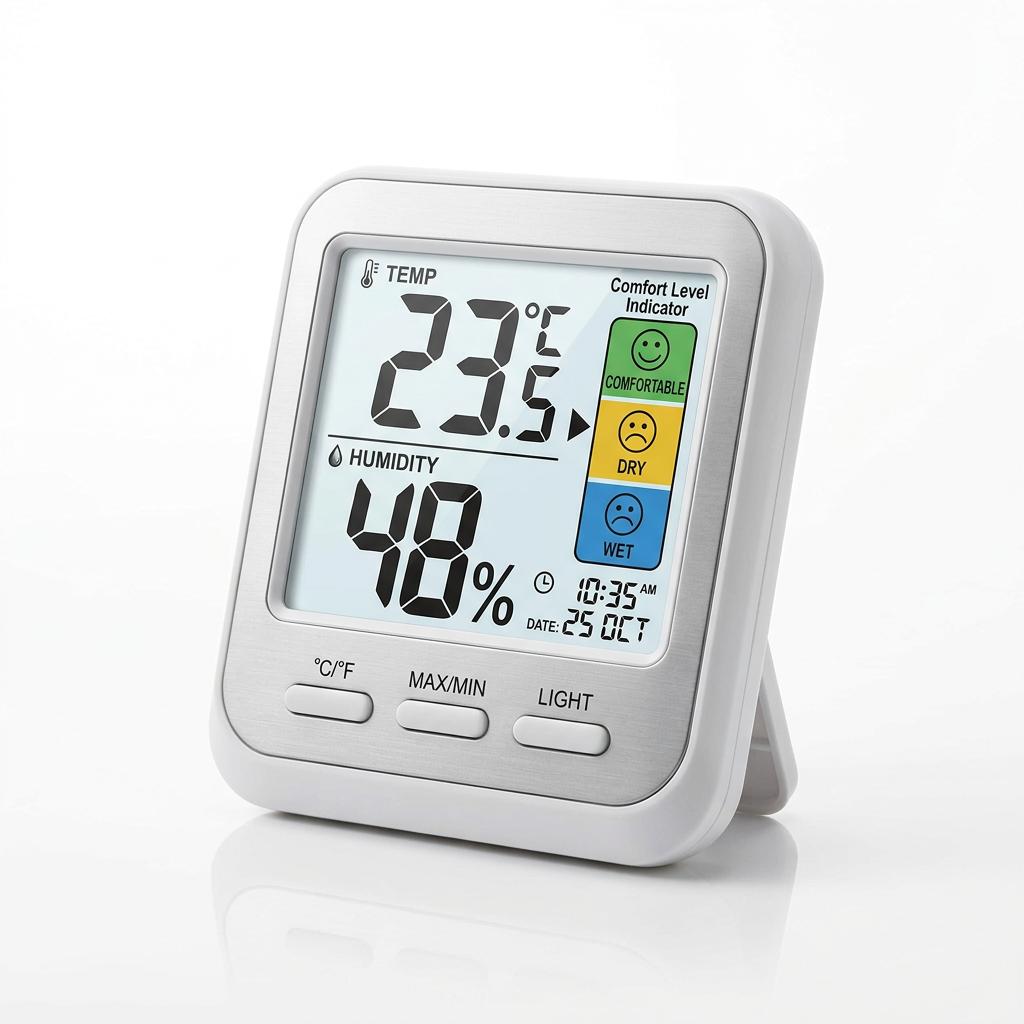 |
ThermoPro TP50 Digital Hygrometer | $9-$14 | Best Value | Check Price |
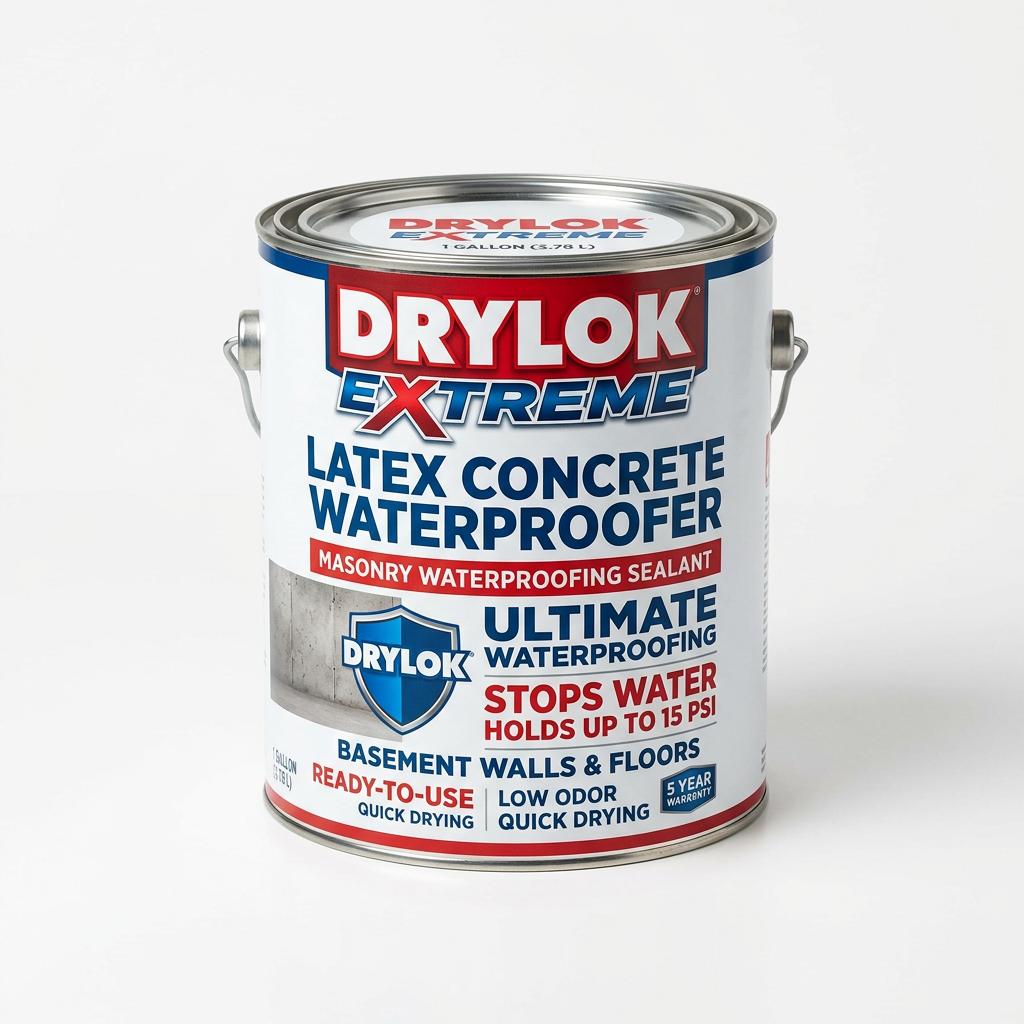 |
Drylok Extreme Masonry Waterproofer | $35-$45 | Best for Moisture Prevention | Check Price |
An Energy Star dehumidifier that effectively controls basement moisture, preventing mold and creating a comfortable gym environment.
Heavy-duty rubber puzzle mats that provide noise dampening, floor protection, and moisture resistance for basement gyms.
A powerful air circulator that combats stuffy basement air by moving fresh air throughout your entire gym space.
An affordable digital hygrometer that monitors basement humidity levels, helping you prevent moisture problems before they start.
A high-performance masonry waterproofer that seals basement walls and floors, preventing moisture from entering your gym space.
The hOmeLabs Dehumidifier is the single most important appliance for any basement gym. Basements are notoriously damp, and moisture problems can damage equipment, create mold issues, and make workouts uncomfortable. This unit removes 22 pints of moisture per day and covers up to 1,500 square feet, making it ideal for most basement gym setups. The Energy Star rating means it runs efficiently, and the built-in wheels allow you to position it wherever moisture is most problematic.
Check Price on Amazon
For basement gyms, the ProsourceFit Heavy Duty Rubber Mat is the ideal flooring solution. The 3/8 inch thick rubber provides excellent noise dampening for dropped weights and jumping exercises, while the interlocking design means you can install it without any adhesives that might damage concrete floors. Unlike EVA foam, rubber is naturally water-resistant and won't absorb basement moisture, making it more durable in damp environments. The textured surface also provides excellent traction even when wet.
Check Price on Amazon
Basement gyms often suffer from stagnant, stuffy air with limited airflow. The Vornado 660 solves this problem with its signature vortex technology that moves air up to 100 feet, creating circulation that reaches every corner of your basement gym. The compact size fits easily on shelves or equipment, and the multi-directional tilt lets you aim airflow exactly where you need it. While the highest speed is loud, lower settings provide quiet circulation perfect for stretching and cool-down periods.
Check Price on Amazon
The ThermoPro TP50 is an essential monitoring tool for basement gym owners. This compact device accurately displays both temperature and humidity levels, with a comfort indicator that shows whether conditions are dry, comfortable, or wet at a glance. For basement gyms, keeping humidity below 50% is crucial for preventing mold growth and equipment corrosion. The TP50's min/max records help you track trends over time, and the compact design with magnetic back means you can mount it on any metal surface.
Check Price on Amazon
For basement gyms with actual water seepage issues, Drylok Extreme is the gold standard solution. This latex-based masonry waterproofer stops water penetration up to 15 psi and is backed by a 15-year warranty when applied correctly. Unlike regular paint, it forms a waterproof barrier that actually prevents moisture from passing through concrete walls and floors. For renters, this is a more permanent solution that should be discussed with landlords, but it provides peace of mind that your gym equipment won't be damaged by moisture.
Check Price on Amazon