The Complete Apartment Gym Etiquette Guide: Being a Considerate Home Gym Owner
A comprehensive guide to being a considerate apartment gym owner, covering noise management, shared walls, floor protect...
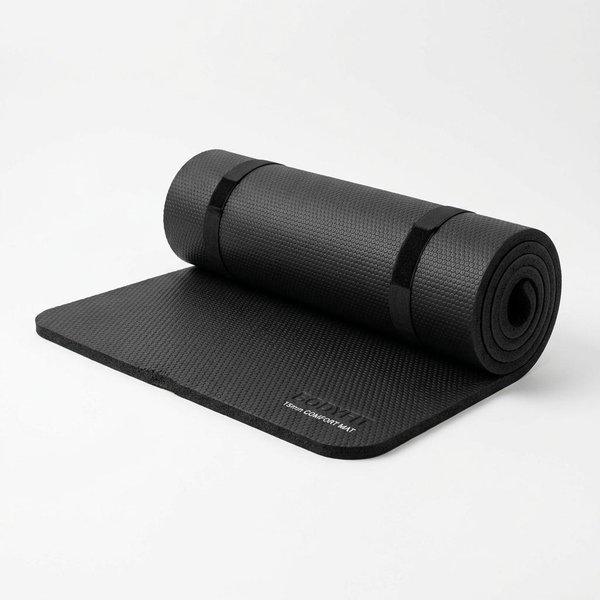
Research-backed guide to apartment gym ventilation guide for small-space home gyms.
FTC Disclosure: This article contains affiliate links. If you purchase through these links, we may earn a small commission at no extra cost to you. We only recommend products we genuinely believe in.
A well-ventilated home gym is essential for both performance and health — but apartment dwellers face unique challenges that homeowners don't. Central HVAC systems designed for sleeping and sedentary living struggle to manage the heat, humidity, and airborne particles generated by intense exercise. Small rooms with limited window access compound the problem. And unlike homeowners, renters can't install dedicated ventilation systems, upgrade HVAC capacity, or modify ductwork.
This guide provides practical, renter-friendly ventilation strategies that keep your apartment gym comfortable, healthy, and odor-free without permanent modifications or landlord disputes.
During exercise, your body generates three air quality challenges:
Heat production: Moderate exercise increases metabolic heat production 5-10 times above resting levels. A 30-minute workout in a 10' x 12' room can raise the temperature 5-10°F without adequate ventilation — turning your gym into a sauna.
Humidity generation: Sweating releases 0.5-2 liters of moisture per hour during vigorous exercise. In a poorly ventilated room, relative humidity can exceed 70%, creating conditions for mold growth, equipment corrosion, and respiratory irritation.
Particulate matter: Exercise increases airborne dust, skin cells, and fiber particles through increased air movement and agitation. Poor ventilation allows these particles to recirculate, potentially triggering allergies and reducing air quality.
ASHRAE (American Society of Heating, Refrigerating and Air-Conditioning Engineers) recommends 5-6 air changes per hour (ACH) for gym spaces — significantly higher than the 0.35 ACH minimum for residential spaces. Achieving this in an apartment requires supplemental ventilation beyond what the building's HVAC system provides.
Practical target: Aim for air movement equivalent to 5+ ACH during workouts and 2+ ACH during post-workout recovery. This typically requires one or more supplemental air-moving devices.
A powerful floor fan is the minimum viable ventilation for any apartment gym. Look for:
Air delivery: 2,000+ CFM (cubic feet per minute) for rooms up to 150 sq ft; 3,000+ CFM for larger spaces Adjustable height and tilt: Direct airflow where you need it during different exercises Multiple speed settings: Lower speeds for warmup/cooldown, maximum for high-intensity work Oscillation: Distributes air across the room rather than creating a single airflow corridor
Top picks:
Placement strategy: Position the fan 6-10 feet from your primary workout area, angled to create airflow across (not directly at) your body. Direct high-speed airflow on sweating skin can cause chilling; indirect circulation provides cooling without discomfort.
Tower fans offer comparable airflow to floor fans in a footprint that's approximately 60% smaller — valuable in apartments where every square foot matters.
Advantages: Slim profile fits in tight spaces, often includes air filtration (ionizer or basic filter), typically quieter than equivalent floor fans
Limitations: Generally lower maximum CFM than floor fans, narrower airflow pattern, less adjustable positioning
Best for: Smaller gym spaces (under 100 sq ft) or as secondary circulation devices
If your apartment has a ceiling fan in your gym space, use it — but understand its limitations. Ceiling fans circulate air within the room but don't introduce fresh air or exhaust stale air. They're excellent for preventing heat stratification (hot air collecting at the ceiling) but insufficient as standalone gym ventilation.
Optimal ceiling fan direction: Counterclockwise in summer (creates downdraft cooling), clockwise at low speed in winter (circulates warm air without direct draft).
For apartments with operable windows in or near the gym space, window fans provide the most effective ventilation by actively exchanging indoor air for outdoor air.
Dual-window strategy: If you have two windows, place an exhaust fan in one (blowing out) and an intake fan in the other (blowing in). This creates cross-ventilation that can achieve 10+ ACH — better than most commercial gym ventilation.
Single-window strategy: Use a reversible window fan set to exhaust mode. This pulls air through cracks around doors and windows, creating whole-apartment air exchange. Run for 15-30 minutes post-workout to clear humidity and odors.
Best window fans:
Even in cold or hot weather, the 20-30 minutes after your workout is the most critical ventilation window. During this period:
This post-workout purge prevents moisture accumulation that leads to mold and odor issues. The energy cost of conditioning replacement air is minimal compared to the cost of mold remediation or replacing moisture-damaged equipment.
Summer: Ventilation is easiest but most critical — outdoor air is warm but usually drier than your post-workout gym. Run window fans during workouts when possible. If air conditioning is available, set it to "fan only" mode during exercise for circulation without excessive cooling costs.
Winter: Cold outdoor air can chill your gym uncomfortably. Use short, intensive ventilation bursts rather than continuous window opening. A 10-minute high-speed exhaust after your workout clears humidity without extended cold exposure. Wear layers during warmup and remove them as you generate heat.
Shoulder seasons (spring/fall): The ideal gym ventilation season — outdoor temperatures often match desired indoor workout temperatures. Maximize window usage during these periods.
Open windows in urban apartments introduce street noise that may disturb neighbors or your own concentration. If street noise is problematic:
Air purifiers complement ventilation by removing particulate matter that fans and open windows don't address. They're particularly valuable for apartment gyms because:
Minimum specifications:
Top picks for apartment gyms:
Placement: Position the purifier where airflow isn't obstructed — at least 2 feet from walls and furniture. Run on high during workouts, auto or medium for continuous operation.
For gym spaces, target 40-60% relative humidity:
A digital hygrometer ($10-15) provides accurate humidity readings. Place it in your gym area, not near windows or doors where readings may be unrepresentative. Check readings before, during, and after workouts to understand your humidity profile.
For mildly elevated humidity (60-65%):
For moderately elevated humidity (65-75%):
For severely elevated humidity (75%+):
Top dehumidifier picks:
The most effective odor management prevents odors at the source:
Equipment cleaning: Wipe down equipment after every use with antibacterial wipes or a vinegar-water solution. Sweat residue on equipment is a primary odor source.
Textile hygiene: Wash gym towels, yoga mats, and any fabric equipment covers weekly. Bacteria growth in damp textiles generates persistent odors.
Shoe management: Store workout shoes in a ventilated area, not enclosed in gym bags. Use shoe deodorizers or cedar inserts. Consider a dedicated shoe drying rack if you sweat heavily.
Clothing: Don't leave worn workout clothes in the gym area. The bacteria-sweat combination generates odors that permeate the room within hours.
Activated carbon: Air purifiers with activated carbon filters absorb odor molecules. Replace carbon filters every 3-6 months as they become saturated.
Natural deodorizers:
Avoid: Plug-in air fresheners and spray deodorizers that mask odors with chemical fragrances. These add VOCs to the air you're breathing during exercise.
If your apartment has central air conditioning:
During workouts: Set the thermostat 2-3 degrees below your normal setting 30 minutes before exercising. This pre-cooling prevents the room from becoming uncomfortably warm before the AC responds to temperature changes.
Fan-only mode: If your thermostat has a "fan only" or "circulate" option, use this during exercise for air movement without excessive cooling costs.
Vent adjustment: If your gym room has adjustable vents, fully open them during workouts and partially close vents in unused rooms to direct more conditioned air to your gym.
For apartments without central air or where the central system is inadequate:
Portable AC units: Can be moved to the gym area during workouts and stored elsewhere when not needed. Look for units with 8,000+ BTU for rooms up to 150 sq ft, 10,000+ BTU for larger spaces. Exhaust hose must vent through a window — the primary limitation.
Window AC units: More efficient than portable units but require permanent (semi-permanent for renters) window installation. Only viable if your gym has a suitable window and your lease permits window units.
Evaporative coolers (swamp coolers): Effective only in dry climates (under 40% ambient humidity). Add moisture to the air, making them counterproductive in humid environments or during intense workouts.
Apartments have less thermal mass than houses, meaning they heat up and cool down faster. Use this to your advantage:
Even without dedicated window fans, creating cross-ventilation dramatically improves air exchange:
Track humidity before implementing solutions, then weekly thereafter:
| Time | Relative Humidity | Action |
|---|---|---|
| Before workout | Baseline | Record normal levels |
| Mid-workout | Peak | Identify how high it rises |
| 30 min after | Recovery | Verify return to baseline |
| Persistent >65% | Problem | Implement dehumidification |
Minimum viable ventilation: One powerful floor fan (2,000+ CFM) positioned to create airflow across your workout area, plus a window opened 6+ inches during and for 20 minutes after exercise.
Recommended setup: Floor fan for direct cooling + window exhaust fan for air exchange + air purifier for particle removal + hygrometer for humidity monitoring.
Optimal setup: Cross-ventilation with dual window fans + high-CADR air purifier + portable dehumidifier + pre-cooling with central AC or portable unit.
Regardless of your specific configuration, the principle is simple: move air in, move air out, monitor humidity, and control odors at the source. Your lungs, your equipment, and your neighbors will thank you.
Last updated: January 2025. Ventilation needs vary significantly by climate, building construction, and exercise intensity. Adjust recommendations based on your specific conditions.
| Image | Product | Price | Badge | Link |
|---|---|---|---|---|
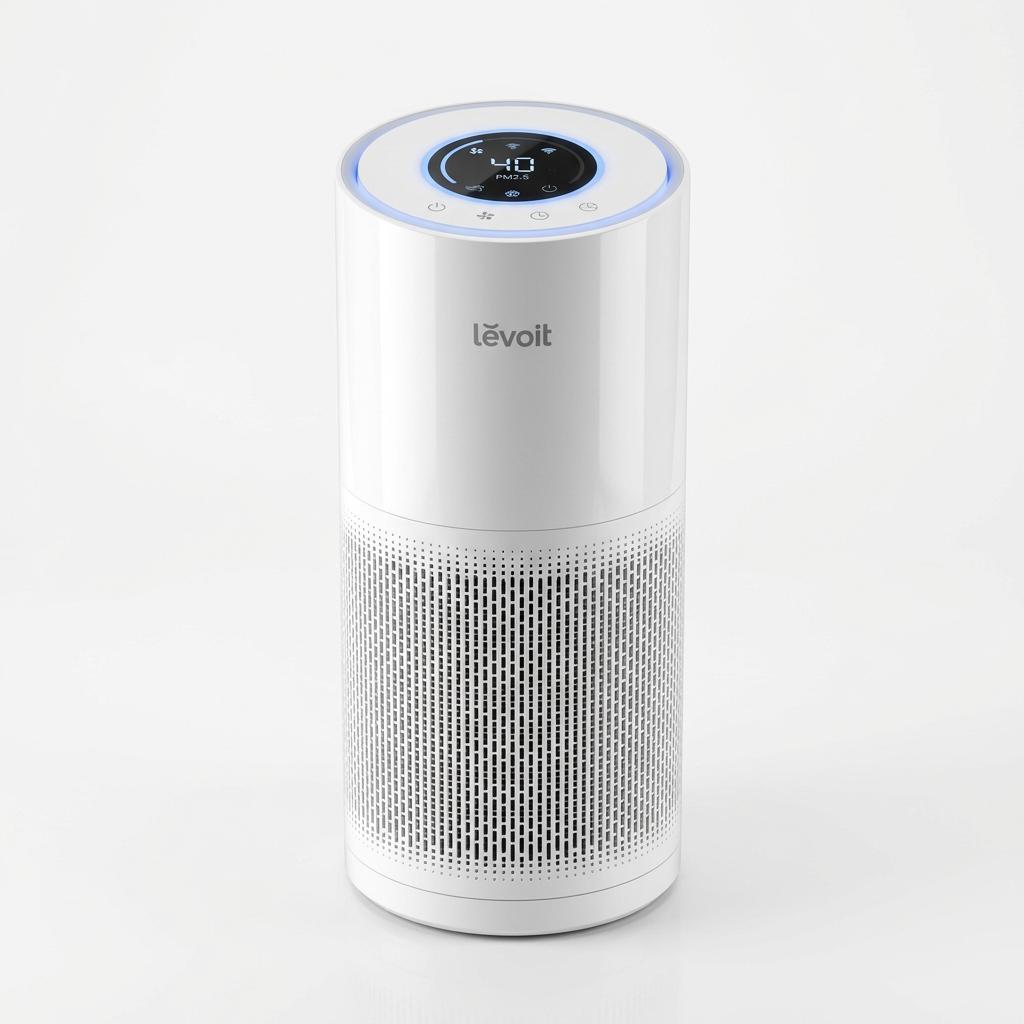 |
Levoit Core 400S Smart Air Purifier | $179-$219 | Best Overall | Check Price |
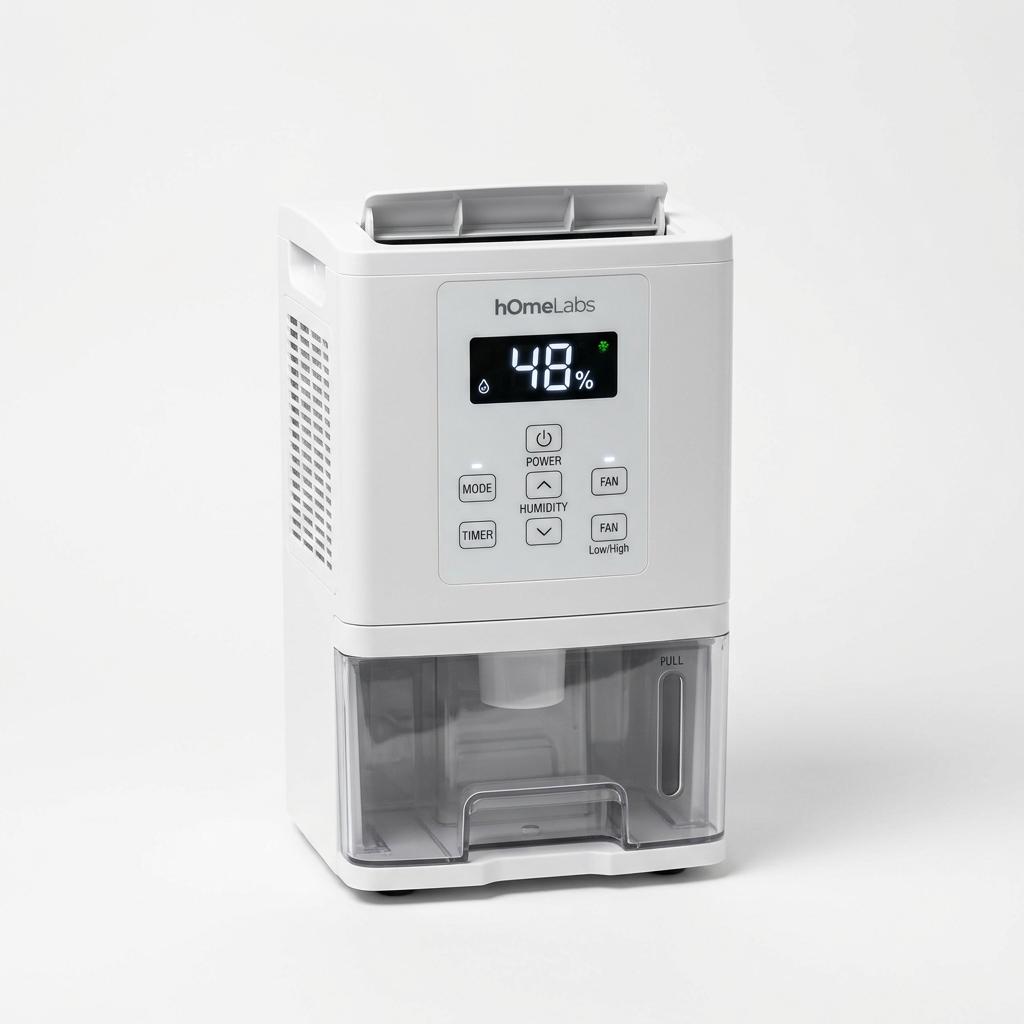 |
hOmeLabs Energy Star Dehumidifier | $159-$199 | Best for Humidity Control | Check Price |
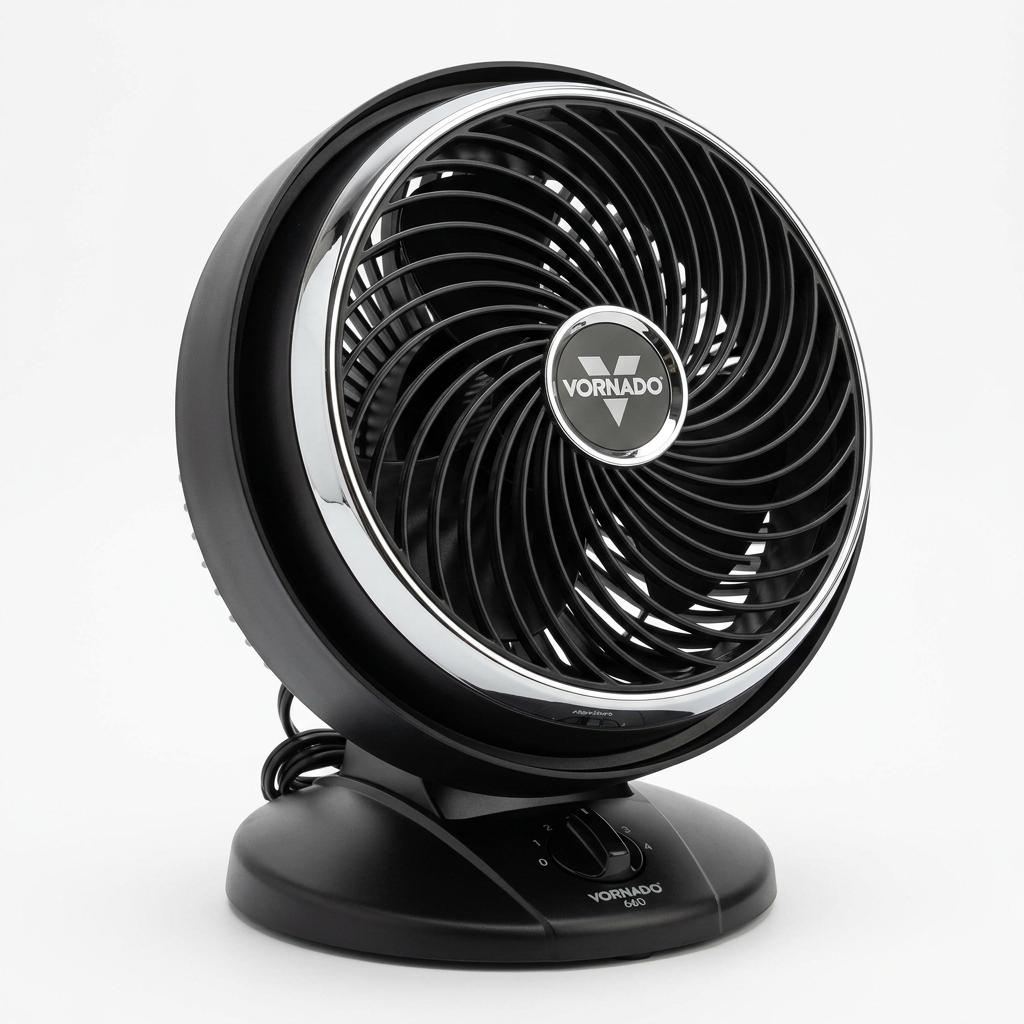 |
Vornado 660 Whole Room Air Circulator | $89-$109 | Best Air Circulator | Check Price |
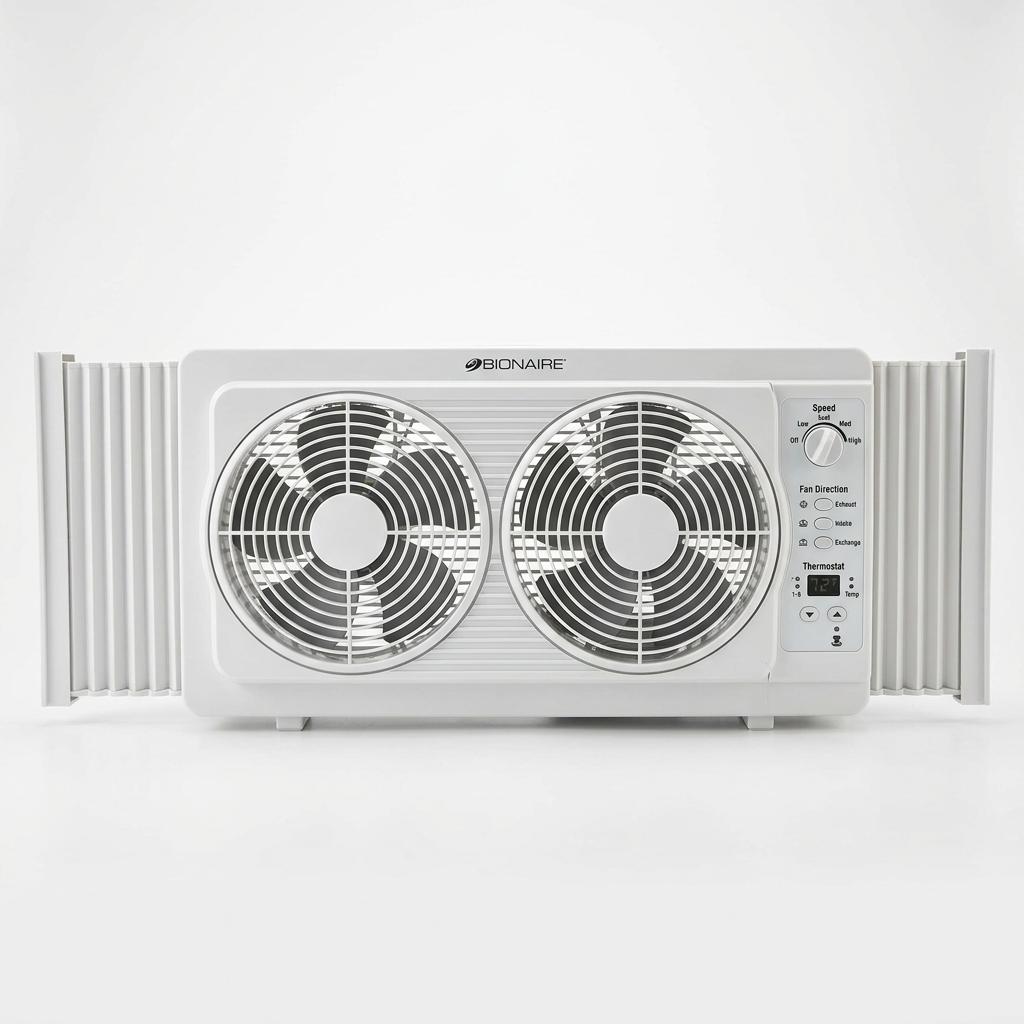 |
Bionaire Twin Reversible Window Fan | $49-$69 | Best Budget | Check Price |
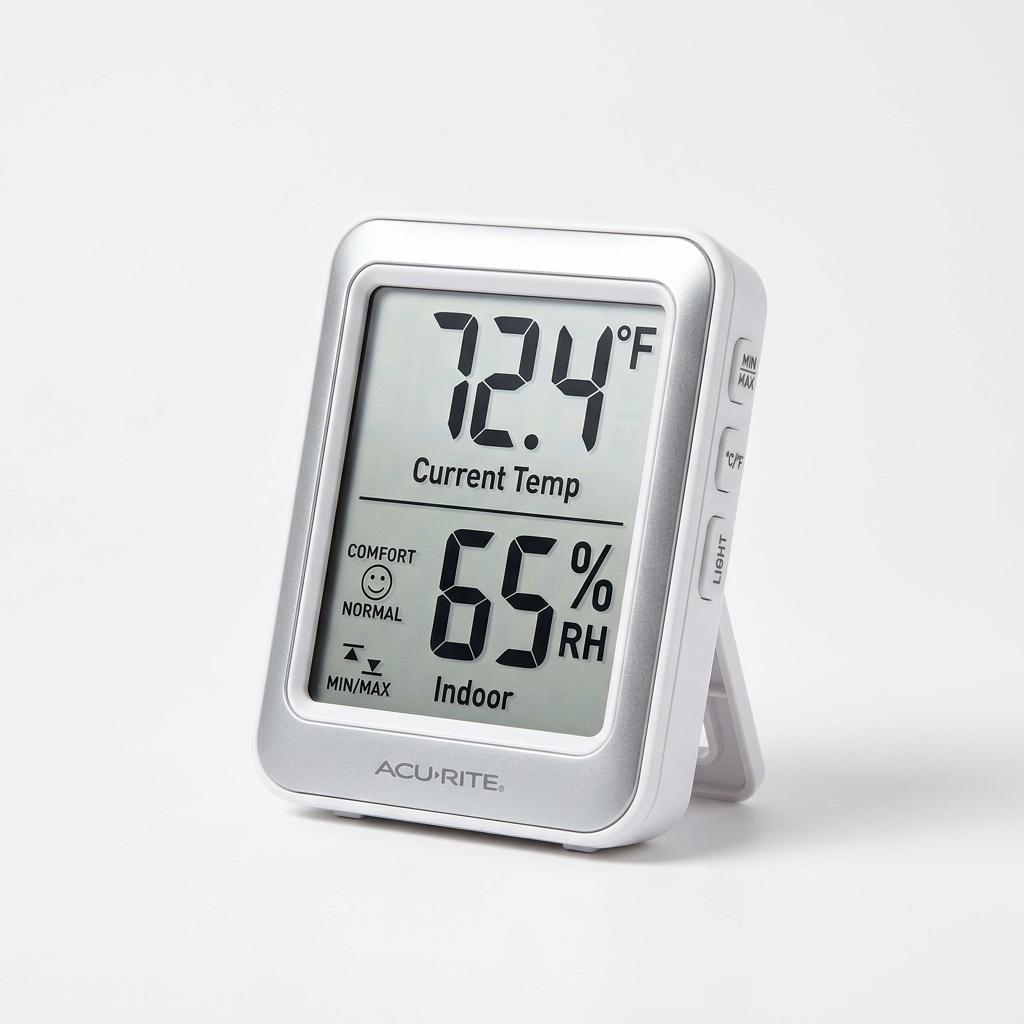 |
AcuRite Indoor Temperature & Humidity Monitor | $12-$18 | Best Monitor | Check Price |
A smart HEPA air purifier with app control that effectively cleans workout-space air while covering most apartment gym sizes.
An Energy Star dehumidifier that removes 22 pints of moisture daily, keeping your apartment gym air fresh and comfortable.
A powerful air circulator that moves air up to 100 feet, providing effective ventilation for stuffy apartment gyms.
An affordable twin window fan with reversible airflow and thermostat control for effective gym ventilation on a budget.
An affordable indoor climate monitor that helps you track humidity and temperature to optimize your gym's ventilation.
The Levoit Core 400S is the ideal air purifier for apartment gyms because it combines powerful H13 True HEPA filtration with smart features that make it easy to maintain clean air. The 403 sq ft coverage is perfect for most home gym spaces, and the VeSync app lets you monitor air quality in real-time and adjust settings remotely. During intense workouts, the higher fan speeds effectively circulate air and filter out dust, sweat odors, and allergens, while the sleep mode keeps noise minimal during yoga or stretching sessions.
Check Price on Amazon
The hOmeLabs Dehumidifier is essential for apartment gym owners who deal with excess humidity from heavy sweating during workouts. Removing 22 pints of moisture per day, it prevents mold and mildew growth while making the air feel more comfortable. The 1,500 sq ft coverage means it can handle even large basement gym spaces, and the Energy Star certification ensures it won't spike your electricity bill. The built-in wheels make it easy to move around, and the continuous drain option means you can set it and forget it.
Check Price on Amazon
The Vornado 660 is the gold standard for air circulation in enclosed spaces. Its signature vortex action moves air up to 100 feet, ensuring that even the corners of your apartment gym get fresh airflow. The four-speed settings let you dial in exactly the right amount of circulation for your workout intensity, and the compact size takes up minimal space while delivering impressive performance. The multi-directional tilt head lets you aim airflow at specific areas or bounce it off walls for whole-room circulation.
Check Price on Amazon
The Bionaire Window Fan is the most cost-effective way to ventilate an apartment gym. The dual reversible fans can either pull fresh air in or exhaust hot, humid air out, and the built-in thermostat automatically maintains your desired temperature. The extender panels ensure a secure fit in most standard windows, and the water-resistant motor stands up to high-humidity environments. For apartment gyms with accessible windows, this fan provides excellent airflow at a fraction of the cost of other ventilation solutions.
Check Price on Amazon
The AcuRite Indoor Monitor is a simple but essential tool for maintaining proper ventilation in your apartment gym. By accurately displaying both temperature and humidity, it helps you understand when conditions are getting uncomfortable and need intervention. The comfort level indicator provides at-a-glance feedback, showing when humidity levels are in the optimal 30-50% range. This data helps you decide when to run your dehumidifier, open windows, or increase fan speed for the best workout environment.
Check Price on Amazon