The Complete Apartment Gym Etiquette Guide: Being a Considerate Home Gym Owner
A comprehensive guide to being a considerate apartment gym owner, covering noise management, shared walls, floor protect...
Navigate your lease agreement for home gym provisions. Learn what landlords can and cannot restrict, and how to protect yourself from eviction-risk noise complaints.
The intersection of residential lease law and home fitness equipment generates confusion for millions of renters. Can your landlord prohibit a treadmill? Can you be evicted for deadlift noise? Does renters insurance cover dropped weights through the floor?
This guide examines lease compliance for apartment gyms through the lens of actual lease language, landlord-tenant law, and real-world enforcement patterns. It is informational, not legal advice—consult a tenant rights attorney for jurisdiction-specific guidance.
Most residential leases contain four clauses that potentially affect home gym setups. Understanding each enables proactive compliance and informed negotiation.
Typical language: "Tenant shall not make or permit any disturbing noises, nor do or permit anything by such persons as will interfere with the rights, comforts, or conveniences of other tenants."
What it means: This clause creates an obligation not to disturb neighbors. It does not prohibit specific activities—it prohibits the noise that disturbs others.
Gym implication: Home gyms are permitted; noise that disturbs neighbors is not. The activity itself is not restricted, only its acoustic consequences.
Enforcement standard: Subjective. If neighbors complain, the noise is deemed disturbing regardless of measured decibel level. If neighbors do not complain, the noise is generally acceptable regardless of level.
Risk mitigation: See our neighbor communication guide for proactive strategies that prevent complaints from reaching management.
Typical language: "Tenant shall not make any alterations, additions, or improvements to the premises without prior written consent of landlord."
What it means: Permanent changes to the property require landlord approval. Non-permanent, reversible modifications typically do not.
Gym-specific analysis:
| Modification | Typically Permitted | Typically Requires Approval |
|---|---|---|
| Rubber flooring (dry-lay) | Yes | No |
| Interlocking foam tiles | Yes | No |
| Free-standing equipment | Yes | No |
| Wall-mounted pull-up bar | No | Yes (structural attachment) |
| Ceiling-mounted rings/TRX | No | Yes (structural attachment) |
| Wall-mounted shelving | Borderline | Yes (screws into studs) |
| Punching bag ceiling mount | No | Yes (structural attachment) |
| Flooring adhesive | No | Yes (permanent modification) |
Key principle: If it can be removed without tools or without leaving marks, it generally does not require approval. If it requires screws, bolts, or adhesive into landlord-owned surfaces, it requires written consent.
Typical language: "Tenant is encouraged to obtain renter's insurance to protect against loss of personal property and liability claims."
What it means: Your landlord's insurance covers the building structure, not your possessions or your liability for injury/damage.
Gym-specific insurance considerations:
| Scenario | Coverage | Typical Policy Limit |
|---|---|---|
| Your equipment is stolen | Renter's insurance personal property | $10,000–30,000 standard |
| You injure yourself on equipment | Health insurance (not renter's) | Per health policy |
| Dropped weight cracks tile floor | Renter's liability | $100,000–300,000 standard |
| Treadmill fire causes building damage | Renter's liability | $100,000–300,000 standard |
| Friend injured using your equipment | Renter's liability | $100,000–300,000 standard |
| Weight crashes through floor | Renter's liability + possible eviction | $100,000–300,000 |
Critical gap: Most standard renter's policies exclude "business activities." If you train clients for money in your apartment, standard coverage likely does not apply. Commercial general liability insurance is required for any paid training.
Recommended coverage for home gym renters:
Typical language: "Premises to be used strictly as a private single-family residence."
What it means: The unit cannot be used for commercial purposes (training clients for pay) or non-residential activities.
Gym implication: Personal fitness activities clearly qualify as residential use. Training paying clients—even one—may violate this clause and invalidate renter's insurance coverage.
Beyond lease language, state law provides tenants with rights that may affect gym setup:
All states (except Arkansas) imply a warranty that rental units are fit for human habitation. This does not guarantee gym-friendliness, but it does require:
If your floor cannot support a standard treadmill (which weighs 200–350 lbs, comparable to a large bookshelf), the unit may have structural deficiencies unrelated to gym use.
Tenants have a right to use their rented premises without unreasonable interference from the landlord. This does not override the obligation not to disturb neighbors, but it does mean:
A home gym becomes a lease violation through a specific escalation pathway:
Timeline: From first complaint to eviction filing typically takes 2–6 months, depending on jurisdiction and landlord aggressiveness. The process is slow but inevitable if the underlying noise issue is not resolved.
When a landlord issues a cure-or-quit notice for noise violations, "cure" means eliminating the noise source or reducing it to non-disturbing levels. Options include:
Documentation strategy: Photograph all flooring installations, equipment modifications, and schedule changes. If eviction proceedings follow, documented good-faith efforts to cure strengthen your position significantly.
The most effective strategy is proactive communication with your landlord before complaints arise. A sample letter:
[Date]
[Landlord/Property Manager Name] [Address]
Re: Home Fitness Equipment in [Unit Number]
Dear [Name],
I am writing to inform you that I plan to set up a small home fitness area in my apartment. The setup will include [list equipment: e.g., a weight rack, rubber flooring, and a stationary bike].
I have taken the following steps to ensure no disturbance to other residents and no damage to the property:
All equipment is free-standing with no wall or ceiling attachments. The rubber flooring is dry-laid with no adhesive. I will remove all equipment and flooring upon move-out, leaving the unit in its original condition.
Please let me know if you have any questions or concerns.
Sincerely, [Your Name] [Unit Number] [Phone Number] [Email]
Why this works: It demonstrates responsibility, establishes documentation, and frames the gym as a planned, considerate installation rather than a reactive problem. Most landlords appreciate proactive tenants and will either approve or specify minor modifications.
Security deposits ($500–2,500 typically) are the most common financial concern for gym-equipped renters.
| Damage Type | Typically Deductible | Typically Not Deductible |
|---|---|---|
| Rubber stains on vinyl (after 12+ months) | Yes | — |
| Indentation marks in hardwood | Yes | — |
| Carpet compression from equipment | Yes (cleaning) | — |
| Normal wear and tear | No | Yes |
| Minor scuffs that buff out | No | Yes |
| Pre-existing damage | No | Yes (with documentation) |
Scenario: You drop a 45 lb plate in your second-floor apartment. It cracks the tile in the kitchen of the unit below.
Without renter's insurance: You are personally liable for tile repair ($500–2,000). The downstairs neighbor or landlord can sue you in small claims court. Your landlord may issue a lease violation notice.
With standard renter's insurance ($300K liability): File a claim. Insurance covers repair costs. You pay your deductible ($500–1,000). Premium may increase at renewal.
With landlord's insurance: The landlord's policy covers structural damage, but the insurer will subrogate—sue you personally to recover costs. You are not protected by landlord coverage.
Standard renter's insurance covers "named perils" including theft, fire, and vandalism. Coverage limits apply:
| Equipment Category | Standard Sublimit | Typical Coverage |
|---|---|---|
| General personal property | None (full policy limit) | $10,000–30,000 |
| Electronics (treadmill display) | $1,500–2,500 | Verify with insurer |
| Sports equipment | None (general limit) | Full policy limit |
| Items over $1,000 individually | May require rider | Schedule expensive items |
Action item: Create an equipment inventory with photos, serial numbers, and purchase receipts. Store digitally (cloud backup). Update annually.
Seek legal counsel if:
Resources:
Last updated: January 2025. This guide provides general information, not legal advice. Landlord-tenant law varies significantly by jurisdiction. Consult a licensed attorney for advice specific to your situation and location.
| Image | Product | Price | Badge | Link |
|---|---|---|---|---|
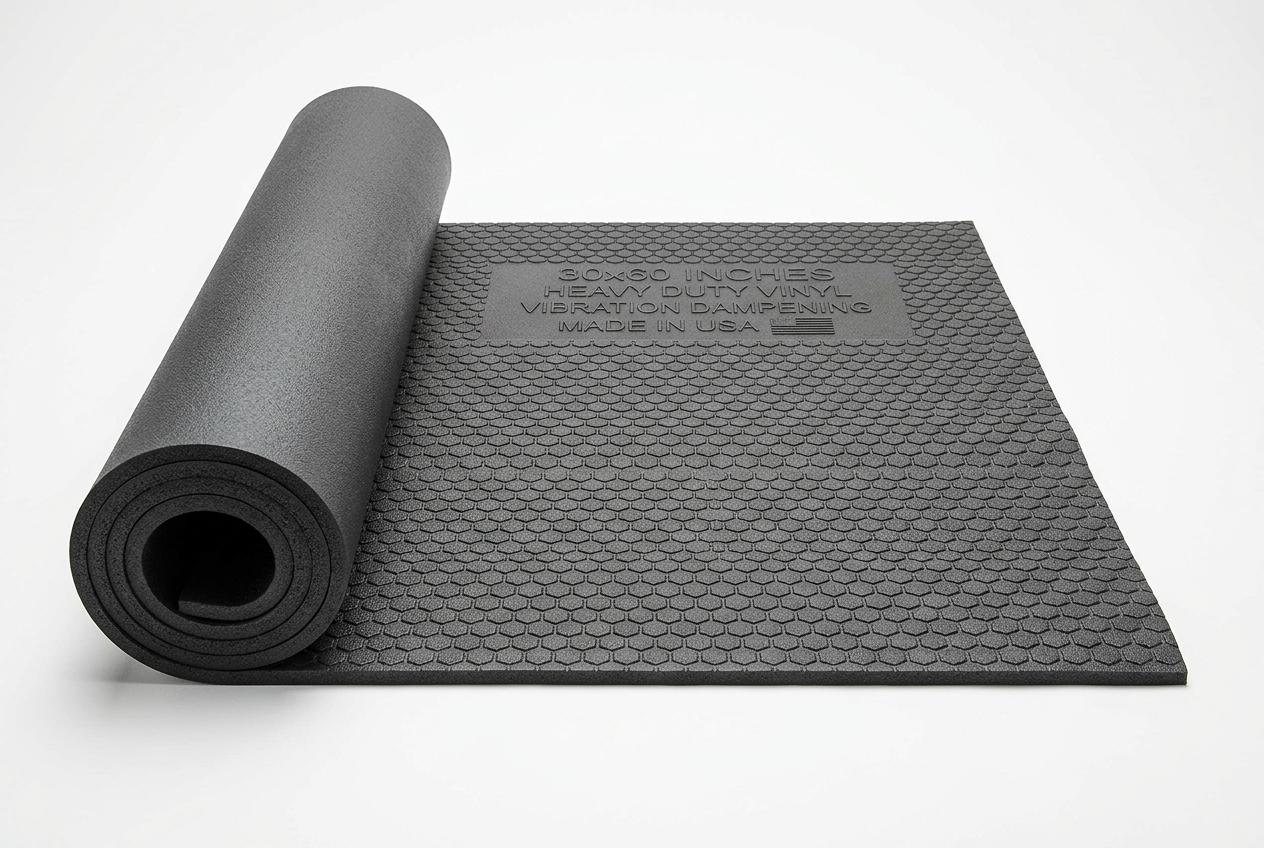 |
SuperMats Heavy Duty Equipment Mat 13GS | $25-$40 | Best Overall | Check Price |
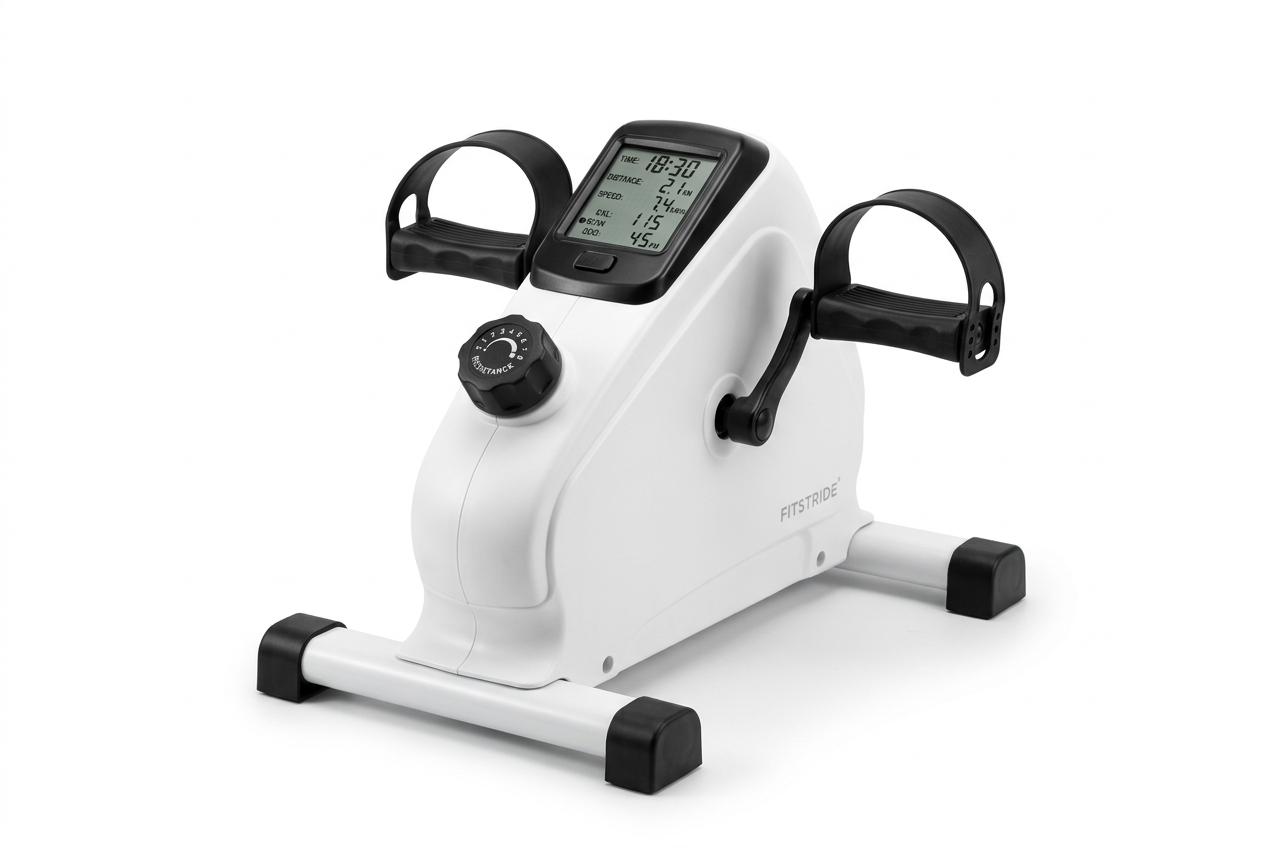 |
DeskCycle Under Desk Bike Pedal Exerciser | $120-$180 | Best Low-Impact | Check Price |
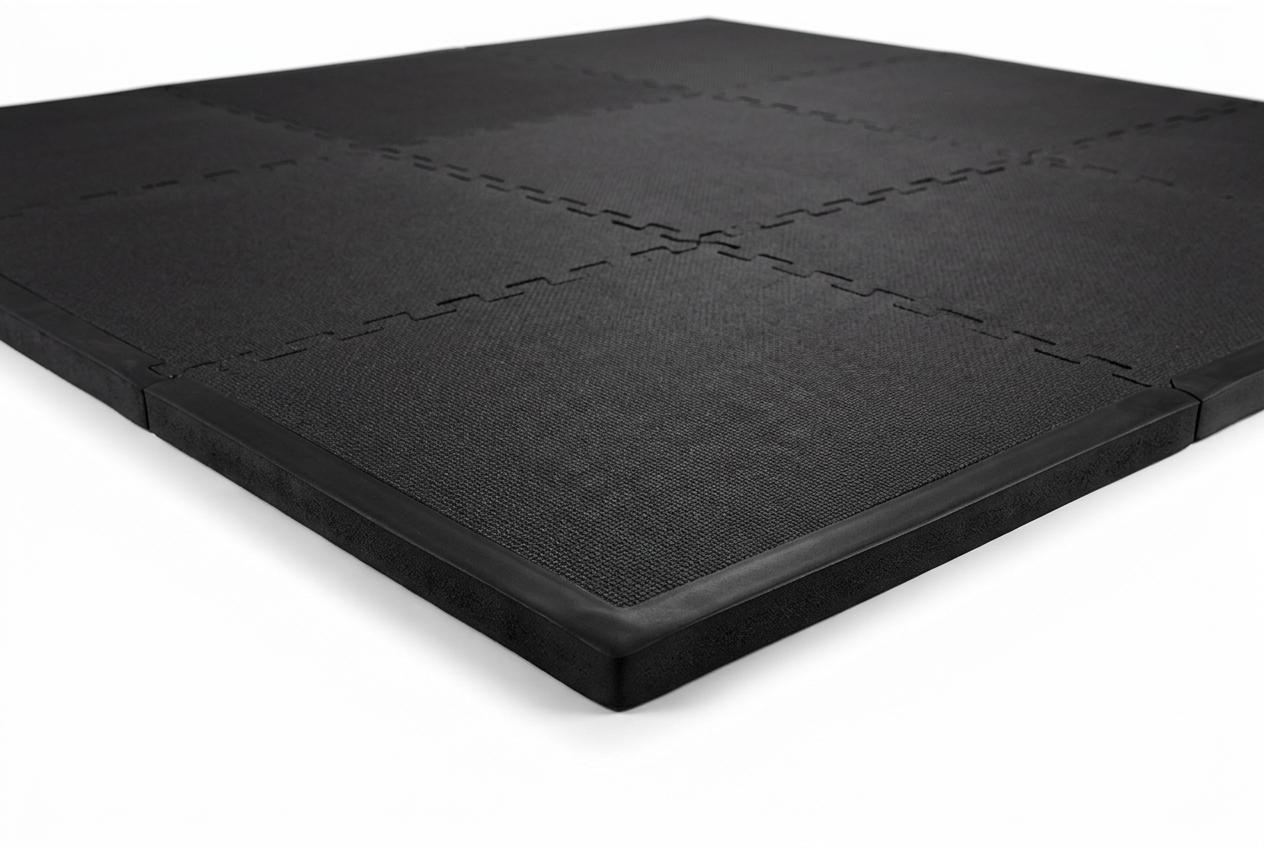 |
BalanceFrom 1-Inch Extra Thick Puzzle Mat | $45-$75 | Best Protection | Check Price |
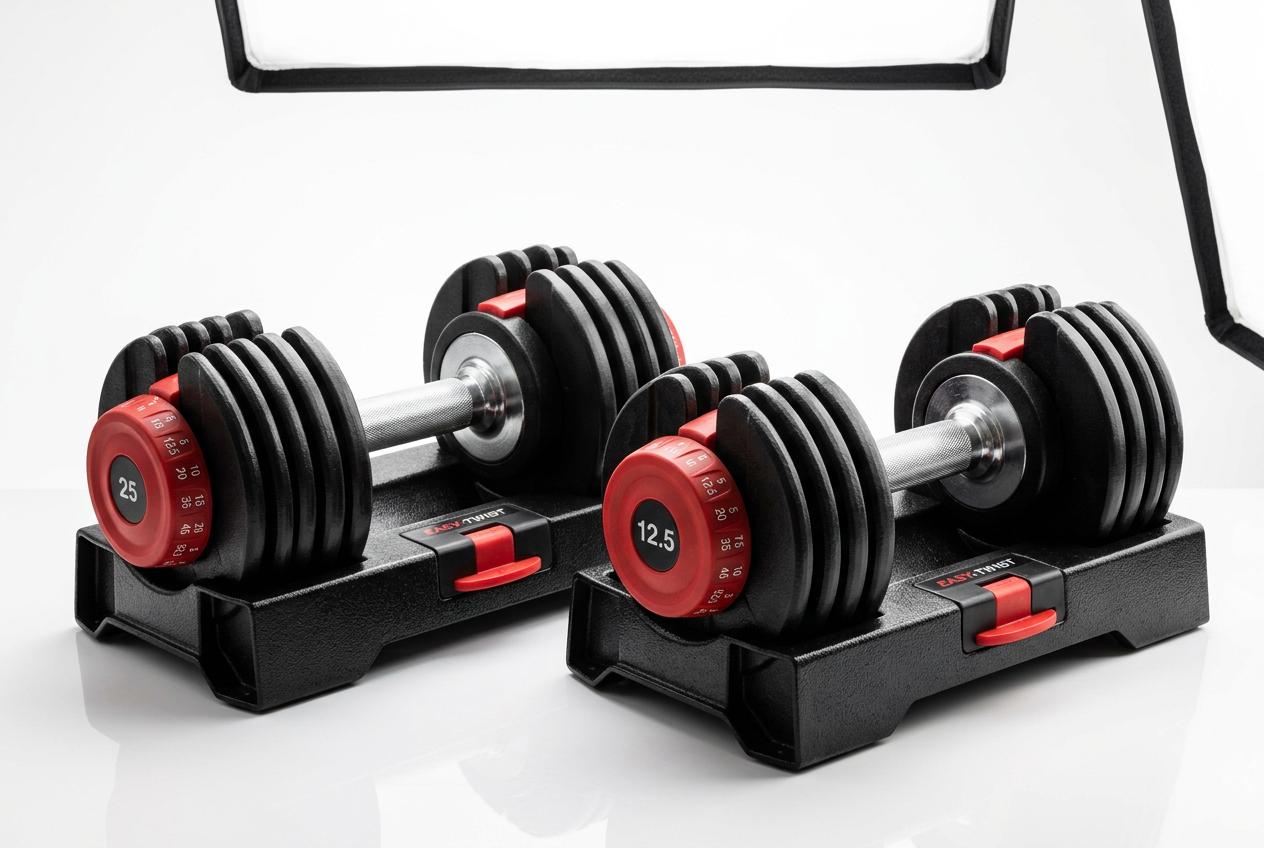 |
Bowflex SelectTech 552 Adjustable Dumbbells | $300-$450 | Best Space-Saver | Check Price |
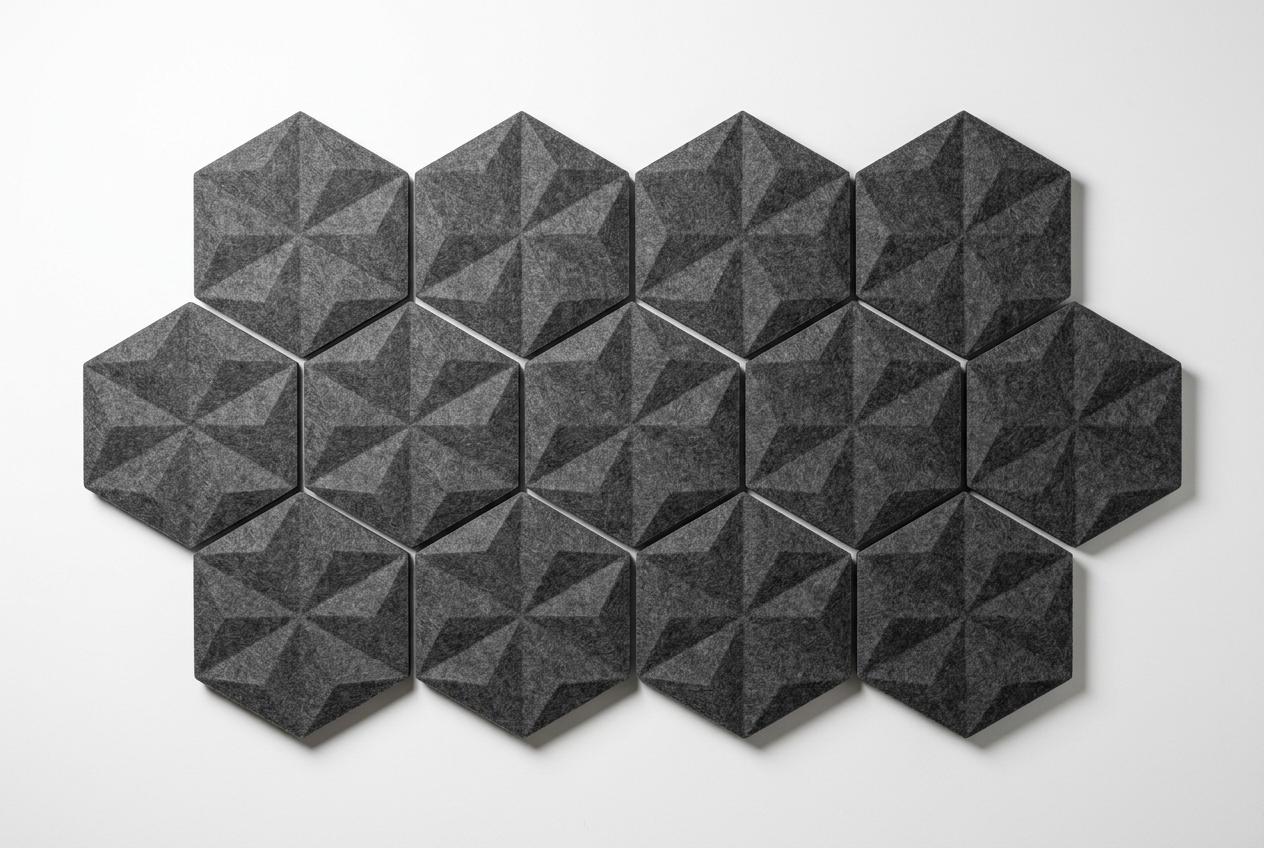 |
LEERON Self-Adhesive Hexagon Acoustic Panels | $20-$35 | Best Wall Treatment | Check Price |
A Made-in-USA floor protection mat that directly addresses vibration noise, a common lease compliance concern.
The ultimate lease-compliant exercise solution: virtually silent, requires no space, and has zero impact on your rental property.
Maximum-thickness foam flooring that provides the highest level of lease-compliant floor protection available.
A lease-compliant strength training solution that minimizes both noise and space requirements in apartment gyms.
A renter-friendly acoustic solution that controls workout noise without violating lease restrictions on wall modifications.
The SuperMats 13GS is the gold standard for lease-compliant equipment protection. Its vibration-dampening vinyl construction directly addresses one of the most common noise complaints in apartment buildings: the low-frequency hum and vibration that travels from cardio equipment through floors and walls. By placing this mat under your exercise bike, elliptical, or rowing machine, you dramatically reduce the noise footprint of your workouts. The generous 30x60 inch size ensures full coverage under your equipment's base and any movement area. Made in the USA without harmful chemicals, it's a responsible choice that protects both your floor and your indoor air quality.
Check Price on Amazon
If lease compliance is your absolute top priority, the DeskCycle Under Desk Bike is arguably the most landlord-friendly exercise equipment ever made. It produces just 45dB of sound at full pedaling speed, quieter than a normal conversation. It requires no dedicated workout space, no special flooring, and no installation of any kind. Simply place it under any desk or table and pedal away. At just 23 pounds, it exerts virtually no stress on floors. It's the exercise equipment most likely to generate zero complaints from landlords, property managers, or neighbors, making it the safest possible choice for strict lease environments.
Check Price on Amazon
When your lease includes broad language requiring you to protect floors from any damage, the BalanceFrom 1-Inch Extra Thick Puzzle Mat is your strongest defense. At double the thickness of standard gym mats, this flooring provides exceptional protection against dropped weights, heavy equipment pressure, and the sweat and moisture that can stain or warp flooring over time. The interlocking tiles cover your entire workout area with a seamless, professional-looking surface that demonstrates clear intent to protect the property. The water-resistant top layer makes cleanup simple, ensuring that sweat never reaches your landlord's floor. This is the mat for renters who want to exceed lease requirements rather than merely meet them.
Check Price on Amazon
From a lease compliance perspective, the Bowflex SelectTech 552 Adjustable Dumbbells are nearly perfect. They replace an entire rack of individual dumbbells that would require significant floor space and create noise every time weights are changed or re-racked. The quiet dial adjustment lets you change weights without the clanking of traditional dumbbells, and the included trays provide a stable, floor-friendly resting place. At just 17 inches long per dumbbell, they require minimal storage space. For renters whose lease limits how much they can modify their space or how much noise they can generate, these dumbbells deliver a complete strength training system within the smallest possible footprint.
Check Price on Amazon
The LEERON Self-Adhesive Hexagon Acoustic Panels solve a unique lease compliance challenge: how to acoustically treat your workout space without drilling holes or using nails that would violate your lease. The peel-and-stick backing adheres to smooth walls and can be removed without leaving residue or pulling paint. While they won't completely soundproof your apartment, they significantly reduce the echo and reverberation that makes workout sounds carry further. The modern hexagonal design adds a professional, intentional look to your gym space that signals to landlords and neighbors alike that you've thoughtfully designed your setup with noise control in mind.
Check Price on Amazon