10-Minute HIIT Workout for Apartments: Burn Fat, Save Time
An intense 10-minute HIIT workout designed for apartments. Burn maximum calories with minimal space and no equipment nee...

Implement the conjugate method in your home gym. Learn max effort, dynamic effort, and repeated effort days, accommodating resistance with bands/chains, and get a complete 4-week sample program.
FTC Disclosure: This article contains affiliate links. We may earn a commission if you purchase through these links at no additional cost to you. This helps support our independent research and testing.
The conjugate method—pioneered by Louie Simmons at Westside Barbell—has produced some of the strongest powerlifters in history. Its unique combination of max effort, dynamic effort, and repeated effort training targets multiple physical qualities simultaneously, making it extraordinarily efficient for strength development. Traditionally dismissed as requiring a fully-equipped commercial facility, the conjugate method can be successfully adapted to home gyms with creative exercise selection and strategic equipment purchases. This guide shows you exactly how.
The conjugate method is organized around three distinct training stimuli, each delivered on its own dedicated training day. This concurrent approach to strength development is what separates conjugate from sequential periodization models.
Max effort training involves working up to a 1-3 rep max on a main exercise variation. The goal is to strain against maximal loads, developing absolute strength and the psychological capacity to handle heavy weights.
Key Principles:
Why It Works: Maximal loading recruits the highest-threshold motor units, strengthens connective tissue, and builds the mental fortitude necessary for competition-level efforts. Research consistently shows that training at 90%+ of 1RM produces specific neural adaptations that lower intensities cannot replicate.
Dynamic effort training uses submaximal loads moved as fast as possible. The classic Westside protocol prescribes 8-12 sets of 2 reps on lower body movements and 8-9 sets of 3 reps on upper body movements, using 50-60% of 1RM with accommodating resistance (bands or chains).
Key Principles:
Why It Works: Dynamic effort training improves the rate at which you can produce force—a critical component of explosive strength. Even for pure powerlifting, the ability to generate force quickly helps break through sticking points and grind through heavy attempts.
Repeated effort training involves taking accessory exercises to or near muscular failure for moderate-to-high repetitions. This is where muscle mass is built and weak points are addressed.
Key Principles:
Exercise selection is the heart of conjugate programming. The right exercise at the right time transforms weaknesses into strengths.
Rotate through these exercise variations every 1-3 weeks. Group them by primary movement pattern:
Squat/Deadlift Variations (ME Lower):
| Exercise | Target Weakness | Equipment Needed |
|---|---|---|
| Safety Bar Squat | Upper back rounding | Safety squat bar |
| Front Squat | Quad weakness, torso position | Standard barbell |
| Good Morning | Posterior chain, lower back | Standard barbell |
| Rack Pull (various heights) | Lockout strength | Rack with adjustable pins |
| Deficit Deadlift | Off-the-floor weakness | Platform or plates |
| Pause Squat | Bottom position weakness | Standard barbell |
| Cambered Bar Squat | Shoulder mobility issues | Cambered bar |
Bench Press Variations (ME Upper):
| Exercise | Target Weakness | Equipment Needed |
|---|---|---|
| Floor Press | Mid-range/lockout weakness | Standard barbell |
| Board Press (2-3 board) | Lockout/tricep weakness | 2x4 boards or bench blocks |
| Close-Grip Bench Press | Tricep weakness | Standard barbell |
| Incline Bench Press | Upper chest/shoulder weakness | Adjustable bench |
| Paused Bench Press | Bottom position weakness | Standard barbell |
| Pin Press (various heights) | Specific range weakness | Rack with pins |
| Reverse Band Bench | Overload, lockout feel | Resistance bands |
DE exercises remain more consistent than ME exercises. The primary lifts are performed with the same structure week to week.
DE Lower:
DE Upper:
RE exercises are chosen to address individual weaknesses identified through video analysis or competition performance. Common selections include:
Lower Body RE:
Upper Body RE:
Accommodating resistance—bands and chains—is a hallmark of conjugate training. It provides several unique benefits: it increases resistance throughout the range of motion (matching your natural strength curve), it teaches you to accelerate through the entire movement, and it overloads the lockout portion of lifts where many fail.
Bands are the most space-efficient accommodating resistance tool. A set of light, medium, and heavy resistance bands provides sufficient variation for most home gym setups.
Band Setup for Squat:
Band Setup for Bench Press:
As an Amazon Associate, we earn from qualifying purchases. Learn more
Chains provide a different accommodating resistance profile than bands. Where bands add exponential resistance, chains add linear resistance as more chain lifts off the floor.
Chain Setup:
Check price at Amazon for powerlifting chains
If bands and chains aren't feasible in your space, you can still implement effective dynamic effort training:
The classic Westside template uses significant equipment beyond a standard barbell and rack. Here's how to adapt:
| Priority | Equipment | Conjugate Application | Space Required |
|---|---|---|---|
| Essential | Quality barbell | All ME and DE work | Stored in rack |
| Essential | Power rack | Rack pulls, pin presses, safety | 4x4 feet |
| Essential | Weight plates | Loading all movements | Plate storage |
| High | Resistance bands | Accommodating resistance for DE | Drawer storage |
| High | Adjustable bench | All pressing variations | Lean against wall |
| Medium | Safety squat bar | ME squat rotation | 6 feet vertical |
| Medium | Chains | Alternative accommodating resistance | Bucket storage |
| Medium | Boards (2x4) | Board presses for ME | Minimal |
| Low | Specialty bars (cambered, multi-grip) | ME exercise variation | 6 feet vertical |
| Low | Glute-ham developer | RE posterior chain work | 3x6 feet |
Monday — Max Effort Lower
| Exercise | Sets x Reps | Notes |
|---|---|---|
| ME Lower Variation | Work to 1-3RM | Rotate every 1-2 weeks |
| Good Morning | 3-6 | Moderate weight, strict form |
| Bulgarian Split Squat | 3x8/leg | RE for quad/glute |
| Back Extension or Reverse Hyper | 3x12-15 | Posterior chain RE |
| Ab Wheel or Hanging Leg Raise | 3x10-15 | Core strengthening |
Wednesday — Max Effort Upper
| Exercise | Sets x Reps | Notes |
|---|---|---|
| ME Upper Variation | Work to 1-3RM | Rotate every 1-2 weeks |
| Barbell Row | 4x8-10 | Heavy, strict |
| Overhead Press | 3x6-8 | Strict press |
| Tricep Variation | 4x10-12 | Target weakness |
| Bicep/Forearm Work | 3x12-15 | Structural balance |
Friday — Dynamic Effort Lower
| Exercise | Sets x Reps | Notes |
|---|---|---|
| Speed Box Squat | 10x2 @ 55-60% | 45-60 sec rest, maximal speed |
| Speed Deadlift | 6-8x1 @ 60-65% | Alternating stance if desired |
| Walking Lunge | 3x10/leg | RE, controlled |
| Leg Curl | 3x12 | RE, hamstring focus |
| Plank Variation | 3x30-60 sec | Core stability |
Saturday — Dynamic Effort Upper
| Exercise | Sets x Reps | Notes |
|---|---|---|
| Speed Bench Press | 9x3 @ 50-55% | 45-60 sec rest, maximal speed |
| Speed Row (Pendlay) | 5x5 | Moderate weight, explosive |
| Incline Dumbbell Press | 3x8-10 | RE, chest/delt focus |
| Lat Pulldown or Pull-Up | 4x8-10 | RE, lat focus |
| Rear Delt/Rotator Cuff | 3x15-20 | Shoulder health |
The conjugate method depends on strategic exercise rotation. Here's a 12-week ME rotation schedule:
Lower Body ME Rotation:
| Week | Primary ME Exercise | Supplemental |
|---|---|---|
| 1 | Safety Bar Box Squat | Good Morning |
| 2 | Rack Pull (below knee) | Front Squat |
| 3 | Front Squat | Romanian Deadlift |
| 4 | Deficit Deadlift | Pause Squat |
| 5 | Close-Stance Squat | Rack Pull (above knee) |
| 6 | Good Morning | Bulgarian Split Squat |
| 7 | Pause Squat (3 sec) | Stiff-Leg Deadlift |
| 8 | Floor Block Pull | Safety Bar Squat |
| 9 | Cambered Bar Squat | Rack Pull (mid-shin) |
| 10 | Pin Squat (parallel) | Deficit Deadlift |
| 11 | Chain/Band Deadlift | Front Squat |
| 12 | Free Squat (test) | Test 1RM |
Upper Body ME Rotation:
| Week | Primary ME Exercise | Supplemental |
|---|---|---|
| 1 | Floor Press | Close-Grip Bench |
| 2 | 2-Board Press | Incline Dumbbell Press |
| 3 | Close-Grip Bench | Floor Press |
| 4 | Incline Bench Press | Board Press |
| 5 | Pin Press (chest level) | Dumbbell Bench |
| 6 | Floor Press (narrow grip) | Overhead Press |
| 7 | 3-Board Press | Close-Grip Incline |
| 8 | Paused Bench Press | Floor Press |
| 9 | Reverse Band Bench | Pin Press |
| 10 | Close-Grip Floor Press | Board Press |
| 11 | Slingshot Bench (if available) | Dumbbell Floor Press |
| 12 | Competition Bench (test) | Test 1RM |
Here's a practical first month implementing conjugate in a home gym:
Monday — ME Lower: Safety Bar Squat to 3RM, then Good Morning 4x6, Bulgarian Split Squat 3x8/leg, Back Extension 3x15
Wednesday — ME Upper: Floor Press to 3RM, then Barbell Row 4x8, Overhead Press 3x6, Rolling Tricep Extension 3x12, Barbell Curl 3x12
Friday — DE Lower: Speed Squat 10x2 @ 55% with bands if available, Speed Pull 6x1 @ 60%, Lunge 3x10/leg, Leg Curl 3x12
Saturday — DE Upper: Speed Bench 9x3 @ 50% with bands if available, Pendlay Row 5x5, Incline Dumbbell Press 3x10, Pull-Up 4x8, Face Pull 3x15
Continue the template, rotating ME exercises as scheduled. Increase DE percentages by 2.5-5% if bar speed remains high. Add weight to RE exercises when you can exceed target reps by 2+ on the final set.
The conjugate method's reputation for equipment intensity shouldn't intimidate home gym owners. Its core principles—maximal effort, dynamic effort, and repeated effort—can be implemented with nothing more than a barbell, rack, bench, and thoughtful exercise selection. The key adaptations that make conjugate effective (high-intensity neural training, speed work, targeted weakness training) don't require a Westside Barbell facility. They require understanding the system and applying it creatively within your constraints.
Start with the template above. Rotate your max effort exercises religiously. Move the bar as fast as possible on dynamic days. Take your accessory work seriously—it determines how much you transfer to competition movements. Within 12 weeks, you'll understand why conjugate has produced champions for decades.
For a structured block approach, see our Block Periodization Guide. For autoregulated training methods, explore our RPE-Based Training Guide.
| Image | Product | Price | Badge | Link |
|---|---|---|---|---|
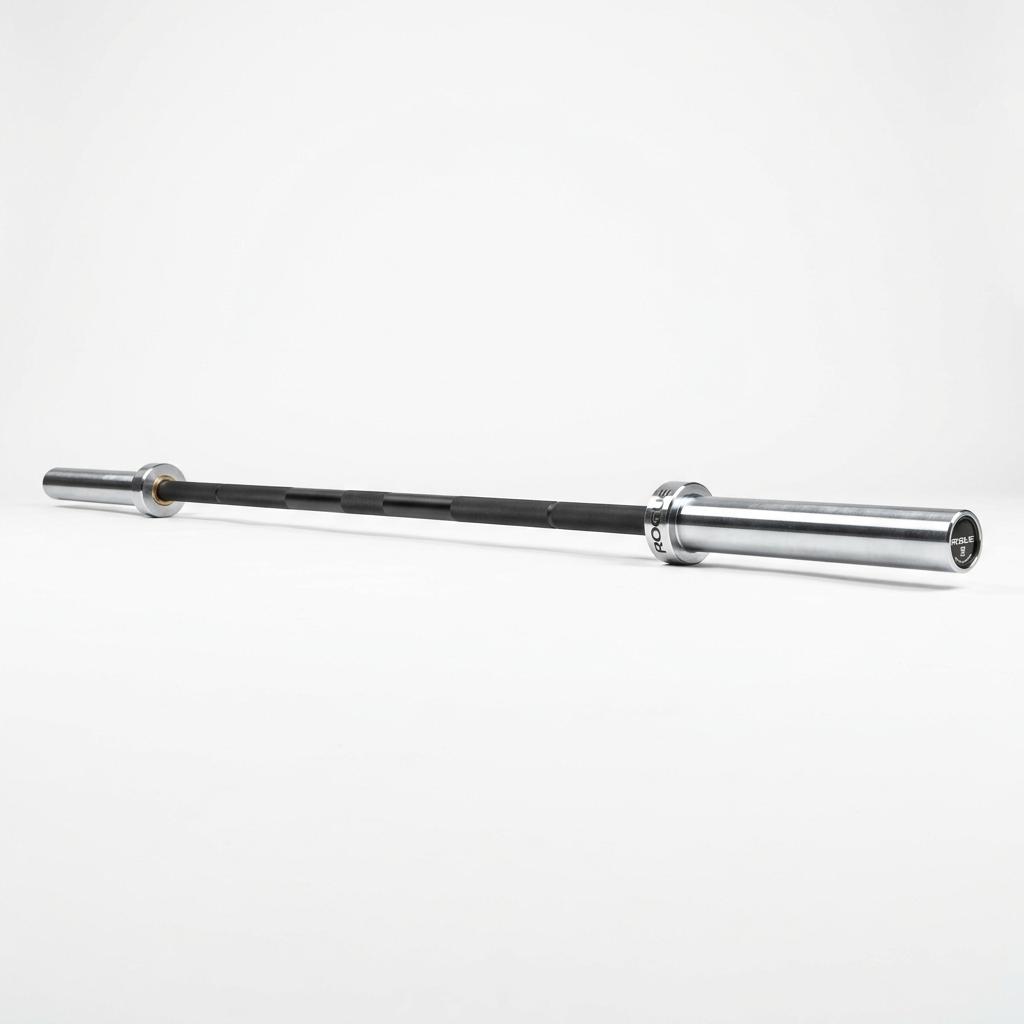 |
Rogue Ohio Power Bar | $295-$355 | Best Overall | Check Price |
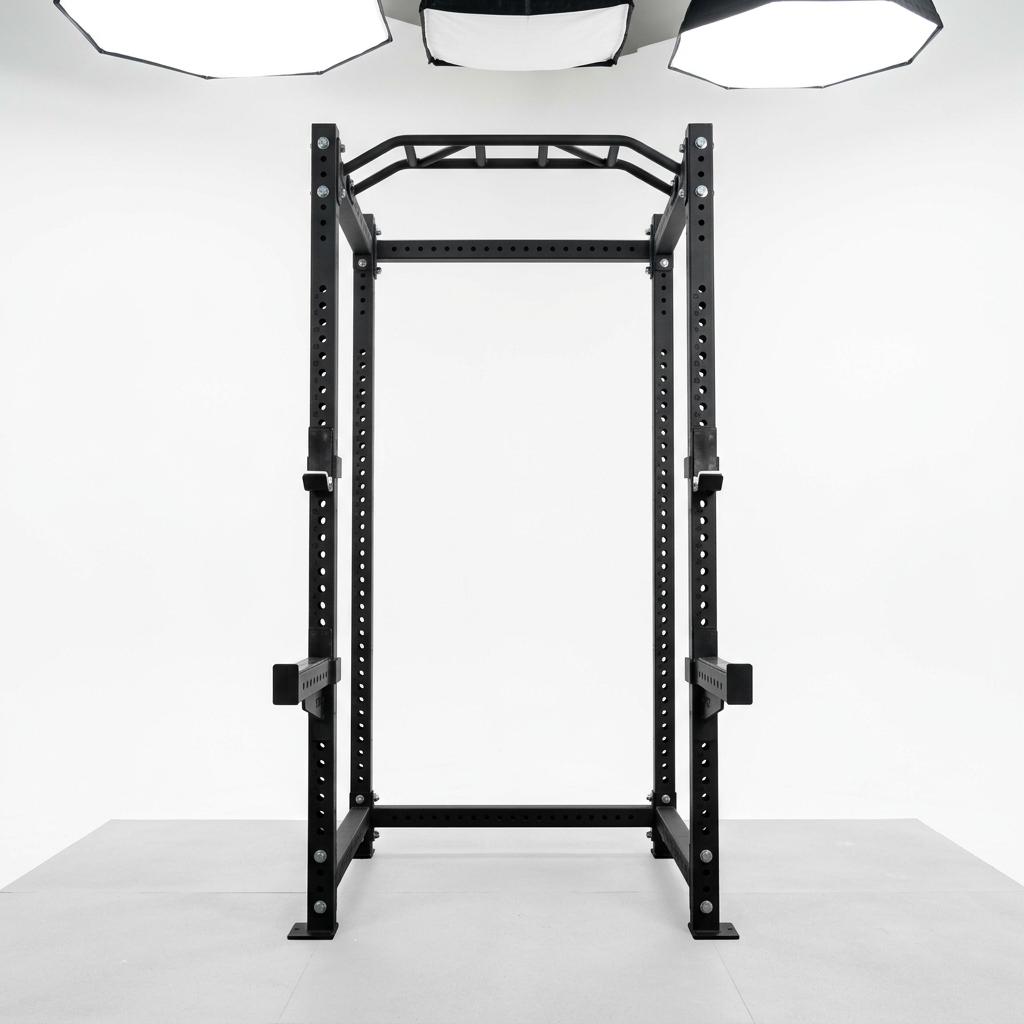 |
Titan Fitness T-3 Series Power Rack | $449-$599 | Best for Small Spaces | Check Price |
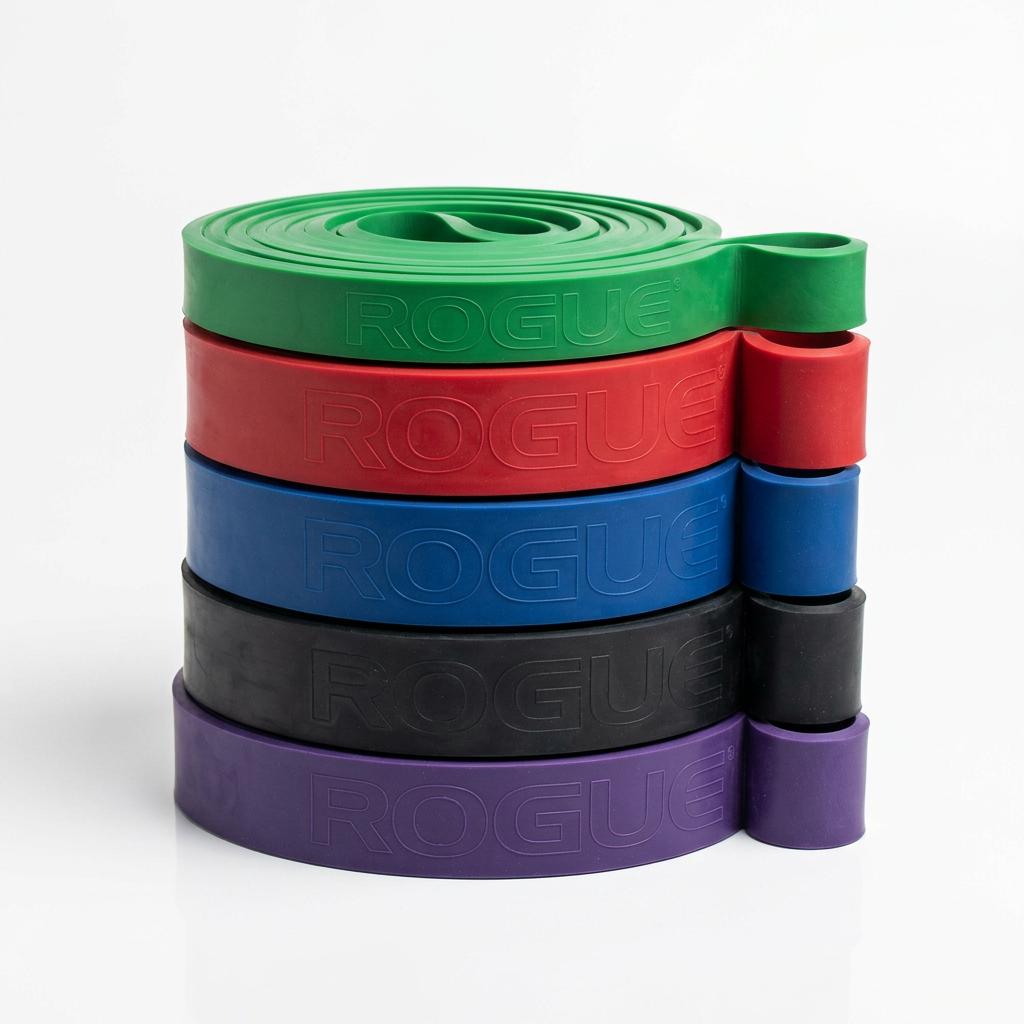 |
Rogue Monster Resistance Bands | $18-$85 | Most Versatile | Check Price |
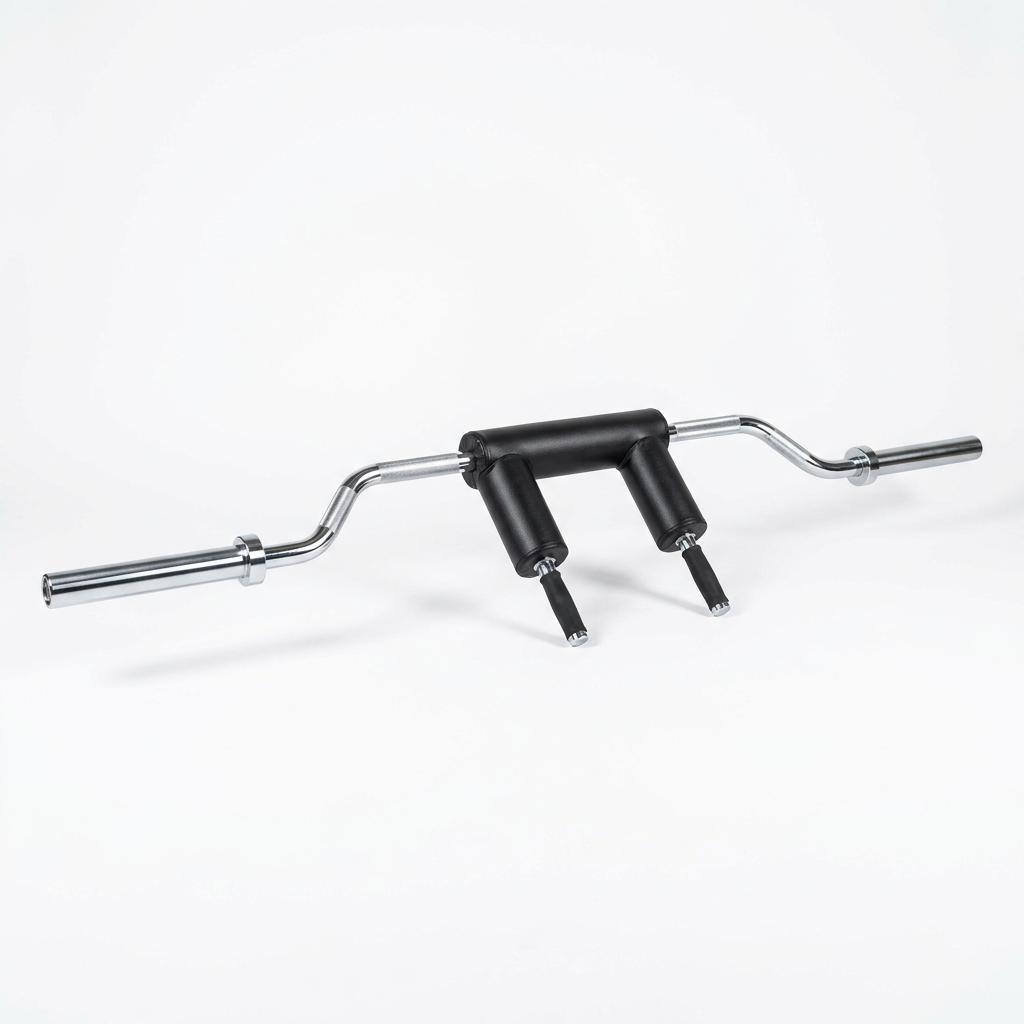 |
Titan Fitness Safety Squat Bar | $289-$349 | Premium Pick | Check Price |
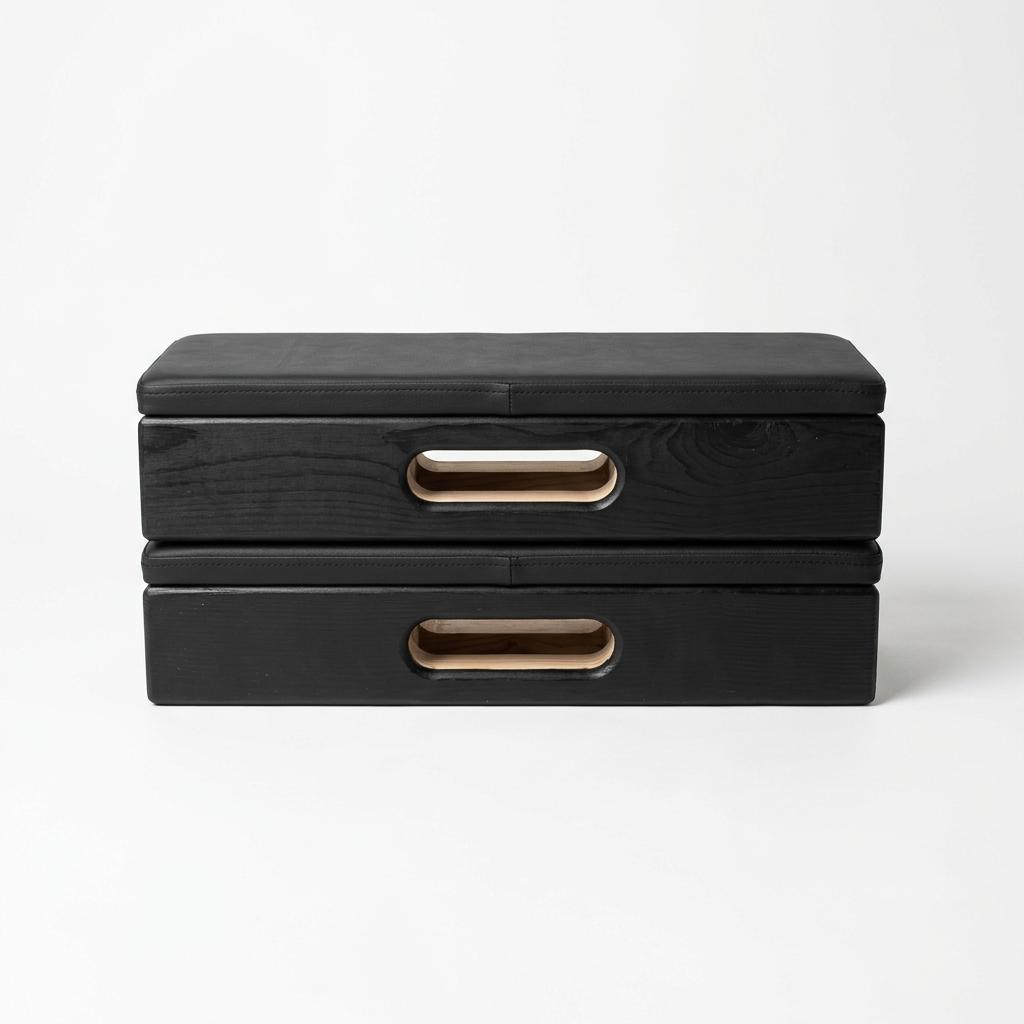 |
Iron Bull Strength Bench Press Boards | $39-$59 | Best Budget | Check Price |
A purpose-built powerlifting barbell with aggressive knurling and rigid construction, ideal for max effort and dynamic effort conjugate training.
A heavy-duty power rack with compact dimensions that enables safe max effort training, rack pulls, and pin presses for conjugate programming.
Heavy-duty resistance bands that provide accommodating resistance for dynamic effort training, the cornerstone of conjugate methodology.
A specialty squat bar that enables pain-free heavy squatting and targets the posterior chain, essential for conjugate exercise rotation.
Simple wooden bench press boards that enable board press variations to target lockout strength, a conjugate method staple.
The Rogue Ohio Power Bar is the foundation of any conjugate-method home gym. Its stiff 29mm shaft and aggressive knurling provide the secure grip and whip-free platform necessary for max effort squat, bench, and deadlift variations. The black cerakote finish resists corrosion while adding a premium look. For conjugate training where you regularly work above 90% of your one-rep max, the Ohio Power Bar delivers the performance and confidence you need.
Check Price on Amazon
The Titan T-3 is the essential centerpiece of a conjugate home gym. Its adjustable J-cups and safety pins enable rack pulls, pin presses, and board presses that are core movements in conjugate programming. The 1100-pound capacity means you will never outgrow it. The compact 36-inch depth footprint makes it surprisingly apartment-friendly for such a capable rack. Add a set of band pegs and you have everything needed for accommodating resistance work.
Check Price on Amazon
Resistance bands are non-negotiable for authentic conjugate training. Rogue's Monster bands provide the accommodating resistance needed for dynamic effort box squats, speed benches, and deadlifts. The progressive tension teaches you to accelerate through the entire range of motion, a key principle of the conjugate method. With options from 15 to 200+ pounds of resistance, you can scale the load to any exercise. When not in use, they store in a drawer.
Check Price on Amazon
The safety squat bar is one of the most valuable specialty bars for conjugate training. It allows you to train heavy squats even when shoulder mobility limits your ability to hold a regular back squat position. The cambered design shifts the load forward, placing greater emphasis on the upper back and core, making it an excellent max effort lower body variation. Rotating this bar into your conjugate programming helps break through plateaus and prevents overuse injuries.
Check Price on Amazon
Board presses are a conjugate method essential for building lockout strength and tricep power. This set gives you 2-board, 3-board, and 4-board options to target different ranges of motion. The dense foam padding feels comfortable against the chest even at heavy weights. At a fraction of the cost of adjustable bench blocks, these boards deliver all the functionality you need for conjugate upper body training. They take up almost zero storage space and last forever.
Check Price on Amazon