10-Minute HIIT Workout for Apartments: Burn Fat, Save Time
An intense 10-minute HIIT workout designed for apartments. Burn maximum calories with minimal space and no equipment nee...

Master block periodization with this comprehensive guide. Learn accumulation, intensification, and realization blocks, conjugate method principles, and follow a complete 16-week sample program for home gym strength training.
FTC Disclosure: This article contains affiliate links. We may earn a commission if you purchase through these links at no additional cost to you. This helps support our independent research and testing.
Block periodization has become the dominant programming methodology among elite strength athletes, and for good reason. By dividing training into distinct, highly focused mesocycle blocks—each with a specific physiological target—block periodization produces more predictable and consistent performance outcomes than traditional approaches. This guide provides a comprehensive framework for implementing block periodization in your home gym, complete with a full 16-week sample program.
Block periodization organizes training into sequential mesocycle blocks, each lasting 2-6 weeks and designed to develop a specific physical quality. Unlike linear periodization, which attempts to develop everything simultaneously (with mixed results), or DUP, which varies stimuli daily, block periodization concentrates training stress to produce focused adaptations that build upon each other.
The classic block structure consists of three primary block types:
The accumulation block establishes the physiological foundation for subsequent strength development. High training volumes at moderate intensities drive muscle growth, improve work capacity, and reinforce movement patterns through extensive practice.
| Variable | Target |
|---|---|
| Intensity | 65-75% 1RM |
| Volume | Highest of the three blocks |
| Sets x Reps | 4-6 sets of 8-12 reps |
| Rest Periods | 60-120 seconds |
| Duration | 3-5 weeks |
The accumulation block answers a critical question: how much muscle and work capacity can you build before transitioning to more specific strength work?
The intensification block converts the hypertrophy from accumulation into usable strength. Volume decreases while intensity increases significantly. This block targets the nervous system and the contractile properties of the newly built muscle tissue.
| Variable | Target |
|---|---|
| Intensity | 80-90% 1RM |
| Volume | Moderate |
| Sets x Reps | 4-5 sets of 3-6 reps |
| Rest Periods | 2-4 minutes |
| Duration | 2-4 weeks |
The intensification block represents the core strength-building phase of the program. This is where most of your actual strength gains will manifest.
The realization block prepares you to express maximum strength at a specific time. Volume drops dramatically while intensity reaches its peak. The goal is not to build more strength, but to demonstrate the strength you've already built.
| Variable | Target |
|---|---|
| Intensity | 90-100%+ 1RM |
| Volume | Lowest of the three blocks |
| Sets x Reps | 2-4 sets of 1-3 reps |
| Rest Periods | 3-5 minutes |
| Duration | 1-3 weeks |
The total length of a block periodization macrocycle typically ranges from 12-20 weeks. Here's how to determine block durations based on your goals and training level:
| Athlete Level | Accumulation | Intensification | Realization | Total Macrocycle |
|---|---|---|---|---|
| Beginner | 4 weeks | 3 weeks | 1 week | 8 weeks |
| Intermediate | 4-5 weeks | 3-4 weeks | 1-2 weeks | 12 weeks |
| Advanced | 5-6 weeks | 3-4 weeks | 2-3 weeks | 16 weeks |
Longer accumulation blocks produce greater hypertrophic foundations, which is why advanced lifters with slower muscle growth benefit from extended volume phases. Shorter realization blocks prevent the performance decline that can occur when peaking is extended too long.
One of block periodization's unique features is the systematic variation of exercises across blocks. This isn't random variation—it's strategic manipulation of specificity.
The accumulation block uses more exercise variations than subsequent blocks. This provides several benefits: it distributes stress across different movement patterns (reducing overuse injury risk), it develops strength through different ranges of motion, and it prevents psychological burnout from repetitive training.
Sample accumulation exercises by movement pattern:
| Pattern | Primary | Variation 1 | Variation 2 |
|---|---|---|---|
| Squat | Back Squat | Front Squat | Safety Bar Squat |
| Hinge | Romanian Deadlift | Deficit Deadlift | Good Morning |
| Push (Horizontal) | Bench Press | Incline Press | Close-Grip Bench |
| Push (Vertical) | Overhead Press | Push Press | Dumbbell Press |
| Pull (Horizontal) | Barbell Row | Chest-Supported Row | Seal Row |
| Pull (Vertical) | Pull-Up | Chin-Up | Lat Pulldown |
Perform 2-3 variations per movement pattern across the accumulation block.
The intensification block narrows exercise selection to competition-specific or primary movements. Variations decrease as specificity increases.
| Pattern | Primary | Supplemental |
|---|---|---|
| Squat | Back Squat | Front Squat |
| Hinge | Conventional Deadlift | Romanian Deadlift |
| Push (Horizontal) | Bench Press | Close-Grip Bench |
| Push (Vertical) | Overhead Press | Push Press |
| Pull | Barbell Row | Weighted Pull-Up |
The realization block is maximally specific. You perform almost exclusively competition lifts or their closest variants.
| Pattern | Exercise |
|---|---|
| Squat | Competition Back Squat |
| Hinge | Competition Deadlift |
| Push | Competition Bench Press |
Assistance work drops to maintenance levels or is eliminated entirely in the final 1-2 weeks.
The transition between blocks is critical and often mishandled. A proper block transition involves:
Accumulation to Intensification (Week 5):
Intensification to Realization (Week 10):
Poor transitions—particularly dropping volume too slowly or increasing intensity too quickly—are the most common failure point in block periodization. Be aggressive with volume cuts when moving to the next block.
This program assumes a home gym with barbell, rack, bench, and pull-up bar.
Day 1 — Squat Focus + Push
| Exercise | Sets x Reps | % 1RM | Rest |
|---|---|---|---|
| Back Squat | 5x8 | 70% | 2 min |
| Bench Press | 4x10 | 70% | 90 sec |
| Romanian Deadlift | 4x10 | — | 90 sec |
| Overhead Press | 3x10 | 65% | 90 sec |
| Pull-Up | 4x8-10 | BW | 90 sec |
Day 2 — Hinge Focus + Pull
| Exercise | Sets x Reps | % 1RM | Rest |
|---|---|---|---|
| Conventional Deadlift | 5x6 | 75% | 3 min |
| Barbell Row | 4x10 | — | 90 sec |
| Front Squat | 4x8 | 70% | 2 min |
| Incline Bench Press | 4x8 | 70% | 90 sec |
| Face Pull | 3x15 | — | 60 sec |
Day 3 — Full Body Volume
| Exercise | Sets x Reps | % 1RM | Rest |
|---|---|---|---|
| Safety Bar Squat or HB Squat | 4x10 | 68% | 2 min |
| Close-Grip Bench Press | 4x10 | 68% | 90 sec |
| Deficit Deadlift | 4x8 | 70% | 2 min |
| Weighted Dip | 4x8-10 | BW+ | 90 sec |
| Barbell Curl | 3x12 | — | 60 sec |
Weekly Progression: Add 2.5-5 lbs to barbell movements each week. Maintain rep targets.
Day 1 — Heavy Squat + Bench
| Exercise | Sets x Reps | % 1RM | Rest |
|---|---|---|---|
| Back Squat | 5x4 | 85% | 3 min |
| Bench Press | 5x4 | 85% | 3 min |
| Romanian Deadlift | 4x6 | 80% | 2 min |
| Weighted Pull-Up | 4x5 | Heavy | 2 min |
Day 2 — Heavy Deadlift + Row
| Exercise | Sets x Reps | % 1RM | Rest |
|---|---|---|---|
| Conventional Deadlift | 4x4 | 85% | 3 min |
| Barbell Row | 4x6 | 80% | 2 min |
| Front Squat | 4x4 | 82% | 3 min |
| Overhead Press | 4x5 | 80% | 2 min |
Day 3 — Moderate Full Body
| Exercise | Sets x Reps | % 1RM | Rest |
|---|---|---|---|
| Back Squat | 4x5 | 82% | 3 min |
| Bench Press | 4x5 | 82% | 2 min |
| Deadlift (light) | 3x5 | 75% | 2 min |
| Weighted Dip | 3x6 | Heavy | 2 min |
Weekly Progression: Add 5 lbs to main lifts each week. Reduce to 3 reps if 4 reps cannot be completed with good form.
Week 10-11 (Early Realization):
| Exercise | Sets x Reps | % 1RM | Rest |
|---|---|---|---|
| Back Squat | 4x3 | 90% | 3-4 min |
| Bench Press | 4x3 | 90% | 3-4 min |
| Conventional Deadlift | 3x3 | 90% | 3-4 min |
| Pull-Up (maintenance) | 3x5 | BW | 2 min |
Week 12-13 (Mid Realization):
| Exercise | Sets x Reps | % 1RM | Rest |
|---|---|---|---|
| Back Squat | 3x2 | 93-95% | 4 min |
| Bench Press | 3x2 | 93-95% | 4 min |
| Conventional Deadlift | 2x2 | 93-95% | 4 min |
Week 14 (Peak Week):
| Exercise | Sets x Reps | % 1RM | Rest |
|---|---|---|---|
| Back Squat | 1x1 | 97-100% | 5 min |
| Bench Press | 1x1 | 97-100% | 5 min |
| Conventional Deadlift | 1x1 | 97-100% | 5 min |
Reduce all training to 2x/week at 50-60% of 1RM for 2-3 sets of 5. Focus on recovery, then establish new baselines for the next macrocycle.
The conjugate method, popularized by Louie Simmons at Westside Barbell, represents a specialized form of block periodization that uses concurrent development of multiple qualities through distinct training days rather than sequential blocks. It combines elements of block and undulating periodization.
The Classic Westside Template:
| Day | Focus | Primary Work | Supplemental |
|---|---|---|---|
| Monday | Max Effort Lower | Work up to 1-3RM on max effort lower exercise | 3-4 heavy supplemental lower movements |
| Wednesday | Max Effort Upper | Work up to 1-3RM on max effort upper exercise | 3-4 heavy supplemental upper movements |
| Friday | Dynamic Effort Lower | 8-12 sets of 2 at 50-60% with bands/chains | 3-4 repetition lower movements |
| Saturday | Dynamic Effort Upper | 8-9 sets of 3 at 50-60% with bands/chains | 3-4 repetition upper movements |
While the full Westside system requires extensive equipment (specialty bars, bands, chains, machines), the conjugate principles can be adapted for home gyms. See our dedicated Conjugate Method for Home Gym Guide for detailed implementation.
Block periodization is the optimal choice when:
Block periodization may not be ideal when:
Effective block periodization in a home gym requires:
As an Amazon Associate, we earn from qualifying purchases. Learn more
As an Amazon Associate, we earn from qualifying purchases. Learn more
Block periodization represents the most sophisticated and effective approach to structured strength development available to home gym users. Its sequential, focused blocks produce predictable, measurable progress that simpler programming models cannot match once you've moved beyond the beginner stage. The 16-week framework provided here gives you everything needed to implement block periodization effectively: clear block structures, specific loading parameters, exercise selection guidelines, and a complete sample program.
Commit to one full macrocycle. Follow the block structure, respect the transitions, peak appropriately, and test your maxes. The results will establish block periodization as the foundation of your long-term strength training approach.
Ready to explore autoregulated training? Read our RPE-Based Training Guide to learn how to adjust training based on daily readiness.
| Image | Product | Price | Badge | Link |
|---|---|---|---|---|
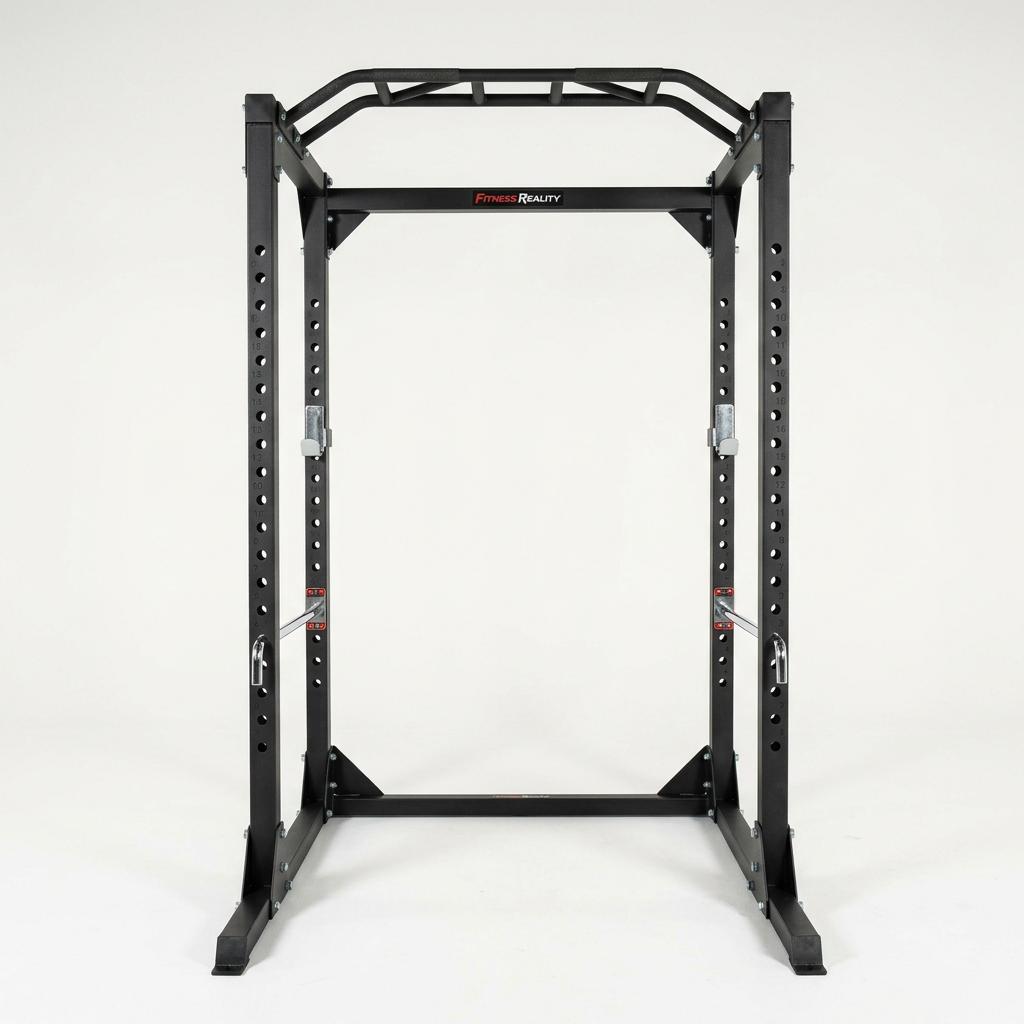 |
Fitness Reality 810XLT Super Max Power Cage | $289-$349 | Best Overall | Check Price |
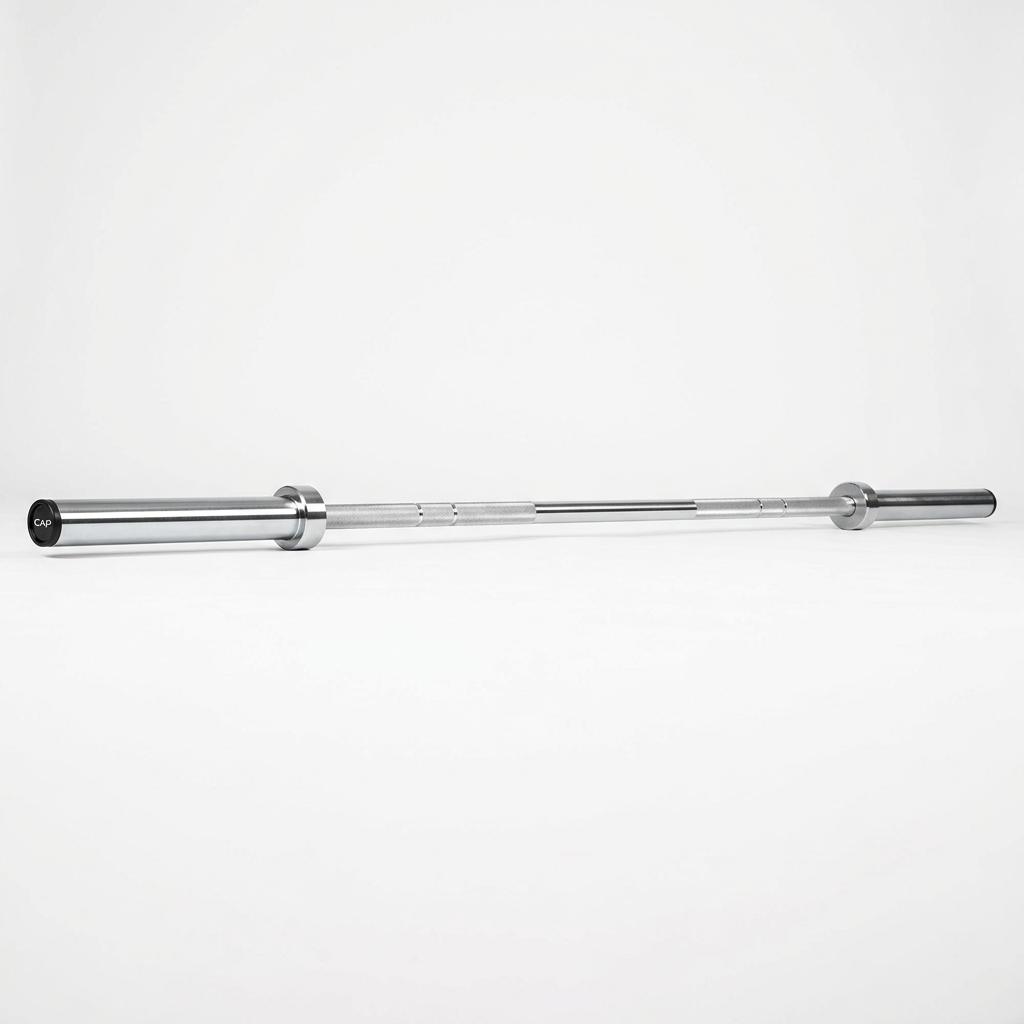 |
CAP Barbell Olympic Bar 7-Foot | $129-$189 | Best Barbell | Check Price |
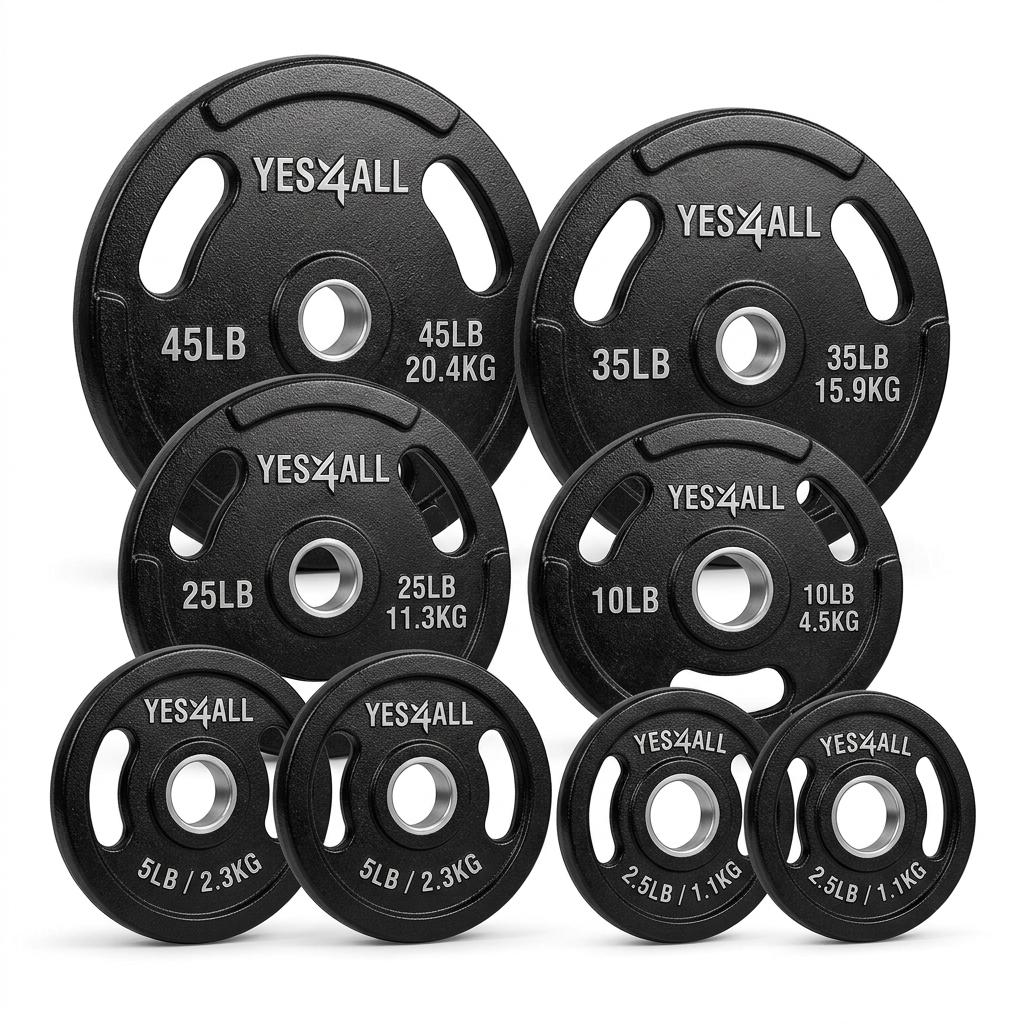 |
Yes4All Olympic Weight Plates Set | $149-$399 | Best Budget Plates | Check Price |
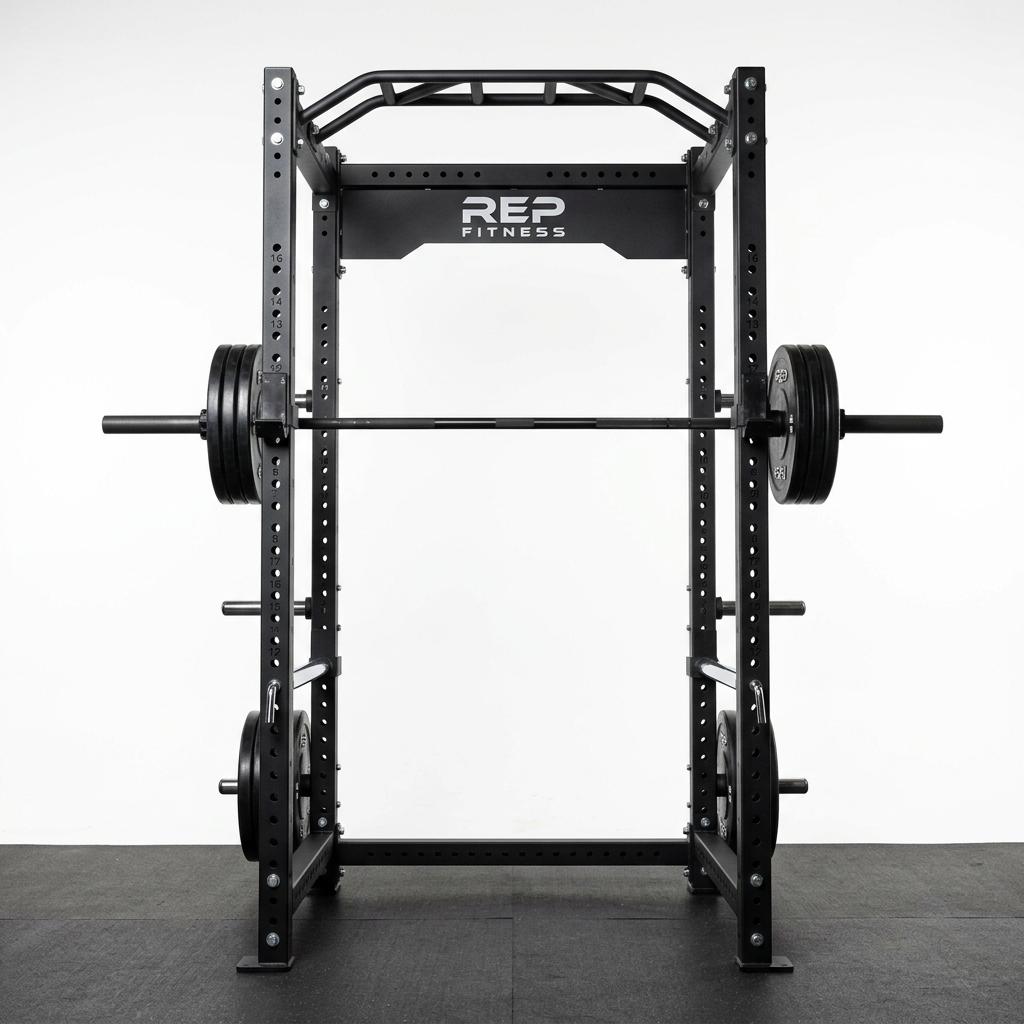 |
Rep Fitness PR-1000 Power Rack | $349-$449 | Best for Small Spaces | Check Price |
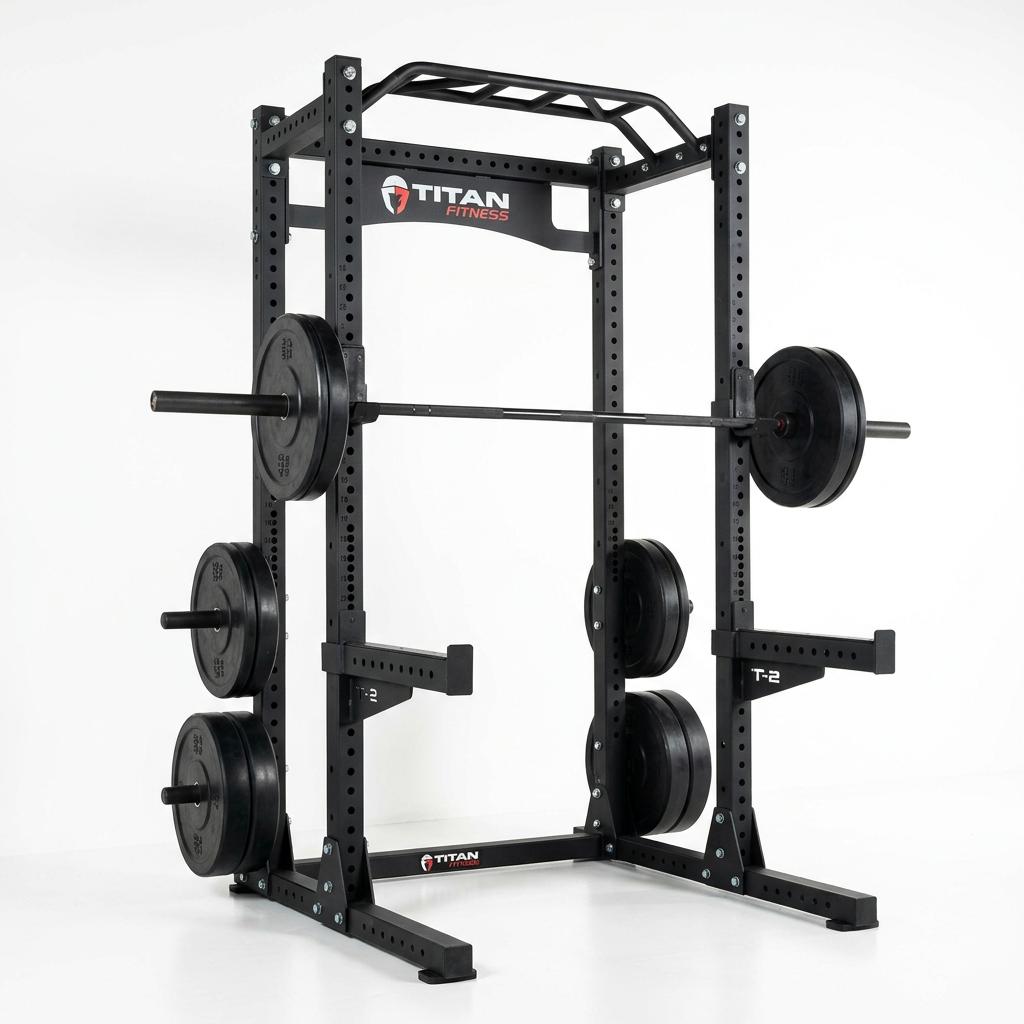 |
Titan Fitness T-2 Series Power Rack | $349-$499 | Premium Pick | Check Price |
The Fitness Reality 810XLT is the foundation of any serious block periodization home gym setup.
The CAP Olympic Bar is a reliable, affordable barbell that handles all three periodization blocks with ease.
Yes4All Olympic plates provide the loading flexibility needed for accumulation through realization blocks.
The Rep PR-1000 packs full periodization capability into the smallest footprint available.
The Titan T-2 is a commercial-grade rack that brings gym-quality periodization training to your home.
For block periodization training, you need a power rack that can handle the heavy intensification and realization blocks safely. The Fitness Reality 810XLT delivers with an 800 lb capacity, adjustable safety spotter arms, and a multi-grip pull-up bar. During accumulation blocks, the high volume squat and press sessions are supported by the stable frame. The compact 50x46 inch footprint makes it apartment-friendly while still providing full commercial functionality.
Check Price on Amazon
A quality barbell is the centerpiece of block periodization training. The CAP 7-foot Olympic barbell offers a 700 lb weight capacity, making it suitable for everything from high-rep accumulation block sets to heavy singles in the realization block. The medium knurl provides enough grip security for deadlifts and squats without tearing up your hands. At under $200, it represents exceptional value for home gym owners implementing structured periodization programs.
Check Price on Amazon
Block periodization requires precise loading adjustments across weeks. Yes4All Olympic weight plate sets provide everything from 2.5 lb incremental plates to 45 lb plates, allowing you to hit the exact percentages prescribed in your program. The cast iron construction with grip holes makes plate changes efficient between sets. Available in sets from 110 lbs up to 260 lbs, you can choose the right amount for your current strength level and expand as needed.
Check Price on Amazon
For apartment dwellers who want to implement serious block periodization, the Rep Fitness PR-1000 is the answer. Its 48x48 inch footprint is among the smallest for a full power rack, yet it supports 700 lbs and offers numbered upright holes for consistent bar positioning. The optional lat pulldown attachment adds vertical pulling for accumulation block volume work. If ceiling height allows, this rack delivers commercial features in a renter-friendly package.
Check Price on Amazon
The Titan Fitness T-2 Series is the premium choice for home block periodization. Built from 2x3 inch 11-gauge steel, this rack has zero flex even under heavy realization-block singles. The Westside hole spacing around the bench press zone allows micro-adjustments for perfect setup position. With a full ecosystem of attachments including safety straps, monolift arms, and weight storage, the T-2 can grow with your training for years.
Check Price on Amazon