10-Minute HIIT Workout for Apartments: Burn Fat, Save Time
An intense 10-minute HIIT workout designed for apartments. Burn maximum calories with minimal space and no equipment nee...
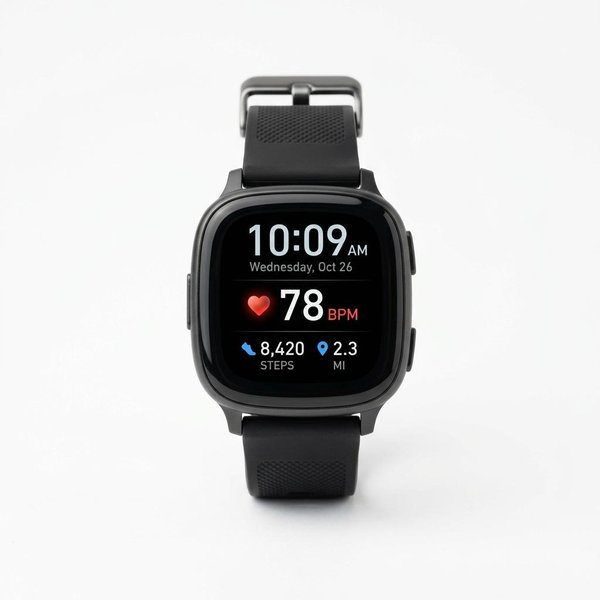
A complete 30-minute workout designed for small apartments. Includes warm-up, strength-cardio circuit, and cool-down with no-jump modifications for noise-sensitive environments.
A 30-minute workout is not a compromise — it is a viable training stimulus when structured correctly. Research published in the Journal of Strength and Conditioning Research (2019) found that 30-minute sessions produced strength and endurance outcomes comparable to 60-minute sessions when total work volume was matched.
This routine requires a 6-by-6-foot floor area and zero to minimal equipment. It is designed for apartment use with noise-conscious modifications throughout.
| Phase | Duration | Purpose |
|---|---|---|
| Warm-up | 5 minutes | Increase body temperature, prepare joints |
| Main circuit | 20 minutes | Strength and cardio combined |
| Cool-down | 5 minutes | Lower heart rate, begin recovery |
| Total | 30 minutes |
This workout can be performed with body weight alone. Optional equipment that expands exercise selection:
| Equipment | What It Adds | Approximate Cost |
|---|---|---|
| Resistance bands (set) | Rows, pull-aparts, assisted exercises | $15–30 |
| Yoga mat | Floor comfort, noise damping | $15–40 |
| Dumbbells (light pair) | Overhead press, rows, loaded carries | $30–60 |
The warm-up transitions your body from resting to working state. It should produce mild sweating and increased breathing rate without fatigue.
Perform 8 controlled rotations in each direction for each joint:
| Exercise | Reps | Cue |
|---|---|---|
| March in place | 30 seconds | Lift knees to hip height, pump arms |
| Bodyweight squat | 10 | Slow descent, pause at bottom |
| Arm cross-overs | 10 | Open chest wide, then hug |
| Alternating reverse lunge | 10 total | Step back, gentle range |
| Inchworm to plank | 5 | Walk hands to plank, walk back |
Noise note: Marching in place produces minimal vibration. If you have downstairs neighbors who are particularly sensitive, perform high-knee marches on a yoga mat or towel.
The main circuit alternates between strength and cardio intervals. This structure — often called peripheral heart action training — maintains elevated heart rate while allowing localized muscle recovery between strength exercises.
Perform 4 rounds of the following 5-station circuit. Each station lasts 40 seconds, followed by 20 seconds of rest/transition. One round = 5 minutes. Four rounds = 20 minutes.
| Station | Exercise (Beginner) | Exercise (Intermediate) | Type |
|---|---|---|---|
| 1 | Bodyweight squat | Jump squat or goblet squat | Legs |
| 2 | Incline push-up (hands elevated) | Standard push-up | Push |
| 3 | Step-up (use a sturdy chair or bottom step) | Alternating jump squat or fast step-up | Legs/Cardio |
| 4 | Resistance band row | Renegade row (dumbbells) or band row | Pull |
| 5 | Plank hold | Mountain climber (slow) | Core |
Beginner — Bodyweight squat:
Intermediate — Jump squat or goblet squat:
Noise modification: Perform all squat variations on a yoga mat or towel to absorb impact.
Beginner — Incline push-up:
Intermediate — Standard push-up:
Form cues (both levels):
Beginner — Step-up:
Intermediate — Fast step-up or jump squat substitute:
Safety note: The chair or step must be stable and not slide. Place it against a wall if possible.
Beginner — Resistance band row:
Intermediate — Renegade row:
No equipment option: Perform Superman holds (lie face down, lift arms and legs, hold) or door frame rows (grasp door frame, lean back, pull).
Beginner — Plank hold:
Intermediate — Mountain climber:
| Round | Duration | Rest After |
|---|---|---|
| 1 | 5 minutes (5 stations x 60 sec) | 0 sec (continuous) |
| 2 | 5 minutes | 0 sec (continuous) |
| 3 | 5 minutes | 0 sec (continuous) |
| 4 | 5 minutes | Complete |
Progression: When 4 rounds becomes manageable, increase to 5 rounds (25 minutes of work). Alternatively, add resistance (dumbbells, bands) rather than adding time.
Walk in place or around the room. Breathing: inhale for 4 counts, exhale for 6 counts.
Hold each stretch for 30 seconds. Breathe deeply. Stretch to mild tension, not pain.
| Stretch | Target | Position |
|---|---|---|
| Standing quad stretch | Quadriceps | Stand, pull heel toward glute, hold wall for balance |
| Forward fold | Hamstrings, lower back | Feet hip-width, hinge at hips, hang forward |
| Chest doorway stretch | Pectorals | Forearm on door frame, step through gently |
| Cross-body shoulder stretch | Deltoids, rotator cuff | Pull arm across chest with opposite hand |
| Kneeling hip flexor | Hip flexors | Kneel on one knee, push hips forward |
| Seated spinal twist | Thoracic spine | Sit, cross one leg over the other, rotate toward bent knee |
| Exercise | Beginner Modification |
|---|---|
| Squat | Reduce depth; use a chair behind you as a reference |
| Push-up | Hands elevated on counter or wall |
| Step-up | Lower step height; hold wall for balance |
| Row | Reduce band tension; reduce range of motion |
| Plank | Knees on floor |
| Mountain climber | Slow tempo; step instead of hop |
| Strategy | Implementation |
|---|---|
| Use a yoga mat | Place under your entire work area to absorb impact |
| Eliminate jumps | Substitute goblet squats for jump squats |
| Controlled landings | When jumping is unavoidable, land softly with bent knees |
| Avoid early morning/late night | Train between 9 AM and 8 PM if possible |
| Communicate with neighbors | Let downstairs neighbors know your training schedule |
Yes. The 30-minute duration is sufficient when intensity is appropriate. The circuit structure maintains elevated heart rate throughout, maximizing work density. A 2019 study in Medicine and Science in Sports and Exercise found that 20–30 minutes of circuit training produced comparable cardiometabolic responses to longer steady-state sessions.
3–4 times per week with at least one rest day between sessions. On non-workout days, perform the daily mobility routine or light walking.
This routine prioritizes work capacity and endurance over maximal strength. For dedicated muscle building, add external load (dumbbells, resistance bands) and increase the strength-stations duration to 50 seconds with 10-second transitions.
Perform the warm-up (2 minutes, abbreviated) and 2 rounds of the main circuit (10 minutes), followed by the two most important stretches: hip flexor and chest doorway stretch (3 minutes).
As an Amazon Associate we earn from qualifying purchases. Exercise recommendations are based on established conditioning principles. Consult a healthcare provider before beginning any exercise program.
| Image | Product | Price | Badge | Link |
|---|---|---|---|---|
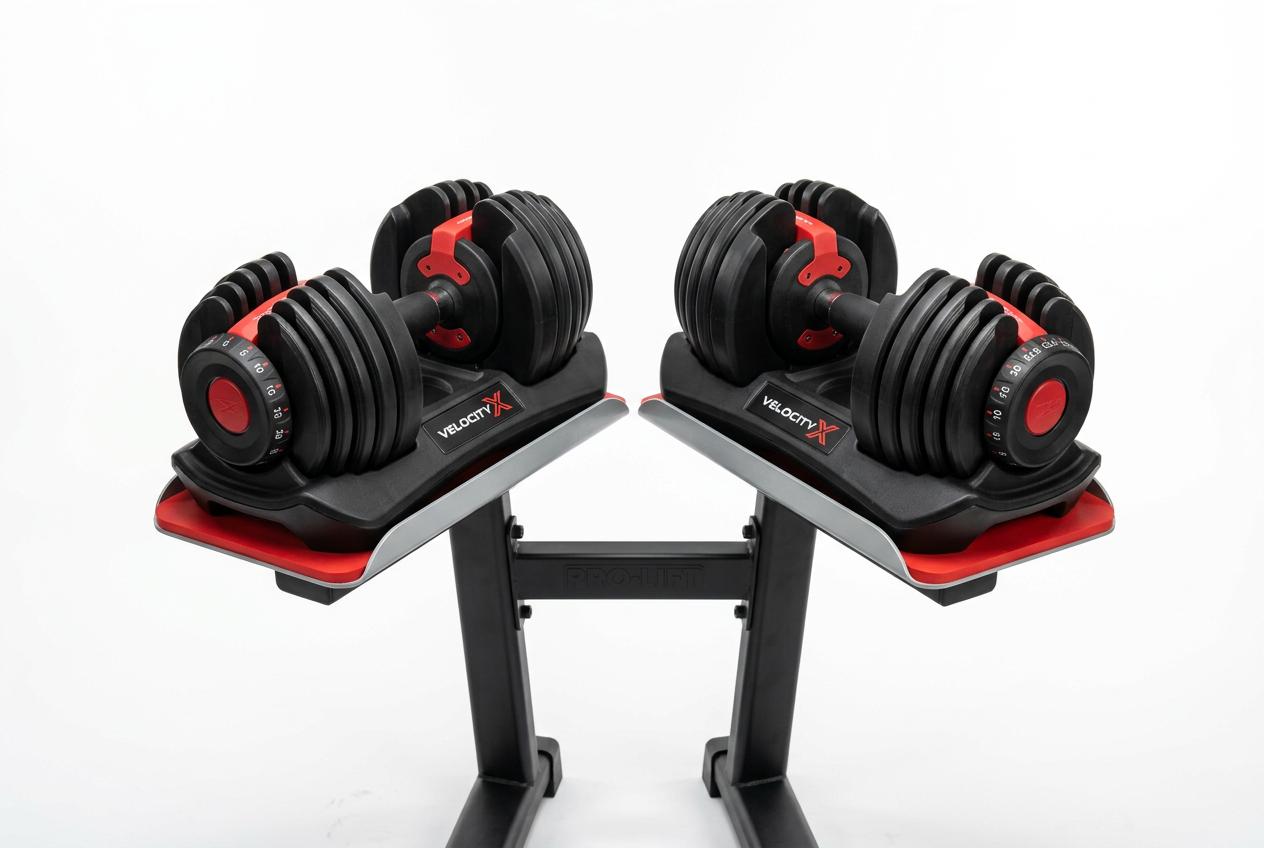 |
Bowflex SelectTech 552 Adjustable Dumbbells | $349.00-$429.00 | Best Overall | Check Price |
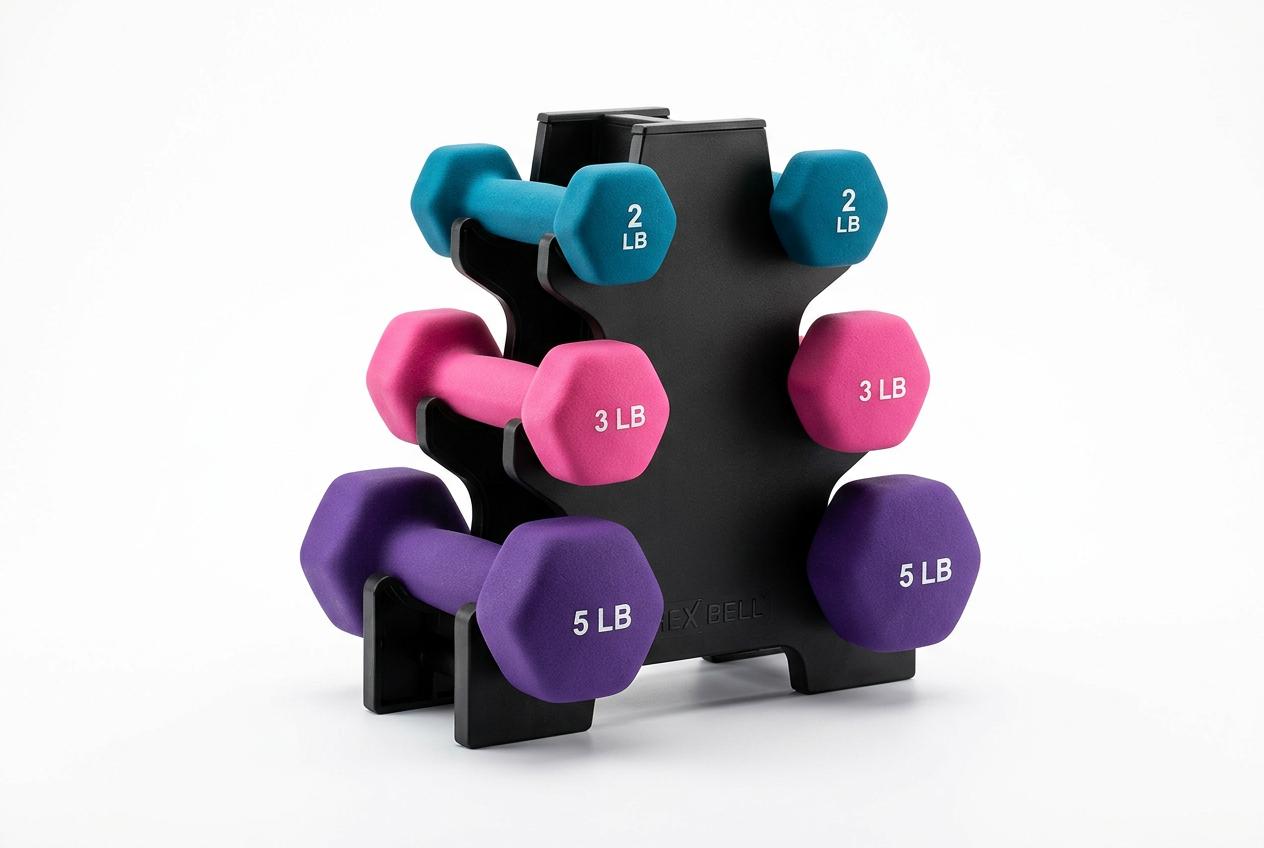 |
AmazonBasics Neoprene Dumbbell Set | $29.99-$49.99 | Best Budget | Check Price |
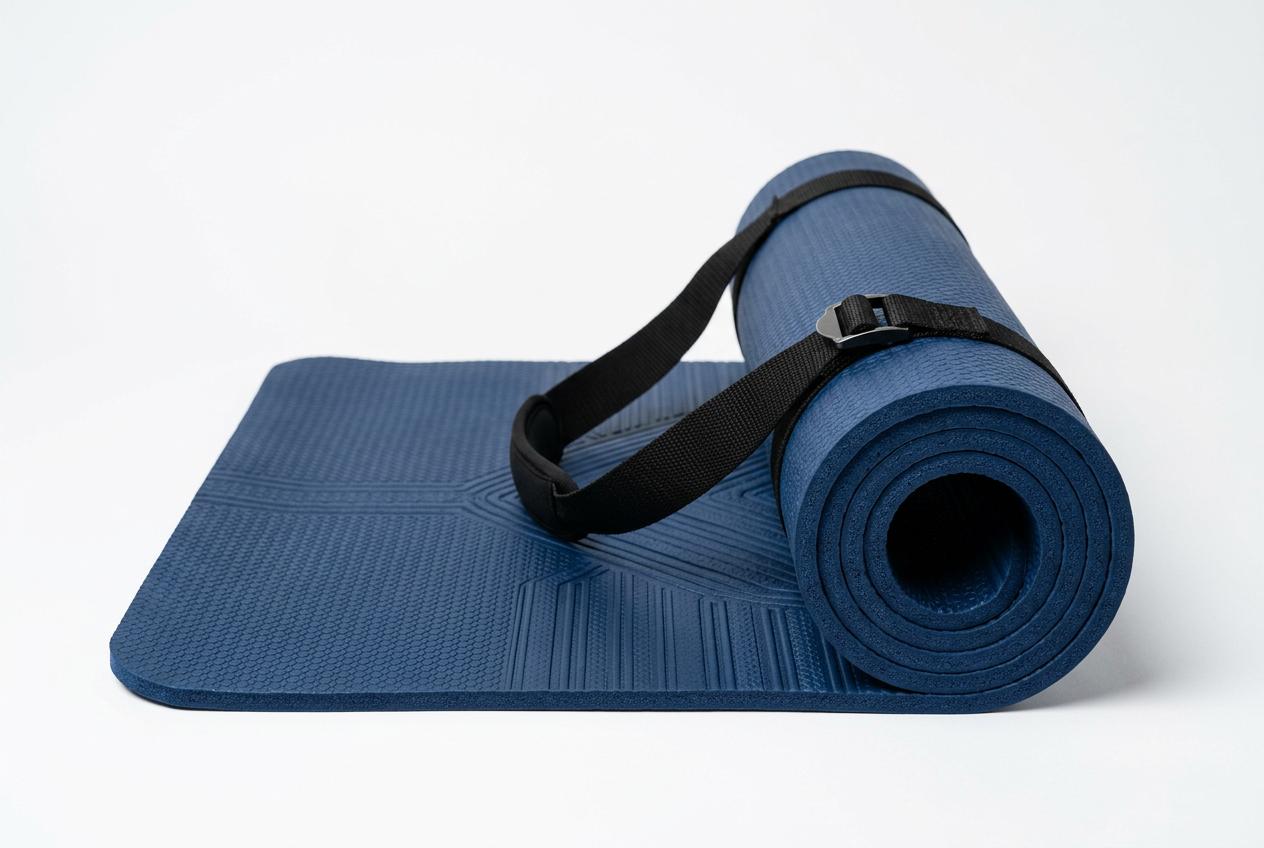 |
Gaiam Essentials Thick Yoga Mat | $21.98-$29.99 | Most Versatile | Check Price |
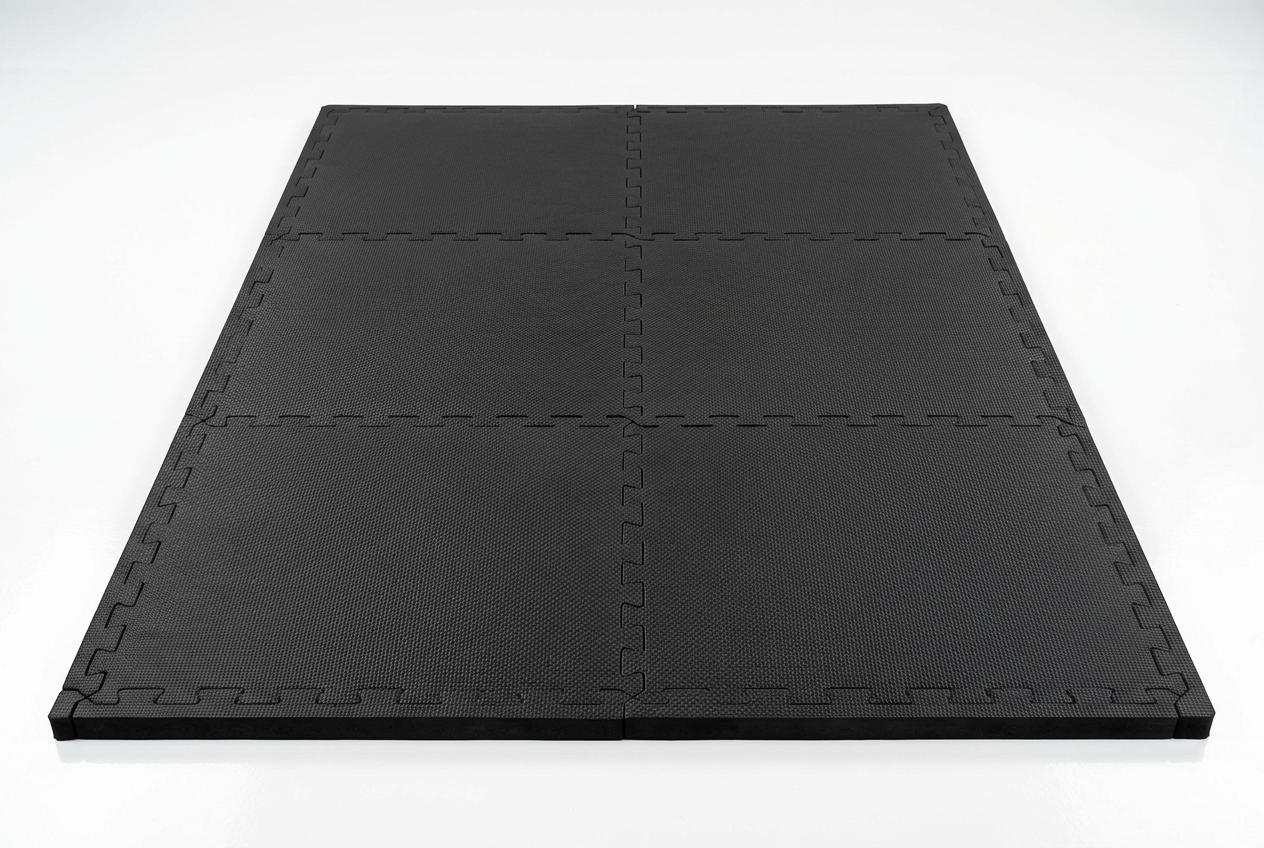 |
ProsourceFit Puzzle Exercise Mat | $24.99-$39.99 | Best for Floor Protection | Check Price |
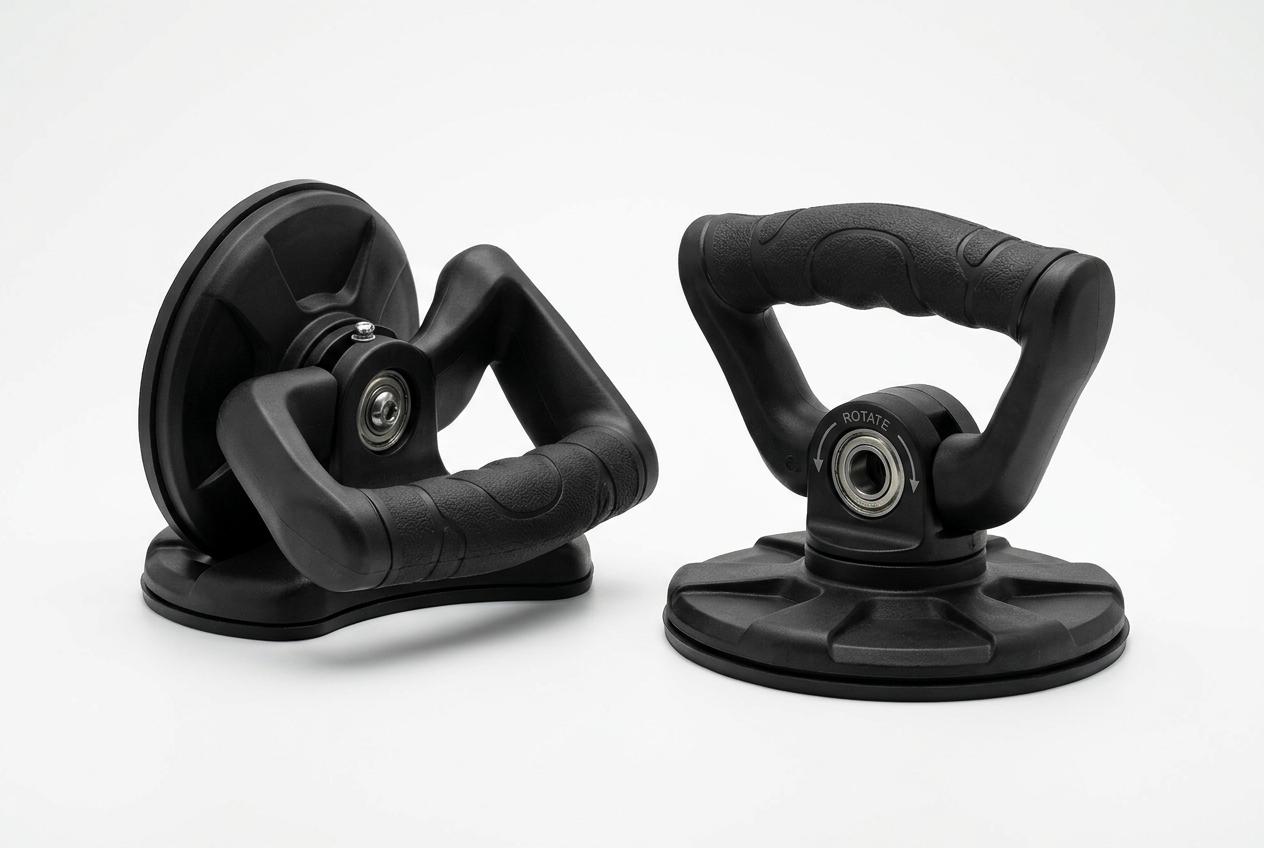 |
Perfect Fitness Push-Up Stands | $14.99-$19.99 | Best Upper Body Add-On | Check Price |
The gold standard in adjustable dumbbells, replacing an entire rack of weights with a compact system ideal for comprehensive 30-minute apartment workouts.
An affordable, colorful dumbbell set that provides the essentials for lighter resistance work and high-rep apartment circuits.
A well-cushioned, generously sized yoga mat that serves as the foundation for any 30-minute apartment workout routine.
Interlocking foam tiles that transform any apartment floor into a protected workout zone, dampening noise and shielding surfaces from equipment damage.
Ergonomic rotating push-up handles that maximize chest and tricep engagement while protecting wrists during high-rep upper-body circuits.
The Bowflex SelectTech 552s are arguably the best investment you can make for a 30-minute apartment workout routine. With the twist of a dial, you can seamlessly transition from lightweight lateral raises to heavy goblet squats and Romanian deadlifts without pausing your circuit. The compact design means a full 5-to-52.5-pound weight range fits in less than two square feet of floor space. While they demand a premium price, they eliminate the need for an entire dumbbell rack that would be impossible to fit in most apartments.
Check Price on Amazon
This AmazonBasics Neoprene Set is a fantastic entry point for beginners building 30-minute apartment workout routines. The 2, 3, and 5-pound pairs cover everything from light warm-up movements to higher-rep strength endurance circuits, while the included storage stand keeps everything organized in a corner. The hexagonal shape is a thoughtful touch that prevents dumbbells from rolling under furniture on sloped apartment floors. For the price, it is an unbeatable starter set.
Check Price on Amazon
The Gaiam Essentials Thick Yoga Mat provides the comfortable foundation you need for the floor-based portions of a 30-minute apartment workout. Its 2/5-inch thickness offers enough cushioning for planks, push-ups, and core work on hard floors without being so thick that it compromises stability. The textured sticky surface provides excellent grip even as sweat builds up during a circuit, and the included carry strap makes it effortless to roll up and stash away after your workout.
Check Price on Amazon
The ProsourceFit Puzzle Mat is essential for anyone doing 30-minute workouts in a rented apartment. These interlocking EVA foam tiles create a protective barrier between your equipment and the floor, preventing damage from dropped dumbbells and bodyweight pressure points. The 1-inch thickness provides excellent shock absorption that significantly reduces noise transmission to neighbors below. Assembly takes minutes and the tiles can be arranged to fit any room layout, with border pieces for a clean, finished look.
Check Price on Amazon
The Perfect Fitness Push-Up Stands elevate a basic bodyweight exercise into a more effective muscle-builder through their innovative rotating design. The handles pivot as you press, which engages more stabilizer muscles throughout the chest, shoulders, and core while significantly reducing wrist strain that can occur with flat-palm push-ups. Their compact footprint means they take up virtually no storage space, and the stable base with rubber grips keeps them firmly planted on any apartment floor surface during intense sets.
Check Price on Amazon