10-Minute HIIT Workout for Apartments: Burn Fat, Save Time
An intense 10-minute HIIT workout designed for apartments. Burn maximum calories with minimal space and no equipment nee...

Research-backed guide to amrap workout guide for small-space home gyms.
This post contains affiliate links. As an Amazon Associate, SnugGym earns from qualifying purchases. All opinions remain our own.
AMRAP — As Many Rounds (or Reps) As Possible — represents one of the most effective and time-efficient workout formats in contemporary fitness programming. By combining time-capped intensity with self-paced work capacity, AMRAP training produces unique physiological adaptations that distinguish it from traditional set-and-repetition schemes or steady-state cardiovascular exercise.
Research published in the Journal of Strength and Conditioning Research demonstrates that AMRAP-style circuit training produces comparable strength adaptations to traditional resistance training while simultaneously eliciting cardiovascular responses that meet or exceed moderate-intensity aerobic exercise guidelines. This dual-stimulus efficiency makes AMRAP particularly valuable for home gym practitioners seeking maximum results within limited time availability.
The format's origins in CrossFit methodology have expanded into broader fitness applications, with AMRAP protocols now employed in military physical training, corporate wellness programs, sports conditioning, and rehabilitation settings. The adaptability of the format — exercises, durations, equipment, and intensities can be modified infinitely — enables virtually any exerciser to benefit from AMRAP training regardless of fitness level, available equipment, or specific goals.
AMRAP stands for "As Many Rounds As Possible" (when referring to multi-exercise circuits) or "As Many Reps As Possible" (when referring to single-exercise challenges). The defining characteristic is a predetermined time duration during which the exerciser performs the prescribed work continuously, resting only as needed, until the time expires.
Core Structure:
Example: 15-minute AMRAP of 10 push-ups, 15 squats, 20 sit-ups. If you complete 4 full rounds and 7 push-ups in the fifth round, your score is "4 rounds + 7 reps."
AMRAP training simultaneously develops multiple energy systems. The sustained elevated heart rate targets aerobic capacity, while the intermittent high-output bursts engage anaerobic glycolysis and creatine phosphate systems. Research from International Journal of Exercise Science confirms that AMRAP circuits achieve heart rate zones comparable to traditional cardio (70–85% HRmax) while producing additional strength and muscular endurance adaptations.
A well-designed 15–20 minute AMRAP can deliver training stimuli that require 45+ minutes to achieve through traditional resistance training followed by separate cardiovascular exercise. For home gym users with occupational and familial time constraints, this efficiency determines training consistency.
The scoring mechanism inherent in AMRAP — recording rounds and reps — creates objective performance feedback that drives motivation and adherence. Unlike steady-state cardio where the only metric is duration, AMRAP provides quantifiable benchmarks for progressive improvement. Each workout becomes an opportunity to exceed previous performance.
Work capacity — the ability to sustain power output over time — is the foundational fitness attribute that determines performance across all other domains. AMRAP training specifically targets this capacity by requiring maintained output under accumulating fatigue. Improved work capacity translates directly to better performance in sport, occupation, and daily life.
AMRAP format inherently accommodates daily performance variation. On high-energy days, output increases naturally; on recovery days, pace moderates without requiring pre-planned program modifications. This self-regulating characteristic reduces the risk of overtraining while maintaining training consistency.
Effective AMRAP circuits balance movement patterns, equipment requirements, and fatigue profiles:
Primary Movement Categories (include at least one from each):
| Category | Examples | Fatigue Profile |
|---|---|---|
| Upper body push | Push-ups, dips, overhead press | Moderate, manageable |
| Upper body pull | Pull-ups, rows, curls | High grip demand |
| Lower body quad-dominant | Squats, lunges, step-ups | High cardiovascular demand |
| Lower body hinge | Kettlebell swings, deadlifts, broad jumps | Posterior chain fatigue |
| Core | Sit-ups, planks, leg raises | Local muscular endurance |
| Cardio/conditioning | Jump rope, burpees, high knees | Maximum heart rate elevation |
Exercise Selection Guidelines:
| Duration | Primary Stimulus | Appropriate For |
|---|---|---|
| 5–7 minutes | Maximum power output, anaerobic capacity | Conditioning finishers, experienced athletes |
| 8–12 minutes | High-intensity mixed modal, glycolytic emphasis | General fitness, time-constrained sessions |
| 13–20 minutes | Sustained aerobic power, work capacity | Primary training stimulus for most goals |
| 21–30 minutes | Endurance emphasis, mental toughness | Advanced trainees, specific endurance goals |
Target 2–4 minutes per round for circuits with 3–6 exercises. This pace allows sustainable output without early fatigue-induced collapse. Calculate: if your estimated round time is 90 seconds, a 12-minute AMRAP should yield approximately 8 rounds.
Complete as many rounds as possible in 10 minutes:
Scoring note: 1 round = all four movements completed. Record rounds + reps.
Complete as many rounds as possible in 15 minutes:
Complete as many rounds as possible in 20 minutes:
This is the classic "Cindy" CrossFit benchmark workout. Advanced athletes target 15+ rounds.
Complete as many rounds as possible in 12 minutes:
Complete as many rounds as possible in 15 minutes:
Maintain a training log recording:
Progress indicators: Increasing score over repeated identical workouts demonstrates improved work capacity. Track benchmark AMRAPs (retest monthly) rather than comparing dissimilar sessions.
| Mistake | Correction |
|---|---|
| Sprinting the first round | Pace from the beginning; aim for negative or even splits |
| Ignoring movement quality | Stop and reset when technique degrades; quality over quantity |
| No warm-up | Minimum 5-minute dynamic warm-up required |
| Comparing to others | AMRAP is individual; your score vs. your previous score matters |
| Daily high-intensity AMRAPs | Limit to 2–3 AMRAP sessions weekly; recovery requires lower intensity days |
| Neglecting scoring | Record every score; the tracking drives progression |
| Scaling too aggressively | Choose appropriate difficulty; too easy wastes training time, too hard causes breakdown |
This progressive program integrates AMRAP training into a balanced weekly structure. Perform on Monday, Wednesday, and Friday with active recovery (walking, yoga, swimming) on Tuesday, Thursday, and Saturday. Rest Sunday.
Monday — 10-minute AMRAP (Beginner) / 12-minute AMRAP (Intermediate) / 15-minute AMRAP (Advanced):
Wednesday — 8-minute AMRAP:
Friday — 12-minute AMRAP:
Monday — 12-minute AMRAP:
Wednesday — 10-minute AMRAP:
Friday — 15-minute AMRAP:
Monday — 15-minute AMRAP:
Wednesday — 12-minute AMRAP:
Friday — 18-minute AMRAP:
Monday — Repeat Week 1 Monday workout: Same movements, same duration — beat your Week 1 score.
Wednesday — 15-minute AMRAP:
Friday — 20-minute AMRAP (Benchmark "Cindy"):
Record this score; retest monthly to track work capacity development.
For general fitness with limited time, 3 AMRAP sessions weekly (15–20 minutes each) supplemented with 2 low-intensity cardio sessions (30-minute walks) and 2 mobility sessions provides comprehensive conditioning.
After traditional strength training (45 minutes of set/rep schemes), add a 5–10 minute AMRAP finisher for metabolic conditioning:
Example finishers:
Light, low-intensity AMRAPs (12–15 minutes at RPE 5–6/10) with mobility-focused movements serve as recovery sessions between heavy training days:
Example recovery AMRAP:
Q: How often should I do AMRAP workouts? A: 2–3 times weekly for most individuals. Daily AMRAP training produces excessive accumulated fatigue and insufficient recovery. Alternate with lower-intensity training formats.
Q: Should I lift heavy before AMRAP or do AMRAP before heavy lifting? A: If combining in a single session, perform heavy strength work first when the nervous system is fresh, then use AMRAP as a finisher. Separate sessions (heavy in morning, AMRAP in evening) allow better performance in both.
Q: How do I improve my AMRAP scores? A: Three primary strategies: (1) improve individual movement efficiency (better technique = faster reps), (2) improve pacing strategy (avoid early sprinting), (3) improve general fitness (stronger, better conditioned = higher sustainable output).
Q: Are AMRAP workouts good for building muscle? A: Moderately effective for hypertrophy, but not optimal. Traditional set/rep schemes with controlled tempos and near-failure sets produce superior muscle growth. Use AMRAP primarily for conditioning and work capacity; supplement with dedicated strength work for muscle building.
Last updated: April 2026. Consult a physician before beginning any new exercise program.
| Image | Product | Price | Badge | Link |
|---|---|---|---|---|
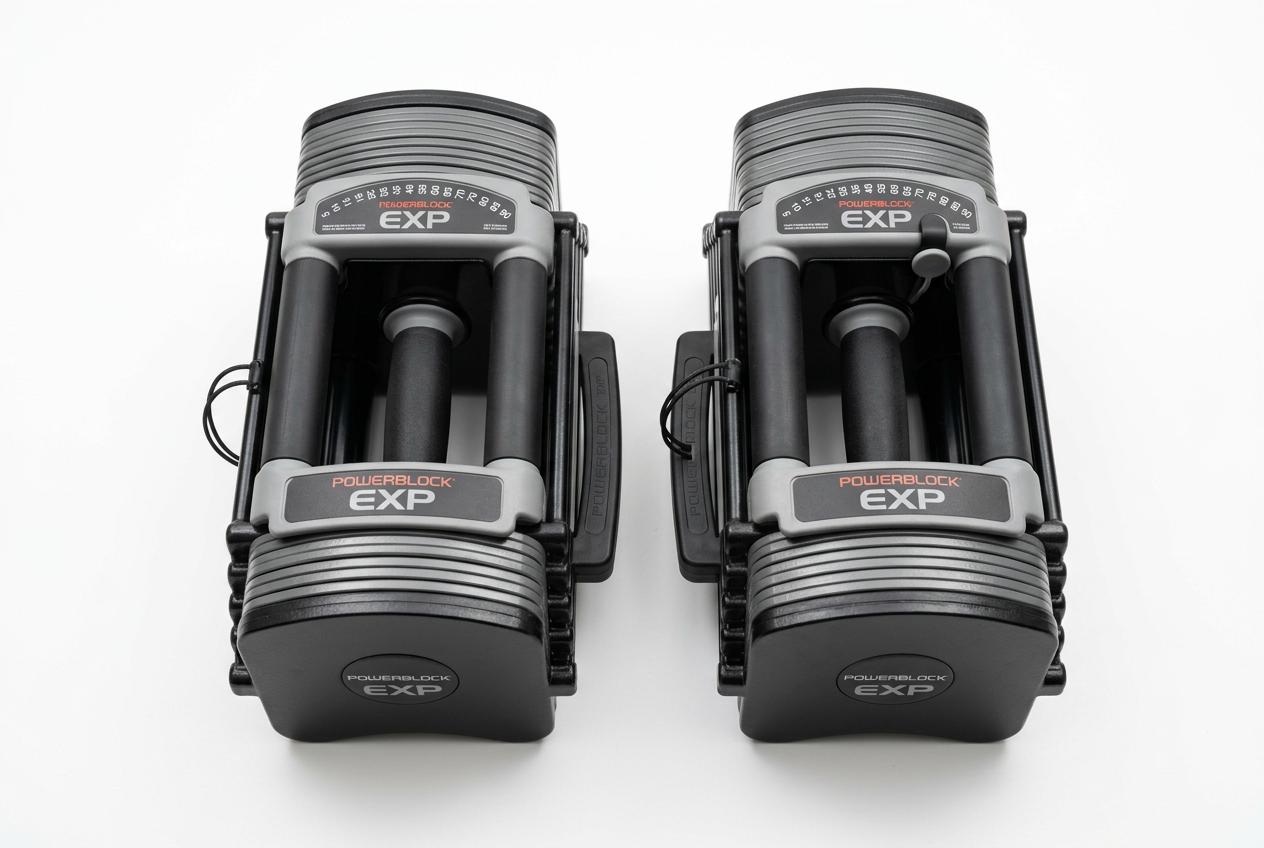 |
PowerBlock EXP Stage 1 Adjustable Dumbbells | $359-$449 | Best Overall | Check Price |
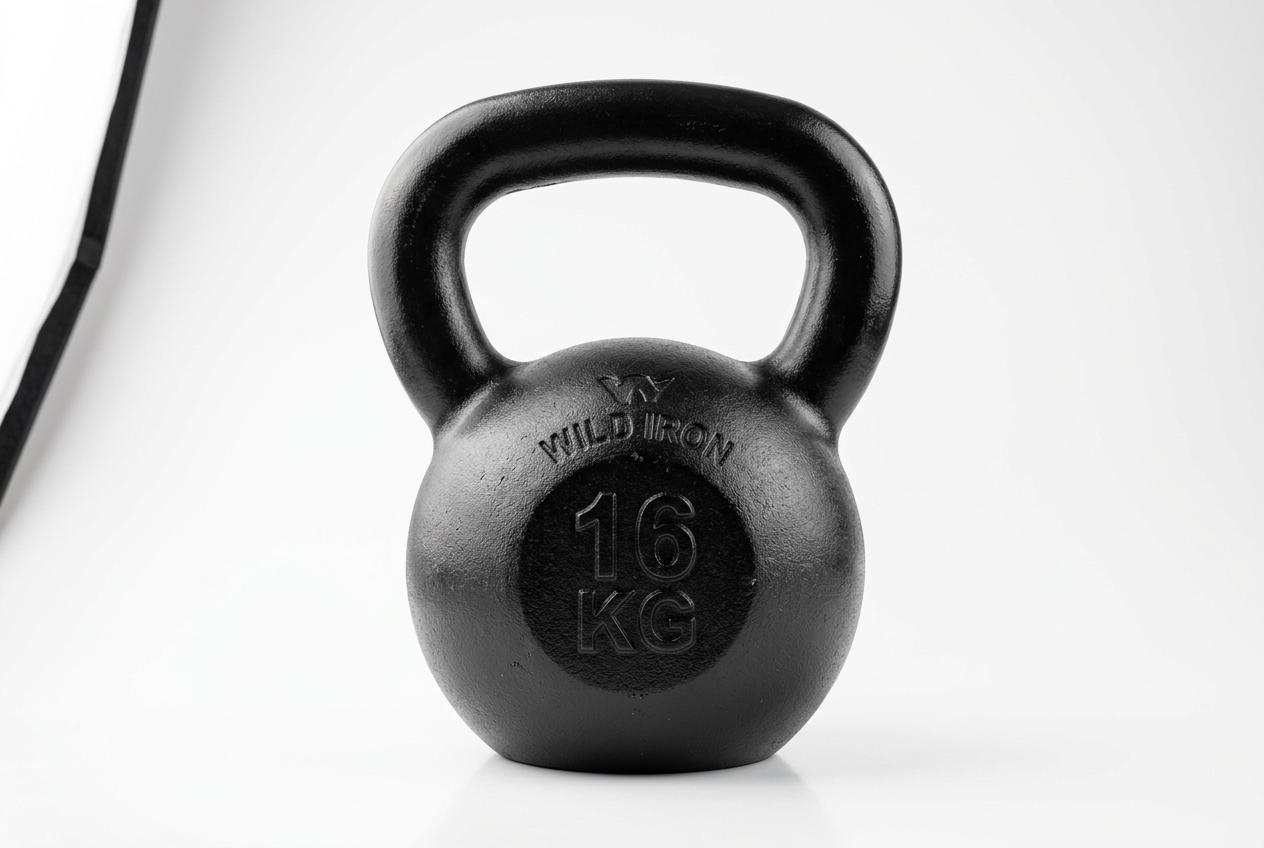 |
Rogue Fitness Kettlebell | $45-$135 | Best for Strength | Check Price |
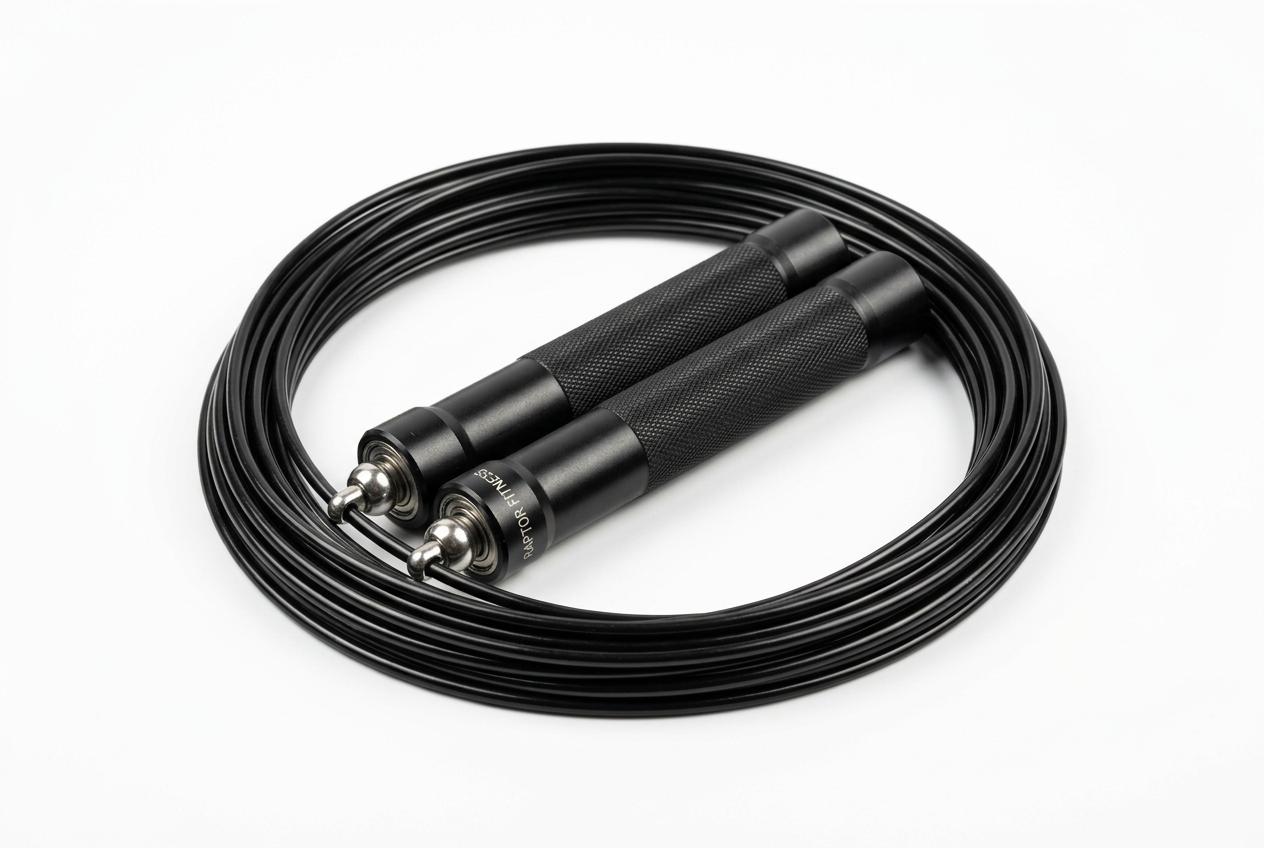 |
Sonic Boom M2 High Speed Jump Rope | $19-$29 | Best Budget | Check Price |
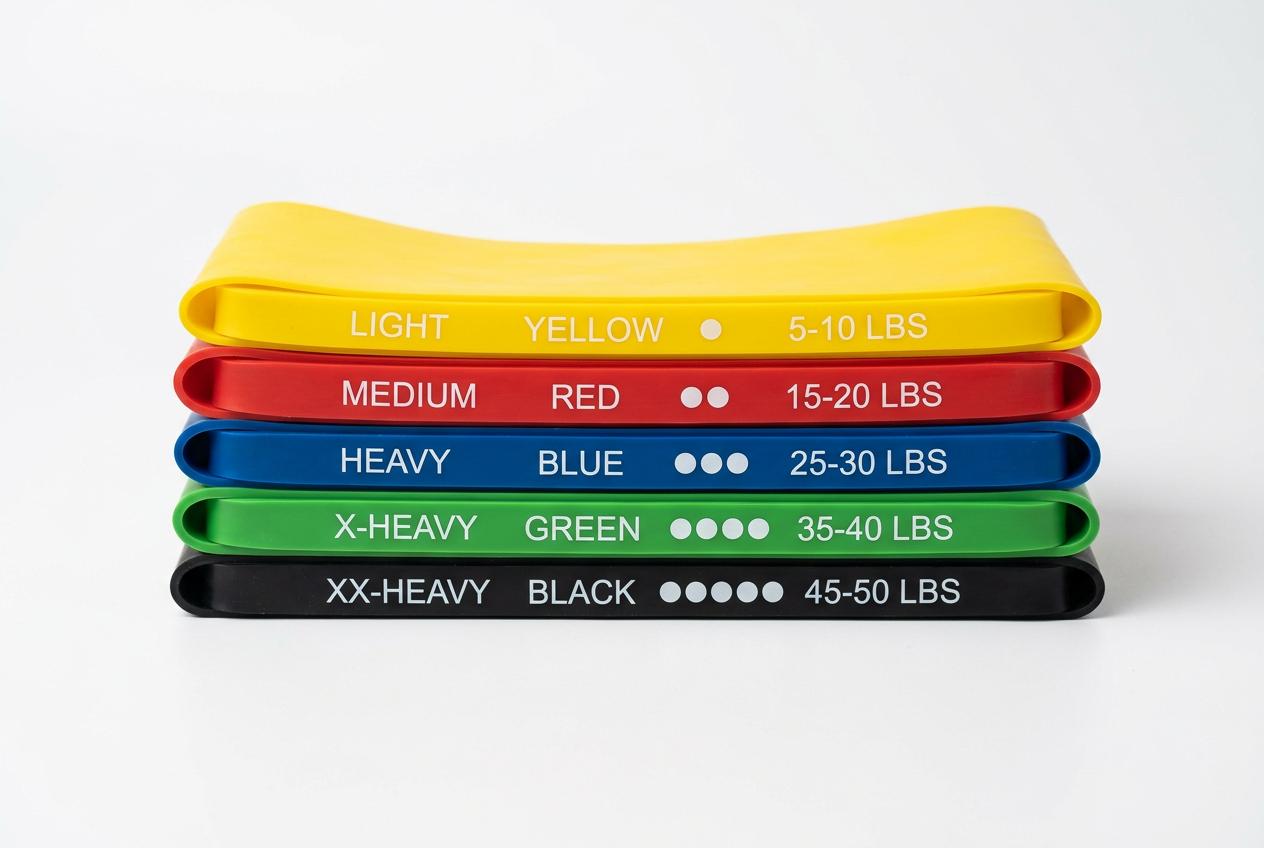 |
Fit Simplify Resistance Loop Exercise Bands | $9-$14 | Best Value | Check Price |
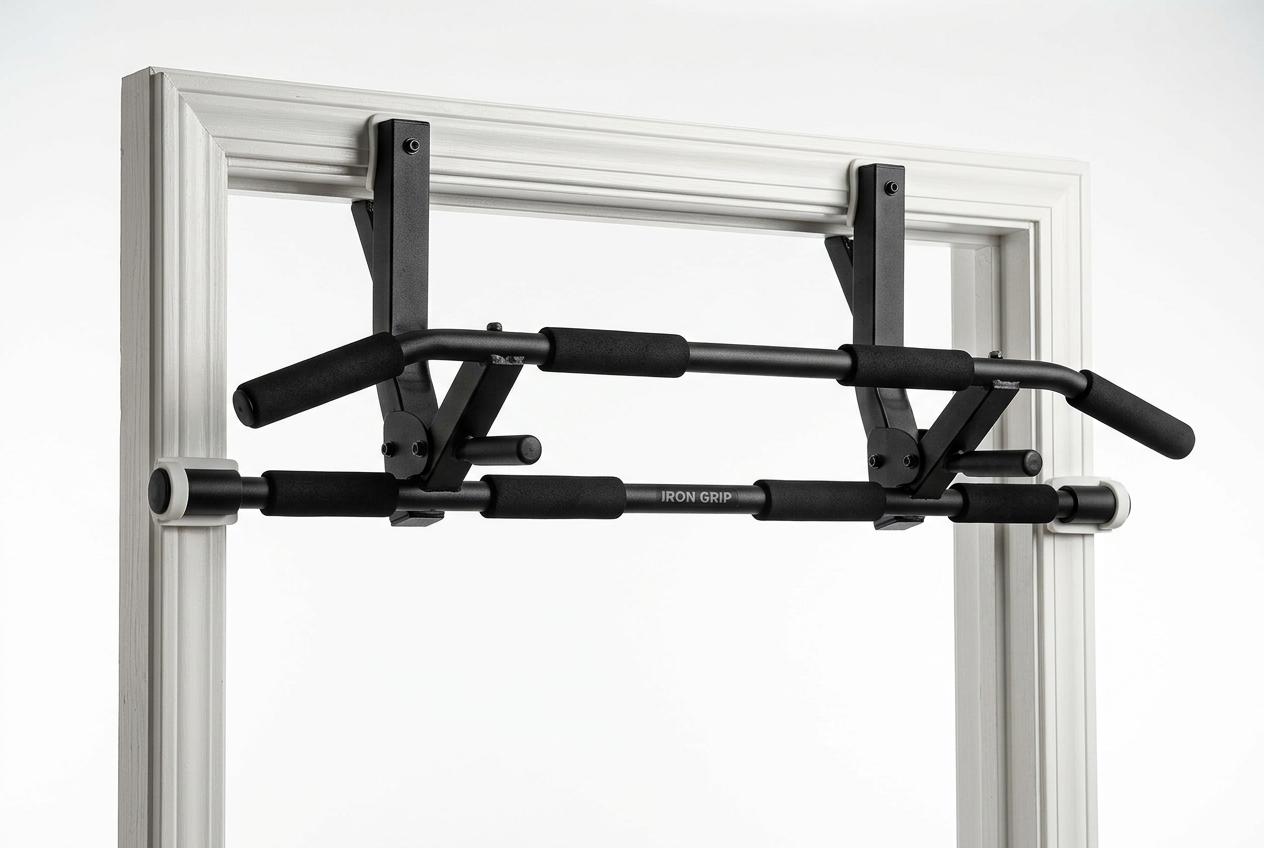 |
ProsourceFit Multi-Grip Pull-Up Bar | $34-$49 | Best for Small Spaces | Check Price |
The most expandable and durable adjustable dumbbell system, ideal for rapidly changing weights during high-intensity AMRAP sessions.
A competition-grade cast iron kettlebell built for high-rep AMRAP swings, snatches, and cleans with unmatched durability.
A premium speed rope with self-locking adjustment and ball-bearing rotation, perfect for double-unders and conditioning AMRAPs.
An ultra-affordable set of five resistance bands providing scalable resistance for AMRAP warm-ups, assistance, and accessory work.
A versatile 12-grip doorway pull-up bar that maximizes back and biceps training options for AMRAP upper-body circuits.
The PowerBlock EXP is the ultimate dumbbell for AMRAP training, where quick weight transitions are essential to maintaining intensity. Its innovative pin-selector system lets you change resistance in seconds, keeping your heart rate elevated throughout the workout. The expandable design means you can start with 5-50 pounds and add stages as you get stronger, making it a long-term investment that grows with your fitness level through every AMRAP progression.
Check Price on Amazon
Rogue Fitness kettlebells are the gold standard for serious AMRAP practitioners, offering a perfectly balanced, single-piece cast iron design that can withstand thousands of high-rep swings and snatches. The powder-coat finish provides a secure grip even when your hands are sweating buckets during intense circuits, and the color-coded handles let you identify weights at a glance when transitioning between exercises. For AMRAP kettlebell work, nothing beats the feel and durability of a Rogue.
Check Price on Amazon
The Sonic Boom M2 is a game-changer for AMRAP workouts that include jump rope intervals, offering a silky-smooth ball-bearing rotation that makes double-unders feel effortless. The self-locking length adjustment means you can customize it in seconds, and the included spare cable ensures you're never sidelined by a worn cord. At under $25, it delivers pro-level performance that elevates any conditioning-focused AMRAP routine without breaking the bank.
Check Price on Amazon
The Fit Simplify Resistance Loop Bands are an essential, budget-friendly tool for AMRAP training, providing five levels of resistance that cover everything from glute activation warm-ups to challenging banded push-ups and pull-up assistance. Made from 100% natural latex, these bands maintain their elasticity through hundreds of workouts, and their compact size means you can take your AMRAP routine anywhere. For under $15, no home gym should be without a set.
Check Price on Amazon
The ProsourceFit Multi-Grip Pull-Up Bar is the perfect addition to AMRAP-focused home gyms, offering an incredible 12 grip positions that let you target every angle of your back and biceps during high-rep circuits. The heavy-duty steel frame supports up to 400 pounds with confidence, while the padded grips keep your hands comfortable through marathon pull-up AMRAP sessions. Best of all, it installs in seconds with no drilling required, making it ideal for renters.
Check Price on Amazon