10-Minute HIIT Workout for Apartments: Burn Fat, Save Time
An intense 10-minute HIIT workout designed for apartments. Burn maximum calories with minimal space and no equipment nee...
SnugGym is an Amazon Associate. We earn from qualifying purchases at no extra cost to you. Learn more
Research-backed guide to the 5x5 strength training protocol adapted for home gym equipment. Includes progression models, exercise selection, and 12-week program structure.
The 5x5 training protocol — five sets of five repetitions on core compound exercises — is among the most studied and time-tested approaches to building strength in natural trainees. The structure traces its lineage through Reg Park's three-times-per-week full-body routines of the 1950s, Bill Starr's football strength programs of the 1970s, and the modern StrongLifts and Starting Strength adaptations that have introduced millions of beginners to barbell training.
The protocol's endurance is not accidental. Five repetitions at approximately 80-85% of one-rep maximum represents a loading zone that produces robust neural adaptations — enhanced motor unit recruitment, increased firing frequency, and improved intermuscular coordination — while generating sufficient mechanical tension and volume to stimulate muscle growth. The five-set structure accumulates enough total volume (25 reps per exercise) to drive adaptation without the excessive duration that discourages adherence.
This guide presents a 5x5 program adapted for home gym environments, with equipment selection, exercise modifications, and progression protocols suited to lifters training without commercial gym infrastructure or coaching oversight.
The 5x5 configuration occupies a specific position in the training parameter space:
| Parameter | 5x5 Value | Comparison to Alternatives |
|---|---|---|
| Load | 80-85% 1RM | Heavy enough for neural adaptation; light enough for technique practice |
| Reps per set | 5 | Sufficient for metabolic stress; few enough to maintain bar speed |
| Sets per exercise | 5 | Adequate volume stimulus; limited enough for 60-75 minute sessions |
| Total reps per exercise | 25 | Within the 20-40 rep range associated with optimal strength development |
| Rest between sets | 3-5 min | Allows phosphocreatine recovery for sustained force output |
| Time per session | 45-75 min | Sustainable for long-term adherence |
Research by Schoenfeld et al. (2014) in the Journal of Strength and Conditioning Research established that loads above 65% of 1RM are required to recruit the high-threshold motor units that drive both strength and hypertrophy in trained individuals. At 80-85% of 1RM, virtually all available motor units are recruited by the third or fourth rep of each set, meaning every set provides near-maximal neural stimulation.
A 2017 meta-analysis by Grgic et al. in the European Journal of Sport Science found that set volumes of 15-30 reps per muscle group per session produced optimal strength gains in trained lifters. The 5x5 protocol's 25 total reps per exercise falls squarely within this range for the primary muscles targeted by each compound movement.
The 5x5 protocol produces a hybrid of strength-specific neural adaptations and moderate hypertrophy. At 80-85% loads, the primary adaptation mechanism is neural: the nervous system learns to recruit motor units more efficiently, synchronize firing patterns, and reduce antagonistic muscle co-contraction that limits force output. These neural gains explain why novice lifters can double their strength in the first 3-6 months with minimal visible muscle growth — the muscle they have is simply being used more effectively.
Hypertrophy occurs concurrently but at a slower rate than higher-rep protocols. The mechanical tension at 80-85% is sufficient to activate mTOR signaling (the primary molecular pathway for muscle protein synthesis), but the total time under tension per set (approximately 20-30 seconds at typical tempos) is at the lower end of the hypertrophy-effective range. Lifters seeking maximum muscle size often transition to higher-rep protocols after establishing a strength base with 5x5.
The 5x5 protocol requires specific equipment to perform the core exercises with full effectiveness:
| Equipment | Purpose | Minimum Specification |
|---|---|---|
| Barbell + weight plates | Primary loading tool | Olympic 7-foot bar, 300+ lb of plates |
| Power rack or squat stand | Squat and press safety | Adjustable J-hooks, safety pins at minimum |
| Flat bench | Bench press, rows | Rated 600+ lb capacity |
| Floor protection | Deadlift and row platform | 3/4-inch rubber stall mat minimum |
Home gym users training without a spotter must prioritize safety equipment:
Users with limited equipment can substitute as follows:
| Standard Exercise | Substitution | Effectiveness |
|---|---|---|
| Barbell back squat | Goblet squat with heavy dumbbell | Moderate — limited by dumbbell weight |
| Barbell bench press | Dumbbell bench press | Good — greater range of motion, lower absolute load |
| Barbell deadlift | Trap bar deadlift or dumbbell Romanian deadlift | Good (trap bar) / Moderate (dumbbell) |
| Barbell overhead press | Dumbbell shoulder press | Good — requires more stabilization |
| Barbell row | Dumbbell row or chest-supported row | Good — single-arm allows greater load per side |
The 5x5 program centers on compound exercises that engage multiple muscle groups and allow the heaviest loading. The classic five-exercise rotation:
Back Squat: High-bar position (bar rests on upper trapezius, not low on rear deltoids). Feet shoulder-width or slightly wider, toes angled outward 15-30 degrees. Break at hips and knees simultaneously. Descend until hip crease breaks below top of knee (below-parallel). Drive through mid-foot on ascent. Maintain neutral spine throughout.
Bench Press: Shoulder blades retracted and depressed (pinched together and down). Feet flat on floor. Grip width: forearms vertical at bottom position. Lower bar to mid-chest with elbows tucked 45-75 degrees from torso. Press in a slight arc back toward the rack.
Barbell Row: Hip hinge position with torso approximately 45 degrees to floor. Grip at bench press width. Pull bar to lower chest/upper abdomen. Lower under control. Maintain rigid hip hinge position — do not round the lower back.
Overhead Press: Standing, bar at upper chest/clavicle height. Grip slightly wider than shoulders. Press bar in a slight arc (up and back) so it clears the face. Lock out with biceps near ears. Do not use excessive lower back arch — the torso should remain vertical.
Deadlift: Feet hip-width, bar over mid-foot. Grip just outside legs. Hinge at hips, bend knees until shins touch bar. Lift chest, flatten back. Drive floor away, dragging bar up legs. Lock out hips and knees simultaneously. Lower by hinging at hips first, then bending knees once bar passes them.
Alternate Workout A and Workout B three times per week on non-consecutive days:
| Week | Monday | Wednesday | Friday |
|---|---|---|---|
| All | A | B | A |
| (next) | B | A | B |
This Monday-Wednesday-Friday schedule provides 48 hours of recovery between sessions — the minimum generally recommended for the same muscle groups. The squat is performed every session; bench and row alternate with press and deadlift.
The defining feature of a 5x5 program is linear progression: add a small amount of weight to each exercise at every successful session. The standard increments:
| Exercise | Increment per Session | Weekly Increase (3 sessions) |
|---|---|---|
| Squat | 5 lb (2.5 lb per side) | 15 lb |
| Bench press | 5 lb | 15 lb |
| Row | 5 lb | 15 lb |
| Overhead press | 2.5-5 lb | 7.5-15 lb |
| Deadlift | 10 lb (5 lb per side) | 30 lb |
For beginners with no prior barbell experience, start with:
| Exercise | Starting Weight (Male) | Starting Weight (Female) | Notes |
|---|---|---|---|
| Squat | Empty bar (45 lb) | Empty bar or 35-lb bar | Learn movement pattern |
| Bench press | Empty bar | Empty bar or 35-lb bar | Establish technique |
| Row | Empty bar | Empty bar or 35-lb bar | Build hip hinge endurance |
| Overhead press | Empty bar | Empty bar or 35-lb bar | Shoulder mobility development |
| Deadlift | 95 lb (bar + 25s) | 65 lb (light bar + 15s) | Grip and hinge pattern |
For lifters with prior experience, start at approximately 50% of estimated 5-rep maximum and progress using the standard increments until the linear progression stalls.
| Phase | Weeks | Focus | Modification |
|---|---|---|---|
| Technique acquisition | 1-2 | Movement pattern mastery | Add 5 lb per session regardless of perceived ease |
| Accelerated progression | 3-6 | Rapid strength gains | Standard 5 lb (squat/bench/row), 10 lb (deadlift) |
| grind phase | 7-10 | Sustained linear progression | Reduce to 2.5 lb increments on press if stalling |
| Intensification | 11-12 | Prepare for next block | May reduce to 3 sets of 5 if recovery compromised |
Stalling — failing to complete all 5 sets of 5 reps with proper form — is expected after 8-12 weeks of consistent linear progression. The standard response protocol:
The core 5x5 program targets major muscle groups through compound movements. Assistance work addresses potential imbalances and weak points:
| Assistance Exercise | Sets x Reps | Target | Schedule |
|---|---|---|---|
| Pull-ups or lat pulldown | 3 x 8-10 | Vertical pulling, lat width | After Workout A |
| Dumbbell curls | 3 x 10-12 | Elbow flexion, biceps | After Workout A |
| Face pulls or rear delt fly | 3 x 15-20 | Rear deltoid, shoulder health | After Workout B |
| Hanging leg raises or ab wheel | 3 x 10-15 | Abdominal strength | After Workout B |
| Farmer's carries | 3 x 40 steps | Grip, core stability | After either workout |
Assistance work should not exceed 20 minutes or detract from the primary lifts. If the core 5x5 work is already consuming 75+ minutes, reduce assistance volume or move it to off days.
Research by Knowles et al. (2018) in the Journal of Musculoskeletal and Neuronal Interactions found that sleep durations below 7 hours were associated with 30% slower strength gains compared to 7-9 hour sleep in trainees following identical programs. The 5x5 protocol's heavy loading and frequent training demand adequate recovery: target 7-9 hours of sleep per night, with consistent bed and wake times.
The 5x5 protocol requires sufficient caloric intake to support recovery and adaptation. For strength-focused goals:
Every 4-6 weeks, or when subjective fatigue accumulates (persistent soreness, declining motivation, disrupted sleep), implement a deload week:
| Exercise | Deload Load | Sets x Reps |
|---|---|---|
| Squat | 80% of working weight | 3 x 5 |
| Bench/Row/Press | 80% of working weight | 3 x 5 |
| Deadlift | 80% of working weight | 1 x 5 |
The deload allows recovery of the nervous system, connective tissue, and endocrine system without complete cessation of training. Return to the deloaded weight (not the pre-deload weight) and resume linear progression.
The 5x5 strength program provides a research-supported, time-efficient framework for developing foundational strength in home gym environments. Its emphasis on compound barbell movements, progressive overload, and full-body frequency produces rapid neural adaptations in beginners and sustained strength development in intermediate lifters when properly periodized.
Success with 5x5 in a home gym context requires: adequate equipment (barbell, rack, bench, flooring), strict attention to safety protocols for solo training, consistent adherence to the Monday-Wednesday-Friday schedule, and disciplined nutrition and sleep habits that support recovery from heavy, frequent compound lifting.
The 12-week linear progression phase detailed here typically produces 50-100 pound increases in squat and deadlift, 30-60 pound increases in bench press, and 20-40 pound increases in overhead press for novice male trainees. Female trainees can expect proportionally similar percentage improvements from their individual starting points. After the linear progression period ends, transitioning to intermediate periodization models allows continued advancement for years of training.
Last updated: June 2026 | SnugGym is an Amazon Associate. As an Amazon Associate, we earn from qualifying purchases.
| Image | Product | Price | Badge | Link |
|---|---|---|---|---|
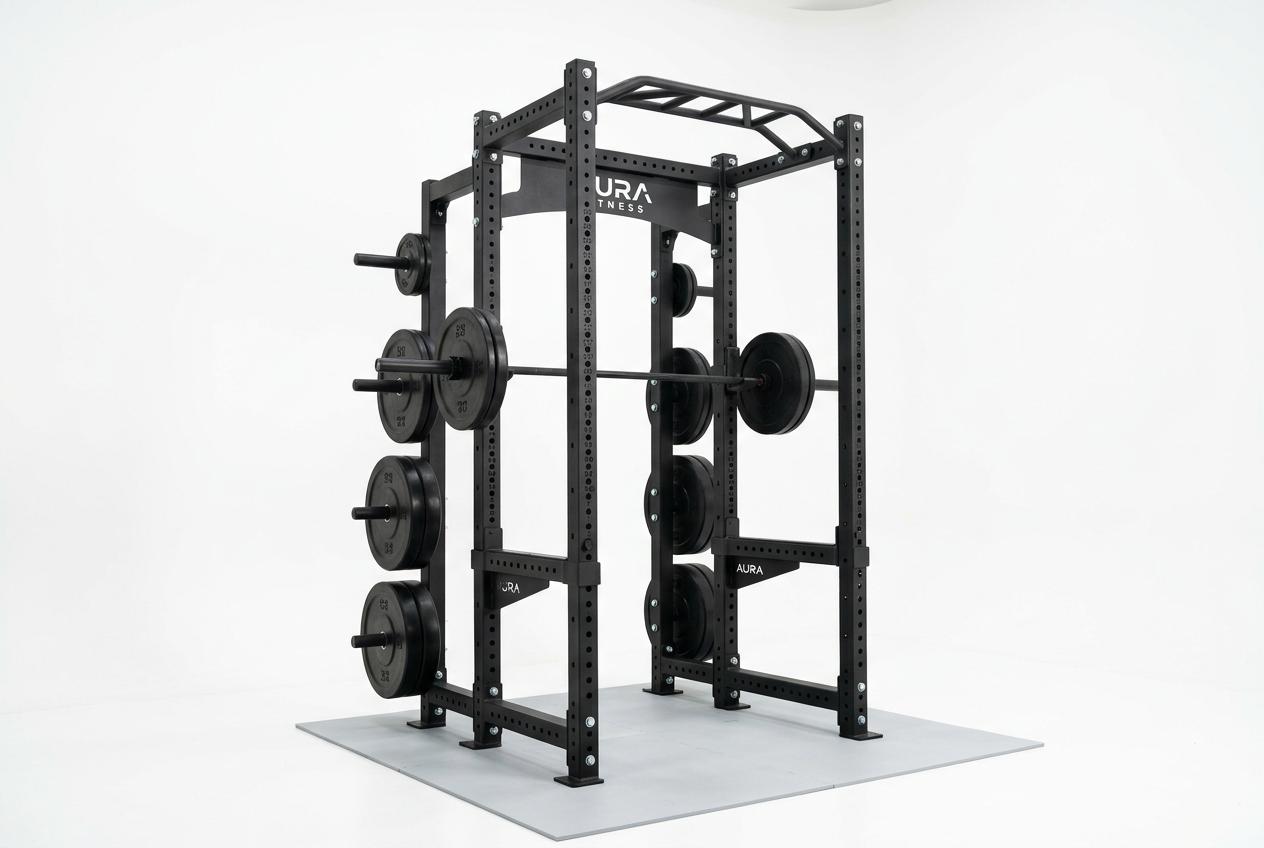 |
Sunny Health & Fitness Power Zone Squat Rack | $499.97-$599.99 | Best Overall | Check Price |
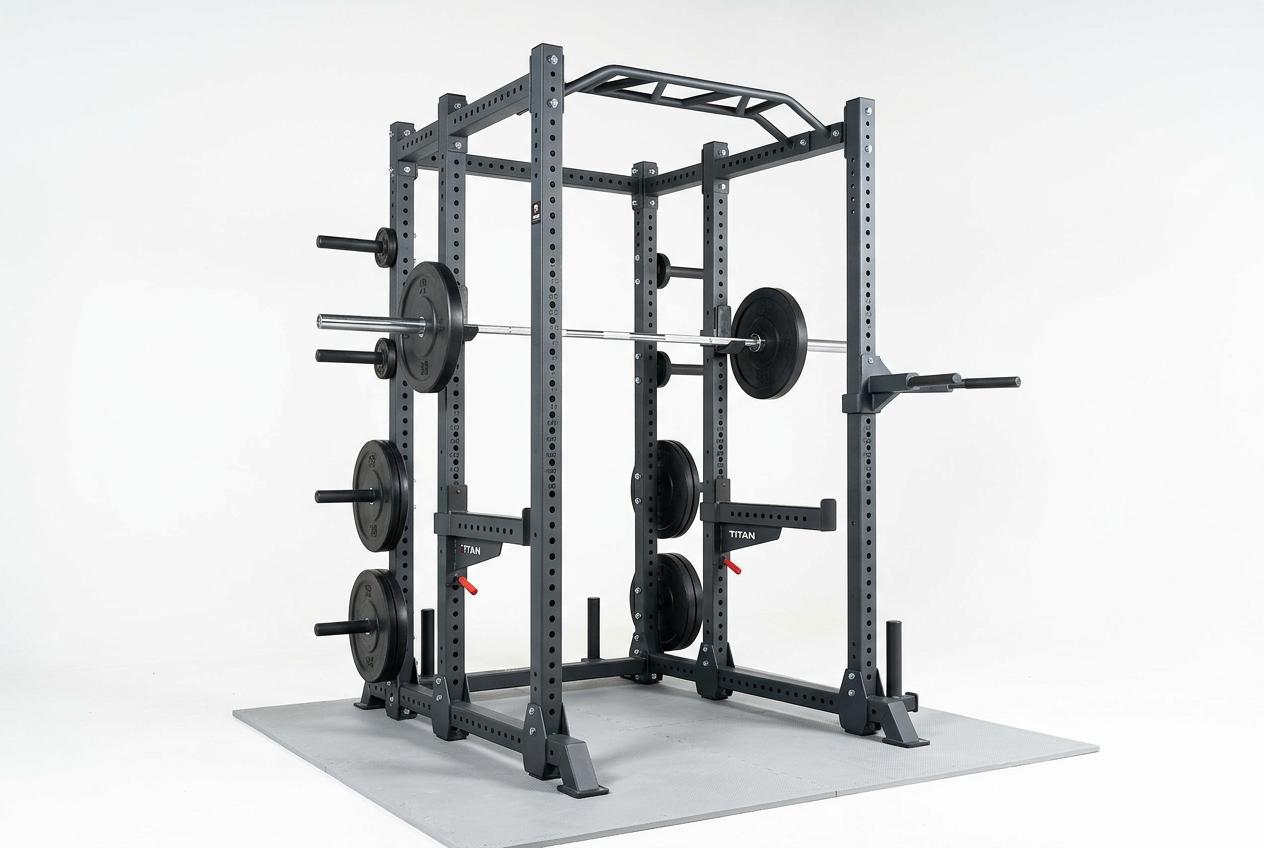 |
Fitness Reality 810XLT Super Max Power Cage | $299.97-$349.97 | Best Budget Rack | Check Price |
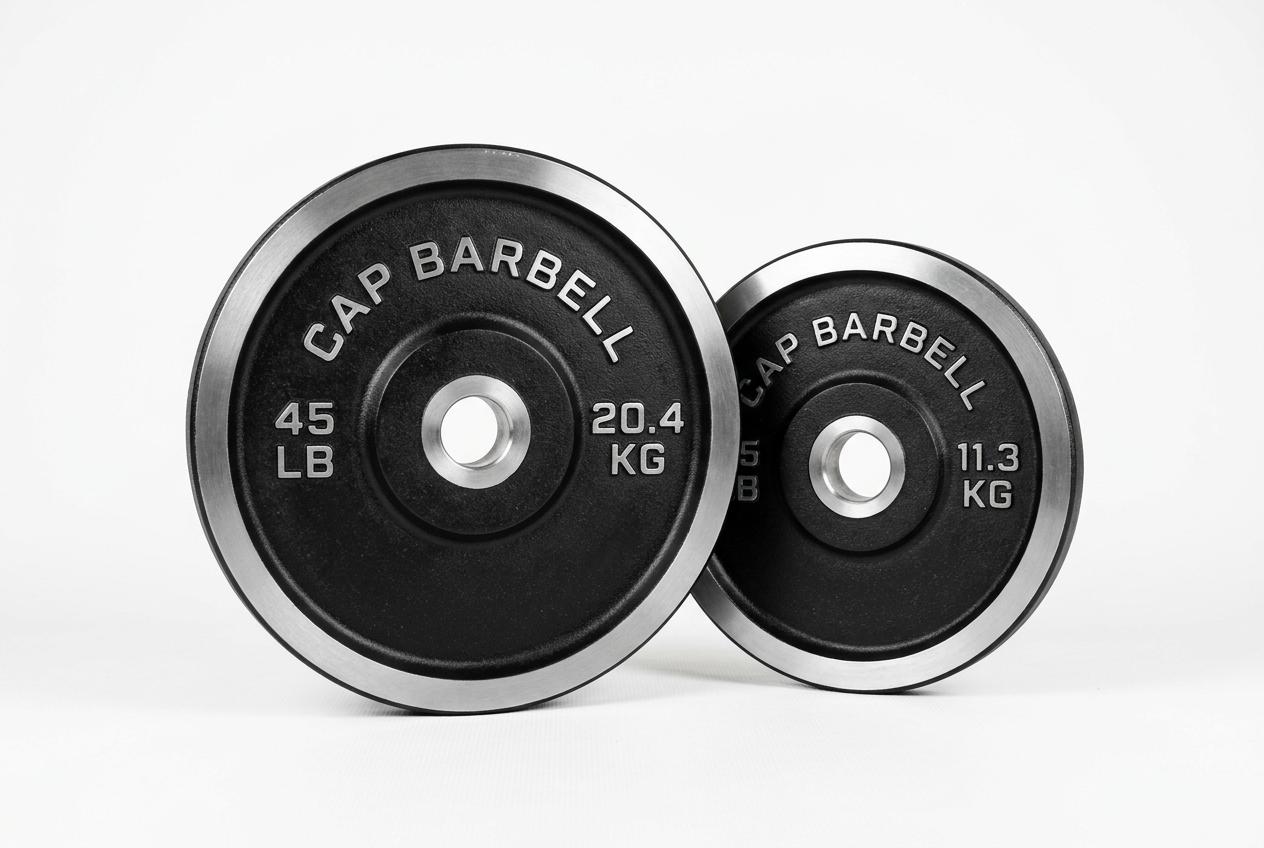 |
CAP Barbell Olympic Grip Weight Plate Set | $179.99-$299.99 | Best Value | Check Price |
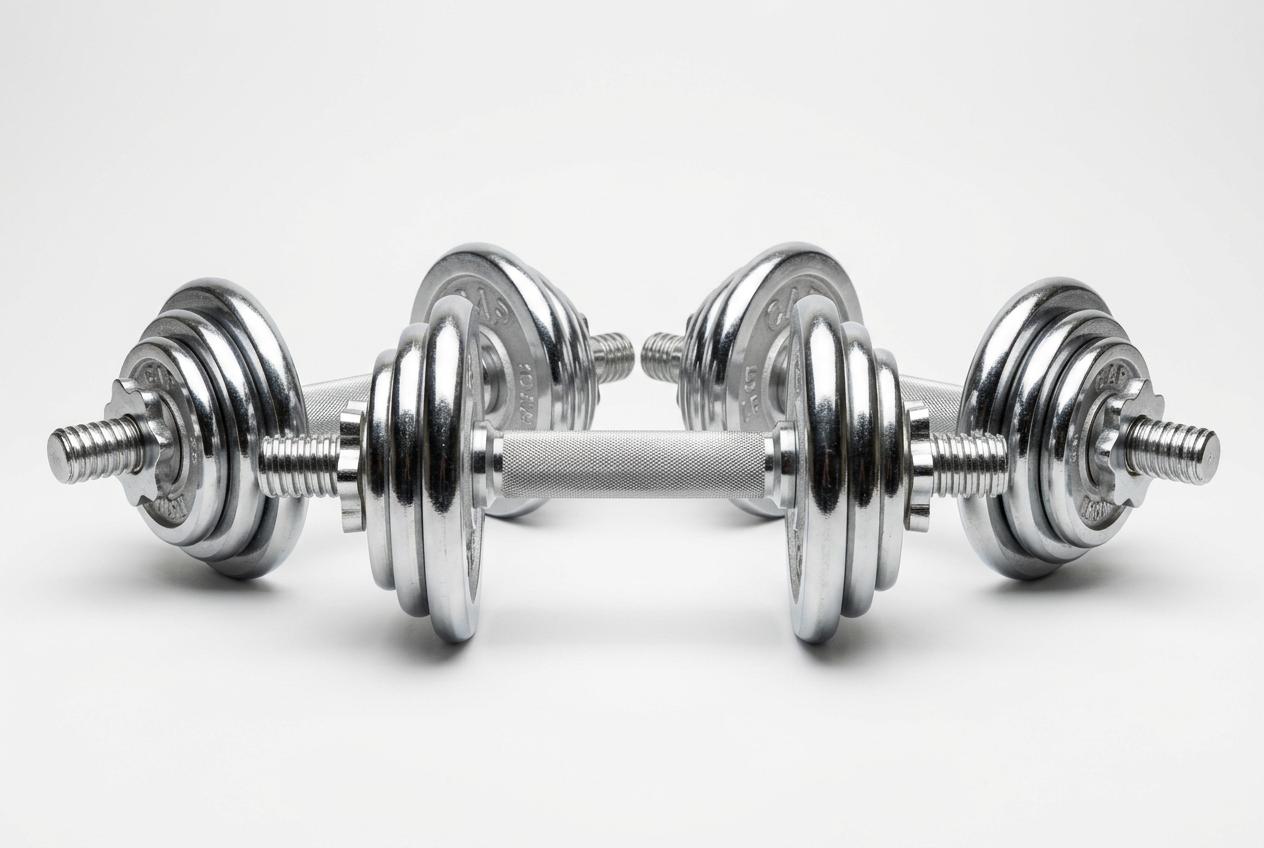 |
Yes4All Adjustable Chrome Dumbbells | $39.99-$79.99 | Best for Accessories | Check Price |
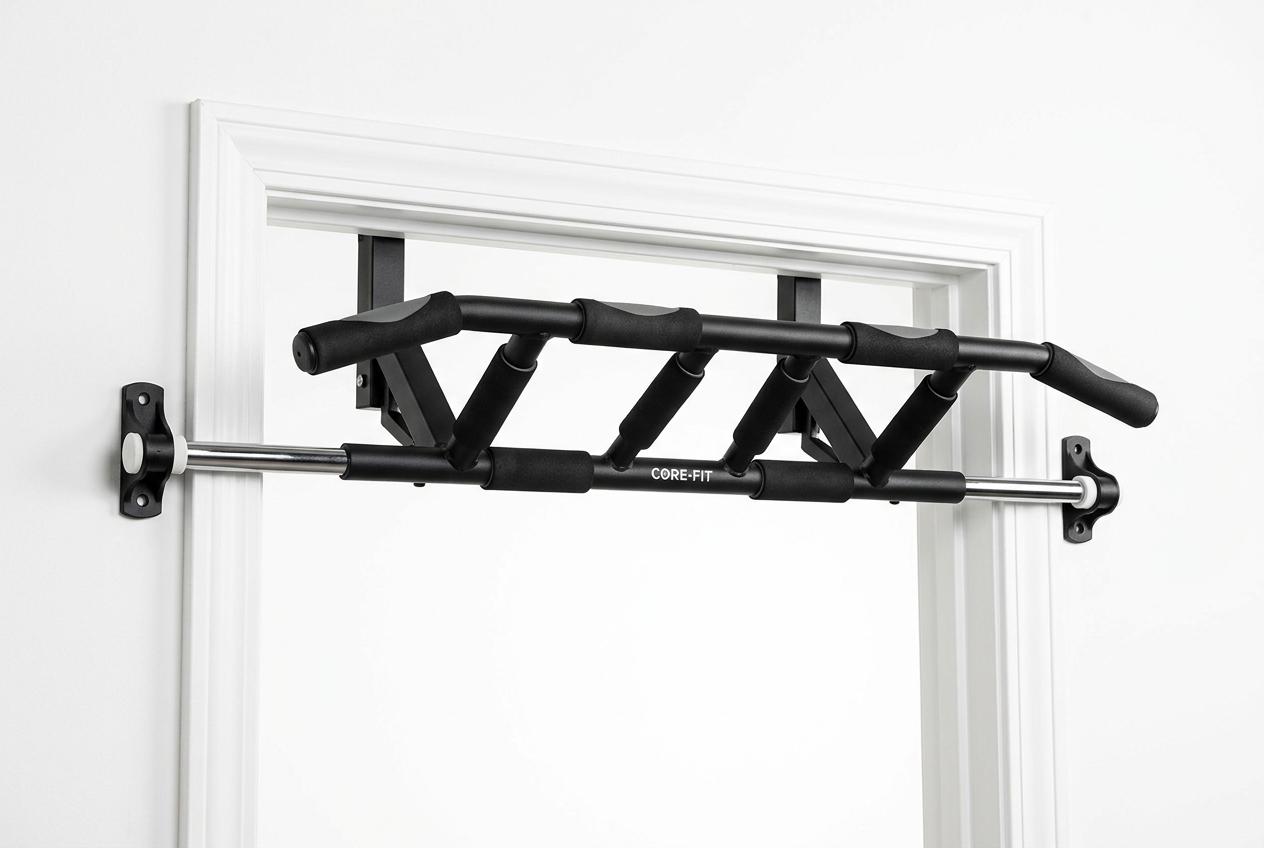 |
Iron Gym Total Upper Body Workout Bar | $24.77-$34.99 | Best Compact Add-On | Check Price |
A robust power rack that provides the safety and versatility needed to perform all 5x5 compound lifts at home with confidence.
An affordable, capable power cage that makes barbell 5x5 training accessible to budget-conscious home gym builders.
A comprehensive cast iron plate set with ergonomic grips that provides all the loading options needed for progressive 5x5 training.
Classic spin-lock adjustable dumbbells that provide a full range of weights for 5x5 accessory exercises at a fraction of the cost of modern alternatives.
A portable doorway pull-up bar that adds chin-ups and pull-ups to your 5x5 accessory work without requiring a power rack or permanent installation.
The Sunny Power Zone Rack is the centerpiece that makes home 5x5 training possible and safe. Its 850-pound capacity means you can progress for years before outgrowing it, while the adjustable J-hooks and safety spotter arms allow you to squat and bench press alone without a spotter. The included multi-grip pull-up bar adds chin-ups and pull-ups to your accessory work, and the weight plate storage pegs keep your training area clean and organized. For the price, it delivers commercial-grade features that rival racks costing twice as much.
Check Price on Amazon
The Fitness Reality 810XLT proves that you do not need to spend a fortune to get a safe, functional power rack for 5x5 training. Its 800-pound capacity is more than enough for most lifters to reach intermediate and even advanced strength levels, and the dual adjustable safety bars mean you can squat and bench heavy without fear of getting pinned under the bar. The included lat pull-down attachment adds valuable pulling accessory work to round out your 5x5 routine. If you are building a home gym on a budget, this rack should be at the top of your list.
Check Price on Amazon
The CAP Barbell Olympic Grip Plate Set gives 5x5 home gym owners everything they need to load their bar with precision. The machined grip holes are a game-changer for handling 45-pound plates, making it easy to load and unload your bar without awkward gripping. The set covers micro-adjustments from 2.5-pound increments up to the heaviest 45s, ensuring you can follow the 5x5 progression protocol exactly as written. Cast iron construction means these plates will outlast your training career with proper care.
Check Price on Amazon
The Yes4All Chrome Dumbbells are the perfect accessory complement to a 5x5 barbell program. Use them for dumbbell rows to build a stronger back for deadlifts, lateral raises for shoulder health, or bicep curls to keep your arms balanced with all the pressing work. The spin-lock collars hold plates securely even during dynamic movements, and the chrome finish looks sharp in any home gym. While changing weights takes slightly longer than premium adjustable systems, the price savings make these an unbeatable value for accessory work.
Check Price on Amazon
The Iron Gym Pull-Up Bar is the simplest way to add vertical pulling to your 5x5 home routine without committing to a full power rack. It installs in seconds by leveraging your body weight against the door frame, with padded contact points that protect your trim. The multiple grip positions let you target different areas of your back - wide grip for lat width, close grip for thickness, and neutral grip for bicep emphasis. When your workout is done, it removes just as quickly and stores in a closet. For apartment dwellers building a 5x5 home gym, this is an essential, affordable addition.
Check Price on Amazon