Amazon Basics vs Yes4All Fitness Equipment: Budget Gear Comparison
Comprehensive comparison of Amazon Basics vs Yes4All fitness equipment covering dumbbells, kettlebells, resistance bands...
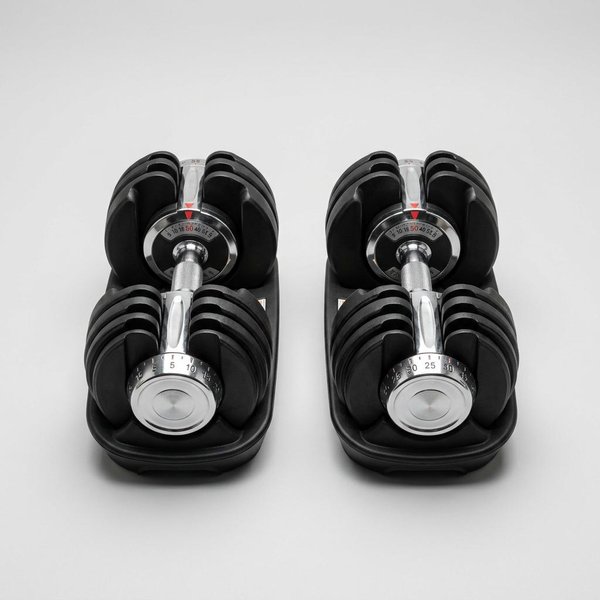
Research-backed guide to what is home gym for small-space home gyms.
By SnugGym Editorial Team | Evidence Mode: Research-Backed
A home gym is a dedicated space within a residential property — whether a spare room, garage, basement, or outdoor area — equipped with fitness equipment and organized specifically for exercise and physical training. Unlike commercial gyms that require membership, travel time, and adherence to operating hours, a home gym provides 24/7 access to personalized training equipment in a private, convenient environment. The home gym market has experienced explosive growth, with the global home fitness equipment market valued at over $10 billion and continuing to expand as more individuals prioritize convenience, privacy, and long-term cost savings.
| Attribute | Description |
|---|---|
| Definition | Residential space equipped for fitness training |
| Typical Locations | Garage, basement, spare room, outdoor shed, corner of living space |
| Primary Advantage | Convenience, time savings, privacy, cost efficiency |
| Typical Cost Range | $300 (budget) to $10,000+ (premium) |
| Space Required | 25 sq ft (minimal) to 400+ sq ft (comprehensive) |
| Setup Time | Immediate to several weeks (depending on complexity) |
A spare bedroom, converted office, or bonus room transformed into a full training facility. This setup offers climate control, privacy, and the most comfortable training environment.
| Pros | Cons |
|---|---|
| Climate controlled year-round | Takes a room out of household use |
| Maximum privacy | May require flooring installation |
| No vehicle interference | Space typically limited to one room |
| Cleanest environment | May have height restrictions |
Ideal for: Apartment dwellers with spare rooms, homeowners with unused bedrooms, those in extreme climates
The classic home gym setup — a portion or all of a residential garage converted to training space. Garage gyms offer the most space and highest ceiling clearance.
| Pros | Cons |
|---|---|
| Largest available space | Temperature extremes (hot/cold) |
| High ceilings for overhead work | May need to share with vehicles |
| Easy equipment delivery/access | Dust and debris potential |
| Can make noise without household disturbance | Requires potential electrical work |
| Durable concrete floors | Humidity in some climates |
Ideal for: Homeowners with garages, Olympic lifters, strongman training, those with heavy equipment
Climate solutions: Space heaters ($50–150), portable AC units ($200–400), insulation, and weatherstripping make garage gyms usable year-round in most climates.
A living room corner, bedroom nook, or shared basement area where equipment is stored and workouts performed without permanent dedicated space.
| Pros | Cons |
|---|---|
| No dedicated space required | Must set up/break down each session |
| Minimal investment | Limited equipment options |
| No home modification needed | Aesthetic considerations |
| Highly flexible | Potential noise concerns |
| Easiest to start | Distractions from household activity |
Ideal for: Beginners, apartment dwellers, minimalists, those testing home training before larger investment
As an Amazon Associate, we earn from qualifying purchases. Learn more
Backyard, patio, or deck setups utilizing outdoor space for training.
| Pros | Cons |
|---|---|
| Fresh air and natural light | Weather dependent |
| Unlimited ventilation | Equipment exposure to elements |
| No noise constraints | Requires weatherproof equipment |
| Natural grounding benefits | Seasonal limitations in cold climates |
| No space taken indoors | Privacy considerations |
Ideal for: Mild climates, calisthenics-focused training, those with large yards, outdoor enthusiasts
| Factor | Home Gym | Commercial Gym |
|---|---|---|
| Travel time | Zero | 10–30 minutes each way |
| Prep time | Minimal | Pack bag, travel, check in |
| Wait for equipment | Never | Peak hours: 5–15 min per exercise |
| Workout flexibility | Any duration, any time | Limited by schedule/commute |
| Monthly time saved | 8–15 hours | — |
At 30 minutes round-trip travel, 4 workouts weekly, 50 weeks annually = 100 hours saved per year — more than 4 full days.
| Cost Factor | Home Gym (Budget) | Home Gym (Mid-Range) | Home Gym (Premium) | Commercial Gym |
|---|---|---|---|---|
| Initial equipment | $500 | $2,000 | $6,000 | $0 |
| Maintenance/replacement | $100 | $300 | $500 | $0 |
| Monthly membership | $0 | $0 | $0 | $50–80 |
| Travel costs | $0 | $0 | $0 | $500–1,000/yr |
| 5-year total | $600 | $2,300 | $6,500 | $3,500–5,500 |
The budget home gym pays for itself in 3–4 months compared to commercial membership. The mid-range setup breaks even in 12–18 months.
Your home gym is configured exactly for your training preferences:
| Equipment | Estimated Cost |
|---|---|
| Adjustable dumbbells (pair) | $150–350 |
| Resistance bands set | $20–40 |
| Pull-up bar (doorway) | $25–40 |
| Exercise mat | $20–30 |
| Jump rope | $10–15 |
| Total | $225–475 |
Capabilities: Full-body strength training, HIIT, bodyweight progressions, cardio intervals
As an Amazon Associate, we earn from qualifying purchases. Learn more
| Equipment | Estimated Cost |
|---|---|
| Olympic barbell + plates (300 lbs) | $400–700 |
| Power rack or squat stand | $400–800 |
| Adjustable bench | $150–300 |
| Adjustable dumbbells (pair) | $200–400 |
| Flooring (stall mats) | $100–200 |
| Cardio equipment (rower or bike) | $400–900 |
| Total | $1,650–3,300 |
Capabilities: Heavy compound lifting, Olympic lifts (with proper rack), progressive overload, comprehensive cardio
As an Amazon Associate, we earn from qualifying purchases. Learn more
| Equipment | Estimated Cost |
|---|---|
| Premium power rack (Rogue, Rep) | $1,000–2,500 |
| Bumper plates (300–500 lbs) | $500–1,200 |
| Premium barbell(s) | $300–800 |
| Full dumbbell set (5–100 lbs) | $800–2,000 |
| Cable machine or functional trainer | $1,500–3,500 |
| Premium cardio equipment | $900–2,500 |
| Flooring, mirrors, climate control | $500–1,500 |
| Total | $5,500–14,000 |
Capabilities: Near-commercial quality training environment, maximum exercise variety, professional-grade equipment
— Power cage for premium home gym setups.
| Priority | Equipment | Why Essential | Budget Estimate |
|---|---|---|---|
| 1 | Resistance (dumbbells, bands, or barbell) | Progressive overload requires load | $50–400 |
| 2 | Floor protection | Protects home, reduces noise, enables drops | $50–200 |
| 3 | Something to step/pull on (bench + pull-up bar) | Expands exercise selection dramatically | $50–250 |
| 4 | Cardio option (jump rope, used bike) | Cardiovascular health | $15–300 |
| 5 | Storage | Organization prevents accidents, saves space | $30–100 |
| Equipment | Benefit | When to Add |
|---|---|---|
| Kettlebells | Ballistic training, conditioning | After dumbbells acquired |
| Cable machine/functional trainer | Constant tension, exercise variety | After 6+ months consistent training |
| Leg press/hack squat | Heavy leg work without spinal loading | If back issues prevent squatting |
| Additional barbells | Specialty bars for specific movements | Advanced training phases |
| Strongman equipment | Variety, functional fitness | Space and budget permitting |
| Heart rate monitor | Zone training precision | When cardio becomes structured |
The most expensive mistake is purchasing equipment without a clear plan. Before buying:
Concrete floors damage equipment and create noise problems. Carpet absorbs sweat and traps odors. Proper gym flooring:
Minimum: 3/4″ rubber stall mats ($40–60 each, 4×6 ft) from farm supply stores
Overhead pressing, pull-ups, and jump rope require adequate height:
| Activity | Minimum Height | Comfortable Height |
|---|---|---|
| Standing overhead press | 7 feet | 8+ feet |
| Pull-ups (standing under bar) | 7.5 feet | 8.5+ feet |
| Jump rope | 8.5 feet | 9+ feet |
| Olympic lifting | 8.5 feet | 9+ feet |
Always measure the lowest point of your ceiling (light fixtures, garage door rails, beams).
The "shiny object syndrome" leads to equipment accumulation without corresponding usage:
| Noise Source | Solution | Cost |
|---|---|---|
| Dropped weights | Rubber flooring, bumper plates | $100–500 |
| Barbell rattling | Quality barbell with tight sleeves | $200–400 |
| Footstep impact | Thick rubber flooring | $100–300 |
| Cardio machine vibration | Equipment mat, isolation pads | $30–80 |
| Music/entertainment | Headphones instead of speakers | $20–200 |
For apartment dwellers: communicate with neighbors about training times, prioritize quiet equipment (dumbbells over plates, magnetic resistance over air resistance), and use deadlift pads or platforms.
How much space do I really need for a home gym? A functional home gym requires as little as 25–50 square feet for bodyweight and dumbbell training. A comprehensive setup with barbell, rack, and cardio equipment typically needs 100–200 square feet. Measure carefully and use vertical space with wall storage.
Will a home gym increase my home insurance? Generally no, but inform your insurer of significant equipment value. Some policies have limits on unattached personal property. If you've invested $5,000+, consider scheduling the equipment separately.
Is a home gym worth it if I'm a beginner? Absolutely. Beginners often feel self-conscious in commercial gyms. A home gym eliminates this barrier, allows learning at your own pace, and saves money long-term even if your journey starts modestly.
How do I stay motivated without the gym atmosphere? Strategies: (1) Create a dedicated space that feels like a gym, (2) Follow structured programs rather than improvising, (3) Track workouts to see progress, (4) Join online communities, (5) Use music/podcasts/entertainment, (6) Set specific goals with deadlines.
Can I build muscle effectively in a home gym? Yes — muscle growth requires progressive overload, adequate protein, and recovery. All of these are achievable in a home gym with even modest equipment. Many competitive bodybuilders and powerlifters train exclusively at home.
What's the first piece of equipment I should buy? A pair of adjustable dumbbells. They enable dozens of exercises across all muscle groups, support progression through multiple weight levels, require minimal space, and provide the foundation for any future equipment additions.
A home gym represents one of the highest-return investments you can make in your health, fitness, and quality of life. By eliminating commute time, membership fees, and the friction of commercial gym logistics, home training dramatically increases workout consistency — the single most important factor in long-term fitness success. Whether you start with a $300 corner setup or build a $10,000 comprehensive facility, the principles remain the same: start with versatile essentials, train consistently, and evolve your space as your goals and experience grow. The best home gym isn't the most expensive — it's the one you'll actually use.
FTC Disclosure: This article contains affiliate links to Amazon products. If you purchase through these links, SnugGym may earn a commission at no additional cost to you. This helps support our independent research and content creation.
Last updated: June 2025