Amazon Basics vs Yes4All Fitness Equipment: Budget Gear Comparison
Comprehensive comparison of Amazon Basics vs Yes4All fitness equipment covering dumbbells, kettlebells, resistance bands...
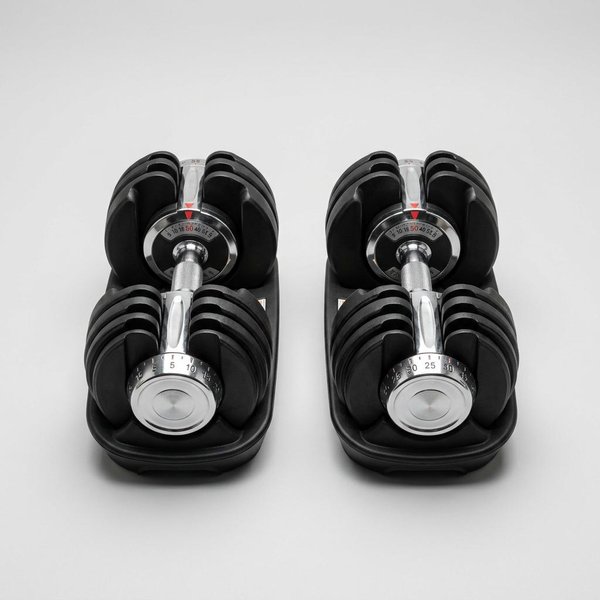
Research-backed guide to what is functional fitness for small-space home gyms.
By SnugGym Editorial Team | Evidence Mode: Research-Backed
Functional fitness is a training philosophy and methodology focused on developing strength, mobility, and conditioning that directly translates to improved performance in everyday activities, occupational tasks, and recreational sports. Rather than isolating individual muscles or training for aesthetic appearance alone, functional fitness emphasizes multi-joint, multi-planar movements that replicate real-world physical demands — pushing, pulling, hinging, squatting, carrying, and rotating. The goal is not merely to look fit or perform well in a gym, but to move better, resist injury, and maintain physical capability across the full spectrum of human movement throughout life.
| Attribute | Description |
|---|---|
| Definition | Training that develops usable strength for real-world activities |
| Core Principle | Movements, not muscles |
| Movement Planes | Sagittal, frontal, and transverse |
| Primary Goal | Improve quality of movement and daily life capability |
| Secondary Goals | Strength, conditioning, injury prevention, body composition |
| Best For | Everyone, especially those seeking practical fitness |
The human body moves in three planes. Functional fitness trains all of them:
| Plane | Description | Example Movements |
|---|---|---|
| Sagittal | Forward/backward movements | Squats, lunges, running, deadlifts |
| Frontal | Side-to-side movements | Lateral lunges, side shuffles, lateral raises |
| Transverse | Rotational movements | Wood chops, medicine ball throws, rotational lunges |
Traditional bodybuilding emphasizes the sagittal plane almost exclusively. Functional fitness ensures balanced development across all planes, reducing injury risk and improving movement quality in rotational sports (golf, tennis, baseball) and daily tasks (reaching, turning, lifting from awkward positions).
Functional exercises involve multiple joints working in coordinated sequences — just as real-world movements do. Picking up a child from the floor requires hip hinge, knee bend, ankle flexion, spinal stabilization, and arm pull working together seamlessly. Isolation exercises cannot develop this integration.
While progressive overload remains important, functional fitness prioritizes moving well before moving heavy. A functional fitness practitioner would rather squat deeply with control at moderate weight than quarter-squat a heavy bar with poor form. Movement quality includes:
The ultimate test of functional fitness is whether training improvements show up outside the gym:
| Training Adaptation | Real-World Translation |
|---|---|
| Heavier deadlifts | Easier furniture moving, grocery lifting |
| Better squat depth | Comfortable floor sitting, easy standing |
| Improved single-leg balance | Confident stair climbing, reduced fall risk |
| Stronger carries | Effortless suitcase/carrier bag management |
| Enhanced rotation | Better golf swing, easier car entry/exit |
| Greater work capacity | Playing with children without fatigue |
| Aspect | Functional Fitness | Bodybuilding |
|---|---|---|
| Primary goal | Movement quality and real-world performance | Muscle size and aesthetic development |
| Exercise selection | Multi-joint, multi-planar, varied | Single-joint emphasis, muscle-specific |
| Training focus | Movement patterns | Individual muscles |
| Intensity approach | Variable, includes conditioning | Consistent, controlled, hypertrophy-focused |
| Range of motion | Full, functional ROM | Often shortened for constant tension |
| Cardio integration | Built into workouts | Typically separate |
| Equipment variety | Dumbbells, kettlebells, bodyweight, sandbags, ropes | Machines, barbells, cables |
| Competition | CrossFit Games, obstacle courses, sports | Physique competitions |
Neither approach is inherently superior — they serve different goals. Many effective training programs incorporate elements of both. However, for general population fitness, functional fitness offers broader health and capability benefits.
The fundamental lowering and raising pattern used every time you sit and stand.
| Variations | Equipment | Progression |
|---|---|---|
| Bodyweight squat | None | Add depth, then load |
| Goblet squat | Dumbbell or kettlebell | Increase load, add pauses |
| Front squat | Barbell | Heavier loads, complex variations |
| Single-leg squat | Bench or TRX | Pistols, shrimp squats |
Real-world application: Standing from seated, getting off the floor, lifting from low positions
As an Amazon Associate, we earn from qualifying purchases. Learn more
The hip-dominant bending pattern for lifting objects from the ground safely.
| Variations | Equipment | Progression |
|---|---|---|
| Hip hinge (bodyweight) | None | Add load when pattern is mastered |
| Romanian deadlift | Dumbbells or barbell | Increase load, deficit position |
| Kettlebell swing | Kettlebell | One-arm swing, heavier bells |
| Single-leg RDL | Dumbbell | Increase load, add reach |
Real-world application: Picking up boxes, groceries, children; gardening; golf posture
Horizontal and vertical pressing movements for pushing objects away or elevating the body.
| Variations | Equipment | Progression |
|---|---|---|
| Push-up | None | Elevate feet, add weight, plyometric |
| Overhead press | Dumbbells or barbell | Increase load, add push press |
| Bench press | Barbell or dumbbells | Incline variations, single-arm |
| Dip | Dip bars or bench | Add weight, ring dips |
Real-world application: Pushing doors open, pushing yourself up from ground, overhead reaching
As an Amazon Associate, we earn from qualifying purchases. Learn more
Horizontal and vertical pulling movements for drawing objects toward you or pulling yourself up.
| Variations | Equipment | Progression |
|---|---|---|
| Inverted row | Table or low bar | Elevate feet, add weight |
| Pull-up/chin-up | Pull-up bar | Assisted → bodyweight → weighted |
| Dumbbell row | Dumbbell | Increase load, chest-supported |
| Face pull | Bands or cable | Increase resistance, add external rotation |
Real-world application: Opening heavy doors, starting a lawnmower, climbing, pulling objects toward you
Loaded locomotion — walking while holding weight — that develops grip, core, and conditioning simultaneously.
| Variations | Equipment | Progression |
|---|---|---|
| Farmer carry | Dumbbells or kettlebells | Heavier loads, longer distance |
| Suitcase carry | Single dumbbell | Heavier, longer, uneven loads |
| Overhead carry | Dumbbell or plate | Heavier, longer distance |
| Bear hug carry | Sandbag or medicine ball | Heavier, variable objects |
Real-world application: Carrying groceries, luggage, moving boxes, holding children
As an Amazon Associate, we earn from qualifying purchases. Learn more
Rotational movements that develop core stability and power for twisting actions.
| Variations | Equipment | Progression |
|---|---|---|
| Pallof press | Band or cable | Narrower stance, heavier resistance |
| Wood chop | Dumbbell or cable | Increase load, add speed |
| Medicine ball rotation | Medicine ball | Heavier ball, faster tempo |
| Rotational lunge | Dumbbell or bodyweight | Add load, increase speed |
Real-world application: Swinging a golf club, tennis stroke, throwing, looking behind while driving
— Medicine ball for rotational power training.
Single-leg movements that develop balance, stability, and unilateral strength.
| Variations | Equipment | Progression |
|---|---|---|
| Bodyweight reverse lunge | None | Add load, increase range |
| Walking lunge | Dumbbells | Heavier, longer distance |
| Bulgarian split squat | Bench + dumbbells | Increase load, add tempo |
| Lateral lunge | Bodyweight or dumbbell | Add load, increase range |
Real-world application: Stair climbing, getting out of cars, walking on uneven terrain, sprinting
| Equipment | Cost | Applications |
|---|---|---|
| Resistance bands set | $25–40 | Pulls, presses, rotations, assistance |
| Suspension trainer (TRX-style) | $50–150 | Rows, push-ups, lunges, core |
| Jump rope | $10–20 | Conditioning, coordination |
| Exercise mat | $20–30 | Floor work, core, mobility |
| Total | $105–240 | Complete functional fitness program |
Add to minimal setup:
| Equipment | Cost | Applications |
|---|---|---|
| Adjustable dumbbells | $150–350 | All pushing, pulling, hinging, carrying |
| Kettlebell(s) | $50–100 | Swings, carries, Turkish get-ups |
| Pull-up bar | $25–50 | Pull-ups, hangs, core |
| Medicine ball | $30–60 | Throws, slams, rotations, carries |
| Plyo box | $50–100 | Step-ups, jumps, box squats |
| Total with minimal | $460–1,020 | Comprehensive functional training |
As an Amazon Associate, we earn from qualifying purchases. Learn more
| Addition | Cost | Applications |
|---|---|---|
| Barbell + plates | $400–700 | Heavy compound lifts, Olympic lifts |
| Power rack | $500–1,000 | Safe heavy training, pull-ups, dips |
| Concept2 rower | $900–1,200 | Full-body conditioning, intervals |
| Air bike | $300–800 | High-intensity conditioning |
| Sled or prowser | $100–300 | Pushing/pulling power |
| Total | $2,200–4,000 | Elite functional fitness facility |
Complete 3 rounds, resting 90 seconds between rounds:
| Exercise | Reps/Duration | Pattern |
|---|---|---|
| Bodyweight squats | 15 | Squat |
| Push-ups (or modified) | 8–10 | Push |
| Inverted rows (under table) | 8–10 | Pull |
| Reverse lunges | 10 per leg | Lunge |
| Glute bridges | 15 | Hinge |
| Plank | 30 seconds | Core stability |
| Dead bug | 10 per side | Anti-rotation |
Complete 4 rounds, resting 2 minutes between rounds:
| Exercise | Reps | Load | Pattern |
|---|---|---|---|
| Goblet squats | 10 | Moderate dumbbell | Squat |
| Single-arm dumbbell press | 8 per arm | Moderate | Push |
| Renegade rows | 8 per arm | Moderate | Pull |
| Kettlebell swings | 15 | Moderate | Hinge |
| Farmer carry | 40 yards | Heavy | Carry |
| Medicine ball wood chops | 10 per side | Moderate | Rotate |
| Walking lunges | 12 total | Bodyweight or light load | Lunge |
As an Amazon Associate, we earn from qualifying purchases. Learn more
Complete as an EMOM (Every Minute On the Minute) for 20 minutes:
| Minute | Exercise | Reps | Pattern |
|---|---|---|---|
| 1 | Thrusters (barbell or dumbbells) | 8 | Squat + Push |
| 2 | Pull-ups | 10 | Pull |
| 3 | Kettlebell swings | 15 | Hinge |
| 4 | Box jumps | 10 | Squat (power) |
| 5 | Rest/walk | — | Recovery |
| Repeat 4 times |
For those with joint concerns or recovering from injury:
| Exercise | Reps/Duration | Notes |
|---|---|---|
| Box squats to high box | 10 | Limited knee flexion |
| TRX or band rows | 12 | Suspension reduces loading |
| Wall push-ups or band presses | 12 | Reduced shoulder stress |
| Step-ups (low box) | 10 per leg | Controlled, low impact |
| Romanian deadlifts (light) | 10 | Hip dominant, minimal knee |
| Pallof press (band) | 10 per side | Anti-rotation, standing |
| Farmer carry | 30 yards | Self-selected load |
Every functional fitness program should include movements from all seven patterns weekly:
| Pattern | Minimum Weekly Sets | Priority |
|---|---|---|
| Squat | 6–10 sets | Essential |
| Hinge | 6–10 sets | Essential |
| Push | 6–10 sets | Essential |
| Pull | 6–10 sets | Essential |
| Carry | 3–6 sets | Highly recommended |
| Rotate | 3–6 sets | Highly recommended |
| Lunge | 4–8 sets | Highly recommended |
| Intensity Zone | % of Training | Application |
|---|---|---|
| Low (skill/mobility) | 20% | Technique work, warm-ups, recovery |
| Moderate (strength/endurance) | 50% | Primary work, progressive overload |
| High (power/conditioning) | 30% | Intervals, complexes, finishers |
| Day | Focus | Primary Patterns |
|---|---|---|
| Monday | Strength emphasis | Squat, hinge, push, pull (heavier loads) |
| Tuesday | Conditioning emphasis | Carry, rotate, lunge, full-body circuits |
| Wednesday | Active recovery/mobility | Low-intensity movement, flexibility |
| Thursday | Strength emphasis | Push, pull, squat, hinge (varied angles) |
| Friday | Power/athletic | Rotational power, jumps, throws, carries |
| Saturday | Longer conditioning | Mixed-modal circuit or outdoor activity |
| Sunday | Rest | Complete recovery |
Is functional fitness the same as CrossFit? CrossFit is a specific branded functional fitness program with competitive elements. Functional fitness is the broader training philosophy that CrossFit implements. You can train functionally without doing CrossFit.
Can you build muscle with functional fitness? Yes. Functional exercises like squats, deadlifts, presses, and pulls build substantial muscle. The emphasis on full range of motion and compound movements often produces well-balanced, athletic physiques.
Is functional fitness good for older adults? Extremely. The focus on movement quality, balance, and real-world capability directly addresses age-related decline. Modified functional fitness programs reduce fall risk, maintain independence, and improve quality of life.
Do I need special equipment for functional fitness? No. Bodyweight training can provide a comprehensive functional fitness program. Equipment expands exercise variety and loading options but is not required.
How is functional fitness different from "regular" exercise? The primary difference is intent and exercise selection. Functional fitness specifically selects movements that transfer to daily life, emphasizes movement quality, and integrates conditioning with strength. "Regular" exercise may include machine-based isolation work with less attention to movement integration.
Can beginners start with functional fitness? Absolutely. Functional fitness scales to any level — bodyweight squats become loaded squats; push-ups on knees become regular push-ups; assisted pull-ups become bodyweight pull-ups. The principles apply universally.
Functional fitness represents the most practical and sustainable approach to exercise for the general population. By training movement patterns rather than isolated muscles, by developing capability across all three planes of motion, and by prioritizing real-world transfer over gym-specific performance, functional fitness builds bodies that not only look capable but genuinely are — in the driveway, on the playing field, and throughout the decades of life. For home gym users, functional fitness is particularly well-suited: it requires minimal equipment, accommodates limited space, and produces the broad fitness foundation upon which any specialized goal can be built.
FTC Disclosure: This article contains affiliate links to Amazon products. If you purchase through these links, SnugGym may earn a commission at no additional cost to you. This helps support our independent research and content creation.
Last updated: June 2025