Amazon Basics vs Yes4All Fitness Equipment: Budget Gear Comparison
Comprehensive comparison of Amazon Basics vs Yes4All fitness equipment covering dumbbells, kettlebells, resistance bands...
Space-efficient home gym layouts for studio, 1-bedroom, and 2-bedroom apartments. Includes floor plans, zone strategies, and equipment placement tips.
The biggest mistake in home gym planning isn't buying the wrong equipment—it's placing the right equipment in the wrong layout. A poorly arranged 100 sq ft space feels cramped. A well-zoned 40 sq ft space feels functional.
Our analysis of compact home gym setups shows that effective layouts follow a consistent pattern: define zones, respect movement paths, and design for the exercise, not just the equipment.
Before floor plans, understand these rules:
Dedicated gym space: 4' × 6' to 6' × 8'
Best for: Renters who need the gym to disappear when not in use.
┌──────────────────────────────┐
│                              │
│    🛋️  Living Area           │
│                              │
│         ┌────────┐           │
│         │ Yoga   │           │
│         │ Mat    │           │
│         │ Zone   │           │
│    ┌────┴────────┴────┐     │
│    │  Folded Bench    │     │
│    │  Dumbbell Rack   │     │
│    └──────────────────┘     │
│         Wall Mirror          │
│                              │
└──────────────────────────────┘
Equipment List:
Workflow: Bench unfolds for chest press, rows, step-ups. Mat deploys for floor work. Tubes anchor to any door for lat pulldowns, rows, tricep pushdowns. Total setup time: under 60 seconds.
Best for: Studios with a decent-sized closet (minimum 3' × 5' interior).
Remove closet doors. Install a wall-mounted pull-up bar in the frame. Store vertical dumbbell stand inside. Pull-up bar doubles as anchor for suspension straps. Yoga mat stores rolled in corner. When guests visit, a curtain rod and fabric panel conceals everything in 10 seconds.
Best for: Low-platform or loft beds with 12+ inches of under-bed clearance.
Entire gym stores flat: folding bench collapses, dumbbells slide into under-bed trays, mats roll thin. Setup requires pulling bins out—functional but requires floor discipline. See our under-bed gym storage guide for specific organizer recommendations.
Dedicated gym space: 6' × 8' to 8' × 10'
Best for: A dedicated corner or wall in the living room or bedroom.
┌──────────────────────────────────────┐
│                                      │
│   💪 Strength Zone                   │
│   ┌──────────┬──────────┬─────────┐ │
│   │ Bench    │ Dumbbell │ Storage │ │
│   │ Station  │ Rack     │ Cabinet │ │
│   └──────────┴──────────┴─────────┘ │
│                                      │
│   🏃 Cardio Zone                     │
│   ┌───────────────────────────────┐  │
│   │    Foldable Treadmill / Bike   │  │
│   │    (stores upright)            │  │
│   └───────────────────────────────┘  │
│                                      │
│   🧘 Floor Zone (open mat space)     │
│                                      │
└──────────────────────────────────────┘
Equipment List:
Key design decision: Place the cardio machine where it can fold flat against the wall. The 8' × 10' layout feels spacious because the open floor zone is unobstructed. You can roll the mat out, do an entire bodyweight or band workout, and never touch the other zones.
Best for: Work-from-home renters whose bedroom doubles as an office.
Position the desk against one wall, the bed against another, and dedicate the remaining wall to the gym. A folding screen or tall bookcase creates a visual boundary. Morning workout, shower, fold bench, sit at desk. The psychological separation matters more than the physical one.
Best for: Ground-floor units with covered balconies or patios that can support weight.
Weather-protected corner setups work for squat racks, outdoor-rated benches, and kettlebells. Check your lease—some prohibit equipment outdoors. Noise is less of a concern, but flooring (rubber mats) is essential to protect the surface. See our noise control guide for renters for timing strategies.
Dedicated gym space: 8' × 10' to 10' × 12'
Best for: A second bedroom, den, or large living room corner.
┌──────────────────────────────────────────┐
│                                          │
│  🏋️ Strength Zone (Full Wall)            │
│  ┌─────────┬──────────┬────────────────┐ │
│  │ Power   │ Bench    │ Dumbbell       │ │
│  │ Tower / │ Station  │ Rack +         │ │
│  │ Cage    │          │ Accessories    │ │
│  └─────────┴──────────┴────────────────┘ │
│                                          │
│  🏃 Cardio Zone                          │
│  ┌────────────────────────────────────┐  │
│  │  Treadmill / Bike / Elliptical     │  │
│  └────────────────────────────────────┘  │
│                                          │
│  🧘 Mobility Zone                        │
│  ┌──────────┐  ┌──────────────────────┐  │
│  │ Yoga Mat │  │ Open Floor (Body     │  │
│  │ + Roller │  │ weight, stretching)  │  │
│  └──────────┘  └──────────────────────┘  │
│                                          │
└──────────────────────────────────────────┘
Equipment List:
Best for: Using the second bedroom entirely as a gym.
Standard 10' × 10' bedrooms (common in 2BR apartments) convert fully. A half-rack fits against the far wall with clearance for the barbell. An 8' × 8' open floor section handles deadlifts, kettlebell work, and HIIT circuits. A TV wall-mount streams follow-along classes. The door closes—noise stays contained.
Critical dimension check: Standard barbells are 7 feet (84 inches) long. A 10-foot-wide room leaves only 18 inches total beyond the barbell sleeves. For Olympic lifting or drop-and-catch movements, you need wider. Consider a 6-foot barbell or a landmine attachment as alternatives.
| Exercise Type | Minimum Floor Space | Minimum Ceiling Height | Noise Level |
|---|---|---|---|
| Dumbbell bench press | 3' × 6' | 7' | Moderate |
| Dumbbell rows | 3' × 5' | 7' | Low |
| Overhead press | 4' × 4' | 8' | Low–Moderate |
| Goblet squats | 4' × 4' | 7' | Moderate |
| Jump rope | 6' × 6' | 9' | High |
| Yoga / stretching | 6' × 3' | 6.5' | Very Low |
| Treadmill walking | 3' × 6' (machine) + clearance | Standard | Moderate–High |
| Stationary bike | 2' × 4' | Standard | Low |
| Rowing | 8' × 3' (machine length) | Standard | Low–Moderate |
| Pull-ups | 3' × 4' | 8'+ | Low |
| Kettlebell swings | 6' × 4' | 8' | High |
| Plyometrics (box jumps) | 4' × 6' | 9'+ | High |
Most apartment ceilings are 8 feet (96 inches). Some newer buildings reach 9 feet. Loft and pre-war buildings may be lower.
Our research indicates the following clearance requirements:
| Floor Type | Protection Needed | Best Mat Options |
|---|---|---|
| Carpet | Low-moderate (stabilization matters) | Firm puzzle mats, plywood sheet under heavy equipment |
| Hardwood | High (drops dent permanently) | 3/4" rubber horse stall mats, rolled rubber |
| Laminate | Moderate–High (chips on impact) | Interlocking EVA foam + plywood layer for heavy loads |
| Tile | Moderate (cracks on heavy drops) | Thick rubber mats, avoid dropping weights |
| Concrete (basement) | Low | Puzzle mats for comfort, rubber for protection |
| Layout Type | Storage Strategy | Recommended Products |
|---|---|---|
| Studio | Vertical wall storage, under-bed bins | Wall-mounted racks, ottoman storage benches |
| 1BR | Corner shelving unit, closet system | Cube organizers, over-door hooks for bands |
| 2BR | Dedicated storage wall or cabinet | Full weight tree, plate tree, storage rack |
A studio apartment can support a complete strength and cardio setup in 6' × 8'. A 1-bedroom supports dedicated zones in 8' × 10'. A 2-bedroom enables a gym room experience at 10' × 10' or more. The key isn't total square footage—it's zoning, storage strategy, and equipment selection that fits the space rather than fighting it.
Start with your available footprint. Define your non-negotiable exercises. Choose equipment that serves those exercises within your space. The floor plan should drive the purchase list, not the other way around.
As an Amazon Associate we earn from qualifying purchases.
Last updated: 2025-07-21 prohi
| Image | Product | Price | Badge | Link |
|---|---|---|---|---|
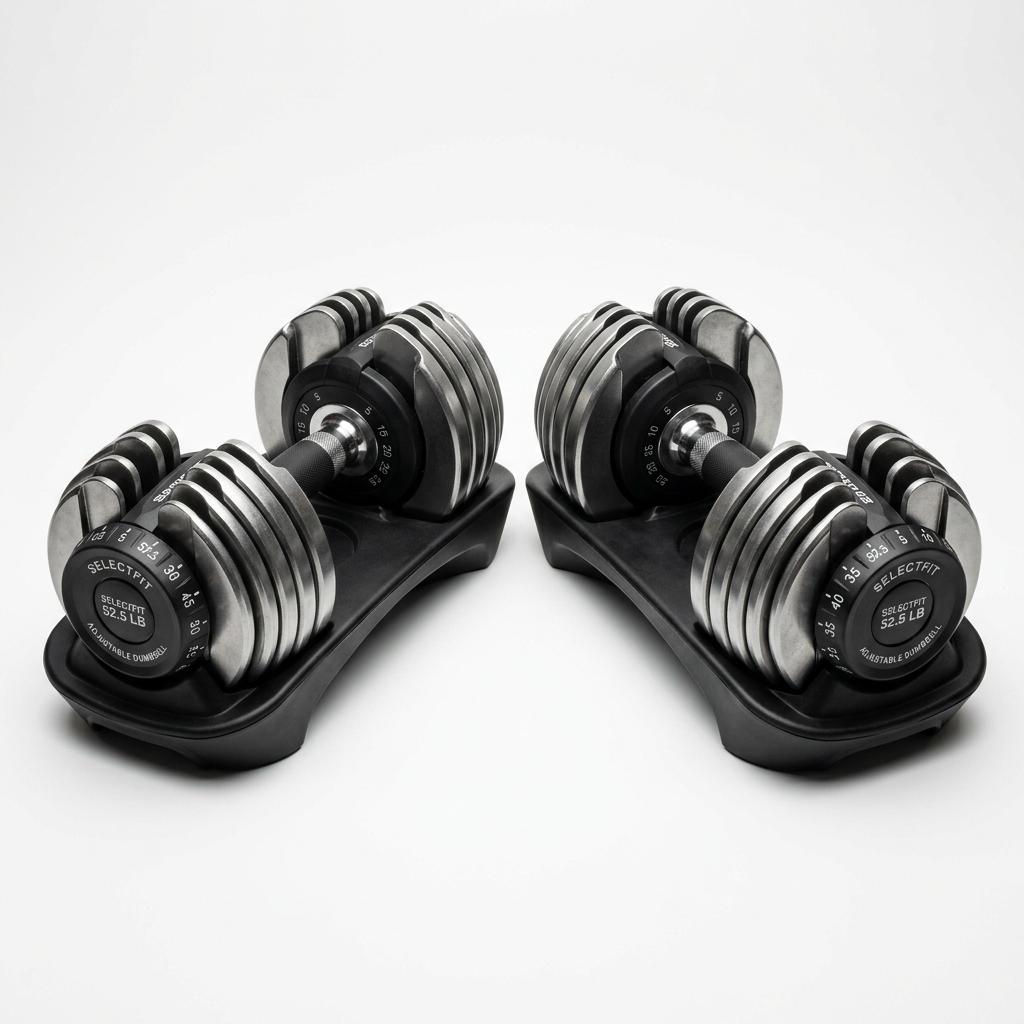 |
Bowflex SelectTech 552 Adjustable Dumbbells (Pair) | $300-$430 | Best Overall | Check Price |
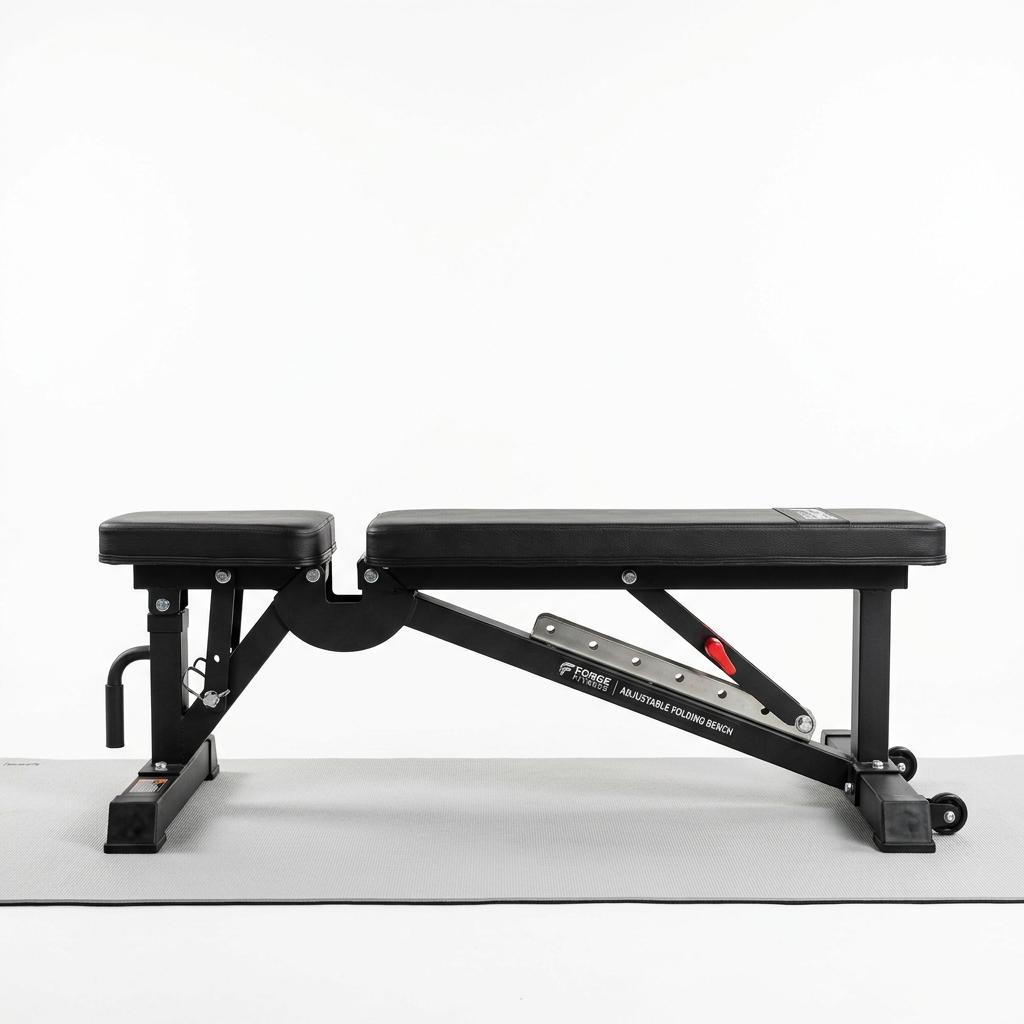 |
FLYBIRD Adjustable Weight Bench (Utility Foldable Bench) | $130-$170 | Most Versatile | Check Price |
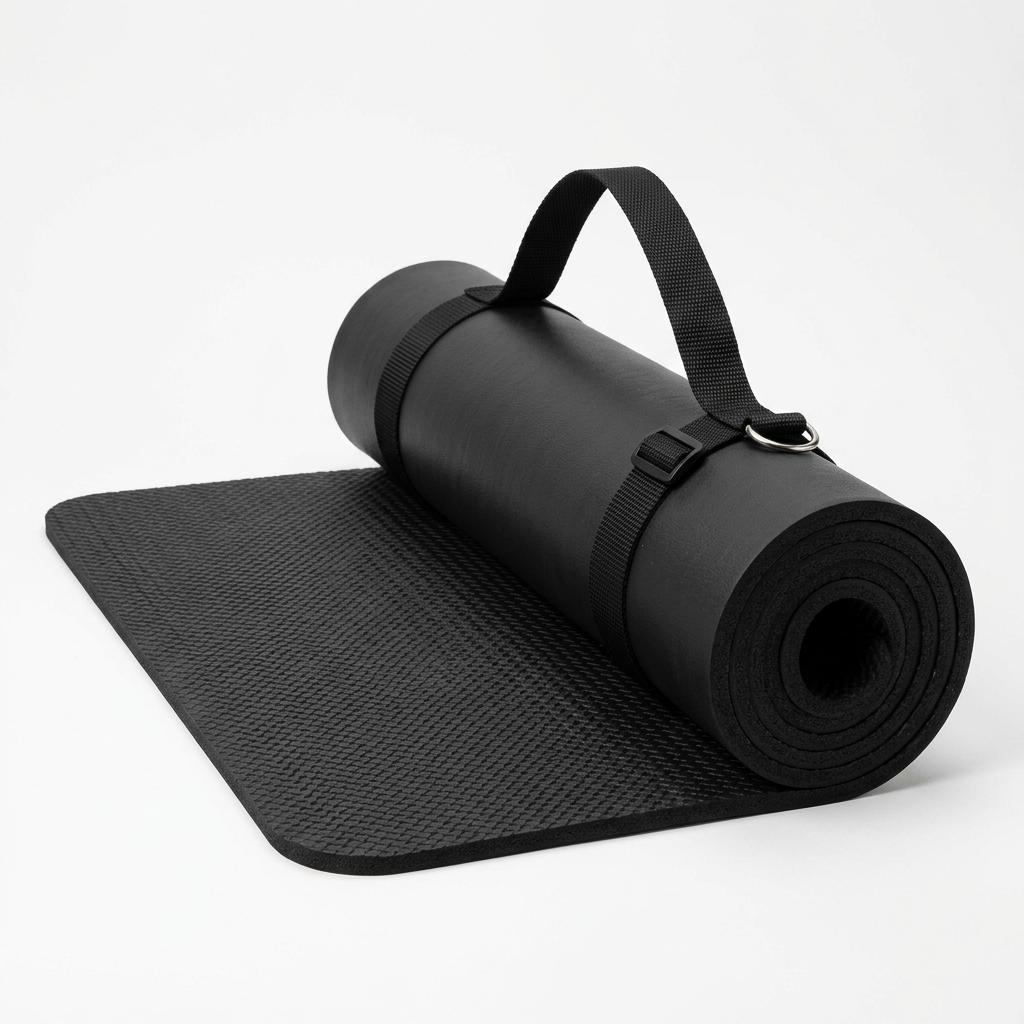 |
Amazon Basics 1/2-Inch Extra Thick Exercise Yoga Mat | $18-$25 | Best Budget | Check Price |
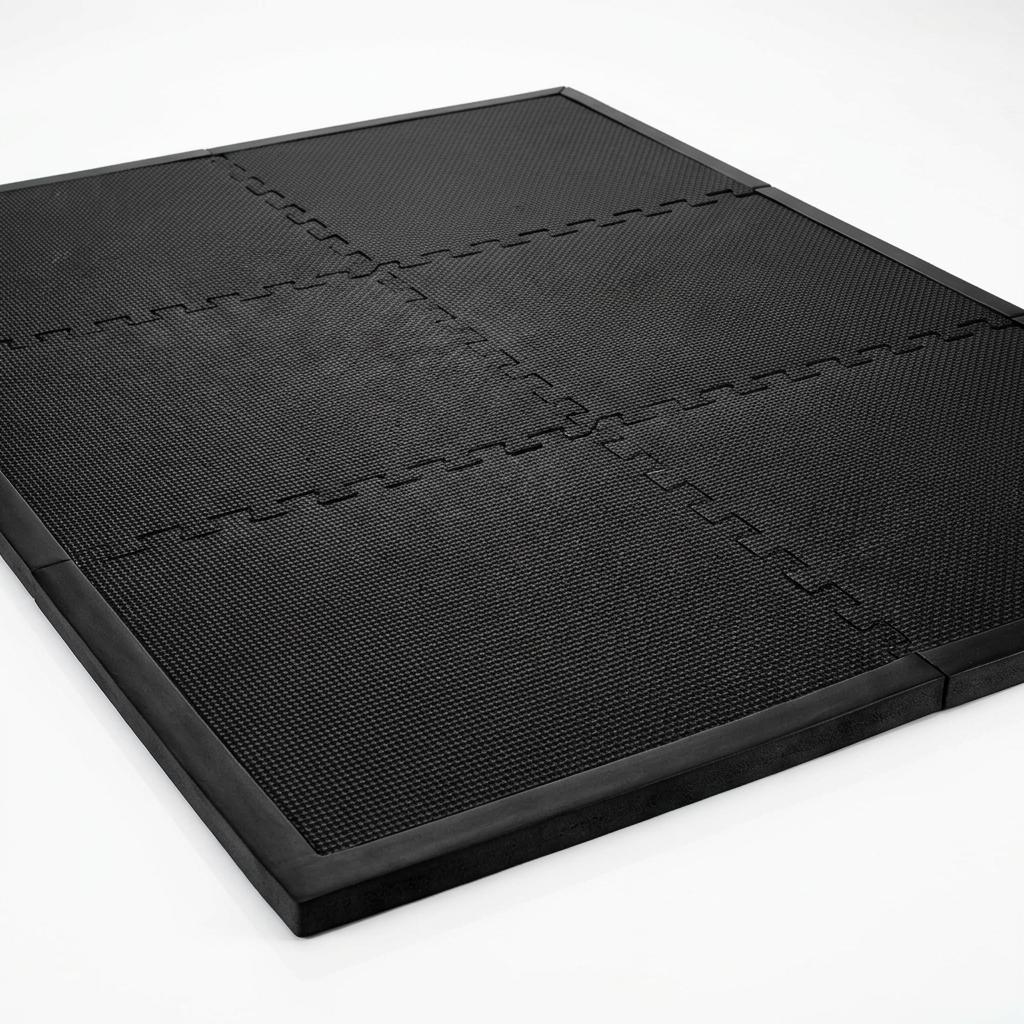 |
ProsourceFit Puzzle Exercise Mat (6-Pack, 24 sq ft) | $25-$35 | Best Floor Protection | Check Price |
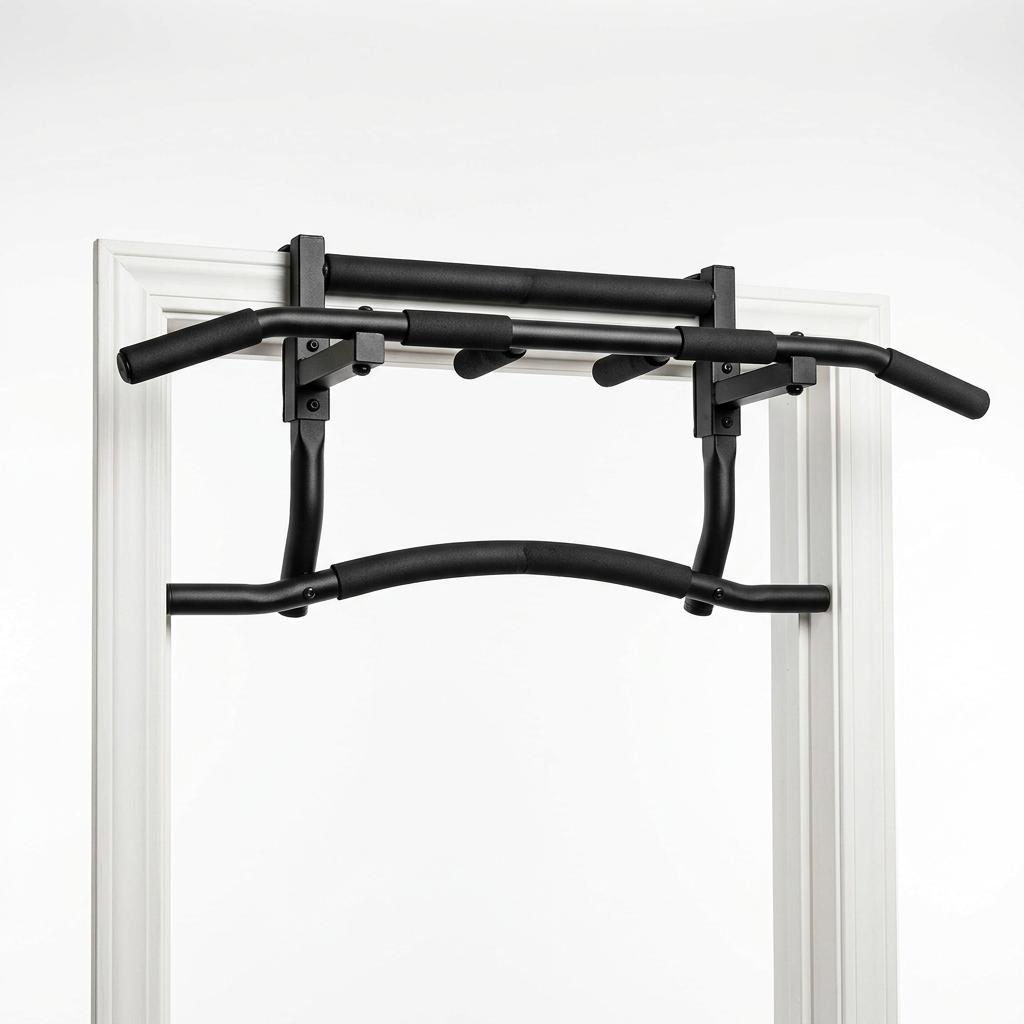 |
Yes4All Heavy Duty Doorway Pull-Up Bar (Multi-Grip) | $30-$45 | Best Space Saver | Check Price |
The gold standard for space-efficient adjustable dumbbells, replacing an entire rack with one compact pair.
A versatile adjustable bench that folds compactly for apartment storage while supporting a wide range of exercises.
An affordable, thick exercise mat that provides excellent cushioning for floor work in compact apartment gyms.
Affordable interlocking foam tiles that protect apartment floors and define your workout zone.
A doorway pull-up bar that requires no installation and adds zero footprint to your apartment gym.
Bowflex SelectTech 552s are the ultimate space-saving solution for apartment gyms, replacing up to 15 sets of dumbbells with a single compact pair that adjusts from 5 to 52.5 pounds via an intuitive dial system. While they command a premium price, the space savings alone justify the investment for most apartment dwellers who don't have room for a full dumbbell rack.
Check Price on Amazon
The FLYBIRD Adjustable Weight Bench is a standout choice for apartment gyms, offering seven back positions from decline to full upright that cover virtually every free-weight exercise you'd want to perform. Its folding design allows it to tuck away neatly when not in use, and the 620-pound weight capacity is more than sufficient for most home lifters. Setup takes about 30 minutes, but the versatility payoff is enormous.
Check Price on Amazon
The Amazon Basics Extra Thick Yoga Mat is the unsung hero of apartment gym setups, providing a comfortable 1/2-inch cushioned surface for everything from stretching and yoga to dumbbell floor presses and ab work. The textured surface grips well even during sweaty sessions, and the included carrying strap makes it easy to roll up and stash away when you're done. A small initial odor fades quickly with proper ventilation.
Check Price on Amazon
ProsourceFit's Puzzle Exercise Mats are a must-have for apartment gym owners who want to protect their floors from dumbbell drops and heavy equipment. The interlocking design lets you customize the exact footprint of your gym area, and the 3/4-inch EVA foam provides adequate protection for most home gym activities. For apartment dwellers concerned about noise transmission to neighbors below, these mats provide a helpful buffer layer.
Check Price on Amazon
The Yes4All Doorway Pull-Up Bar is the ultimate space-efficient addition to any apartment gym, providing a full upper-body workout station that installs in seconds without any drilling or permanent modifications. The multi-grip design lets you target different muscle groups with neutral, wide, and close grips, and the sturdy steel frame supports users up to 300 pounds. Consider adding foam padding to protect your door frame trim with extended use.
Check Price on Amazon