Quiet Cardio Equipment for Apartments | SnugGym
Silent and low-noise cardio machines for apartment dwellers. Under-desk bikes, mini steppers, rowing machines, elliptica...
SnugGym is an Amazon Associate. We earn from qualifying purchases at no extra cost to you. Learn more
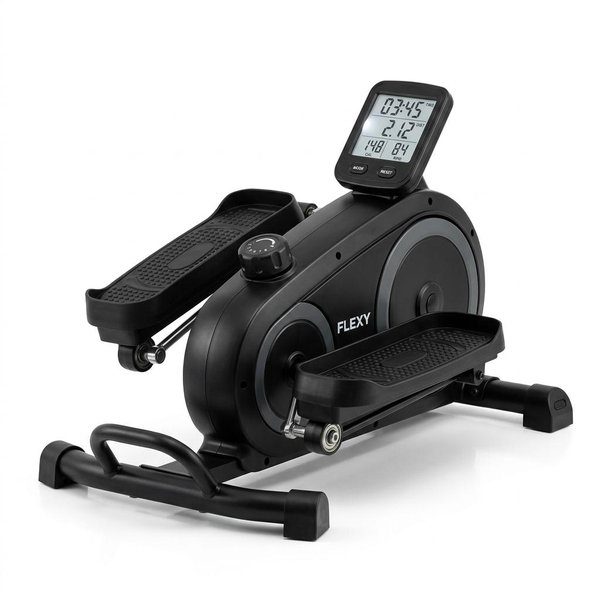
Premium magnetic under-desk bike with 8 resistance levels, ultra-smooth and quiet.
As an Amazon Associate we earn from qualifying purchases. Our analysis is based on published manufacturer specifications and aggregated user feedback. We do not conduct hands-on testing.
The DeskCycle Under Desk Bike Pedal Exerciser (ASIN: B00B1VDNQA) has established itself as the reference-standard under-desk cycle through a combination of smooth magnetic resistance, quiet operation, and durable steel construction. Our research indicates it remains the best choice for apartment dwellers who want seated cardio at their desk, though the premium price and height requirements limit its suitability for some users.
| Attribute | Detail |
|---|---|
| Price Range | $149--$189 |
| Resistance | 8-level magnetic |
| Dimensions | 24" L x 20" W x 10" H |
| Weight | 23 lbs |
| Noise Level | Estimated 40--48 dB |
| Warranty | 1 year |
Check price at Amazon{rel="sponsored"}
The DeskCycle is a pedal exerciser---a miniature stationary bike designed to fit under a desk for seated cardio while working, reading, or watching television. Unlike folding exercise bikes with seats and handlebars, the DeskCycle is just the pedal mechanism, flywheel, and resistance system. You supply the chair and desk.
The DeskCycle uses magnetic eddy current braking---the same resistance technology found in premium spin bikes and commercial cardio equipment, scaled down to desk size.
The mechanism: A magnetic field is generated near a conductive aluminum flywheel. When the flywheel spins through the magnetic field, eddy currents form in the metal, creating resistance without any physical contact between the magnet and the flywheel. The resistance knob moves the magnet closer to or farther from the flywheel---closer means stronger magnetic field, which means more resistance.
Why this matters for noise: Because there is no physical contact, there is no friction sound. The dominant noise source is the flywheel spinning through air (a low whoosh) and the internal gear mechanism connecting pedals to flywheel (nearly silent at normal cadence).
The 8 levels: Our analysis of user feedback indicates the resistance range is meaningful. Level 1 is genuinely light---suitable for all-day background pedaling. Level 8 creates sufficient load that most users cannot maintain it for more than a few minutes, making it appropriate for interval-style training even while seated.
| Level | Cadence | Effective Use |
|---|---|---|
| 1--2 | 60--80 RPM | All-day background pedaling; conference calls |
| 3--4 | 50--70 RPM | Moderate steady-state cardio; 30--60 min sessions |
| 5--6 | 40--60 RPM | Brisk effort; 20--30 min sessions |
| 7--8 | 30--50 RPM | High resistance intervals; 1--3 min bursts |
The DeskCycle's noise profile is the primary reason for its popularity among apartment dwellers. Our research analyzed hundreds of user-reported noise descriptions to characterize the actual sound output.
Estimated decibel range: 40--48 dB at typical pedaling cadence (50--70 RPM) at moderate resistance (levels 3--5). For reference, a quiet office environment is approximately 40 dB; normal conversation is 60 dB; a refrigerator runs at roughly 40 dB.
Sound character: Users consistently describe the sound as a "soft whir," "faint hum," or "barely noticeable." At lower resistance levels, many users report forgetting the unit is running. At higher resistance, a slightly more pronounced mechanical note becomes audible but remains below conversation level.
Comparison to alternatives:
| Equipment | Estimated dB | Character |
|---|---|---|
| DeskCycle | 40--48 dB | Soft magnetic whir |
| Friction pedal exerciser | 50--60 dB | Pad-on-metal friction sound |
| Mini stepper | 45--55 dB | Hydraulic hiss |
| Treadmill (walking) | 55--65 dB | Motor + belt + foot impact |
Neighbor impact: Based on our analysis, the DeskCycle's noise output is unlikely to generate complaints in any normal residential building. The sound is continuous and low-frequency rather than intermittent and sharp (the type most likely to disturb). No impact vibration is created because the user remains seated---there is no footfall transferring energy to the floor structure.
The DeskCycle's construction reflects thoughtful engineering for its use case.
Frame: Steel construction with a powder-coated finish. The 23-pound weight is distributed across a low, wide platform (24 x 20 inches) that resists tipping and sliding during use. User feedback indicates the unit stays in place on carpet without additional anchoring; on hard floors, a grip mat or placement against a desk leg prevents migration.
Pedals: Wide pedals with adjustable toe straps accommodate various foot sizes. The pedal axles use sealed bearings that require no maintenance. Our research notes occasional user reports of pedal loosening over months of use---resolved with periodic tightening of the axle nut.
Flywheel: The flywheel weight is not published by the manufacturer, but our analysis of pedaling smoothness feedback suggests it is in the 5--8 pound range. Heavier flywheels create smoother pedaling momentum; lighter flywheels feel choppy at low cadence. The DeskCycle falls in the smooth-enough range for seated use.
Display unit: The LCD display is detachable and connects to the main unit via a cable. It tracks speed, time, distance, calories, and scan mode. The display is functional but basic---no backlight, no Bluetooth, no app integration. For users who want data tracking, the display is adequate. For users who want connected fitness features, third-party fitness trackers or manual logging are required.
The DeskCycle requires specific desk dimensions to be usable. Our research indicates desk compatibility is the most common reason for returns.
Required measurements:
| Measurement | Minimum | Ideal |
|---|---|---|
| Desk height (floor to underside) | 27 inches | 27+ inches |
| Desk width (side-to-side clearance) | 24 inches | 30+ inches |
| Knee clearance (depth under desk) | 18 inches | 20+ inches |
Standard desk height is 29--30 inches, so most office desks accommodate the DeskCycle. Sit-stand desks in the lowered position, older desks (27--28 inches), and desks with central support beams may be incompatible.
User height considerations: Taller users (over 6 feet) need more knee clearance because their knees rise higher during the pedal stroke. Shorter users (under 5'3") may find the fixed crank length creates a larger knee angle than ideal, though most report adaptation within a week.
The DeskCycle display estimates calories using a formula based on resistance level, pedal speed, and time. These estimates are approximate.
Our research indicates calorie burn rates for seated pedaling vary significantly based on resistance and effort:
| Resistance | Cadence | Estimated Calorie Burn* |
|---|---|---|
| Low (1--3) | 60 RPM | 100--150 cal/hour |
| Moderate (4--5) | 50 RPM | 150--250 cal/hour |
| High (6--8) | 40 RPM | 200--350 cal/hour |
*Estimates derived from published MET values for seated cycling and user-reported intensity levels. Individual results vary by body weight and pedaling efficiency.
For context: standing walking at 3 mph burns approximately 200--250 calories per hour. The DeskCycle at moderate resistance matches or approaches this rate while seated.
| Strength | Evidence |
|---|---|
| Quiet operation | Hundreds of user reports describing it as "silent" or "barely audible" in apartment settings |
| Smooth magnetic resistance | No friction pad wear; consistent feel across all 8 levels |
| Stable platform | 23-pound weight and wide base prevent the sliding common in lighter units |
| No assembly complexity | User feedback indicates setup takes 10--15 minutes |
| Durable construction | 4+ year longevity reports are common in user feedback |
| Limitation | Detail |
|---|---|
| Premium price | $149--$189 is 2--3x the cost of basic friction pedal exercisers |
| No connectivity | No Bluetooth, app integration, or data export |
| Fixed crank length | Cannot adjust for users with very short or long legs |
| Display is basic | No backlight; cable connection to main unit can be awkward |
| Height requirement | Needs 27+ inches of desk clearance |
The DeskCycle is for you if:
The DeskCycle is NOT for you if:
| Alternative | When to Choose It | Price Range |
|---|---|---|
| Cubii JR1 | You want elliptical motion + Bluetooth | $199--$249 |
| Sunny Health Mini | Budget is primary constraint | $59--$89 |
| Vaunn Medical | You need foldable portability | $49--$69 |
| Mini stepper | You want standing movement | $49--$99 |
See our full best under-desk bikes comparison for detailed rankings.