Quiet Cardio for Apartments: The Complete Noise-Control Guide
A comprehensive research-backed guide to neighbor-friendly cardio in apartments. Equipment noise levels by type, soundpr...
SnugGym is an Amazon Associate. We earn from qualifying purchases at no extra cost to you. Learn more

Comprehensive resistance band set with handles, door anchor, ankle straps, and carrying case.
The resistance system in a rowing machine or stationary bike determines how the exercise feels, how loud it is, how much maintenance it requires, and how closely it simulates real-world movement. Three dominant technologies exist: air, magnetic (eddy current), and water (fluid). Each operates on different physical principles and produces measurably different user experiences.
This guide explains the engineering behind each system, compares them across objective criteria, and provides selection guidance based on your training goals and environment.
Mechanism: A flywheel with fan blades rotates through a housing. Air enters through an intake, and the fan must displace that air to spin. Resistance increases as fan speed increases—faster pulling or pedaling pushes more air, creating greater drag. No fixed resistance setting exists; output is entirely effort-dependent.
Key physical principle: Resistance is proportional to the square of velocity. Doubling your speed quadruples resistance. This creates an infinitely variable, effort-responsive curve.
Damper adjustment: Most air rowers include a damper lever that controls how much air enters the fan housing. Higher damper settings (e.g., 10 on the Concept2) allow more air in, making each stroke feel heavier at the same speed. Lower settings (1–3) allow less air, feeling lighter. The damper does not set a fixed resistance—it changes the "gear ratio" of the stroke.
Mechanism: A metal flywheel spins between magnets. As the flywheel rotates through the magnetic field, eddy currents generate resistance without physical contact between the magnet and flywheel. Adjusting magnet proximity (via manual lever or electronic control) changes resistance level. The user sets a specific resistance level that remains constant regardless of speed.
Key physical principle: Eddy current braking. No friction, no wear on the resistance element. Resistance is controlled and consistent at any speed.
Electronic vs. manual control: Premium magnetic systems use servomotors to adjust magnet position. Budget systems use a mechanical cable connected to a dial. Both achieve the same outcome—variable, controllable resistance—but electronic systems enable programmed workouts and automatic resistance changes.
Mechanism: A flywheel with paddles spins inside a sealed tank of water. Resistance increases with paddle speed—faster movement displaces more water, creating greater drag. Like air resistance, output is partially effort-dependent. A dial typically adjusts how much water is in the tank or the paddle submersion depth, changing baseline resistance.
Key physical principle: Fluid displacement drag. Water is roughly 800× denser than air, producing substantially higher resistance at equivalent speeds. The feel is smooth and continuous, without the "catch" of air resistance.
| Feature | Air Resistance | Magnetic Resistance | Water Resistance |
|---|---|---|---|
| Resistance feel | Dynamic, effort-scaled | Constant, user-set | Dynamic, slightly damped |
| Noise level | High (65–95 dB) | Low (45–65 dB) | Moderate (60–75 dB) |
| Noise character | Whoosh/rush of air | Near-silent hum | Water sloshing |
| Maintenance needs | Low (clean fan, check chain/belt) | Very low | Moderate (water treatment, tank cleaning) |
| Realism (rowing) | High (used by competitive rowers) | Low–Moderate | High (simulates water feel) |
| Progressive overload | Speed-dependent | Direct resistance control | Speed + water volume |
| Workout data accuracy | Excellent (watts, pace, SPM) | Good (watts estimated) | Moderate |
| Initial cost | $300–1,000 | $200–800 | $400–1,500 |
| Long-term durability | Excellent (simple mechanism) | Excellent (no contact wear) | Good (tank seals, water) |
| Apartment suitability | Poor (noise) | Excellent (quiet) | Moderate (noise + weight) |
Strengths:
Effort-responsive feel is the defining characteristic. The harder you pull or pedal, the more resistance you generate. This mirrors real athletic movement—rowing a boat, cycling into wind—and enables natural interval pacing without manual adjustment.
Data accuracy is unmatched on rowing machines. The Concept2 RowErg, the benchmark air rower, measures power output (watts), pace per 500m, and stroke rate with laboratory-grade consistency. This enables standardized benchmarking, online racing, and structured training plans. No other resistance type matches this measurement precision.
Durability is exceptional. Air rowers have few wear components. The fan doesn't contact anything. The chain or belt requires periodic lubrication. Concept2 rowers in commercial gyms routinely log 10+ years of heavy use.
Damper adjustability provides range. A setting of 1 feels like a racing shell. A setting of 10 feels like a heavy tank. The same machine accommodates deconditioned beginners and elite athletes.
Limitations:
Noise is the dealbreaker for apartments. Air rowers generate a loud whoosh—65 dB at light effort, 80+ dB at high intensity. The noise character (broad-spectrum rushing air) travels through doors and walls. Our research indicates this noise level is incompatible with shared-wall living during early morning, late evening, or adjacent to noise-sensitive neighbors. See our equipment noise levels chart for detailed acoustic data.
No fixed resistance for controlled training. Because resistance is entirely speed-dependent, slow recovery rows feel very light. This is appropriate for rowing specificity but less versatile for general fitness users who want to set a consistent resistance and maintain steady cadence.
Who air resistance is for: Performance-oriented users, competitive rowers, CrossFit trainees, and anyone prioritizing data accuracy and training specificity over noise concerns. Best for detached homes, garages, or ground-floor apartments with tolerant neighbors.
Strengths:
Near-silent operation is the primary advantage. Magnetic systems produce minimal sound—typically 45–55 dB at moderate effort, comparable to a quiet conversation. The only audible elements are the seat rolling on the rail (rowing) or the belt/chain drive. This makes magnetic resistance the default recommendation for apartment home gyms.
Controlled resistance enables consistent training. Set level 8, maintain 60 RPM (bike) or 24 SPM (rower), and experience identical resistance every session. This consistency benefits general fitness users, rehabilitation patients, and anyone following heart-rate-based training protocols.
Programmable workouts are common. Electronic magnetic systems integrate with workout programs that auto-adjust resistance—simulating hills on a bike or interval pyramids on a rower. This automation reduces the cognitive load of manual adjustment.
No maintenance resistance element. Because magnets never contact the flywheel, the resistance mechanism doesn't wear. Maintenance is limited to rail cleaning, chain/belt lubrication, and console battery replacement.
Limitations:
Resistance feel differs from air or water. The constant resistance can feel "flat" or "artificial" compared to the dynamic response of air. There's no acceleration reward—the resistance doesn't decrease as you slow between strokes. Rowers in particular may find the catch (start of the stroke) feels heavier and less natural.
Power measurement is less accurate. Most magnetic rowers estimate watts rather than measuring them directly. The estimates vary between manufacturers and aren't comparable across machines. Serious rowers find this limitation significant.
Maximum resistance may be insufficient for strong users. Budget magnetic systems may top out at resistance levels that challenge beginners but not conditioned athletes. Premium systems (e.g., Hydrow magnetic/hybrid rowers) address this with stronger magnet arrays.
Who magnetic resistance is for: Apartment dwellers, noise-sensitive environments, general fitness users, rehabilitation training, and anyone who values quiet operation and controlled resistance over dynamic feel and performance data.
Strengths:
Realistic rowing feel is the primary selling point. The water tank produces resistance that closely mimics rowing a boat on water. The catch feels natural. The drive accelerates smoothly. The finish decelerates organically. For users who row on water seasonally and want realistic off-water training, water resistance is compelling.
Aesthetic appeal matters. Water rowers (notably WaterRower and First Degree Fitness) typically feature wooden frames and visible water tanks that look like furniture rather than gym equipment. For home gyms in living spaces, this design integration is meaningful.
Moderate noise with pleasant character. Water resistance produces 60–75 dB of sloshing sound. While not quiet, the noise character (water movement) is less objectionable than air whoosh. Some users find it soothing. It still transmits through floors and walls but may generate fewer complaints than air resistance.
Dynamic resistance with some adjustability. Unlike air resistance (where the damper changes air volume but not the fundamental speed-resistance relationship), water rowers can adjust tank water level or paddle depth. This enables meaningful baseline resistance changes.
Limitations:
Maintenance is non-trivial. Water in the tank requires periodic treatment with purification tablets to prevent algae and bacterial growth. The manufacturer states treatment every 6 months. In practice, some users report needing more frequent treatment in warm climates. Tank seals must be inspected periodically—leak risk, while low, has higher consequences than air or magnetic system maintenance.
Weight and bulk are significant. A filled water tank adds 40–60 lbs to the machine. Moving the rower for storage requires emptying the tank or lifting substantial weight. This is a one-person job only for strong users.
Performance data is limited. Water rowers generally lack the precise power measurement of air rowers. The relationship between tank settings and actual resistance isn't standardized. Serious rowers typically prefer air resistance for structured training.
Cost is higher. Quality water rowers start around $500 and extend to $1,500+. The price premium reflects the tank system and typically wooden construction.
Who water resistance is for: Users who prioritize realistic rowing feel and aesthetic design. Those who find water sounds pleasant rather than distracting. Homeowners with dedicated space who don't need to move the machine frequently. Users for whom gym equipment visible in a living space must look presentable.
| Use Case | Best System | Rationale |
|---|---|---|
| Apartment, shared walls | Magnetic | Noise under 55 dB |
| Performance rowing training | Air | Data accuracy, dynamic feel |
| General fitness, mixed household | Magnetic | Quiet, programmable |
| Water rower cross-training | Water or Air | Realistic feel |
| Rehabilitation / controlled exercise | Magnetic | Consistent resistance, low impact |
| HIIT / CrossFit | Air | Unlimited speed = unlimited resistance |
| Visible in living space | Water | Furniture aesthetic |
| Maximum budget efficiency | Magnetic (budget tier) | Lowest cost for acceptable quality |
| Long-term durability priority | Air or Magnetic | Minimal maintenance elements |
Some manufacturers combine resistance types. The Hydrow rower uses a computer-controlled electromagnetic drag mechanism that aims to replicate water rowing feel with magnetic precision. The Ergatta rower (water-based) adds game-based programming to a water resistance platform. These hybrids attempt to capture benefits from multiple systems but at premium price points ($2,000+).
Our assessment: For most users, a quality single-system machine at half the price delivers equivalent fitness outcomes. The premium for hybrid systems pays for experience and software, not fundamentally better exercise.
Air resistance delivers performance and data accuracy at the cost of noise. Magnetic resistance delivers silence and control at the cost of dynamic feel. Water resistance delivers realism and aesthetics at the cost of maintenance and weight.
For apartment home gyms, magnetic resistance is the practical default. The noise advantage outweighs the feel disadvantage for general fitness use. Performance-focused users in noise-tolerant environments should consider air resistance. Water resistance serves a specific niche of aesthetics and realism that justifies its tradeoffs for the right user.
As an Amazon Associate we earn from qualifying purchases.
Last updated: 2025-07-21
| Image | Product | Price | Badge | Link |
|---|---|---|---|---|
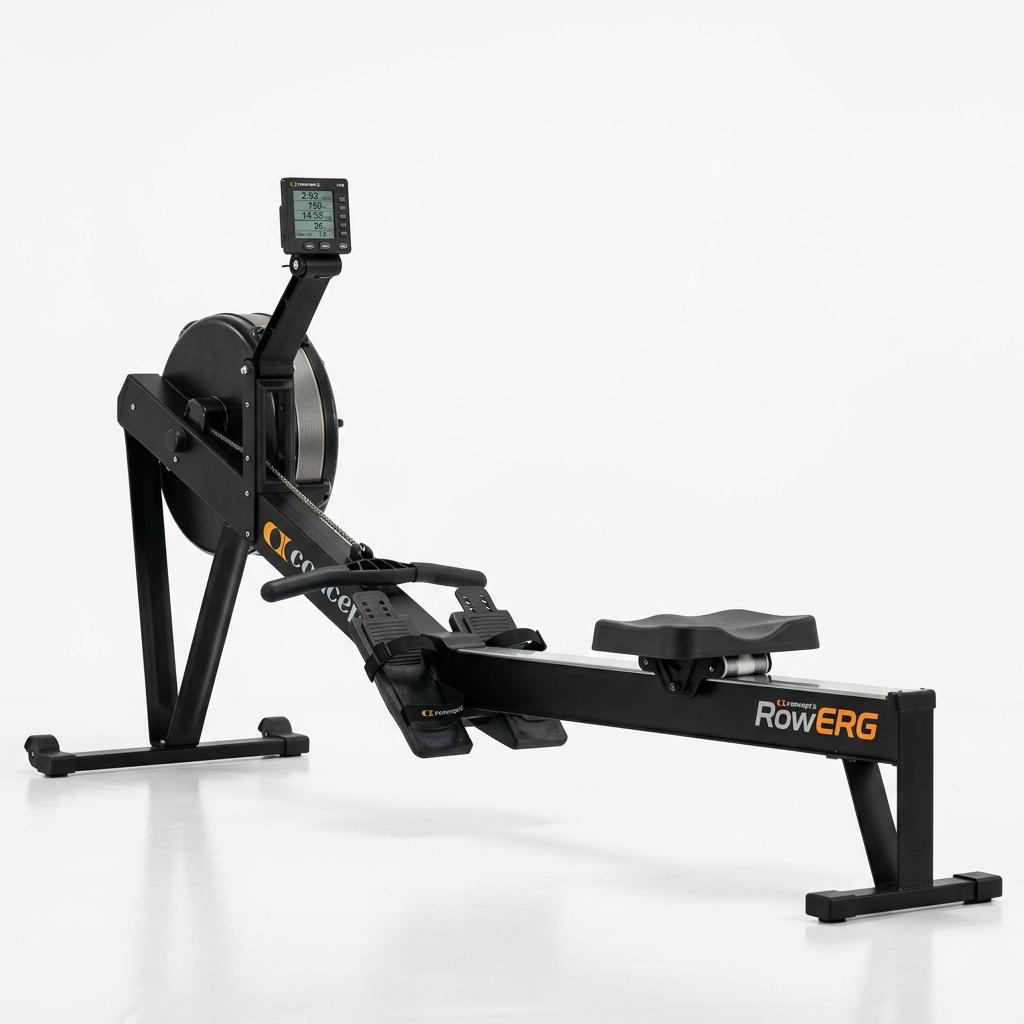 |
Concept2 RowErg | $900-$1,100 | Best Overall (Air) | Check Price |
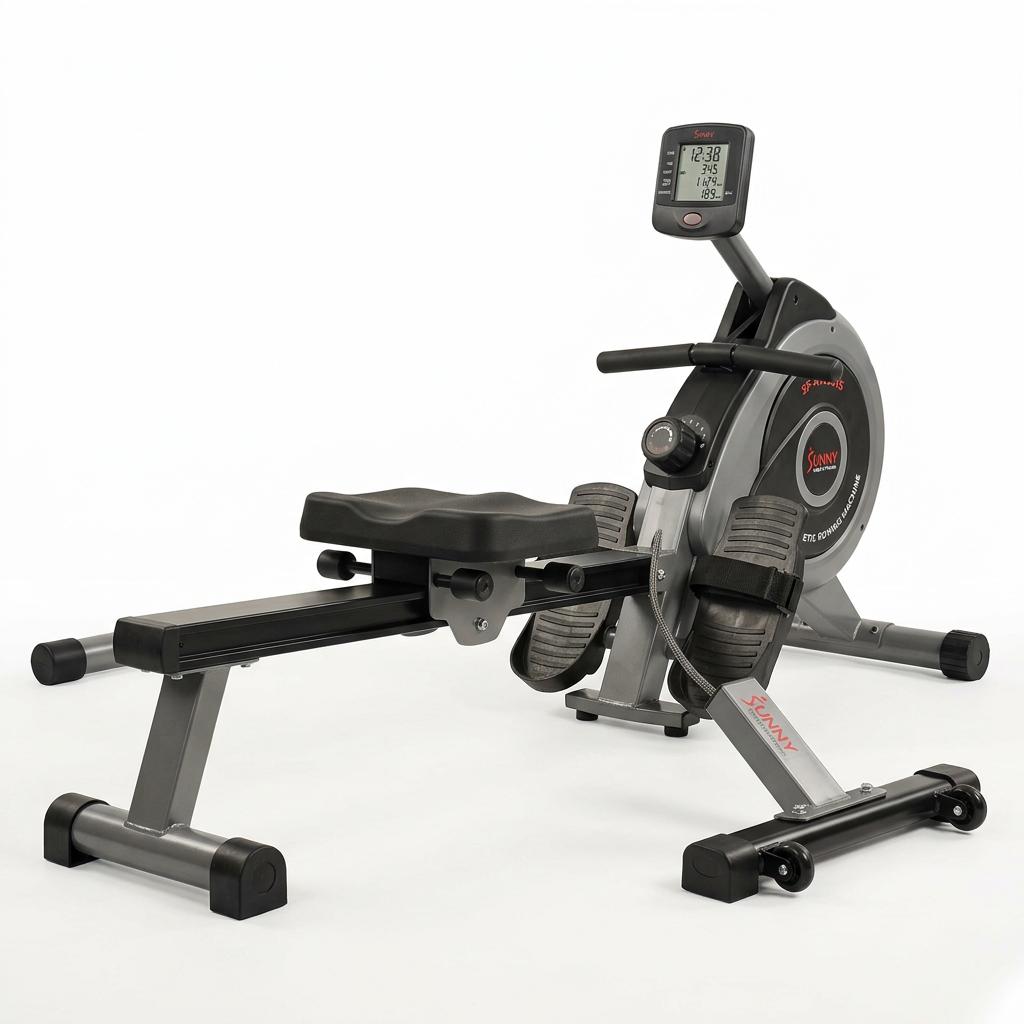 |
Sunny Health & Fitness SF-RW5515 Magnetic Rowing Machine | $250-$350 | Best Quiet Pick (Magnetic) | Check Price |
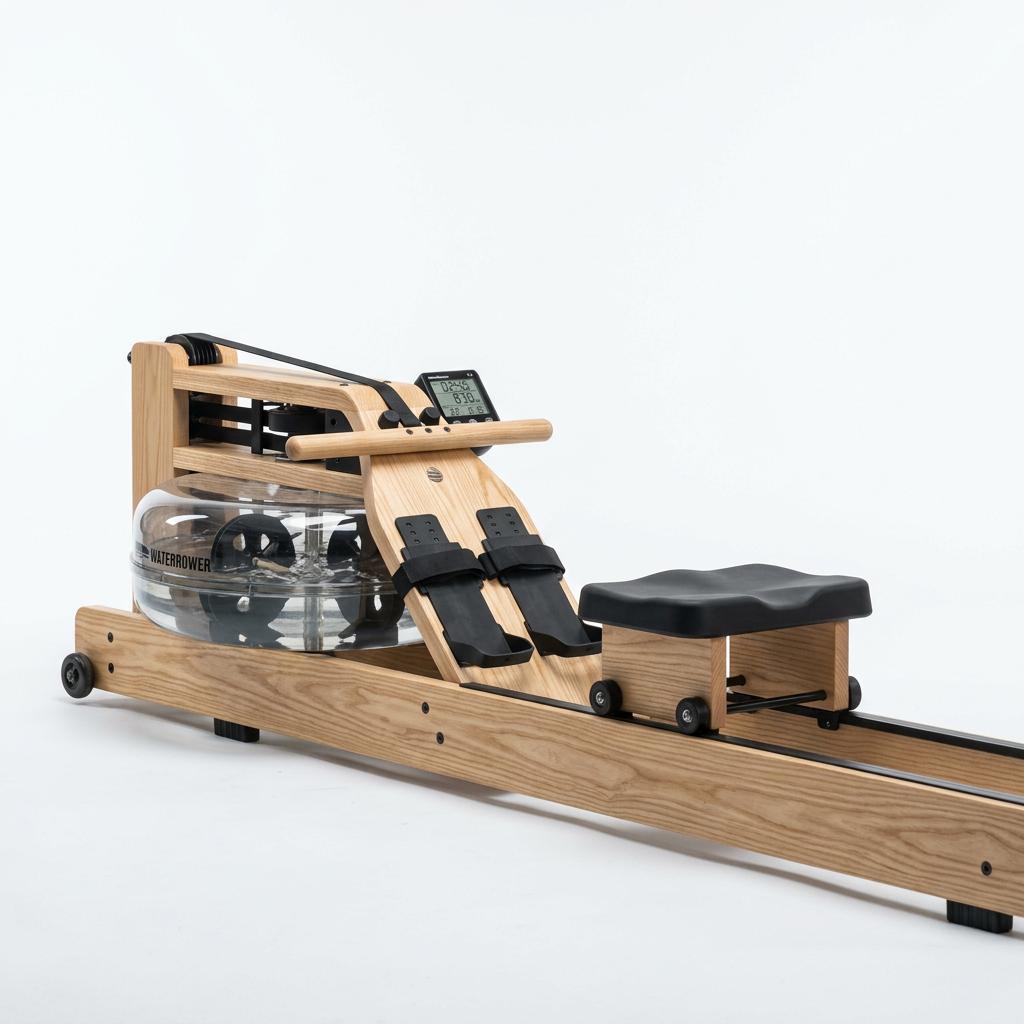 |
WaterRower A1 Home Rowing Machine | $900-$1,100 | Premium Pick (Water) | Check Price |
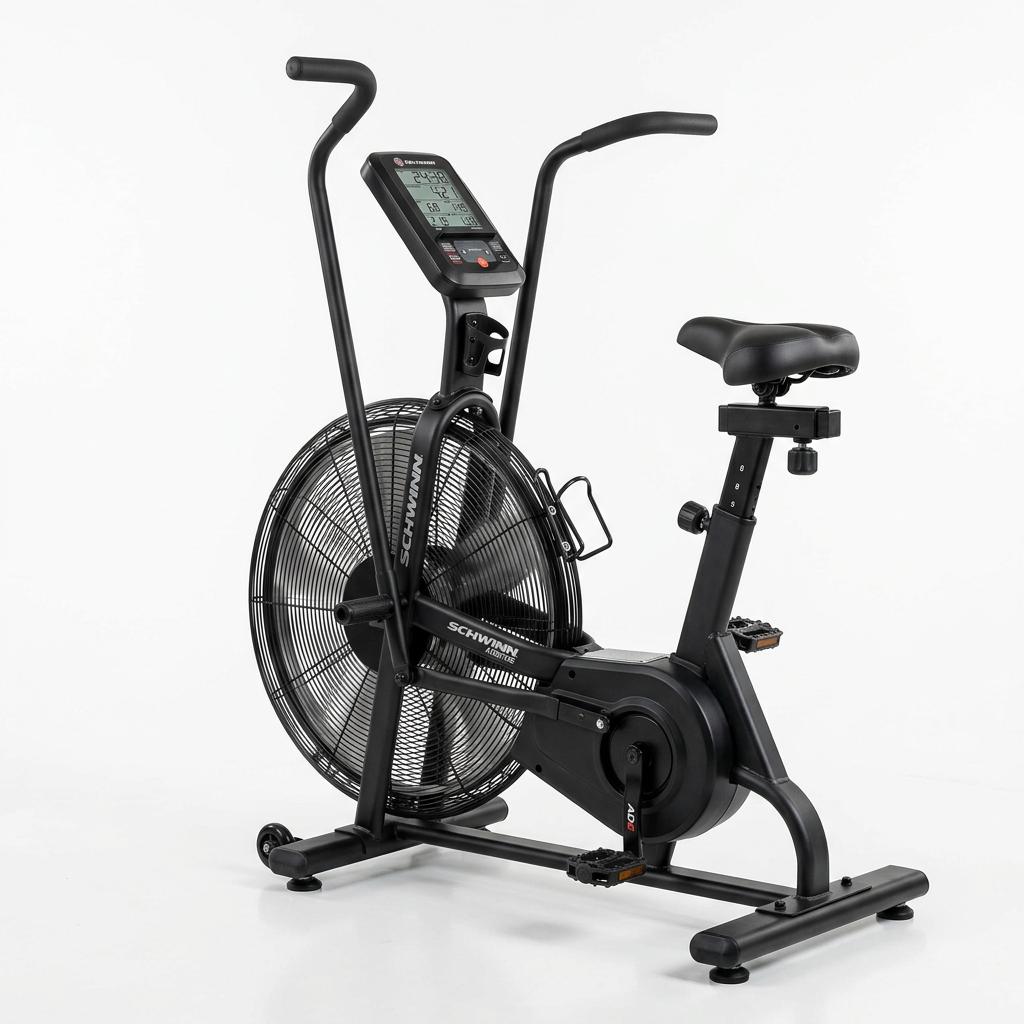 |
Schwinn Airdyne AD6 Exercise Bike | $500-$700 | Best Air Bike | Check Price |
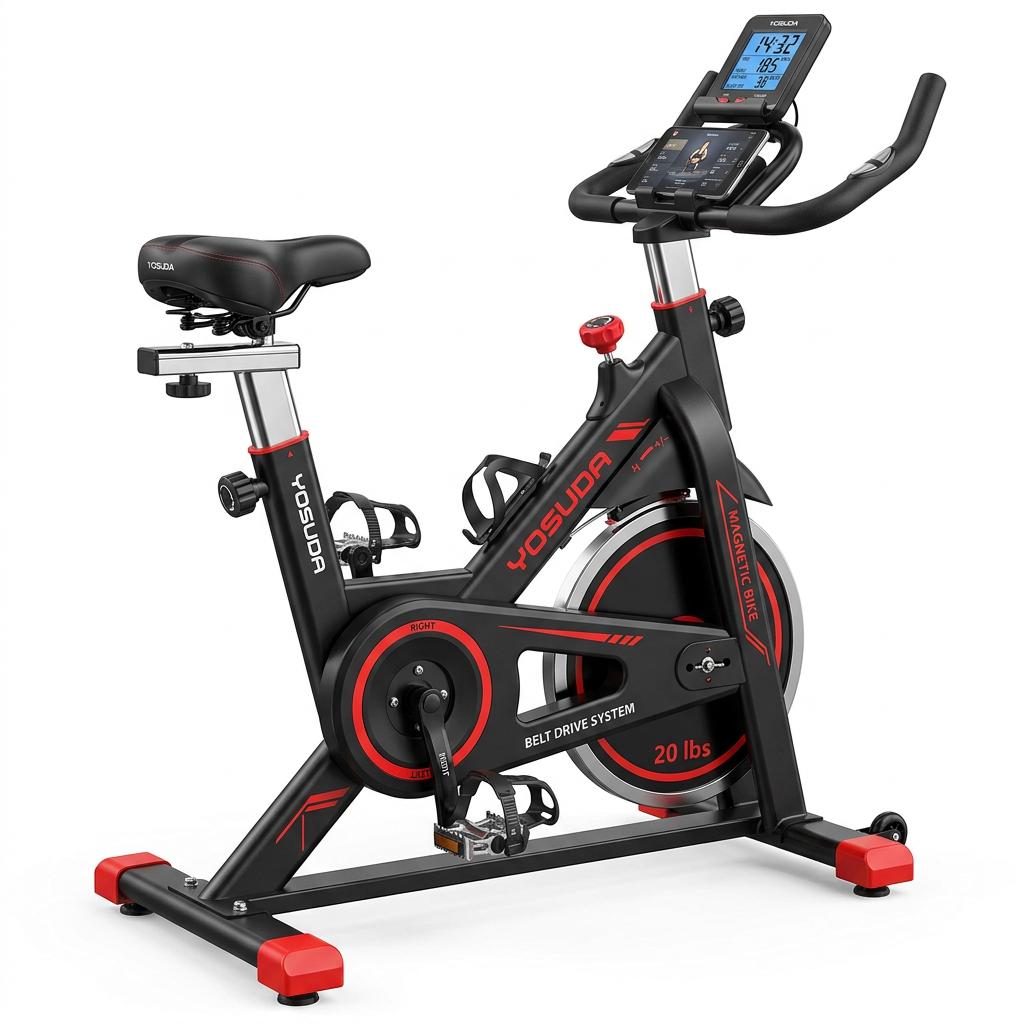 |
YOSUDA Magnetic Exercise Bike | $260-$330 | Best Budget Magnetic Bike | Check Price |
The gold standard air resistance rower used by competitive athletes worldwide.
The best-selling quiet magnetic rower, ideal for apartment dwellers on a budget.
A handcrafted water rower that looks like furniture while delivering an authentic rowing experience.
The classic air bike that delivers an intense full-body workout with unlimited resistance.
A whisper-quiet magnetic indoor cycling bike that fits apartments and tight budgets.
The Concept2 RowErg is the definitive air resistance rowing machine, trusted by Olympic athletes and CrossFit competitors for decades. Its air flywheel responds dynamically to your effort — pull harder and resistance increases proportionally with no upper ceiling. The PM5 performance monitor is the most accurate in the industry, tracking watts, pace, stroke rate, and calories with laboratory-grade precision. While the fan noise (65-80 dB) makes it less ideal for noise-sensitive apartments, the two-piece separable design enables surprisingly compact storage. For performance-focused users who prioritize data accuracy and dynamic resistance feel, the RowErg remains unmatched at any price.
Check Price on Amazon
The Sunny Health SF-RW5515 has earned its status as the best-selling home rowing machine by delivering whisper-quiet magnetic resistance at an accessible price point. Operating at just 32-42 dB, it's virtually inaudible through walls — making it the default recommendation for apartment home gyms. The 8-level magnetic system provides smooth, consistent resistance that's perfect for steady-state cardio and general fitness. The vertical fold mechanism reduces the storage footprint to approximately 20x20 inches, smaller than a dining chair. While serious rowers may find the fixed resistance ceiling limiting, the SF-RW5515 represents the best entry point for quiet home rowing.
Check Price on Amazon
The WaterRower A1 transforms a piece of exercise equipment into a statement furniture piece with its handcrafted solid ash wood frame. The patented WaterFlywheel creates resistance by moving water through a sealed tank, producing a smooth, natural stroke feel that's remarkably similar to rowing an actual boat. The gentle splashing sound (60-75 dB) is less disruptive than air rower fan noise and many users find it meditative. Vertical storage requires just 20x21 inches of floor space — about the size of a small side table. The tradeoffs are the need for periodic water purification tablet treatments and the 60+ lb weight when filled. For users who value aesthetics and realistic water feel, the A1 justifies its premium price.
Check Price on Amazon
The Schwinn Airdyne AD6 is the quintessential air resistance exercise bike, delivering a punishing full-body workout through its signature dual-action design. The large fan flywheel creates air resistance that scales infinitely — the harder you pedal and push/pull the handles, the more resistance you generate. This makes it ideal for HIIT training and CrossFit-style workouts where you need maximum intensity. The self-powered design means no electrical cords, and the commercial-grade steel frame handles users up to 300 lbs. The downside is significant fan noise (70-85 dB) that makes this bike unsuitable for shared-wall apartments. For garage gyms, basements, or dedicated workout spaces, the Airdyne AD6 delivers unmatched intensity.
Check Price on Amazon
The YOSUDA Magnetic Exercise Bike proves that effective indoor cycling doesn't require premium pricing or loud friction resistance. Its belt drive system paired with 8-level magnetic resistance produces virtually zero noise — ideal for early morning workouts in apartments. At just 16 inches wide, it fits into spaces where bulkier bikes won't, and the integrated tablet holder lets you stream content while riding. The 350 lb weight capacity is impressive for this price tier, and the padded seat is more comfortable than typical budget bike saddles. While advanced cyclists may outgrow the 8-level resistance range, the YOSUDA provides everything a general fitness user needs for quiet, effective cardio at home.
Check Price on Amazon