Rowing & Bike Resistance Types: Air vs. Magnetic vs. Water Explained
Technical comparison of air, magnetic, and water resistance systems for rowing machines and stationary bikes. Noise, fee...
Research-backed analysis from SnugGym about Best Recovery Cardio Day.
In This Article:
The fitness world has long operated under a "no days off" mentality that treats rest as weakness and pushes for maximum effort in every session. Modern exercise science has thoroughly debunked this approach, demonstrating that recovery is not merely the absence of training — it is an active physiological process where adaptation actually occurs. The training stimulus breaks tissue down; recovery builds it back stronger. Without adequate recovery, continued hard training produces diminishing returns at best and overtraining syndrome at worst.
Active recovery occupies the intelligent middle ground between complete sedentary rest and full training sessions. It involves low-intensity movement that promotes circulation, facilitates metabolic waste clearance, reduces muscle soreness, and maintains movement patterns without adding significant training stress. For home gym owners with established training habits, active recovery days also serve a crucial psychological function — they satisfy the desire to move and train while allowing physiological systems to restore.
The key distinction is intensity. A recovery session is not a "light workout" where you merely reduce weight or volume while maintaining moderate intensity. True active recovery operates at fundamentally low intensity — conversational pace, minimal perceived exertion, and heart rates well below typical training zones. The goal is movement for recovery's sake, not training for performance improvement.
Active recovery produces benefits through several well-documented physiological mechanisms:
Enhanced blood flow — Low-intensity movement increases muscle blood flow without the metabolic stress of higher intensities. This enhanced circulation delivers oxygen and nutrients to recovering tissues while removing metabolic byproducts including lactate, hydrogen ions, and inflammatory markers. Research published in the Journal of Sports Sciences demonstrates that active recovery accelerates lactate clearance compared to passive rest, though the practical significance of faster lactate removal for next-day performance is modest.
Lymphatic drainage — The lymphatic system, which clears cellular waste and immune complexes from tissues, lacks a central pump like the heart. It relies on muscular contraction and movement to propel lymph fluid. Low-intensity exercise significantly increases lymphatic flow compared to sedentary rest, supporting the immune system and reducing exercise-induced inflammation.
Fascial hydration and mobility — Connective tissue (fascia) requires movement to maintain optimal hydration and glide characteristics. Gentle, varied movement during recovery sessions prevents fascial adhesions and maintains the tissue suppleness that supports full range of motion in subsequent training sessions.
Parasympathetic activation — Low-intensity exercise at the appropriate heart rate stimulates the parasympathetic ("rest and digest") nervous system, promoting recovery processes including digestion, tissue repair, and sleep quality. This stands in contrast to high-intensity training, which activates the sympathetic ("fight or flight") system and requires dedicated recovery time to restore balance.
Mental restoration — The rhythmic, low-demand nature of recovery cardio provides mental downtime from the concentration and intensity of hard training sessions. Many athletes report that recovery sessions improve mood, reduce training-related anxiety, and restore motivation for subsequent hard efforts.
Heart rate training zones provide the most objective framework for controlling recovery session intensity. Zone 1 — sometimes called the "recovery zone" or "active recovery zone" — represents 50–60% of your maximum heart rate or 50–60% of your heart rate reserve (HRR). For a 35-year-old with a resting heart rate of 60 bpm:
This 122–135 bpm range represents the target for this individual's recovery sessions. The intensity should feel genuinely easy — you should be able to maintain a normal conversation in complete sentences without breathlessness. If you cannot speak comfortably, intensity is too high for recovery purposes.
The most common error in recovery training is drifting into Zone 2 (60–70% HRR) or higher. Zone 2 is a legitimate training intensity — often called the "aerobic base" zone — but it produces meaningful training stress that does not serve recovery purposes. Many well-intentioned athletes turn their "easy day" into a moderate aerobic session that adds fatigue without providing the specific benefits of true low-intensity recovery work.
Recovery session duration depends on your training volume, fitness level, and available time. General guidelines:
Minimum effective dose — 15–20 minutes of continuous Zone 1 activity provides measurable recovery benefits. This is the shortest session worth performing — shorter durations still provide some psychological benefit but minimal physiological recovery enhancement.
Optimal range — 20–30 minutes represents the sweet spot for most trainees. This duration provides full circulation enhancement, meaningful lymphatic flow increase, and substantial parasympathetic activation without accumulating fatigue.
Extended sessions — 30–45 minutes may be beneficial for endurance athletes with high weekly training volumes (10+ hours) or individuals using recovery sessions to build aerobic base while managing impact stress. Beyond 45 minutes, even Zone 1 intensity produces accumulating stress that may compromise recovery rather than enhance it.
Frequency — Most trainees benefit from 1–2 dedicated recovery sessions per week, typically on days following high-intensity training (heavy lifting, HIIT, hard cardio) or on scheduled rest days between training blocks.
The ideal recovery modality elevates heart rate into Zone 1 with minimal joint stress, impact forces, and technical demands. For home gym environments, these modalities excel:
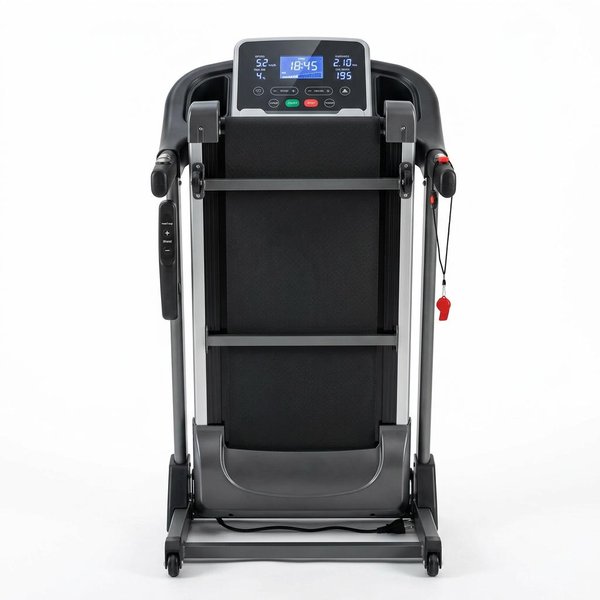
Walking — The most accessible and underrated recovery modality. Outdoor walking on varied terrain adds proprioceptive benefits; treadmill walking at slight incline (1–3%) provides consistent pacing. The key is brisk enough pace to reach Zone 1 without exceeding it. For fit individuals, this may require purposeful walking rather than strolling.
Easy cycling — Stationary bikes (upright or recumbent) provide non-weight-bearing cardiovascular stimulus with zero impact. Recumbent bikes are particularly gentle on the lower back and hips. Resistance should be minimal — just enough to maintain smooth pedal cadence (80–90 RPM) at Zone 1 heart rate.
Light rowing — Rowing at very low intensity provides gentle full-body movement with substantial range of motion benefits for hips, ankles, and thoracic spine. The key is genuinely easy pace — low damper setting, relaxed stroke rate (16–20 strokes per minute), and focus on smooth technique rather than power output. Rowing is less ideal for recovery if technical proficiency is poor, as poor form creates compensatory stress.
Elliptical training — The elliptical's guided motion path reduces joint stress while providing weight-bearing movement. The arm handles add gentle upper body engagement. Resistance and incline should be minimal. The primary limitation is that the fixed motion path does not challenge balance or proprioception.
Swimming or water walking — If available, water-based recovery provides the ultimate low-impact environment. Water's buoyancy unloads joints while its resistance provides gentle muscular engagement. Water temperature (typically 78–82°F in pools) provides mild hydrotherapy benefits. Not universally accessible for home gym owners but worth mentioning for those with pool access.
Mobility flow — A sequence of dynamic stretches and bodyweight movements (cat-cow, world's greatest stretch, hip circles, thoracic rotations) performed continuously for 20–30 minutes at a relaxed pace. This provides movement variability and mobility benefits without significant cardiovascular demand. Ideal for rest days when even Zone 1 cardio feels like too much.
Effective weekly programming balances high-intensity, moderate-intensity, and recovery sessions. Here are proven weekly templates incorporating active recovery:
4-day strength training + 2 recovery days:
| Day | Training |
|---|---|
| Monday | Heavy lower body |
| Tuesday | Heavy upper body + recovery cardio (PM) |
| Wednesday | Recovery day (20–30 min walk or cycle) |
| Thursday | Moderate full body |
| Friday | Heavy lower body variant |
| Saturday | Recovery cardio (20–30 min) + mobility |
| Sunday | Complete rest |
3-day full body + 2 cardio + 2 recovery days:
| Day | Training |
|---|---|
| Monday | Full body strength A |
| Tuesday | HIIT cardio (20 min) |
| Wednesday | Recovery cardio (20–30 min) |
| Thursday | Full body strength B |
| Friday | Steady-state cardio (30 min Zone 2) |
| Saturday | Recovery cardio (20–30 min) + mobility |
| Sunday | Complete rest |
6-day split with daily recovery element:
| Day | Training |
|---|---|
| Monday | Push + 10 min walk cool-down |
| Tuesday | Pull + 10 min walk cool-down |
| Wednesday | Legs + 15 min cycle recovery |
| Thursday | Active recovery only (30 min) |
| Friday | Upper body + 10 min walk cool-down |
| Saturday | Lower body + 15 min cycle recovery |
| Sunday | Complete rest or 20 min mobility flow |
The critical principle: harder training days demand easier recovery days. The day after a high-intensity session should feature the lowest intensity recovery work. Light training days can be followed by moderate recovery or even another light training day if overall volume is controlled.
Learning to recognize recovery deficits allows proactive intervention before overtraining develops:
Performance indicators:
Physiological indicators:
Psychological indicators:
If three or more of these indicators persist for more than one week, increase recovery session frequency, reduce training volume by 30–50%, and prioritize sleep (7–9 hours) and nutrition (adequate protein and calories). These are early warning signs of overreaching that respond well to reduced load. Ignored, they progress to overtraining syndrome requiring weeks or months of reduced activity.
Precise heart rate monitoring ensures recovery sessions remain in the appropriate intensity zone:
Establish your zones:
During the session:
Monitoring tools:
Rate of perceived exertion (RPE) confirmation: Zone 1 should feel like 3–4 out of 10 effort. Conversational pace. Breathing is slightly elevated but completely unlabored. You feel like you could continue indefinitely at this pace.
Here is a complete recovery day protocol combining multiple modalities for maximum benefit:
Morning (optional):
Main Recovery Session — 25 minutes:
Minutes 0–5: Walking warm-up
Minutes 5–15: Easy cycling
Minutes 15–20: Transition to walking
Minutes 20–25: Cool-down and mobility
Post-session:
Evening (optional):
Active recovery is beneficial but not universally appropriate. Choose passive rest (complete inactivity) over active recovery when:
Illness — Any fever, significant respiratory symptoms, or systemic illness demands complete rest. Training through illness prolongs recovery and risks complications including myocarditis.
Injury (acute phase) — The first 48–72 hours after an acute injury (sprain, strain, significant muscle tear) requires protection, rest, ice, compression, and elevation (PRICE protocol). Active recovery may be appropriate during later rehabilitation phases but not during acute inflammation.
Severe overreaching — When overtraining indicators are pronounced (elevated resting HR for 3+ days, persistent soreness, illness), complete rest for 2–3 days followed by gradual reintroduction of activity outperforms continued active recovery.
Extreme fatigue — Sometimes the most recovery-supportive choice is an extra hour of sleep rather than a 20-minute walk. If you are sleep-deprived (less than 6 hours for multiple consecutive nights), prioritize sleep over active recovery sessions.
Personal preference — Some individuals find active recovery mentally stressful — another obligation in an already busy schedule. If passive rest is genuinely more restorative for your psychological state, honor that preference. The difference between active and passive recovery is modest compared to the difference between either and insufficient recovery.
Active recovery sessions represent one of the most underutilized tools in home gym programming. A 20–30 minute session at Zone 1 intensity — easy walking, light cycling, or gentle rowing — accelerates recovery between hard training sessions, reduces soreness, maintains movement quality, and provides psychological restoration. The key is genuine low intensity: heart rates at 50–60% HRR, conversational pace, and the discipline to resist the temptation to "make it productive" by pushing harder.
Program 1–2 recovery sessions per week on days following your hardest training, on scheduled rest days, or as morning sessions on days with evening training. Track your resting heart rate, training performance, and subjective energy levels to calibrate your recovery dosage. When in doubt, err toward more recovery rather than less — the fitness world systematically under-recovers, and the athletes who prosper long-term are those who master the art of restoration.
FTC Disclosure: This article contains affiliate links. If you purchase through these links, we may earn a commission at no additional cost to you. Our recommendations are based on independent research and editorial judgment.
Evidence Mode: Research-Backed
Written by the SnugGym Editorial Team
| Image | Product | Price | Badge | Link |
|---|---|---|---|---|
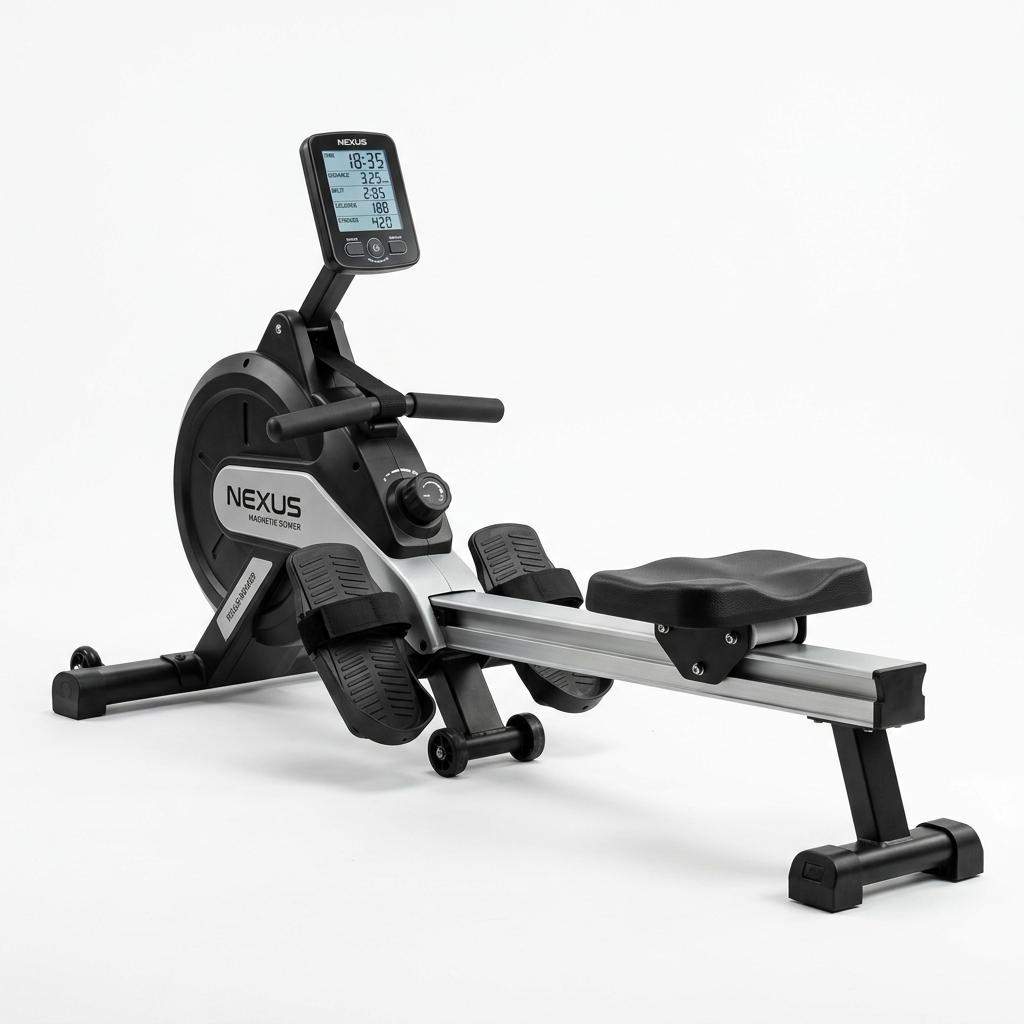 |
MERACH Magnetic Rowing Machine | $199-$249 | Best Overall | Check Price |
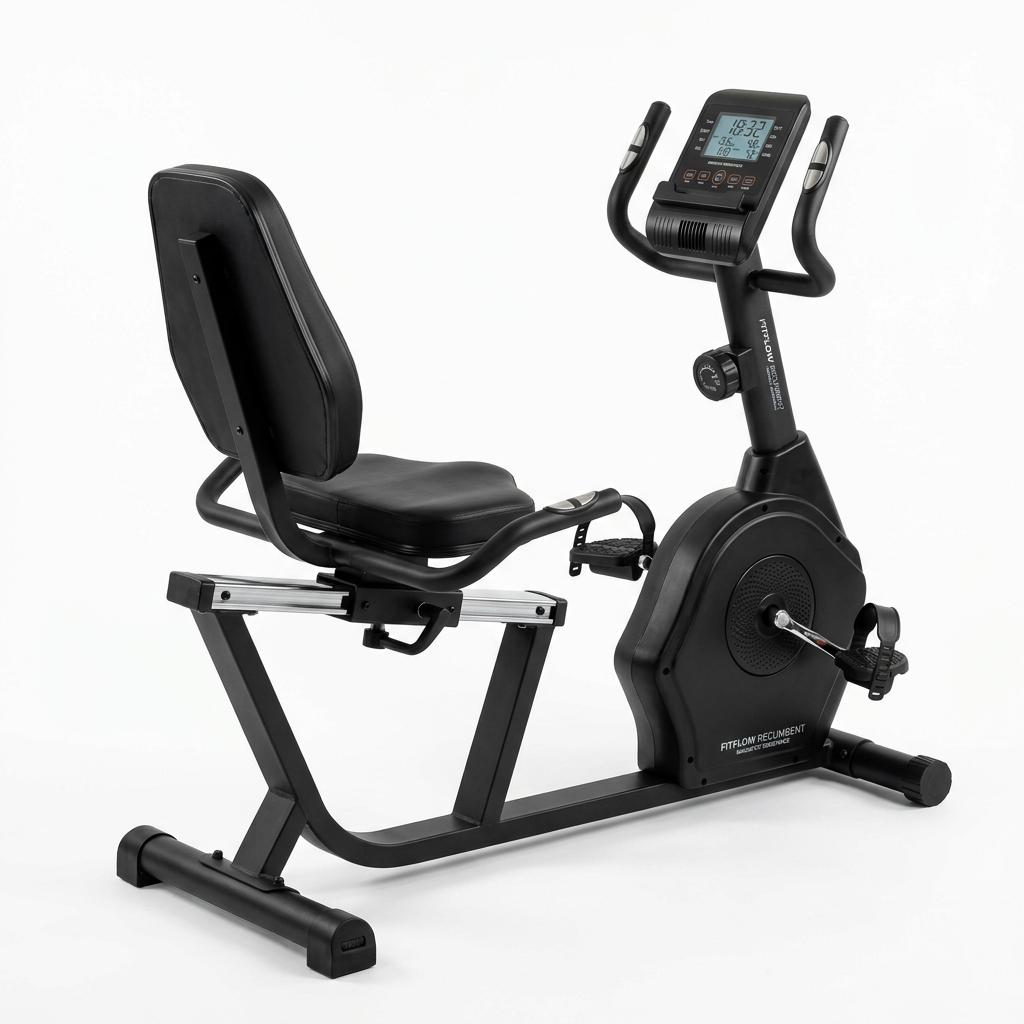 |
Marcy ME-709 Recumbent Exercise Bike | $149-$179 | Best Budget | Check Price |
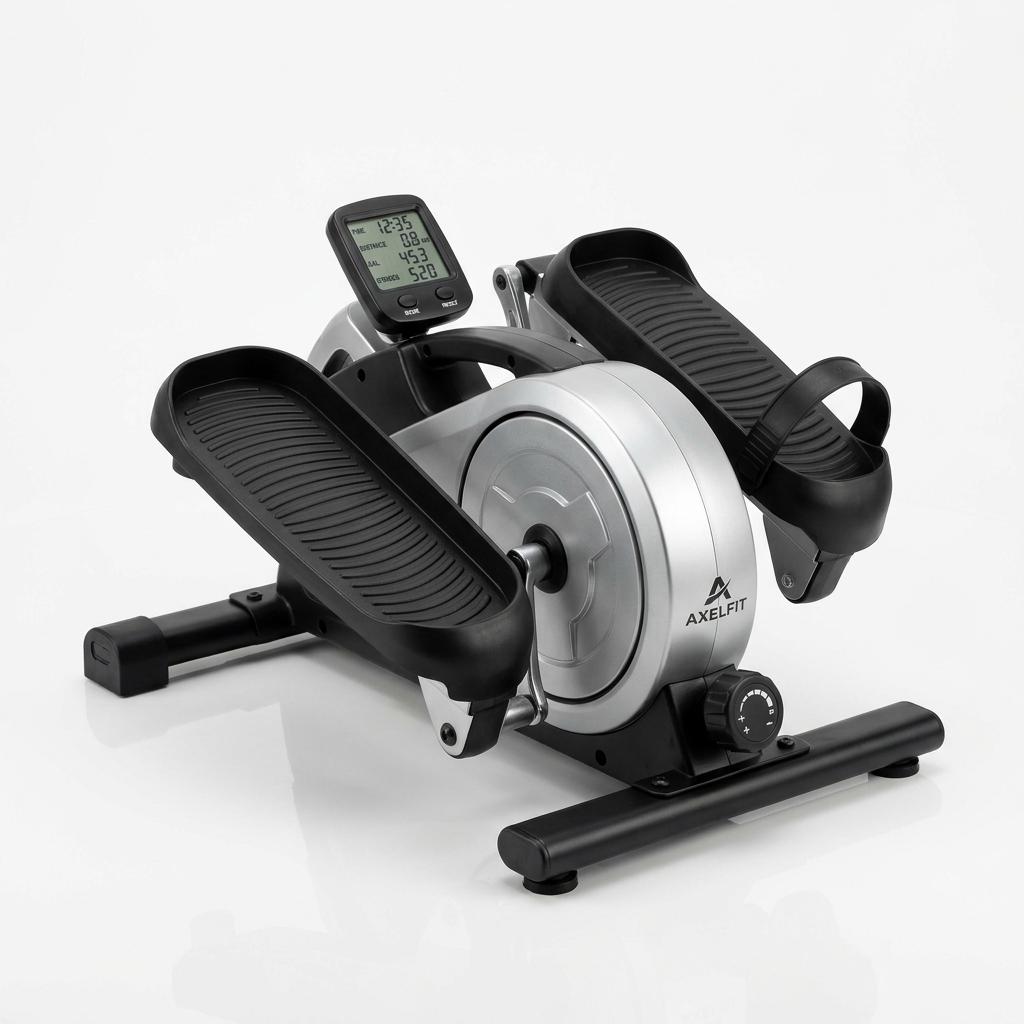 |
DeskCycle Under Desk Elliptical | $159-$189 | Best for Desk Use | Check Price |
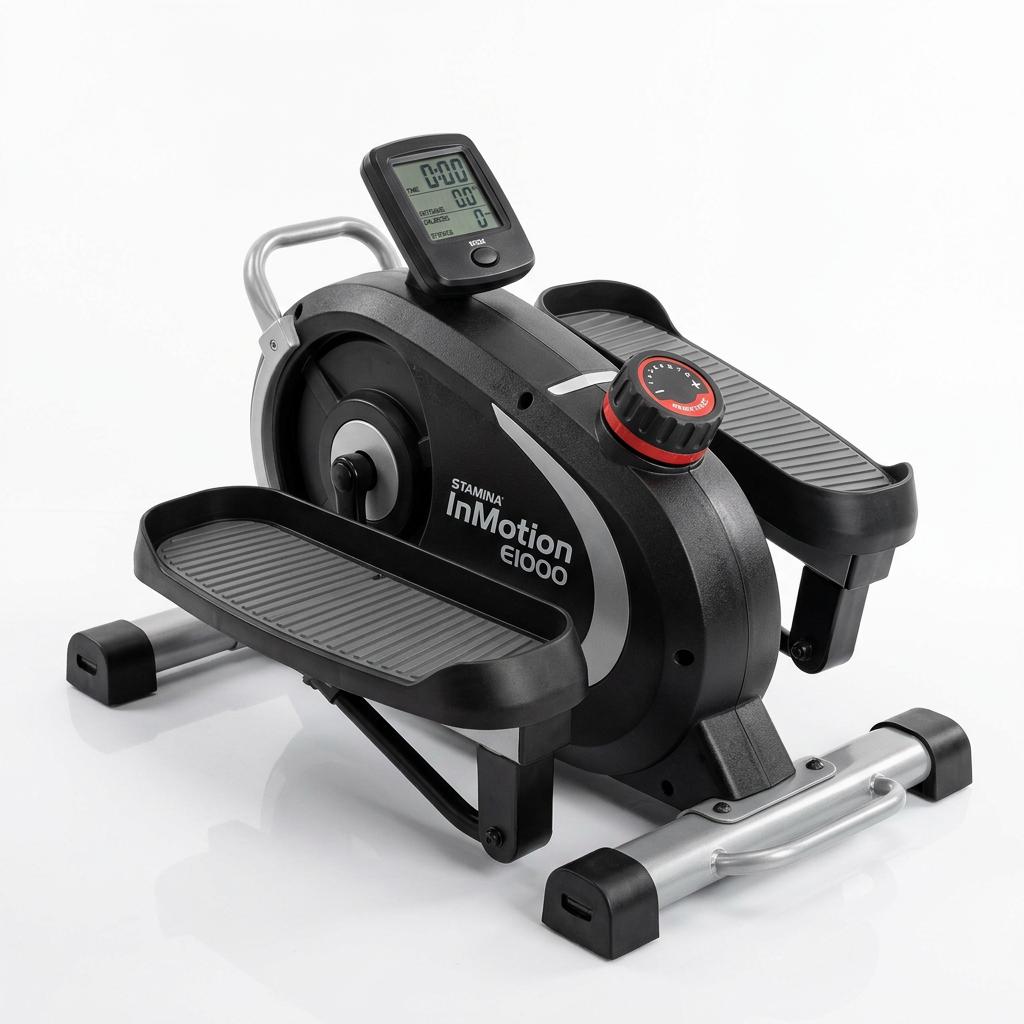 |
Stamina InMotion E1000 Compact Strider | $79-$99 | Most Portable | Check Price |
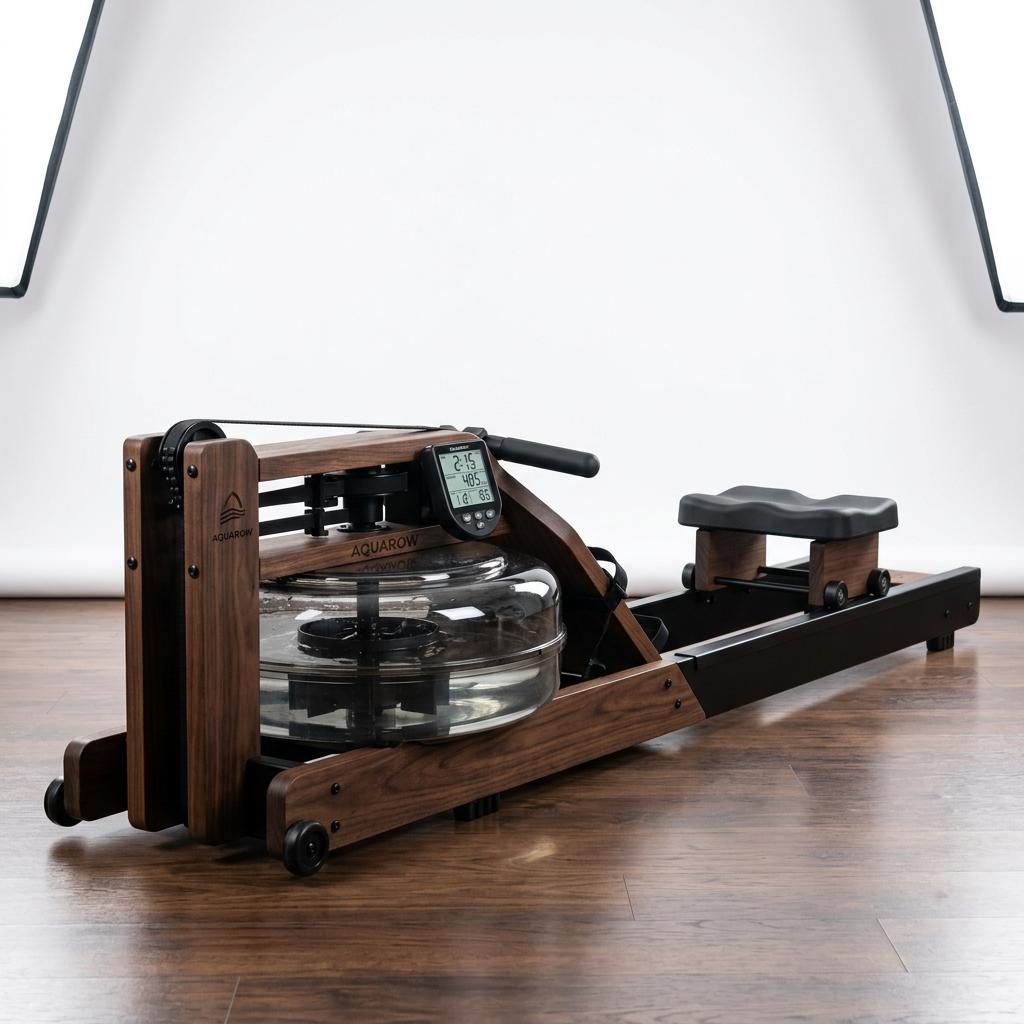 |
AQUAROW Water Rowing Machine | $349-$399 | Premium Pick | Check Price |
A whisper-quiet magnetic rower that delivers smooth, low-impact cardio perfect for active recovery days without disturbing others.
An affordable, comfortable recumbent bike that provides gentle, joint-friendly cardio perfect for recovery days on a budget.
A compact under-desk elliptical that lets you get active recovery cardio while working, reading, or watching TV.
A portable, budget-friendly strider that delivers smooth low-impact motion for recovery cardio anywhere in your home.
A stunning water rower that combines effective low-impact recovery cardio with the calming sound and feel of real water resistance.
The MERACH Magnetic Rowing Machine is our top pick for recovery cardio because it delivers an incredibly smooth, near-silent rowing experience that won't strain sore muscles or disturb family members. The 16-level magnetic resistance system allows you to dial in just the right intensity for flushing out lactic acid without overexerting yourself. Its compact footprint and foldable design make it ideal for home use, while the built-in performance monitor helps you maintain a steady, moderate pace that promotes blood flow and accelerates muscle recovery.
Check Price on Amazon
The Marcy ME-709 proves you don't need to spend a fortune to get quality recovery cardio equipment. Its recumbent design takes pressure off your back, hips, and knees while the smooth magnetic resistance system operates virtually silently. The step-through frame makes mounting effortless even when sore, and the eight resistance levels give you just enough range to keep recovery rides interesting without overdoing it. At under $180, it's one of the best-value recovery tools you can add to your home gym.
Check Price on Amazon
The DeskCycle Under Desk Elliptical is the ultimate multitasker's recovery tool. Its remarkably low 10-inch profile slides under virtually any desk, allowing you to pedal through emails or Netflix marathons while promoting blood flow to tired muscles. The magnetic resistance system is genuinely whisper-quiet, and the smooth elliptical motion is far easier on joints than traditional mini pedal bikes. With eight resistance settings that go from effortless to surprisingly challenging, it's perfect for those light recovery days when you want to keep moving without thinking about it.
Check Price on Amazon
The Stamina InMotion E1000 is the Swiss Army knife of recovery cardio equipment. This tiny but capable strider can be used from your couch, desk chair, or standing up, giving you multiple ways to get blood flowing on rest days. Its compact size means you can stash it in a closet when not in use, and the simple tension dial lets you fine-tune resistance on the fly. While the stride length is modest, the smooth elliptical motion is genuinely joint-friendly and the price point makes it an easy addition to any home gym setup.
Check Price on Amazon
The AQUAROW Water Rowing Machine transforms recovery cardio from a chore into a meditative experience. The naturally adaptive water resistance means the harder you pull, the more resistance you get, but gentle strokes feel almost effortless, making it ideal for active recovery sessions. The solid wood construction looks stunning in any home, and the gentle swoosh of water with each stroke is genuinely calming. While it costs more than magnetic rowers, the premium build quality and therapeutic rowing experience make it well worth the investment for serious athletes who prioritize recovery.
Check Price on Amazon