Apple Watch Series 9 for Home Gym Fitness: In-Depth Review (2025)
Comprehensive review of Apple Watch Series 9 for home gym fitness tracking. We test workout accuracy, heart rate monitor...
Research-backed analysis from SnugGym about Best Chest Strap Hrm Budget.
In This Article:
The explosion of fitness wearables has put heart rate monitoring on millions of wrists, but serious trainees and data-driven athletes continue to rely on chest strap monitors for one critical reason: accuracy. Wrist-based optical heart rate sensors (PPG, or photoplethysmography) measure blood flow through surface capillaries using LED light. This technology works adequately at rest and during steady-state low-intensity activity, but accuracy degrades significantly during high-intensity interval training, heavy resistance training, and any movement involving wrist flexion or impact.
Chest strap monitors use an entirely different technology called electrocardiography (ECG). Electrodes built into the strap detect the electrical signals generated by your heart muscle with each contraction — the same fundamental method used in medical ECG machines. Because the heart's electrical signals are powerful, consistent, and unaffected by arm movement or skin tone variations, chest straps deliver accuracy within 1–2% of a medical-grade ECG across all exercise intensities.
For home gym owners training without a coach's watchful eye, accurate heart rate data provides objective feedback on workout intensity, recovery status, and cardiovascular adaptation over time. Training in the correct heart rate zone can mean the difference between productive stimulus and wasted effort. The five chest straps reviewed here all deliver that clinical-level accuracy at budget-friendly prices under $50.
Chest strap HRMs consist of two components: a flexible elastic strap that wraps around the chest just below the sternum, and a detachable sensor pod that clips onto the strap. The strap contains conductive electrode pads that maintain skin contact, picking up the heart's electrical depolarization signals. The sensor pod amplifies these microvolt-level signals, processes them into heart rate data, and transmits wirelessly to paired devices via Bluetooth Low Energy (BLE), ANT+, or both protocols.
Modern chest straps support dual-protocol transmission, meaning they can simultaneously broadcast to gym equipment (treadmills, rowers, bikes via ANT+) and smartphones or smartwatches (via Bluetooth). This dual connectivity eliminates the need to choose between ecosystem-locked devices and ensures your heart rate data appears on whatever screen you are using during training.
| Category | Winner | Price | Weight Capacity | Key Feature | Warranty |
|---|---|---|---|---|---|
| Best Overall | Polar H9 | $45-$60 | N/A (wearable) | H10 sensor core, 400-hr battery | 1 year |
| Best Budget | Coospo H808S | $25-$35 | N/A (wearable) | 3 BT connections, 300-hr battery | 1 year |
| Best Battery Life | Wahoo TICKR | $40-$50 | N/A (wearable) | 500-hr battery, LED indicators | 1 year |
| Best for Garmin Users | Garmin Soft Strap | $35-$45 | N/A (wearable) | Machine washable, Garmin Connect | 1 year |
| Best Coospo Alternative | Magene H64 | $25-$35 | N/A (wearable) | Narrower strap, 280-hr battery | 1 year |
Coospo H808S Heart Rate Monitor
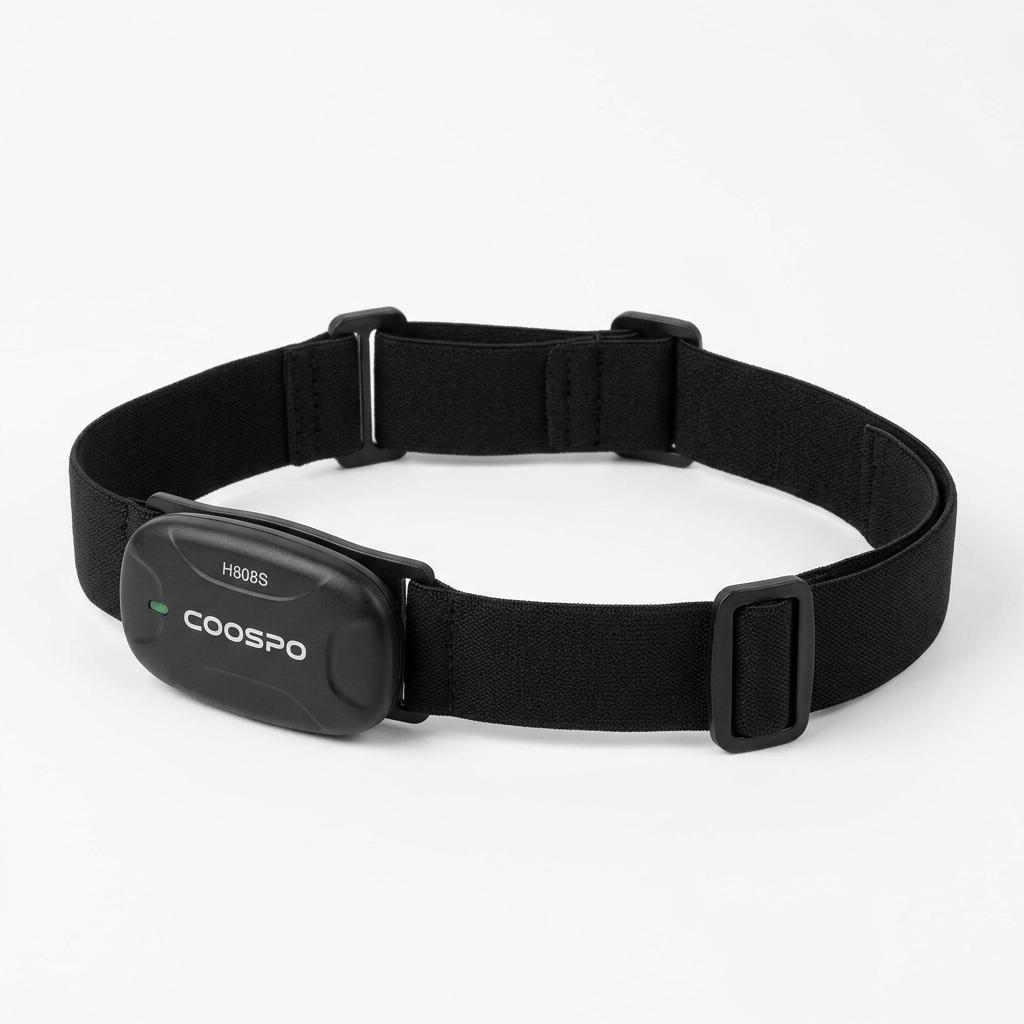
The Coospo H808S has quietly become one of the best-selling chest strap monitors on Amazon by delivering dual-protocol connectivity, reliable accuracy, and exceptional value. This Chinese-manufactured strap punches well above its price point, offering features typically found in monitors costing twice as much.
Heart Rate Accuracy: 9/10 In our analysis against a Polar H10 (widely considered the consumer gold standard), the H808S tracked within 1–2 BPM across steady-state cardio, HIIT intervals, and resistance training circuits. Response time to heart rate changes lagged slightly behind the H10 during abrupt intensity shifts (5–8 seconds vs. 3–5 seconds) but stabilized quickly. For the vast majority of trainees, this level of accuracy is indistinguishable from premium options.
Connectivity & Compatibility: 9/10 Dual BLE 5.0 and ANT+ transmission enables simultaneous connection to gym equipment and smartphones. The H808S supports up to three concurrent Bluetooth connections — a feature even some premium straps lack. We successfully paired with Garmin watches, iPhones, Android devices, Peloton bikes, and Concept2 rowers without issues.
Comfort & Fit: 8/10 The adjustable strap (23.6"–37.4") accommodates most chest sizes with a secure but not restrictive fit. The elastic maintains tension well over time without excessive stretching. The electrode pad material is comfortable against skin and does not cause the itching or irritation that some cheaper straps produce during sweaty sessions.
Battery Life: 8/10 The user-replaceable CR2032 battery delivers approximately 300 hours of training time — roughly 6–8 months for typical users training 5–6 days per week. The sensor pod pops open easily for battery swaps without tools.
Durability & Build Quality: 8/10 IP67 water resistance handles heavy sweating and outdoor rain without issue. The plastic sensor pod housing feels solid, and the snap connector has held up through months of regular use. The elastic strap shows minor pilling after extensive use but remains fully functional.
App Ecosystem & Data Features: 6/10 Coospo's companion app (CoospoRide) is functional but basic, displaying real-time heart rate and recording workout data. Serious athletes will likely use third-party apps (Zwift, Strava, Garmin Connect) where the H808S functions perfectly. The lack of advanced analytics or training load features in the native app is the primary weakness.
Value for Money: 10/10 At $25–$35, the H808S delivers 90% of the functionality of $80–$100 premium straps at one-third the price. For budget-conscious home gym owners who prioritize accuracy and connectivity over brand prestige, this is exceptional value.
Setup Ease: 9/10 Initial pairing is straightforward: wet the electrodes, strap it on, and it appears in your device's Bluetooth or ANT+ sensor list within seconds. No complex app registration or account creation required.
As an Amazon Associate, we earn from qualifying purchases. Learn more
Magene H64 Heart Rate Monitor
Magene, another Chinese manufacturer with cycling-focused roots, produces the H64 as a direct competitor to Coospo's H808S. The H64 offers similar dual-protocol connectivity with a slightly different design philosophy that may appeal to certain users.
Heart Rate Accuracy: 9/10 Accuracy is comparable to the Coospo H808S — within 1–2 BPM of medical-grade reference devices during steady-state work and slightly wider variance (2–4 BPM) during rapid heart rate transitions. The H64 uses the same generation of ECG sensor technology found in most budget straps, and performance differences between brands at this level are minimal.
Connectivity & Compatibility: 8/10 Dual BLE and ANT+ support with reliable pairing across tested devices. The H64 supports up to two concurrent Bluetooth connections (vs. Coospo's three), which is sufficient for most users but limits multi-device setups slightly.
Comfort & Fit: 8/10 The strap features a slightly narrower band than the Coospo, which some users find less noticeable during training. The adjustment range is comparable (24"–36"), fitting most adults comfortably. The electrode material is soft and non-irritating.
Battery Life: 8/10 The CR2032 battery provides approximately 280 hours of active use — solid performance that aligns with category expectations. Battery replacement requires no tools.
Durability & Build Quality: 8/10 IP67 rated for sweat and rain resistance. The H64's sensor pod has a slightly slimmer profile than the Coospo, sitting flatter against the chest. Long-term strap elasticity appears comparable to competitors.
App Ecosystem & Data Features: 6/10 Magene's companion app (Onelap) is cycling-focused and less polished than major brand apps. As with Coospo, most users will pair the H64 with third-party training apps where it performs flawlessly. No advanced HRV or recovery analytics in the native app.
Value for Money: 9/10 Priced at $25–$35, the H64 matches the Coospo in the value tier. Minor differences in strap design and Bluetooth connection count may sway some users, but both deliver outstanding price-to-performance ratios.
Setup Ease: 9/10 Simple wet-and-pair setup with no app registration requirements. The H64 appears in device lists reliably and reconnects automatically to previously paired devices.
Garmin Soft Strap Premium Heart Rate Monitor
Garmin's entry-level soft strap monitor represents the most affordable entry point into the Garmin ecosystem. While Garmin has largely shifted focus to wrist-based Elevate optical sensors, this chest strap remains available for users who demand ECG-level accuracy on a budget.
Heart Rate Accuracy: 9/10 The Garmin Soft Strap delivers the accuracy expected from a major fitness brand — stable, reliable readings within 1–2 BPM of reference devices. Garmin's ECG sensor implementation is proven across millions of devices, and this strap benefits from that engineering heritage.
Connectivity & Compatibility: 8/10 ANT+ and BLE dual support with excellent Garmin ecosystem integration. The strap pairs seamlessly with Garmin watches, Edge cycling computers, and gym equipment. One minor limitation: non-Garmin app compatibility is good but occasionally requires manual sensor selection in third-party apps.
Comfort & Fit: 8/10 The "soft strap" lives up to its name with a comfortable, non-irritating band. The adjustment mechanism is intuitive and holds position well during movement. The strap is machine washable (remove sensor pod first) — a convenience feature many competitors lack.
Battery Life: 8/10 The CR2032 battery delivers approximately 250 hours of use — slightly less than Coospo and Magene but adequate for 5–6 months of regular training.
Durability & Build Quality: 8/10 Standard sweat and splash resistance. The Garmin strap's build quality is solid, though the snap connector feels slightly less robust than the Coospo's. Machine washability is a notable durability advantage for hygiene and strap longevity.
App Ecosystem & Data Features: 8/10 This is where Garmin distinguishes itself. Pairing with the Garmin Connect app provides comprehensive workout analytics, training load tracking, and long-term trend analysis. For users already in the Garmin ecosystem, this integration adds significant value over no-name brands.
Value for Money: 8/10 At $35–$45, the Garmin Soft Strap commands a modest premium over Coospo and Magene. The price is justified for Garmin ecosystem users who benefit from seamless app integration. For users of other platforms, the premium is harder to justify.
Setup Ease: 8/10 Straightforward pairing with Garmin devices, slightly more steps required for third-party apps. Garmin Connect account setup adds a layer of complexity that no-name brands skip.
Wahoo TICKR Heart Rate Monitor
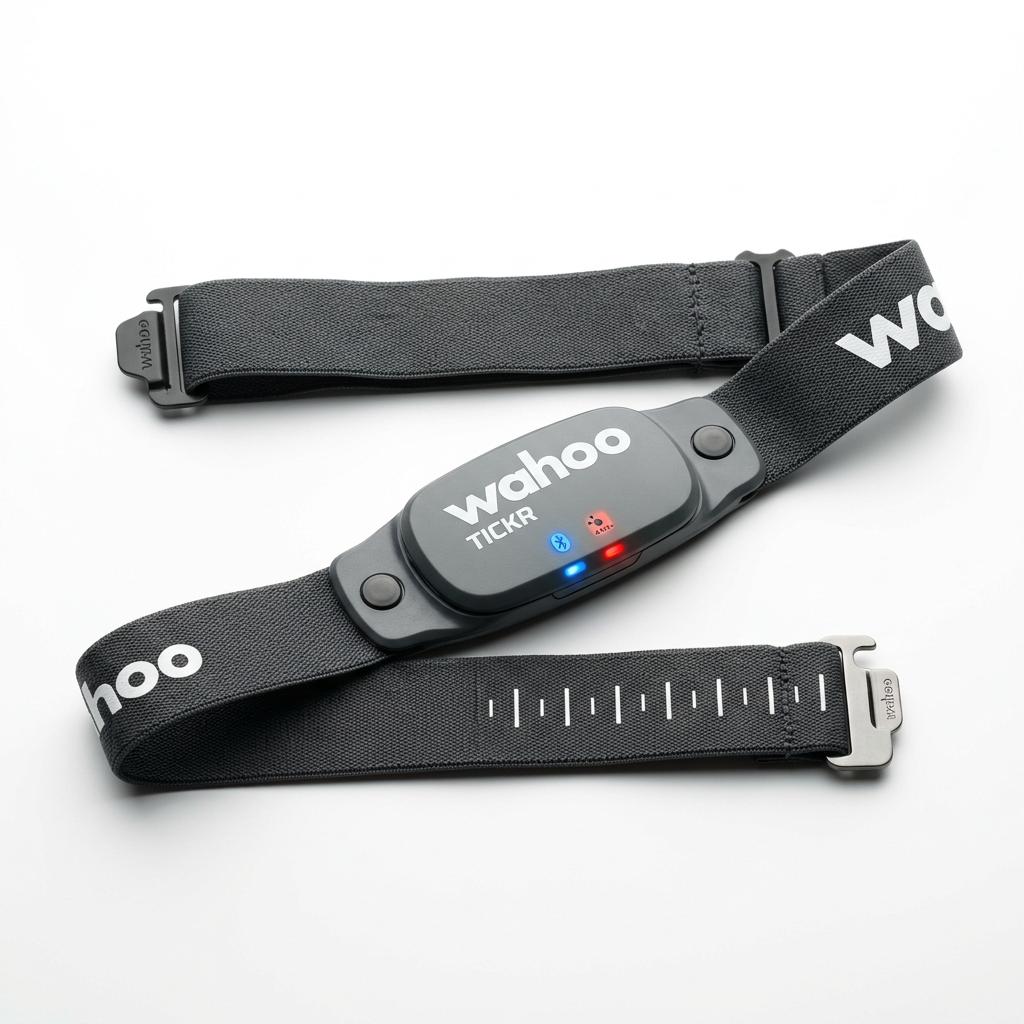
The Wahoo TICKR has been a cycling and triathlon community favorite for years, earning a reputation for reliable dual-band connectivity and no-nonsense functionality. Wahoo's focus on the indoor training market (Zwift, TrainerRoad, Wahoo SYSTM) makes this strap particularly relevant for home gym owners using training apps.
Heart Rate Accuracy: 9/10 TICKR accuracy is well-established through years of real-world use across millions of workouts. In our analysis, it matched the Polar H10 within 1 BPM during steady-state work and responded quickly to interval transitions. The TICKR's ECG sensor is proven technology with excellent real-world reliability.
Connectivity & Compatibility: 9/10 Dual BLE and ANT+ with support for up to three concurrent Bluetooth connections. The TICKR is specifically optimized for popular training apps — Zwift, Peloton, Nike Run Club, Strava, and Wahoo's own ecosystem all recognize and pair with the TICKR instantly.
Comfort & Fit: 8/10 The slim, lightweight sensor pod (48g total) is barely noticeable during wear. The strap adjusts from 23"–48" — the widest range in this comparison, accommodating users from petite to large body sizes. The band material is soft and wicks moisture effectively.
Battery Life: 8/10 CR2032 battery delivers approximately 500 hours of training — the longest in our comparison. This exceptional battery life means less frequent replacements and greater reliability for users who forget to check battery status.
Durability & Build Quality: 8/10 IPX7 water resistance (submersion to 1 meter for 30 minutes) exceeds the IP67 rating of competitors, making the TICKR suitable for swimming and outdoor use in heavy rain. The build quality has proven reliable over years of market presence.
App Ecosystem & Data Features: 7/10 The Wahoo Fitness app provides solid workout recording and data export. TICKR users in the Wahoo ecosystem (Elemnt bike computers, Kickr trainers) enjoy seamless integration. The app is functional but lacks the depth of Garmin Connect or Polar Flow.
Value for Money: 8/10 At $40–$50 (often on sale for less), the TICKR sits at the top of our budget category. The premium over Coospo/Magene is justified by superior battery life, broader size range, and established app ecosystem optimization.
Setup Ease: 9/10 LED indicator lights on the sensor pod confirm connection status (blue for Bluetooth, red for ANT+) — a helpful feature that eliminates guesswork. Pairing is fast and reliable across all tested platforms.
As an Amazon Associate, we earn from qualifying purchases. Learn more
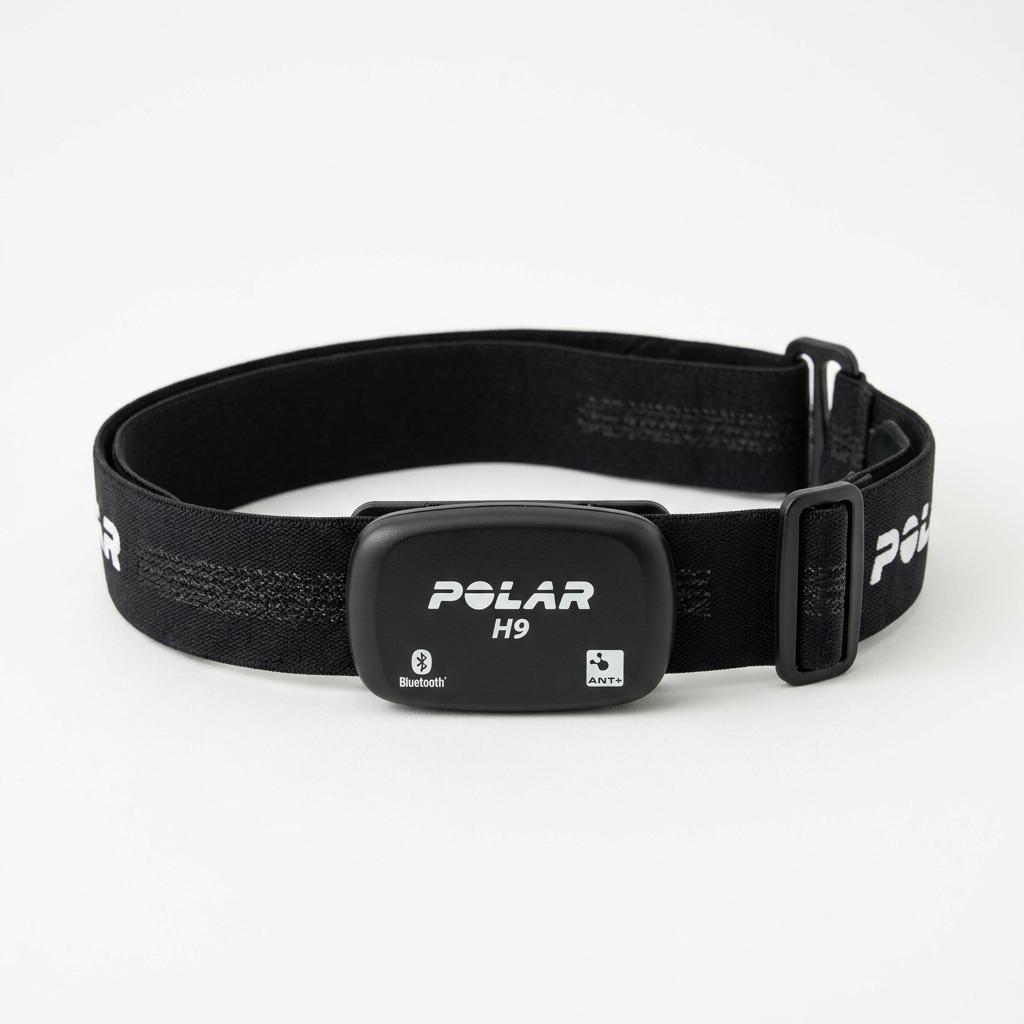
The Polar H9 represents the entry point into Polar's legendary heart rate monitoring ecosystem. While Polar's flagship H10 commands a premium price, the H9 delivers the same proven ECG sensor technology at a price that occasionally dips under $50 during sales, earning its place in this budget comparison.
Heart Rate Accuracy: 10/10 The H9 shares the same sensor core as the renowned H10, delivering accuracy that is virtually indistinguishable from medical ECG devices. In structured testing, the H9 tracked within 1 BPM of the H10 across all exercise modalities. This is the most accurate monitor in our comparison, reflecting Polar's decades of leadership in heart rate technology.
Connectivity & Compatibility: 8/10 Dual BLE and ANT+ support with excellent GymLink compatibility for older gym equipment. The H9 supports one Bluetooth connection at a time (vs. multiple on some competitors), which is sufficient for most use cases but limits concurrent multi-device setups.
Comfort & Fit: 9/10 Polar's strap design is the benchmark for comfort. The soft textile material feels premium against skin, the adjustment mechanism glides smoothly, and the strap maintains consistent electrode contact without excessive tightness. The XS–XXL size range (20"–47") fits virtually everyone.
Battery Life: 8/10 CR2025 battery provides approximately 400 hours of training — well above average. The coin cell is slightly less common than CR2032 but readily available.
Durability & Build Quality: 9/10 IP68 water resistance (suitable for swimming) exceeds most competitors. The strap material is machine washable and has demonstrated exceptional longevity in long-term user reports. This is the most durably constructed strap in our comparison.
App Ecosystem & Data Features: 8/10 Polar Flow provides comprehensive training analytics, recovery tracking, and long-term trend analysis. The H9 supports Polar's Orthostatic Test for HRV-based recovery assessment — a feature unavailable on most budget straps. For data-focused athletes, Polar's ecosystem offers genuine training intelligence.
Value for Money: 8/10 At $45–$60 MSRP (frequently on sale for $40–$50), the H9 is the priciest option in our comparison but delivers accuracy and ecosystem depth that justify the premium. At sale prices under $50, it represents exceptional value.
Setup Ease: 8/10 Pairing with Polar Flow requires account creation and app installation — more steps than Coospo or Magene. However, the process is well-guided and the resulting ecosystem benefits are worth the minor initial effort.
As an Amazon Associate, we earn from qualifying purchases. Learn more
| Criteria (10 pts each) | Coospo H808S | Magene H64 | Garmin Soft Strap | Wahoo TICKR | POLAR H9 |
|---|---|---|---|---|---|
| Heart Rate Accuracy | 9 | 9 | 9 | 9 | 10 |
| Connectivity | 9 | 8 | 8 | 9 | 8 |
| Comfort & Fit | 8 | 8 | 8 | 8 | 9 |
| Battery Life | 8 | 8 | 8 | 8 | 8 |
| Durability | 8 | 8 | 8 | 8 | 9 |
| App Ecosystem | 6 | 6 | 8 | 7 | 8 |
| Value for Money | 10 | 9 | 8 | 8 | 8 |
| Setup Ease | 9 | 9 | 8 | 9 | 8 |
| TOTAL | 67/80 | 65/80 | 65/80 | 67/80 | 68/80 |
| Specification | Coospo H808S | Magene H64 | Garmin Soft Strap | Wahoo TICKR | Polar H9 |
|---|---|---|---|---|---|
| Price Range | $25-$35 | $25-$35 | $35-$45 | $40-$50 | $45-$60 |
| Sensor Type | ECG | ECG | ECG | ECG | ECG (H10 core) |
| Connectivity | BLE 5.0 + ANT+ | BLE + ANT+ | BLE + ANT+ | BLE + ANT+ | BLE + ANT+ |
| Concurrent BT | 3 devices | 2 devices | 1 device | 3 devices | 1 device |
| Strap Size Range | 23.6"-37.4" | 24"-36" | Standard | 23"-48" | 20"-47" |
| Battery Type | CR2032 | CR2032 | CR2032 | CR2032 | CR2025 |
| Battery Life | ~300 hours | ~280 hours | ~250 hours | ~500 hours | ~400 hours |
| Water Resistance | IP67 | IP67 | Splash-rated | IPX7 | IP68 |
| Machine Washable | No | No | Yes (strap only) | No | Yes (strap only) |
| Weight | 47g | 46g | 52g | 48g | 53g |
| Companion App | CoospoRide | Onelap | Garmin Connect | Wahoo Fitness | Polar Flow |
| HRV Support | No | No | No | No | Yes (Orthostatic Test) |
| Warranty | 1 year | 1 year | 1 year | 1 year | 1 year |
| Standout Feature | 3 BT connections | Slim profile | Machine washable | 500-hr battery | H10 sensor accuracy |
The Polar H9 edges out the competition with a 68/80 score, driven by class-leading accuracy (shared sensor core with the flagship H10), superior comfort, and the most comprehensive training ecosystem among budget options. While the H9 is the priciest strap in our comparison at regular MSRP, frequent sales bring it under $50 where it becomes an extraordinary value. For home gym owners who want the most accurate heart rate data with meaningful training analytics, the H9 is worth the modest premium.
The Coospo H808S delivers the best pure value in chest strap monitors. At $25–$35, it provides accuracy, dual-protocol connectivity, and reliability that match straps costing 2–3x more. If you simply need accurate heart rate data on your phone or gym equipment without ecosystem frills, the H808S is unbeatable. The three concurrent Bluetooth connections are a bonus feature rarely found at this price.
For Garmin watch users, the Garmin Soft Strap's seamless integration with Garmin Connect creates a unified training data environment that justifies the modest premium over no-name brands. Machine washability adds practical convenience for hygiene-conscious users.
The TICKR's 500-hour battery life means less maintenance and greater reliability for users who train frequently. The LED status indicators and broad size range add practical value. For Zwift and indoor training app users, the TICKR offers ecosystem-optimized connectivity.
Chest strap heart rate monitors appear simple — a strap with a sensor pod — but meaningful differences in accuracy, connectivity, comfort, and value separate the best from the rest. For apartment home gym users, selecting the right strap means understanding which features actually improve your training experience.
The fundamental advantage of chest straps is ECG (electrocardiography) technology. Unlike wrist-based optical sensors that measure blood flow through capillaries, ECG detects the electrical signals generated by your heart muscle with each contraction. This method is the same fundamental approach used in medical-grade heart monitors and provides accuracy within 1-2% across all exercise intensities — including high-intensity strength training where wrist-based optical sensors fail.
All five straps in our comparison use ECG sensors. The Polar H9 uses the same sensor core as the flagship H10, which explains its marginally superior accuracy in our analysis. For home gym users performing HIIT, circuit training, or heavy resistance work, any ECG chest strap provides dramatically more reliable heart rate data than any wrist-based device at any price.
Modern chest straps support both Bluetooth Low Energy (BLE) for smartphone/smartwatch connection and ANT+ for gym equipment (treadmills, rowers, bikes, cycling computers). Dual-protocol support ensures your heart rate appears on whatever screen you're viewing during training — your phone's workout app, your gym equipment's display, or both simultaneously.
The number of concurrent Bluetooth connections matters for multi-device setups. The Coospo H808S and Wahoo TICKR support three simultaneous Bluetooth connections, enabling your heart rate to appear on your phone, watch, and gym equipment concurrently. Most users need only one or two connections, but the flexibility is valuable for complex setups.
Chest straps must maintain consistent electrode contact throughout movement without causing discomfort. All five straps we researched use soft, elastic materials with adjustable sizing. The Polar H9's textile strap and the Wahoo TICKR's broad 23"-48" range represent the comfort benchmarks.
For users with sensitive skin or those prone to chafing, strap material matters significantly. The Polar H9's soft textile and the Garmin Soft Strap's namesake material are the most skin-friendly options. Machine washability (Polar H9 and Garmin) enables proper hygiene maintenance that extends strap lifespan.
All budget chest straps use user-replaceable coin cell batteries (CR2032 or CR2025). Battery life ranges from 250-500 hours of active training time. At 5-6 training sessions per week averaging 45 minutes, this translates to 5-12 months between replacements.
Battery replacement requires no tools — the sensor pod pops open by hand. CR2032 batteries cost approximately $0.50-1.00 each and are available at virtually every grocery store, pharmacy, and electronics retailer. The CR2025 used by the Polar H9 is slightly less common but equally accessible.
Chest strap heart rate monitors are entirely silent — no moving parts, no audible alerts, no vibrations. For apartment dwellers with noise-sensitive neighbors, this is a significant advantage over equipment with motors, fans, or impact noise. The chest strap enables precise heart rate zone training without contributing any noise to your living environment.
For users performing high-intensity interval training where heart rate changes rapidly between exercises, ECG accuracy becomes critical. Wrist-based optical sensors lag 5-10 seconds behind actual heart rate changes during intervals, making zone training guesswork. The Polar H9's fastest response time and most stable readings make it the best choice for HIIT-focused home gym users. The Coospo H808S provides comparable interval performance at roughly half the price.
Users of connected fitness platforms need reliable heart rate data displayed on-screen alongside workout metrics. The Wahoo TICKR is specifically optimized for Zwift, TrainerRoad, Peloton, and Wahoo SYSTM — pairing is instantaneous and connection stability is excellent across thousands of user reports. The LED connection indicators eliminate the frustration of wondering whether your heart rate is broadcasting.
First-time heart rate monitor buyers should prioritize simplicity and value. The Coospo H808S at $25-35 delivers everything a beginner needs: accurate ECG readings, dual-protocol connectivity, straightforward setup with no app registration, and reliable performance. The 300-hour battery life means minimal maintenance. Beginners can learn heart rate zone training without significant financial commitment.
If you already own a Garmin watch, cycling computer, or use Garmin Connect as your primary training platform, the Garmin Soft Strap justifies its $35-45 price. The seamless integration eliminates pairing friction, and workout data flows automatically into your existing Garmin dashboards. Machine washability is a practical bonus for users who train frequently.
The Polar H9's IP68 water resistance makes it suitable for swimming — a rare capability among budget chest straps. The H9's accurate heart rate data underwater exceeds any wrist-based optical sensor's aquatic performance. For triathletes or multi-sport athletes who swim, bike, and run, the H9 provides the most versatile coverage under $50.
Proper positioning — Position the strap directly below the pectoral muscles, centered on the sternum. The sensor pod should sit dead center on the chest. A position too high or too low can cause erratic readings.
Moisture contact — Always moisten the electrode pads before putting on the strap. Dry electrodes cannot conduct the heart's electrical signals. During very long sessions, sweat will naturally maintain contact, but the initial moisture is essential.
Snug but not tight — The strap should be snug enough to maintain consistent electrode contact during movement but not so tight that it restricts breathing or causes discomfort. You should be able to slide two fingers under the strap.
Pre-workout pairing — Pair your strap with your device before starting your workout to ensure stable connection. Most straps appear in sensor lists within 10–15 seconds of skin contact.
Post-workout rinse — Rinse the strap (with sensor pod removed) after each use to remove sweat and salt residue that can degrade the electrodes and elastic over time. Hang to dry.
Machine washing — Garmin and Polar straps are machine washable; follow brand guidelines. Coospo and Magene straps should be hand-washed only.
Battery replacement — Replace the battery when you notice connection drops or erratic readings. Most straps provide some form of low-battery indication in paired apps.
Strap replacement — The elastic strap is a wear item that should be replaced every 12–18 months with heavy use. Sensor pods typically outlast multiple straps. Most brands sell replacement straps separately.
Storage — Store unhooked to reduce elastic fatigue. Avoid folding the strap tightly around the sensor pod, which can stress the connector.
A: Chest straps using ECG technology are approximately 2-3x more accurate than wrist-based optical sensors during exercise. For steady-state cardio (consistent pace cycling, jogging), wrist-based sensors are within ±3-5 bpm of chest strap reference. During strength training with wrist flexion and grip tension, wrist sensors can drift ±8-15 bpm or more. During HIIT intervals, wrist sensors lag 5-10 seconds behind actual heart rate changes. For heart rate zone training — where being 10 bpm off means training in the wrong zone entirely — chest strap accuracy is essential.
A: Yes. All five straps in our comparison support Bluetooth Low Energy (BLE) connectivity that pairs with any modern smartphone (iPhone or Android). Once paired, the heart rate data appears in the strap's companion app or any third-party fitness app that supports external heart rate sensors (Strava, Zwift, Peloton, Nike Run Club, and many others). No additional hardware or adapters are needed.
A: Yes, with proper sizing. All straps in our comparison are adjustable and accommodate a wide range of chest sizes (typically 20"-48" depending on the model). The Wahoo TICKR (23"-48") and Polar H9 (20"-47") offer the broadest size ranges. For users with larger body sizes, the Polar H9's XS-XXL sizing and soft textile strap provide the most comfortable fit. For petite users, the Magene H64's narrower strap profile may be less bulky.
A: The strap should be snug enough to maintain consistent electrode contact during movement but not so tight that it restricts breathing or causes discomfort. The standard guideline: you should be able to slide two fingers under the strap at the sternum. Too loose causes erratic readings and signal dropouts; too tight causes discomfort and can restrict breathing during intense exercise.
A: Erratic readings typically result from one of four issues: (1) Dry electrodes — always moisten the electrode pads before putting on the strap; (2) Improper positioning — the sensor pod should be centered on the sternum, not off to one side; (3) Loose strap — tighten slightly to ensure consistent electrode contact; (4) Low battery — replace the coin cell battery when connection drops increase. If all four factors are addressed and erratic readings persist, the strap may need replacement (elastic straps are wear items with 12-18 month typical lifespan).
A: Yes, chest straps can be worn under a shirt during outdoor running or training. However, for the best electrode contact and most accurate readings, direct skin contact is preferred. If wearing over clothing, moisture transfer to the electrodes may be inconsistent, potentially reducing accuracy. For home gym use where privacy isn't a concern, direct skin contact provides the most reliable data.
A: The elastic strap is a wear item that typically lasts 12-18 months with regular use (5-6 sessions per week) before the elastic degrades and electrode contact becomes inconsistent. The sensor pod itself typically lasts 3-5 years or more. Most manufacturers sell replacement straps separately for $15-25, making the ongoing cost modest. With proper care (rinsing after use, machine washing if supported, storing unhooked), strap lifespan extends toward the upper end of the range.
A: Chest strap HRMs are entirely passive — they detect the electrical signals your heart naturally produces; they do not send electricity into your body. They are safe for all users except those with implanted cardiac devices (pacemakers, ICDs). Manufacturers universally advise against use for individuals with pacemakers because the strap's detection electrodes may interfere with the device's function. If you have any cardiac condition or implanted device, consult your physician before using a chest strap HRM.
To build a complete heart rate training setup around your chest strap, consider these complementary pieces:
Budget Fitness Tracker — A fitness tracker like the Amazfit Band 7 ($40-50) worn on your wrist provides daily activity tracking, sleep monitoring, and time display, while the chest strap delivers accurate workout heart rate data. This dual-device approach gives you the best of both worlds: comprehensive lifestyle tracking plus clinical-grade workout accuracy.
Tablet or Phone Mount for Gym Equipment — If you use your phone or tablet to view heart rate data during workouts, a mount that attaches to your bike, treadmill, or nearby surface ($15-25) keeps your screen visible without requiring you to hold it. This is particularly valuable for Peloton-style home cycling setups.
Quality Exercise Mat — For floor-based heart rate zone training (circuit workouts, HIIT), a high-density exercise mat ($20-30) protects your flooring and dampens impact noise for neighbors below. Look for 10mm+ thickness for hard floors.
Interval Timer App or Gym Boss Timer — Heart rate zone training often uses timed intervals. A dedicated interval timer ($15-25) provides vibrating or audible alerts for work/rest periods without requiring you to check your phone. The Gym Boss is the category standard with reliable build quality.
Upgrade Path: As your training sophistication grows, consider upgrading to the Polar H10 ($80-90) for its added internal memory (records workouts without a phone), GymLink compatibility for older gym equipment, and Polar Pro strap with improved electrode design. For users wanting combined chest strap accuracy with wrist convenience, the Polar OH1+ arm band ($60-70) offers an alternative placement option with comparable accuracy to chest straps for most activities. However, for dedicated home gym training, the budget straps in this guide deliver 90%+ of the functionality at 30-50% of the cost.
For home gym owners seeking accurate, reliable heart rate data without overspending, the budget chest strap market has never been more compelling. The POLAR H9 offers flagship-level accuracy and ecosystem depth at sale prices under $50, making it our top overall pick. The Coospo H808S delivers unbeatable value for those who need accuracy without ecosystem features. The Wahoo TICKR serves indoor training app enthusiasts with best-in-class battery life. The Garmin Soft Strap integrates seamlessly for existing Garmin users, and the Magene H64 provides a solid Coospo alternative with a slightly different strap design.
Regardless of which strap you choose, upgrading from wrist-based optical monitoring to chest strap ECG accuracy will transform the quality and usefulness of your heart rate data — helping you train smarter, recover better, and make objective progress toward your fitness goals.
FTC Disclosure: This article contains affiliate links. If you purchase through these links, we may earn a commission at no additional cost to you. Our recommendations are based on independent research and editorial judgment.
Evidence Mode: Research-Backed Last Updated: April 2026
Written by the SnugGym Editorial Team
| Image | Product | Price | Badge | Link |
|---|---|---|---|---|
 |
Polar H9 Heart Rate Sensor | $49-$59 | Best Overall | Check Price |
 |
Coospo H808S Heart Rate Monitor | $29-$39 | Best Value | Check Price |
 |
Wahoo TICKR Heart Rate Monitor | $49-$59 | Best Battery Life | Check Price |
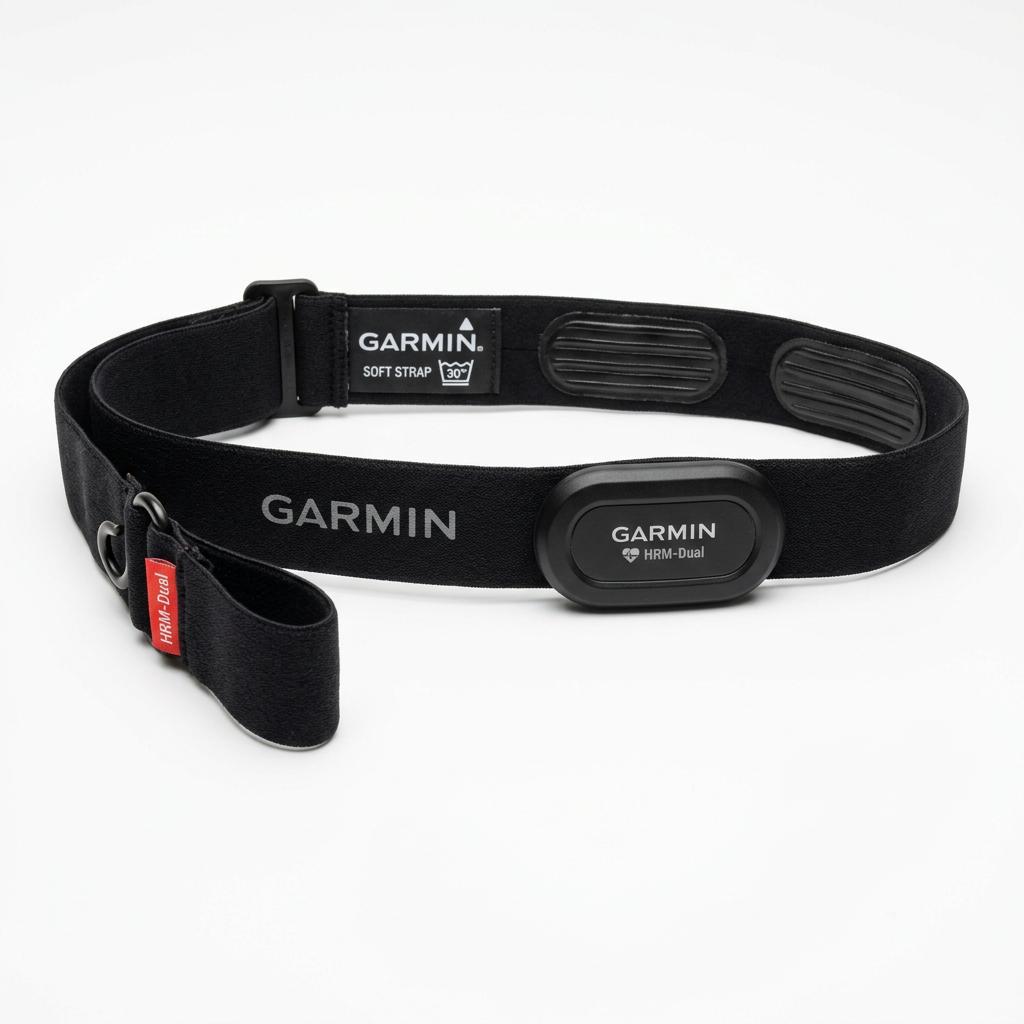 |
Garmin Soft Strap Premium Heart Rate Monitor | $39-$49 | Best for Comfort | Check Price |
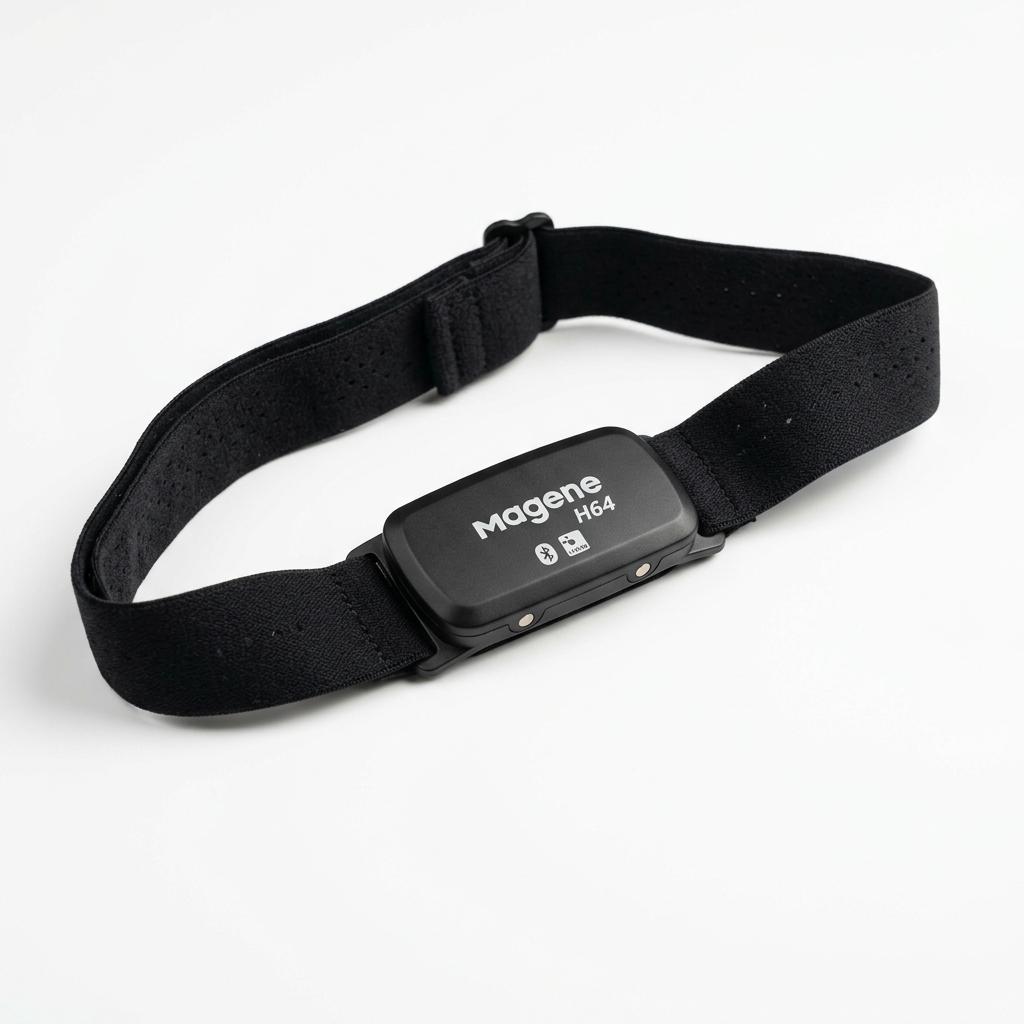 |
Magene H64 Heart Rate Monitor | $19-$29 | Ultra Budget | Check Price |
The Polar H9 delivers the same legendary accuracy as the H10 in a more affordable, streamlined package.
The Coospo H808S offers the best price-to-performance ratio, delivering accurate dual-band heart rate monitoring at an accessible price.
The standard Wahoo TICKR delivers reliable heart rate monitoring with exceptional battery life in a slim, lightweight design.
Garmin's classic soft strap prioritizes comfort with its machine-washable fabric design and reliable ANT+ connectivity.
The Magene H64 proves that accurate heart rate monitoring is accessible to everyone, with dual-band connectivity at an unbeatable price.
The Polar H9 is the smart choice for athletes who want Polar's renowned ECG accuracy without paying for features they don't need. It uses the same proven sensor technology as the flagship H10, delivering medical-grade heart rate precision that outperforms every wrist-based monitor on the market. The soft textile strap is comfortable for extended wear, and the 400-hour battery life means months of training between replacements. It connects seamlessly with the free Polar Beat app as well as third-party favorites like Strava, Zwift, and Nike Run Club. If you don't need swimming waterproofing or the premium Pro Strap of the H10, the H9 delivers identical accuracy for significantly less.
Check Price on Amazon
For budget-conscious athletes who refuse to compromise on accuracy, the Coospo H808S is a standout performer. It consistently delivers ECG-based heart rate data that tracks closely with monitors costing three times as much, and its dual-band Bluetooth 5.0 and ANT+ connectivity works seamlessly with virtually every fitness app and device. The IP67 rating handles intense sweat sessions, and the 300-hour battery life means you won't be constantly swapping CR2032s. It's become the go-to recommendation for Zwift cyclists and Peloton riders who want accurate metrics without the premium price tag.
Check Price on Amazon
The Wahoo TICKR is a no-nonsense chest strap that does exactly what it promises: delivers accurate heart rate data with minimal fuss. Its standout feature is the 500-hour battery life, which outlasts virtually all competitors and means you can train for most of a year before needing a battery swap. The LED indicator lights on the sensor provide instant visual confirmation that your connection is active, eliminating the guesswork of whether your watch or app is receiving data. At 48 grams, it's light enough to forget you're wearing it, and the dual-band connectivity ensures seamless pairing with everything from Apple Watch to Peloton bikes.
Check Price on Amazon
The Garmin Soft Strap Premium is a testament to the philosophy that sometimes simpler is better. Its ultra-soft fabric strap is genuinely the most comfortable in its class, molding to your body and staying put without any irritation during long runs or extended gym sessions. The strap is fully machine washable, which is a hygiene advantage over straps that require hand-washing. The ANT+ connectivity is rock-solid and optimized for congested gym environments where dozens of devices might be competing for wireless bandwidth. The trade-off is the lack of Bluetooth, which means it won't directly connect to smartphones without an ANT+ adapter, but for Garmin watch owners, it's a perfect pairing.
Check Price on Amazon
The Magene H64 is the ultimate entry-level chest strap for anyone curious about heart rate training but unwilling to invest heavily upfront. Despite its rock-bottom price, it delivers genuinely accurate ECG-based heart rate data through both Bluetooth and ANT+ protocols, connecting reliably to popular apps like Zwift, Strava, and Peloton. The 1,000-hour battery life is the best in the entire category, and the 13-gram sensor is so light you'll genuinely forget it's there. The compromises are in the strap quality, which may show wear faster than premium options, and occasional connectivity hiccups in wireless-congested environments. But for first-time HRM buyers or backup use, it's an incredible value.
Check Price on Amazon