Apple Watch Series 9 for Home Gym Fitness: In-Depth Review (2025)
Comprehensive review of Apple Watch Series 9 for home gym fitness tracking. We test workout accuracy, heart rate monitor...
SnugGym is an Amazon Associate. We earn from qualifying purchases at no extra cost to you. Learn more
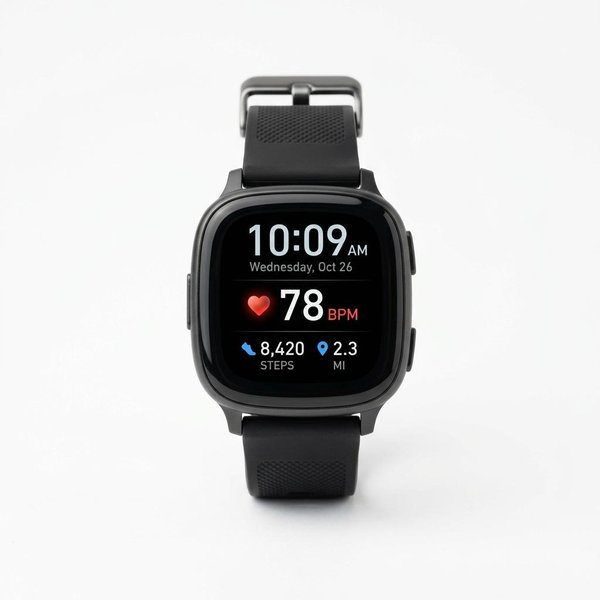
In-depth comparison of Apple Watch vs Garmin for fitness tracking covering accuracy, GPS, heart rate, battery life, durability, workout modes, recovery features, and which smartwatch fits your training.
FTC Disclosure: SnugGym.com is reader-supported. We may earn a commission through affiliate links at no extra cost to you. This helps fund our independent analysis and reviews.
The smartwatch on your wrist has become as essential to modern fitness as the shoes on your feet. Whether you're tracking heart rate zones during a HIIT session, monitoring recovery between strength training days, or mapping a weekend trail run, the right fitness watch provides data that shapes your training decisions and motivates consistent effort. But the two dominant ecosystems — Apple's WatchOS and Garmin's diverse wearable lineup — approach fitness tracking from fundamentally different philosophies, each with genuine strengths and meaningful limitations.
Apple Watch is a general-purpose smartwatch that happens to track fitness exceptionally well. It integrates seamlessly with the iPhone ecosystem, offers a polished app experience, and has dramatically improved its health and workout capabilities across generations. Garmin is a purpose-built sports and fitness tracker that happens to offer smartwatch features. Born from GPS navigation technology and refined through decades of endurance sports focus, Garmin devices prioritize athletic performance data above all else.
For home gym users, outdoor runners, and fitness enthusiasts who want to optimize their training through data, choosing between these ecosystems significantly impacts what you can track, how accurately it's measured, and what you can do with the information. This research-backed comparison examines the metrics that matter most for serious fitness tracking.
Apple approaches the Watch as a comprehensive health and lifestyle device. Fitness tracking is one component of a broader mission that includes heart health monitoring, fall detection, sleep tracking, and integration with Apple's health services. The Apple Watch excels at motivating daily activity through the Activity Rings (Move, Exercise, Stand), social challenges, and awards — gamification elements that genuinely improve adherence for many users.
The fitness tracking capabilities have matured significantly, with support for over 80 workout types, advanced running metrics (cadence, stride length, ground contact time), and third-party app integration through WatchOS. However, the Apple Watch's fitness features are designed for a broad consumer audience rather than elite athletes or data-obsessed fitness enthusiasts.
Garmin's philosophy is athlete-first. Every feature serves the training and recovery process, from advanced running dynamics and training load analysis to recovery time recommendations and performance condition metrics. Garmin devices (particularly the Forerunner, fenix, and Venu series) are designed by and for people who structure their lives around training.
The Garmin Connect ecosystem provides far deeper analytical tools than Apple Fitness+, including training status (productivity, peaking, overreaching, detraining), VO2 max tracking with race time predictions, lactate threshold estimation, and detailed workout breakdowns. For users who want to optimize every aspect of their training, Garmin's data depth is unmatched in the consumer market.
| Criteria | Apple Watch Series 9 | Garmin fenix 7 / Forerunner 965 | Winner |
|---|---|---|---|
| Fitness tracking accuracy | Very good | Excellent | Garmin |
| GPS accuracy | Very good | Excellent | Garmin |
| Heart rate accuracy | Very good | Very good | Tie |
| Battery life (typical use) | 18 hours | 10-20 days (model dependent) | Garmin |
| Battery life (GPS workout) | 6-7 hours | 20-60 hours (model dependent) | Garmin |
| App ecosystem | Excellent (WatchOS) | Good (Garmin Connect + IQ) | Apple |
| Smartwatch features | Excellent | Moderate | Apple |
| Durability for gym use | Good (aluminum/stainless) | Excellent (fenix) | Garmin |
| Workout modes | 80+ | 30+ core + downloadable | Apple (variety) |
| Recovery features | Basic (sleep, HRV trending) | Advanced (Training Status, Body Battery) | Garmin |
| Price (base model) | $399 | $499-$899 | Apple (entry) |
Overall Winner: Garmin for serious fitness tracking; Apple Watch for lifestyle + fitness balance.
GPS accuracy matters for outdoor runners, cyclists, and hikers who want precise distance, pace, and route tracking.
| Condition | Apple Watch Series 9 | Garmin fenix 7/Forerunner 965 |
|---|---|---|
| Open road running | ±0.5-1.0% distance error | ±0.3-0.8% distance error |
| Tree cover/trails | ±1.5-3.0% distance error | ±1.0-2.0% distance error |
| Urban canyons (tall buildings) | ±2.0-4.0% distance error | ±1.5-3.0% distance error |
| Track running (lane accuracy) | Moderate | Excellent (track mode) |
Check price at Amazon — Apple Watch
Garmin's GPS advantage comes from multi-band GNSS support (GPS, GLONASS, Galileo) and sophisticated algorithms that filter signal noise. The Apple Watch has improved significantly but remains slightly behind Garmin in challenging conditions. For most road runners, the difference is trivial. For trail runners, ultrarunners, and navigation-critical activities, Garmin's accuracy advantage matters.
Both Apple Watch and Garmin use optical heart rate sensors (PPG — photoplethysmography) that measure blood flow through the wrist. Accuracy varies significantly by activity type:
| Activity | Apple Watch Accuracy | Garmin Accuracy |
|---|---|---|
| Resting/daily | Excellent (±1-2 BPM) | Excellent (±1-2 BPM) |
| Steady-state cardio | Very good (±2-5 BPM) | Very good (±2-5 BPM) |
| HIIT/intervals | Moderate (±5-10 BPM) | Moderate (±5-10 BPM) |
| Strength training | Poor-Moderate (±10-20 BPM) | Poor-Moderate (±10-20 BPM) |
| Swimming | Good (±3-5 BPM) | Good (±3-5 BPM) |
Check price at Amazon — Garmin
The critical limitation for both devices is strength training — rapid wrist flexion, gripping, and forearm tension during lifts significantly degrade optical HR accuracy. For serious strength training HR monitoring, both brands recommend chest strap heart rate monitors (ANT+ or Bluetooth), which provide ECG-accurate readings regardless of activity type.
For steady-state cardio and daily monitoring, both devices are accurate enough for zone-based training. For HIIT and strength work, neither wrist-based optical sensor is fully reliable.
Both devices estimate calories using proprietary algorithms that combine heart rate, movement data, user profile (age, weight, height), and activity type. Neither is perfectly accurate — calorie estimation from wearables typically has 10-20% error margins.
Apple Watch uses the Apple Heart Study data and machine learning to refine estimates. Garmin uses Firstbeat Analytics (now Garmin-owned) algorithms that incorporate VO2 max data and training history for potentially more personalized estimates over time.
Practical reality: Use calorie data as a relative trend rather than absolute truth. Both devices are consistent enough to track whether today's workout burned more than yesterday's, but neither should be trusted for precise meal planning.
Battery life is the most dramatic practical difference between Apple Watch and Garmin, and for serious fitness users, it can be the deciding factor.
| Usage Pattern | Apple Watch Series 9 | Garmin fenix 7X | Garmin Forerunner 965 |
|---|---|---|---|
| Typical smartwatch use | 18 hours | 28 days | 23 days |
| Always-on display active | 18 hours | 28 days | 23 days |
| GPS workout tracking | 6-7 hours | 89 hours | 31 hours |
| Multi-day tracking event | Not feasible | Up to 5 weeks (GPS expedition mode) | N/A |
| Time to full charge | ~1.5 hours | ~2 hours | ~2 hours |
The Apple Watch's 18-hour battery life means daily charging is mandatory. For users who track sleep, this creates a logistical challenge — you must find another time to charge (typically during morning routine or evening wind-down). Missing a charge means losing tracking for part of the next day.
Garmin's multi-week battery life fundamentally changes how you use the device. Sleep tracking continues indefinitely. Weeklong hiking or running trips don't require charging infrastructure. The watch simply becomes part of you rather than another device to manage.
For the home gym user who also runs, cycles, or hikes on weekends, Garmin's battery advantage eliminates the low-battery anxiety that Apple Watch owners know too well.
| Model | Case Options | Water Resistance | Screen Protection |
|---|---|---|---|
| Apple Watch Series 9 | Aluminum, Stainless Steel, Titanium | 50 meters | Ion-X (Al) or Sapphire (SS/Ti) |
| Garmin fenix 7 | Stainless Steel, Titanium | 100 meters | Power Glass or Sapphire |
| Garmin Forerunner 965 | Titanium | 50 meters | Corning Gorilla Glass DX |
The Apple Watch's aluminum case scratches and dents more readily than Garmin's typically more robust construction. The stainless steel and titanium Apple Watch models match Garmin's durability but at significantly higher prices. For gym use where the watch contacts barbells, racks, and dumbbells, Garmin's generally tougher build provides more confidence.
Sapphire crystal (available on premium Apple Watch and Garmin models) is virtually scratch-proof under normal conditions. The Ion-X glass on base-model Apple Watches scratches more easily — many users develop visible scratches within months of gym use. Garmin's Power Glass and Gorilla Glass DX offer good scratch resistance at mid-tier pricing.
For heavy gym use: Sapphire crystal is worth the premium on either platform. If choosing aluminum/standard glass Apple Watch, consider a screen protector.
Apple supports 80+ workout types with automatic workout detection for many activities. For gym users, the key modes are:
Third-party apps significantly enhance Apple Watch gym tracking:
Garmin offers fewer built-in workout types but deeper data for each:
Garmin's strength training auto-rep detection works reasonably well for common exercises (squats, bench, curls) but struggles with complex movements or unusual grips. The muscle heat map in Garmin Connect shows which body parts you've trained over the past week — useful for program balance assessment.
Neither device excels at automatic strength training tracking. Both require significant manual input for accurate logging. The Apple Watch has better third-party app support that fills these gaps (Strong is the gold standard for gym tracking on any platform). Garmin's built-in rep counting is convenient when it works but too inconsistent for serious logging.
For pure gym tracking: Apple Watch + Strong app provides the best experience. For gym + outdoor activity tracking: Garmin's ecosystem is more cohesive.
Recovery tracking has become increasingly important as fitness culture shifts from "more is better" to smarter, more sustainable training.
Apple's approach to recovery is more health-focused than training-focused. The data is available but not integrated into actionable training guidance. You can see your HRV and sleep data, but the Watch doesn't tell you whether you should train hard, easy, or rest based on these metrics.
Check price at Amazon — Garmin
Garmin's recovery ecosystem is far more developed and actionable. The Body Battery metric, while not scientifically validated as a precise physiological measure, correlates well with subjective energy levels and helps users avoid overtraining. The Training Status and Training Readiness features provide context that shapes workout decisions — valuable for intermediate and advanced trainees managing training stress.
The Apple Watch benefits from WatchOS's massive developer support:
Garmin's ecosystem is more focused but deeper for fitness:
For users deeply embedded in the Apple ecosystem (iPhone, Mac, AirPods, Apple services), the Apple Watch's integration provides conveniences that Garmin cannot match. For users who prioritize fitness data depth over general smart features, Garmin's focused ecosystem delivers more actionable insights.
| Model | Starting Price | Premium Version | Target User |
|---|---|---|---|
| Apple Watch SE (2nd gen) | $249 | N/A | Budget-conscious iPhone users |
| Apple Watch Series 9 (GPS) | $399 | $499 (cellular) | Mainstream fitness tracking |
| Apple Watch Ultra 2 | $799 | N/A | Outdoor/adventure athletes |
| Garmin Venu 3 | $449 | N/A | Lifestyle + fitness balance |
| Garmin Forerunner 265 | $449 | $499 (music) | Runners |
| Garmin Forerunner 965 | $599 | N/A | Serious runners/triathletes |
| Garmin fenix 7 | $699 | $899 (Solar/Sapphire) | Multi-sport outdoor athletes |
| Garmin fenix 7X | $899 | $999 (Solar/Sapphire) | Endurance adventurers |
Check price at Amazon — Garmin Venu
The Apple Watch SE at $249 competes well with entry-level Garmin devices. The Series 9 at $399 overlaps with mid-range Garmins. The Apple Watch Ultra at $799 competes with the fenix series for outdoor enthusiasts. Garmin offers more price points across its extensive lineup but generally charges more for equivalent feature sets.
Apple Watch is the better choice if you:
Garmin is the better choice if you:
For the fitness-focused home gym user who also runs, cycles, or engages in outdoor training, Garmin provides the superior dedicated fitness tracking experience. The battery life alone eliminates a daily friction point that erodes the Apple Watch experience over time. The recovery metrics — Body Battery, Training Status, Training Readiness — provide actionable guidance that Apple's health data cannot match. And the GPS accuracy advantage matters for anyone who tracks outdoor workouts seriously.
However, the Apple Watch remains the better choice for users who want the best all-around smartwatch experience with strong (but not elite) fitness tracking. If you live in the Apple ecosystem, value third-party apps, use Apple Fitness+, and don't mind daily charging, the Apple Watch Series 9 delivers 90% of Garmin's fitness capability with 150% of its smartwatch functionality.
For pure gym/strength training tracking, neither device is perfect — both benefit from third-party apps (Apple) or manual logging (Garmin). The differentiation emerges in the broader training context: how you track running, how you manage recovery, how you navigate outdoor activities, and how you integrate fitness data into your daily life.
The practical recommendation: If you're primarily a gym user who also runs 2-3 times per week and values smartwatch features, the Apple Watch Series 9 is the better fit. If you're a serious runner, triathlete, or outdoor enthusiast who also lifts, Garmin's Forerunner or fenix series will serve you better. And if battery life is your primary concern, Garmin wins decisively — it's not even close.
Last updated: January 2025. Prices and specifications subject to change. Verify current details with manufacturers.
| Image | Product | Price | Badge | Link |
|---|---|---|---|---|
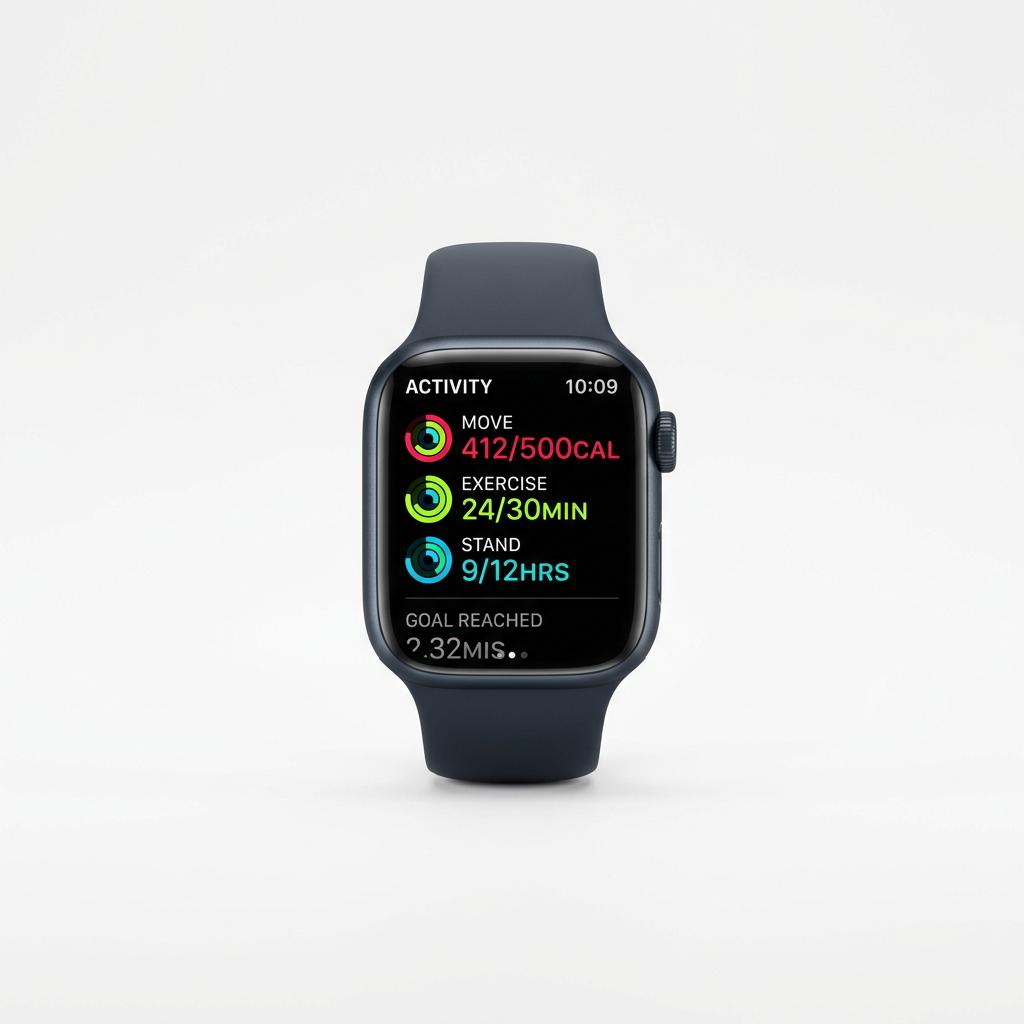 |
Apple Watch Series 9 (41mm) | $399 | Best All-Around Smartwatch | Check Price |
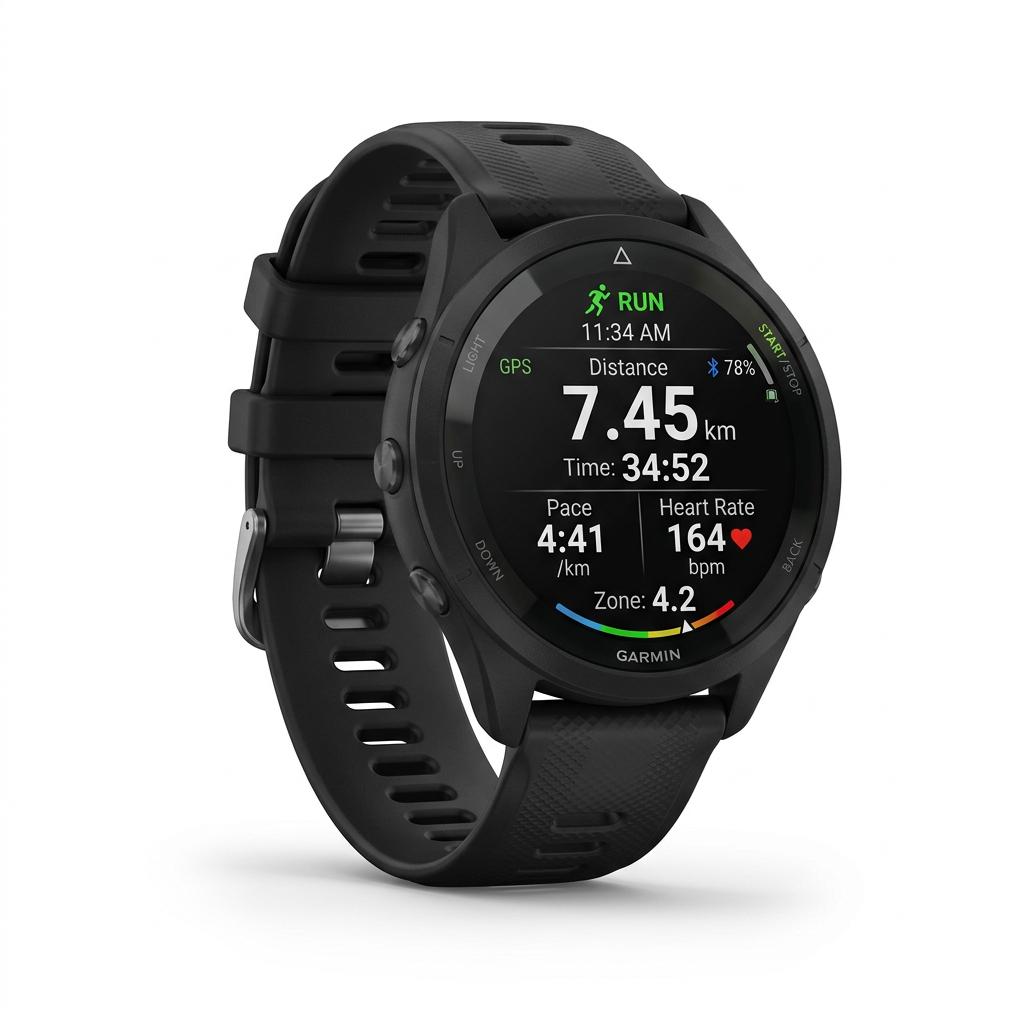 |
Garmin Forerunner 265 | $449 | Best for Runners | Check Price |
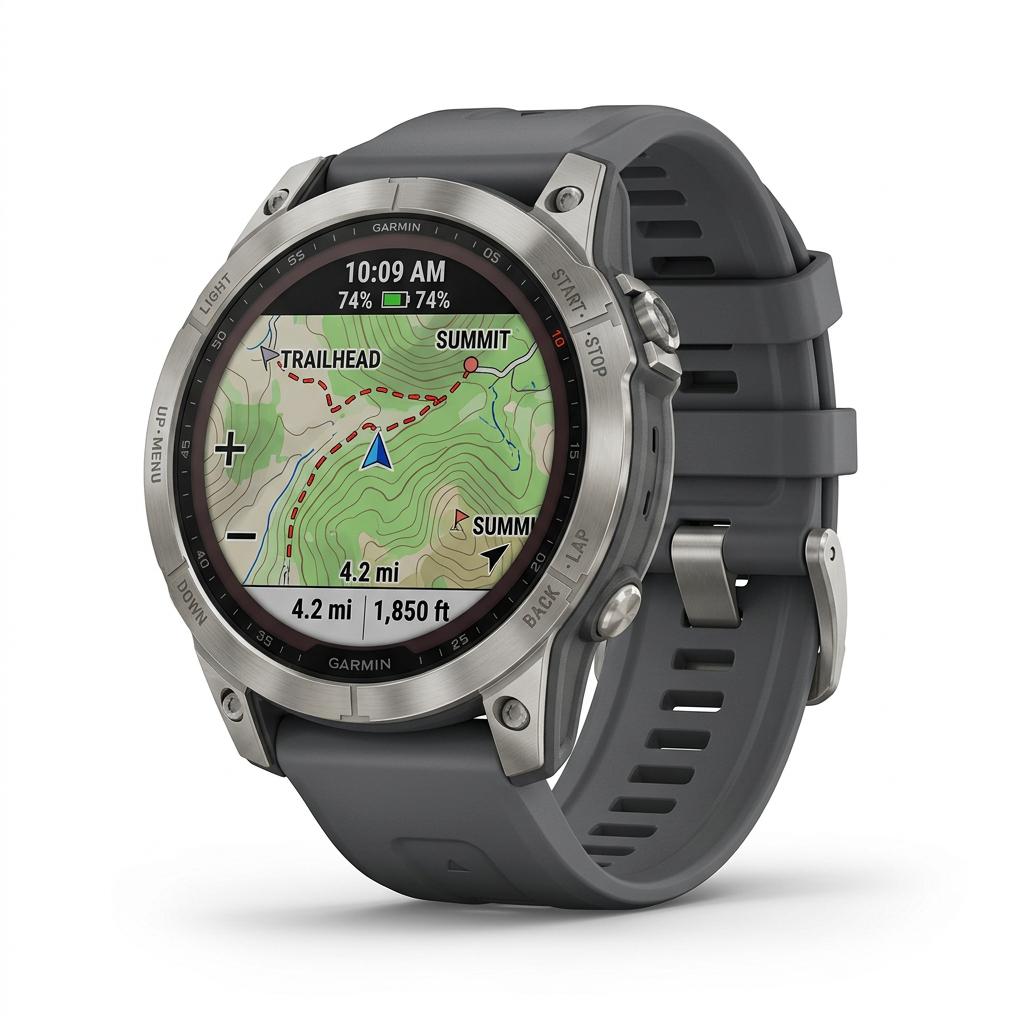 |
Garmin Fenix 7 | $499-$699 | Best for Outdoor Adventures | Check Price |
 |
Apple Watch Ultra 2 (49mm) | $799 | Best Premium Option | Check Price |
 |
Garmin Venu 3 | $349-$449 | Best Battery Life | Check Price |
The Apple Watch Series 9 dominates as the best all-around smartwatch for iPhone users, blending powerful fitness tracking with unmatched smart features and app ecosystem.
The Garmin Forerunner 265 is the ultimate running watch, offering exceptional battery life, advanced training insights, and a beautiful AMOLED display that rivals the Apple Watch.
The Garmin Fenix 7 is the go-to choice for outdoor adventurers who need exceptional battery life, rugged construction, and advanced navigation features.
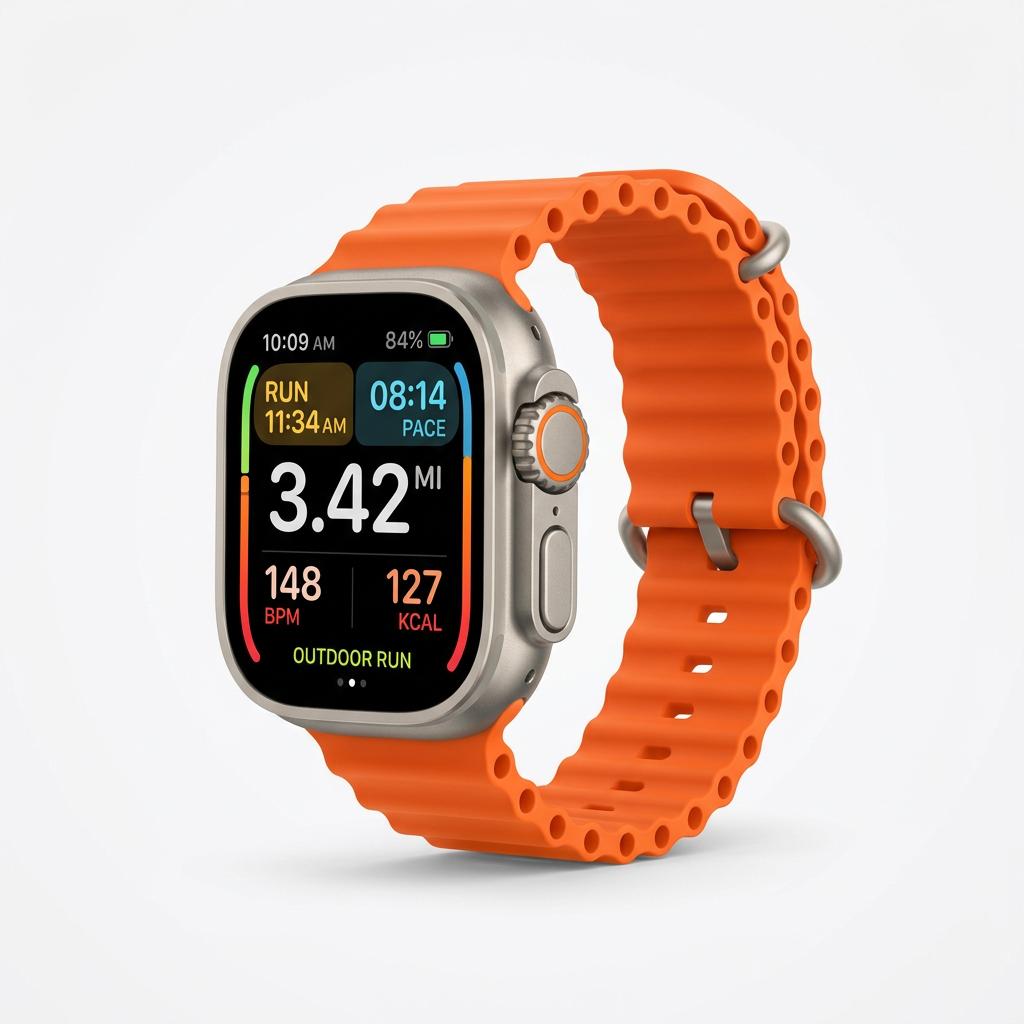
The Apple Watch Ultra 2 bridges the gap between Apple's smartwatch excellence and Garmin's outdoor toughness, offering the best of both worlds for serious athletes.
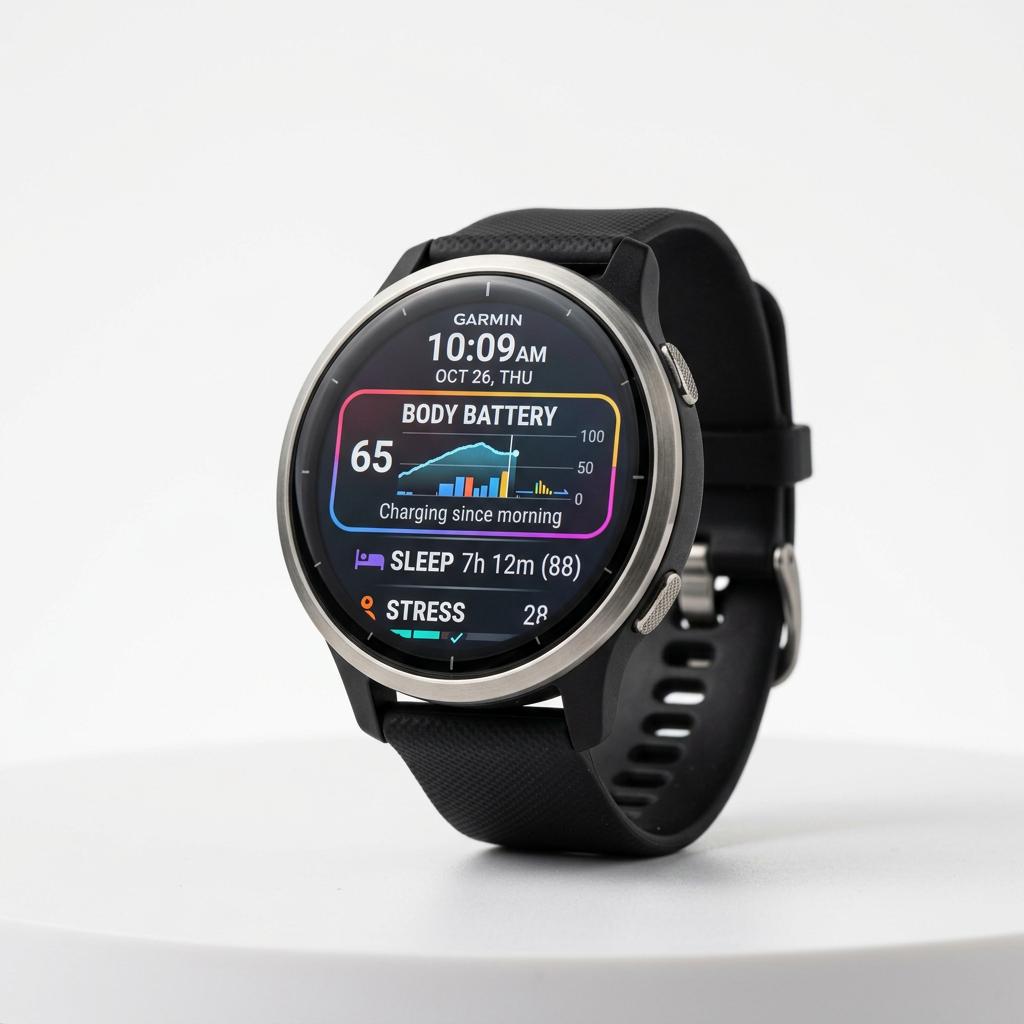
The Garmin Venu 3 offers an incredible 14-day battery life with a stunning AMOLED display, making it the best endurance option for those who want smartwatch features without daily charging.
For iPhone users, the Apple Watch Series 9 offers an unparalleled smartwatch experience that Garmin simply can't match. The integration with iOS is seamless, notifications are handled better than any competitor, and the App Store offers thousands of fitness and wellness apps. The bright OLED display is gorgeous, and features like Double Tap make controlling the watch during workouts effortless. However, the 18-hour battery life is a significant limitation compared to Garmin's multi-day endurance, and the fitness metrics, while comprehensive, lack the depth and training insights that serious athletes get from Garmin's ecosystem. It's the best choice for those who want a great smartwatch that also tracks fitness.
Check Price on Amazon
The Forerunner 265 represents Garmin's best answer to the Apple Watch for dedicated runners. The new AMOLED display is stunning and finally rivals Apple's screen quality, while the 13-day battery life in smartwatch mode dwarfs the Apple Watch's single-day endurance. Where Garmin truly shines is in training metrics: Training Readiness, Body Battery, recovery time recommendations, and race predictor features provide insights that Apple's simpler fitness tracking can't match. The multi-band GPS offers superior tracking accuracy, especially in challenging environments. While its smart features and app ecosystem lag behind Apple, for fitness-first users, the Forerunner 265 is a compelling alternative.
Check Price on Amazon
The Garmin Fenix 7 is purpose-built for those who spend their weekends on mountain trails, not city sidewalks. The rugged titanium construction laughs off impacts that would damage an Apple Watch, while the 18-day battery life means you can complete a week-long backpacking trip without worrying about charging. Preloaded TopoActive maps, ClimbPro ascent planning, and multi-band GPS make navigation effortless. The solar charging variant can extend battery even further. While the MIP display can't match the Apple Watch's OLED vibrancy and the smart features are more limited, the Fenix 7's outdoor credentials are unmatched. For hikers, climbers, and trail runners, this is the superior choice.
Check Price on Amazon
The Apple Watch Ultra 2 is Apple's answer to the Garmin Fenix series, and it's an impressive one. The titanium case and 100m water resistance bring Apple into Garmin's rugged territory, while the 3000-nit display and 36-hour battery address two of the biggest complaints about standard Apple Watches. The precision dual-frequency GPS finally matches Garmin's tracking accuracy, and features like the depth gauge and siren add genuine outdoor utility. At $799, it's priced right alongside the Fenix 7, making the choice come down to ecosystem preference: choose the Ultra 2 if you want the best smartwatch features with serious outdoor capability, or go Garmin if fitness metrics and battery life are your top priorities.
Check Price on Amazon
The Garmin Venu 3 is perhaps the most well-rounded competitor to the Apple Watch Series 9. Its beautiful AMOLED touchscreen finally gives Garmin a display that can compete with Apple's, while the addition of a built-in speaker and microphone enables on-wrist calls and voice assistant interaction. But the headline feature is the 14-day battery life, utterly eclipsing anything Apple offers. The new sleep coaching and nap detection features are genuinely useful, and Garmin's Body Battery and stress tracking provide wellness insights that go beyond Apple's offerings. The trade-off is a smaller app store and less polished smart features, but for those who prioritize battery life and fitness depth over apps, the Venu 3 is an excellent choice.
Check Price on Amazon