10-Minute HIIT Workout for Apartments: Burn Fat, Save Time
An intense 10-minute HIIT workout designed for apartments. Burn maximum calories with minimal space and no equipment nee...
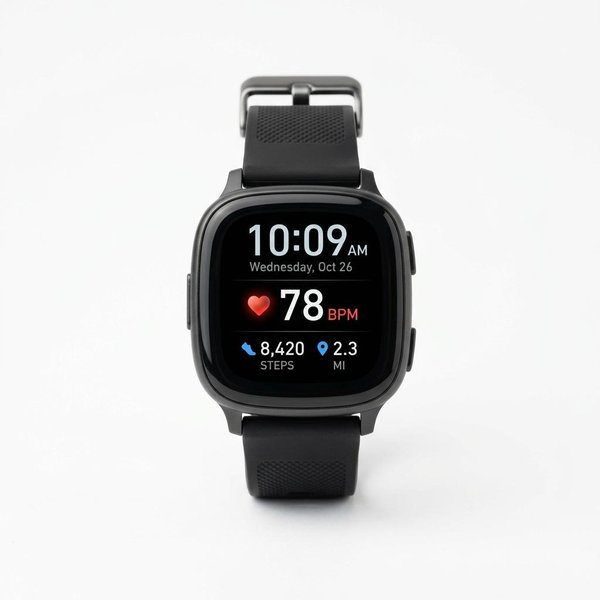
Research-backed guide to what is hiit for small-space home gyms.
By SnugGym Editorial Team | Evidence Mode: Research-Backed
HIIT stands for High-Intensity Interval Training — a cardiovascular training methodology characterized by alternating periods of intense anaerobic exertion with recovery periods of lower intensity or complete rest. Unlike steady-state cardio where effort remains constant, HIIT creates repeated spikes in heart rate and oxygen demand followed by partial recovery, producing unique metabolic, cardiovascular, and body composition adaptations. HIIT has evolved from an elite athletic training tool into one of the most researched and recommended exercise formats for general population health and fitness.
| Attribute | Description |
|---|---|
| Stands For | High-Intensity Interval Training |
| Structure | Alternating high-intensity and recovery intervals |
| Intensity During Work | 80–95% of maximum heart rate |
| Intensity During Recovery | 40–50% of maximum heart rate or complete rest |
| Typical Duration | 15–30 minutes per session |
| Primary Benefits | Fat loss, cardiovascular fitness, time efficiency, EPOC |
| Work-to-Rest Ratios | 1:1, 2:1, 1:2, 1:3, or variable |
Every HIIT workout contains four configurable variables:
The relationship between work and recovery creates the work-to-rest ratio — the primary programming variable determining training stimulus.
| Ratio | Work | Rest | Best For | Example |
|---|---|---|---|---|
| 1:1 | 30s | 30s | VO₂ max, intermediate fitness | 30s sprint / 30s walk |
| 1:2 | 30s | 60s | Speed/power, beginners | 30s bike / 60s easy |
| 2:1 | 40s | 20s | Anaerobic capacity, advanced | 40s work / 20s rest |
| 1:3 | 30s | 90s | Peak power, full recovery | 30s all-out / 90s rest |
| Variable | Varies | Varies | Sport-specific, metabolic conditioning | Pyramid intervals |
HIIT uniquely challenges multiple energy systems simultaneously:
This multi-system demand is why HIIT produces broader fitness adaptations than steady-state training, which primarily stresses the oxidative system.
The most celebrated HIIT benefit is EPOC — the elevated metabolic rate that persists for hours after exercise. Following intense HIIT, your body must:
This recovery work requires energy, meaning you continue burning calories at an elevated rate post-workout. Research in the Journal of Sports Sciences found that EPOC following HIIT can elevate metabolism 6–15% above baseline for up to 24 hours, with total additional calorie burn ranging from 50–200 calories depending on workout intensity and individual characteristics.
Multiple meta-analyses have compared HIIT to moderate-intensity continuous training (MICT) for fat loss. A 2019 meta-analysis in the British Journal of Sports Medicine found that HIIT produced significantly greater reductions in total body fat percentage and abdominal/visceral fat compared to time-matched MICT. The mechanisms include:
HIIT robustly improves markers of cardiovascular health:
| Marker | HIIT Effect | Evidence Quality |
|---|---|---|
| VO₂ max | Large improvements (8–15%) | Strong |
| Resting heart rate | Moderate reduction (3–8 bpm) | Strong |
| Blood pressure | Systolic reduction (5–10 mmHg) | Moderate |
| HDL cholesterol | Small increase | Moderate |
| Insulin sensitivity | Significant improvement | Strong |
| Arterial stiffness | Reduction (improved elasticity) | Emerging |
Research in Cell Metabolism (2017) found that HIIT reversed age-related decline in mitochondrial function — essentially rejuvenating cellular energy production at the genetic level. This effect was particularly pronounced in older adults (65–80 years), suggesting HIIT may partially reverse cellular aging.
HIIT sessions typically last 15–30 minutes compared to 45–60+ minutes for equivalent steady-state sessions. When EPOC is factored in, a 20-minute HIIT session can produce comparable or superior total energy expenditure to 45–60 minutes of moderate cardio.
Long-duration steady-state cardio can interfere with muscle preservation and growth through chronic elevation of catabolic hormones and interference with mTOR signaling. HIIT's short duration and high-intensity nature preserve anabolic signaling, making it compatible with strength and muscle-building programs.
Many individuals find HIIT more engaging and enjoyable than steady-state cardio due to its variety, challenge, and shorter duration. The sense of accomplishment after completing a difficult HIIT session may also enhance exercise self-efficacy and long-term adherence.
| Factor | HIIT | MICT (Steady-State) |
|---|---|---|
| Session duration | 15–30 minutes | 30–60+ minutes |
| Perceived effort | High during work, varied overall | Moderate, sustained |
| Caloric burn (session) | Moderate | Moderate to high |
| Caloric burn (with EPOC) | High | Moderate |
| Fat oxidation during | Lower | Higher |
| Fat oxidation post-session | Higher | Lower |
| VO₂ max improvement | Large | Moderate |
| Recovery demand | Higher | Lower |
| Injury risk | Moderate | Lower |
| Skill requirements | Moderate | Minimal |
| Best for | Time-pressed, intermediate+ fitness | Beginners, recovery days, enjoyment |
The optimal approach for most home gym users is a combination: 2–3 HIIT sessions weekly supplemented with 1–2 moderate steady-state sessions for recovery and base aerobic development.
| Parameter | Specification |
|---|---|
| Work-to-rest ratio | 1:2 or 1:3 |
| Work interval | 15–30 seconds |
| Intensity | 70–80% max HR |
| Total intervals | 6–10 |
| Total session time | 15–20 minutes |
| Weekly frequency | 2 sessions |
| Exercise selection | Low-impact (bike, rower, incline walking) |
Sample Beginner Workout:
| Parameter | Specification |
|---|---|
| Work-to-rest ratio | 1:1 to 2:1 |
| Work interval | 30s–2 minutes |
| Intensity | 80–90% max HR |
| Total intervals | 8–15 |
| Total session time | 20–25 minutes |
| Weekly frequency | 2–3 sessions |
| Exercise selection | Mixed impact allowed |
Sample Intermediate Workout:
| Parameter | Specification |
|---|---|
| Work-to-rest ratio | 2:1 or maximal efforts |
| Work interval | 20s–4 minutes |
| Intensity | 85–95% max HR |
| Total intervals | 10–20 |
| Total session time | 25–35 minutes |
| Weekly frequency | 3–4 sessions |
| Exercise selection | Any modality |
Sample Advanced Workout:
| Equipment | HIIT Application | Pros | Cons |
|---|---|---|---|
| Air bike (fan bike) | All intensities | Upper + lower body; safe at fatigue | Noise; expensive |
| Rowing machine | Moderate to high | Full-body; low impact; measurable | Technique learning curve |
| Spin bike | All intensities | Quiet; adjustable; comfortable | Lower body only |
| Treadmill | Walking to sprinting | Natural movement | High impact; injury risk |
| Elliptical | Low to moderate | Very low impact | Less intense than alternatives |
— Air bike for versatile HIIT training.
| Equipment | HIIT Application |
|---|---|
| Jump rope | Classic interval tool; portable |
| Kettlebell | Swings, snatches, cleans for power intervals |
| Medicine ball | Slams, throws for explosive intervals |
| Bodyweight only | Burpees, mountain climbers, jump squats, high knees |
As an Amazon Associate, we earn from qualifying purchases. Learn more
| Setup | Exercise | Work/Rest |
|---|---|---|
| Staircase | Run up / walk down | 20s/40s |
| Driveway/sidewalk | Sprint / walk back | 30s/90s |
| Backyard | Shuttle runs | 20s/60s |
| Living room | Bodyweight circuit | 40s/20s |
| Interval | Work | Recovery |
|---|---|---|
| 1–5 | 30s rowing (hard) | 30s rowing (easy) |
| 6–10 | 30s kettlebell swings | 30s rest |
| 11–15 | 30s burpees | 30s rest |
| 16–20 | 30s mountain climbers | 30s rest |
No equipment? Replace rowing with high knees in place.
Work intervals increase, then decrease, with fixed recovery:
Total: 24 minutes of structured suffering
Developed by exercise scientists for maximal aerobic improvement:
Research shows this 1:1 ratio at near-maximal intensity produces some of the largest VO₂ max improvements observed in training studies.
10-minute workout for maximum time efficiency:
HIIT at 85%+ of maximum heart rate creates substantial cardiovascular demand. Obtain medical clearance if you:
| Week | Focus | Intensity | Intervals |
|---|---|---|---|
| 1–2 | Build base | 70–75% max HR | 6–8 |
| 3–4 | Increase duration | 75–80% max HR | 8–10 |
| 5–6 | Increase intensity | 80–85% max HR | 10–12 |
| 7–8 | Refine | 85–90% max HR | 12–15 |
| 9+ | Maintain/advance | 85–95% max HR | 15–20 |
| HIIT Frequency | Minimum Rest Between Sessions | Notes |
|---|---|---|
| 2× weekly | 48 hours | Appropriate for most |
| 3× weekly | 24–48 hours | Requires good recovery habits |
| 4× weekly | 24 hours | Advanced only; monitor closely |
| 5+× weekly | — | Not recommended; overreaching risk |
How often should I do HIIT? 2–3 sessions weekly is optimal for most home gym users. This frequency provides substantial benefits while allowing adequate recovery. More is not better — excessive HIIT leads to overreaching and diminished returns.
Is HIIT better than walking for fat loss? For equal time investment, HIIT burns more calories and produces greater fat loss. However, 60 minutes of walking daily can match or exceed 15 minutes of HIIT for total weekly calorie burn. The best exercise is the one you'll consistently perform.
Can I do HIIT and strength training on the same day? Yes, with sequencing considerations. For strength priority: lift first, HIIT after (at least 6 hours apart if possible). For cardio priority: HIIT first, lighter strength after. Same-day training increases total fatigue — adjust volume accordingly.
How do I know if I'm working hard enough during HIIT intervals? During work intervals, you should be unable to hold a conversation. Your breathing should be heavy and labored. Heart rate should reach 80–90% of maximum by the end of each work interval. If you can speak in full sentences, you're not working hard enough.
Can older adults do HIIT? Absolutely, and they may benefit most. Research shows HIIT is safe and highly effective for adults 60+, producing remarkable improvements in VO₂ max, insulin sensitivity, and even cellular aging markers. Start conservatively and progress gradually.
HIIT represents one of the most evidence-supported training methodologies available, delivering remarkable cardiovascular, metabolic, and body composition benefits in remarkably little time. While not a complete replacement for all steady-state cardio — which has its own benefits for recovery, base aerobic development, and enjoyment — HIIT deserves a central place in every home gym user's programming toolkit. The key to success: start conservatively, progress gradually, and respect the recovery demands that make HIIT effective rather than counterproductive.
FTC Disclosure: This article contains affiliate links to Amazon products. If you purchase through these links, SnugGym may earn a commission at no additional cost to you. This helps support our independent research and content creation.
Last updated: June 2025