10-Minute HIIT Workout for Apartments: Burn Fat, Save Time
An intense 10-minute HIIT workout designed for apartments. Burn maximum calories with minimal space and no equipment nee...
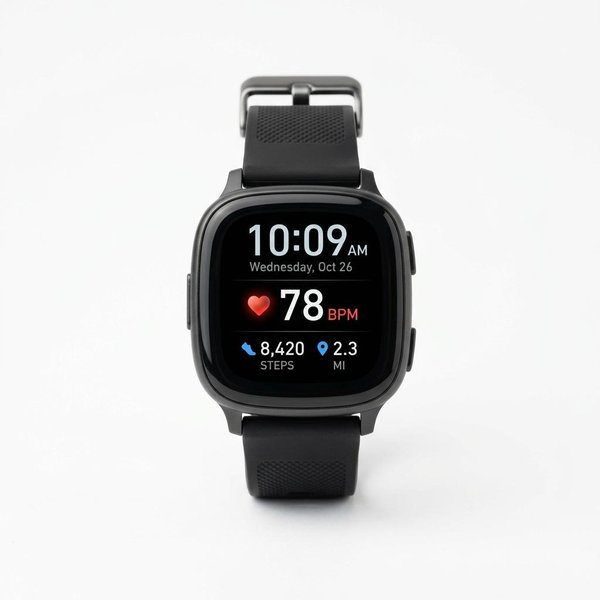
Learn the original Tabata protocol and get 6 complete at-home routines with exercise variations, timing instructions, and progress tracking for all fitness levels.
Tabata training is one of the most widely referenced — and frequently misunderstood — high-intensity protocols in fitness. Named after Dr. Izumi Tabata, the Japanese researcher who documented its effects in a landmark 1996 study, the protocol has specific parameters that differ substantially from general "high-intensity interval training."
This article explains the original research, clarifies common misconceptions, and provides six complete Tabata-style routines designed for home gym use with minimal equipment.
Dr. Izumi Tabata's research, published in Medicine & Science in Sports & Exercise, compared two groups of elite athletes over six weeks:
Results: Group B improved their anaerobic capacity by 28% and aerobic capacity (VO2 max) by a comparable margin to Group A — despite 4.5 fewer hours of weekly training time.
Critical context: The subjects were elite speed skaters. The 170% VO2 max intensity required specialized cycle ergometers and supervision. Home practitioners work at lower absolute intensities but follow the same timing structure.
| Parameter | Specification |
|---|---|
| Work interval | 20 seconds |
| Rest interval | 10 seconds |
| Total rounds per exercise | 8 |
| Duration per exercise block | 4 minutes |
| Target intensity | Maximum sustainable effort (RPE 9-10/10) |
| Rest between blocks | 1-2 minutes |
The 2:1 work-to-rest ratio distinguishes Tabata from other interval formats. The 10-second recovery is intentionally insufficient — it prevents full phosphocreatine replenishment, forcing progressive recruitment of anaerobic metabolism.
Each routine consists of 4 exercise blocks (16-20 minutes total, including rest between blocks). Select the routine matching your equipment and experience level.
No equipment required. Suitable for beginners performing modified intensity.
| Block | Exercise | Coaching Notes |
|---|---|---|
| 1 | Bodyweight squats | Full depth, rapid but controlled tempo |
| 2 | Mountain climbers | Hands under shoulders, minimal hip elevation |
| 3 | Burpees (step-back version) | Step back and in to reduce impact |
| 4 | High knees (running in place) | Drive knees above hip height |
Structure: 8 rounds of 20:10 per block. 60-second rest between blocks.
Requires a pair of moderate-weight dumbbells (select weight that allows continuous movement for 20 seconds).
| Block | Exercise | Coaching Notes |
|---|---|---|
| 1 | Dumbbell thrusters | Squat to overhead press, don't pause at bottom |
| 2 | Renegade rows (alternating) | Stable hips, row to hip height |
| 3 | Dumbbell push press | Dip and drive, lock out overhead |
| 4 | Goblet squats | Hold dumbbell at chest, vertical torso |
Weight guidance: Women typically use 10-20 lb dumbbells; men 20-35 lbs. Adjust based on ability to complete all 8 rounds without extended rests.
Requires one kettlebell. Emphasizes hip-hinge patterns and ballistic movements.
| Block | Exercise | Coaching Notes |
|---|---|---|
| 1 | Kettlebell swings (two-hand) | Explosive hip extension, bell to eye level |
| 2 | Goblet squats | Hold horns at chest, elbows inside knees |
| 3 | Single-arm swings (alternate per round) | Powerful hinge, bell floats at apex |
| 4 | Kettlebell halos | Circle bell around head, keep ribs down |
Recommended bell weight: 12-16 kg for most women; 16-24 kg for most men.
Emphasizes quadriceps, glutes, and hamstrings. Bodyweight or light loading.
| Block | Exercise | Coaching Notes |
|---|---|---|
| 1 | Jump squats (or air squats) | Land softly, immediate next rep |
| 2 | Alternating reverse lunges | Torso vertical, back knee toward floor |
| 3 | Glute bridge marches | Single-leg bridge, alternate legs each rep |
| 4 | Calf raises | Full range, pause at top and bottom |
Targets chest, back, shoulders, and arms. Requires dumbbells or a suspension trainer.
| Block | Exercise | Coaching Notes |
|---|---|---|
| 1 | Push-ups (modify on knees if needed) | Chest to floor, full extension at top |
| 2 | Bent-over dumbbell rows | Flat back, row to lower ribs |
| 3 | Dumbbell shoulder press | Standing, core braced, no leg drive |
| 4 | Plank shoulder taps | Minimize hip rotation, stable base |
Emphasizes trunk stability with cardiovascular challenge.
| Block | Exercise | Coaching Notes |
|---|---|---|
| 1 | Plank jacks | Jump feet in and out from plank position |
| 2 | Russian twists | Heels down or elevated, rotate fully |
| 3 | Bicycle crunches | Shoulder to opposite knee, slow and controlled |
| 4 | Squat to toe touch | Stand, reach opposite hand to foot, alternate |
| If You Have | Substitute | Replacement |
|---|---|---|
| Knee concerns | Jump squats | Bodyweight squats to bench |
| Wrist issues | Mountain climbers | Step-it-outs (slow) |
| Low ceiling | Jumping exercises | Step-ups or marching |
| Lower back sensitivity | Burpees | Inchworm to plank |
| Shoulder limitations | Overhead press | Landmine press or front raise |
Precise interval timing is essential for Tabata. Options include:
| Experience Level | Weekly Frequency | Session Duration | Notes |
|---|---|---|---|
| Beginner | 2×/week | 8-12 min (2-3 blocks) | Use 20:20 or 20:30 ratio initially |
| Intermediate | 3×/week | 16 min (4 blocks) | Standard 20:10 protocol |
| Advanced | 3-4×/week | 20-24 min (5-6 blocks) | Add loading or compound movements |
Always separate Tabata sessions by at least 48 hours. The protocol stresses the anaerobic system significantly; inadequate recovery reduces subsequent session quality and increases overreaching risk.
Monitor these variables to assess adaptation over time:
Tabata training, derived from peer-reviewed exercise science research, provides a time-efficient cardiovascular and metabolic stimulus through its distinctive 20:10 interval structure. The six routines above offer progressive options from bodyweight-only to loaded implementations. Success depends on intensity compliance during the 20-second work periods and adequate recovery between sessions.
As an Amazon Associate we earn from qualifying purchases.