10-Minute HIIT Workout for Apartments: Burn Fat, Save Time
An intense 10-minute HIIT workout designed for apartments. Burn maximum calories with minimal space and no equipment nee...
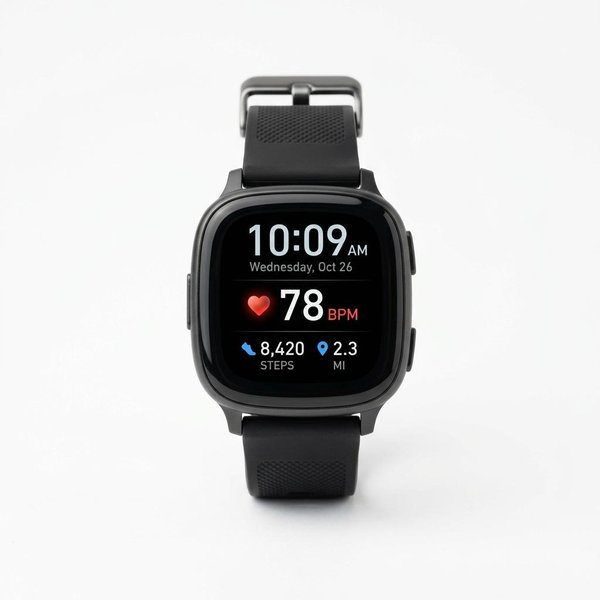
Evidence-based exercise guidance for adults 65+: safe movements, recommended compact equipment, fall prevention strategies, and how to build a senior-friendly home gym that supports independence.
Regular exercise for adults 65 and older is one of the most evidence-supported interventions for maintaining independence, reducing fall risk, and supporting cognitive function. The CDC, World Health Organization, and American College of Sports Medicine all publish consistent guidelines: older adults should engage in regular strength training, balance work, and aerobic activity. A well-designed home gym can support all three — but the equipment selection, exercise programming, and safety considerations differ meaningfully from conventional fitness recommendations.
This guide addresses the specific needs of older adults establishing or using a home gym. It is informational in nature and does not constitute medical advice; individuals with existing health conditions should consult their physician before beginning any exercise program.
Published guidelines from major health organizations recommend that adults 65+ should aim for:
Source: CDC Physical Activity Guidelines for Americans, 2nd Edition; WHO Guidelines on Physical Activity and Sedentary Behaviour, 2020
The key insight for home gym design: seniors benefit most from integrated programming that addresses strength, balance, and mobility simultaneously — not isolated strength work on machines.
Strength training combats sarcopenia (age-related muscle loss), supports bone density, and improves functional capacity for daily activities. The focus should be on movements that translate to real-world function.
Foundational Movements:
| Exercise | Target Muscles | Functional Benefit | Equipment Needed |
|---|---|---|---|
| Sit-to-stand from chair | Quadriceps, glutes | Standing from chairs, toilets | Sturdy chair |
| Wall push-ups | Chest, shoulders, triceps | Pushing ability, upper body strength | Wall |
| Standing rows (band) | Upper back, biceps | Posture improvement, pulling | Resistance band, anchor |
| Hip hinges (supported) | Hamstrings, glutes, lower back | Safe bending mechanics | Counter or chair back |
| Heel raises | Calves | Walking, stair climbing | Wall or counter for balance |
| Side-lying leg lifts | Hip abductors | Lateral stability, gait support | Exercise mat |
| Banded pull-aparts | Rear shoulders, upper back | Shoulder health, posture | Resistance band |
Table: Foundational strength movements for seniors with functional relevance
Progression approach: Start with bodyweight or very light resistance. Increase repetitions before increasing resistance. When 12–15 repetitions feel manageable, add light resistance (lighter band, 1–2 lb dumbbell) rather than pushing to exhaustion with bodyweight.
Balance work is the most underrepresented component in typical home gym setups, yet it may be the most important for senior independence. Falls are the leading cause of injury-related death among adults 65+.
Balance Progression Sequence:
Safety note: All balance work should begin with a stable support surface within immediate reach. Remove fall hazards from the area (rugs, cords, clutter) before beginning balance exercises.
Maintaining range of motion supports functional movement and reduces compensation patterns that lead to pain and injury.
Low-impact options suitable for home:
| Equipment | Purpose | Selection Notes |
|---|---|---|
| Resistance bands (light to medium set) | Strength training, flexibility | Tube-style with handles are easiest to grip |
| Sturdy chair (no wheels, no arms ideally) | Support for sit-to-stands, balance work, seated exercises | |
| Exercise mat | Cushioning for floor work; slip resistance | Thicker mat (8mm+) for joint comfort |
| Light dumbbells (2–5 lb pair) | Strength progression | Hex shape won't roll; rubber-coated for grip |
| Equipment | Purpose | Selection Notes |
|---|---|---|
| Recumbent exercise bike | Cardiovascular fitness | Back support, low step-through height, stable base |
| Balance pad | Balance training progressions | Foam instability challenges proprioception safely |
| Adjustable ankle weights | Lower body strength progression | Start at 1–2 lb per leg |
| Light kettlebell (5–10 lb) | Hip hinge pattern, functional movement | Ensure proper instruction on form before use |
| Equipment | Purpose |
|---|---|
| Foam roller | Self-myofascial release; circulation improvement |
| Yoga blocks | Support for flexibility work; reduce reach distance |
| Resistance band door anchor | Expands exercise options for band work |
| Step platform | Step-ups, low-impact cardio, balance practice |
Equipment recommendations:
Fall prevention is the highest-priority safety consideration for senior home gyms. Our analysis of CDC fall data and clinical research indicates that environmental modifications and exercise-specific protocols can reduce fall risk substantially.
Before exercising:
The following structure integrates strength, balance, and mobility across the week. Adjust based on individual fitness level and medical guidance.
| Day | Focus | Duration | Content |
|---|---|---|---|
| Monday | Strength + Balance | 20–30 min | Sit-to-stands, wall push-ups, band rows, single-leg stance practice |
| Tuesday | Cardio + Mobility | 20–30 min | Recumbent bike or walking; ankle circles, spinal rotation, hip stretches |
| Wednesday | Rest or gentle mobility | 10–15 min | Light stretching, breathing exercises, walking |
| Thursday | Strength + Balance | 20–30 min | Hip hinges, heel raises, side-lying leg lifts, tandem stance practice |
| Friday | Cardio + Balance | 20–30 min | Step-ups or cycling; weight shifts, heel-to-toe walk practice |
| Saturday | Full mobility session | 15–20 min | All stretches; foam roller if available; deep breathing |
| Sunday | Rest | — | Active recovery: light walking as desired |
Table: Sample weekly exercise structure for adults 65+
Intensity guidance: The "talk test" is a practical intensity measure. During cardio activity, you should be able to speak in full sentences. During strength work, the last 2–3 repetitions should feel challenging but not impossible.
Is it too late to start exercising at 70, 80, or older? No. Research consistently shows that older adults who begin exercise programs in their 70s, 80s, and even 90s experience meaningful improvements in strength, balance, and functional capacity. The body retains adaptability at all ages.
How do I know if an exercise is too advanced? If you cannot maintain proper form throughout all repetitions, if you need to hold your breath, or if you feel unstable even with support, the exercise is too advanced. Simplify the movement or reduce resistance.
Can I build muscle after 65? Yes. Sarcopenia can be slowed and partially reversed with consistent resistance training. Studies show significant strength gains in adults in their 80s and 90s following structured resistance programs.
Should I use machines or free weights? For most seniors, resistance bands and bodyweight exercises provide the best risk-to-reward ratio. Free weights require more stability and coordination. Machines provide support but are less functional. Bands strike a balance: they provide scalable resistance while allowing natural movement patterns.
How do I track progress? Track functional milestones rather than weight lifted: number of sit-to-stands in 30 seconds, seconds held in single-leg stance, minutes of continuous walking or cycling. These metrics reflect real-world functional improvement.
As an Amazon Associate we earn from qualifying purchases. Product links on this page include our affiliate tag — purchases made through these links support our research at no additional cost to you.
Last updated: January 2025. Exercise recommendations based on CDC Physical Activity Guidelines for Americans (2nd Edition), WHO Guidelines on Physical Activity and Sedentary Behaviour (2020), and ACSM's Guidelines for Exercise Testing and Prescription (11th Edition). This content is informational and does not replace medical advice. Consult a physician before beginning any exercise program, particularly if you have existing health conditions.