10-Minute HIIT Workout for Apartments: Burn Fat, Save Time
An intense 10-minute HIIT workout designed for apartments. Burn maximum calories with minimal space and no equipment nee...

A beginner-friendly core workout guide based on spinal biomechanics research. Learn to train your core safely and effectively with progressive exercises for all fitness levels.
The core is simultaneously the most trained and most misunderstood muscle group in fitness. Social media overflows with extreme ab challenges and high-rep crunch protocols, while spinal biomechanics research reveals that effective core training looks nothing like the traditional "ab burn" approach.
This guide presents a beginner-friendly core program built on functional anatomy and evidence-based training principles. The goal is not merely visible abs—though that may follow—but a stable, resilient midsection that supports athletic performance, protects the spine, and enables confident movement in daily life.
The core encompasses far more than the rectus abdominis (the "six-pack" muscle). A functionally complete core includes:
Rectus Abdominis: The visible anterior muscle responsible for spinal flexion (curling forward) and compression (bracing). Runs from the pubic bone to the sternum and ribs.
Obliques (External and Internal): The diagonal muscles on the sides of the torso responsible for rotation, lateral flexion (side-bending), and anti-rotation stability.
Transverse Abdominis: The deepest abdominal muscle, wrapping horizontally around the torso like a corset. Functions primarily in spinal stabilization and intra-abdominal pressure generation.
Erector Spinae: The muscle column flanking the spine, responsible for spinal extension and anti-flexion (resisting forward bending).
Multifidus: Deep spinal stabilizers running between individual vertebrae, critical for segmental spinal control.
Diaphragm and Pelvic Floor: Often overlooked, these muscles work with the transverse abdominis to create cylindrical core stability.
Research on core function consistently emphasizes that the core's primary role is stability—resisting movement rather than creating it. This stability-first understanding should inform exercise selection.
Before performing dynamic core exercises (crunches, twists), beginners must establish the ability to maintain a neutral spine against resistance. Research on motor learning shows that stability competency must precede dynamic training to prevent compensatory patterns and injury.
The most functional core exercises resist forces attempting to move the spine:
Like any muscle group, the core requires progressive overload to adapt. Beginners should progress from bodyweight holds to loaded movements, increasing duration, load, or difficulty systematically.
Proper core function requires coordinated breathing. The Valsalva maneuver (breath-holding) increases intra-abdominal pressure for heavy lifting, but during core training, controlled breathing enhances muscle activation and endurance.
Goal: Establish basic stability competency and mind-muscle connection. Frequency: 3× per week (Monday/Wednesday/Friday or Tuesday/Thursday/Saturday) Duration: 10-12 minutes per session
Execution: Lie on your back with arms extended toward the ceiling and knees bent at 90°. Slowly lower one arm behind your head while extending the opposite leg, keeping your lower back pressed firmly to the floor. Return to start and repeat on the other side.
Why it works: The dead bug teaches contralateral limb movement while maintaining lumbar stability. The key coaching point—keeping the lower back flat—ensures transverse abdominis engagement rather than lumbar compensation.
Common error: Allowing the rib cage to arch and lower back to lift off the floor. If this happens, reduce range of motion until stability improves.
Execution: Support your body on forearms and knees, maintaining a straight line from shoulders to knees. Engage the core by drawing the navel toward the spine without holding your breath.
Why it works: The modified plank reduces the lever arm compared to full planks, making the position achievable for beginners while still training anti-extension stability. Research confirms that knee planks produce meaningful core activation for novice trainees.
Progression cue: When 3 × 30 seconds is comfortable with perfect form, progress to full planks.
Execution: Lie on your side supported by your forearm and the side of your bottom knee. Lift hips so your body forms a straight line from head to knee. Hold, breathing normally.
Why it works: The modified side plank introduces anti-lateral flexion training at a manageable intensity. The obliques and quadratus lumborum work to prevent the hips from sagging toward the floor.
Execution: Lie on your back with knees bent and feet flat on the floor. Lift hips until your body forms a straight line from shoulders to knees. Squeeze glutes at the top for 2 seconds. Lower with control.
Why it works: The glute bridge trains the posterior core (erector spinae and glutes) while engaging the anterior core through the bracing required to maintain spinal position. Glute strength is inseparable from core function—the glutes and abdominals work as a functional unit.
Execution: From hands and knees, extend one arm forward and the opposite leg backward, maintaining a flat back. Hold for 2 seconds, then return to start. Repeat on the other side.
Why it works: The bird dog develops the cross-body stabilization pattern essential for walking, running, and athletic movement. The 2-second hold at extension develops endurance in the stabilizing muscles.
Goal: Increase stability demands and introduce light anti-rotation. Frequency: 3× per week Duration: 12-15 minutes
Execution: Support on forearms and toes, body straight from head to heels. Draw navel toward spine, engage glutes, breathe normally.
Why it works: Progressing to full planks increases the lever arm significantly, requiring greater core activation to maintain spinal position. The full plank also engages the shoulder stabilizers and quadriceps isometrically.
Execution: Same as Week 1-2, but now with full range of motion—the extended leg lowers to just above the floor without the lower back arching.
Progression cue: The ability to maintain lumbar contact throughout the full range indicates improved hip flexor length and anterior core strength.
Execution: Support on forearm and side of the foot, body straight from head to heels. Lift hips and hold.
Why it works: The full side plank approximately doubles the stability demand compared to the knee-supported version. The bottom-side oblique and quadratus lumborum must prevent hip sag under greater gravitational load.
Execution: Lie on your back with knees bent and feet lifted so thighs are perpendicular to the floor. Contract the lower abs to lift hips off the floor, bringing knees toward the chest. Lower with control.
Why it works: The reverse crunch emphasizes the lower portion of the rectus abdominis—a region often underactive in beginners. Unlike standard crunches that primarily train the upper abs, the reverse crunch creates a posterior pelvic tilt that engages the entire abdominal wall.
Common error: Using momentum to swing legs up. The movement should be slow and controlled, initiated by abdominal contraction rather than leg momentum.
Execution: Stand perpendicular to a resistance band or cable machine held at chest height. Press the handle straight forward, resisting the rotational pull. Bring hands back to chest and repeat.
Why it works: The Pallof press is the gold standard anti-rotation exercise. The resisted press attempts to rotate the torso; the obliques and transverse abdominis must prevent this rotation. Research shows high activation of the entire core during this movement with minimal spinal stress.
Goal: Combine stability and dynamic core training with increased difficulty. Frequency: 3× per week Duration: 15-18 minutes
Execution: In a full plank position, lift one hand and touch the opposite shoulder, minimizing hip rotation. Alternate sides.
Why it works: Adding the shoulder tap introduces a destabilizing force that the core must resist. The anti-rotation demand transforms a static hold into a dynamic stability challenge.
Execution: Lie on your back with hands behind your head. Bring one knee toward your chest while rotating the opposite shoulder toward that knee. Extend the other leg straight. Alternate in a controlled cycling motion.
Why it works: The bicycle crunch produces among the highest rectus abdominis and oblique EMG values of any crunch variation according to research. The rotational component trains the diagonal sling pattern used in athletic movements.
Key coaching point: Rotate from the torso, not just the arms. The shoulder should move toward the knee, not the elbow.
Execution: In a full side plank, lower the hip to touch the floor, then lift back to the starting position. Repeat.
Why it works: The hip dip adds dynamic movement to the side plank, training the obliques through a controlled range of lateral flexion and extension. This eccentric-concentric pattern builds strength through the full oblique range of motion.
Execution: Lie on your back with legs extended toward the ceiling. Slowly lower both legs toward the floor while maintaining lumbar contact. Stop when the lower back begins to arch. Return to start.
Why it works: The leg lowering is an anti-extension exercise that challenges the anterior core to prevent the lumbar spine from arching as the legs descend. The progressive difficulty as legs lower creates an excellent strength assessment—your range of motion indicates your core control.
Execution: From a push-up position, bring one knee toward the chest while maintaining a flat back. Return to start and repeat on the other side. Perform slowly—2 seconds per leg movement.
Why it works: The slow mountain climber trains hip flexion under spinal stabilization demands. Unlike fast mountain climbers used for cardio, the slow version maximizes core engagement and hip flexor control.
| Day | Workout | Time |
|---|---|---|
| Monday | Foundation Circuit × 2 rounds | 10 min |
| Wednesday | Foundation Circuit × 2 rounds | 10 min |
| Friday | Foundation Circuit × 2 rounds | 10 min |
| Day | Workout | Time |
|---|---|---|
| Monday | Building Circuit × 2 rounds | 12 min |
| Wednesday | Building Circuit × 2 rounds | 12 min |
| Friday | Building Circuit × 2 rounds | 12 min |
| Day | Workout | Time |
|---|---|---|
| Monday | Integration Circuit × 2 rounds | 15 min |
| Wednesday | Integration Circuit × 2 rounds | 15 min |
| Friday | Integration Circuit × 2 rounds | 15 min |
After completing the 6-week program, progress to:
Holding breath: Breathe continuously during core work. Exhale during the exertion phase, inhale during the relaxation phase.
Rushing: Core training benefits from slow, controlled movements. If you're performing core exercises quickly, you're likely using momentum rather than muscle control.
Neglecting the posterior core: The erector spinae and glutes are essential core components. Programs focused only on crunches create imbalances that contribute to back pain.
Training abs daily: The core requires recovery like any muscle group. 48 hours between dedicated core sessions allows adaptation.
Expecting visible abs from core training alone: Abdominal visibility is primarily determined by body fat percentage, not core exercise volume. Nutrition creates visible abs; core training develops the underlying muscle.
How often should beginners train their core? 3× per week with at least one rest day between sessions. Daily low-level engagement (maintaining posture, bracing during daily activities) is beneficial, but dedicated training requires recovery.
Will this program give me a six-pack? This program develops core strength and stability. Visible abs require sufficient muscle development plus low enough body fat (typically under 15% for men, under 22% for women). Nutrition is the primary driver of abdominal visibility.
Should I feel my lower back during core exercises? No. Lower back sensation during core work indicates form breakdown or exercise selection beyond current capability. Reduce range of motion or exercise difficulty if lower back discomfort occurs.
How long until I see results? Strength improvements (longer holds, more reps, better form) typically appear within 2-3 weeks. Visible changes require 6-12 weeks with consistent training and appropriate nutrition.
Can I do this program alongside other training? Yes. Perform core work at the end of strength training sessions or on separate days. Avoid heavy core work immediately before heavy compound lifts that require fresh core function (squats, deadlifts, overhead press).
Last updated: January 2025. Exercise programming based on spinal biomechanics and core training research through 2024.
| Image | Product | Price | Badge | Link |
|---|---|---|---|---|
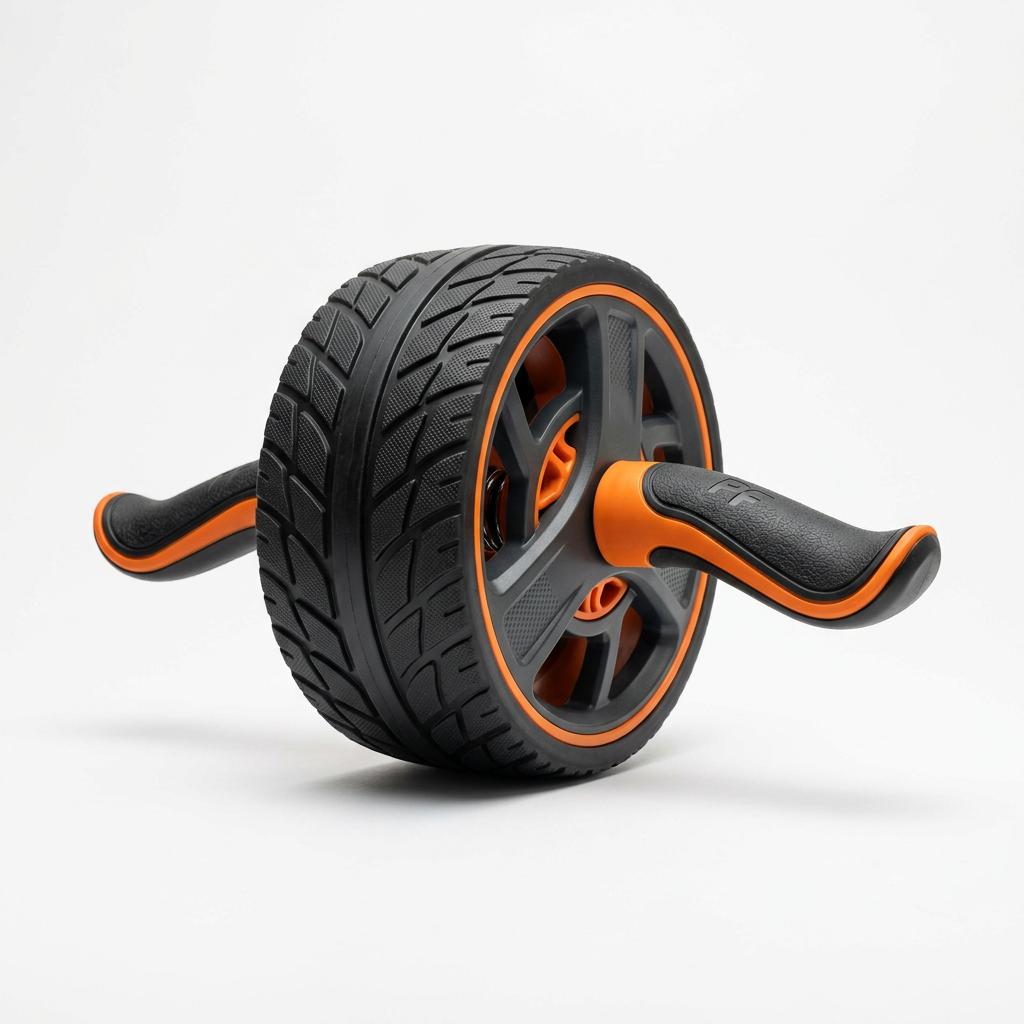 |
Perfect Fitness Ab Carver Pro | $29-$39 | Best Overall | Check Price |
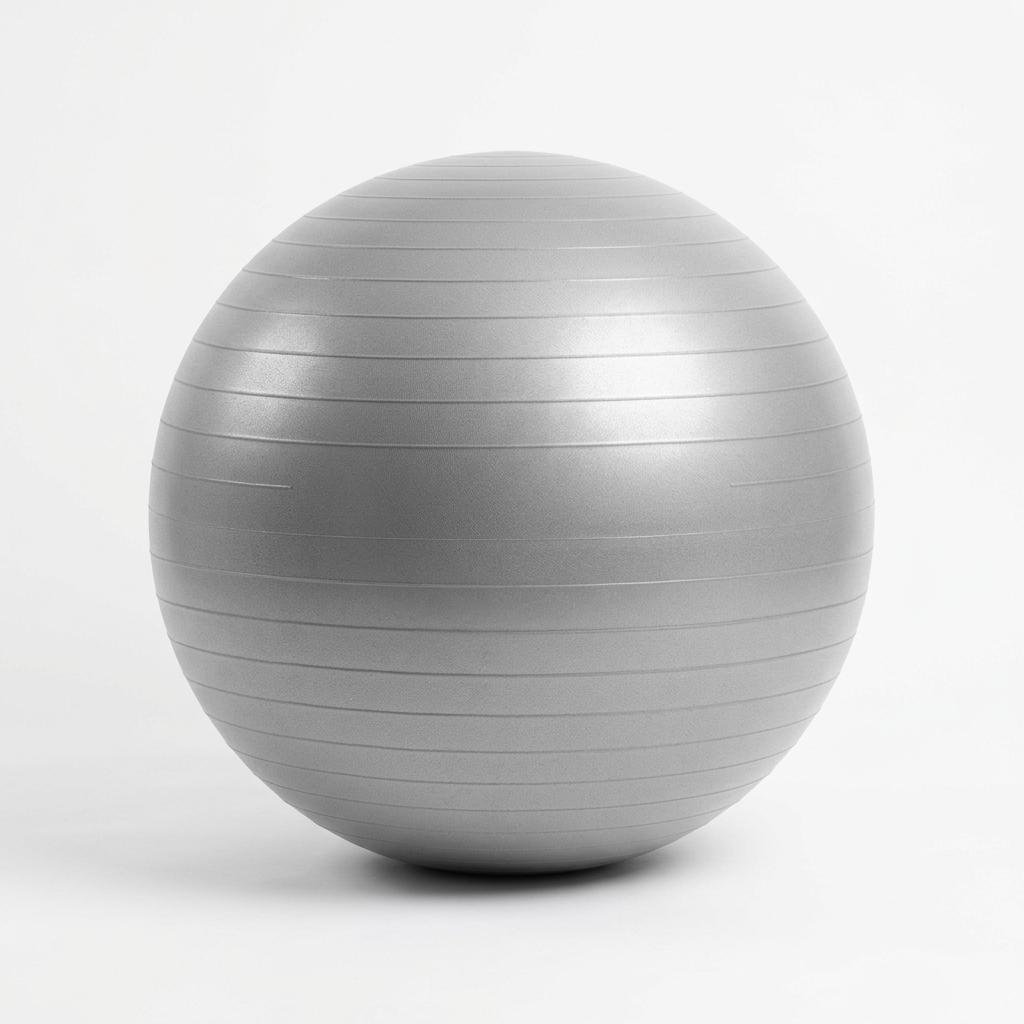 |
Trideer Exercise Ball | $18-$28 | Most Versatile | Check Price |
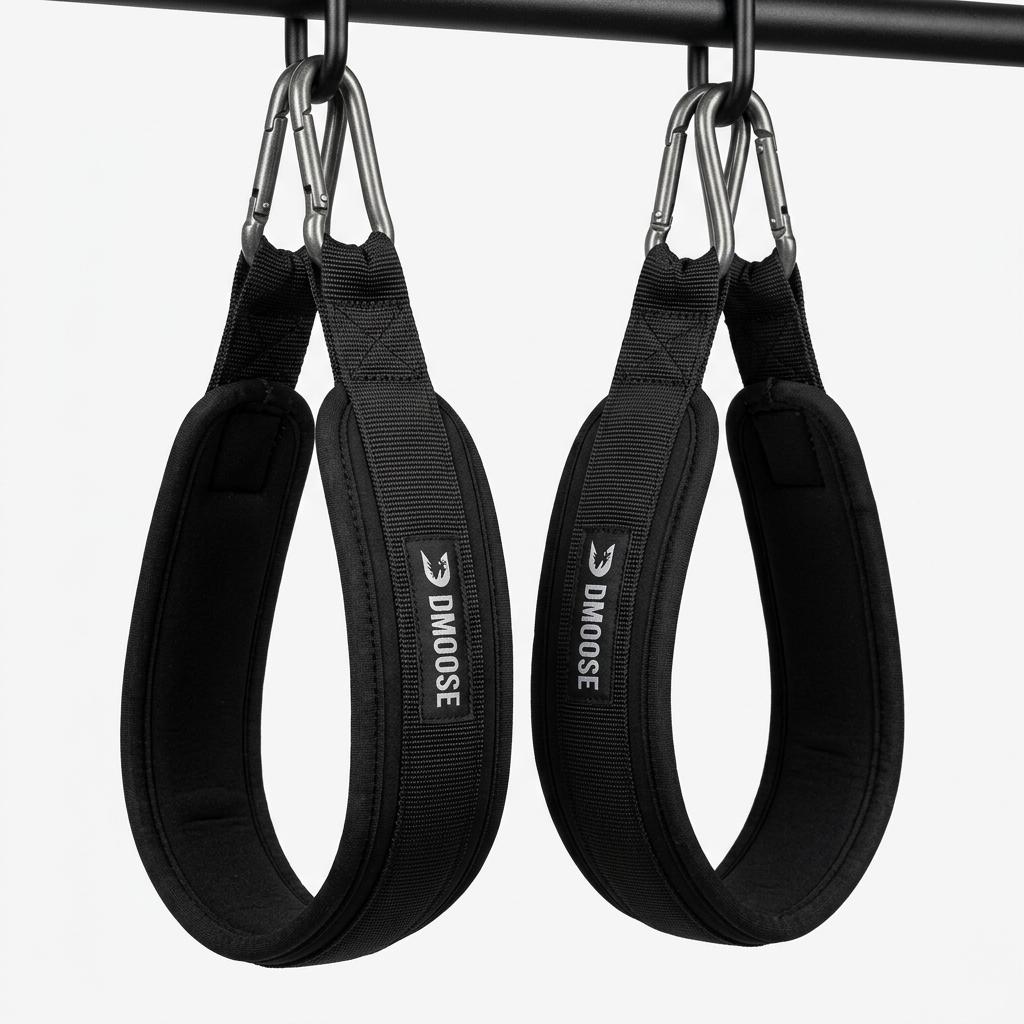 |
DMoose Ab Straps | $24-$34 | Best for Hanging Exercises | Check Price |
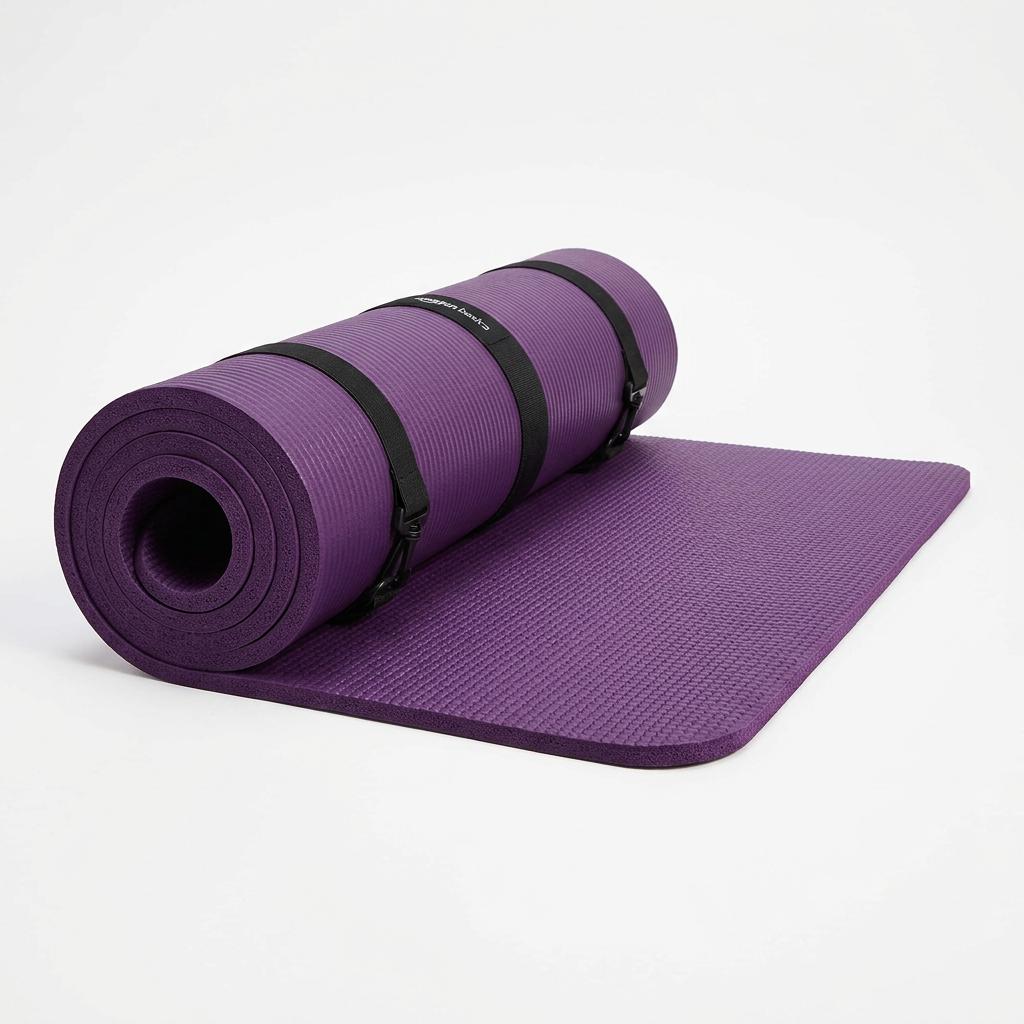 |
Amazon Basics Extra Thick Exercise Yoga Mat | $16-$22 | Best Budget | Check Price |
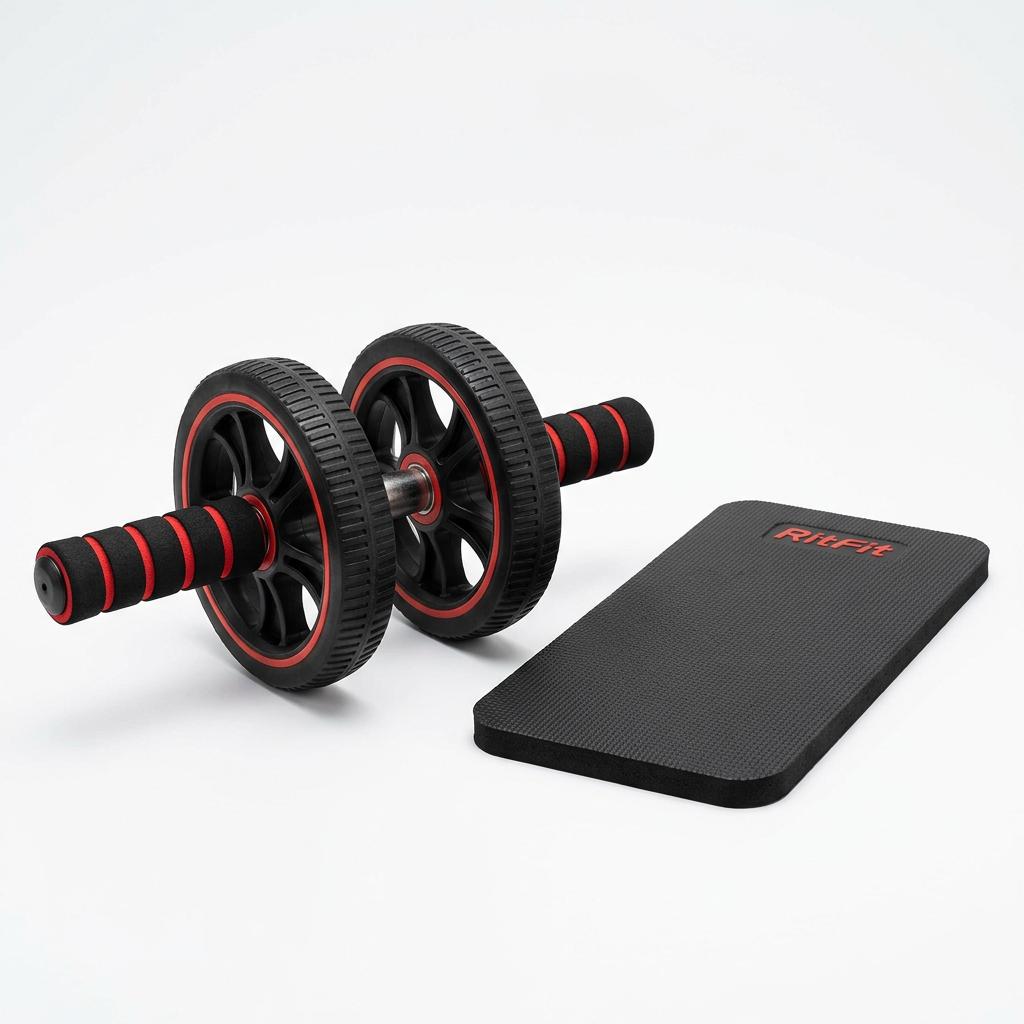 |
RitFit Ab Roller Wheel | $15-$22 | Best Value | Check Price |
A beginner-friendly ab roller with a wide wheel and spring-assisted return that makes anti-extension core training accessible to all fitness levels.
A durable anti-burst stability ball that adds an instability challenge to beginner core exercises, engaging deeper stabilizer muscles.
Padded hanging ab straps that make hanging core exercises comfortable and accessible for beginners building core strength.
An affordable, thick exercise mat that provides comfortable cushioning for all beginner core exercises performed on the floor.
A budget-friendly dual-wheel ab roller with included knee pad that delivers an effective anti-extension core workout for beginners.
The Ab Carver Pro is the ideal starting point for beginners learning anti-extension core exercises. The ultra-wide wheel creates a stable base that prevents tipping, while the internal kinetic spring provides assistance on the return portion of the movement. This makes it far more accessible than standard narrow ab wheels. The ergonomic hand grips keep wrists in a neutral position. Start with small ranges of motion and gradually increase distance as your core strength improves.
Check Price on Amazon
The Trideer stability ball is an outstanding tool for beginner core training because the unstable surface forces your core to work harder during every exercise. Use it for crunches, planks with forearms on the ball, glute bridges with feet on the ball, or as a bench for dumbbell work. The anti-burst design means it will deflate slowly if punctured rather than popping. Choose the correct size based on your height for optimal ergonomics.
Check Price on Amazon
DMoose Ab Straps transform hanging core exercises from painful to comfortable. The thick padding supports your arms so you can focus entirely on contracting your core during knee raises and leg lifts. The heavy-duty carabiners clip securely to any pull-up bar. For beginners, hanging ab work is one of the most effective ways to build core strength because it requires the abs to stabilize the entire body against gravity. These straps remove the grip and comfort barriers that often prevent beginners from attempting hanging exercises.
Check Price on Amazon
The Amazon Basics mat provides everything a beginner needs for floor-based core work. The 1/2-inch thickness cushions your spine during crunches, dead bugs, and glute bridges. The textured surface keeps you from sliding during planks and mountain climbers. At this price point, you can dedicate one mat exclusively to core work without worrying about wear. When you're just starting your core training journey, this mat removes the barrier of discomfort that hard floors create.
Check Price on Amazon
The RitFit Ab Roller is the best value in core training equipment. The dual-wheel design provides significantly more stability than single-wheel alternatives, making it appropriate for beginners who are still developing their core control. The included knee pad is a thoughtful addition that protects your knees during the rollout motion. Start with short rollouts from a kneeling position, focusing on maintaining a neutral spine throughout the movement. As you progress, gradually extend the range of motion.
Check Price on Amazon