10-Minute HIIT Workout for Apartments: Burn Fat, Save Time
An intense 10-minute HIIT workout designed for apartments. Burn maximum calories with minimal space and no equipment nee...

10-minute daily core routine for apartments requiring no equipment. Plank variations, dead bug, leg raises, hollow hold. Covers anti-extension, anti-rotation, and anti-lateral flexion categories.
Core training is frequently misunderstood. The abdominal muscles do not primarily function to create movement (flexing the spine, as in a crunch) — they primarily function to resist movement. Research published in the Journal of Orthopaedic & Sports Physical Therapy indicates that core exercises emphasizing anti-movement (anti-extension, anti-rotation, anti-lateral flexion) transfer more effectively to functional performance and spinal health than traditional flexion-based exercises alone.
This 10-minute routine requires no equipment, produces no noise, and fits in the space of a yoga mat. It targets all core functions through evidence-based exercise selection.
The core musculature operates in three primary anti-movement categories. A balanced core routine addresses all three.
| Category | Muscles Primarily Involved | Function in Daily Life |
|---|---|---|
| Anti-extension | Rectus abdominis, obliques | Resists arching of the lower back; stabilizing during overhead pressing |
| Anti-rotation | Obliques (internal and external), quadratus lumborum | Resists twisting forces; stabilizing during unilateral carrying |
| Anti-lateral flexion | Quadratus lumborum, obliques, erector spinae | Resists side-bending; stabilizing during single-leg movements |
Traditional crunches and sit-ups primarily train spinal flexion — a movement the core rarely performs under load in functional contexts. The exercises below emphasize the anti-movement functions that actually protect the spine and improve performance.
Perform each exercise for the prescribed duration or reps. Move from one exercise to the next with minimal rest (5-10 seconds transition time). The entire circuit takes approximately 10 minutes.
| Order | Exercise | Reps/Duration | Category | Notes |
|---|---|---|---|---|
| 1 | Dead Bug | 8 reps/side | Anti-extension | Slow and controlled; 3-second lowering |
| 2 | Plank | 30-45 seconds | Anti-extension | Body in straight line; breathe normally |
| 3 | Side Plank | 20-30 seconds/side | Anti-lateral flexion | Hips stacked; straight line from head to heels |
| 4 | Bird-Dog | 8 reps/side | Anti-extension + anti-rotation | Hold extended position 3 seconds |
| 5 | Hollow Hold | 20-30 seconds | Anti-extension | Lower back pressed to floor throughout |
| 6 | Dead Bug (alternate sides) | 8 reps/side | Anti-extension | Opposite arm/leg; maintain back contact |
| 7 | Plank | 30-45 seconds | Anti-extension | Final set; hold quality position |
Rest 30 seconds between rounds.
The dead bug trains anti-extension — the ability to resist arching of the lower back while the limbs move. It is the foundational core exercise for beginners and remains valuable for advanced trainees.
Step-by-step:
Common errors:
| Error | Correction |
|---|---|
| Lower back arching off floor | Reduce range of motion; only extend limbs as far as back contact allows |
| Moving too fast | Count 3 seconds on the extension phase |
| Holding breath | Exhale as you extend; inhale as you return |
Progression: Extend arm and leg closer to the floor without losing back contact. Add a 5-second hold at the extended position.
The plank is the standard anti-extension exercise. Despite its simplicity, most people perform it incorrectly.
Step-by-step:
Form checklist:
| Element | Correct | Incorrect |
|---|---|---|
| Hip position | Level with shoulders; straight line | Sagging toward floor or piked upward |
| Shoulder position | Elbows under shoulders; scapular protraction | Elbows too far forward; shoulders shrugging |
| Head position | Neutral; gaze at floor between hands | Looking up or tucking chin |
| Breathing | Normal, rhythmic | Holding breath or shallow panting |
Progression: Increase hold duration (work toward 60 seconds), then progress to feet-elevated plank, then to long-lever plank (arms extended further forward).
The side plank trains anti-lateral flexion — resisting side-bending forces. It develops the quadratus lumborum and obliques.
Step-by-step:
Common errors:
| Error | Correction |
|---|---|
| Hips sagging | Consciously lift hips higher; squeeze glutes |
| Shoulder not over elbow | Reposition so elbow is directly under shoulder |
| Holding breath | Breathe normally throughout |
Progression: Increase duration (work toward 45-60 seconds), then add a hip dip (lower and lift hips), then progress to a feet-elevated side plank.
The bird-dog combines anti-extension and anti-rotation: you must resist both back arching and torso rotation while moving opposite limbs.
Step-by-step:
Progression: Increase hold duration to 5-10 seconds. Add a "draw square" movement with the extended limb before returning.
The hollow hold is an advanced anti-extension exercise that requires significant abdominal strength to maintain spinal contact with the floor.
Step-by-step:
Progression stages:
| Stage | Leg Position | Arm Position | Duration Target |
|---|---|---|---|
| 1 | Knees bent at 90° | At sides | 20 seconds |
| 2 | Knees bent at 90° | Overhead | 20 seconds |
| 3 | Legs extended ~45° | Overhead | 20 seconds |
| 4 | Legs extended low | Overhead | 20-30 seconds |
Unlike limb exercises where you add weight, core progressive overload follows these pathways:
| Method | Application |
|---|---|
| Duration increase | Add 5-10 seconds to holds weekly |
| Rep increase | Add 2 reps per set weekly |
| Tempo decrease | Slow down movement phases (3-5 second lowering) |
| Leverage increase | Extend limbs further from center (longer lever = more demand) |
| Added load | Hold light weight during bird-dog or side plank (advanced) |
This routine is designed for daily or near-daily practice. Core muscles recover quickly and tolerate frequent training well.
| Day | Recommendation |
|---|---|
| Monday | Full routine (2 rounds) |
| Tuesday | Full routine (2 rounds) |
| Wednesday | Full routine (2 rounds) — consider adding 1 round if energy permits |
| Thursday | Full routine (2 rounds) |
| Friday | Full routine (2 rounds) |
| Saturday | Optional: 1 round only (reduced volume recovery day) |
| Sunday | Rest or gentle mobility |
For those performing heavy compound lifts (squats, deadlifts, overhead press), core training on the same day should be performed after the main lifts, not before. Pre-fatiguing the core compromises spinal stability during heavy loading.
Will this give me visible abs?
Abdominal visibility is primarily determined by body fat percentage, not core exercise volume. Core training develops the musculature, but a caloric deficit is required to reveal it. That said, a strong core supports performance in compound lifts, which contribute significantly to overall energy expenditure and muscle development.
Should I feel this in my lower back?
A mild sensation of work in the lower back during planks and bird-dogs is normal — the erector spinae are part of the core and are actively working to maintain position. However, sharp pain, cramping, or increasing discomfort is not normal. If experienced, stop the exercise and reassess your form. Ensure you are bracing your abdomen and not allowing your back to arch.
Are crunches bad?
Crunches are not inherently harmful for healthy individuals. However, they primarily train spinal flexion — a movement function that is less relevant to most athletic and daily activities than anti-movement functions. The routine above prioritizes anti-movement training, which research suggests offers greater functional transfer. Crunches can be included as a supplementary exercise if desired.
How soon will I see improvement?
Most individuals report improved plank hold duration within 2-3 weeks of consistent practice. Improved stability during compound lifts (less lower back arch during heavy squats, reduced twisting during single-leg work) typically becomes noticeable within 4-6 weeks.
| Round | Exercise | Duration/Reps |
|---|---|---|
| 1 | Dead Bug | 8/side |
| 1 | Plank | 30-45 sec |
| 1 | Side Plank | 20-30 sec/side |
| 1 | Bird-Dog | 8/side, 3-sec hold |
| 1 | Hollow Hold | 20-30 sec |
| 1 | Dead Bug | 8/side |
| 1 | Plank | 30-45 sec |
| — | Rest | 30 sec |
| 2 | Repeat all exercises | Same parameters |
Total time: approximately 10 minutes
Last updated: January 2025. Consult a physician before beginning any new exercise program.
| Image | Product | Price | Badge | Link |
|---|---|---|---|---|
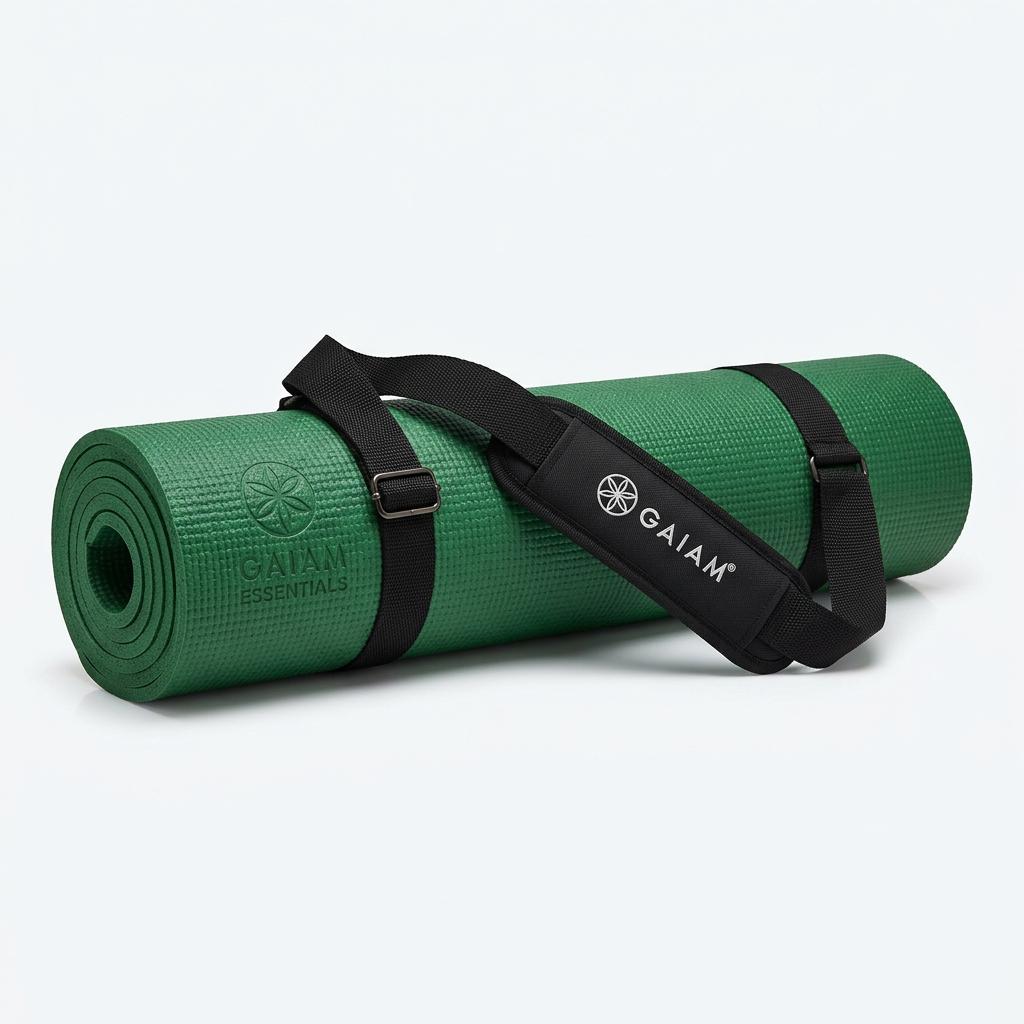 |
Gaiam Essentials Thick Yoga Mat | $20-$30 | Best Overall | Check Price |
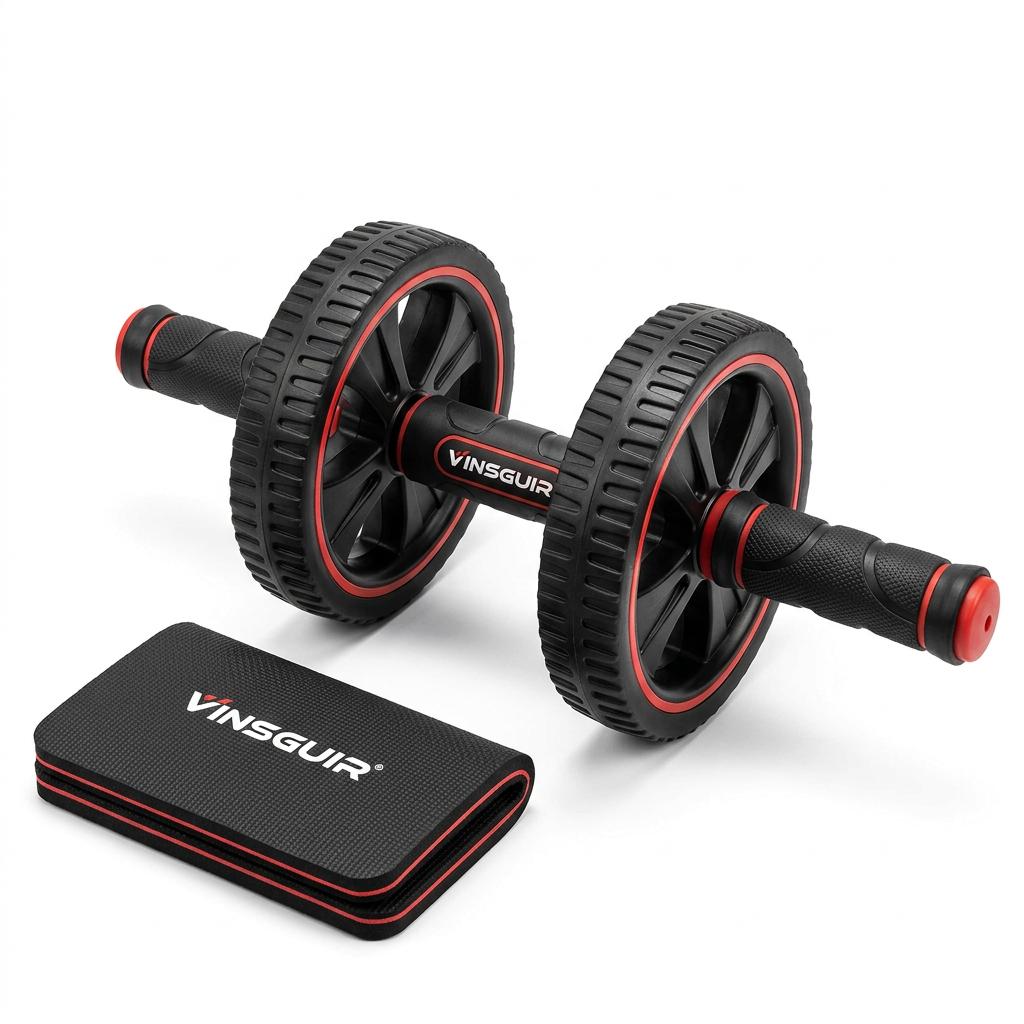 |
VINSGUIR Ab Roller Wheel | $15-$25 | Best for Intensity | Check Price |
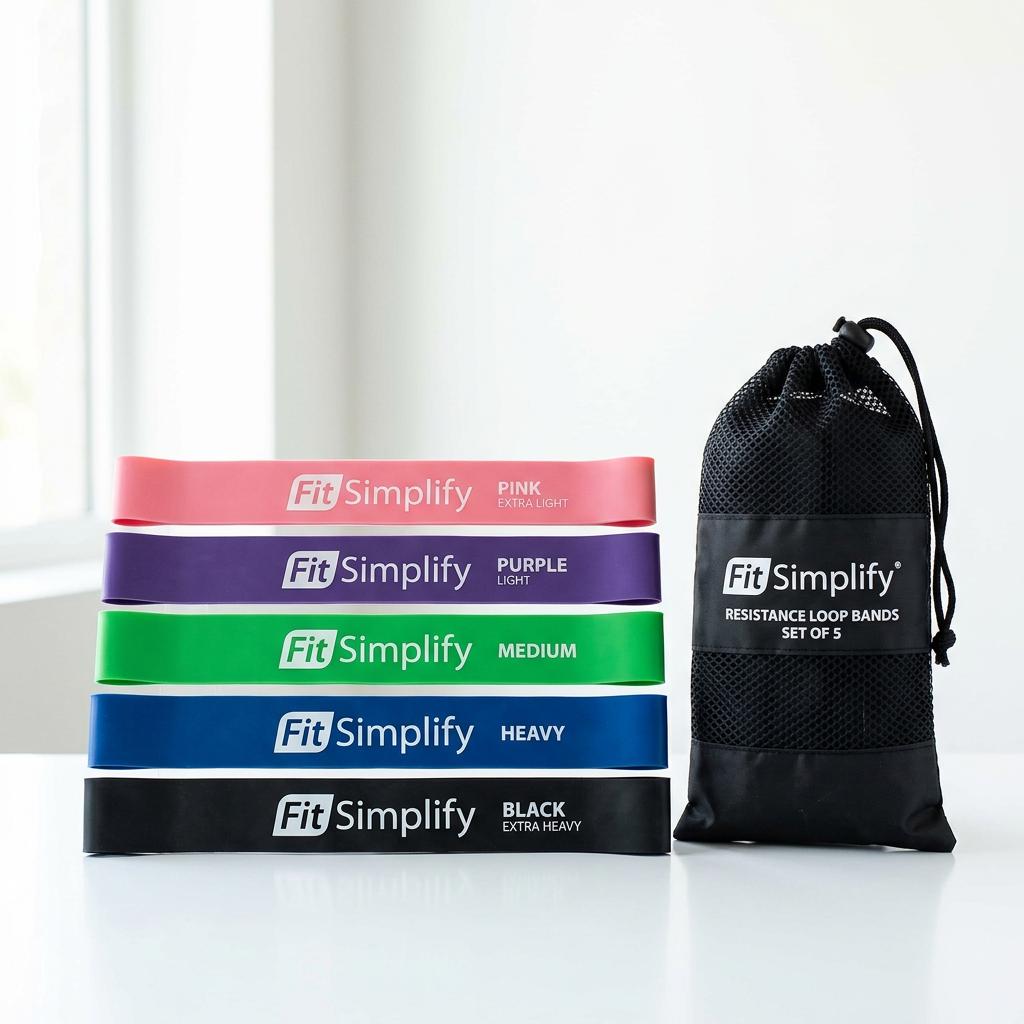 |
Fit Simplify Resistance Loop Exercise Bands | $10-$15 | Most Versatile | Check Price |
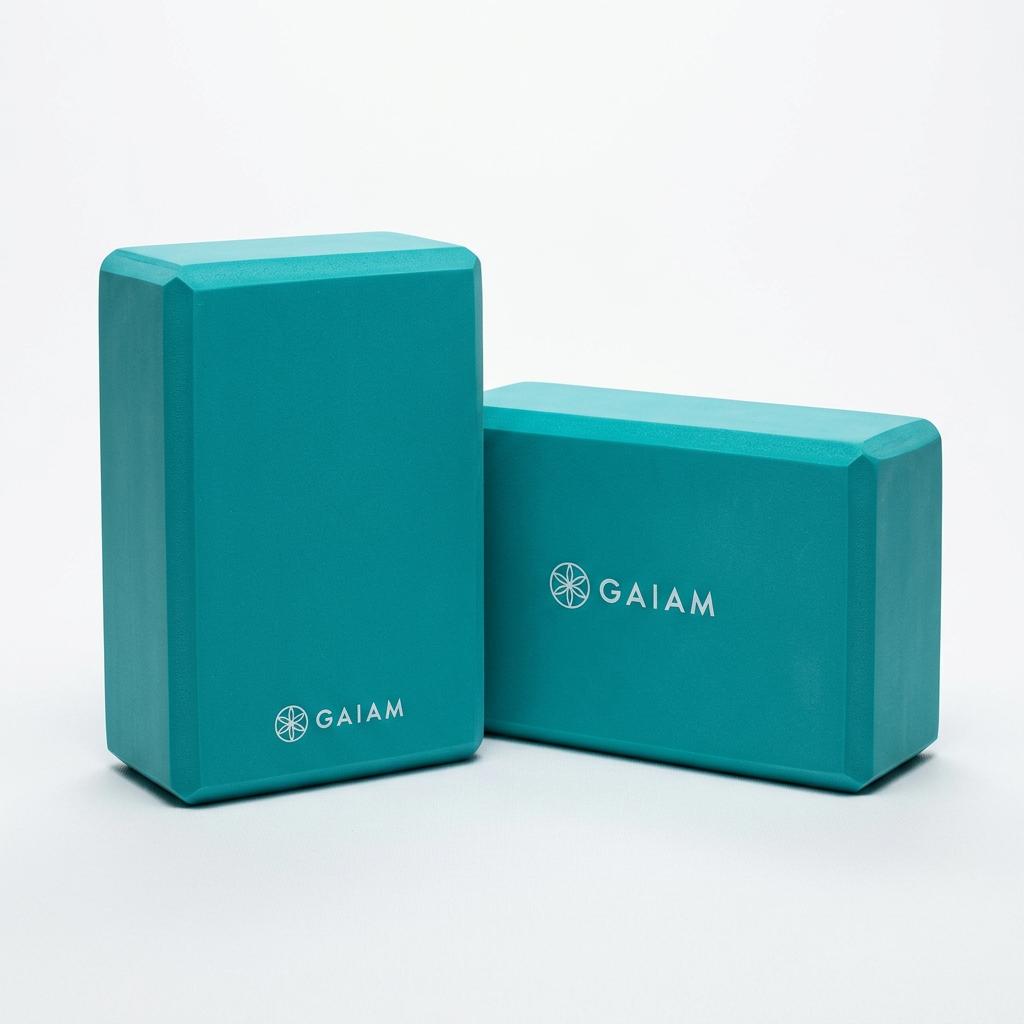 |
Gaiam Premium Yoga Block (2-Pack) | $15-$20 | Best for Beginners | Check Price |
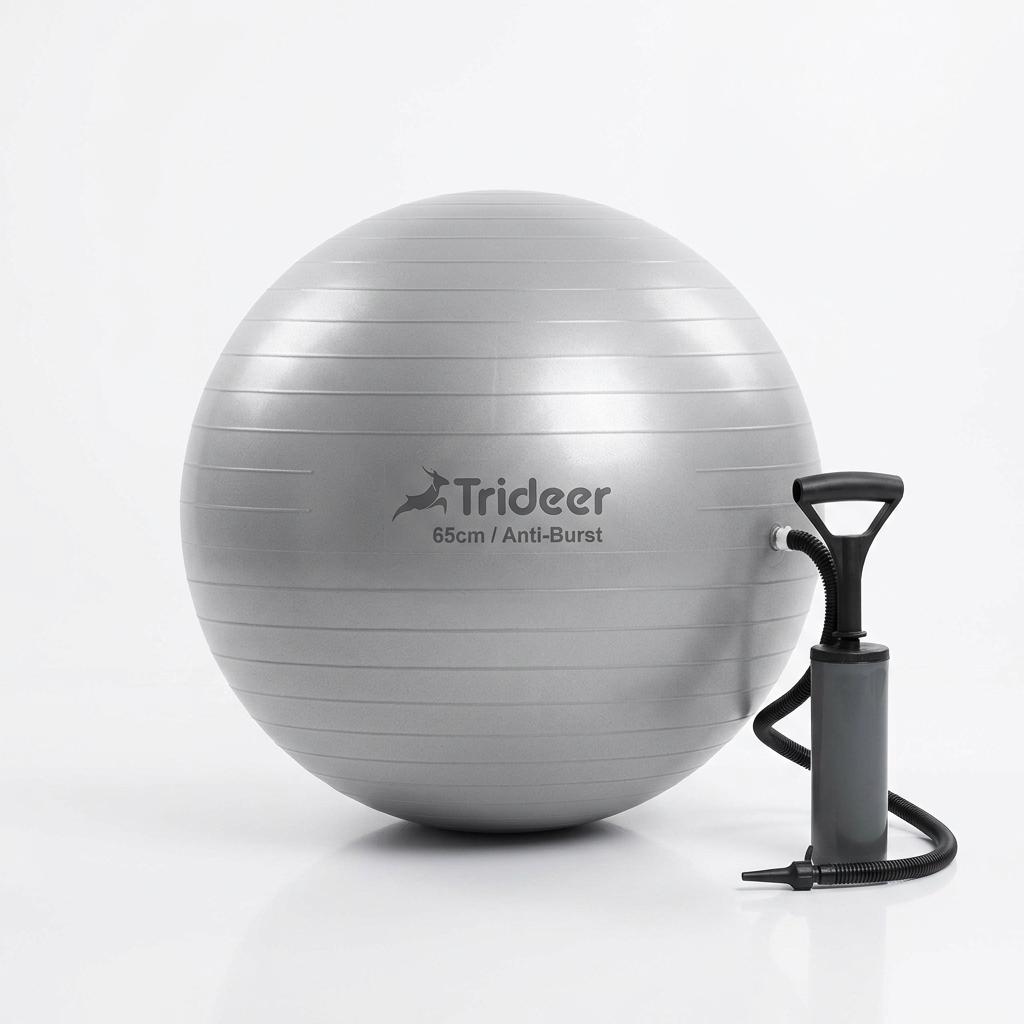 |
Trideer Exercise Ball (Anti-Burst Stability Ball) | $15-$30 | Best for Stability | Check Price |
The essential foundation for all floor-based core exercises, providing comfort and stability in small spaces.
A stable, apartment-friendly ab roller that intensifies core training without requiring any floor space.
Ultra-compact resistance bands that add endless variation to apartment core workouts.
Supportive yoga blocks that make advanced core exercises accessible to beginners in small apartments.
An anti-burst stability ball that challenges core stability and balance in unique ways, perfect for apartment training.
The Gaiam Essentials Thick Yoga Mat is the non-negotiable foundation of any apartment core workout program. The generous 2/5-inch cushioning protects your spine during roll-ups and your knees during planks, while the non-slip surface ensures stable positioning throughout your routine. Its compact rolled size stores easily in closets or under beds, making it perfect for space-conscious apartment dwellers.
Check Price on Amazon
The VINSGUIR Ab Roller Wheel takes apartment core training to the next level by adding dynamic anti-extension challenges to your routine. The dual-wheel design provides the stability needed for controlled roll-outs that deeply engage the entire anterior core chain, from the rectus abdominis to the deep transverse abdominis. When not in use, it tucks away in any drawer or closet.
Check Price on Amazon
The Fit Simplify Resistance Loop Bands are the most space-efficient way to add resistance to your apartment core routine. Wrap them around your thighs during glute bridges for added hip activation, anchor them to door frames for resisted Pallof presses, or use them for assisted leg raises as you build strength. The five resistance levels ensure you can progress from beginner to advanced movements.
Check Price on Amazon
The Gaiam Premium Yoga Block 2-Pack serves multiple purposes in apartment core training. Use them to elevate your hands during planks to reduce wrist strain, place them under your lower back for supported dead bugs, or squeeze them between your thighs during glute bridges to ensure proper muscle activation. The beveled edges and non-slip surface make them comfortable and secure for all movements.
Check Price on Amazon
The Trideer Exercise Ball adds an essential stability challenge to apartment core workouts that flat surfaces simply cannot replicate. Performing crunches, planks, and pikes on the unstable ball surface forces your deep core stabilizers to work overtime, building functional strength that translates to better posture and reduced back pain. The included pump makes inflation easy, and the ball can be partially deflated for storage if needed.
Check Price on Amazon