10-Minute HIIT Workout for Apartments: Burn Fat, Save Time
An intense 10-minute HIIT workout designed for apartments. Burn maximum calories with minimal space and no equipment nee...

Research-backed analysis from SnugGym about Concurrent Training Guide.
A science-based guide to programming concurrent strength and endurance training in your home gym without sacrificing progress in either domain.
The debate over whether strength and cardio training can coexist effectively has raged in fitness circles for decades. The persistent myth — that cardio "kills gains" and strength training makes you slow — has discouraged countless home gym owners from pursuing well-rounded fitness. The reality, supported by decades of peer-reviewed research, is that concurrent training not only works but may produce superior outcomes to either modality alone when programmed intelligently.
Concurrent training refers to the simultaneous development of multiple fitness qualities — typically muscular strength/hypertrophy and cardiovascular endurance — within the same training program. This approach describes virtually every home gym owner who lifts weights and also wants to run, bike, row, or maintain basic cardiovascular health. It is not a specialized approach for elite athletes; it is the default reality of general fitness training.
This guide examines the interference effect (separating myth from evidence), establishes principles for session ordering and weekly scheduling, addresses nutrition considerations, provides programming templates, identifies signs of overtraining, and delivers a sample weekly schedule you can implement immediately in your home gym.
FTC Disclosure: This article contains affiliate links. We may earn a commission if you purchase through these links — at no extra cost to you.
The interference effect — the concept that endurance training interferes with strength development and vice versa — has a legitimate scientific basis that has been wildly exaggerated in popular fitness culture.
A landmark meta-analysis by Wilson et al. (2012) in the Journal of Strength and Conditioning Research examined 21 studies on concurrent training and found that while an interference effect exists for strength and power outcomes, the effect size is small to moderate and heavily dependent on training variables. Specifically:
More recent research has refined these findings. A 2022 systematic review in Sports Medicine concluded that the interference effect is largely mitigated when:
At the cellular level, strength and endurance training activate different signaling pathways. Strength training activates the mTOR pathway, which drives muscle protein synthesis and hypertrophy. Endurance training activates the AMPK pathway, which promotes mitochondrial biogenesis and oxidative capacity.
Early research suggested these pathways were antagonistic — that AMPK activation could inhibit mTOR signaling. However, more recent studies have shown that this antagonism is transient and context-dependent. In practice, the molecular interference is far less significant than the practical interference of fatigue, glycogen depletion, and insufficient recovery.
For home gym owners pursuing general fitness — not elite powerlifting or marathon running — the interference effect is largely irrelevant. The small theoretical reduction in maximum strength development is vastly outweighed by the health benefits of cardiovascular fitness, the practical utility of work capacity, and the body composition improvements that concurrent training produces.
If you are a competitive powerlifter peaking for a meet, you may want to minimize cardio in the final weeks. If you are a competitive endurance athlete preparing for a race, you may reduce strength work to maintenance levels. For everyone else: train both, recover adequately, and you will make excellent progress in both domains.
One of the most common concurrent training questions is which modality to perform first when combining them in a single session. The answer depends on your primary goal.
Perform strength training first. Research by Sporer and Wenger (2003) in the Journal of Strength and Conditioning Research demonstrated that preceding strength work with endurance exercise reduces the number of reps performed at a given load and decreases power output. The mechanisms include:
Practical guideline: If performing both in one session, strength first. Allow 10–15 minutes of transition time before beginning cardio to normalize heart rate and begin replenishing energy substrates.
Perform cardio first — specifically the high-quality, structured cardio that requires sustained effort at target intensities. The neuromuscular and technical demands of strength training can impair running economy and cycling efficiency if performed immediately before endurance work.
However, a more effective approach for endurance-focused athletes is to separate the modalities entirely — cardio in the morning, strength in the evening, or on alternate days.
For balanced development, strength first is the generally preferred order because:
Exception: If your cardio is low-intensity (Zone 2, conversational pace) and your strength session is moderate rather than maximal, the order matters less. A 30-minute easy walk before lifting causes negligible interference.
Distribute strength and cardio sessions across the week with adequate separation:
| Day | AM | PM |
|---|---|---|
| Monday | Strength (lower body) | — |
| Tuesday | Cardio (moderate intensity) | — |
| Wednesday | Strength (upper body) | — |
| Thursday | Cardio (low intensity) | — |
| Friday | Strength (full body) | — |
| Saturday | Cardio (intervals or long session) | — |
| Sunday | Rest / mobility | — |
This strategy maximizes recovery between modalities and minimizes interference. The primary requirement is training time — this approach assumes you can train most days of the week.
Combine strength and cardio on the same day, separated by at least 6 hours when possible:
| Day | Session |
|---|---|
| Monday | Strength (lower body, AM) + Cardio (PM) |
| Tuesday | Rest / mobility |
| Wednesday | Strength (upper body, AM) + Cardio (PM) |
| Thursday | Rest / mobility |
| Friday | Strength (full body, AM) + Cardio (PM) |
| Saturday | Longer cardio session or recreational activity |
| Sunday | Complete rest |
When same-day training is unavoidable and separation is impossible, perform strength first and limit cardio to 20–30 minutes at moderate intensity.
For home gym owners with limited training time, combine modalities efficiently:
| Day | Session |
|---|---|
| Monday | Strength (45 min) + 15 min cardio finisher |
| Tuesday | Cardio (30 min) + core work |
| Wednesday | Strength (45 min) + 15 min cardio finisher |
| Thursday | Rest / mobility (20 min) |
| Friday | Strength (45 min) + 15 min cardio finisher |
| Saturday | Longer cardio (45–60 min) |
| Sunday | Rest |
The cardio finisher post-strength should be high-intensity intervals (e.g., 30 seconds hard / 30 seconds easy for 10–15 minutes) to maximize time efficiency.
Concurrent training increases protein requirements compared to either modality alone. The International Society of Sports Nutrition recommends 1.6–2.2 grams of protein per kilogram of body weight daily for athletes engaged in concurrent training. Distribute protein intake across 3–5 meals to maximize muscle protein synthesis.
Glycogen depletion from either strength or cardio work impairs performance in the other modality. Ensure adequate carbohydrate intake:
Concurrent training increases total sweat loss and electrolyte depletion. Monitor urine color (pale yellow is the target) and consider electrolyte supplementation for sessions exceeding 60 minutes or training in hot environments.
Concurrent training increases total daily energy expenditure significantly. Undereating relative to expenditure is the most common nutrition mistake among concurrent trainees — it impairs recovery, reduces performance, and undermines progress in both strength and endurance. Use gradual adjustments (100–200 calorie changes) based on body weight trends and performance metrics.
| Day | Strength | Cardio |
|---|---|---|
| Mon | Squat, bench, row (heavy) | 20 min incline walk post-lift |
| Tue | — | 30 min moderate cardio |
| Wed | Deadlift, press, pull-up (heavy) | 20 min incline walk post-lift |
| Thu | — | Rest or 20 min easy cardio |
| Fri | Accessory work, arms, calves | 15 min HIIT finisher |
| Sat | — | 45 min longer cardio session |
| Sun | Rest | Rest |
| Day | Session |
|---|---|
| Mon | Lower body strength + 20 min cardio |
| Tue | Upper body strength + 20 min cardio |
| Wed | Cardio focus (30–40 min intervals or steady state) |
| Thu | Full body strength (moderate loads) |
| Fri | Cardio focus (30–40 min) + core |
| Sat | Recreational activity (hiking, sports, long cardio) |
| Sun | Rest / mobility |
| Day | Session |
|---|---|
| Mon | Long cardio (45–60 min, Zone 2) |
| Tue | Full body strength (2–3 sets, moderate loads) |
| Wed | Interval cardio (30–40 min) |
| Thu | Rest / mobility |
| Fri | Tempo cardio (30–40 min) |
| Sat | Full body strength (2–3 sets, moderate loads) |
| Sun | Long easy cardio or rest |
Concurrent training increases total stress load and requires vigilant recovery monitoring. Watch for these warning signs:
| Sign | What to Do |
|---|---|
| Persistent fatigue despite adequate sleep | Reduce total training volume by 20–30% for one week |
| Declining performance in strength or cardio | Take 3–5 days of complete rest, reassess |
| Elevated resting heart rate (10+ bpm above normal) | Prioritize sleep and reduce intensity for one week |
| Irritability, mood disturbance, loss of motivation | Reduce training stress, increase recovery activities |
| Frequent illness or injury | Full rest until recovered, then gradual return |
| Persistent muscle soreness (>72 hours) | Reduce eccentric loading, increase protein intake |
| Sleep disturbance | Eliminate late-day training, reduce overall volume |
The 48-hour rule: If performance declines for two consecutive sessions in the same modality, you need more recovery. This is not a mental toughness issue — it is a physiological reality.
For home gym owners committed to long-term concurrent development, basic periodization prevents stagnation:
Accumulation phase (3–4 weeks): Gradually increase total training volume in both modalities. Strength work at moderate loads (65–75% of one-rep max) for moderate reps (8–12). Cardio at moderate intensities building duration.
Intensification phase (2–3 weeks): Increase strength loads (80–90% of one-rep max, lower reps) while maintaining cardio volume. Add high-intensity intervals to cardio.
Realization phase (1 week): Reduce volume by 40–50% while maintaining intensity. Test performance — max lifts, timed cardio efforts. This phase demonstrates progress and provides recovery.
Repeat the cycle with slightly higher targets than the previous cycle.
| Day | Morning (45 min) | Evening (30 min) | Notes |
|---|---|---|---|
| Monday | Squat 4×5, Bench 4×5, Row 3×8 | 20 min incline walk | Heavy lower focus |
| Tuesday | 30 min rower (moderate) | Core work, mobility | Cardio + recovery |
| Wednesday | Deadlift 3×5, Press 4×5, Pull-up 3×max | 20 min bike (easy) | Heavy upper focus |
| Thursday | Rest | 20 min yoga / stretching | Active recovery |
| Friday | Front squat 3×6, Incline bench 3×8, Lunge 3×10 | 15 min HIIT bike | Moderate strength + intensity |
| Saturday | 45 min outdoor run or hike | — | Longer cardio session |
| Sunday | Rest | Meal prep, planning | Complete recovery |
Concurrent training is not a compromise that produces mediocre results in both strength and cardio — it is a comprehensive approach that produces well-rounded fitness superior to either modality alone. The interference effect, while real in controlled research settings, is practically irrelevant for home gym owners training for general fitness, health, and aesthetics.
The keys to successful concurrent training are: prioritize your primary goal in session ordering, separate high-intensity sessions when possible, eat enough to support both training modalities, monitor recovery aggressively, and be patient. The results come not from perfection but from consistent execution over months and years.
Evidence Mode: Research-Backed. Author: SnugGym Editorial Team. Last updated: January 2025.
| Image | Product | Price | Badge | Link |
|---|---|---|---|---|
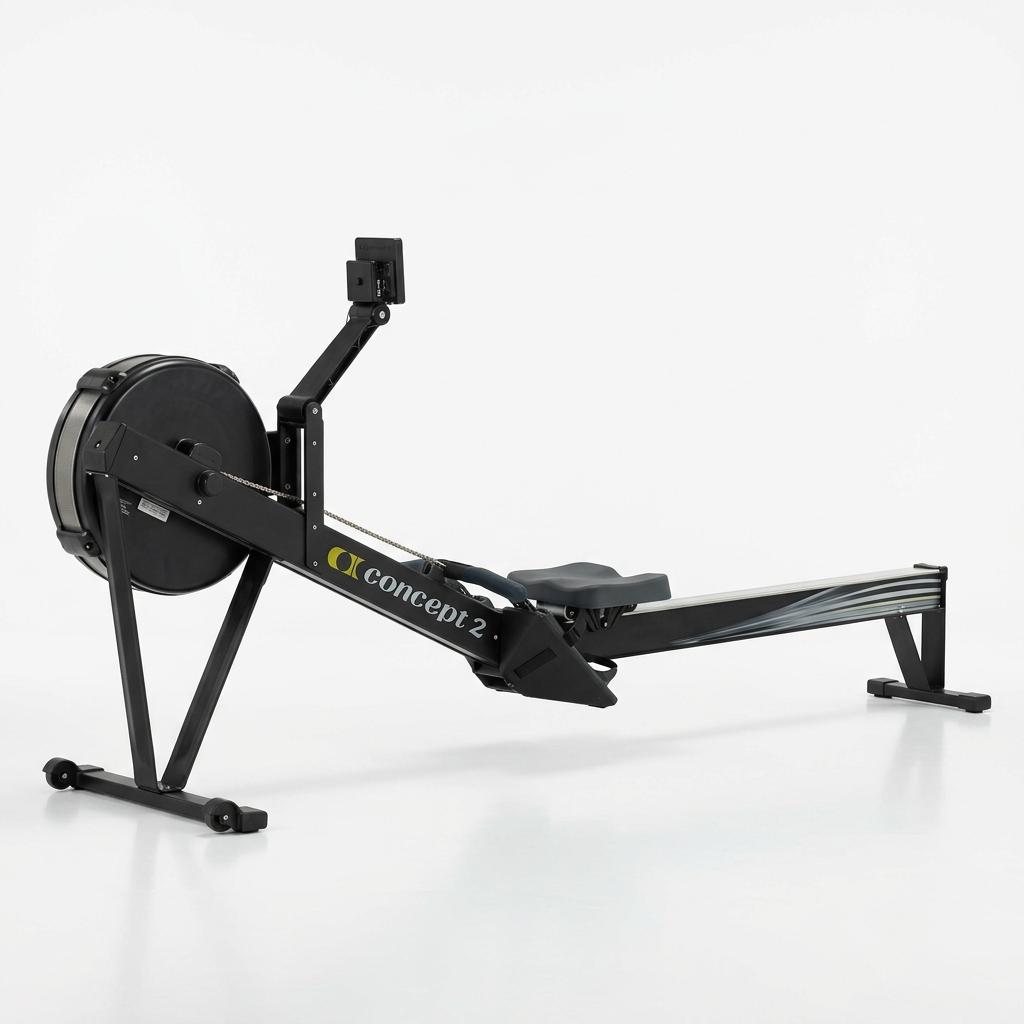 |
Concept2 RowErg Indoor Rowing Machine | $945-$1,100 | Best Overall | Check Price |
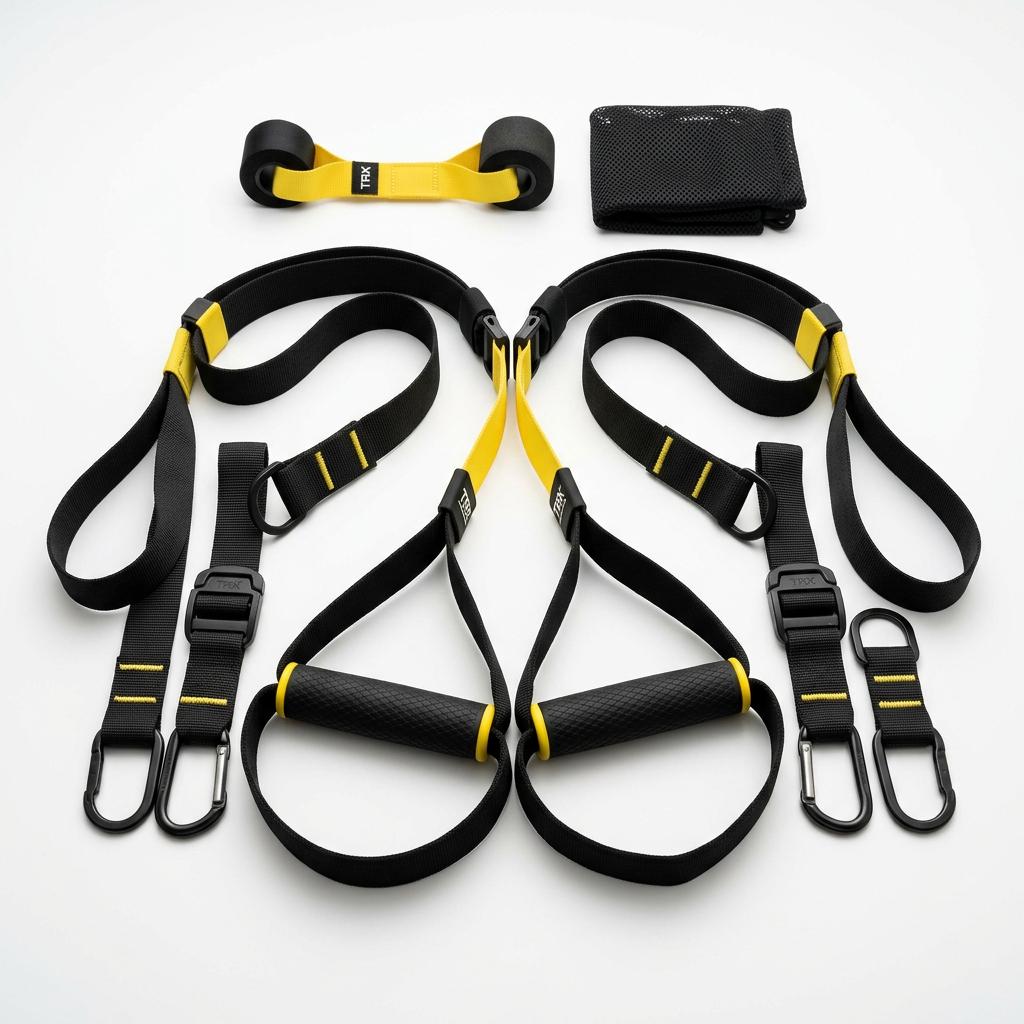 |
TRX GO Suspension Trainer | $129-$159 | Best for Small Spaces | Check Price |
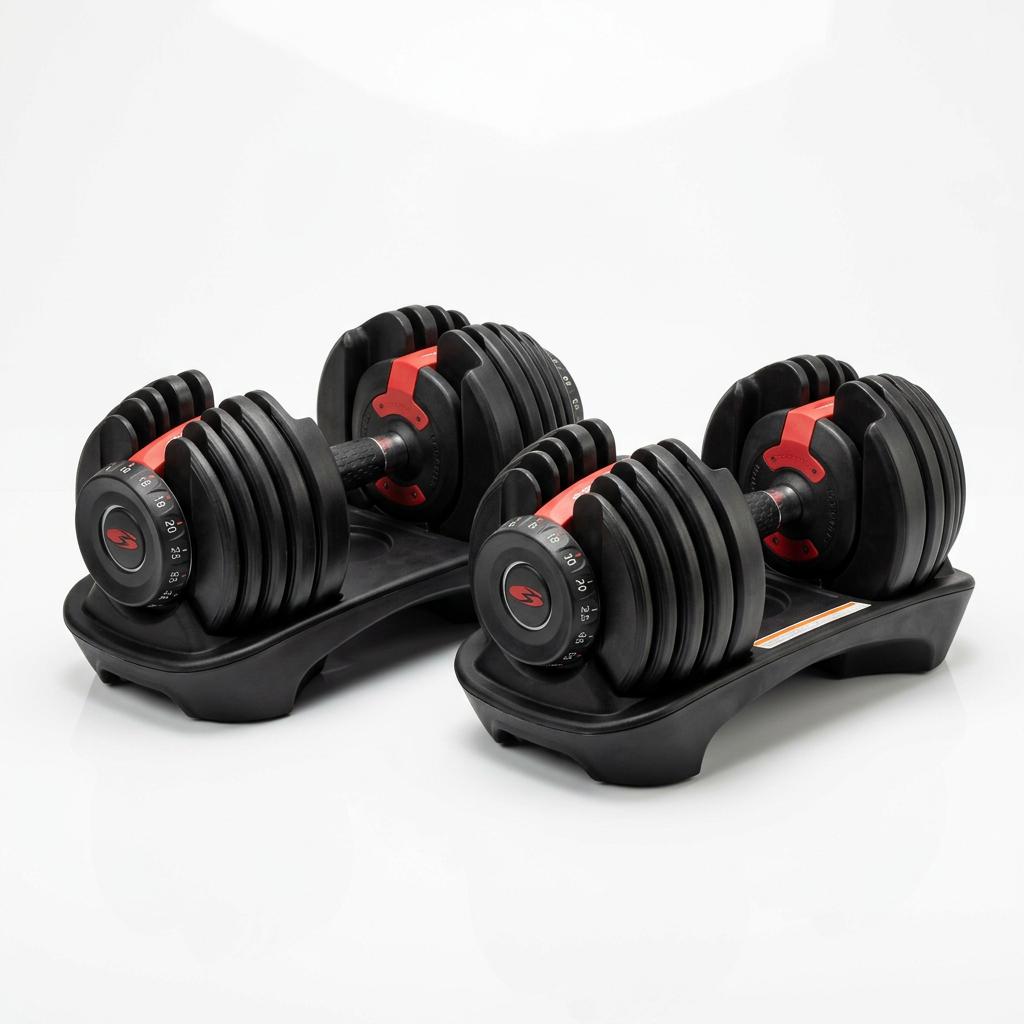 |
Bowflex SelectTech 552 Adjustable Dumbbells | $349-$429 | Most Versatile | Check Price |
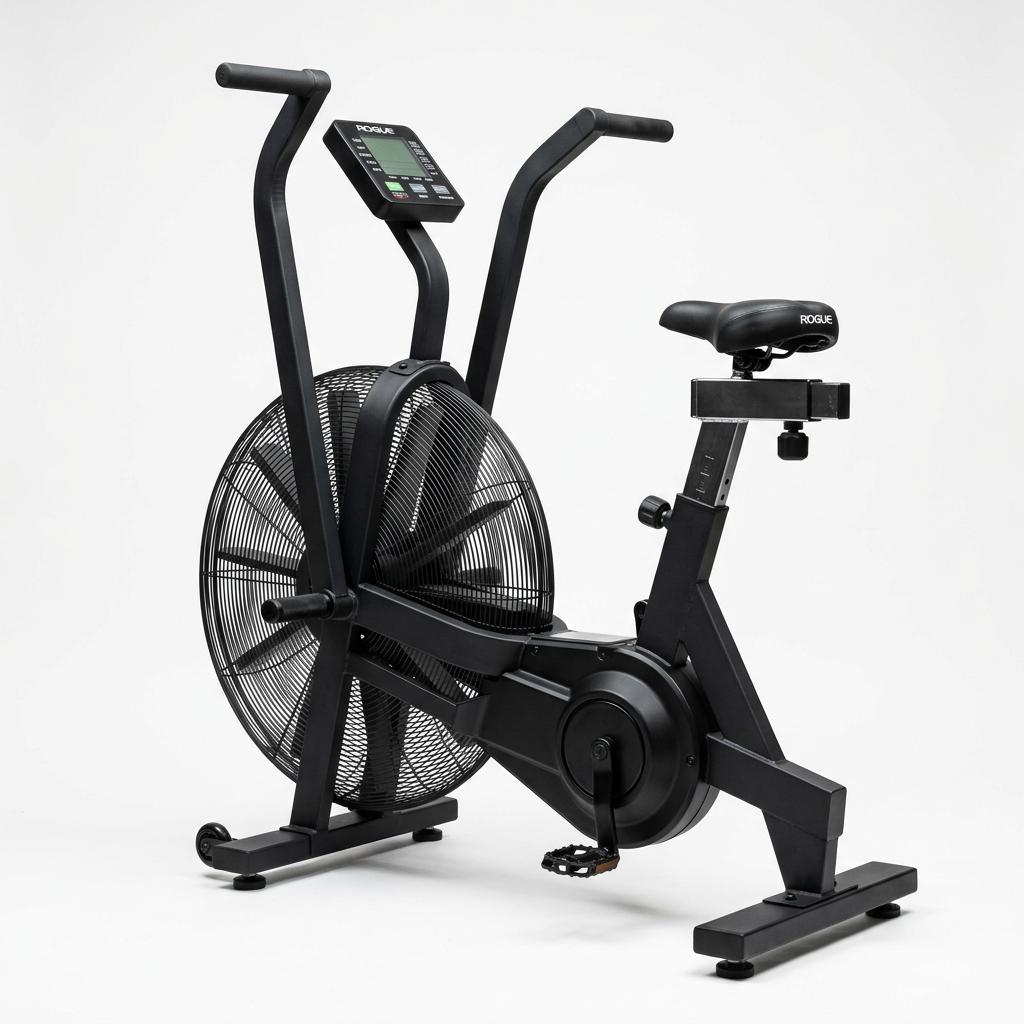 |
Rogue Echo Bike | $795-$895 | Premium Pick | Check Price |
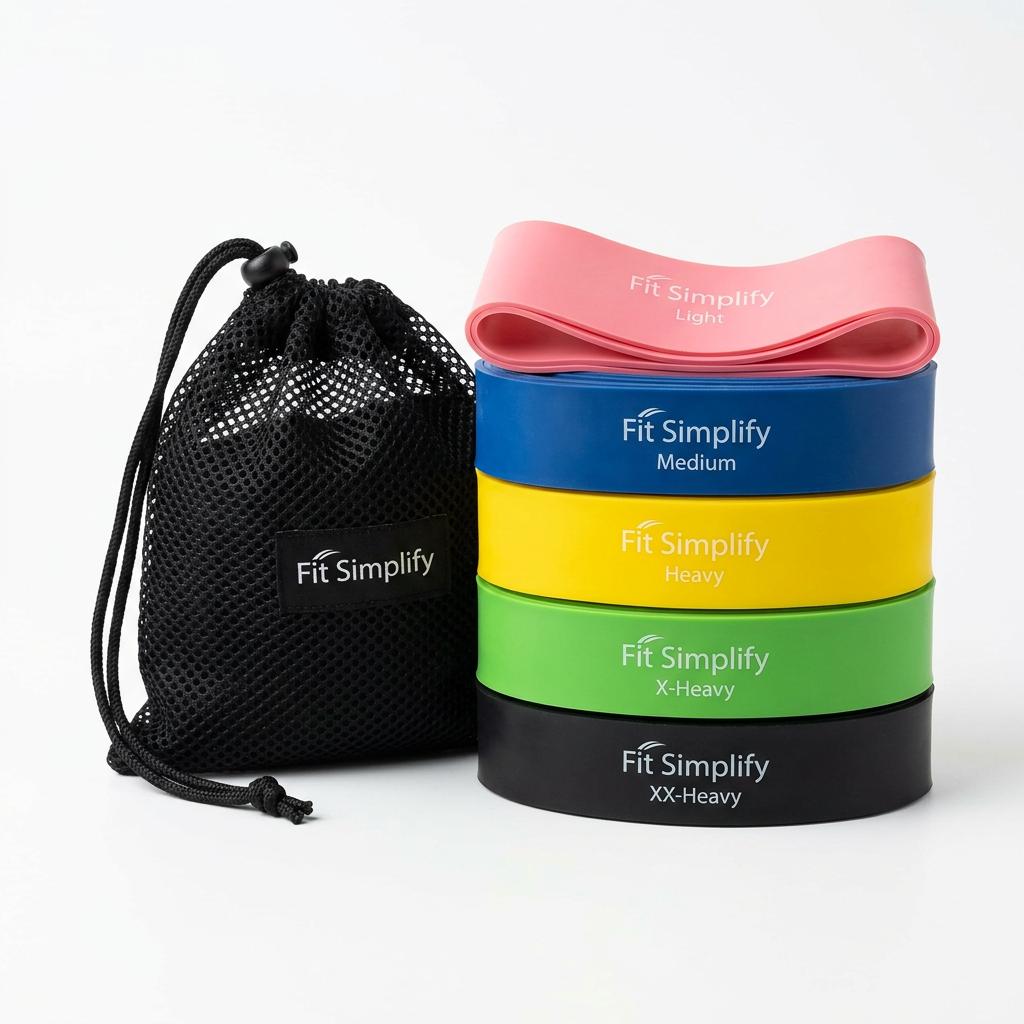 |
Fit Simplify Resistance Loop Exercise Bands | $8-$15 | Best Budget | Check Price |
The gold standard rowing machine that combines cardiovascular conditioning with muscular endurance training, making it ideal for concurrent programming.
A portable suspension training system that enables strength and cardio circuits anywhere, perfect for apartment-based concurrent training.
Space-saving adjustable dumbbells that enable rapid weight transitions for strength-cardio circuit training in any home gym.
A commercial-grade fan bike that provides brutal full-body conditioning, perfect for high-intensity interval training in concurrent programs.
An affordable set of loop bands that enables effective warm-ups, prehab circuits, and cardio finishers for concurrent training.
The Concept2 RowErg is the single best piece of equipment for concurrent training because it delivers both aerobic and resistance stimulus simultaneously. The rowing motion engages over 85% of muscle mass while elevating heart rate, making it the perfect finisher after strength sessions or as a standalone cardio day. The PM5 performance monitor provides accurate data tracking essential for managing training load across modalities.
Check Price on Amazon
The TRX GO transforms any space into a training facility. Its versatility makes it exceptional for concurrent training protocols where you need to move quickly between strength and cardio elements. Exercises like TRX rows, squats, and mountain climbers can be chained into circuits that maintain elevated heart rate while building functional strength. The included door anchor makes setup effortless in apartments.
Check Price on Amazon
The Bowflex SelectTech 552s are essential for concurrent training programs that pair strength movements with cardio intervals. The rapid dial-adjust system lets you transition between exercises in seconds, keeping heart rate elevated during circuits. Their compact footprint replaces an entire dumbbell rack, making them ideal for apartment home gyms where space is at a premium. The 5-52.5 pound range covers everything from accessory work to moderate compound lifts.
Check Price on Amazon
The Rogue Echo Bike is the ultimate conditioning tool for concurrent training. Unlike traditional bikes that only work the lower body, the Echo Bike's moving handles engage the entire body, making it perfect for metabolic conditioning sessions. The fan-based resistance means the harder you push, the harder it pushes back, making it ideal for HIIT protocols. The heavy-duty steel frame ensures it will outlast years of intense concurrent training cycles.
Check Price on Amazon
These resistance loops are an essential tool for concurrent training at a price that fits any budget. Use them for activation work before heavy lifts, mobility drills between sets, or as part of a cardio finisher circuit. The five resistance levels provide options for everything from lateral walks to banded good mornings. Their tiny footprint makes them perfect for apartments where every inch of storage matters.
Check Price on Amazon