10-Minute HIIT Workout for Apartments: Burn Fat, Save Time
An intense 10-minute HIIT workout designed for apartments. Burn maximum calories with minimal space and no equipment nee...
A complete guide to cluster set training for strength development, covering programming parameters, exercise selection, and home gym application with sample programs.
Full FTC disclosure: SnugGym is reader-supported. When you buy through links on our site, we may earn an affiliate commission at no extra cost to you. We test and research every product we recommend.
Cluster sets are a strength training method where a set of multiple reps is broken into smaller clusters with brief, inter-rep rest periods — typically 10-30 seconds between individual reps or small rep groupings. This intra-set recovery allows you to maintain higher movement velocity, better technique, and greater force output throughout the entire set compared to traditional straight sets.
The concept is simple but powerful. In a traditional set of 5 reps at 85% of your one-rep max (1RM), each successive rep is slower and more difficult than the last. By rep 4 or 5, bar speed has dropped dramatically, technique has degraded, and the final reps are grinds that contribute more to fatigue than to strength development. Cluster sets prevent this degradation.
By inserting 15-30 seconds of rest between each rep, you reset the phosphocreatine system enough to maintain near-maximal force output on every single repetition. The set of 5 reps at 85% becomes 5 individual reps, each performed as if it were your first. The cumulative training stimulus at high velocity produces superior strength and power adaptations compared to grinding through fatigued reps.
The phosphocreatine (PCr) energy system provides immediate ATP regeneration for high-intensity efforts lasting up to approximately 10 seconds. During traditional strength training, PCr depletion begins around rep 3-4 of a heavy set, forcing greater contribution from glycolytic metabolism. This metabolic shift reduces force production capacity and increases perceived effort.
Research by Haff et al. (2003) demonstrated that 15-30 seconds of rest between reps allows approximately 50-70% PCr resynthesis — enough to maintain power output across a cluster set. Longer rest periods (45-60 seconds) provide near-complete resynthesis but extend total set duration beyond practical training windows.
Cluster sets emerged from velocity-based training (VBT) research, where bar speed is monitored in real-time. Studies consistently show that reps performed below a velocity threshold (typically 80% of maximal velocity for the load) produce diminished training stimulus for strength and power. Cluster sets ensure every rep stays above this threshold.
García-Ramos et al. (2018) found that cluster sets maintained mean velocity within 5% of the first rep across 6-repetition sets, while traditional sets showed velocity decrements of 20-35% by the final rep. This velocity preservation is the primary mechanism for cluster set effectiveness.
Heavy resistance training at high velocity preferentially recruits high-threshold motor units — the large, fast-twitch fibers with the greatest growth and strength potential. As fatigue accumulates, neural drive to these motor units decreases, and recruitment shifts toward lower-threshold, fatigue-resistant units. Cluster sets maintain the high-threshold recruitment pattern throughout the set by preventing the fatigue that causes this shift.
Cluster sets work best at intensities of 80-92% of 1RM — the range where traditional sets produce significant rep-to-rep velocity degradation. Below 80%, the fatigue accumulation isn't severe enough to justify the rest periods. Above 92%, you're essentially performing heavy singles regardless of rest intervals.
Common loading prescriptions:
| Goal | Load Range | Reps per Cluster | Total Reps per Set |
|---|---|---|---|
| Maximal Strength | 87-92% 1RM | 1 rep | 4-6 total reps |
| Strength-Power | 80-87% 1RM | 1-2 reps | 5-8 total reps |
| Power Development | 70-80% 1RM | 2-3 reps | 6-10 total reps |
The 10-30 second range represents the practical optimum. Shorter than 10 seconds doesn't allow meaningful recovery. Longer than 30 seconds extends total set duration excessively without proportional benefit.
General guidelines:
Because cluster sets accumulate less fatigue per set than traditional sets, rest periods between sets can be slightly shorter while maintaining performance. Allow 2-4 minutes between cluster sets — the lower end of the range is typically sufficient because each set is less metabolically stressful.
Cluster sets allow higher quality volume at heavy loads compared to traditional sets. A typical session might include:
Total reps at 85%+ 1RM in a cluster session typically exceed what's achievable with traditional sets at the same intensity, simply because each rep is higher quality and less fatiguing.
Cluster sets require movements where:
Best candidates:
| Exercise | Rationale | Typical Loading |
|---|---|---|
| Back Squat | High technical demand; velocity matters | 82-90% 1RM |
| Front Squat | Technical precision required; quad strength emphasis | 80-88% 1RM |
| Bench Press | Power sport movement; bar speed critical | 85-92% 1RM |
| Overhead Press | Strength expression; technical degradation with fatigue | 80-88% 1RM |
| Deadlift | Limiting factor is often grip/position; clusters extend quality | 85-92% 1RM |
| Power Clean/Snatch | Olympic lifts demand maximal velocity on every rep | 75-85% 1RM |
| Pull-Up (weighted) | Maintain explosive pulling quality | Add weight for 4-6RM |
| Exercise | Reason |
|---|---|
| Unilateral movements | Setup complexity makes inter-rep rest impractical |
| Machine-based presses | The fixed path reduces technique benefit; straight sets work fine |
| High-rep hypertrophy work | Below 80% 1RM, clusters provide no advantage |
| Isolation movements | Not heavy enough to benefit; setup exceeds value |
| Any exercise requiring significant setup changes | The rest period gets consumed by adjustment, not recovery |
The classic approach: perform 1 rep, rest 20 seconds, perform 1 rep, rest 20 seconds, repeat for 5-6 total reps. This is the purest expression of cluster training — every rep is performed completely unfatigued.
Example — Bench Press:
Total: 5 reps at 90% 1RM, all at near-maximal velocity. A traditional set of 5 at 90% would see the final 2-3 reps ground out at significantly reduced speed.
For slightly lighter loads or power emphasis, perform 2 reps back-to-back, then rest 15-20 seconds. This allows some accumulated fatigue within the mini-set while maintaining higher average velocity than traditional sets.
Example — Power Clean:
Total: 6 reps at 80% 1RM with controlled fatigue accumulation. This variation works well for Olympic lifts and other movements where singles feel disjointed.
Start with longer inter-rep rest and progressively shorten it across sets. This builds fatigue tolerance while maintaining early-set quality.
Example — Squat (5 sets of 4 reps):
This variation is particularly useful for athletes preparing for competition, where they must maintain performance under accumulating fatigue.
Frequency: 3 sessions per week
Day 1 — Squat Emphasis:
| Exercise | Sets x Reps | Rest Between Reps | Rest Between Sets |
|---|---|---|---|
| Back Squat | 5 x 1-1-1-1-1 | 25 seconds | 3 minutes |
| Front Squat | 4 x 2-2 | 20 seconds | 2.5 minutes |
| Romanian Deadlift | 3 x 5 | Traditional | 2 minutes |
| Walking Lunge | 3 x 8/leg | Traditional | 90 seconds |
| Core Work | 3 sets | — | — |
Day 2 — Bench Emphasis:
| Exercise | Sets x Reps | Rest Between Reps | Rest Between Sets |
|---|---|---|---|
| Bench Press | 5 x 1-1-1-1-1 | 25 seconds | 3 minutes |
| Overhead Press | 4 x 2-2 | 20 seconds | 2.5 minutes |
| Weighted Pull-Up | 4 x 2-2 | 20 seconds | 2.5 minutes |
| DB Row | 3 x 6 | Traditional | 2 minutes |
| Face Pulls | 3 x 15 | Traditional | 60 seconds |
Day 3 — Deadlift Emphasis:
| Exercise | Sets x Reps | Rest Between Reps | Rest Between Sets |
|---|---|---|---|
| Deadlift | 5 x 1-1-1-1 | 30 seconds | 3.5 minutes |
| Close-Grip Bench | 4 x 2-2 | 20 seconds | 2.5 minutes |
| Pendlay Row | 4 x 2-2 | 20 seconds | 2.5 minutes |
| Leg Press | 3 x 6 | Traditional | 2 minutes |
| Core Work | 3 sets | — | — |
Frequency: 3 sessions per week
Day 1 — Lower Power:
| Exercise | Sets x Reps | Rest Between Reps | Rest Between Sets |
|---|---|---|---|
| Power Clean | 5 x 2-2 | 20 seconds | 3 minutes |
| Jump Squat | 4 x 3 | Traditional (explosive) | 2 minutes |
| Speed Deadlift | 5 x 2 | 15 seconds | 2.5 minutes |
| Bulgarian Split Squat | 3 x 5/leg | Traditional | 2 minutes |
Day 2 — Upper Power:
| Exercise | Sets x Reps | Rest Between Reps | Rest Between Sets |
|---|---|---|---|
| Bench Press | 5 x 2-2 | 20 seconds | 3 minutes |
| Push Press | 4 x 2-2 | 15 seconds | 2.5 minutes |
| Weighted Pull-Up | 4 x 2-2 | 20 seconds | 2.5 minutes |
| Medicine Ball Throw | 4 x 5 | Traditional | 2 minutes |
Day 3 — Mixed:
| Exercise | Sets x Reps | Rest Between Reps | Rest Between Sets |
|---|---|---|---|
| Hang Snatch | 5 x 1-1-1 | 25 seconds | 3 minutes |
| Front Squat | 4 x 2-2 | 20 seconds | 2.5 minutes |
| Incline Bench | 4 x 2-2 | 20 seconds | 2.5 minutes |
| Barbell Row | 3 x 4 | Traditional | 2 minutes |
Cluster sets are exceptionally well-suited to home gym training for several reasons:
No spotter required: Because each rep is performed relatively unfatigued, failure is less likely. The controlled, high-quality reps reduce the grinding that typically necessitates spotting.
Extended sessions are feasible: Without commute time or gym operating hours, the longer duration of cluster workouts isn't a constraint.
Technique development: Home gym users often train alone without coaching. Cluster sets ensure every rep reinforces good technique rather than engraining bad habits under fatigue.
Noise management: For apartment dwellers, cluster sets spread noise across longer periods with quieter intervals between — potentially more neighbor-friendly than continuous grinding sets.
Equipment considerations: Ensure your setup allows quick transitions between reps. A power rack with J-hooks at the correct height, a bench you can quickly reset on, and plates that are easy to adjust if using variable loads. The 15-30 second rest period should be spent recovering, not adjusting equipment.
Resting 45-60 seconds between reps provides diminishing returns. Research shows most PCr resynthesis happens in the first 20-30 seconds. Longer rest extends workout duration without proportional benefit. Keep inter-rep rest at 30 seconds maximum.
Cluster sets are a specific tool for specific goals. Applying them to your entire program — including hypertrophy work, accessory movements, and conditioning — wastes time and reduces total training stimulus. Reserve clusters for 1-2 primary movements per session.
At loads below 80% 1RM, you can perform multiple reps without significant velocity degradation. Cluster sets at 70% provide no advantage over straight sets. Use clusters where fatigue actually matters — at genuinely heavy loads.
The whole point of cluster sets is velocity preservation. If you're not monitoring or at least consciously maintaining bar speed, you're missing the primary benefit. Each rep should feel explosive. If a rep feels grindy despite the rest period, your load is too high or your rest is too short.
The 15-30 seconds between reps passes quickly. If you spend 10 seconds re-racking, adjusting, and psyching up, you've wasted most of your recovery. Set up your environment for immediate transitions — rack height correct, equipment positioned, clock visible.
Cluster sets represent one of the most powerful yet underutilized strength training methods. They allow you to accumulate high-quality volume at intensities that would normally produce rapid fatigue and technique degradation. For home gym users training for strength — whether for athletics, powerlifting, or general fitness — they offer a genuine performance advantage over traditional straight sets.
The trade-off is time. A cluster set of 5 reps with 20-second rest intervals takes nearly 2 minutes to complete. A traditional set takes 20-30 seconds. Multiply this across a session, and cluster training extends workout duration by 30-50%. For those with time to invest, the return on that investment is substantial: better technique, higher velocity, less fatigue, and ultimately greater strength development.
Last updated: 2025. This guide synthesizes current research on strength training methodologies. Consult a qualified coach for individualized programming.
| Image | Product | Price | Badge | Link |
|---|---|---|---|---|
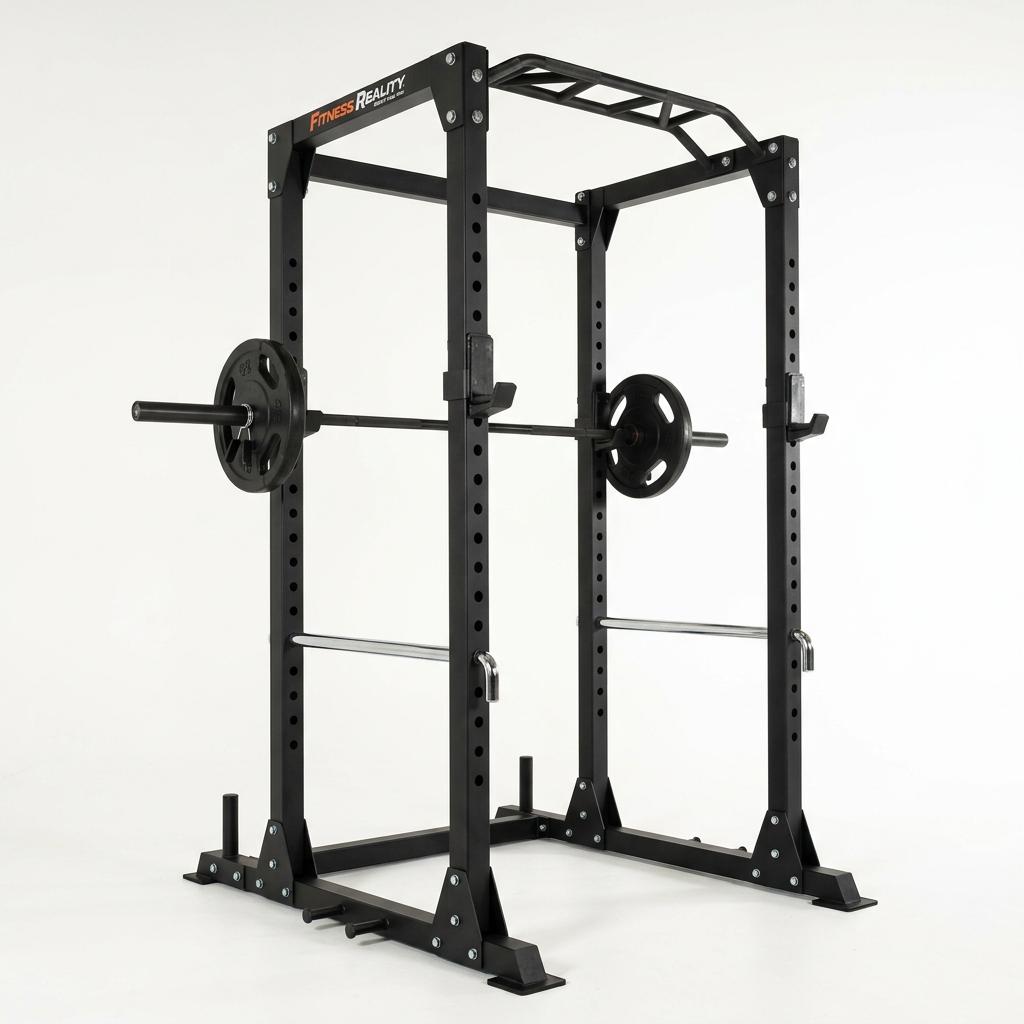 |
Fitness Reality 810XLT Super Max Power Cage | $250-$350 | Best Overall | Check Price |
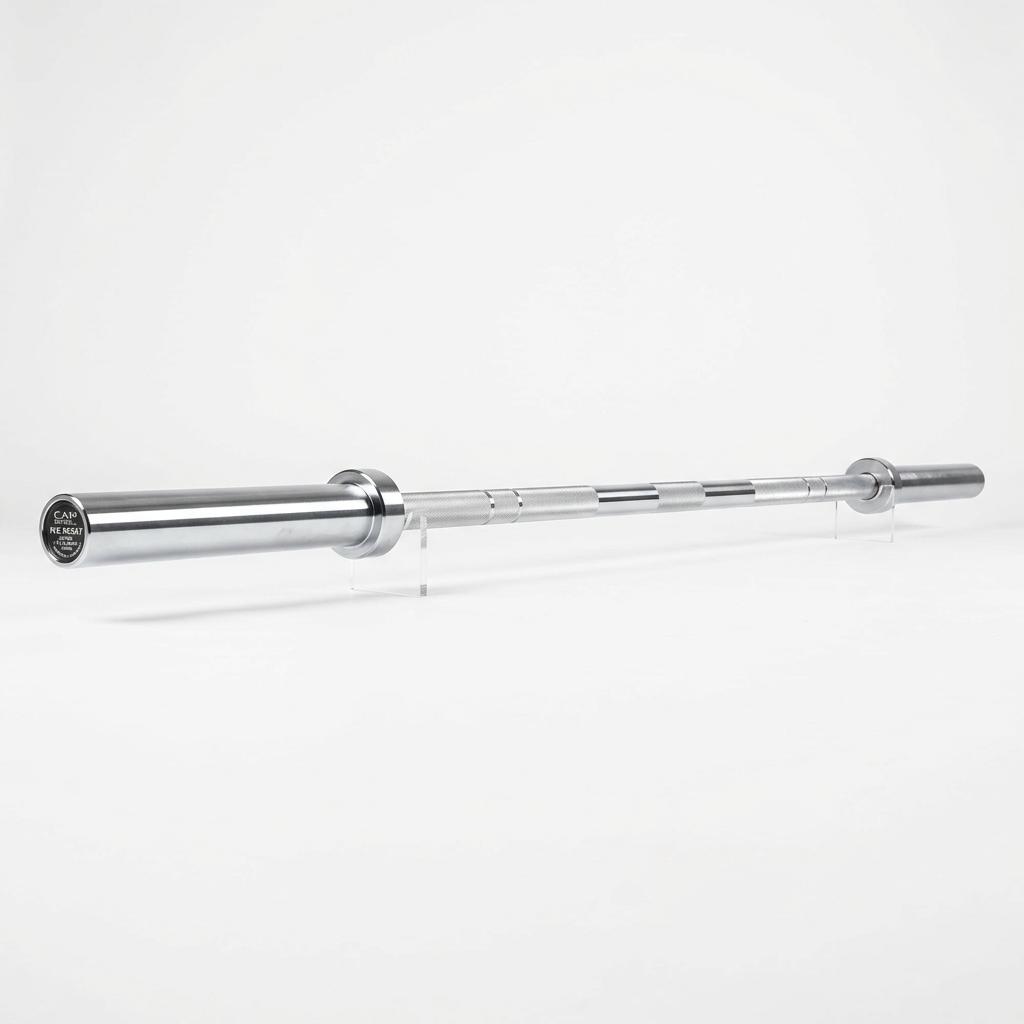 |
CAP Barbell 7-Foot Olympic Barbell (The Beast) | $150-$200 | Premium Pick | Check Price |
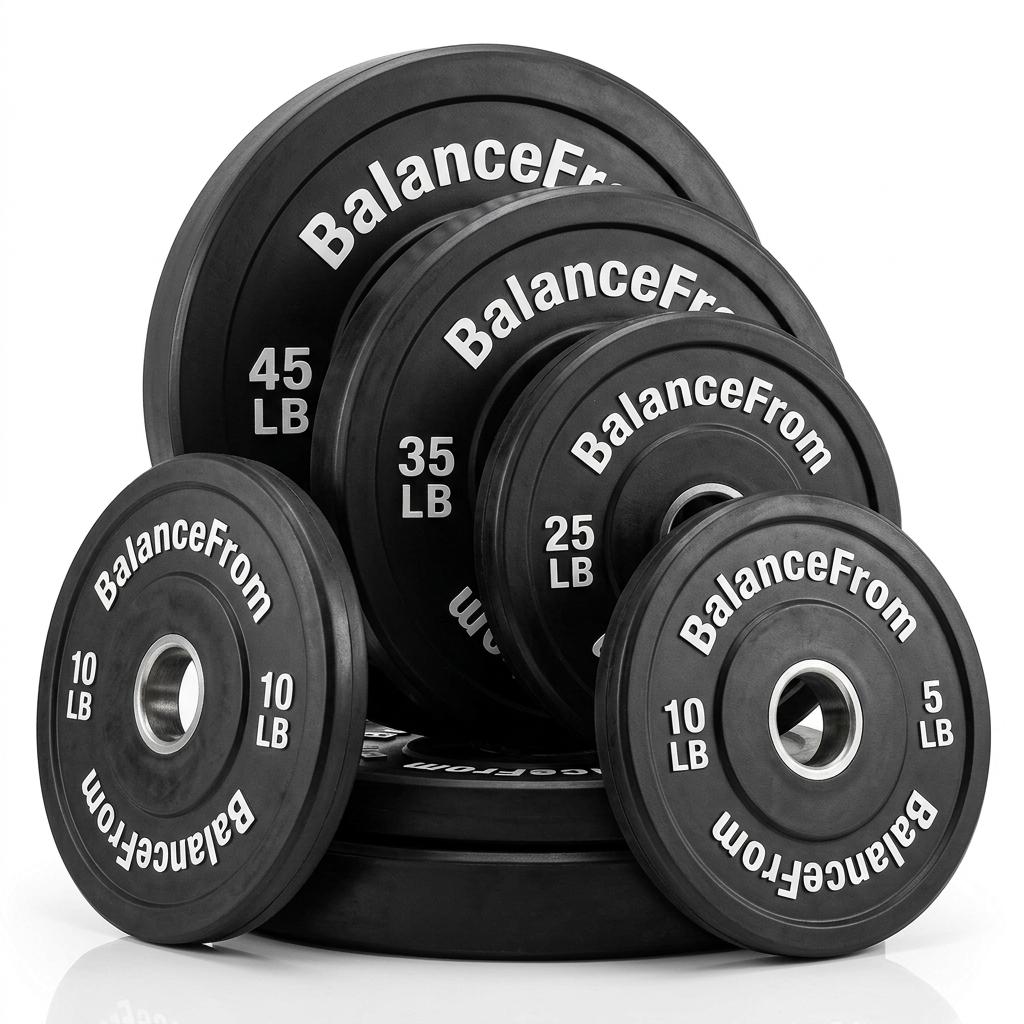 |
BalanceFrom Rubber Encased Olympic Weight Plates | $100-$200 | Best Value | Check Price |
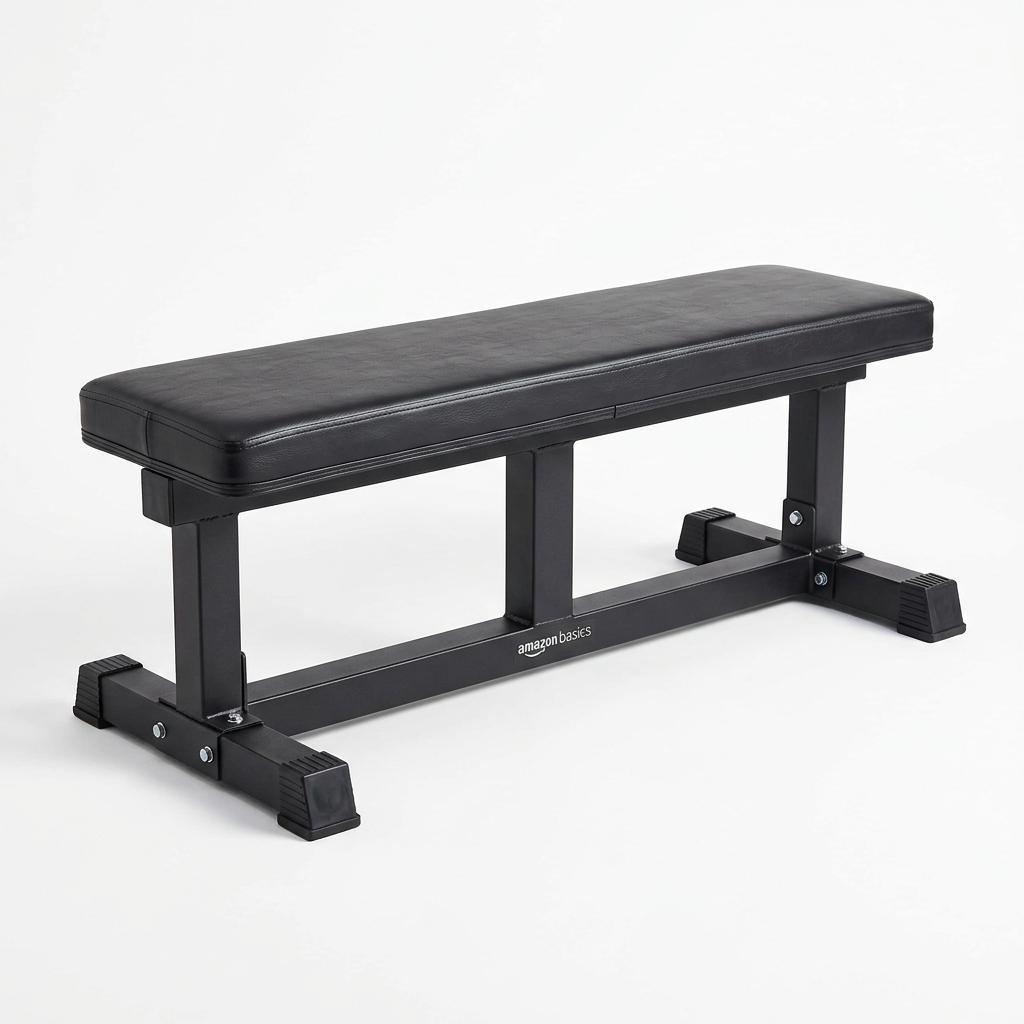 |
Amazon Basics Flat Weight Bench | $50-$80 | Best Budget | Check Price |
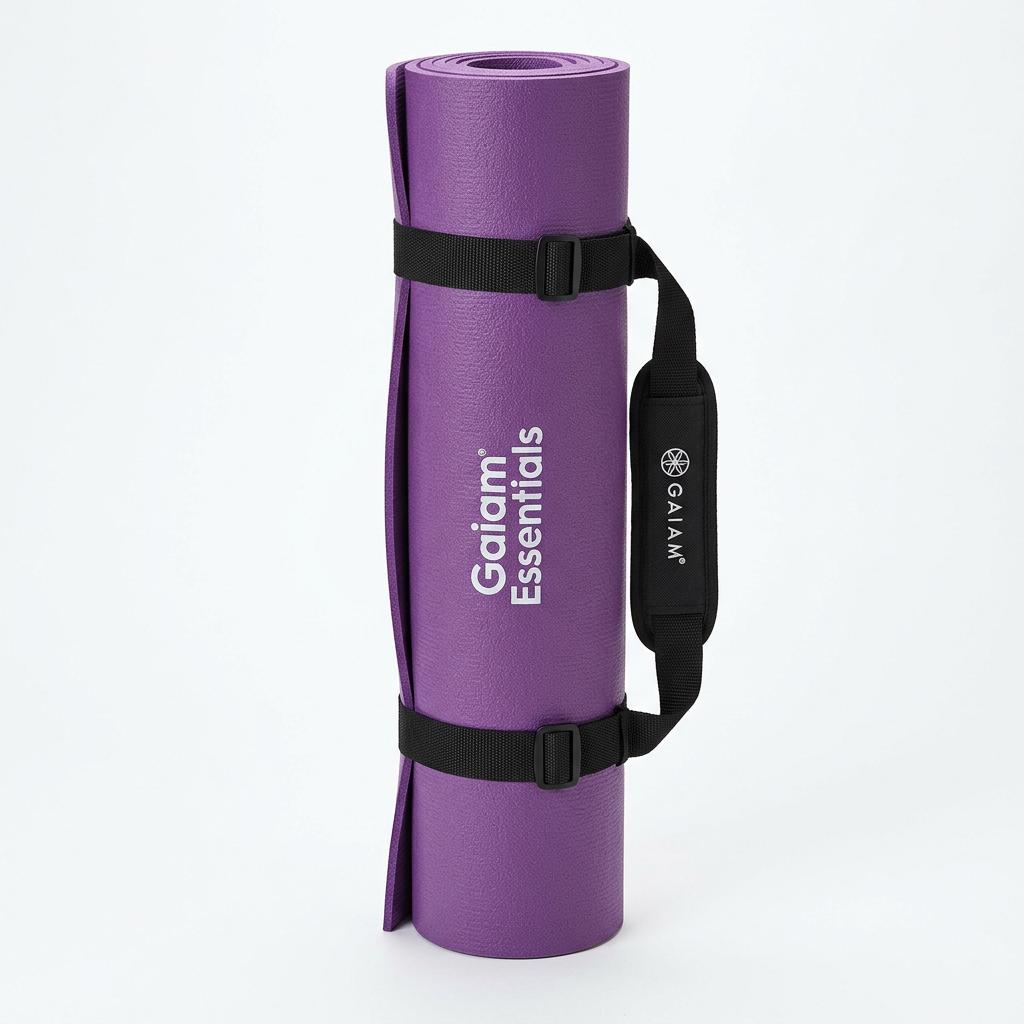 |
Gaiam Essentials Thick Yoga Mat | $20-$30 | Best for Recovery | Check Price |
A heavy-duty power cage that provides the safety and versatility needed for intense cluster set training.
A high-capacity Olympic barbell built for the heavy loads required in cluster set training protocols.
Floor-friendly Olympic plates with rubber coating, ideal for cluster set training in home environments.
A solid, no-frills flat bench that provides the stable platform needed for heavy cluster set bench pressing.
A thick, comfortable mat essential for the mobility work and recovery that supports intense cluster training.
The Fitness Reality 810XLT Super Max Power Cage is the foundation of any serious cluster set training program. The 800-pound weight capacity and adjustable safety bars allow you to push your limits on squats, bench presses, and overhead presses with confidence, even when training alone. The included multi-grip pull-up bar adds upper body pulling movements to complement your heavy compound lifts.
Check Price on Amazon
The CAP Barbell 7-Foot Olympic Barbell, affectionately known as The Beast, is built to handle the demanding loads of cluster set training. With a 1200-pound weight capacity and aggressive knurling, this bar provides the grip security and structural integrity needed for repeated heavy singles on squats, deadlifts, and presses. The chrome finish ensures longevity even in high-use home gym environments.
Check Price on Amazon
The BalanceFrom Rubber Encased Olympic Weight Plates provide the loading capacity needed for cluster set training while protecting your home gym flooring. The rubber coating significantly reduces the noise of plate changes between clusters, making these ideal for apartment or shared-space training. The clear weight markings ensure quick identification during rest periods.
Check Price on Amazon
The Amazon Basics Flat Weight Bench delivers exactly what cluster set training demands: a stable, reliable platform for heavy bench pressing. The 600-pound weight capacity accommodates the progressive loading schemes typical of cluster protocols, while the compact design ensures it won't dominate your home gym space. For the price, it's an unbeatable foundation for upper body strength training.
Check Price on Amazon
The Gaiam Essentials Thick Yoga Mat serves a critical supporting role in cluster set training programs by providing a comfortable surface for the mobility work that prevents injury and maintains range of motion. Use it for thoracic spine mobilizations, hip flexor stretches, and core activation work between your heavy lifting sessions to maintain movement quality and training longevity.
Check Price on Amazon