10-Minute HIIT Workout for Apartments: Burn Fat, Save Time
An intense 10-minute HIIT workout designed for apartments. Burn maximum calories with minimal space and no equipment nee...
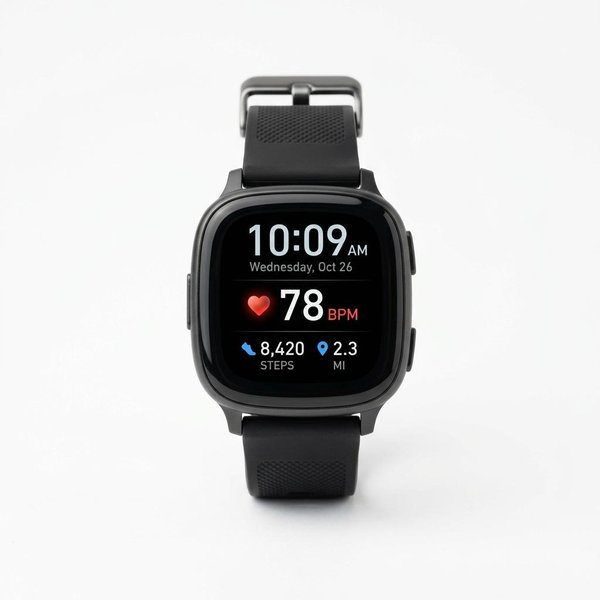
Five apartment-friendly cardio routines that require zero running. HIIT, circuit, EMOM, steady-state, and interval formats with minimal equipment options. Neighbor-friendly cardio for small spaces.
Cardiovascular exercise in an apartment presents a specific challenge: how to elevate heart rate sufficiently without the footfall impact that disturbs neighbors below. Running, jumping jacks, and plyometric movements are often impractical in multi-unit buildings.
Our analysis indicates that effective cardio does not require high-impact movements. The five protocols below produce sustained heart rate elevation through continuous movement, large muscle group engagement, and minimal rest intervals — all while keeping both feet in contact with the floor (or one foot, at most) at all times.
| Protocol | Duration | Equipment | Best For |
|---|---|---|---|
| HIIT Circuit | 20 minutes | None | Maximum calorie burn, time efficiency |
| Steady-State Circuit | 30 minutes | None | Endurance building, recovery days |
| EMOM | 20 minutes | None or bands | Pacing practice, mental engagement |
| Tabata-Style Intervals | 16 minutes | None | Intensity, metabolic conditioning |
| Ladder Format | 15-25 minutes | None or dumbbells | Progressive challenge, variety |
High-intensity interval training alternates periods of near-maximum effort with brief recovery. In apartment settings, we achieve intensity through speed of movement rather than impact.
| Exercise | Execution | Modification |
|---|---|---|
| Fast Bodyweight Squat | As many reps as possible in 40 sec | Hold wall for balance if needed |
| Mountain Climbers (slow and controlled) | Drive knees to chest alternately | Place hands on elevated surface |
| High Knees (marching, not jumping) | Lift knees above hip height, alternating | Reduce range of motion |
| Push-Up to Downward Dog | Push-up, then push hips up and back | Perform push-up on knees |
| Reverse Lunge with Rotation | Step back, rotate torso toward front leg | Omit rotation, standard lunge |
| Plank to Squat | Hold plank, jump or step feet to hands | Step feet in instead of jumping |
Caloric expenditure estimate: Published MET values suggest approximately 8-12 calories per minute for bodyweight HIIT at this intensity, depending on body mass.
Continuous movement at a moderate intensity builds aerobic endurance without the stress of high-intensity intervals.
| Exercise | Execution |
|---|---|
| March in Place (high knees, controlled) | Lift knees alternately at brisk pace |
| Side Lunge to Curtsy Lunge (alternating) | Combine lateral and rotational movement |
| Inchworm Walkout | Walk hands to plank, walk back, stand |
| Bear Crawl (forward and back) | Hands and feet on floor, knees hovering |
| Step-Up (use a sturdy chair) | Alternate feet stepping up and down |
| Standing Shadow Boxing | Continuous punching combinations |
| Glute Bridge March | Hold bridge position, alternate leg extensions |
| Standing Knee Drive | Drive knee up toward chest, alternating |
Intensity target: You should be able to speak in short sentences but not hold a continuous conversation. Heart rate roughly 60-70% of maximum (estimated as 220 minus age).
EMOM training provides a built-in pacing structure. Begin each exercise at the top of the minute. Whatever time remains after completing the reps is your rest.
| Minute | Exercise | Rep Count |
|---|---|---|
| 1 | Bodyweight Squat | 15 reps |
| 2 | Push-Up (or knee push-up) | 10 reps |
| 3 | Alternating Reverse Lunge | 12 reps total |
| 4 | Plank Shoulder Tap | 16 reps total (8/side) |
| 5 | Glute Bridge | 15 reps |
Progression: Add 2 reps to each exercise every 2 weeks, or add a resistance band where applicable.
True Tabata protocol is scientifically defined: 20 seconds of maximal effort, 10 seconds of rest, repeated 8 times for a total of 4 minutes per exercise. We extend this into a practical 16-minute workout using two exercise pairings.
Pairing A (Rounds 1-4, then switch):
| Exercise | Execution |
|---|---|
| Speed Squat to Calf Raise | Fast squat, stand onto toes at top |
| Plank Jack (stepping version) | From plank, step feet out and in |
Pairing B (Rounds 5-8):
| Exercise | Execution |
|---|---|
| Alternating Lunge Pulse | Lunge, pulse twice, switch legs |
| Push-Up (or variation) | Maximum reps in each 20-second block |
Important: "Maximum effort" in Tabata context means the highest output you can sustain across all 8 intervals. Starting too fast and fading in round 3-4 reduces total work output. Pace yourself.
Ladder workouts progress through ascending or descending rep schemes. The changing targets keep mental engagement high and provide automatic periodization within a single session.
Perform the following rep scheme: 2-4-6-8-10-8-6-4-2 reps per exercise. Complete all reps of Exercise A before moving to Exercise B, or alternate between them (recommended for larger muscle group pairing).
Option A — Bodyweight Only (15-20 minutes):
| Exercise | Notes |
|---|---|
| Squat | Full range of motion each rep |
| Push-Up | Knee variation acceptable for higher reps |
Option B — With Dumbbells (20-25 minutes):
| Exercise | Notes |
|---|---|
| Dumbbell Squat to Press | Use light-to-moderate weight |
| Renegade Row (no push-up) | Alternate arms each rep |
Timing tip: The 10-rep peak should occur around minute 8-10. If you reach it much faster, the load is too light. If you cannot complete the 10-rep set, the load is too heavy or the exercise too difficult.
All five protocols work with bodyweight alone. However, adding minimal equipment increases exercise variety and intensity options.
| Equipment | Protocol Integration | Impact on Intensity |
|---|---|---|
| Light resistance band | Add to squats, lunges, glute bridges | Moderate increase |
| Heavy resistance band | Substitute for dumbbells in rows, presses | Significant increase |
| Jump rope | Substitute for marching in steady-state | Moderate increase (check floor noise first) |
| Adjustable dumbbells | Add to any protocol for loaded movements | Significant increase |
Noise note: Jump ropes produce rhythmic tapping. Test on your flooring before integrating into regular sessions. Rubber mats reduce noise substantially.
How to use these routines within a broader fitness program:
| Training Goal | Cardio Frequency | Protocol Selection |
|---|---|---|
| General health | 2 days/week | Protocol 2 (steady-state) x 2 |
| Fat loss focus | 3-4 days/week | Protocol 1 (HIIT) x 2, Protocol 2 x 1-2 |
| Endurance building | 3 days/week | Protocol 2 x 2, Protocol 3 (EMOM) x 1 |
| Athletic conditioning | 2-3 days/week | Protocol 4 (Tabata) x 1, Protocol 1 x 1-2 |
On strength training days, perform cardio after resistance work or on separate days. Research published in the Journal of Applied Physiology suggests that strength performed before cardio preserves force production better than the reverse order.
How do I know if I'm working hard enough?
Use the talk test: during high-intensity intervals, you should not be able to speak more than a few words. During steady-state circuits, short sentences should feel slightly challenging. Heart rate monitors provide objective confirmation but are not required.
Will low-impact cardio actually burn calories?
Yes. Caloric expenditure depends on total work performed (movement volume x resistance), not impact force. A 30-minute steady-state circuit can expend 200-350 calories depending on body mass and intensity. HIIT protocols may produce additional post-exercise elevation in metabolism (EPOC), though research indicates this effect is modest — approximately 6-15% of total exercise energy expenditure.
Can I do these every day?
We recommend 2-4 cardio sessions per week, with at least one full rest day weekly. Daily high-intensity cardio without recovery increases injury and overreaching risk. Steady-state circuits are lower stress and can be performed more frequently than HIIT or Tabata protocols.
| Protocol | Time | Impact Level | Calorie Burn* | Equipment |
|---|---|---|---|---|
| HIIT Circuit | 20 min | Low | 160-240 | None |
| Steady-State | 30 min | Low | 200-350 | None |
| EMOM | 20 min | Low | 150-220 | Optional bands |
| Tabata | 16 min | Low-Moderate | 130-200 | None |
| Ladder | 15-25 min | Low | 120-250 | Optional DBs |
\*Estimated for a 70-80 kg individual. Actual expenditure varies by body mass, intensity, and efficiency.
Last updated: January 2025. Consult a physician before beginning any new exercise program.
| Image | Product | Price | Badge | Link |
|---|---|---|---|---|
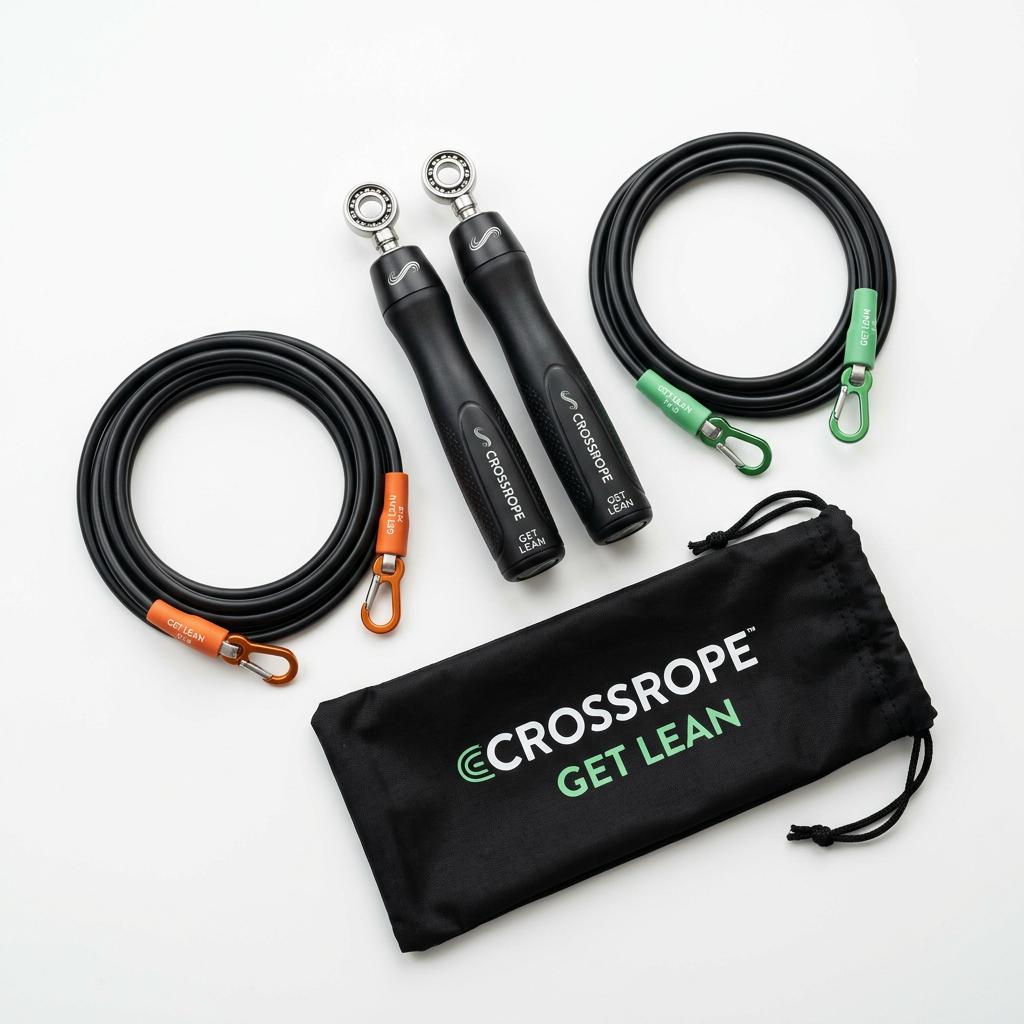 |
Crossrope Get Lean Jump Rope Set | $99-$119 | Best Overall | Check Price |
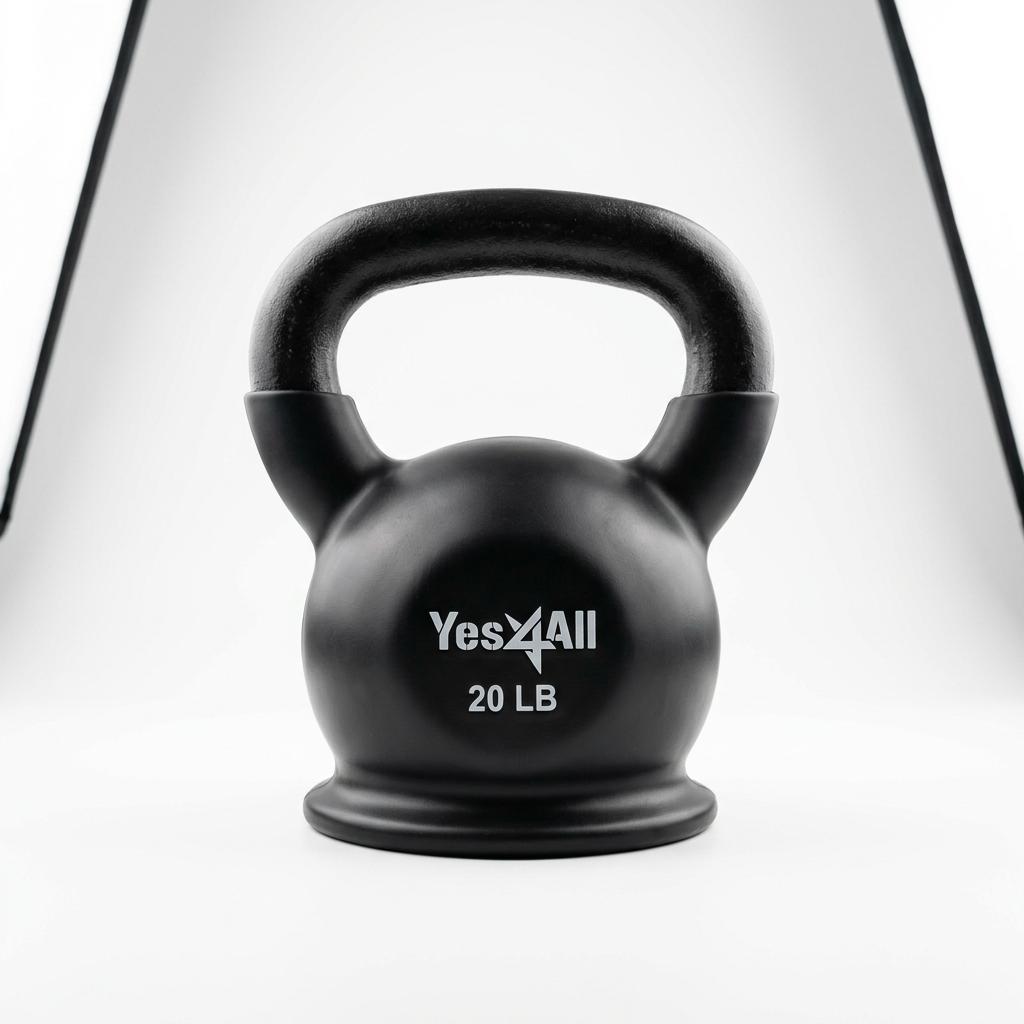 |
Yes4All Vinyl Coated Kettlebell | $24-$69 | Best Strength-Cardio Hybrid | Check Price |
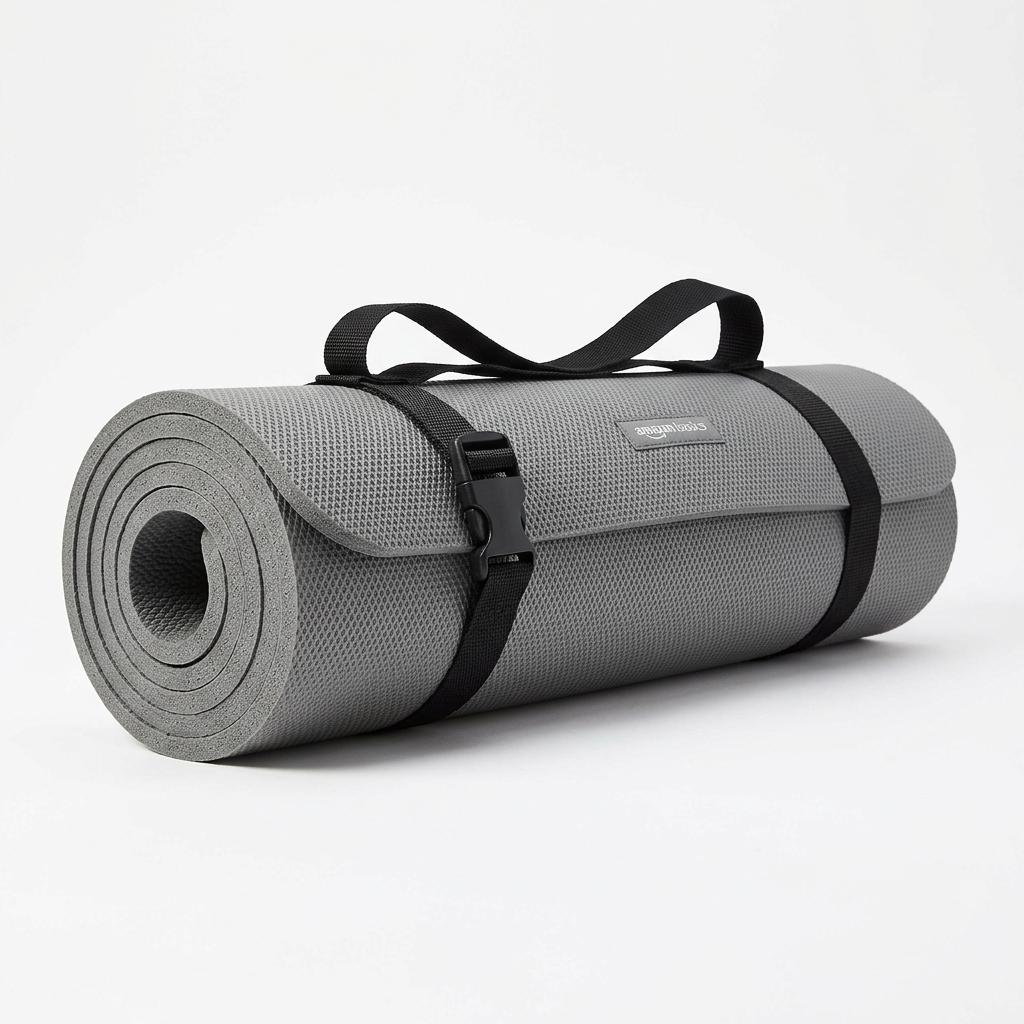 |
Amazon Basics Extra Thick Exercise Mat | $19-$29 | Best Budget Mat | Check Price |
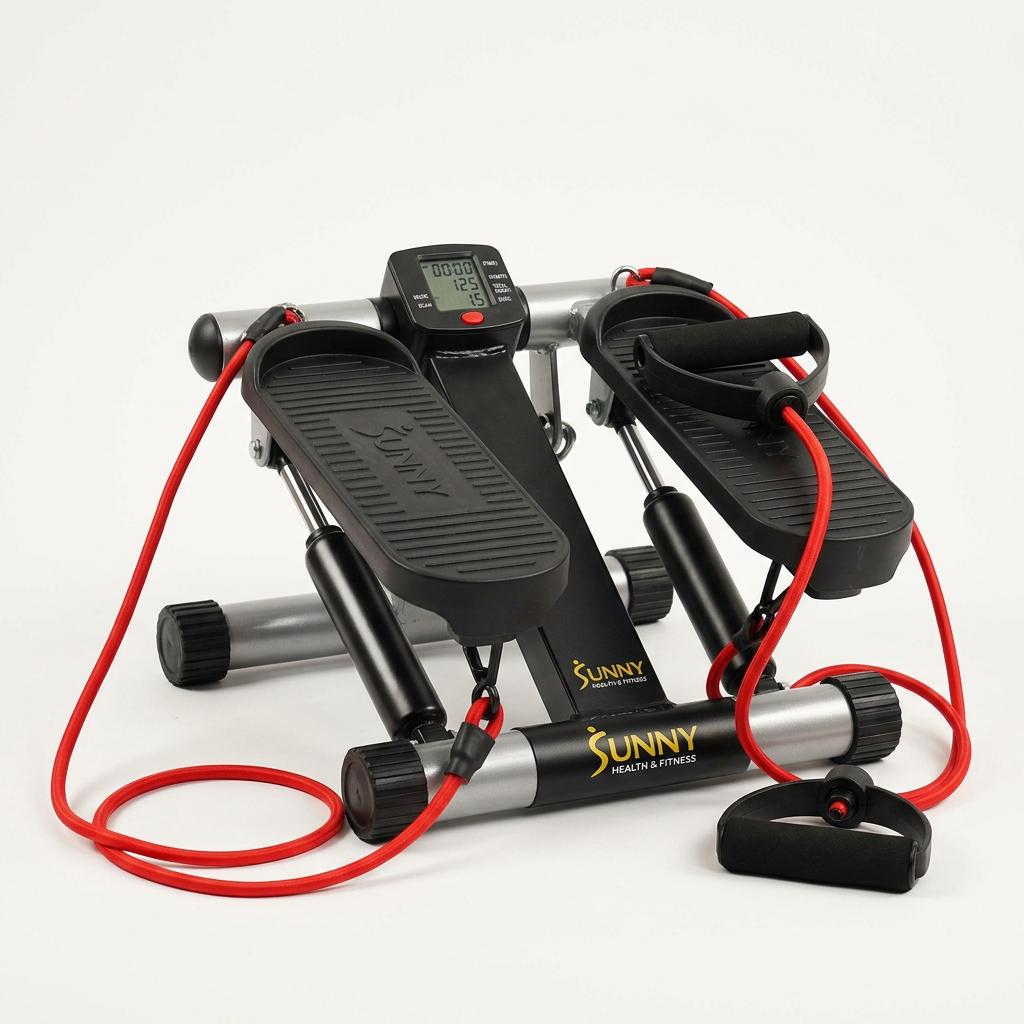 |
Sunny Health & Fitness Mini Stepper | $49-$79 | Best Low-Impact Cardio | Check Price |
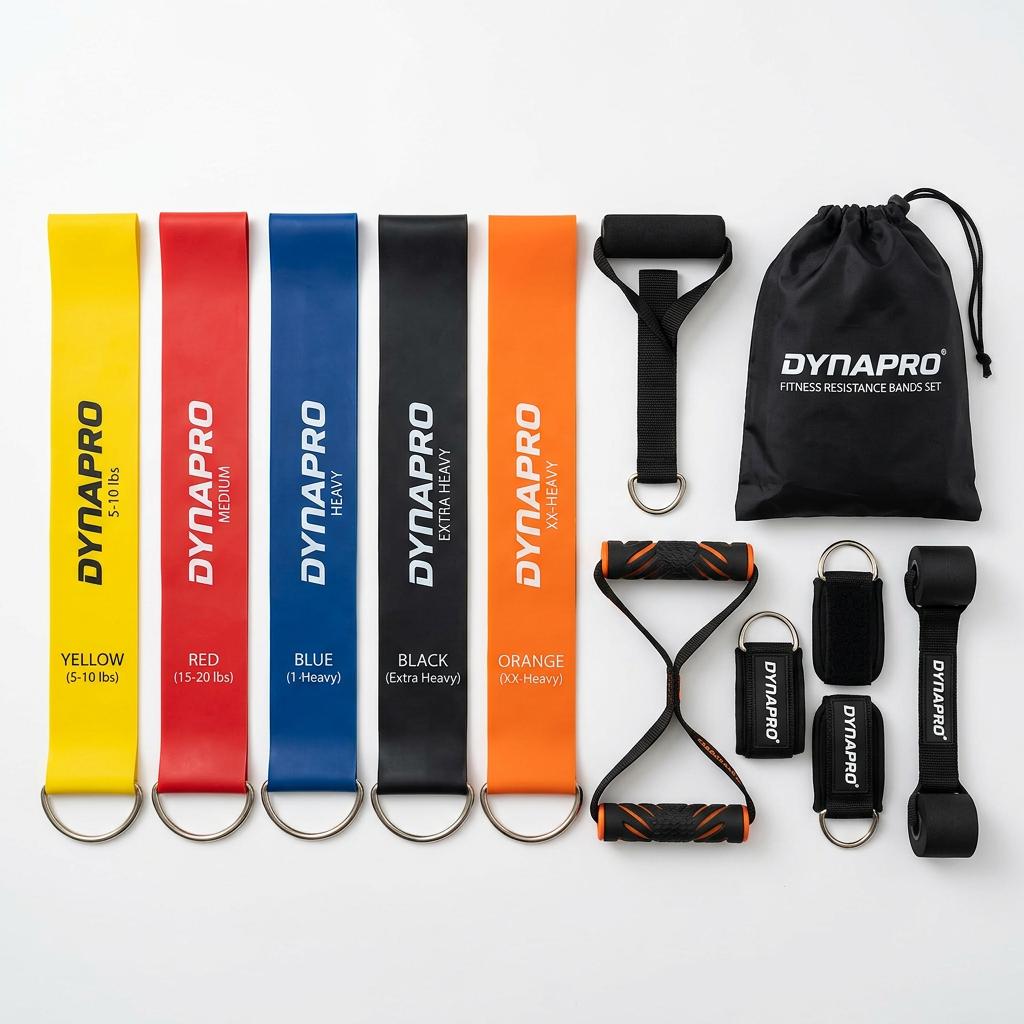 |
DYNAPRO Resistance Bands Set | $29-$49 | Most Versatile | Check Price |
The Crossrope Get Lean set delivers high-intensity cardio without the noise of running.
The Yes4All kettlebell combines strength and cardio in one quiet, apartment-friendly tool.
The Amazon Basics mat provides essential cushioning for low-impact cardio in any apartment.
The Sunny Mini Stepper delivers steady-state cardio in the smallest footprint possible.
The DYNAPRO band set offers unlimited cardio and strength exercise options in one compact package.
Jump rope is one of the most effective no-running cardio options for apartments, and the Crossrope Get Lean set takes it to the next level. The weighted rope design engages your shoulders and core while elevating your heart rate rapidly. Precision ball bearings ensure smooth, tangle-free rotation even during double-unders. The companion app provides structured HIIT workouts that fit perfectly into apartment-friendly training routines. The set stores in a small pouch that fits in any drawer.
Check Price on Amazon
Kettlebell swings are the ultimate no-running cardio exercise for apartments. The Yes4All Vinyl Coated Kettlebell protects your floors while delivering a high-intensity full-body workout. A 20-minute session of swings, goblet squats, and Turkish get-ups will elevate your heart rate as effectively as running, without the footfall noise. The vinyl coating eliminates the need for additional floor mats, and the flat bottom ensures stable storage between workouts.
Check Price on Amazon
For no-running cardio routines like mountain climbers, burpees, and high knees, a quality exercise mat is essential. The Amazon Basics Extra Thick Exercise Mat provides 1/2 inch of NBR foam cushioning that protects both your joints and your floors. The textured surface prevents slipping even during sweaty HIIT sessions. At under $25, it's the most affordable way to create a dedicated cardio workout zone in your apartment.
Check Price on Amazon
The Sunny Health & Fitness Mini Stepper is the perfect low-impact cardio solution for apartment dwellers. The hydraulic resistance system provides smooth, quiet stepping motion that won't disturb neighbors below. The attached resistance bands add an upper body component, turning a simple stepper into a full-body cardio machine. The compact 16x12 inch footprint means it can be stored in a closet and pulled out for 20-30 minute steady-state sessions while watching TV.
Check Price on Amazon
Resistance bands are the unsung heroes of apartment cardio training. The DYNAPRO set includes five bands ranging from light to extra-heavy resistance, allowing you to perform everything from band-resisted jumping jacks and shadow boxing to strength-based complexes that keep your heart rate elevated. The included door anchor expands your exercise options dramatically, and the entire set fits in a small carrying case. For under $40, this is the most versatile addition to any no-running cardio program.
Check Price on Amazon