10-Minute HIIT Workout for Apartments: Burn Fat, Save Time
An intense 10-minute HIIT workout designed for apartments. Burn maximum calories with minimal space and no equipment nee...
Research-backed guide to cardio without machines guide for small-space home gyms.
FTC Disclosure: SnugGym participates in affiliate programs. We earn a commission when you purchase through our links, at no extra cost to you. Editorial opinions remain our own.
The conventional wisdom says that effective cardiovascular training requires machines: treadmills, exercise bikes, rowing ergometers, or elliptical trainers. This belief has driven millions of home gym owners to spend thousands of dollars on bulky equipment that consumes precious floor space, generates noise, demands maintenance, and often ends up as expensive clothing racks. But the science of cardiovascular fitness tells a different story. Your heart and lungs respond to physiological demand, not to the presence of a console and power cord. Any activity that elevates heart rate into the training zone for sustained periods produces cardiovascular adaptation—regardless of whether it happens on a machine.
Research in the Journal of Physiology has demonstrated that bodyweight high-intensity interval training produces equivalent improvements in VO2 max, insulin sensitivity, and skeletal muscle oxidative capacity compared to traditional steady-state cycling or running. A landmark study by Gibala et al. at McMaster University showed that just three weekly sessions of 20-minute bodyweight interval training produced the same cardiovascular adaptations as five weekly sessions of 45-minute moderate-intensity cycling. The implication is clear: machine-free cardio isn't just a compromise for those without equipment—it's a genuinely effective, time-efficient training approach.
This guide provides a complete system for cardiovascular training without machines in small spaces. You'll learn the most effective bodyweight exercises, how to structure them into productive workouts, strategies for reducing noise and neighbor impact, and progressive programming that keeps you improving for months.
These exercises form the foundation of machine-free cardiovascular training. Each can be performed in minimal space with zero equipment.
The burpee is the single most effective bodyweight exercise for total-body conditioning. The combination of squat, plank, push-up, and jump produces near-maximal heart rate responses while engaging virtually every major muscle group. Research shows that a 10-minute burpee circuit can elevate metabolism for hours post-exercise through the excess post-exercise oxygen consumption (EPOC) effect.
Technique: From standing, squat down and place hands on the floor. Jump feet back to plank. Perform a push-up. Jump feet forward to the squat position. Explode upward into a jump with arms overhead. Land softly and repeat.
Modifications: Beginners can step back rather than jump, omit the push-up, and replace the jump with a stand. Advanced trainees can add a tuck jump, perform the push-up with a clap, or wear a weighted vest.
Mountain climbers maintain a high heart rate while emphasizing core stability and hip flexor endurance. The plank position engages the entire abdominal wall isometrically while the alternating knee drives create dynamic hip and knee flexion. This combination produces a unique training stimulus that targets the core in ways that running and cycling cannot replicate.
Technique: From a high plank position with hands under shoulders, drive one knee toward the chest while keeping the other leg extended. Rapidly alternate legs in a running motion while maintaining plank alignment—hips should not hike up or sag.
Modifications: Slow the tempo for beginners. Advanced trainees can add cross-body mountain climbers (knee to opposite elbow) to increase oblique engagement, or perform on sliders or towels for added instability.
The jumping jack is often dismissed as a schoolyard exercise, but it remains one of the most effective low-complexity cardio movements available. The full-arm sweep engages the shoulders and upper back while the leg abduction and adduction work the hip musculature in planes of motion that most cardio neglects. For warm-ups, active recovery between high-intensity intervals, and sustained moderate-intensity work, jumping jacks are invaluable.
Technique: Stand with feet together and arms at sides. Jump feet outward to shoulder-width or wider while simultaneously sweeping arms overhead. Jump back to starting position. Maintain a rhythm that elevates heart rate without causing premature fatigue.
Modifications: Step-out jacks (stepping rather than jumping) eliminate impact for those with joint concerns. Seal jacks (crossing arms in front rather than overhead) are easier on the shoulders. Plyo jacks (jumping as high and wide as possible) increase intensity.
High knees develop sprint-specific hip flexor strength while driving heart rate aggressively upward. The exaggerated knee lift engages the rectus femoris, iliopsoas, and rectus abdominis in a coordinated movement pattern that transfers directly to running acceleration.
Technique: Run in place driving knees as high as possible—aim for waist height. Pump arms vigorously in opposition to the legs. Stay on the balls of the feet with rapid ground contact. The posture should be tall with a slight forward lean from the ankles.
Modifications: Marching in place with high knees reduces impact for beginners. Adding a resistance band around the feet increases hip flexor demand. Performing on a slightly declined surface increases the concentric challenge.
Shadow boxing provides continuous upper-body cardiovascular work that complements the leg-dominant nature of most bodyweight cardio. The constant arm movement, rotation through the core, and slight knee bend create a sustained moderate-intensity stimulus that's sustainable for extended periods.
Technique: Adopt a boxing stance with hands up, chin tucked, and weight balanced. Throw combinations of jabs, crosses, hooks, and uppercuts at varying tempos. Incorporate head movement, footwork (shuffles, pivots), and defensive movements. Maintain continuous motion—no resting between punches.
Modifications: Focus on slow, powerful punches for strength emphasis. Increase tempo for pure conditioning. Add light dumbbells or resistance bands for increased demand.
Step-ups provide low-impact cardiovascular training that builds single-leg strength and stability simultaneously. Using a sturdy bench, box, or staircase, step-ups can be programmed for steady-state endurance or higher-intensity interval work depending on tempo and step height.
Technique: Stand facing a sturdy elevated surface (bench, box, or bottom stair). Step up with one foot, driving through the heel to full hip extension. Bring the trailing foot up to meet the lead foot. Step back down with control. Alternate lead legs or perform all reps on one side before switching.
Modifications: Lower the step height for beginners. Add a knee drive at the top for increased core engagement. Increase tempo for conditioning emphasis. Hold light dumbbells or wear a weighted vest for added resistance.
Perform each exercise for a prescribed time or rep count, moving directly to the next exercise with minimal rest. Complete 3–5 rounds with 60–90 seconds rest between rounds.
Example:
At the start of each minute, perform the prescribed work. Rest for whatever time remains in the minute. Begin the next exercise at the start of the next minute.
Example (10-minute EMOM):
20 seconds of maximum effort, 10 seconds of rest, repeated 8 times (4 minutes total). A pure Tabata protocol uses a single exercise, but you can alternate two exercises for variety.
Example:
Work through ascending or descending rep schemes, changing exercises at each step. These create a natural progression from manageable to challenging intensity.
Example (ascending):
For lower-intensity recovery days, perform a single exercise or combination at a sustainable pace for 20–40 minutes. Shadow boxing, alternating step-ups, and a mix of jumping jacks and marching in place work well for this format.
This workout emphasizes movement quality and sustainable pacing. Rest as needed—the goal is continuous motion, not maximum intensity.
Move directly from exercise to exercise. Rest 90 seconds between rounds. Complete 4 rounds.
This workout alternates high-intensity intervals with active recovery. The work periods should feel genuinely hard—8–9 out of 10 effort.
The key to continued improvement is progressive overload—gradually increasing the training stimulus over time. Here's how to progress your machine-free cardio:
Weeks 1–2 (Base building): 20-minute circuits, work-to-rest ratio of 1:2 (e.g., 30 seconds work, 60 seconds rest). Focus on movement quality and completing all intervals.
Weeks 3–4 (Endurance development): 25-minute circuits, work-to-rest ratio of 1:1 (e.g., 30 seconds work, 30 seconds rest). Increase total volume by adding rounds or extending work periods.
Weeks 5–6 (Intensity introduction): 20-minute circuits, work-to-rest ratio of 2:1 (e.g., 40 seconds work, 20 seconds rest). Shorter rest periods increase cardiovascular demand significantly.
Weeks 7–8 (Peak intensity): Tabata-format intervals (20 seconds work, 10 seconds rest) for 16–20 minutes total. Include 2–3 minutes active recovery between 4-minute Tabata blocks.
Weeks 9+ (Maintenance or advancement): Continue cycling through formats, increasing exercise complexity (adding push-ups to burpees, increasing jump height, adding light resistance) or extending total session duration.
Bodyweight cardio can be noisy—jumping, in particular, transmits impact through floors. Here's how to train effectively while respecting neighbors:
Prioritize lower-impact movements in your programming. Burpees can be modified to step-back variations. High knees can be replaced with marching in place at high tempo. Jumping jacks become step-out jacks. Mountain climbers remain low-impact. Shadow boxing is virtually silent. By choosing exercises strategically, you can maintain high cardiovascular demand with minimal noise.
A thick exercise mat (3/4 inch rubber gym matting preferred) placed under your workout area absorbs impact and reduces noise transmission significantly. On carpet, a mat provides additional dampening. Position the mat away from shared walls when possible.
Schedule high-impact sessions during reasonable hours—typically 9 AM to 8 PM. Morning and late-night sessions should use the lowest-impact exercise modifications.
Soft-soled training shoes or bare feet on a mat generate less impact noise than hard-soled running shoes. Some apartment dwellers train in socks on carpet for maximum quietness.
If you share floors/ceilings with neighbors, a brief conversation about your workout schedule and the steps you're taking to minimize noise often prevents complaints before they occur.
The evidence is clear: bodyweight cardiovascular training produces adaptations equivalent to machine-based training when programmed with appropriate intensity, volume, and progression. The workouts in this guide provide everything you need to build and maintain excellent cardiovascular fitness in whatever space you have available.
Start with the 20-minute beginner workout, progress through the intermediate circuit, and advance to the high-intensity interval session as your fitness develops. Use the noise-reducing strategies to maintain good neighbor relations. And remember: your heart responds to effort, not equipment. A burpee is just as valid as a treadmill mile.
Last updated: July 2025. Prices and availability are subject to change. Always verify current pricing on Amazon before purchasing.
| Image | Product | Price | Badge | Link |
|---|---|---|---|---|
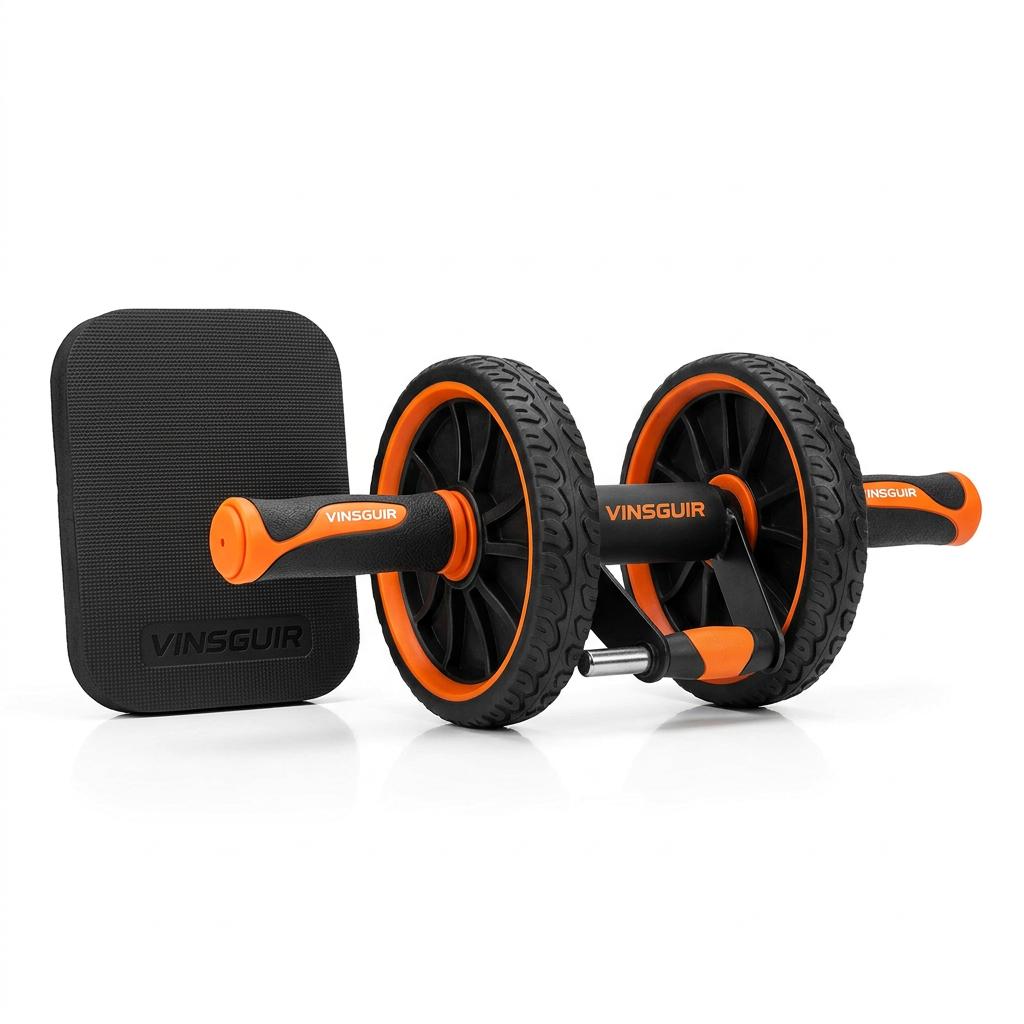 |
VINSGUIR Ab Roller Wheel | $15-$25 | Best Overall | Check Price |
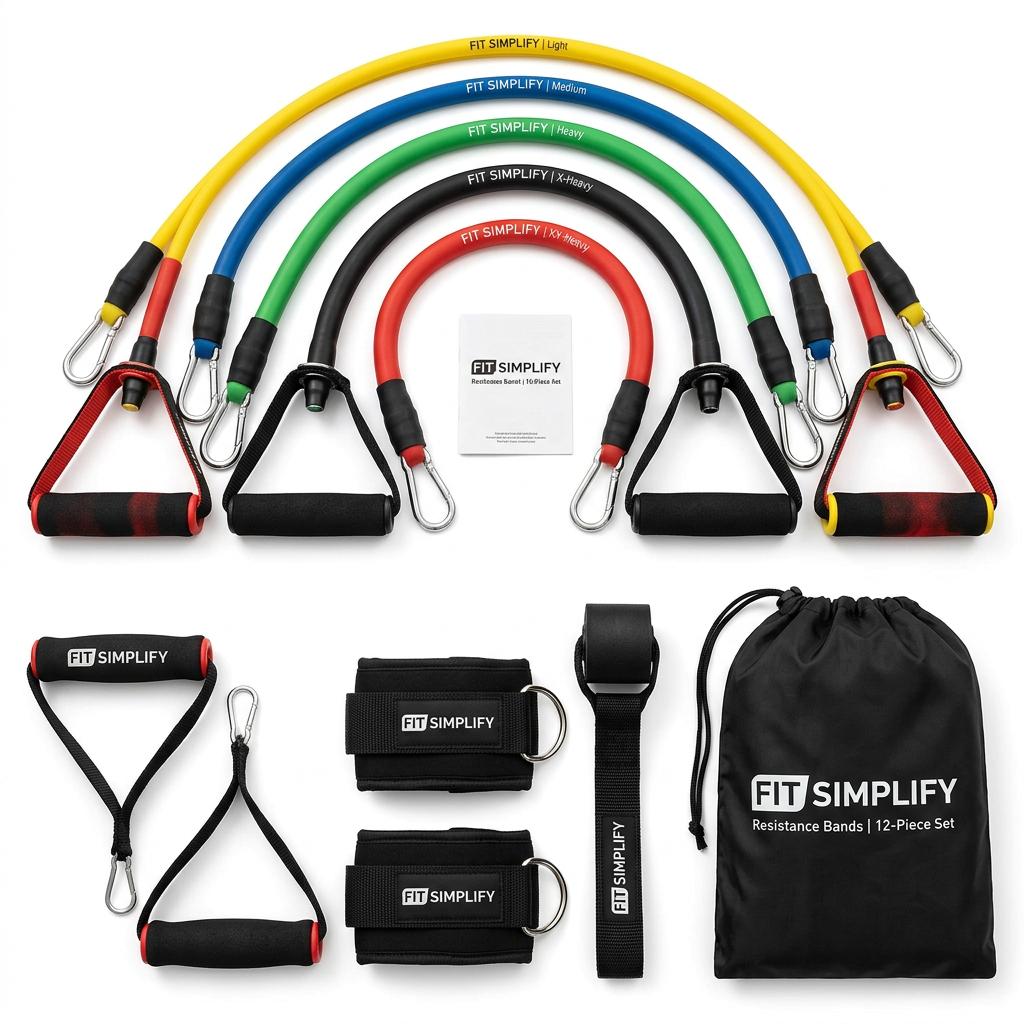 |
Fit Simplify Resistance Tube Bands 12-Piece Set | $25-$35 | Most Versatile | Check Price |
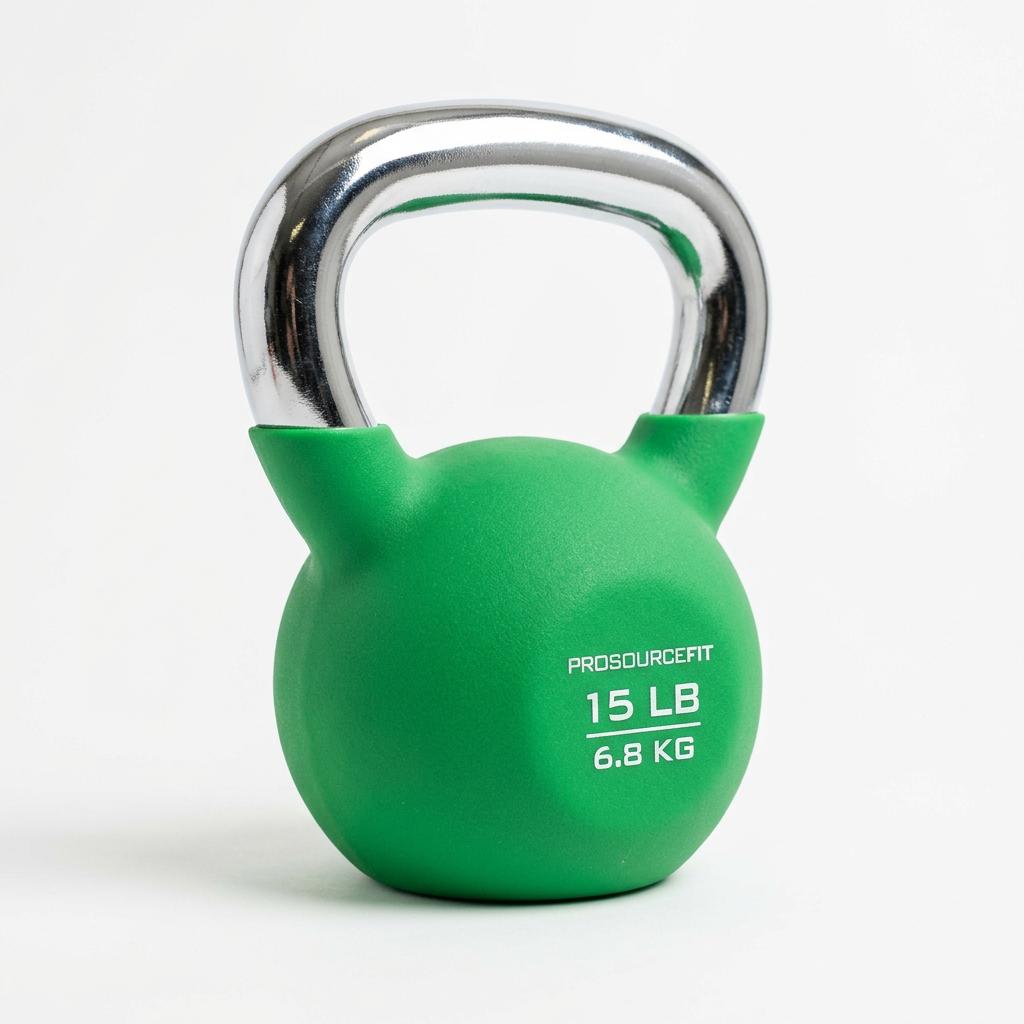 |
ProsourceFit Vinyl Plastic Kettlebell (15 lb) | $30-$50 | Best for HIIT | Check Price |
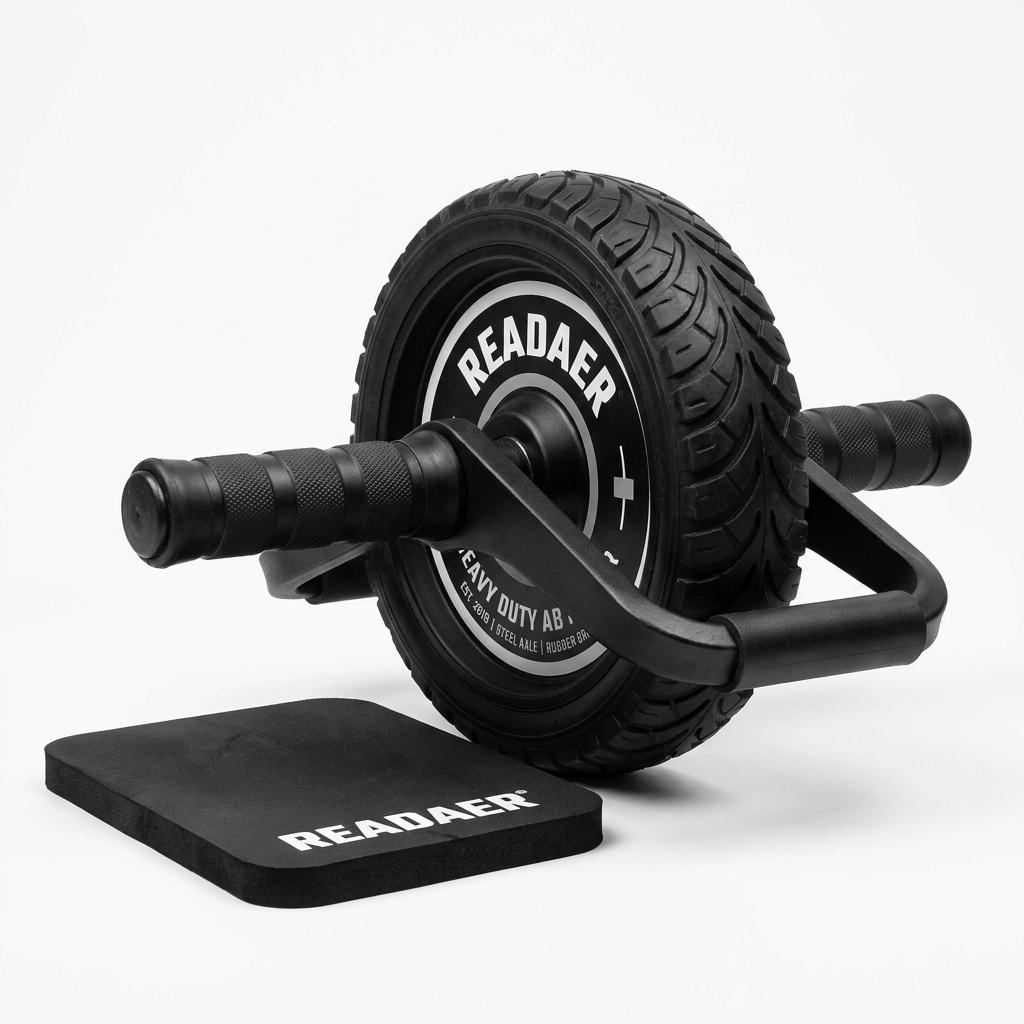 |
READAEER Ab Roller Wheel | $15-$25 | Best Budget | Check Price |
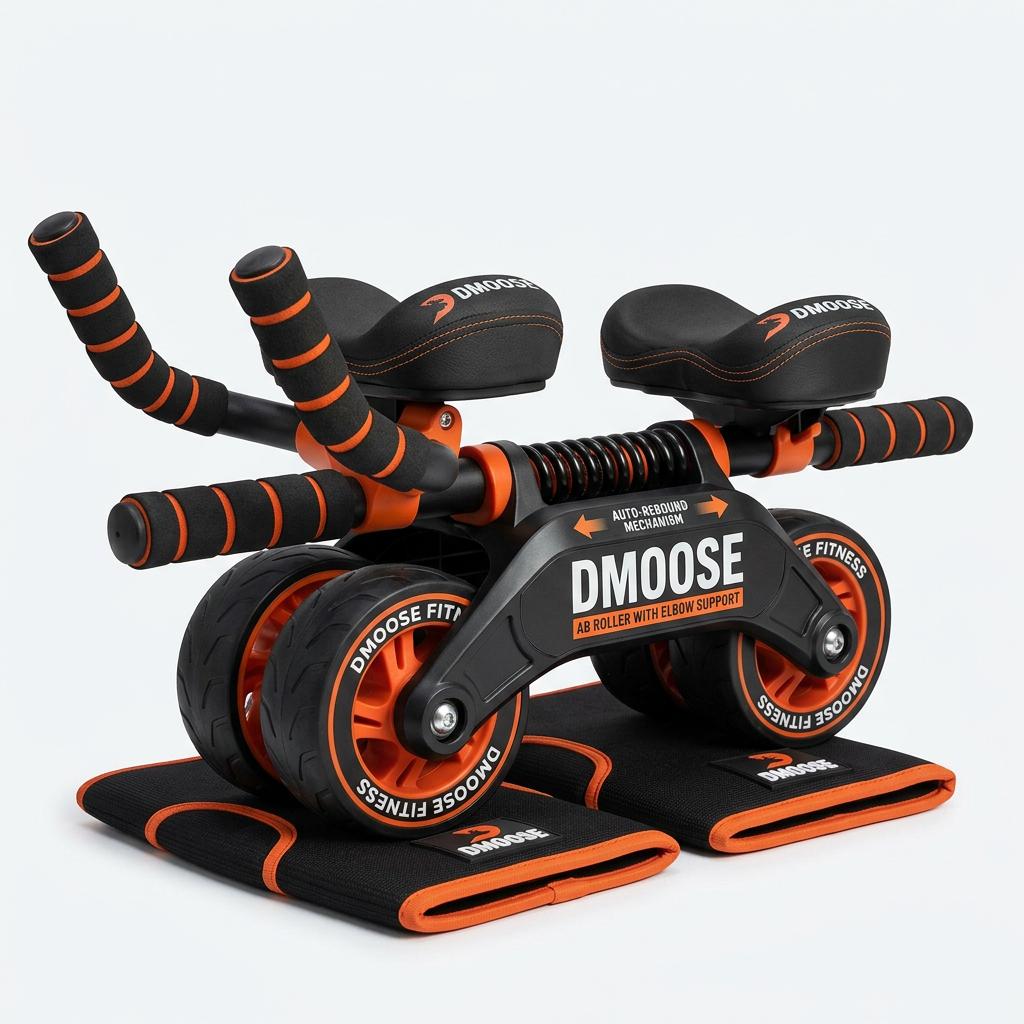 |
DMoose Fitness Ab Roller with Elbow Support | $25-$35 | Premium Pick | Check Price |
A stable, comfortable ab roller that intensifies any bodyweight cardio routine with core-focused movement.
A comprehensive resistance band system that replaces an entire cable machine for cardio circuits.
A budget-friendly kettlebell perfect for high-intensity swing and snatch intervals.
A heavy-duty, budget-friendly ab roller built to withstand intense cardio circuit training.
An innovative ab roller with auto-rebound assistance, making advanced core work accessible to all fitness levels.
The VINSGUIR Ab Roller Wheel transforms basic plank positions into dynamic core challenges that elevate your heart rate without any machines. The dual-wheel design provides exceptional stability compared to single-wheel alternatives, while the included knee pad ensures comfort during high-rep sets. It's an essential tool for adding intensity to bodyweight cardio circuits.
Check Price on Amazon
The Fit Simplify Resistance Tube Bands 12-Piece Set is the most versatile bodyweight cardio accessory available. With five stackable tube bands, handles, ankle straps, and a door anchor, you can replicate virtually any cable machine exercise for high-intensity circuit training. The ability to combine bands creates virtually unlimited resistance options for progressive overload.
Check Price on Amazon
The ProsourceFit Vinyl Plastic Kettlebell is an excellent entry-level option for adding explosive kettlebell movements to your cardio circuits. The 15-pound weight is ideal for high-rep kettlebell swings, snatches, and cleans that drive cardiovascular demand, while the protective vinyl coating allows for worry-free use on any floor surface.
Check Price on Amazon
The READAEER Ab Roller Wheel offers professional-grade construction at an entry-level price point. The heavy-duty steel frame and thick rubber wheel provide smooth, stable rolling on virtually any surface, making it perfect for incorporating roll-outs into high-intensity bodyweight circuits. The metal handles with rubber grips ensure secure hand placement even during sweaty sessions.
Check Price on Amazon
The DMoose Fitness Ab Roller revolutionizes core training with its auto-rebound mechanism that assists the return motion, allowing beginners to perform roll-outs with proper form while still challenging advanced users. The elbow support pads eliminate wrist strain that often limits ab roller usage, making this the most user-friendly option for integrating intense core work into cardio circuits.
Check Price on Amazon