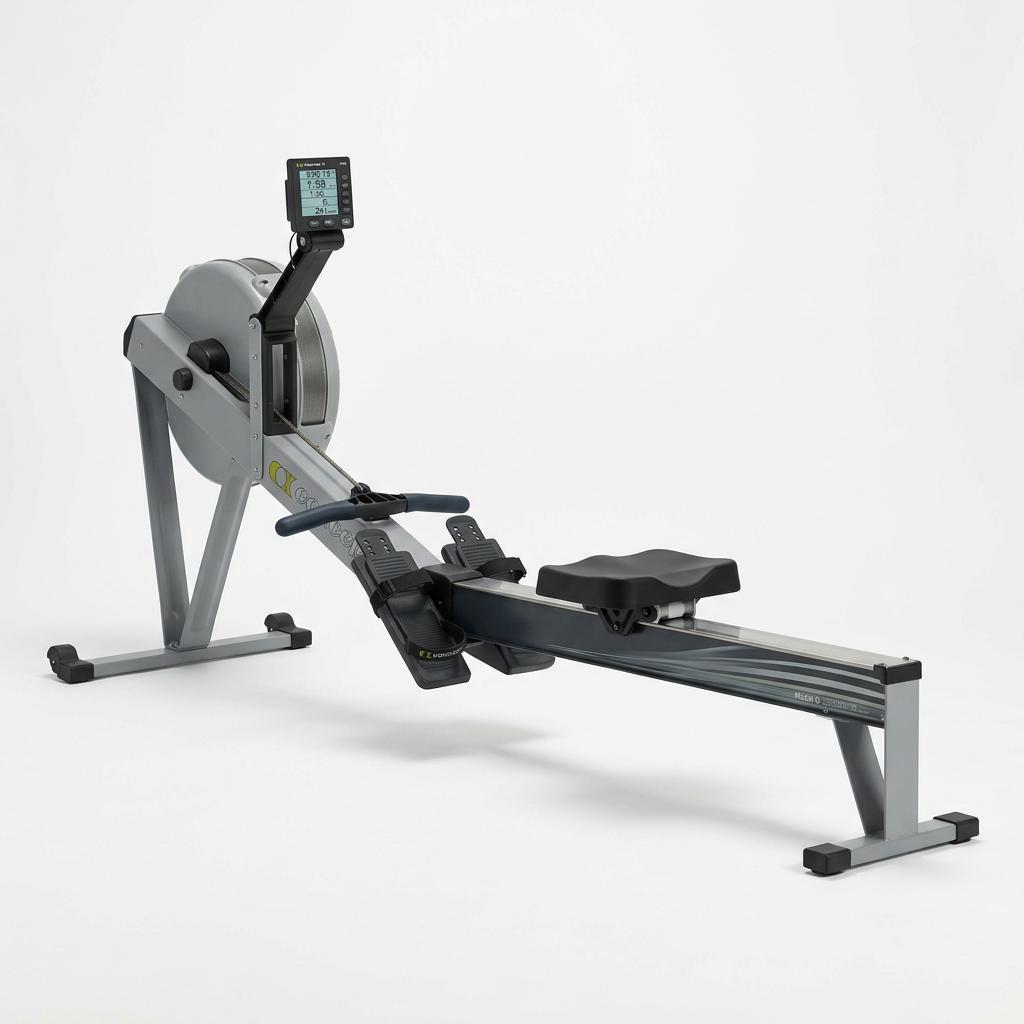
Best Hybrid
#1. Concept2 Model D Rowing Machine
Price: $450-500 | Score: 96/100
Combines cardio and strength in one machine. Full-body resistance + cardiovascular training. The most efficient weight loss tool.
Check price at AmazonSnugGym is an Amazon Associate. We earn from qualifying purchases at no extra cost to you. Learn more

Which is better for fat loss: cardio or strength training? An evidence-based comparison of their effects on body composition, metabolism, and long-term weight management.
The question sounds binary: should you do cardio or lift weights to lose weight? The research answer is that the question itself is flawed. Cardio and strength training affect weight loss through different physiological pathways, produce different body composition outcomes, and serve different roles in a comprehensive fat-loss program.
This guide separates what each modality actually does, what the published evidence says about their comparative effects, and how to structure a program that captures the benefits of both.
Weight loss occurs when energy expenditure exceeds energy intake. Both cardio and strength training increase expenditure, but through different mechanisms:
| Expenditure Component | Cardio | Strength Training |
|---|---|---|
| Caloric burn during session | High (250–600 kcal/30 min) | Moderate (150–300 kcal/45 min) |
| EPOC (post-exercise elevation) | Low–Moderate (5–10% of session burn for 1–2 hours) | Moderate (6–15% of session burn for up to 48 hours) |
| Long-term metabolic adaptation | Minimal (no significant change in resting metabolic rate) | Significant (muscle tissue increases resting expenditure) |
| Total weekly caloric impact | Direct and immediate | Immediate + compounding (via muscle preservation) |
EPOC (Excess Post-exercise Oxygen Consumption): The elevated oxygen uptake and caloric expenditure that continues after exercise ends. Strength training produces higher EPOC than steady-state cardio due to the metabolic cost of repairing muscle tissue and restoring hormonal/ionic balance.
Study: Duke University (2012, Journal of Applied Physiology)
Study: Harvard T.H. Chan School (2017, Obesity)
Meta-analysis: Schwingshackl et al. (2013, International Journal of Cardiology)
The scale doesn't distinguish between fat loss and muscle loss. This distinction is critical:
| Scenario | Scale Change | Body Composition | Outcome |
|---|---|---|---|
| Cardio only, no strength, caloric deficit | −20 lb | −16 lb fat, −4 lb muscle | Smaller, but still soft; lower metabolic rate |
| Strength only, no cardio, caloric deficit | −12 lb | −12 lb fat, 0 lb muscle | Leaner, more defined; better metabolic rate |
| Combined training, caloric deficit | −16 lb | −15 lb fat, −1 lb muscle | Leanest, most athletic appearance; metabolic rate preserved |
The strength training effect: Preserving 3–5 lb of muscle mass maintains approximately 15–25 additional daily calories burned at rest. Over a year, that's 5,500–9,000 kcal—equivalent to 1.5–2.5 lb of fat. The effect compounds over decades of aging, when muscle loss (sarcopenia) is the primary driver of metabolic decline.
Published research consistently shows that combined training produces superior body composition outcomes compared to either cardio or strength training alone. The synergistic effect is real:
| Outcome | Cardio Only | Strength Only | Combined | Winner |
|---|---|---|---|---|
| Total weight loss | ★★★★ | ★★ | ★★★★ | Cardio (slight) |
| Fat mass reduction | ★★★★ | ★★★ | ★★★★★ | Combined |
| Muscle preservation | ★ | ★★★★★ | ★★★★★ | Combined/Strength |
| Body fat % reduction | ★★★ | ★★★★ | ★★★★★ | Combined |
| Metabolic rate preservation | ★★ | ★★★★ | ★★★★ | Combined/Strength |
| Cardiovascular fitness | ★★★★★ | ★★★ | ★★★★★ | Combined |
| Long-term weight maintenance | ★★★ | ★★★★ | ★★★★★ | Combined |
Optimal weekly structure for fat loss:
| Day | Training | Duration | Rationale |
|---|---|---|---|
| Monday | Full-body strength | 40–50 min | Muscle preservation, metabolic stimulus |
| Tuesday | Low-intensity cardio (walk, easy cycle) | 30–45 min | Recovery, caloric expenditure, low stress |
| Wednesday | Full-body strength | 40–50 min | Muscle preservation |
| Thursday | HIIT or interval cardio | 20–25 min | Time-efficient caloric burn, metabolic adaptation |
| Friday | Full-body strength | 40–50 min | Muscle preservation |
| Saturday | Moderate cardio (row, jog, cycle) | 30–45 min | Cardiovascular fitness, caloric expenditure |
| Sunday | Rest or light walk | — | Recovery |
This structure delivers:
| Rank | Factor | Impact on Fat Loss | Notes |
|---|---|---|---|
| 1 | Caloric deficit | Essential | No deficit = no fat loss, regardless of training |
| 2 | Protein intake | Very High | Preserves muscle, increases satiety, elevates TEF |
| 3 | Strength training | High | Preserves muscle, maintains metabolic rate |
| 4 | Sleep (7–9 hours) | High | Regulates hunger hormones, supports recovery |
| 5 | NEAT (daily movement) | Moderate–High | Steps, standing, fidgeting—surprisingly impactful |
| 6 | Cardio | Moderate | Increases deficit directly; health benefits beyond fat loss |
| 7 | Meal timing | Low–Moderate | Some evidence for protein distribution; overall calories dominate |
| 8 | Supplements | Minimal | Creatine may help strength preservation; most fat-loss supplements are ineffective |
The uncomfortable truth: A person in a caloric deficit who sleeps well and walks 10,000 steps daily will lose more fat than someone doing daily HIIT while overeating. Training modality matters, but it matters after the fundamentals are in place.
Myth: "Cardio burns muscle." Fact: Excessive cardio in a large deficit without strength training can contribute to muscle loss. Moderate cardio combined with resistance training does not. The interference effect is real but small and manageable with proper programming.
Myth: "You have to do cardio on an empty stomach to burn fat." Fact: Fasted cardio increases fat oxidation during the session but doesn't increase total daily fat loss when calories are matched. Total 24-hour energy balance determines outcomes.
Myth: "Strength training turns fat into muscle." Fact: Fat and muscle are distinct tissues. One does not convert into the other. Strength training builds muscle. A caloric deficit burns fat. They happen simultaneously but are separate processes.
Myth: "HIIT is 9× more effective than steady-state cardio." Fact: HIIT is more time-efficient and produces a slightly greater EPOC. The total caloric difference between 20 minutes of HIIT and 40 minutes of steady-state cardio is modest (perhaps 50–100 kcal), not the dramatic multiplier often claimed.
Cardio and strength training are not competitors—they are complementary tools in a fat-loss program. Cardio excels at acute caloric expenditure and cardiovascular adaptation. Strength training excels at muscle preservation and metabolic maintenance. Combined, they produce body composition outcomes that neither can achieve independently.
The deficit creates the weight loss. Protein and strength training determine what is lost. Cardio increases the margin and improves health. Program all three, in that order of priority.
As an Amazon Associate we earn from qualifying purchases.
Last updated: 2025-07-21
| Feature | Concept2 Model D Rowin | 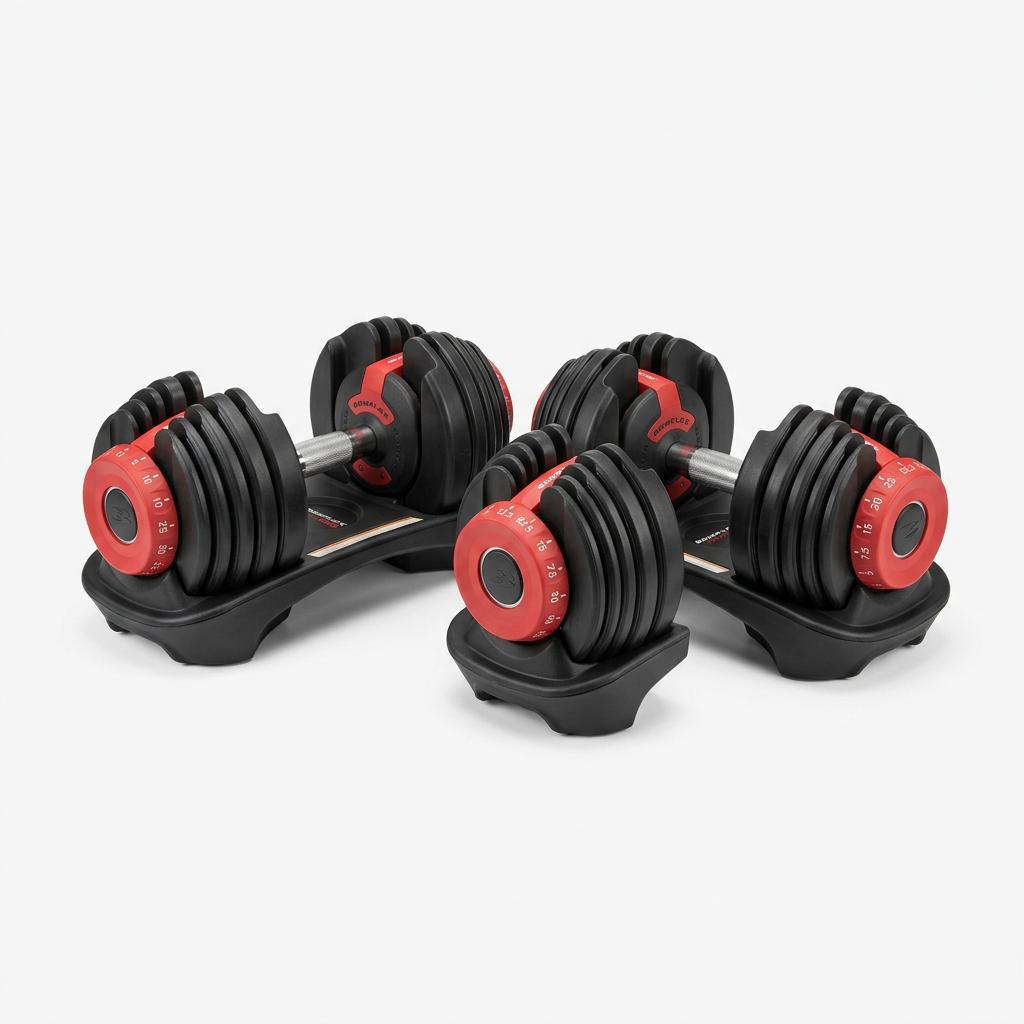 Bowflex SelectTech 552 Bowflex SelectTech 552 | 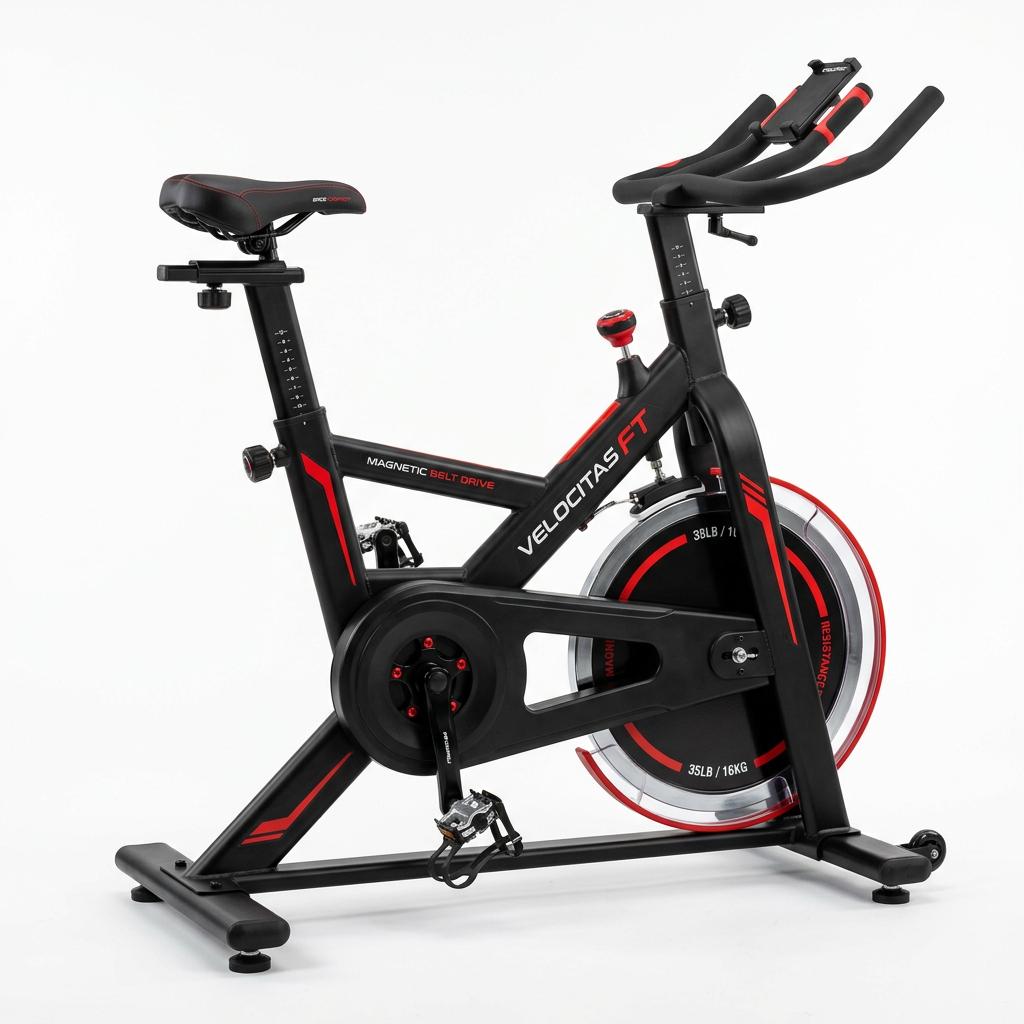 YOSUDA Indoor Cycling YOSUDA Indoor Cycling |
|---|---|---|---|
| Price | $450-500 | $350-400 | $250-300 |
| Score | 96/100 | 93/100 | 91/100 |
| Best For | Best Hybrid | Best Strength | Best Cardio |
| Prime | Yes | Yes | Yes |
$450-500 | Score: 96/100 | Best Hybrid
Combines cardio and strength in one machine. Full-body resistance + cardiovascular training. The most efficient weight loss tool.
$350-400 | Score: 93/100 | Best Strength
Replace 15 pairs of dumbbells (5-52.5 lb). Strength training builds muscle that burns calories 24/7 through increased metabolic rate.
$250-300 | Score: 91/100 | Best Cardio
Magnetic resistance, belt drive, 35 lb flywheel. High-calorie burn cardio for weight loss. Silent operation for daily use.
Price: $450-500 | Score: 96/100
Combines cardio and strength in one machine. Full-body resistance + cardiovascular training. The most efficient weight loss tool.
Check price at AmazonPrice: $350-400 | Score: 93/100
Replace 15 pairs of dumbbells (5-52.5 lb). Strength training builds muscle that burns calories 24/7 through increased metabolic rate.
Check price at AmazonPrice: $250-300 | Score: 91/100
Magnetic resistance, belt drive, 35 lb flywheel. High-calorie burn cardio for weight loss. Silent operation for daily use.
Check price at Amazon