10-Minute HIIT Workout for Apartments: Burn Fat, Save Time
An intense 10-minute HIIT workout designed for apartments. Burn maximum calories with minimal space and no equipment nee...

Progressive bodyweight training guide with exercise progressions from pushups to handstand pushups and a 12-week progression plan for apartment training.
SnugGym is reader-supported. When you buy through links on our site, we may earn an affiliate commission at no extra cost to you.
Bodyweight training—also called calisthenics—is the most accessible form of strength training. Requiring no equipment and minimal space, it can be performed anywhere, making it ideal for apartment dwellers and those building a home gym on a budget. However, many people mistakenly believe that bodyweight training has limited progression potential. This is not the case. Research published in the Journal of Strength and Conditioning Research demonstrates that progressive bodyweight training produces significant strength and muscle development when properly programmed (Kotarsky et al., 2018).
The key to effective bodyweight training is understanding progression pathways: systematic routes from basic movements to highly advanced variations. This guide presents detailed progressions for the major movement patterns, a 12-week structured program, and equipment additions that expand bodyweight training possibilities.
| Element | Recommendation |
|---|---|
| Frequency | 3–4 sessions per week |
| Duration | 30–45 minutes |
| Progression method | Move to harder exercise variations |
| Key principle | Leverage manipulation changes difficulty |
| Equipment | Minimal (pull-up bar, dip station recommended) |
| Space | 6' x 6' minimum |
While true bodyweight training requires no equipment, these additions dramatically expand exercise possibilities:
| Equipment | Purpose | Recommended Product |
|---|---|---|
| Doorway pull-up bar | Vertical pulling, hanging leg raises | Iron Gym Pull-Up Bar |
| Dip station | Dips, inverted rows, L-sits | Sportsroyals Dip Station |
| Resistance bands | Assisted pull-ups, band push-ups, mobility | Fit Simplify Resistance Bands |
| Parallettes or push-up bars | Handstand progressions, L-sits, deeper push-ups | Lebert Fitness Parallettes |
| Exercise mat | Floor comfort and protection | Gorilla Mats Exercise Mat |
Check price at Amazon — Pull-Up Bar
Progressive overload in bodyweight training is achieved differently than in weight training. Instead of adding external load, you manipulate:
| Variable | How It Increases Difficulty | Example |
|---|---|---|
| Leverage | Extending body position increases torque | Regular push-up → decline push-up |
| Range of motion | Increasing movement distance | Half squat → full squat → deep squat |
| Unilateral loading | Shifting to single-limb variations | Squat → pistol squat progression |
| Tempo | Slowing the eccentric phase | 1-second lowering → 3-second lowering |
| Instability | Reducing base of support | Two-arm plank → one-arm plank |
| Added load | Wearing a backpack or weight vest | Bodyweight pull-up → weighted pull-up |
Research from Suchomel et al. (2018) confirms that manipulating these variables produces progressive overload comparable to external loading when properly applied.
The push-up progression moves from basic horizontal pressing to advanced overhead pressing.
| Level | Exercise | Sets x Reps Target | Key Cues |
|---|---|---|---|
| 1 | Wall push-up | 3 x 15 | Stand arm's length from wall |
| 2 | Incline push-up (hands on counter) | 3 x 12 | Body at 45-degree angle |
| 3 | Knee push-up | 3 x 10 | Hips in line with shoulders |
| 4 | Standard push-up | 3 x 10–15 | Full body rigidity, chest to floor |
| 5 | Close-grip push-up | 3 x 10 | Elbows tucked 30 degrees |
| 6 | Decline push-up (feet elevated) | 3 x 10 | Feet 12–24 inches high |
| 7 | Archer push-up | 3 x 5 each side | Extend one arm laterally |
| 8 | Pike push-up | 3 x 8 | Hips high, head toward floor |
| 9 | Handstand hold (wall) | 3 x 20–30s | Build overhead stability |
| 10 | Handstand push-up (wall) | 3 x 5–8 | Full range overhead press |
Technique fundamentals: Maintain a straight line from head to heels. Elbows should track at approximately 45–60 degrees from the torso at the bottom position. Full range of motion means chest within 2–3 inches of the floor (or surface).
Vertical pulling is essential for balanced upper body development. The pull-up is the gold standard.
| Level | Exercise | Sets x Reps Target | Key Cues |
|---|---|---|---|
| 1 | Dead hang | 3 x 20–30s | Build grip strength and shoulder stability |
| 2 | Scapular pull-up | 3 x 8 | Pull shoulder blades down without bending arms |
| 3 | Band-assisted pull-up | 3 x 8 | Use resistance band for assistance |
| 4 | Negative pull-up | 3 x 5 | Jump to top, lower over 5 seconds |
| 5 | Standard pull-up | 3 x 5–10 | Chin clears bar, full extension at bottom |
| 6 | Chin-up | 3 x 5–10 | Palms facing you—more bicep emphasis |
| 7 | Wide-grip pull-up | 3 x 5–8 | Emphasizes lat width |
| 8 | L-sit pull-up | 3 x 5 | Legs held straight out in front |
| 9 | Archer pull-up | 3 x 3 each side | Extend one arm, pull with the other |
| 10 | Muscle-up | 3 x 3–5 | Pull-up transitioning into dip on bar |
Check price at Amazon — Resistance Bands for Assistance
The squat progression moves from bilateral to unilateral loading, dramatically increasing difficulty.
| Level | Exercise | Sets x Reps Target | Key Cues |
|---|---|---|---|
| 1 | Box sit-to-stand | 3 x 10 | Use a chair or bench at knee height |
| 2 | Bodyweight squat | 3 x 15 | Hip crease below parallel |
| 3 | Deep squat hold | 3 x 30s | Build mobility and bottom position strength |
| 4 | Jump squat (if noise allows) | 3 x 8 | Explode up, soft landing |
| 5 | Split squat | 3 x 10 each | Static lunge position |
| 6 | Reverse lunge | 3 x 10 each | Step back, controlled descent |
| 7 | Bulgarian split squat | 3 x 8 each | Rear foot elevated on bench/chair |
| 8 | Shrimp squat | 3 x 5 each | Grab rear foot, single-leg squat |
| 9 | Assisted pistol squat | 3 x 3 each | Use door frame or band for assistance |
| 10 | Full pistol squat | 3 x 5 each | Single-leg squat with no assistance |
Research from McCurdy et al. (2010) confirmed that unilateral squat variations produce significant strength transfer to bilateral movements while reducing compressive spinal loading.
| Level | Exercise | Sets x Duration | Target |
|---|---|---|---|
| 1 | Dead bug | 3 x 8 each side | Anti-extension stability |
| 2 | Bird dog | 3 x 8 each side | Anti-rotation stability |
| 3 | Plank | 3 x 30–45s | Anti-extension |
| 4 | Side plank | 3 x 20–30s each | Lateral stability |
| 5 | Hollow body hold | 3 x 20–30s | Global core tension |
| 6 | L-sit (on floor) | 3 x 10–15s | Hip flexor and core strength |
| 7 | L-sit (on parallettes) | 3 x 15–20s | Elevated position increases difficulty |
| 8 | Dragon flag (negative) | 3 x 3–5 | Advanced anti-extension |
This program structures the progressions above into a cohesive training plan. Complete 3–4 sessions per week (e.g., Mon/Wed/Fri or Mon/Tue/Thu/Fri).
| Session | Exercise | Sets x Reps |
|---|---|---|
| A | Incline or knee push-up | 3 x 10–12 |
| A | Bodyweight squat | 3 x 15 |
| A | Band row or door frame row | 3 x 10 |
| A | Glute bridge | 3 x 15 |
| A | Dead bug | 3 x 8 each side |
| A | Plank | 3 x 30s |
| B | Band-assisted or negative pull-up | 3 x 5 |
| B | Standard push-up (or progress from Session A) | 3 x 8–10 |
| B | Reverse lunge | 3 x 10 each |
| B | Pike push-up (or downward dog push-up) | 3 x 8 |
| B | Superman hold | 3 x 20s |
| B | Side plank | 3 x 20s each |
Alternate Session A and B. By Week 4, aim to have progressed to standard push-ups and be working toward unassisted pull-up negatives.
| Session | Exercise | Sets x Reps |
|---|---|---|
| A | Standard push-up | 4 x 10–15 |
| A | Pull-up or chin-up | 4 x 5–8 |
| A | Bulgarian split squat | 3 x 8 each |
| A | Pike push-up | 3 x 10 |
| A | Hanging knee raise or lying leg raise | 3 x 10 |
| A | Hollow body hold | 3 x 20s |
| B | Close-grip push-up | 3 x 10 |
| B | Wide-grip pull-up | 3 x 5–8 |
| B | Decline push-up | 3 x 8–10 |
| B | Single-leg glute bridge | 3 x 12 each |
| B | Inverted row (under table or low bar) | 3 x 10 |
| B | L-sit practice | 3 x 10–15s |
| Session | Exercise | Sets x Reps |
|---|---|---|
| A | Decline push-up | 4 x 8–10 |
| A | Pull-up (weighted if possible) | 4 x 6–8 |
| A | Pike push-up | 3 x 8 |
| A | Pistol squat progression (assisted) | 3 x 5 each |
| A | L-sit | 3 x 15–20s |
| A | Dragon flag negative | 3 x 3–5 |
| B | Archer push-up | 3 x 5 each |
| B | L-sit pull-up | 3 x 5 |
| B | Handstand hold (wall) | 3 x 20–30s |
| B | Shrimp squat | 3 x 5 each |
| B | Archer pull-up or muscle-up progression | 3 x 3–5 |
| B | Front lever progression (tuck) | 3 x 10–15s |
| Variable | Strength Focus | Endurance Focus |
|---|---|---|
| Rep range | 4–8 per set | 12–20 per set |
| Sets | 4–5 | 2–3 |
| Exercise selection | Harder variations (lower rep capacity) | Easier variations (higher rep capacity) |
| Rest between sets | 2–3 minutes | 45–60 seconds |
| Progression | Move to harder variation when top of rep range is reached | Add reps, then sets at same variation |
Research indicates that both rep ranges produce hypertrophy when taken near failure, but lower rep ranges produce greater strength adaptations and higher rep ranges produce greater endurance adaptations (Schoenfeld et al., 2014).
| Common Issue | Solution |
|---|---|
| Can't install pull-up bar | Use doorway pull-up bar requiring no installation (Iron Gym) |
| Jumping disturbs neighbors | Replace jump squats with tempo squats (3-second lowering) |
| Floor too hard for floor work | Use a thick exercise mat |
| Limited vertical space | Substitute pike push-ups for handstand progressions |
| No dip station | Use two sturdy chairs (test stability first) or kitchen counter corners |
| Want to add load | Wear a backpack filled with books or water bottles |
Check price at Amazon — Doorway Pull-Up Bar
Can you really build significant muscle with only bodyweight? Yes. Research from Kotarsky et al. (2018) demonstrated significant strength and hypertrophy improvements from progressive calisthenics. The key is progressive overload through harder exercise variations, not just doing more reps of the same exercise.
How long does it take to achieve a pull-up from zero? Most consistent trainees progress from zero to one unassisted pull-up in 8–16 weeks. The negative pull-up (jumping to the top position and lowering slowly) is the most effective single exercise for building pull-up strength.
Are handstand push-ups necessary? No, but they represent the pinnacle of bodyweight overhead pressing. Pike push-ups provide most of the same benefits with reduced technical demands.
How do I add bodyweight training to my existing program? Use bodyweight exercises as your primary strength work 2–3 days per week, or incorporate specific progressions (like pull-up negatives) as accessory work after your main lifts.
What if I hit a plateau? Plateaus in bodyweight training usually indicate insufficient exercise difficulty. Move to the next progression level rather than adding more reps of the same variation. Tempo manipulation (slower eccentrics) is another effective plateau-breaker.
References:
| Image | Product | Price | Badge | Link |
|---|---|---|---|---|
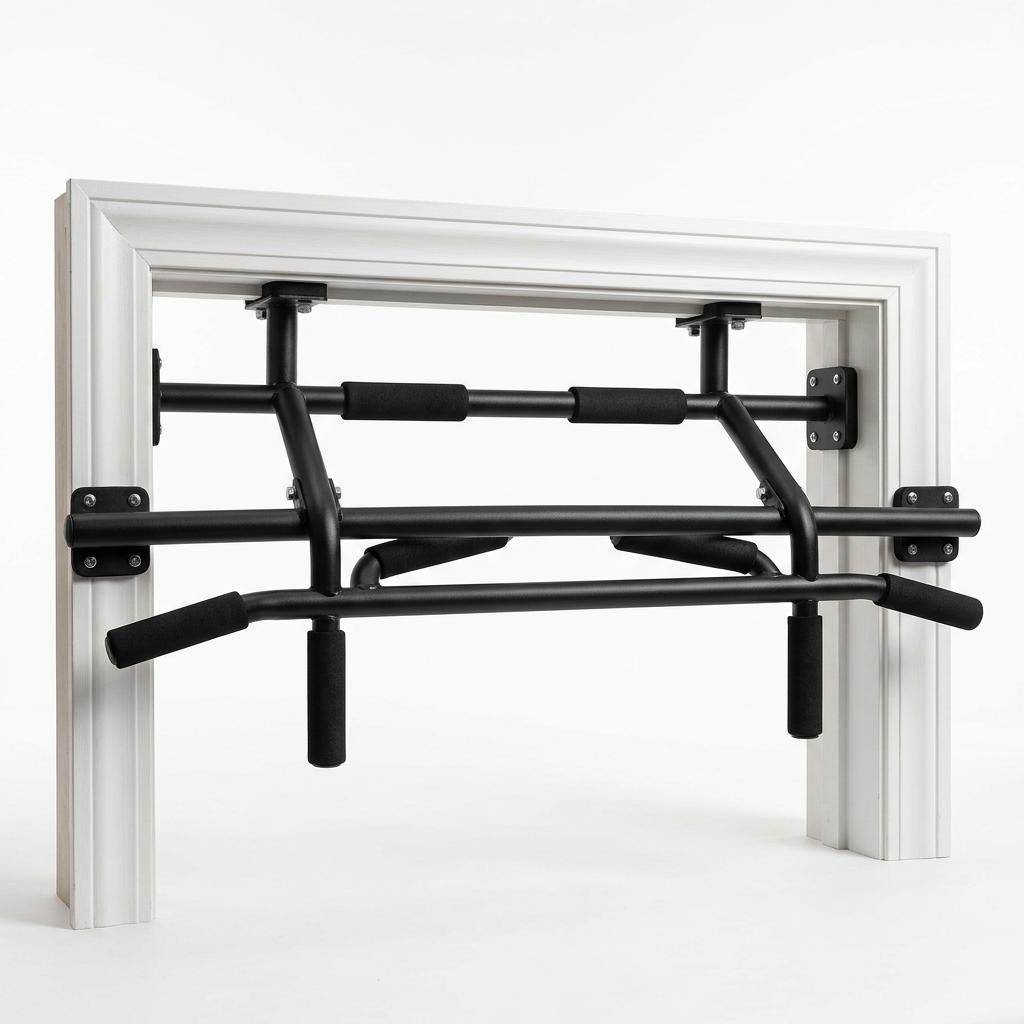 |
Iron Gym Total Upper Body Pull-Up Bar | $25-$35 | Best Overall | Check Price |
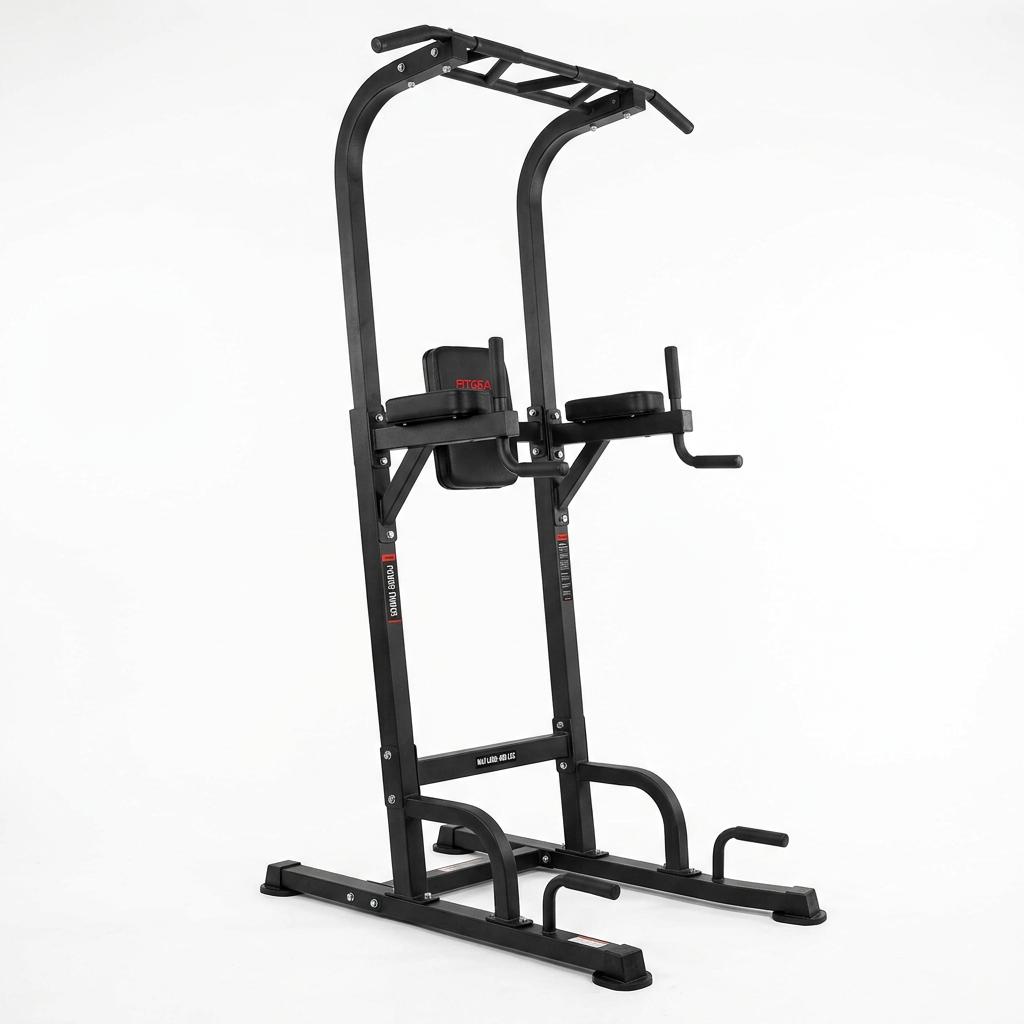 |
Sportsroyals Power Tower Dip Station | $150-$200 | Premium Pick | Check Price |
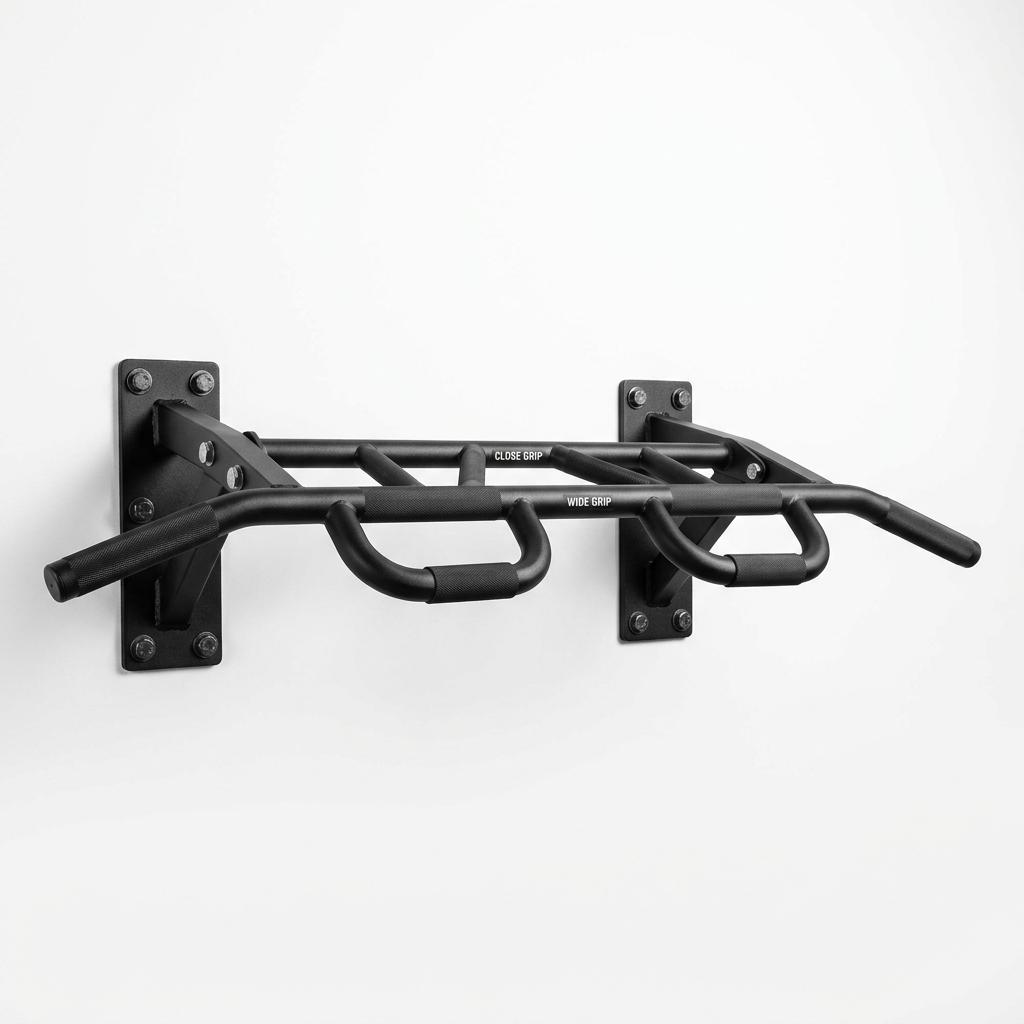 |
ProsourceFit Multi-Grip Pull-Up Bar | $35-$50 | Best for Advanced Grips | Check Price |
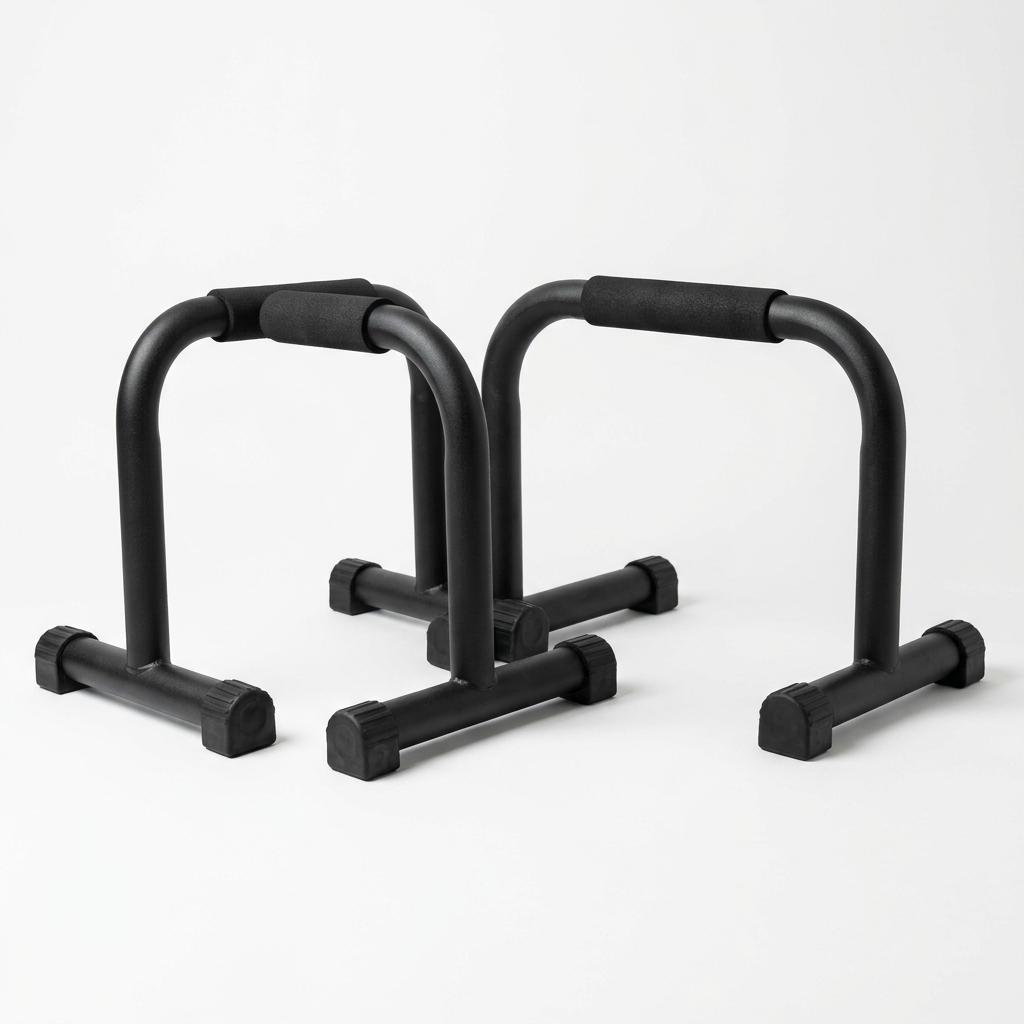 |
Lebert Fitness Parallettes Push-Up Bars | $45-$60 | Best for Dip Progressions | Check Price |
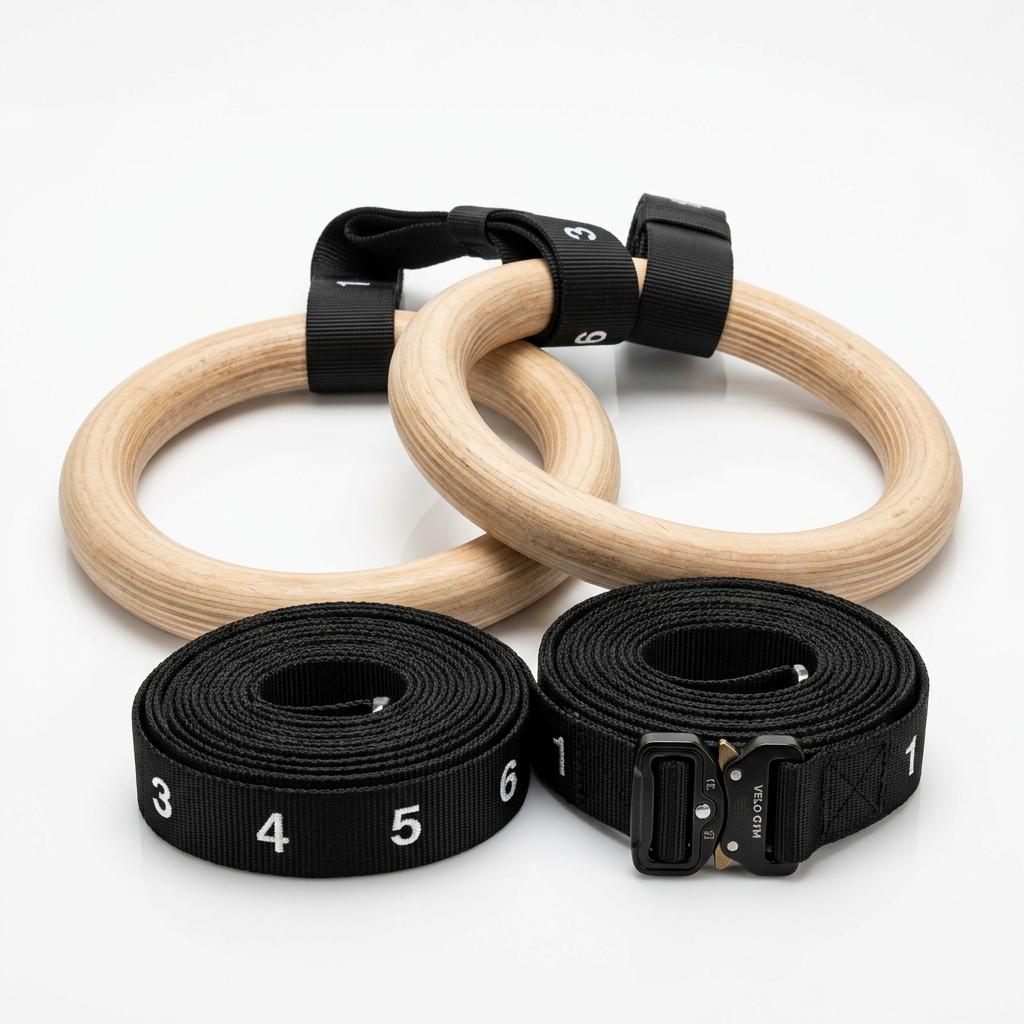 |
PACEARTH Wood Gymnastic Rings | $30-$45 | Most Versatile | Check Price |
The most accessible pull-up bar that requires no installation, perfect for beginners starting their pulling progression journey.
A complete calisthenics station that enables progression through all major bodyweight pushing and pulling movements.
A heavy-duty wall-mounted pull-up bar with the most grip variety for advanced pulling progressions.
Professional-grade parallettes that enable progression through L-sits, dips, handstands, and advanced calisthenics movements.
The ultimate bodyweight training tool for developing strength, stability, and control through unstable suspension exercises.
The Iron Gym Pull-Up Bar is the gateway to upper body strength progressions. Its no-drill design fits securely into most standard doorways and can be removed in seconds when not in use. With three grip positions (wide, narrow, neutral), it supports multiple pull-up variations for progressive overload. When placed on the floor, it doubles as push-up handles and dip bars. For anyone starting from zero pull-ups, this bar is the foundation of your progression to advanced calisthenics.
Check Price on Amazon
The Sportsroyals Power Tower is a complete bodyweight training station in one compact unit. The tower design supports pull-ups with multiple grip widths, deep dips for chest and tricep development, vertical knee raises for core work, and push-up handles for wrist-friendly pressing. The heavy-duty steel frame supports up to 400 lbs and feels rock-solid even during kipping movements. For bodyweight progression enthusiasts, this single piece of equipment replaces multiple standalone items.
Check Price on Amazon
The ProsourceFit Multi-Grip Pull-Up Bar is built for serious calisthenics progression. With 12 different grip positions, it offers unmatched variety for targeting different muscle groups and preventing overuse injuries. The wall-mounted design provides absolute stability for explosive movements like muscle-up transitions and L-sit pull-ups. Constructed from heavy-gauge steel with a 500 lb capacity, this bar will support your progression from first pull-up to advanced movements without needing an upgrade.
Check Price on Amazon
Lebert Fitness Parallettes are essential for anyone progressing through advanced bodyweight movements. The elevated design allows for a greater range of motion in dips and push-ups, building more strength and muscle. They're perfect for L-sit progressions, straddle press work, and handstand development. The stable construction with rubber feet ensures safety during inverted movements. At just a few pounds each, they're easy to move around or take outside for fresh air training sessions.
Check Price on Amazon
PACEARTH Wooden Gymnastic Rings represent the pinnacle of bodyweight training equipment. The natural wood provides superior grip even when sweaty, and the instability of the rings forces your stabilizer muscles to work overtime, building incredible functional strength. The numbered straps make height adjustments quick and precise, whether you're setting up for ring rows, dips, or muscle-up practice. Ring training builds shoulder health and bulletproof joints while progressing through the most advanced calisthenics movements.
Check Price on Amazon