10-Minute HIIT Workout for Apartments: Burn Fat, Save Time
An intense 10-minute HIIT workout designed for apartments. Burn maximum calories with minimal space and no equipment nee...
Research-backed bodyweight HIIT workouts with no equipment required. Complete protocols for fat loss, conditioning, and cardiovascular fitness using scientifically validated interval structures.
High-Intensity Interval Training (HIIT) has emerged as one of the most time-efficient exercise modalities for improving cardiovascular fitness, metabolic health, and body composition. The defining characteristic—repeated bouts of vigorous effort interspersed with recovery periods—can be performed with virtually any equipment configuration, including none at all.
This guide presents bodyweight-only HIIT protocols grounded in exercise physiology research. Each protocol has been validated in peer-reviewed studies and adapted for home execution without specialized equipment.
Understanding HIIT requires familiarity with several physiological concepts:
EPOC (Excess Post-Exercise Oxygen Consumption): Following intense exercise, oxygen consumption remains elevated for hours as the body restores homeostasis. HIIT produces significantly greater EPOC than steady-state cardio due to the metabolic disruption caused by near-maximal efforts. Research shows EPOC can elevate metabolism 6-15% for 24+ hours post-session.
Anaerobic Capacity: HIIT specifically develops the phosphocreatine and glycolytic energy systems responsible for efforts lasting 10 seconds to 2 minutes. This capacity translates to improved performance in sports, resistance training, and daily activities requiring bursts of effort.
Metabolic Adaptations: Regular HIIT increases mitochondrial density, improves insulin sensitivity, and enhances fat oxidation capacity. Research shows that 2-3 HIIT sessions weekly produce metabolic adaptations comparable to 4-5 steady-state sessions in less total time.
Cardiovascular Benefits: HIIT improves VO2 max (aerobic capacity) as effectively as traditional endurance training, with some studies showing superior improvements in sedentary and clinical populations. The intensity stimulus drives cardiac adaptations including increased stroke volume and improved vascular function.
| Protocol | Work Duration | Rest Duration | Rounds | Total Time | Best For |
|---|---|---|---|---|---|
| Tabata | 20 sec | 10 sec | 8 | 4 min | Peak conditioning, time-crunched |
| 30-30 | 30 sec | 30 sec | 10-20 | 10-20 min | Intermediate fitness, sustainable |
| 40-20 | 40 sec | 20 sec | 10-15 | 10-15 min | Advanced, metabolic stress |
| EMOM | Varies | Remaining minute | 10-20 | 10-20 min | Strength-endurance hybrid |
| Pyramid | 20-40-60-40-20 sec | Equal work | 1-3 | 10-20 min | Mental toughness, variety |
RPE Guide:
Structure: 20 seconds work / 10 seconds rest × 8 rounds (4 minutes total)
Research basis: Developed by Dr. Izumi Tabata and validated in studies showing significant improvements in both anaerobic capacity (+28%) and VO2 max (+14%) in just 6 weeks of 4-minute daily training.
| Round | Exercise | RPE Target |
|---|---|---|
| 1-2 | Jump squats | 9-10 |
| 3-4 | Mountain climbers | 9-10 |
| 5-6 | Jump lunges (alternating) | 9-10 |
| 7-8 | Burpees | 9-10 |
| Round | Exercise | RPE Target |
|---|---|---|
| 1-2 | Push-up to T-raise | 9 |
| 3-4 | Pike push-ups | 9 |
| 5-6 | Dive bomber push-ups | 9 |
| 7-8 | Explosive push-ups (hands off ground) | 9-10 |
| Round | Exercise | RPE Target |
|---|---|---|
| 1-2 | Burpees | 10 |
| 3-4 | High knees (maximum speed) | 10 |
| 5-6 | Jump squats | 10 |
| 7-8 | Mountain climbers | 10 |
Execution notes: Tabata demands genuine maximal effort. The 10-second rest is barely sufficient for partial recovery—embrace the discomfort. If you can maintain conversation during rest periods, you're not working hard enough.
Structure: 30 seconds work / 30 seconds rest × 10-20 rounds (10-20 minutes)
Research basis: The 1:1 work-to-rest ratio allows sufficient recovery to maintain high power output across multiple rounds while accumulating significant training volume. Studies show 30-30 protocols improve both aerobic and anaerobic capacity simultaneously.
Perform each exercise for 30 seconds at RPE 9, then rest 30 seconds. Complete 2-4 rounds total (10 exercises per round).
| # | Exercise | Primary Target |
|---|---|---|
| 1 | Burpees | Full body power |
| 2 | Jump squats | Lower body power |
| 3 | Push-ups (fast tempo) | Upper body push |
| 4 | Mountain climbers | Core, conditioning |
| 5 | Jump lunges | Unilateral legs |
| 6 | Tricep dips (chair/bench) | Arms |
| 7 | High knees | Cardiovascular |
| 8 | Pike push-ups | Shoulders |
| 9 | Squat thrusts | Full body |
| 10 | Plank to push-up | Core, upper body |
Progression: Start with 2 rounds (10 minutes). Add one round every 2 weeks until reaching 4 rounds (20 minutes).
Structure: 40 seconds work / 20 seconds rest × 10-15 rounds (10-15 minutes)
Research basis: The 2:1 work-to-rest ratio maximizes metabolic stress accumulation. The longer work periods allow sustained effort in exercises with brief setup transitions, while the short rest maintains elevated heart rate.
| Round | Exercise | Focus |
|---|---|---|
| 1-3 | Bodyweight squats (continuous tempo) | Quad endurance |
| 4-6 | Push-ups (varied hand position each round) | Push endurance |
| 7-9 | Reverse lunges (alternating) | Unilateral legs |
| 10-12 | Inchworm to push-up | Full body mobility |
| 13-15 | Burpee broad jumps | Power endurance |
Execution notes: The 40-second work period demands pacing. Start at RPE 8 and build to RPE 9-10 by the final 10 seconds. The 20-second rest is active recovery—walk, shake out limbs, control breathing.
Structure: Begin exercise at start of each minute. Complete prescribed reps, rest remainder of minute. Repeat for 10-20 minutes.
Research basis: EMOM structures autoregulate intensity—faster completion means more rest, but also indicates capacity for harder variations or more reps. This self-scaling makes EMOM accessible across fitness levels.
| Minute | Exercise | Reps | Notes |
|---|---|---|---|
| 1 | Push-ups | 10-15 | Chest to floor |
| 2 | Bodyweight squats | 15-20 | Full depth |
| 3 | Pike push-ups | 8-12 | Shoulder focus |
| 4 | Reverse lunges | 10/leg | Controlled tempo |
| 5 | Plank shoulder taps | 20 total | Minimize hip sway |
| 6 | Jump squats | 10 | Soft landings |
| 7-12 | Repeat minutes 1-6 |
| Minute | Exercise | Reps |
|---|---|---|
| 1 | Burpees | 8 |
| 2 | Mountain climbers | 30 |
| 3 | Jump lunges | 16 total |
| 4 | Push-ups | 12 |
| 5 | Rest | — |
| 6-10 | Repeat 1-5 | |
| 11-15 | Repeat 1-5 | |
| 16-20 | Repeat 1-5 |
Progression: When you complete reps with 20+ seconds remaining, increase reps by 2-3 or progress to a harder exercise variation.
Structure: Ascending and descending work periods with matching rest. Creates a wave-like intensity profile.
Research basis: Variable interval structures improve pacing strategy and mental toughness. The changing demands prevent the monotony that reduces adherence in fixed-interval protocols.
| Phase | Work | Rest | Exercise | RPE |
|---|---|---|---|---|
| Base | 20 sec | 20 sec | Jump squats | 9 |
| Build | 30 sec | 30 sec | Burpees | 9 |
| Peak | 45 sec | 45 sec | Mountain climbers | 10 |
| Build | 30 sec | 30 sec | Push-ups (fast) | 9 |
| Base | 20 sec | 20 sec | High knees | 10 |
| Repeat |
Complete the pyramid 3-4 times with 90 seconds between pyramids. Total workout time: 18-24 minutes.
Standard execution: From standing, squat and place hands on floor. Jump feet back to push-up position. Perform push-up. Jump feet to hands. Jump vertically with hands overhead.
Progressions (easiest to hardest):
Standard: Hands shoulder-width, chest to floor, body straight line.
Progressions:
Standard bodyweight squat: Feet shoulder-width, hips below parallel, knees track over toes.
Progressions:
| Frequency | Duration | Weekly Total | Best Schedule |
|---|---|---|---|
| 2× weekly | 10-15 min | 20-30 min | Tue/Sat |
| 3× weekly | 10-15 min | 30-45 min | Mon/Wed/Fri |
| 2× weekly | 20 min | 40 min | Tue/Thu |
Combination with resistance training:
Medical clearance: HIIT places significant stress on the cardiovascular system. Obtain physician clearance if you have heart disease risk factors, are over 45 and sedentary, or have known cardiovascular conditions.
Progression: Beginners should start with 10-minute sessions at RPE 7-8 for 2-3 weeks before increasing intensity or duration.
Joint impact: High-impact exercises (jumping, burpees) stress knees, ankles, and hips. Perform on forgiving surfaces (grass, rubber flooring, exercise mats). Replace jumping with low-impact alternatives if joint pain occurs.
Overtraining signs: Persistent fatigue, declining performance, elevated resting heart rate, irritability, sleep disruption. Reduce HIIT frequency if these symptoms appear.
Is HIIT better than steady-state cardio for fat loss? Research shows equivalent fat loss when total energy expenditure is matched. HIIT is more time-efficient and produces greater cardiovascular and metabolic adaptations per minute invested.
How soon will I see results from HIIT? Cardiovascular improvements (reduced resting heart rate, faster recovery) typically appear within 2-3 weeks. Body composition changes require 4-8 weeks with consistent training and appropriate nutrition.
Can I do HIIT every day? No. The intensity of true HIIT requires 48 hours minimum between sessions for most trainees. Daily HIIT leads to overtraining, injury risk, and diminishing returns.
Should I do HIIT fasted? Research on fasted vs. fed cardio shows minimal difference in fat loss when total calories are controlled. Train in whatever state allows your best performance and adherence.
What's the minimum effective HIIT dose? Research shows measurable benefits from as little as 2× weekly, 10-minute sessions. The key variable is intensity—genuine high intensity, not moderate effort labeled as HIIT.
Last updated: January 2025. Protocols based on peer-reviewed HIIT research through 2024. Consult a physician before beginning high-intensity exercise programs.
| Image | Product | Price | Badge | Link |
|---|---|---|---|---|
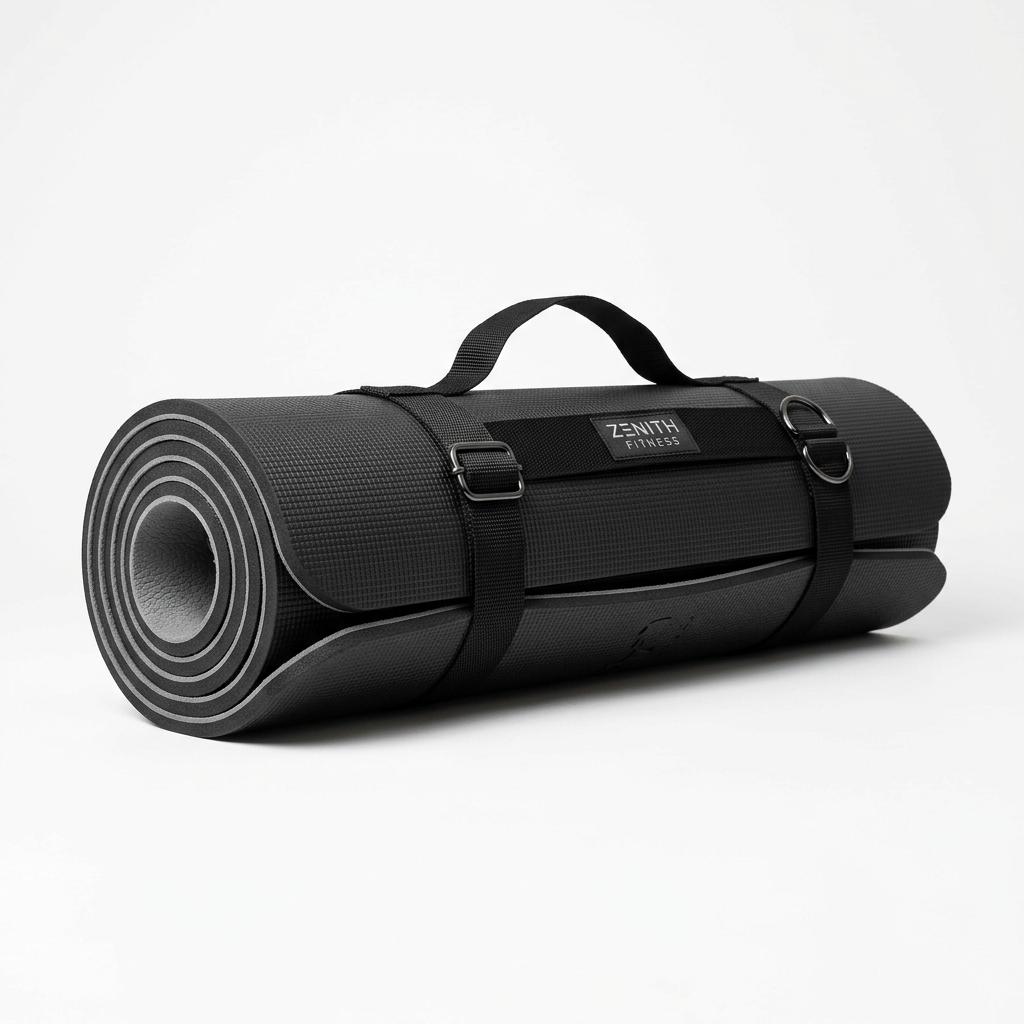 |
Gaiam Essentials Thick Yoga Mat | $20-$30 | Best Overall | Check Price |
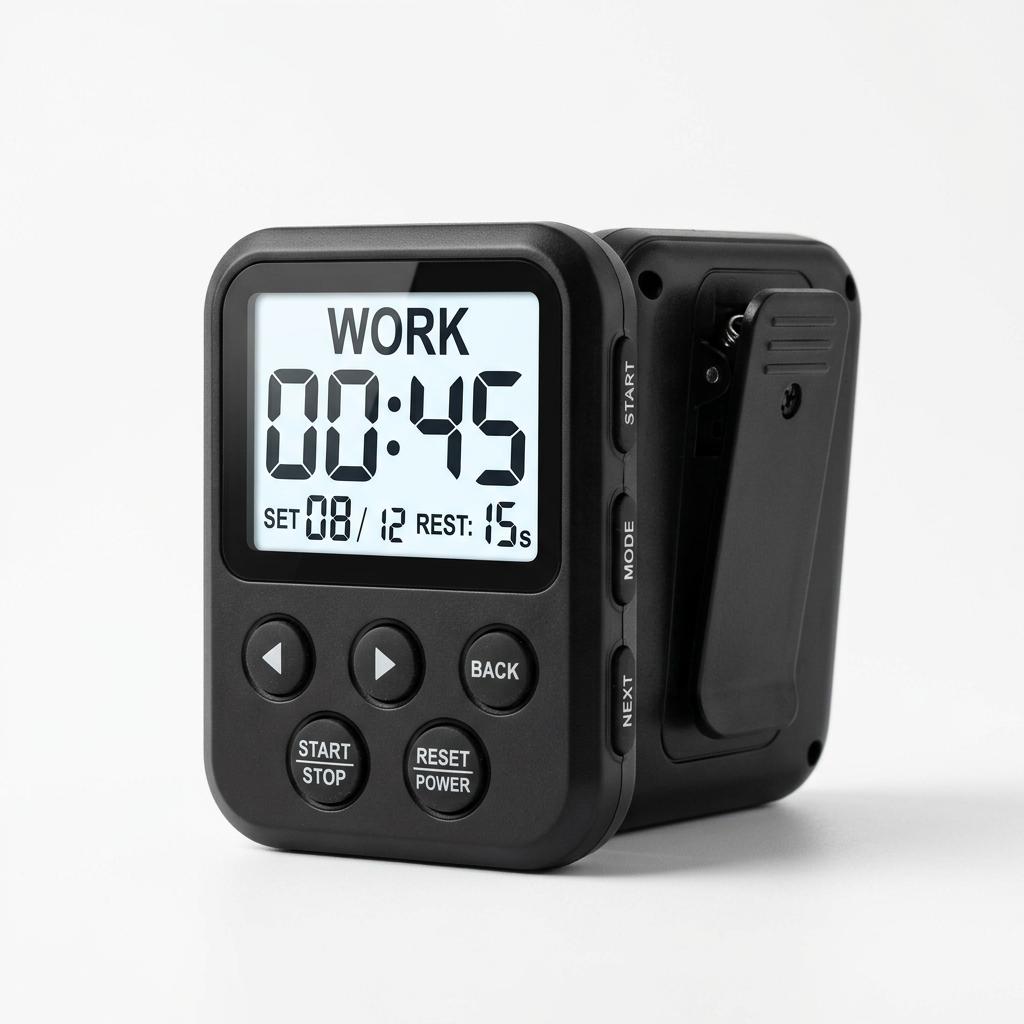 |
Gymboss Interval Timer and Stopwatch | $20-$25 | Most Essential | Check Price |
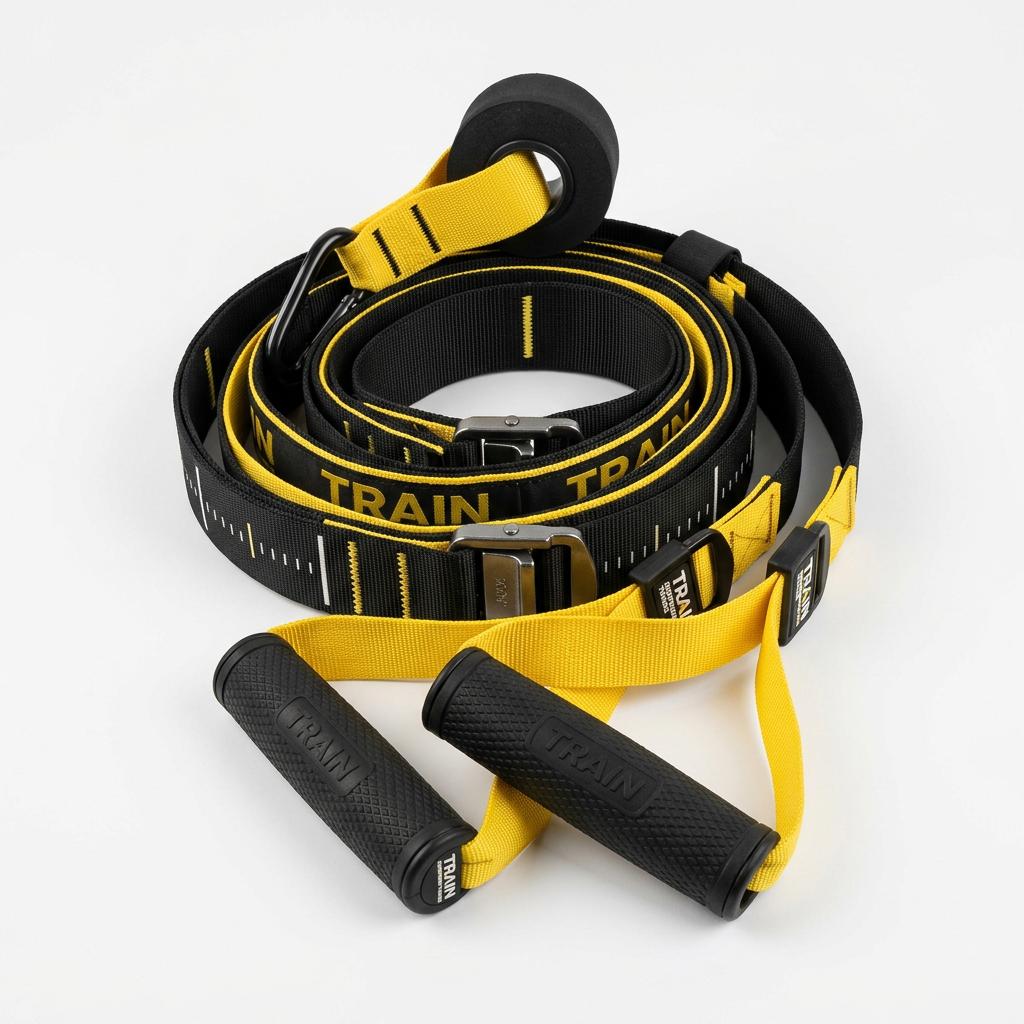 |
TRX All-in-One Suspension Trainer | $150-$170 | Premium Pick | Check Price |
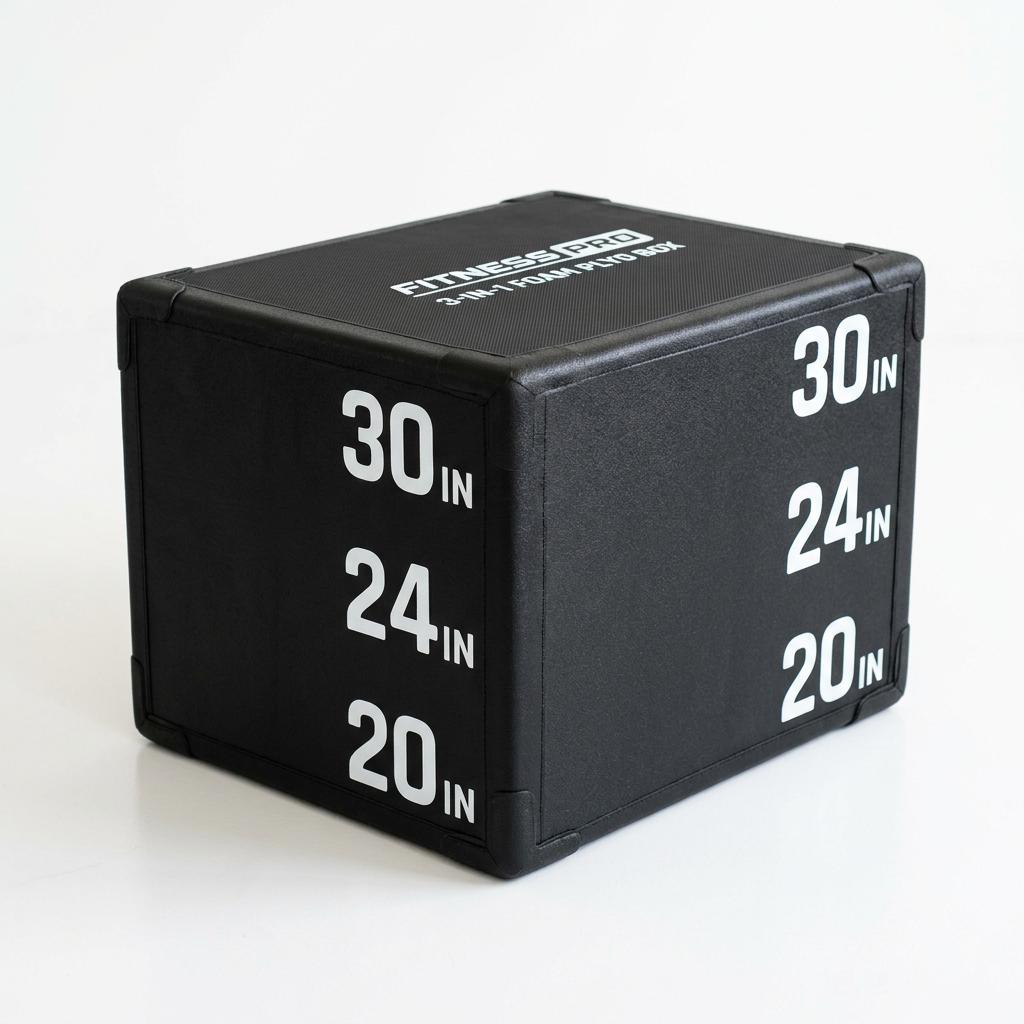 |
BalanceFrom 3-in-1 Plyometric Jump Box | $60-$80 | Best for Plyometrics | Check Price |
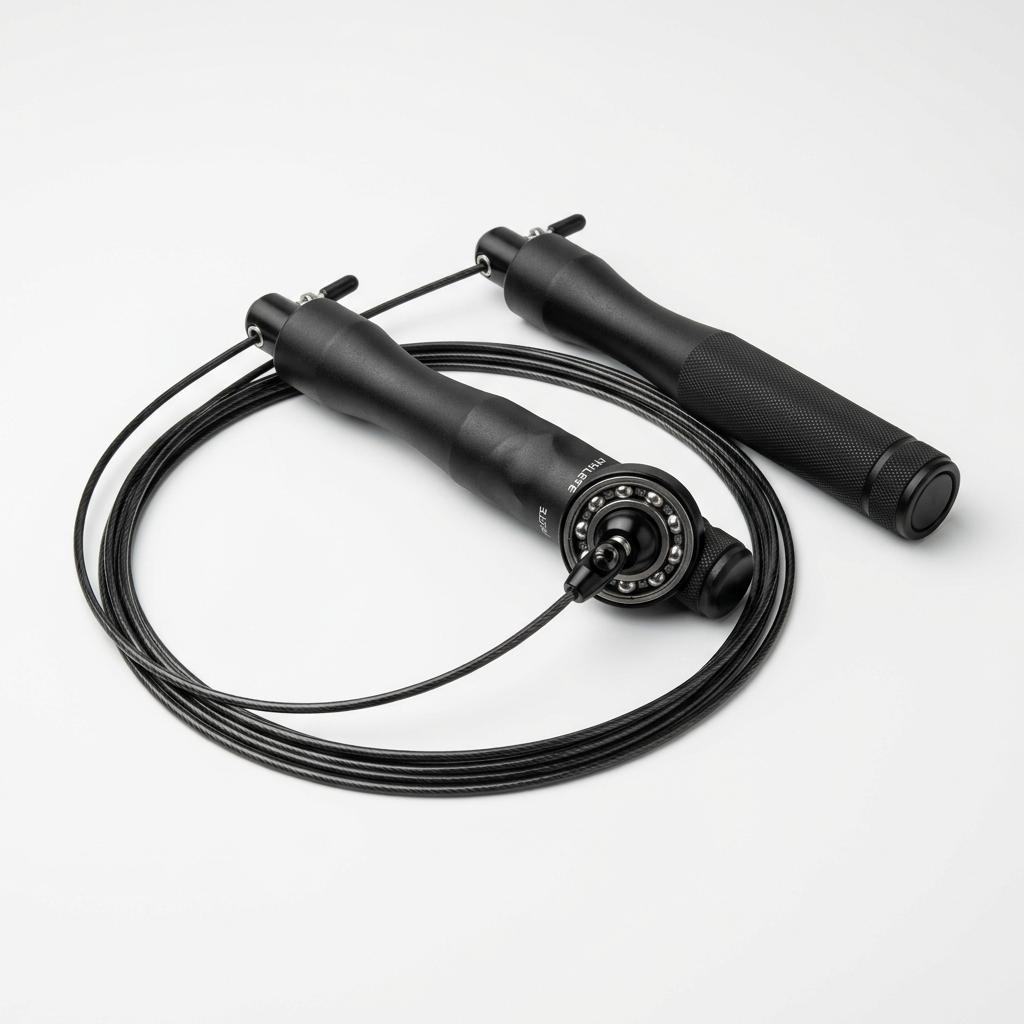 |
DEGOL Speed Jump Rope | $10-$15 | Best Budget | Check Price |
The perfect workout mat for HIIT training with thick cushioning to protect joints during high-impact movements.
A dedicated interval timer designed specifically for HIIT training that keeps your workouts on track without phone distractions.
The original suspension trainer that turns any space into a full gym, perfect for adding resistance to bodyweight HIIT circuits.
A versatile 3-in-1 plyo box that adds explosive jump training to HIIT circuits while prioritizing safety with foam construction.
An affordable but high-performing speed rope that adds cardio intervals to any HIIT workout.
The Gaiam Essentials Thick Yoga Mat provides the ideal foundation for bodyweight HIIT workouts. At 2/5-inch thick, it offers excellent cushioning for plyometric movements like burpees and jump squats while still providing a stable surface for planks and push-ups. The non-slip textured surface ensures you won't slide around during intense, sweaty sessions. The included carrying strap makes it easy to roll up and store or take to outdoor workout spots.
Check Price on Amazon
The Gymboss Interval Timer is the ultimate HIIT companion. Unlike phone apps that can be distracting or hard to hear, this dedicated timer offers both audible beeps and vibration alerts to signal work and rest periods. It supports any interval protocol from standard Tabata (20s work/10s rest) to custom EMOM setups. The compact clip-on design attaches to your shorts or shirt so it stays with you through burpees, sprints, and box jumps. The battery lasts for months of regular use.
Check Price on Amazon
The TRX All-in-One Suspension Trainer is the premium choice for bodyweight HIIT enthusiasts. By leveraging your bodyweight against gravity, the TRX system enables hundreds of exercises from suspended push-ups and rows to pistol squat progressions and core-intensive pikes. The included TRX app provides access to a vast workout library with structured programs for all fitness levels. The industrial-quality straps and secure door anchor system ensure safety during explosive movements.
Check Price on Amazon
The BalanceFrom 3-in-1 Plyometric Box is a game-changer for HIIT workouts. Unlike traditional wooden plyo boxes that can cause painful shin injuries, this foam-constructed box provides a forgiving landing surface without sacrificing stability. With three height options by simply rotating the box, you can progress from beginner step-ups to advanced box jumps. It's perfect for adding explosive power work to HIIT circuits and the non-slip surface ensures secure takeoffs and landings.
Check Price on Amazon
The DEGOL Speed Jump Rope punches well above its price point. The ball-bearing system ensures smooth, tangle-free rotation that makes double-unders achievable even for intermediate jumpers. The adjustable cable length means it works for users of any height, and the lightweight design minimizes arm fatigue during longer HIIT sessions. Jump rope intervals are one of the most effective cardio additions to bodyweight circuits, and this rope delivers pro-level performance at a budget price.
Check Price on Amazon