10-Minute HIIT Workout for Apartments: Burn Fat, Save Time
An intense 10-minute HIIT workout designed for apartments. Burn maximum calories with minimal space and no equipment nee...
Learn the science of body recomposition—losing fat while building muscle. We cover nutrition, training, who it works for, and realistic timelines for apartment gym trainees.
Body recomposition—the simultaneous reduction of body fat and increase of lean muscle mass—is one of the most sought-after fitness outcomes. It is also one of the most misunderstood. The process is physiologically possible but constrained by training experience, body composition, age, and the precision of nutritional execution.
In short: Body recomposition works best for beginners to early-intermediate trainees, individuals returning after a layoff, and those with higher body fat percentages (roughly 15%+ for men, 25%+ for women). Advanced lifters and lean individuals should separate fat loss and muscle-building phases for optimal results. Recomposition requires precise nutrition, progressive resistance training, and patience—results are slower than dedicated bulking or cutting.
Muscle growth (muscle protein synthesis exceeding breakdown) and fat loss (energy expenditure exceeding intake) are often presented as mutually exclusive because:
However, these processes are not strictly opposing. Published research demonstrates that under specific conditions, both can occur simultaneously:
A 2021 systematic review in Sports Medicine concluded that body recomposition is "frequently observed in naive and overweight/obese individuals engaged in resistance training" but becomes less likely as training experience increases and body fat decreases.
| Profile | Why It Works | Expected Timeline |
|---|---|---|
| Complete beginner (no prior resistance training) | Novel stimulus produces rapid adaptation; any structured training works | 3–6 months of visible change |
| Returning after 6+ month layoff | Muscle memory accelerates regain; detrained muscle responds faster than naive muscle | 2–4 months of visible change |
| Overweight (men 20%+ BF, women 30%+ BF) | Large fat stores provide energy; deficit is easy to establish without extreme restriction | 3–6 months of visible change |
| Poor nutrition previously | Simply adding adequate protein and correcting energy intake drives change | 2–4 months |
| Profile | Challenges | Adjustments Needed |
|---|---|---|
| Intermediate (1–3 years training) | Slower adaptation; must be more precise with nutrition and programming | Tighter protein and calorie targets; periodized training |
| Men 12–15% body fat | Limited energy surplus from body stores; deficit must be very slight | Small deficit (-200 to -300 kcal); high protein |
| Women 20–25% body fat | Similar constraints as above; hormonal considerations | Small deficit; adequate dietary fat intake |
| Profile | Why Phases Work Better |
|---|---|
| Advanced lifter (3+ years) | Adaptation rate is slow; dedicated surplus optimizes muscle gain |
| Men under 10% body fat | Insufficient body energy stores; muscle loss risk in deficit |
| Women under 18% body fat | Very lean; hormonal disruption risk with sustained deficit |
| Competitive athlete in season | Performance priority requires adequate energy availability |
Body recomposition requires either:
Option A: Maintenance calories with training-driven recomposition
Option B: Slight deficit (approximately 10–15% below maintenance)
Option C: Alternating days (undulation)
Protein intake is the most important nutritional variable for recomposition. Published research consistently shows that higher protein intakes preserve and build lean mass during energy deficits.
Recommended protein intake: 0.8–1.2 g per pound of body weight per day (1.8–2.6 g per kg)
| Body Weight | Minimum Protein | Target Protein | Upper Protein |
|---|---|---|---|
| 120 lb (54 kg) | 96 g | 120 g | 144 g |
| 150 lb (68 kg) | 120 g | 150 g | 180 g |
| 180 lb (82 kg) | 144 g | 180 g | 216 g |
| 210 lb (95 kg) | 168 g | 210 g | 252 g |
Higher protein intake is beneficial during recomposition because:
After protein is set, distribute remaining calories between fat and carbohydrates:
There is no universally superior macro ratio for recomposition. Individual tolerance, training modality, and preference determine optimal distribution. Our analysis indicates that sufficient carbohydrates to support training quality (typically 1–3 g per pound for active individuals) produces better body composition outcomes than very-low-carb approaches combined with resistance training.
Total daily intake matters more than meal timing. However, distributing protein across 3–5 meals (each containing 25–40 g protein) may slightly optimize muscle protein synthesis compared to 1–2 large protein feedings. Pre- and post-workout nutrition is relevant but not critical if daily totals are met.
Cardiovascular exercise alone does not produce body recomposition. Resistance training provides the mechanical stimulus that signals the body to build or preserve muscle tissue. Without this signal, caloric deficits result in muscle loss alongside fat loss.
Day 1: Lower Body
Day 2: Upper Body Push + Pull
Day 3: Rest or Light Activity
Day 4: Full Body
Day 5: Upper Body + Arms
Days 6–7: Rest or Light Activity
Cardiovascular exercise supports recomposition by increasing energy expenditure, but it should not interfere with resistance training recovery or performance.
Body recomposition progress is best assessed through multiple metrics, not just scale weight:
| Metric | How to Measure | Frequency | Target |
|---|---|---|---|
| Body weight | Morning, after bathroom, before eating | Weekly average | Stable or slowly declining (0.25–0.5 lb/week for those in deficit) |
| Waist circumference | At navel, relaxed | Weekly | Gradual decrease |
| Progress photos | Consistent lighting, poses | Every 2–4 weeks | Visual comparison over time |
| Strength in gym | Logbook of weights, reps, sets | Every session | Progressive increase |
During recomposition, scale weight may remain stable or change minimally even as significant body composition shifts occur. A 2 lb loss of fat combined with a 2 lb gain of muscle produces zero scale change—but dramatically different appearance and health markers.
Our analysis: Track waist circumference and progress photos more closely than scale weight. A shrinking waist with stable or increasing strength indicates successful recomposition regardless of what the scale shows.
Body recomposition is slower than dedicated bulking or cutting. Setting appropriate expectations prevents discouragement:
| Trainee Level | Visible Change Timeline | Rate of Change |
|---|---|---|
| Beginner | 4–8 weeks | Fastest progress; dramatic visual changes possible |
| Early intermediate | 8–16 weeks | Moderate progress; requires patience and precision |
| Intermediate | 16–24+ weeks | Slow progress; small but meaningful changes |
| Advanced | Use dedicated phases | Recomposition unlikely; bulk/cut cycles recommended |
Q: Can I recomp without tracking calories?
Beginners and higher-body-fat individuals often achieve recomposition without precise tracking by establishing consistent meal patterns, prioritizing protein, and training hard. As experience increases, precision becomes more necessary.
Q: Should I use a body recomposition calculator?
Online calculators provide starting estimates for calories and protein. Treat them as starting points, not gospel. Adjust based on real-world progress after 2–3 weeks of consistent execution.
Q: Can women recomp as effectively as men?
Women can successfully recompose, though hormonal fluctuations across the menstrual cycle may affect water retention and strength. Training and nutrition principles remain the same. Some women find recomposition easier during the follicular phase (first half of cycle) when estrogen is elevated.
Q: Do I need supplements for recomposition?
No. Supplements are optional. Creatine monohydrate (5 g daily) has the strongest evidence base for supporting strength and lean mass during recomposition. Protein powder is convenient but not necessary if whole-food protein targets are met.
| Factor | Recommendation |
|---|---|
| Who should recomp | Beginners, returnees, higher-body-fat individuals |
| Who should use phases | Advanced lifters, very lean individuals |
| Caloric approach | Maintenance or slight deficit (-10 to -15%) |
| Protein target | 0.8–1.2 g per pound of body weight |
| Training focus | Progressive resistance training, 4–5 days/week |
| Cardio | Moderate (2–4 sessions/week), not excessive |
| Timeline | 12–16 weeks minimum for meaningful assessment |
| Key tracking metrics | Waist circumference, strength, progress photos |
As an Amazon Associate we earn from qualifying purchases.
| Image | Product | Price | Badge | Link |
|---|---|---|---|---|
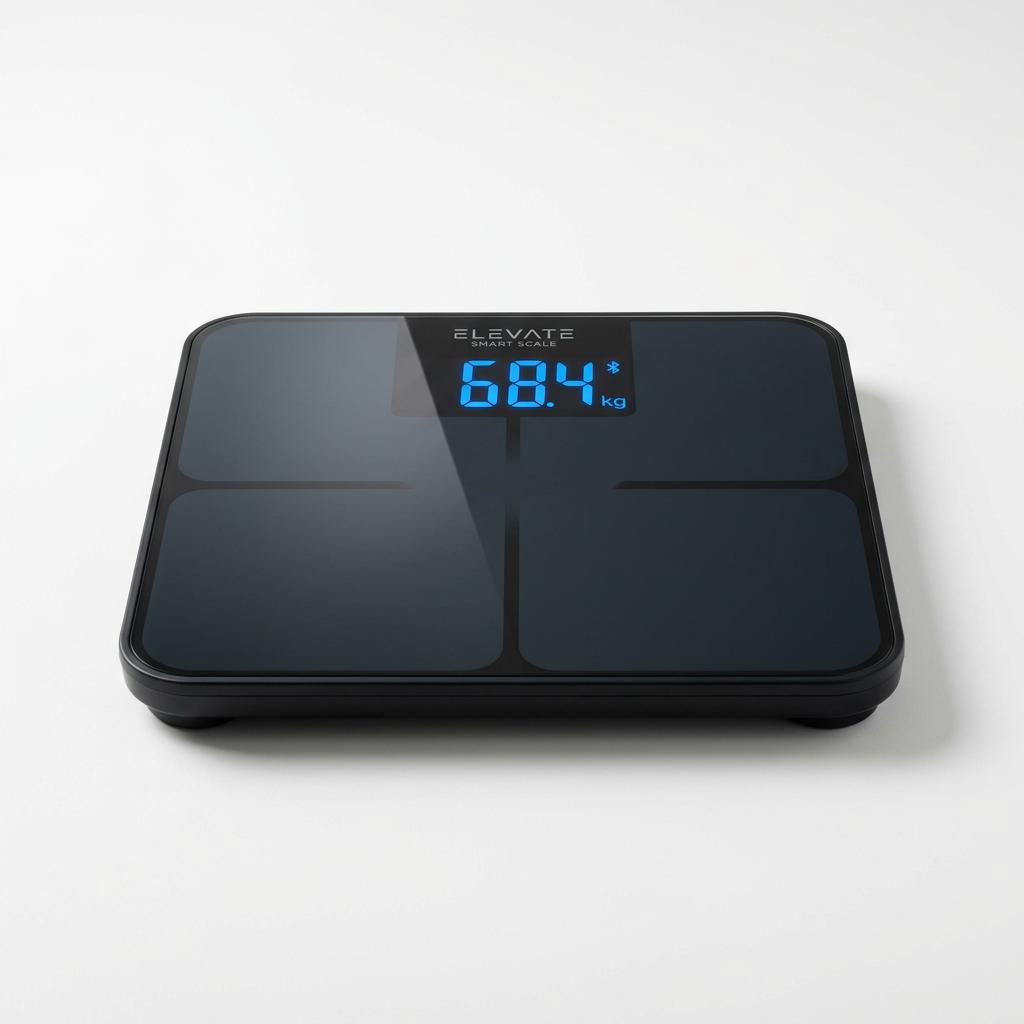 |
RENPHO Smart Body Fat Scale | $25-$35 | Best Overall | Check Price |
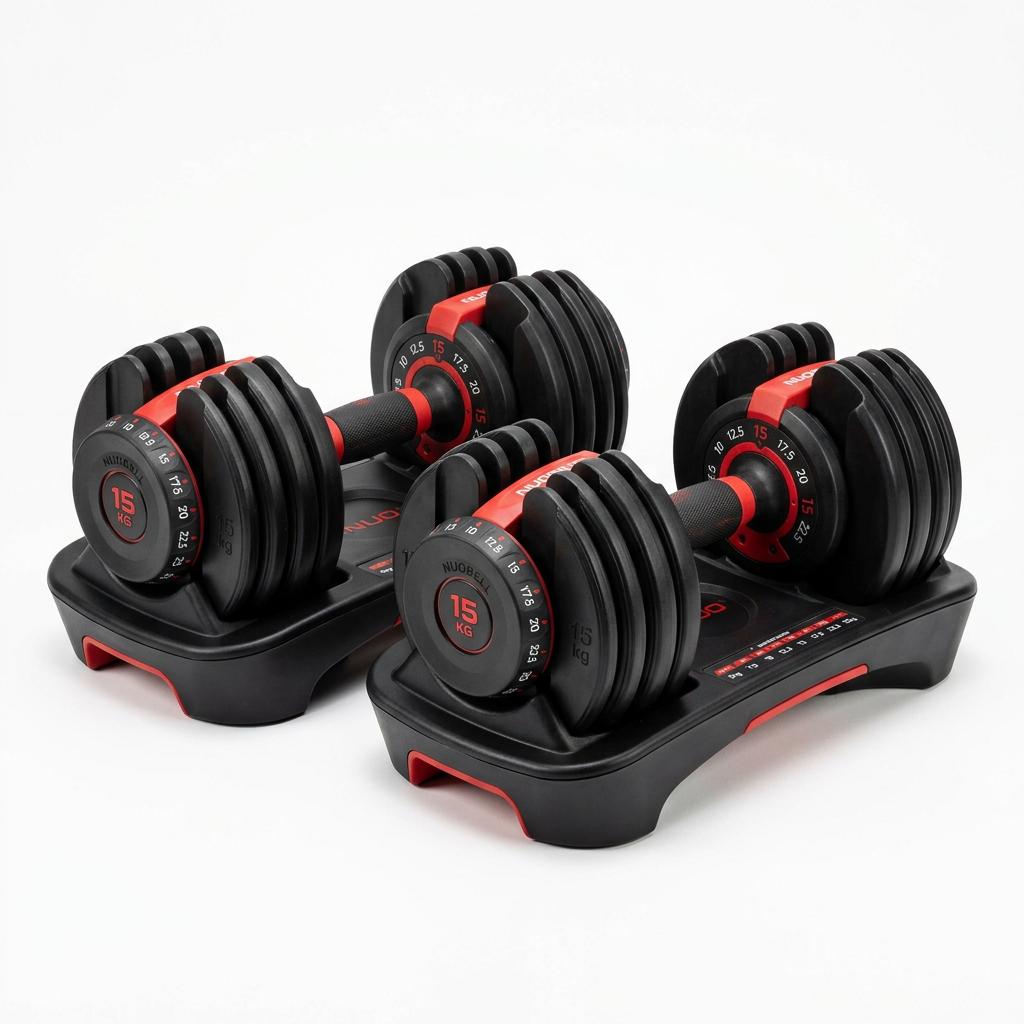 |
Bowflex SelectTech 552 Adjustable Dumbbells | $400-$450 | Premium Pick | Check Price |
 |
Optimum Nutrition Gold Standard 100% Whey Protein | $50-$65 | Best Value | Check Price |
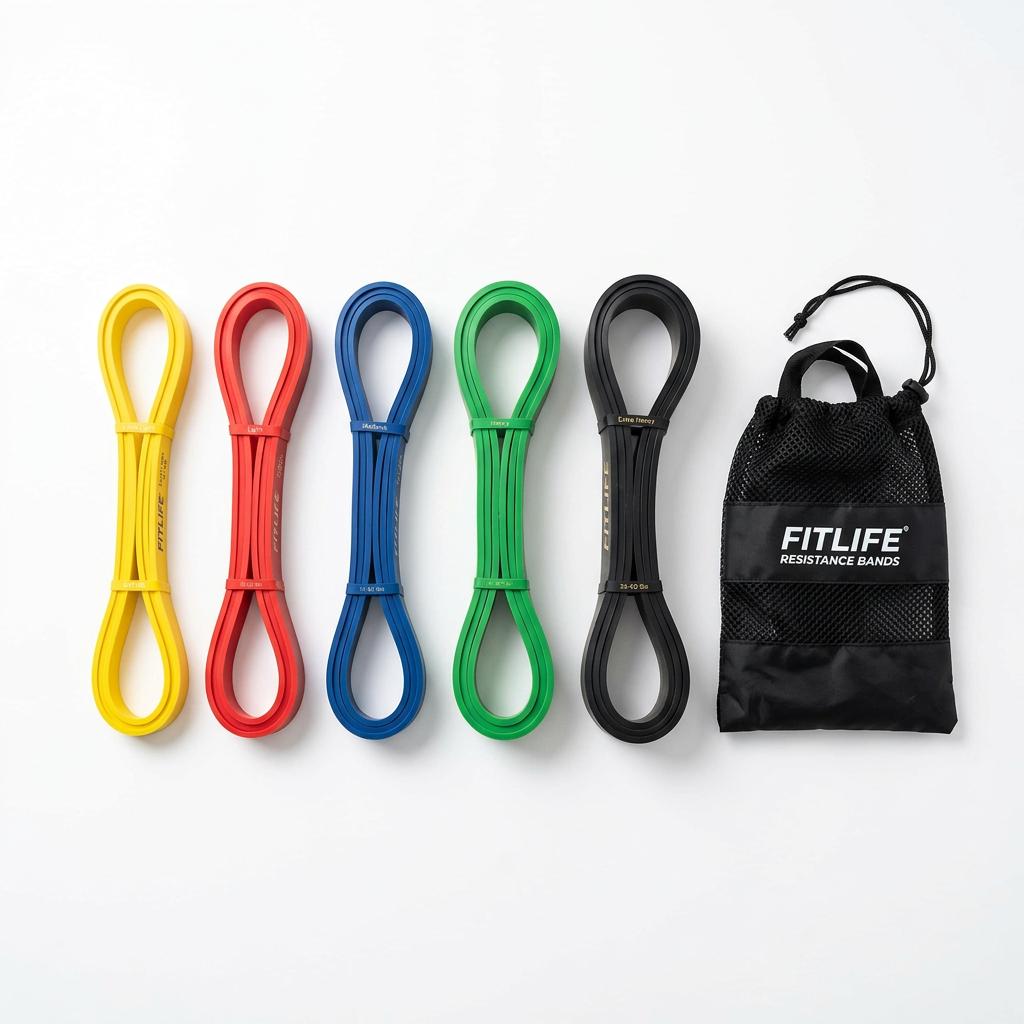 |
Fit Simplify Resistance Loop Bands | $10-$15 | Best Budget | Check Price |
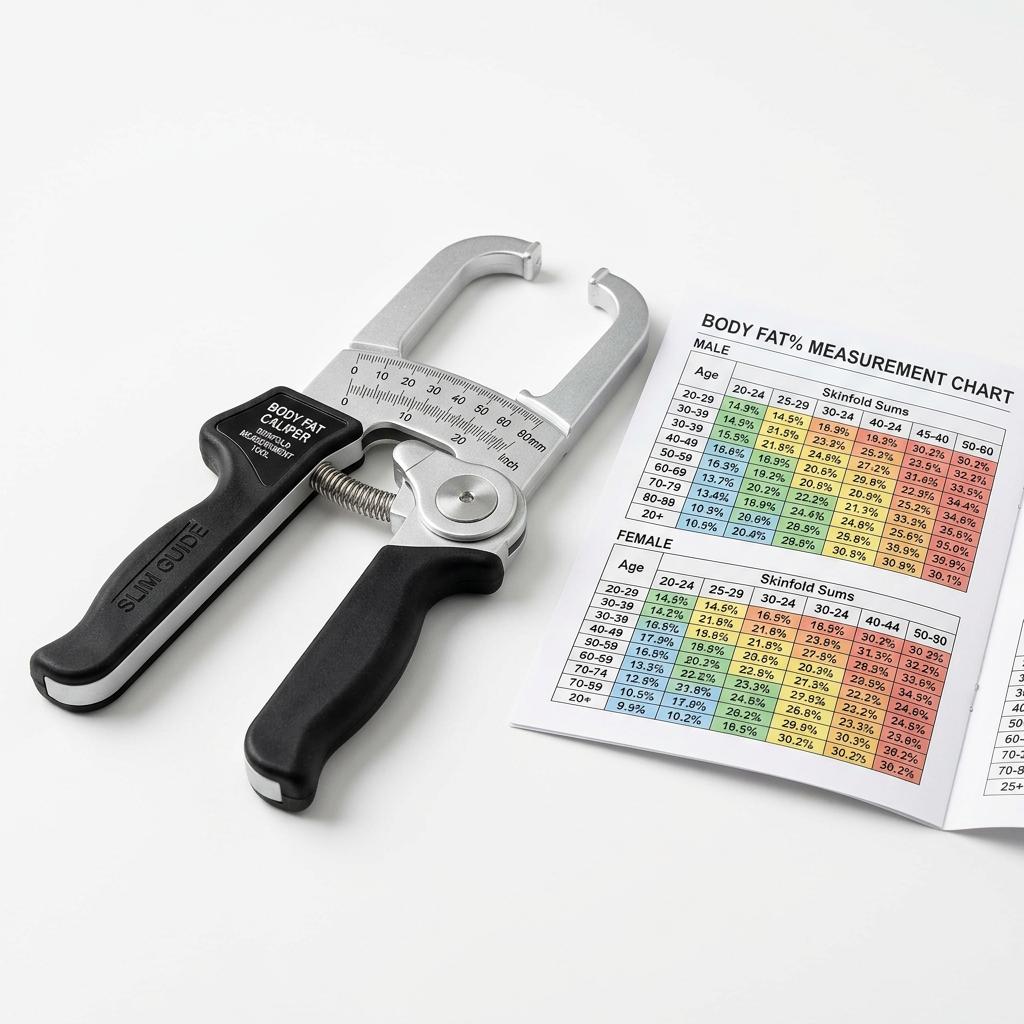 |
Accu-Measure Body Fat Caliper | $8-$12 | Most Accurate | Check Price |
The best smart scale for tracking body recomposition progress with comprehensive metrics at an affordable price.
The gold standard in adjustable dumbbells, replacing an entire rack while delivering seamless weight transitions for progressive overload.
The best-selling whey protein powder that delivers high-quality protein to support muscle growth during body recomposition.
An incredibly affordable set of resistance bands perfect for adding progressive resistance to body recomposition workouts.
An inexpensive but highly effective tool for directly measuring body fat percentage changes during recomposition.
The RENPHO Smart Scale is an essential tool for anyone serious about body recomposition. It tracks 13 key metrics including body fat percentage, muscle mass, bone mass, and visceral fat, giving you a complete picture of your body composition changes over time. The Bluetooth connectivity seamlessly syncs data to the Renpho app, which integrates with Apple Health, Google Fit, and Fitbit. With unlimited user profiles, your whole family can track their progress individually.
Check Price on Amazon
The Bowflex SelectTech 552 dumbbells are the ultimate space-saving solution for body recomposition training. With a simple turn of a dial, you can select weights from 5 to 52.5 pounds, allowing for precise progressive overload as you build muscle. The durable molding around metal plates ensures quiet, smooth operation. While the upfront cost is significant, these replace 15 separate dumbbell pairs and pay for themselves in space savings alone.
Check Price on Amazon
Optimum Nutrition Gold Standard Whey has been the industry benchmark for protein supplements for over a decade. Each serving delivers 24g of fast-absorbing whey protein with 5.5g of BCAAs to support muscle recovery and growth. With only 1-3g of sugar per serving depending on flavor, it fits perfectly into both bulking and cutting phases. The wide range of flavors means you'll never get bored, and the Informed Sport certification ensures quality and purity.
Check Price on Amazon
These Fit Simplify Resistance Loop Bands are the most versatile and affordable addition to any body recomposition program. The set includes 5 bands ranging from extra-light (ideal for warm-ups and rehab) to extra-heavy (perfect for glute activation and strength work). They are perfect for adding resistance to bodyweight exercises, activation drills before heavy lifts, and travel workouts when you can't access a gym. The included instruction guide helps beginners get started immediately.
Check Price on Amazon
The Accu-Measure Body Fat Caliper is the gold standard for affordable body fat tracking. Unlike bioelectrical impedance scales that can fluctuate with hydration, skinfold calipers directly measure subcutaneous fat when used consistently. The included measurement chart and detailed instructions make it easy to learn proper technique. While it takes some practice to get consistent readings, it provides a direct measurement of fat loss progress that's invaluable for body recomposition tracking.
Check Price on Amazon