10-Minute HIIT Workout for Apartments: Burn Fat, Save Time
An intense 10-minute HIIT workout designed for apartments. Burn maximum calories with minimal space and no equipment nee...
A research-backed guide to BFR training for home gyms, covering equipment selection, safety protocols, exercise programming, and the science behind occlusion training.
Full FTC disclosure: SnugGym is reader-supported. When you buy through links on our site, we may earn an affiliate commission at no extra cost to you. We test and research every product we recommend.
Blood flow restriction (BFR) training — also known as occlusion training or KAATSU — involves applying a cuff or band to the proximal portion of a limb (upper arm or upper thigh) to partially restrict arterial blood flow and fully restrict venous return during low-load resistance exercise. This creates a hypoxic, metabolite-rich environment in the muscle that stimulates hypertrophy at loads far below those normally required for muscle growth.
The concept originated in Japan in the 1960s, developed by Dr. Yoshiaki Sato as KAATSU training. For decades it remained a niche technique, but the past fifteen years have seen an explosion of research validating its efficacy. BFR is now used by professional athletes, physical therapy clinics, military rehabilitation programs, and NASA for maintaining muscle mass during spaceflight.
For home gym users, BFR offers a unique value proposition: the ability to stimulate muscle growth using loads as light as 20-40% of one-rep maximum — weights that would normally produce minimal hypertrophy without restriction. This is particularly valuable for joint injuries, deload periods, and situations where heavy loading isn't practical.
Venous occlusion traps metabolites — lactate, hydrogen ions, creatine, inorganic phosphate — in the working muscle. This accumulation exceeds what's achievable with normal training, creating extreme metabolic stress. Research by Takarada et al. (2000) first demonstrated that this metabolic environment stimulates anabolic signaling pathways including mTOR activation and growth hormone release comparable to heavy resistance training.
The hypoxic environment created by BFR causes rapid fatigue of slow-twitch (Type I) muscle fibers. As these fibers fatigue, the nervous system is forced to recruit fast-twitch (Type II) fibers — the fibers with the greatest growth potential — even at very light loads. Normally, these high-threshold motor units only activate under heavy loading. BFR achieves similar recruitment patterns with 30% of the load.
The restricted venous return creates substantial fluid accumulation within the muscle — visible as a dramatic pump during BFR sets. This cell swelling is hypothesized to trigger anabolic signaling through mechanotransduction pathways. The muscle perceives the swelling as a threat to structural integrity and responds by increasing protein synthesis.
BFR training produces disproportionate elevations in systemic anabolic hormones, particularly growth hormone. Studies show BFR protocols can increase circulating growth hormone levels 2-3x above baseline — levels comparable to heavy resistance training or high-intensity sprinting. This systemic hormonal environment may enhance recovery and adaptation across all trained muscles.
Emerging research suggests BFR may increase the number of myonuclei in muscle fibers — permanent adaptations that expand the muscle's capacity for future growth. These myonuclear additions persist even during detraining periods, potentially making BFR a long-term investment in muscle growth capacity.
The scientific literature on BFR training is now substantial and consistently positive:
The evidence is robust: BFR works. It produces muscle growth at loads that normally wouldn't stimulate adaptation. It's not a gimmick or a marginal technique — it's a validated training methodology with decades of research support.
Professional BFR cuffs use pneumatic inflation to achieve precise, measurable pressure. Most systems include a pump and pressure gauge, allowing you to set specific occlusion percentages.
Advantages:
Recommended pressure ranges:
Cost: $50-400 depending on brand and features. Single-limb systems are less expensive; dual-limb systems with integrated pumps are premium.
Resistance bands, knee wraps, or specialized BFR bands can be wrapped around limbs to create occlusion. This is the approach many home gym users start with.
Advantages:
Disadvantages:
Wrapping guidelines for bands:
For serious BFR training, dedicated cuffs are worth the investment. The precision, safety, and consistency they provide justify the cost for anyone using BFR regularly. Elastic bands are a reasonable entry point to experiment with the technique, but upgrade to cuffs if BFR becomes a staple in your programming.
BFR training is safe when performed correctly, but the safety margin depends on adherence to established guidelines. The following recommendations reflect the consensus of BFR research and clinical practice:
| Condition | Reason |
|---|---|
| History of deep vein thrombosis (DVT) or blood clotting disorders | Increased clot risk from stasis |
| Cardiovascular disease | Unknown cardiac stress response |
| Pregnancy | Insufficient safety data |
| Cancer (active or recent) | Theoretical metastasis risk from altered circulation |
| Sickle cell trait or disease | Risk of sickling under hypoxic conditions |
| Severe hypertension | Exacerbated by occlusion |
| Varicose veins in the occlusion zone | Direct pressure on compromised vasculature |
| Open wounds or infections on the limb | Impaired healing and infection risk |
The most widely researched and validated BFR protocol uses the following structure:
| Set | Reps | Rest |
|---|---|---|
| Set 1 | 30 reps | 30 seconds |
| Set 2 | 15 reps | 30 seconds |
| Set 3 | 15 reps | 30 seconds |
| Set 4 | 15 reps | Remove cuffs |
Total: 75 reps per exercise in approximately 5-7 minutes
BFR works best with isolation movements that target specific muscles distal to the cuff application. The muscle must be distal to the restriction point to experience the hypoxic environment.
Upper Body (cuff on upper arm):
| Exercise | Target Muscle | Notes |
|---|---|---|
| Bicep curl | Biceps | Classic BFR exercise; enormous pump |
| Tricep extension | Triceps | Pushdowns or overhead extensions |
| Wrist curl | Forearms | Distal enough to benefit from arm cuffs |
| Lateral raise | Medial deltoid | Light weight, high reps |
Lower Body (cuff on upper thigh):
| Exercise | Target Muscle | Notes |
|---|---|---|
| Leg extension | Quadriceps | Most researched BFR exercise |
| Leg curl | Hamstrings | Prone or seated variations |
| Calf raise | Gastrocnemius | Standing or seated |
| Bodyweight squat | Full lower body | For rehab or very light loading |
While isolation exercises are the standard, BFR can be applied to compound movements at very light loads:
These applications are most common in rehabilitation settings where heavy loading is contraindicated.
| Exercise | Reason |
|---|---|
| Free-weight squats with BFR | Balance and spinal loading create unnecessary risk at BFR intensities |
| Deadlifts | Spinal compression with light loads provides no benefit |
| Olympic lifts | Technical precision required; light loads defeat the purpose |
| Any exercise proximal to the cuff | Chest press with arm cuffs affects triceps but not chest meaningfully |
For those who cannot train heavy — due to injury, equipment limitations, or joint issues — BFR can serve as the primary muscle-building stimulus:
Frequency: 2-3 sessions per week per muscle group Exercises: 2-3 BFR exercises per muscle group Sets: 1 BFR sequence (30-15-15-15) per exercise Load: 20-40% 1RM Progression: Increase reps within the protocol, then increase load
For those using traditional heavy training, BFR provides additional stimulus without adding systemic fatigue:
Application 1 — Post-activation: After heavy sets on a muscle group, add 1 BFR sequence for that muscle. The heavy sets provide mechanical tension; the BFR adds metabolic stress.
Application 2 — Deload weeks: Replace heavy work with BFR during deload periods. This maintains muscle stimulus while allowing joints and nervous system to recover.
Application 3 — Lagging muscle groups: Add BFR work for stubborn muscles after your regular training. The additional metabolic stimulus can break plateaus.
Application 4 — Prehab/Rehab: Use BFR for injured limbs at loads that don't stress healing tissue. Research shows BFR maintains muscle mass during immobilization and accelerates post-surgical recovery.
Upper/Lower Split with BFR:
Upper A (Heavy):
Lower A (Heavy):
Upper B (Moderate + BFR):
Lower B (Moderate + BFR):
BFR's original and most validated application. When injury, surgery, or immobilization prevents heavy loading, BFR maintains muscle mass and accelerates strength recovery:
Always work with a physical therapist for rehabilitative BFR application.
During planned deload weeks, replacing heavy work with BFR maintains the hypertrophy stimulus while reducing systemic stress:
For muscles that have stalled with traditional training, adding BFR finishers provides a novel stimulus:
More pressure is not better. Research shows that pressures beyond the recommended ranges don't enhance results but do increase risk. The goal is partial venous occlusion, not complete arterial cutoff. If your limb turns white or numb, pressure is excessive.
Never exceed 20 minutes of continuous cuff inflation. The 30-15-15-15 protocol takes approximately 5-7 minutes per exercise. You can perform 2-3 exercises per limb within the 20-minute window, then remove cuffs and allow normal circulation before any additional work.
BFR works specifically because of the light loads. Using 60-70% 1RM with BFR doesn't enhance results and increases joint stress unnecessarily. Stay in the 20-40% range. The restriction provides the stimulus; the load doesn't need to.
BFR on squats and deadlifts is generally inadvisable. The systemic cardiovascular stress, balance requirements, and spinal loading create risks that outweigh benefits. Use BFR for isolation work and train compounds traditionally.
The contraindications list exists for reasons validated by case reports. Individuals with clotting disorders, cardiovascular disease, or other listed conditions have experienced adverse events from inappropriate BFR application. When in doubt, consult a physician.
Blood flow restriction training is one of the most valuable tools available to home gym users. It enables muscle growth at loads compatible with rehabilitation, deload periods, and joint-sensitive training phases. The research supporting BFR is robust, the protocols are well-defined, and the equipment is increasingly accessible.
For the home gym user with a single pair of BFR cuffs, the potential applications are extensive: breaking plateaus, maintaining muscle during injury, enhancing deload weeks, and adding time-efficient finishers to regular training. The investment in quality cuffs pays dividends across years of training.
Use BFR as a complement to heavy training, not a replacement. The mechanical tension from heavy resistance remains the primary hypertrophy driver. BFR adds the metabolic dimension, creating a more complete stimulus and addressing the time constraints that limit many home gym users.
Last updated: 2025. BFR training should be learned under qualified supervision when possible. This guide reflects current research but does not replace professional medical or coaching advice.
| Image | Product | Price | Badge | Link |
|---|---|---|---|---|
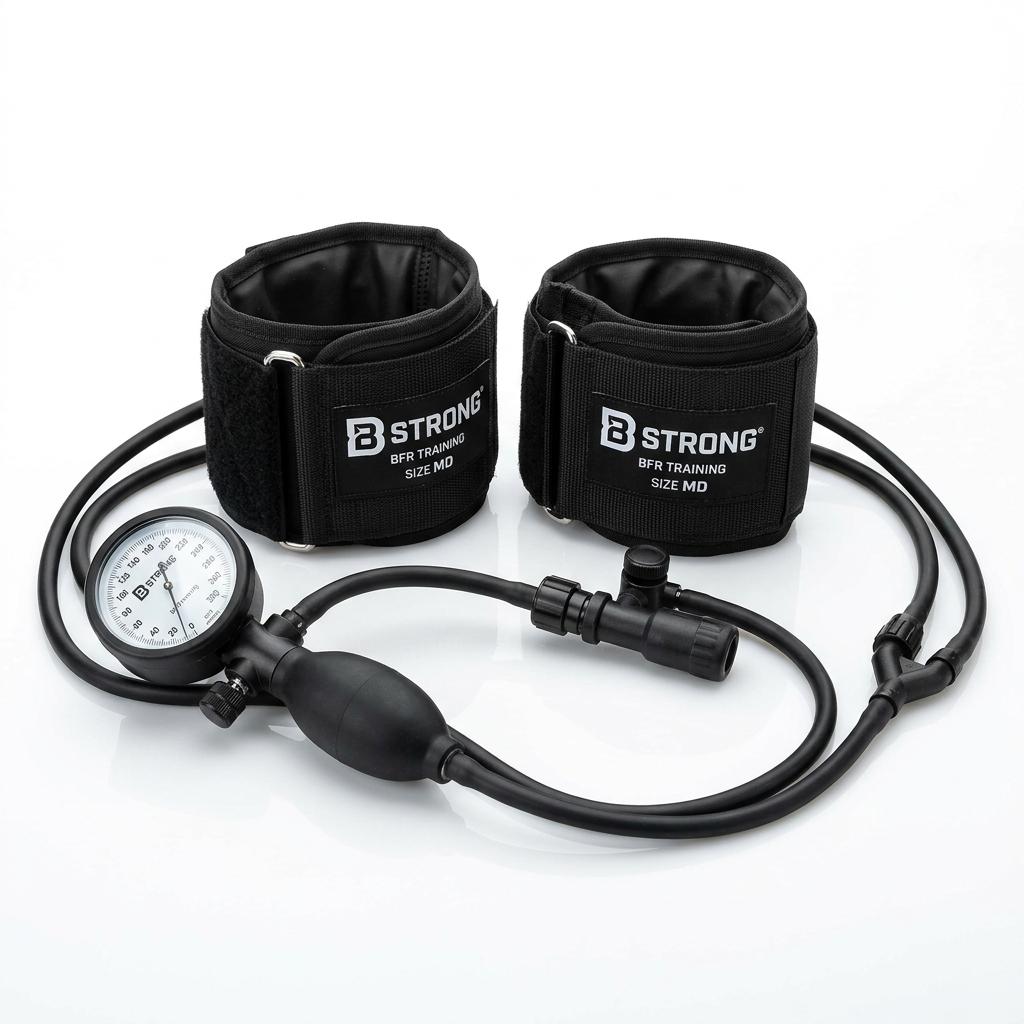 |
B STRONG BFR Training Bands | $349-$449 | Best Overall | Check Price |
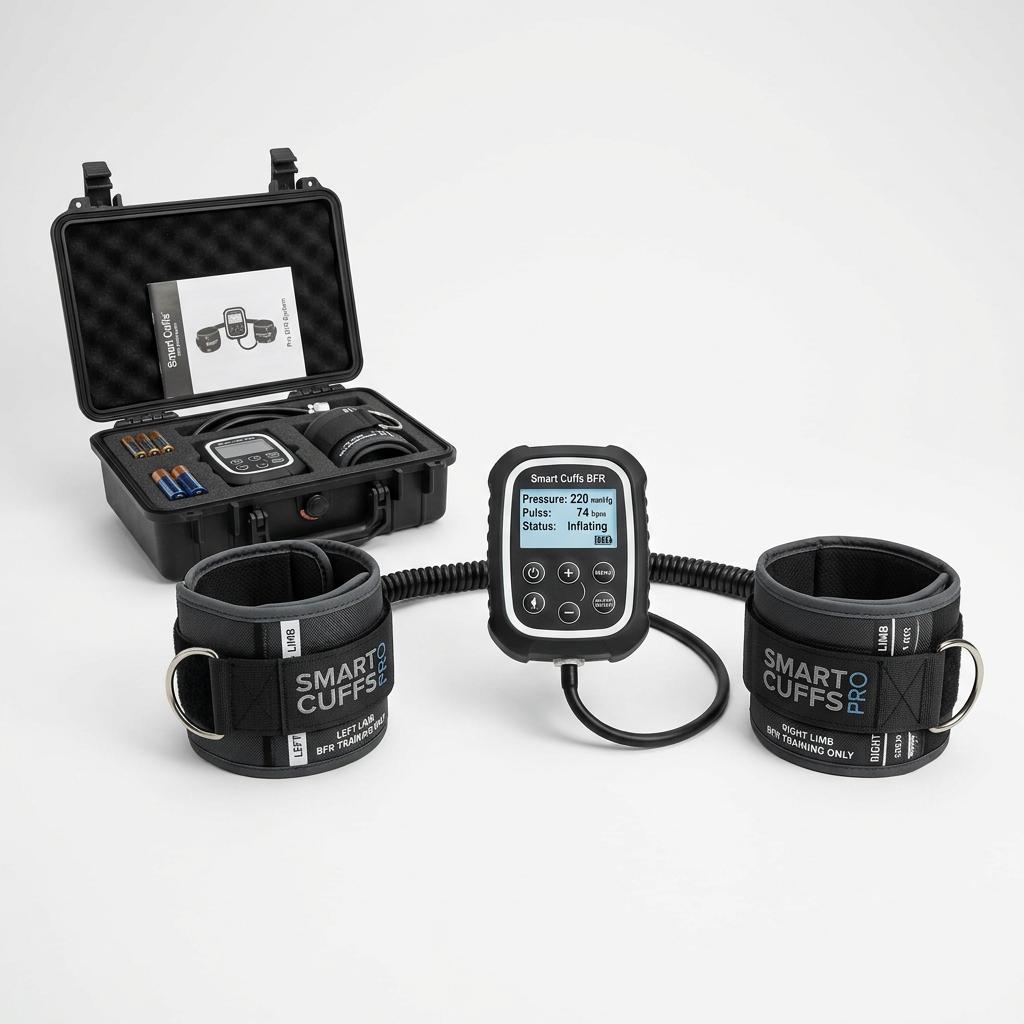 |
Smart Cuffs BFR Professional System | $399-$499 | Best Professional | Check Price |
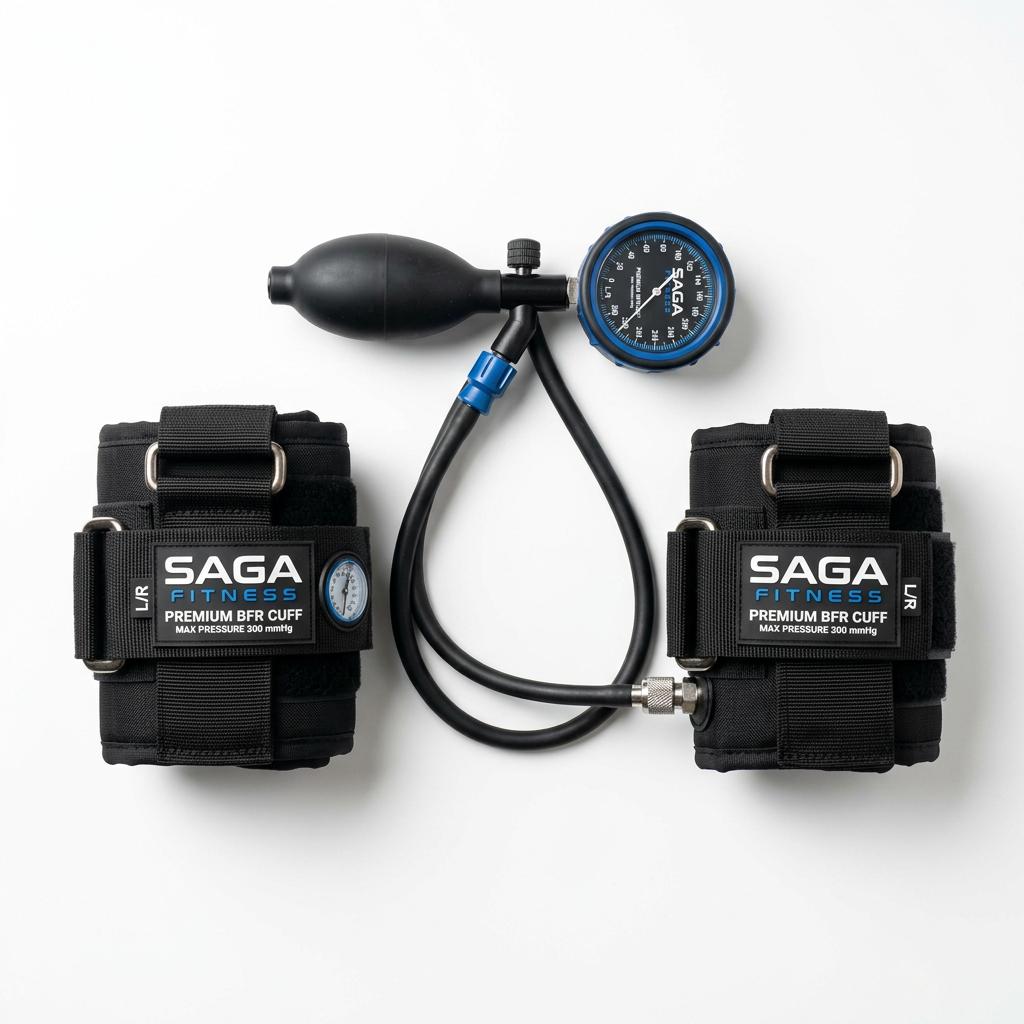 |
SAGA Fitness BFR Cuffs | $89-$149 | Best Budget | Check Price |
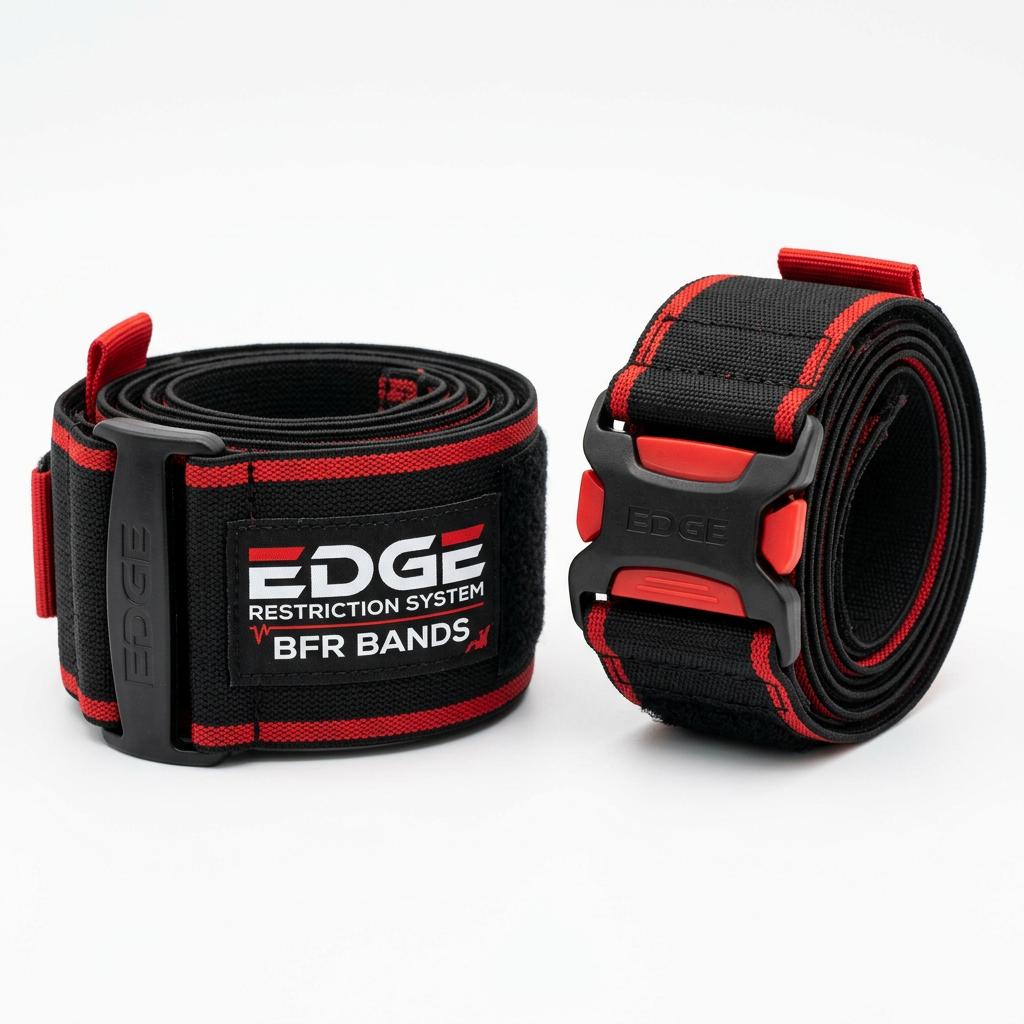 |
EDGE Restriction System BFR Bands | $49-$79 | Best Elastic Bands | Check Price |
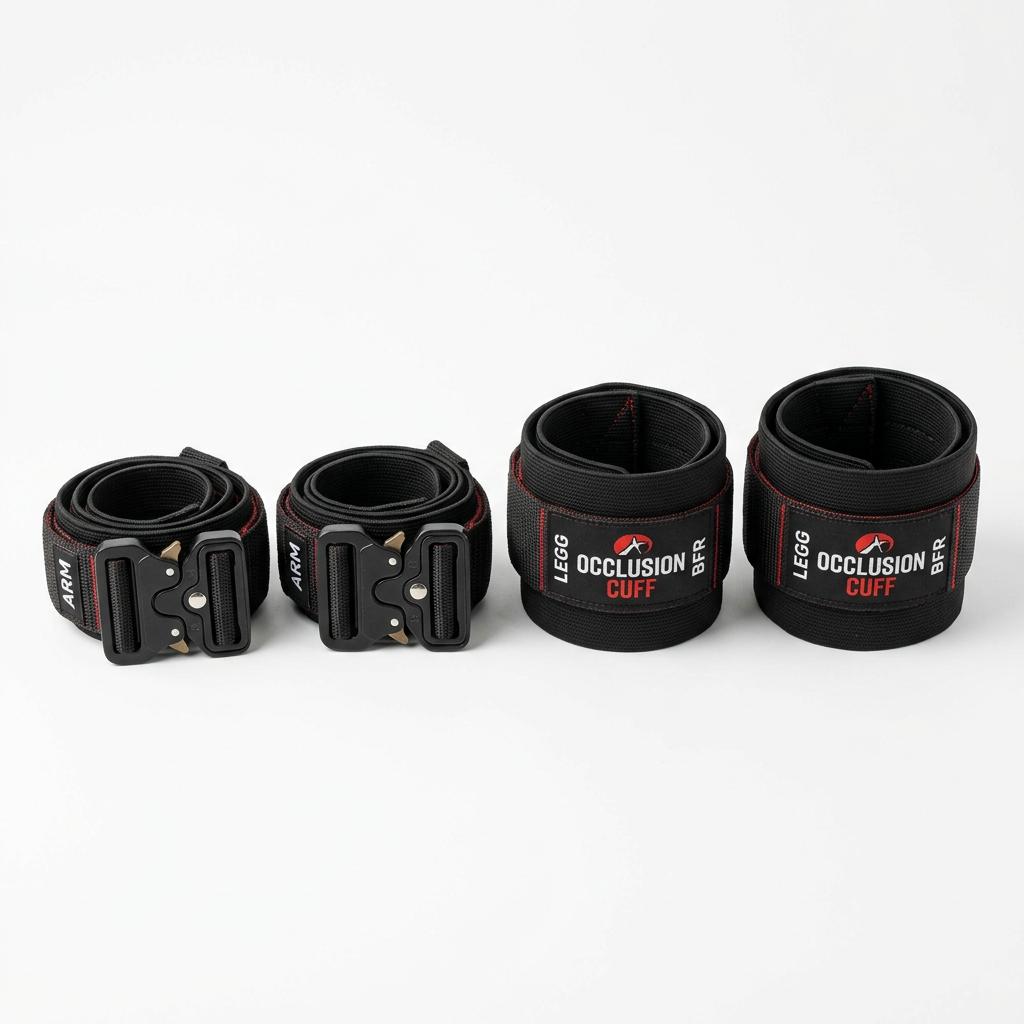 |
Occlusion Cuff BFR Bands Set | $39-$69 | Most Versatile | Check Price |
B STRONG is the gold standard BFR system used by professional athletes and physical therapists.
Smart Cuffs is the clinical-grade choice for physical therapists and serious home BFR practitioners.
SAGA Fitness brings research-backed BFR training within reach of any home gym budget.
EDGE BFR Bands are the simplest, most portable way to add occlusion training to your routine.
The Occlusion Cuff 4-piece set is the most versatile budget option, covering arms and legs in one package.
B STRONG is the most trusted name in blood flow restriction training. Their pneumatic cuff system allows precise pressure control with an integrated gauge, ensuring you stay in the safe and effective 40-50% limb occlusion range for upper body and 60-80% for lower body. The cuffs are made from clinical-grade materials that distribute pressure evenly to minimize nerve compression risk. For home gym users serious about incorporating BFR, this is the system that delivers research-grade results.
Check Price on Amazon
Smart Cuffs represents the professional standard for BFR equipment. The dual-limb inflation system allows you to cuff both arms or legs simultaneously, cutting your setup time in half. The digital display shows exact pressure readings, and the automatic calibration feature ensures consistency between sessions. While the price is premium, the time savings and precision make it worthwhile for anyone using BFR training regularly as part of their programming.
Check Price on Amazon
The SAGA Fitness BFR Cuffs offer the best balance of quality and affordability for home gym users. The manual pump and integrated pressure gauge let you dial in the correct occlusion percentage, while the adjustable cuff width ensures a comfortable fit on both arms and legs. The quick-release safety valve provides peace of mind. For under $150, these cuffs deliver professional-grade BFR functionality that rivals systems costing three times as much.
Check Price on Amazon
If you want to experiment with BFR training without a big investment, the EDGE Restriction System is perfect. These elastic bands use a secure buckle closure to achieve occlusion without any pump or gauge. Wrap to a 7/10 perceived tightness and you're in the right zone. While they lack the precision of pneumatic cuffs, they're incredibly portable and ideal for travel workouts or BFR finishers at the end of your regular training sessions.
Check Price on Amazon
The Occlusion Cuff set offers unmatched versatility with two arm cuffs and two leg cuffs included. The color-coded design helps you quickly identify the right cuff for the muscle group you're training. The adjustable velcro closure accommodates a wide range of limb sizes, making these suitable for both men and women. While they lack the precision of pump systems, they provide an effective introduction to BFR training for all four limbs at an unbeatable price.
Check Price on Amazon