10-Minute HIIT Workout for Apartments: Burn Fat, Save Time
An intense 10-minute HIIT workout designed for apartments. Burn maximum calories with minimal space and no equipment nee...
Complete guide to dumbbell bicep curl variations including standard, hammer, preacher, and concentration curls. Learn muscle targeting, form cues, and programming for home training.
The biceps brachii is among the most trained muscles in fitness — and among the most frequently misunderstood. While the biceps contributes to forearm supination and elbow flexion, its aesthetic importance and functional role in pulling movements make it a priority for many trainees.
This guide covers four dumbbell curl variations suitable for home gym training. Each variation alters grip position, arm angle, or stabilization demands to shift muscle emphasis within the elbow flexor group. Understanding these distinctions enables more purposeful exercise selection and avoids the common error of performing identical curls indefinitely without strategic variation.
| Muscle | Location | Primary Function | Training Emphasis |
|---|---|---|---|
| Biceps brachii (long head) | Outer bicep, originates at shoulder | Elbow flexion, forearm supination, shoulder flexion | Incline curls, curls behind torso |
| Biceps brachii (short head) | Inner bicep, originates on scapula | Elbow flexion, forearm supination | Preacher curls, curls with elbows forward |
| Brachialis | Under biceps, deep to skin | Elbow flexion (strongest flexor) | Hammer curls, neutral grip movements |
| Brachioradialis | Forearm, thumb side | Elbow flexion (neutral grip) | Hammer curls, reverse curls |
The biceps has two heads that respond to different arm positions. The long head (which creates the bicep "peak") is stretched more when the arm is positioned behind the torso. The short head is more active when the elbow is positioned in front of the body.
Stand holding dumbbells at full arm extension, palms facing body. Curl both dumbbells toward shoulders while rotating forearms so palms face up at the top. Lower with control, reversing the rotation.
The rotation from neutral to supinated grip is the defining feature of this curl variation. Research using electromyography indicates that supinating during the curl increases biceps brachii activation compared to maintaining a fixed grip throughout. Do not skip this rotation — it is the primary reason dumbbell curls may outperform barbell curls for bicep development.
| Parameter | Recommendation |
|---|---|
| Sets | 3-4 |
| Reps | 8-12 |
| Tempo | 1-1-3 (1s curl, 1s squeeze, 3s lower) |
| Rest | 60-75 seconds |
| Loading | Moderate-to-heavy — this is a primary bicep movement |
Stand holding dumbbells with palms facing body (neutral grip). Curl both dumbbells toward shoulders without rotating the forearms. Lower with control.
The brachialis lies beneath the biceps brachii and, when developed, pushes the biceps outward, increasing arm circumference from the side. The brachioradialis contributes significantly to forearm size. Training these muscles through hammer curls creates more complete arm development than bicep-focused curls alone.
| Parameter | Recommendation |
|---|---|
| Sets | 3 |
| Reps | 10-12 |
| Tempo | 1-1-2 |
| Rest | 60 seconds |
| Loading | Moderate — typically 10-15% heavier than standard curl weight |
Curl the dumbbell across the body toward the opposite shoulder rather than straight up. This variation increases brachialis activation and provides a different angle of pull. Alternate arms or perform all reps on one side before switching.
Seated on a bench, elbow braced against the inner thigh, curl a dumbbell from full extension to the shoulder, squeezing at the top.
The braced-arm position removes all ability to generate momentum through the torso. This strict isolation forces the biceps to perform 100% of the work. Research published in the American Council on Exercise muscle activation study found that concentration curls produced among the highest bicep EMG readings of common curl variations.
The forward elbow position also preferentially targets the short head of the biceps, contributing to overall bicep thickness from the front.
| Parameter | Recommendation |
|---|---|
| Sets | 2-3 per arm |
| Reps | 10-12 |
| Tempo | 2-2-3 (2s curl, 2s squeeze, 3s lower) |
| Rest | 45-60 seconds between arms |
| Loading | Light-to-moderate — strict form is the priority |
Lie back on an incline bench (45-60°), arms hanging straight down, curl both dumbbells toward shoulders with full supination.
The long head of the biceps crosses the shoulder joint and originates on the scapula. When the shoulder is extended (arm positioned behind the torso), the long head is placed under greater stretch. Starting the curl from this stretched position increases long head recruitment throughout the movement.
| Parameter | Recommendation |
|---|---|
| Sets | 3 |
| Reps | 10-12 |
| Tempo | 1-1-3 |
| Rest | 75 seconds |
| Loading | Light-to-moderate — the stretched position limits load |
The incline position places the shoulder in extension and the biceps under significant stretch at the bottom position. Individuals with shoulder instability or anterior shoulder pain should use a reduced incline (30°) or substitute with a different curl variation.
| Variation | Primary Target | Grip | Bracing | Best Used For |
|---|---|---|---|---|
| Standard curl | Biceps brachii (both heads) | Supinating | Standing, unsupported | Primary bicep builder |
| Hammer curl | Brachialis, brachioradialis | Neutral | Standing, unsupported | Arm thickness, forearm development |
| Concentration curl | Biceps brachii (short head) | Supinated | Seated, elbow braced | Strict isolation, peak contraction |
| Incline curl | Biceps brachii (long head) | Supinating | Seated, back supported | Bicep peak, stretch-mediated hypertrophy |
| Exercise | Sets × Reps | Purpose |
|---|---|---|
| Standard curl | 3 × 8-10 | Primary bicep builder |
| Hammer curl | 3 × 10-12 | Brachialis and forearm |
| Exercise | Sets × Reps | Purpose |
|---|---|---|
| Incline curl | 3 × 10-12 | Long head (peak) emphasis |
| Standard curl | 3 × 8-10 | Overall bicep development |
| Hammer curl | 3 × 10-12 | Brachialis and forearm |
| Concentration curl | 2 × 12/arm | Short head, strict isolation |
| Experience Level | Direct Sets/Week | Frequency |
|---|---|---|
| Beginner | 6-8 sets | 1×/week |
| Intermediate | 8-12 sets | 1-2×/week |
| Advanced | 12-16 sets | 2×/week |
Note: These are direct sets (dedicated curl exercises). Indirect bicep work from rows and pull-ups is additional.
Effective bicep training requires more than repetitive standard curls. The four variations presented here target distinct regions of the elbow flexor group: standard curls build overall bicep mass, hammer curls develop the brachialis and forearm, concentration curls isolate the short head with strict form, and incline curls emphasize the long head for peak development. Select 2-3 variations per session, train with controlled tempo and full range of motion, and progress loads gradually over time.
As an Amazon Associate we earn from qualifying purchases.
| Image | Product | Price | Badge | Link |
|---|---|---|---|---|
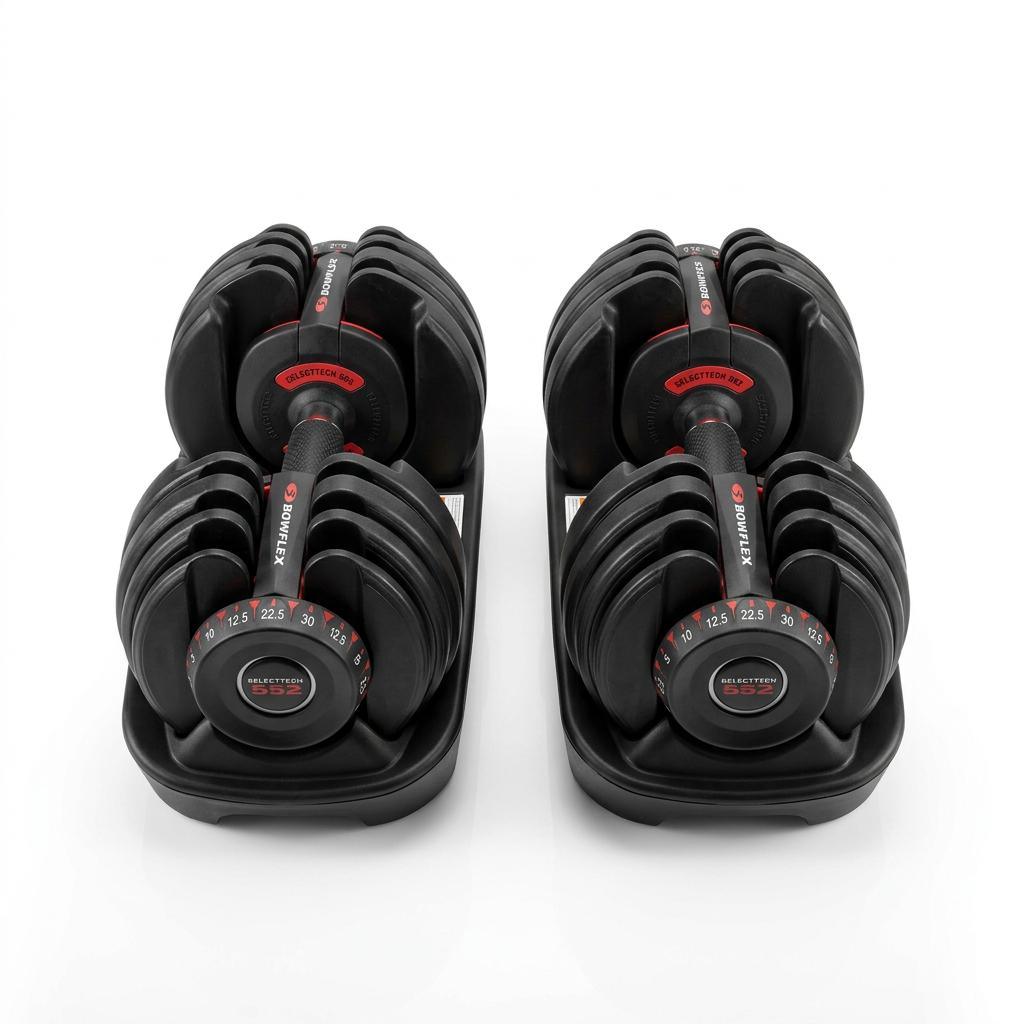 |
Bowflex SelectTech 552 Adjustable Dumbbells | $349-$429 | Best Overall | Check Price |
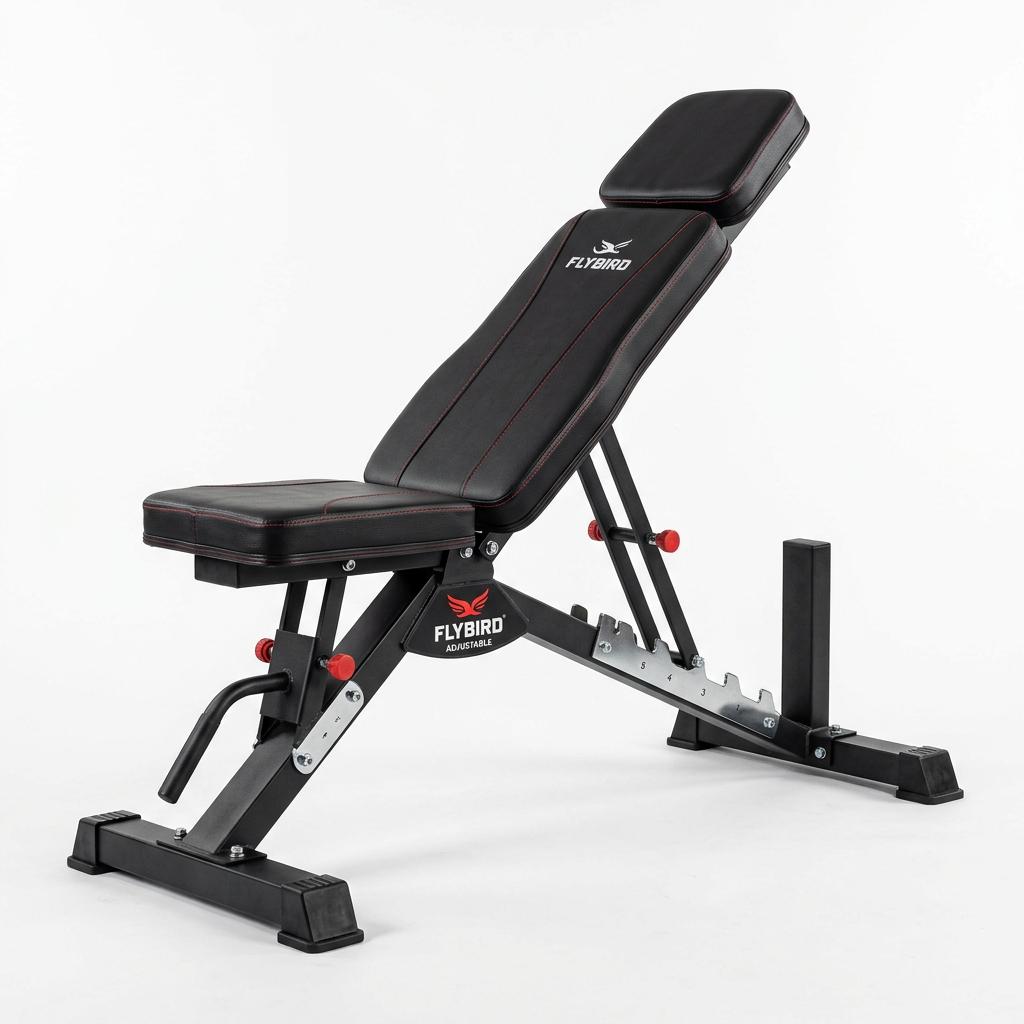 |
FLYBIRD Adjustable Weight Bench | $129-$159 | Best for Incline Curls | Check Price |
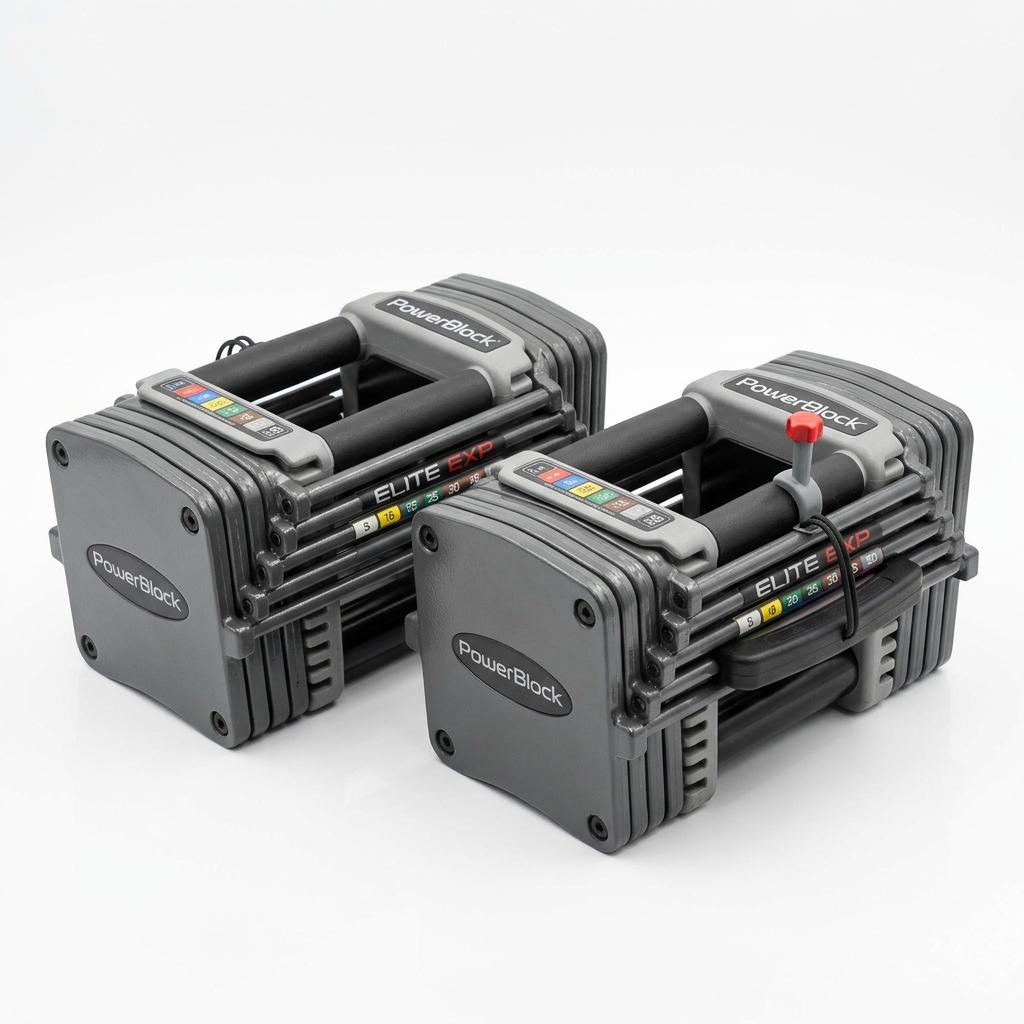 |
PowerBlock Elite EXP Adjustable Dumbbells | $299-$599 | Best Expandable System | Check Price |
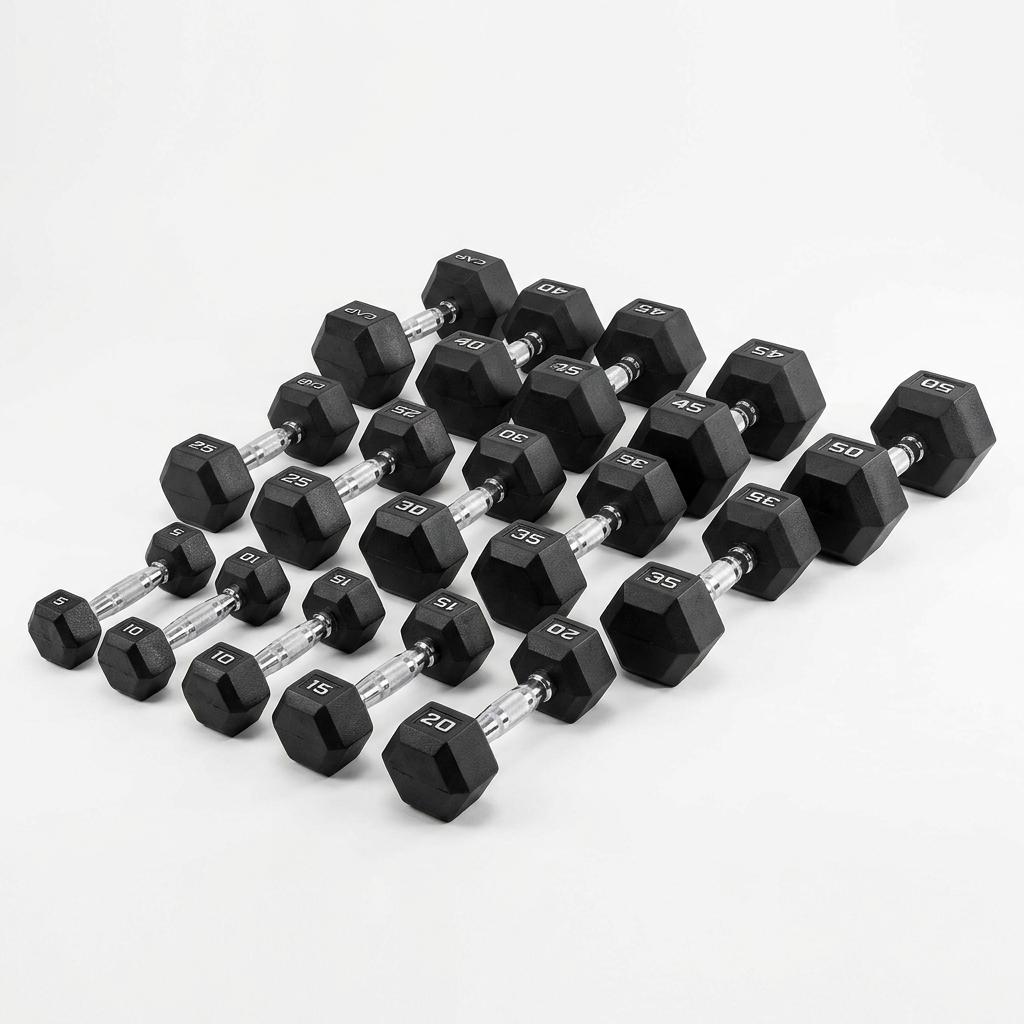 |
CAP Barbell Cast Iron Hex Dumbbell Set | $49-$199 | Best Budget | Check Price |
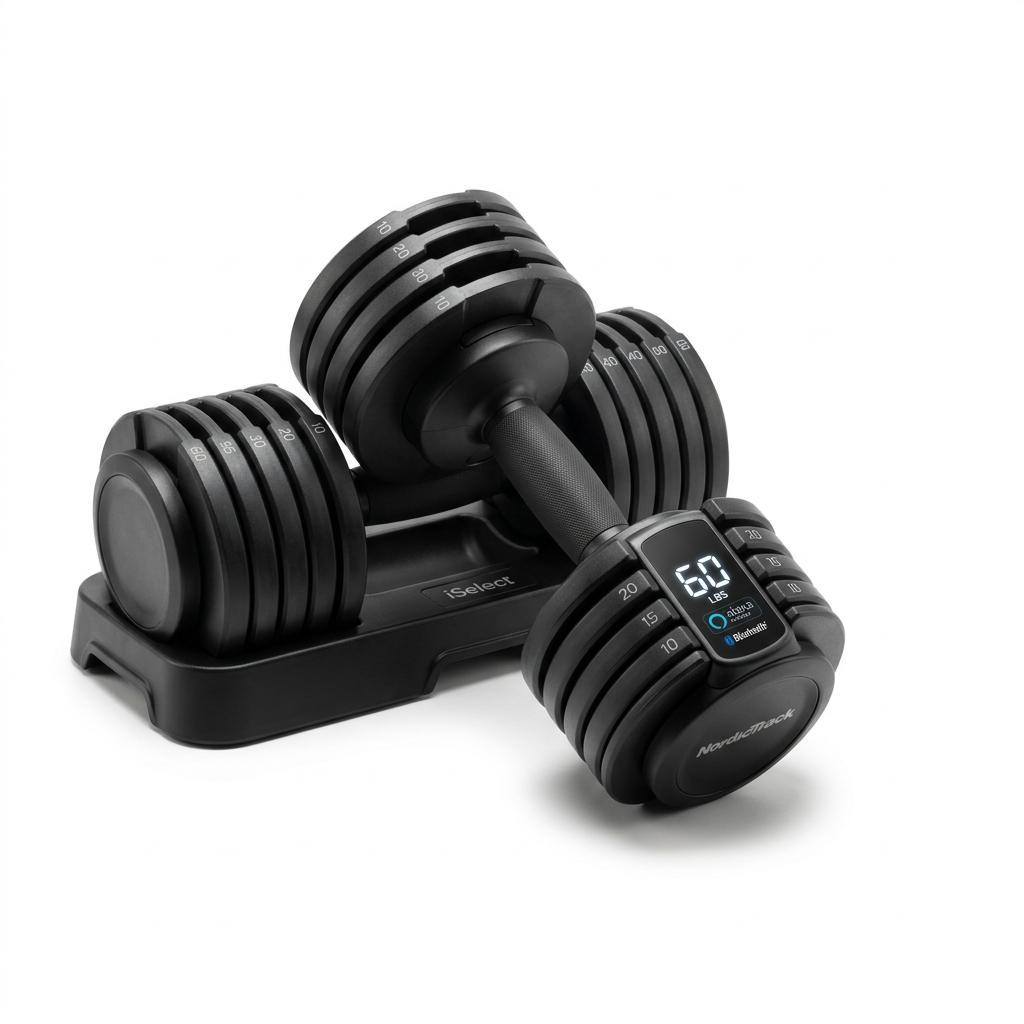 |
NordicTrack iSelect Voice-Controlled Dumbbells | $429-$499 | Most Versatile | Check Price |
The Bowflex SelectTech 552 is the ultimate space-saving solution for bicep training at home.
The FLYBIRD Adjustable Bench is essential for incline curls and concentration curls in small spaces.
The PowerBlock Elite EXP offers unmatched expandability for growing bicep strength.
CAP Hex Dumbbells deliver reliable, no-frills bicep training at the most affordable price.
The NordicTrack iSelect brings smart technology to bicep training with voice-controlled weight adjustment.
The Bowflex SelectTech 552 adjustable dumbbells are our top pick for home bicep training because they replace an entire rack of fixed dumbbells while taking up minimal space. The easy-to-use dial system lets you quickly switch between weights for standard curls, hammer curls, and concentration curls. With a weight range of 5 to 52.5 lbs, these dumbbells accommodate beginners through intermediate lifters. The durable molding around metal plates ensures quiet operation, making them apartment-friendly.
Check Price on Amazon
The FLYBIRD Adjustable Weight Bench is a must-have for serious bicep training at home. Its multiple incline positions allow you to target the long head of the biceps with incline curls, while the flat position supports concentration curls and preacher-style movements. The bench folds nearly flat for easy storage under a bed or in a closet, making it ideal for apartment dwellers. With a 620 lb weight capacity, it handles heavy dumbbell work with stability.
Check Price on Amazon
The PowerBlock Elite EXP is the best expandable dumbbell system for home bicep training. Starting at 50 lbs per hand, you can expand up to 90 lbs with Stage 2 and Stage 3 kits as your strength increases. The compact block design takes up minimal space, and the magnetic selector pin ensures secure weight selection. The straight handle and balanced weight distribution feel natural for all curl variations.
Check Price on Amazon
For budget-conscious home gym builders, CAP Barbell Hex Dumbbells are the gold standard. The solid cast iron construction with a durable enamel finish will last decades. The hexagonal shape prevents rolling, making them safe for apartment use. While you'll need space to store multiple pairs, buying them incrementally lets you build your collection as your strength progresses. These are perfect for dedicated curl sessions where you don't need to switch weights frequently.
Check Price on Amazon
The NordicTrack iSelect is the most technologically advanced option for home bicep training. With Alexa integration, you can change weights hands-free between exercises, making supersets and drop sets effortless. The dumbbells automatically adjust to your programmed workout within the iFIT app. While the premium price and tech dependency won't appeal to everyone, fitness enthusiasts who love data and convenience will find these dumbbells transform their training experience.
Check Price on Amazon