10-Minute HIIT Workout for Apartments: Burn Fat, Save Time
An intense 10-minute HIIT workout designed for apartments. Burn maximum calories with minimal space and no equipment nee...

A targeted back training routine for home gyms using dumbbells and minimal equipment. Covers rows, pullovers, extensions, and progression strategies for lat, rhomboid, and lower back development.
The back musculature represents the largest and most complex muscle group of the upper body, spanning from the base of the skull to the pelvis and integrating with the shoulder girdle. Comprehensive back training requires movement in multiple planes — horizontal pulling (rowing), vertical pulling, spinal extension, and scapular retraction.
For home gym users without lat pulldown machines, cable systems, or dedicated rowers, dumbbells and bodyweight movements provide an effective alternative. Our analysis of electromyography (EMG) research indicates that properly executed free-weight rows achieve muscle activation levels comparable to machine-based alternatives.
This article presents a complete back-focused routine using only dumbbells, a bench, and an optional resistance band.
| Muscle | Location | Primary Function | Best Exercise Match |
|---|---|---|---|
| Latissimus dorsi | Lower/middle back, fan-shaped | Shoulder extension, adduction, internal rotation | Bent-over row, single-arm row, pullover |
| Rhomboids | Between shoulder blades | Scapular retraction | Chest-supported row, rear delt fly |
| Middle trapezius | Upper back, across shoulders | Scapular retraction and elevation | Bent-over row (elbows out) |
| Posterior deltoid | Rear shoulder | Shoulder horizontal abduction | Rear delt fly, face pull |
| Erector spinae | Spinal column | Spinal extension and stabilization | Bird-dog, back extension, Superman |
| Teres major | Below armpit | Shoulder extension (assists lats) | Single-arm row |
A complete back routine must address horizontal pulling (rows), scapular retraction, and spinal extension. This programming includes all three movement categories.
| Order | Exercise | Sets × Reps | Rest | Target Area |
|---|---|---|---|---|
| 1 | Bent-over dumbbell row | 4 × 8-10 | 90s | Lats, rhomboids, mid-traps |
| 2 | Single-arm dumbbell row | 3 × 10-12/arm | 75s | Lats, teres major, rhomboids |
| 3 | Chest-supported dumbbell row | 3 × 10-12 | 75s | Mid-back, rhomboids (isolated) |
| 4 | Dumbbell pullover | 3 × 12-15 | 75s | Lats (emphasis), chest, serratus |
| 5 | Rear delt fly | 3 × 15-20 | 60s | Rear deltoids, rhomboids |
| 6 | Back extension (bodyweight) | 3 × 12-15 | 60s | Erector spinae |
| 7 | Resistance band face pull | 3 × 15-20 | 45s | Rear delts, rotator cuff, rhomboids |
Total sets: 19 work sets — approximately 45-55 minutes including warm-up.
Movement: Hinge at hips until torso is 30-45° from horizontal, row both dumbbells to lower ribs, lower with control.
Key technique points:
Lat vs. upper back emphasis:
Muscles worked: Latissimus dorsi, rhomboids, middle trapezius, posterior deltoid, biceps
Movement: Support upper body on bench with one hand and knee, row dumbbell with free hand to hip, lower with full stretch at bottom.
Key technique points:
Muscles worked: Latissimus dorsi, teres major, rhomboids, middle trapezius, biceps
Movement: Lie face-down on inclined bench (30-45°), hold dumbbells with arms extended, row to torso while keeping chest in contact with bench.
Key technique points:
Muscles worked: Rhomboids, middle trapezius, posterior deltoid, latissimus dorsi (secondary)
Movement: Lie on bench (shoulder blades supported, hips off or on bench), hold dumbbell overhead with arms slightly bent, lower behind head until stretch is felt, pull back over chest.
Key technique points:
Muscles worked: Latissimus dorsi (primary), pectoralis major, serratus anterior, triceps (long head)
Safety note: The pullover places the shoulder in an extended position. Individuals with shoulder impingement or instability should perform this exercise with reduced range of motion or substitute with straight-arm pulldowns using a resistance band.
Movement: Hinge at hips until torso is near parallel to floor, raise dumbbells laterally with slight elbow bend, squeezing shoulder blades together.
Key technique points:
Muscles worked: Posterior deltoid, rhomboids, middle trapezius
Movement: Lie face-down, hands at temples or extended forward, lift chest and legs off floor simultaneously, hold contraction, lower with control.
Key technique points:
Progression: Add a light dumbbell held to chest, or perform on edge of bench for greater range of motion.
Muscles worked: Erector spinae, glutes, hamstrings
Movement: Anchor band at face height, pull toward face separating hands as you pull, rotate externally so thumbs point behind you at end position.
Key technique points:
Equipment: Resistance bands are essential for this movement. Check price at Amazon
Muscles worked: Rear deltoids, rotator cuff muscles (infraspinatus, teres minor), rhomboids, middle trapezius
| Phase | Duration | Activities |
|---|---|---|
| General | 2 min | Arm circles, shoulder rolls, torso twists |
| Band work | 3 min | Band pull-aparts ×20, band dislocations ×10, band face pulls ×15 |
| Specific | 3 min | Two light sets of bent-over rows (bodyweight hinge + very light DB) |
The band activation sequence is particularly valuable: research indicates that pre-activation of the rotator cuff and scapular stabilizers improves recruitment patterns during subsequent rowing movements.
| Timeframe | Protocol |
|---|---|
| Weeks 1-2 | Establish form and working weights at lower rep targets |
| Weeks 3-4 | Push to upper end of rep ranges; add weight when achieved |
| Weeks 5-6 | Add intensity techniques: pause reps (1s hold at contraction), slow eccentrics (4-second lowering) |
| Weeks 7-8 | Deload week (reduce sets by 40%), then begin new cycle at higher base weights |
Poor rowing form reduces target muscle activation and increases injury risk. Verify each rep:
If you cannot maintain all six points, reduce the weight.
| Exercise | If Limited By | Substitute |
|---|---|---|
| Bent-over row | Lower back fatigue | Chest-supported row (same muscle target, no spinal loading) |
| Single-arm row | No bench | Split-stance single-arm row (standing, non-working hand on sturdy surface) |
| Dumbbell pullover | Shoulder discomfort | Straight-arm band pulldown |
| Back extension | Low back sensitivity | Bird-dog (alternating arm/leg lift from hands and knees) |
| Face pull | No band | Prone Y-T-W raises on floor or bench |
This routine functions as a dedicated back session or as part of a pull-focused training day.
| Split Type | Frequency | Context |
|---|---|---|
| Upper/Lower split | 1×/week | Complete back session on upper body day |
| Push/Pull/Legs | 1×/week | Dedicated pull day — add bicep curls |
| Full body | 2×/week | Select 3-4 exercises, spread across sessions |
| Bro split (back day) | 1×/week | As written, with optional additional isolation |
This back workout provides comprehensive development of the latissimus dorsi, rhomboids, middle trapezius, posterior deltoids, and spinal erectors through seven carefully selected exercises. The programming progresses from heavy compound rows to lighter isolation movements, ensuring all back musculature receives adequate stimulus. Consistent execution with attention to form detail produces measurable strength and hypertrophy improvements over 8-12 week training blocks.
As an Amazon Associate we earn from qualifying purchases.
| Image | Product | Price | Badge | Link |
|---|---|---|---|---|
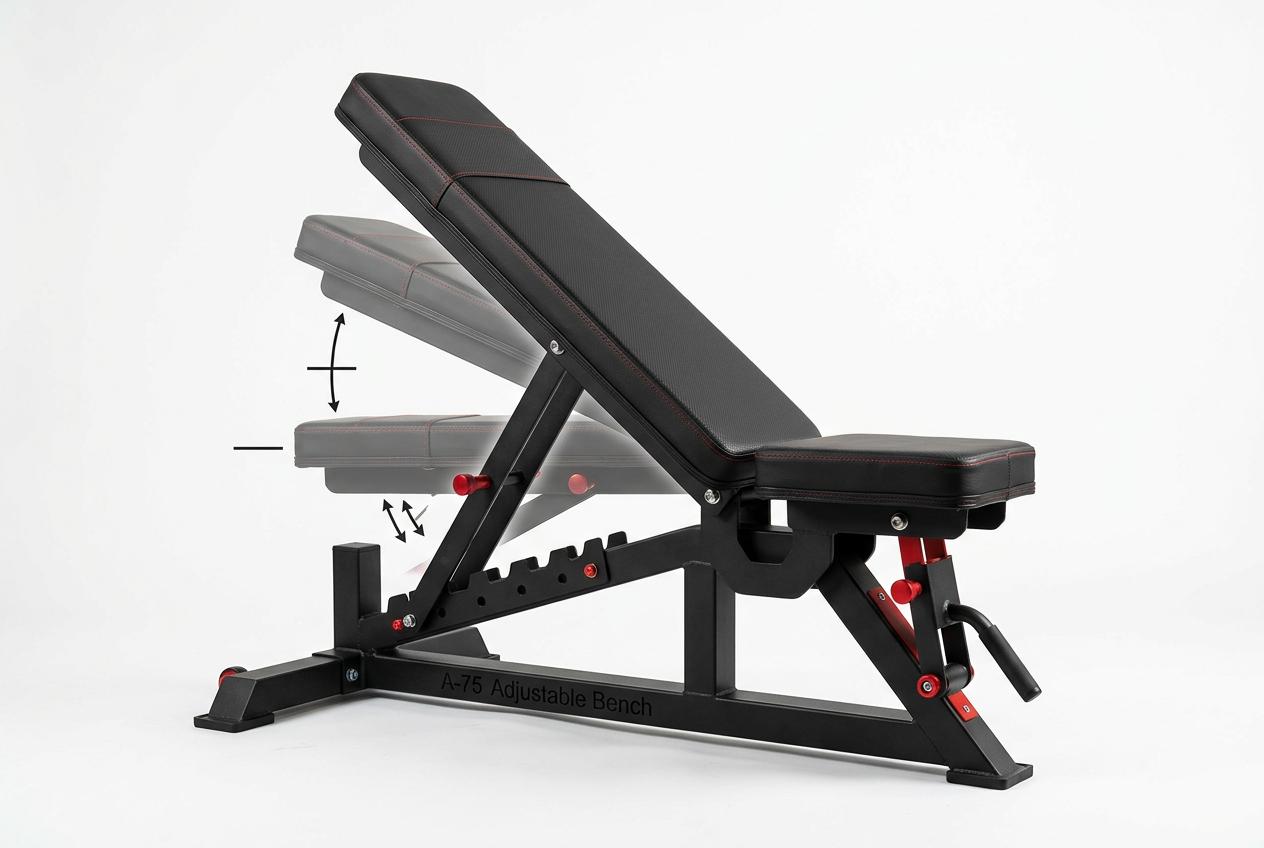 |
Fitness Reality 1000 Super Max Adjustable Weight Bench | $149 | Best Overall | Check Price |
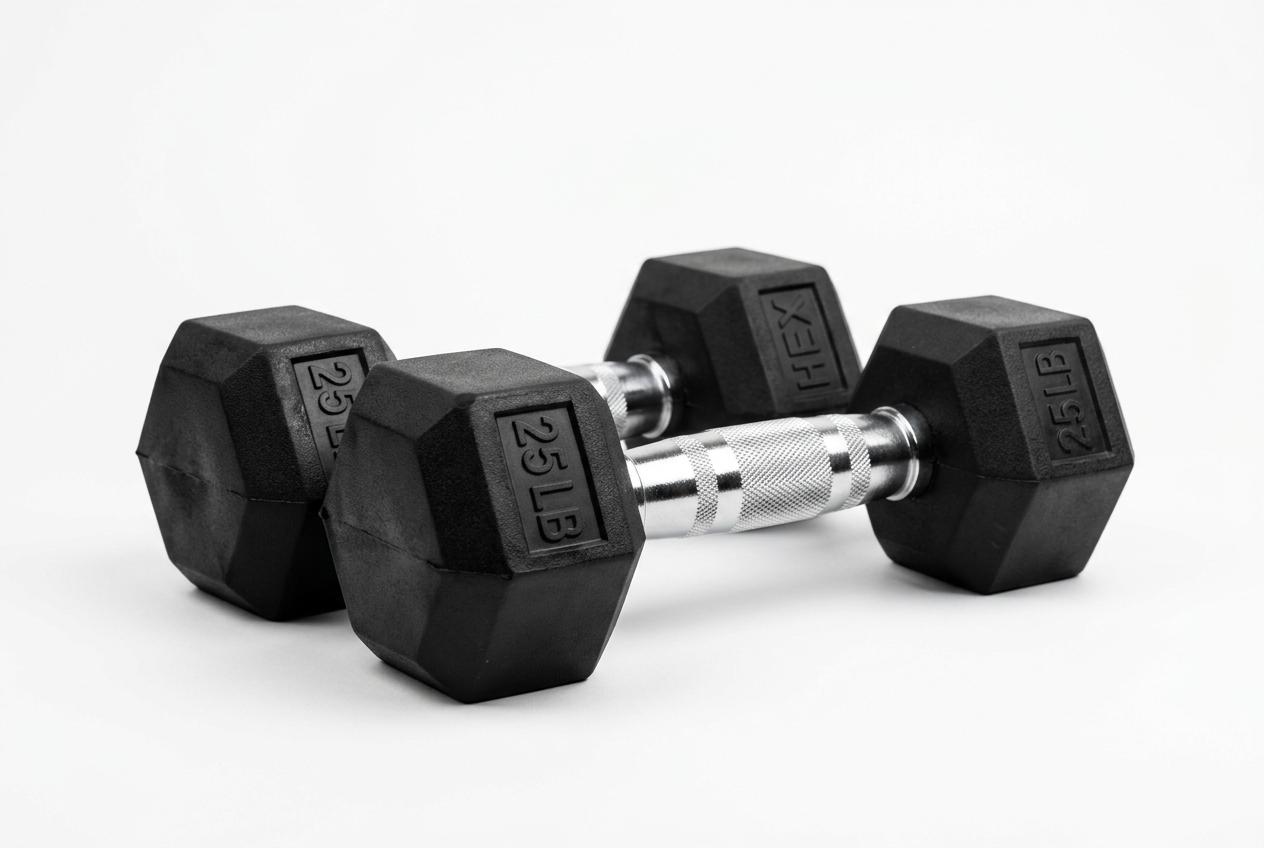 |
CAP Barbell Coated Hex Dumbbells (Pairs, 5-50 lbs) | $25-$150 | Best for Rows | Check Price |
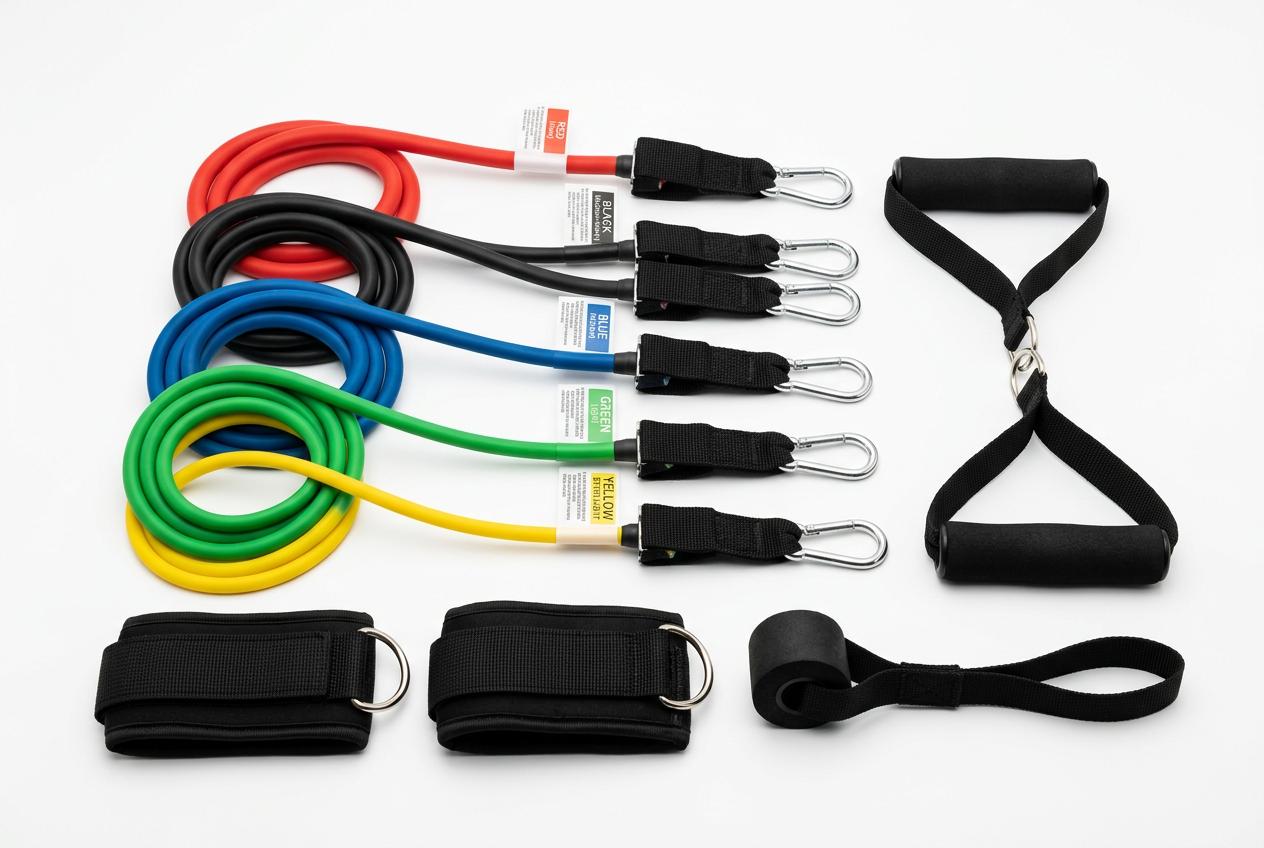 |
BLACK MOUNTAIN Resistance Bands Set with Door Anchor | $29.99 | Best Budget | Check Price |
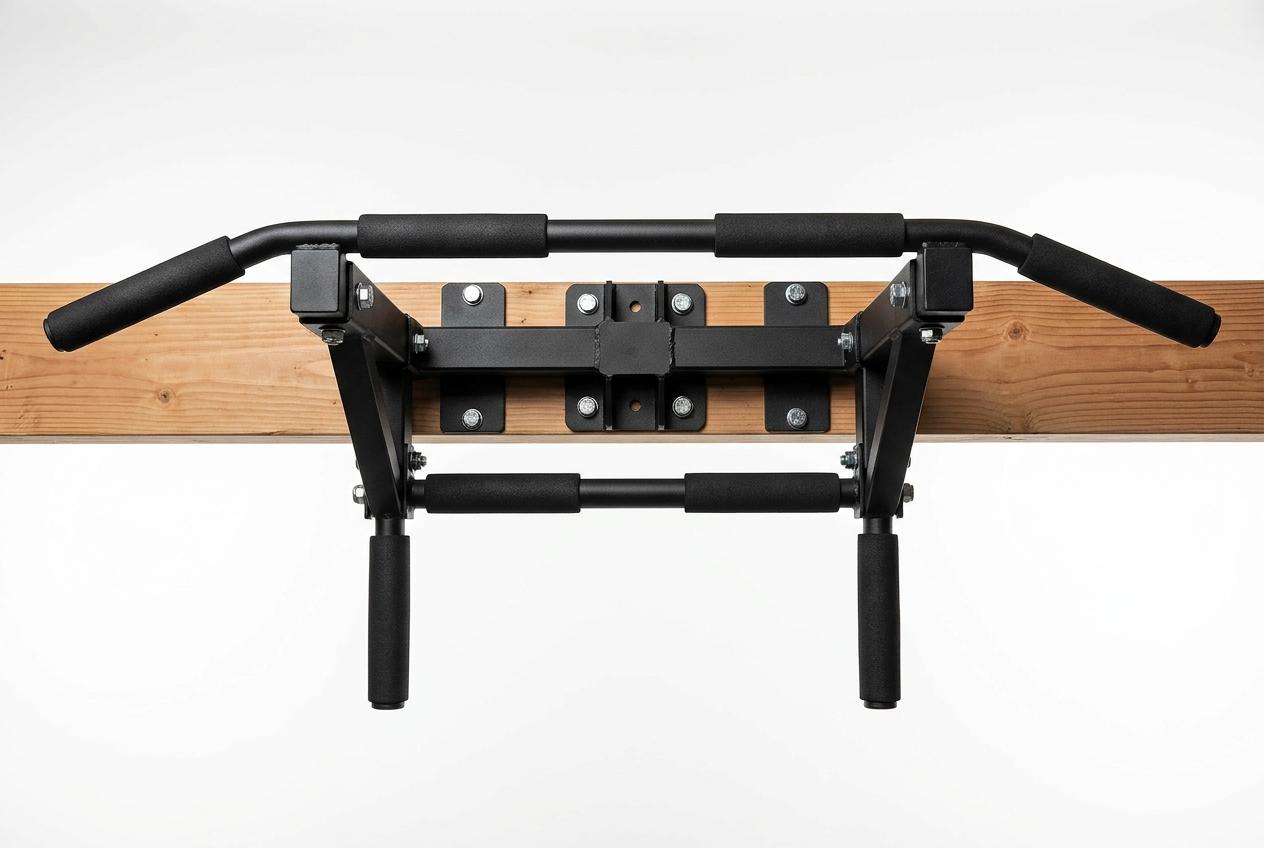 |
Iron Gym Total Upper Body Workout Bar | $34.99 | Best for Pull-Ups | Check Price |
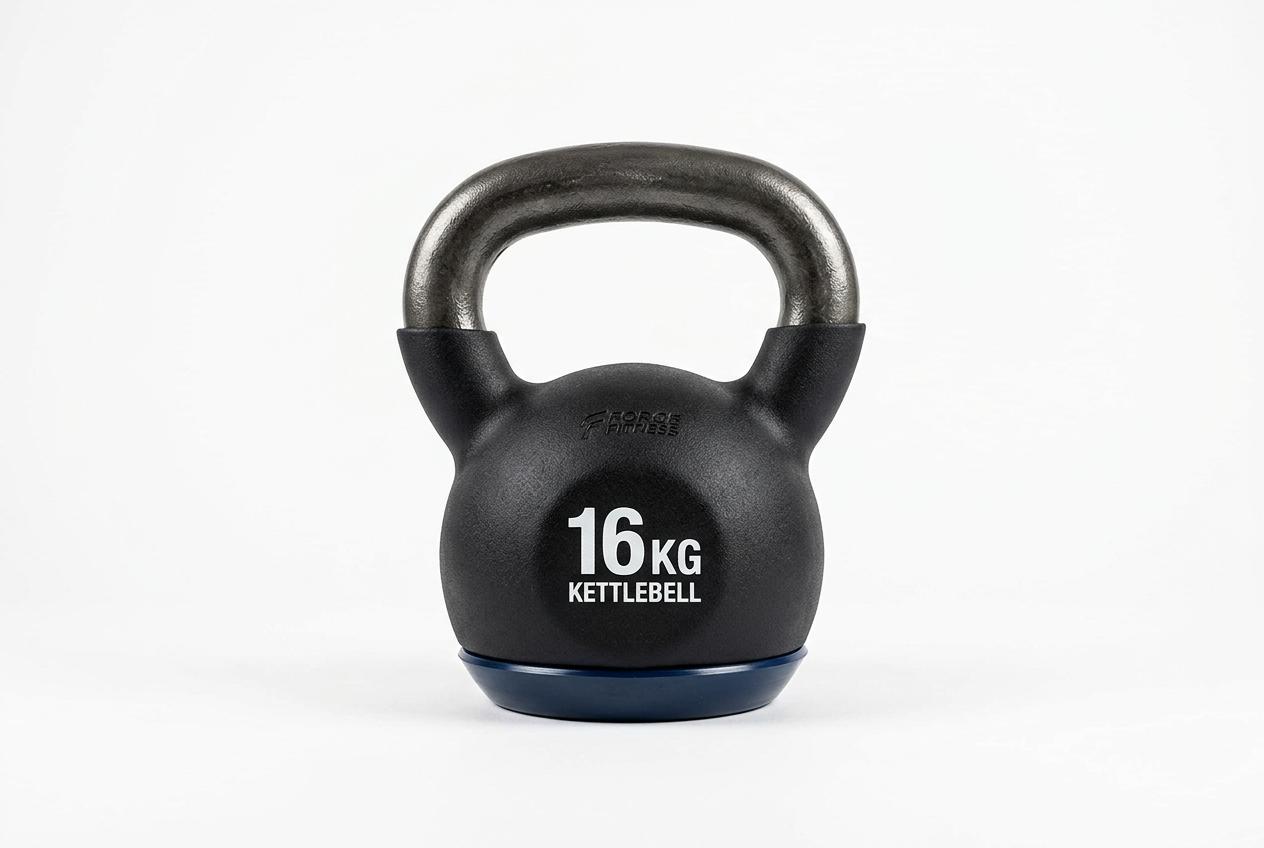 |
Amazon Basics Vinyl Kettlebell (10-60 lbs) | $28-$65 | Best for Back Extensions | Check Price |
A heavy-duty adjustable bench that enables the full range of back exercises from rows to pullovers with professional-grade stability.
Dependable hex dumbbells that are essential for rows, pullovers, and all major back exercises in a home gym setup.
An affordable resistance band system that replicates cable machine back exercises using any standard door frame.
A versatile doorway pull-up bar that enables the king of back exercises without any permanent installation.
A solid kettlebell choice for posterior chain work, offering a comfortable grip for swings, rows, and back extensions.
The Fitness Reality 1000 Super Max is the backbone of any serious home back workout. Its 12-position adjustment system supports everything from decline pullovers to incline rows, while the 800-lb capacity means you'll never outgrow it. The foldable design is a game-changer for home gyms where space is at a premium. For back training versatility at a reasonable price, this bench is unmatched.
Check Price on Amazon
CAP Barbell's hex dumbbells are the workhorse of home back training. The hex shape keeps them in place between sets of rows, and the rubber coating means you can drop them after a hard set without damaging your floor. Start with a moderate weight for high-rep rows and keep a heavier pair on hand for lower-rep strength work. They're the most versatile tool for building a thick, strong back at home.
Check Price on Amazon
This BLACK MOUNTAIN set is the secret weapon for home back workouts. The included door anchor transforms any doorway into a lat pulldown station, while the stackable bands let you fine-tune resistance for rows and extensions. The exercise guide is particularly valuable for learning creative back movements you can perform anywhere in your home. At under $30, it's the most cost-effective way to add pulling exercises to your routine.
Check Price on Amazon
The Iron Gym pull-up bar brings the most effective back-building exercise into your home with zero installation hassle. The three grip positions let you target different areas of your back - wide grip for lat width, narrow grip for thickness, and neutral grip for bicep involvement. When you're done with pull-ups, move it to the floor for push-ups and dips to round out your upper body workout.
Check Price on Amazon
Amazon Basics' vinyl kettlebell is an excellent addition to any home back workout arsenal. The wide handle makes two-handed movements like rows and swings comfortable, while the vinyl coating keeps your floors protected. Kettlebell rows and halos target the back muscles from unique angles that dumbbells can't replicate. Choose a moderate weight for high-rep work and a heavier option for strength-focused sets.
Check Price on Amazon