10-Minute HIIT Workout for Apartments: Burn Fat, Save Time
An intense 10-minute HIIT workout designed for apartments. Burn maximum calories with minimal space and no equipment nee...
Research-backed analysis from SnugGym about Autoregulation Training Guide.
A science-based guide to using RPE, RIR, velocity-based training, and subjective readiness tools to individualize your training intensity, prevent overreaching, and optimize progress.
Traditional strength training programs prescribe fixed loads, sets, and repetitions: "Squat 4 sets of 5 reps at 80% of your one-rep max." This approach works well on paper and produces excellent results under ideal conditions. The problem is that real-world conditions are rarely ideal.
Your strength fluctuates daily based on sleep quality, stress levels, nutrition, hydration, accumulated fatigue, and dozens of other variables. The load that represents 80% of your maximum on a well-rested Monday morning might feel like 90% on a stressful Thursday evening after five hours of sleep. Attempting to force a fixed prescription on a fatigued body creates suboptimal training stress — either too little stimulus (if you reduce effort) or excessive stress that impairs recovery (if you force the prescribed load).
Autoregulation solves this problem by using real-time feedback to adjust training variables on the day. Instead of forcing your body to conform to a predetermined program, the program adapts to your body's readiness state. This approach produces more consistent progress, fewer missed lifts, reduced injury risk, and better recovery — particularly valuable for home gym owners who train without the external motivation of gym partners or coaches.
This guide covers the major autoregulation systems: Rate of Perceived Exertion (RPE) and Reps in Reserve (RIR), velocity-based training (VBT), grip strength as a fatigue indicator, subjective readiness scales, flexible programming frameworks, and the tools that make autoregulation practical in a home gym setting.
FTC Disclosure: This article contains affiliate links. We may earn a commission if you purchase through these links — at no extra cost to you.
Rate of Perceived Exertion (RPE) and Reps in Reserve (RIR) are the most accessible and widely used autoregulation tools. Originally developed by Gunnar Borg for cardiovascular exercise, the RPE scale has been adapted for strength training by Mike Tuchscherer and popularized through the Reactive Training Systems (RTS) methodology.
| RPE | Description | Reps in Reserve (RIR) | Training Application |
|---|---|---|---|
| 10 | Maximal effort, no reps remaining | 0 | Competition attempts, true max testing |
| 9.5 | Could not do more reps, possibly a slightly heavier load | 0–0.5 | Heavy singles near limit |
| 9 | One rep clearly remaining | 1 | Heavy working sets, top sets |
| 8.5 | Definitely 1 rep left, maybe 2 | 1–1.5 | Moderate-heavy working sets |
| 8 | Two reps clearly remaining | 2 | Most productive working sets |
| 7.5 | Definitely 2 reps left, maybe 3 | 2–2.5 | Light working sets, technique work |
| 7 | Three reps clearly remaining | 3 | Warm-up sets, movement preparation |
| 6 | Four or more reps remaining | 4+ | Very light, activation work |
Instead of prescribing "Squat 4×5 at 80%," an autoregulated program prescribes "Squat 4×5 at RPE 8." You select the load that allows you to complete 5 reps with approximately 2 reps left in reserve. If you are fresh and strong, this might be 85% of your max. If you are fatigued, it might be 75%. Both sessions produce appropriate training stress because the effort relative to your capacity is the same.
Learning to gauge RPE accurately requires honest self-assessment and practice. Most lifters initially underestimate their RPE — they think a set was RPE 9 when it was actually RPE 7. To calibrate:
| Exercise | Sets × Reps | Target RPE | Notes |
|---|---|---|---|
| Squat | 4 × 5 | 8 | Add weight if previous sets felt easier than RPE 8 |
| Bench press | 3 × 6 | 8 | Maintain consistent RPE across sets |
| Barbell row | 3 × 8 | 7–8 | Slightly lighter to protect lower back when fatigued |
| Overhead press | 3 × 8 | 8 | Harder to gauge — video review helps calibration |
The key rule: If your first working set feels significantly harder than the target RPE, reduce the load for subsequent sets. If it feels easier, increase the load. This adjustment happens in real-time during the session, not retroactively in your training log.
Velocity-based training uses a linear position transducer (LPT) or accelerometer to measure bar speed during lifts, providing objective data that eliminates the subjectivity of RPE estimation.
Research by Bryan Mann and others has established predictable relationships between bar velocity and relative load intensity. These relationships are individual but follow consistent patterns:
| % of 1RM | Approximate Velocity (m/s) | Training Quality |
|---|---|---|
| 100% | 0.15–0.25 | Maximal strength, neural drive |
| 90% | 0.25–0.35 | Heavy strength, near-maximal |
| 80% | 0.40–0.50 | Strength-speed, primary strength zone |
| 70% | 0.55–0.70 | Speed-strength, power development |
| 60% | 0.75–0.90 | Accelerative strength, power |
| 50% | 1.00+ | Starting strength, velocity focus |
Instead of prescribing a percentage of 1RM, a VBT-based program prescribes a target velocity. For example: "Squat 5×3 at 0.45 m/s." You add or remove load to maintain the target velocity across all sets.
The autoregulation mechanism: if you are fatigued, your velocity at a given load decreases. To maintain 0.45 m/s, you must reduce the load. If you are fresh and potentiated, your velocity increases, allowing heavier loads at the same velocity target.
Daily readiness assessment: Perform 1–3 warm-up sets at a fixed load (e.g., 135 pounds on squat) and measure velocity. Compare to your typical velocity at that load. If velocity is 5–10% below normal, you are fatigued — reduce working loads. If velocity is above normal, you are recovered and potentially primed for a strong session.
| Device | Type | Cost | Accuracy | Home Gym Suitability |
|---|---|---|---|---|
| GymAware | LPT (cable) | $$$$ | Excellent | Best for dedicated home gyms |
| Tendo Unit | LPT (cable) | $$$$$ | Excellent | Professional-grade |
| OpenBarbell | LPT (cable) | $$ | Good | Budget-friendly, open source |
| FORM Collar | Accelerometer | $$$ | Good | Convenient, bar-mounted |
| Push Band | Accelerometer | $$ | Good | Versatile, wrist/limb mounting |
| Metric VBT | Camera-based (phone) | $ | Moderate | Most accessible, uses smartphone |
For most home gym owners, the Metric VBT app (smartphone-based) or a budget accelerometer like the Push Band provides sufficient accuracy for autoregulation purposes. Elite lifters and coaches may invest in GymAware or Tendo for research-grade precision.
An emerging and remarkably practical autoregulation tool is grip strength measurement. Research has established that grip strength correlates with overall neuromuscular fatigue and central nervous system readiness.
A 2018 study in the Journal of Strength and Conditioning Research found that grip strength measured via hand dynamometer showed significant correlation with countermovement jump performance and self-reported fatigue ratings. When grip strength drops below an individual's established baseline, other performance metrics typically decline as well.
The mechanism is not fully understood but likely reflects generalized neuromuscular fatigue. The same central and peripheral factors that reduce your ability to generate force in a squat or press also reduce your grip force. Because grip testing is simple, fast, and non-fatiguing, it serves as an excellent readiness screen.
| Grip Strength vs. Baseline | Readiness Interpretation | Action |
|---|---|---|
| 95–100% | Fully recovered, ready for heavy training | Proceed as planned |
| 90–94% | Mild fatigue, slight reduction advisable | Reduce top set loads by 2–3% |
| 85–89% | Moderate fatigue, significant reduction needed | Reduce loads by 5–8%, consider reducing volume |
| Below 85% | Significant fatigue, rest or very light work recommended | Active recovery day or rest |
| Device | Cost | Accuracy | Notes |
|---|---|---|---|
| Smedley spring dynamometer | $ | Moderate | Classic design, adequate for trends |
| Digital hand dynamometer (Camry, Jamar) | $$ | Good | Digital display, memory function |
| Gripit dynamometer | $$ | Good | Bluetooth connectivity, app integration |
While objective measures (velocity, grip strength) reduce bias, subjective self-assessment remains valuable — particularly because it captures factors no device can measure: motivation, stress, sleep quality, and overall wellness.
Rate each factor on a 1–7 scale (1 = very poor, 7 = excellent) each morning:
| Factor | Score (1–7) | Notes |
|---|---|---|
| Sleep quality last night | ___ | Duration + subjective restfulness |
| Muscle soreness | ___ | 1 = extremely sore, 7 = no soreness |
| Energy levels | ___ | General sense of vitality |
| Mood/motivation | ___ | Enthusiasm for training |
| Stress level | ___ | 1 = extremely stressed, 7 = very calm |
| Appetite | ___ | Normal appetite vs. suppressed/enhanced |
| TOTAL | /42 |
| Total Score | Interpretation | Training Adjustment |
|---|---|---|
| 35–42 | Excellent recovery | Full training as planned |
| 28–34 | Good recovery | Minor adjustments if desired |
| 21–27 | Moderate fatigue | Reduce volume by 10–20% |
| 14–20 | Significant fatigue | Reduce volume by 20–30%, reduce intensity |
| Below 14 | Severe fatigue | Rest or active recovery only |
The most effective autoregulation combines subjective and objective data:
Autoregulation is not an excuse to avoid hard training. The goal is not easier training — it is appropriately dosed training. These guidelines help navigate the push/back-off decision:
If your first working set feels unexpectedly difficult (RPE 9+ when you targeted RPE 8), reduce the load by 5–10% and continue. Do not let ego turn one suboptimal set into a disastrous session. The reduced load at appropriate effort produces better training stimulus than grinding through loads your body is not prepared to handle.
| Tool | Purpose | Cost | Recommendation |
|---|---|---|---|
| Metric VBT | Bar velocity measurement | Free–$ | Best VBT entry point |
| GymAware Cloud | Advanced VBT analytics | $$$$ | For serious VBT users |
| Strong app | RPE-based workout logging | Free–$ | Best free lifting tracker with RPE |
| SRSS spreadsheet | Daily readiness scoring | Free | Create your own or download template |
| Grip dynamometer | Daily grip strength testing | $–$$ | Digital model recommended |
| HRV4Training | Heart rate variability | $ | Objective recovery marker |
| Whoop / Oura | Sleep, HRV, recovery tracking | $$–$$$ | Comprehensive readiness data |
| Aspect | Rigid Programming | Autoregulation |
|---|---|---|
| Progress tracking | Simple (did you hit prescribed numbers?) | Requires nuanced analysis of effort and velocity trends |
| Psychological ease | Clear targets, black-and-white success/failure | Requires comfort with ambiguity and daily decision-making |
| Fatigue management | Often poor (forced completion of prescribed work) | Excellent (adjusts to readiness) |
| Long-term progress | Good under ideal conditions | Superior under variable real-world conditions |
| Learning curve | Low | Moderate (2–4 weeks to calibrate RPE) |
| Injury risk | Higher (forces loads on unprepared days) | Lower (reduces loads when recovery is compromised) |
Week 1–2: Begin rating RPE on all working sets without changing your programming. Simply observe how prescribed loads feel. Note the discrepancy between expected and actual RPE.
Week 3–4: Start adjusting loads to hit target RPE rather than hitting prescribed percentages. If 80% feels like RPE 6, increase the load. If it feels like RPE 9.5, decrease the load.
Week 5–8: Add a daily readiness metric — either grip strength testing or the SRSS. Use this data to inform session planning the night before.
Month 3+: Consider adding VBT if budget allows. The combination of RPE, readiness scores, and velocity data creates a comprehensive autoregulation system that optimizes training stress on every session.
Autoregulation transforms training from a rigid obligation into a responsive conversation with your body. Instead of fighting against fatigue and forcing prescribed loads, you work with your body's readiness state to produce optimal training stress on every session.
For home gym owners training without coaches or training partners, autoregulation provides the feedback loop that prevents the two most common failures: chronic undertraining (always taking it easy) and chronic overreaching (always grinding). The honest self-assessment that autoregulation requires is itself a valuable training skill — one that produces better lifters and healthier athletes.
Start with RPE. Add readiness monitoring as the habit solidifies. Layer in objective measures as budget and interest allow. The goal is not perfect autoregulation but rather directionally correct adjustments that keep your training productive and sustainable for years to come.
Evidence Mode: Research-Backed. Author: SnugGym Editorial Team. Last updated: January 2025.
| Image | Product | Price | Badge | Link |
|---|---|---|---|---|
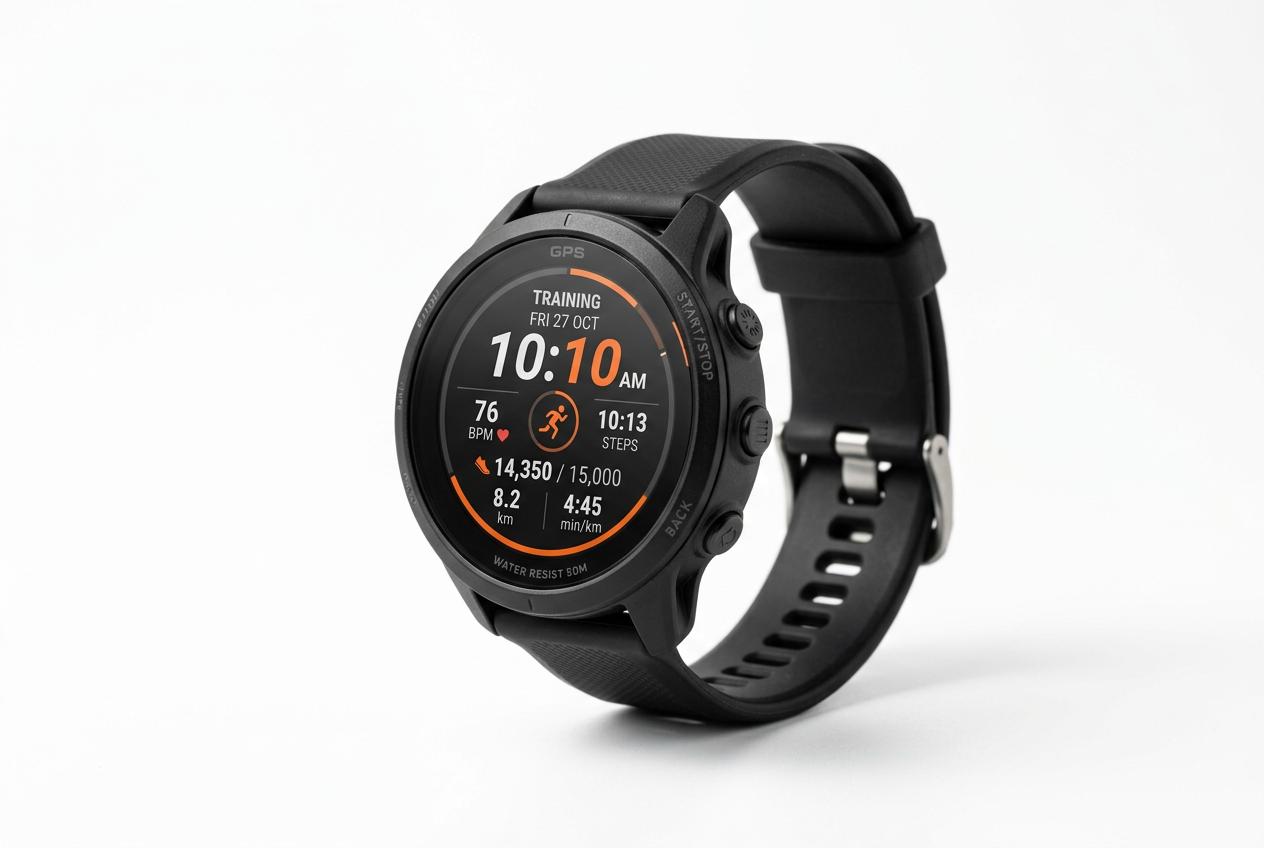 |
Garmin Forerunner 255 GPS Running Smartwatch | $349.99 | Best Overall | Check Price |
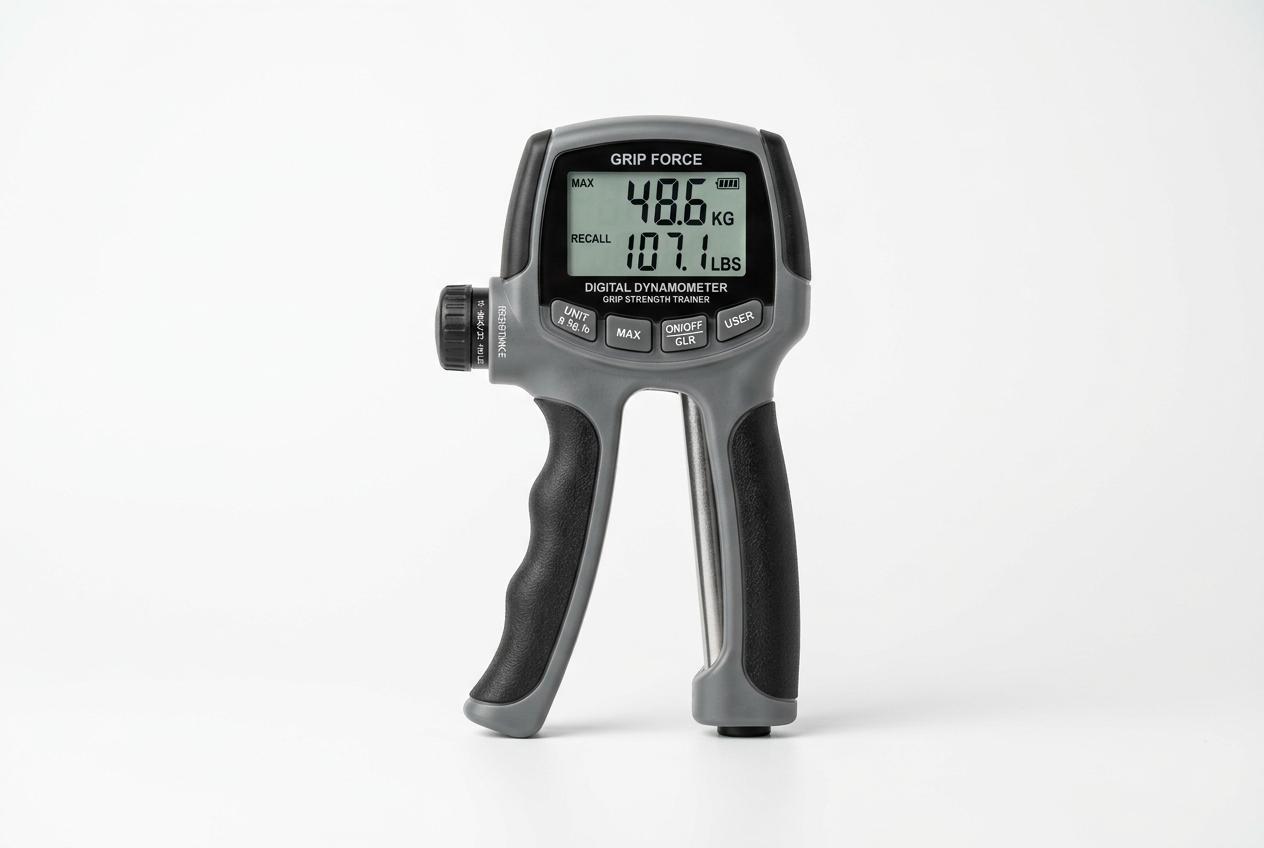 |
CAMRY Digital Hand Dynamometer Grip Strength Tester | $29.99 | Best Objective Tester | Check Price |
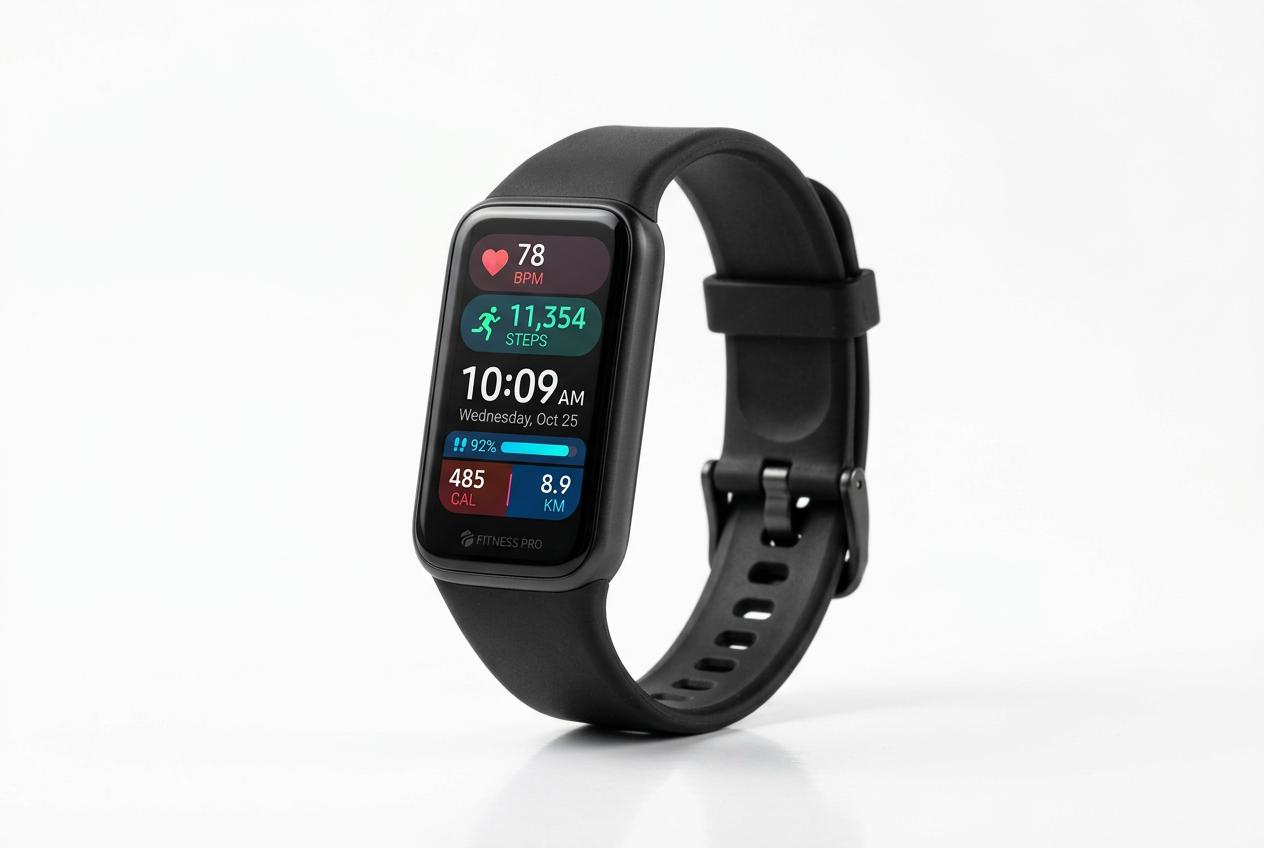 |
Fitbit Charge 6 Fitness Tracker | $159.95 | Best for Daily Monitoring | Check Price |
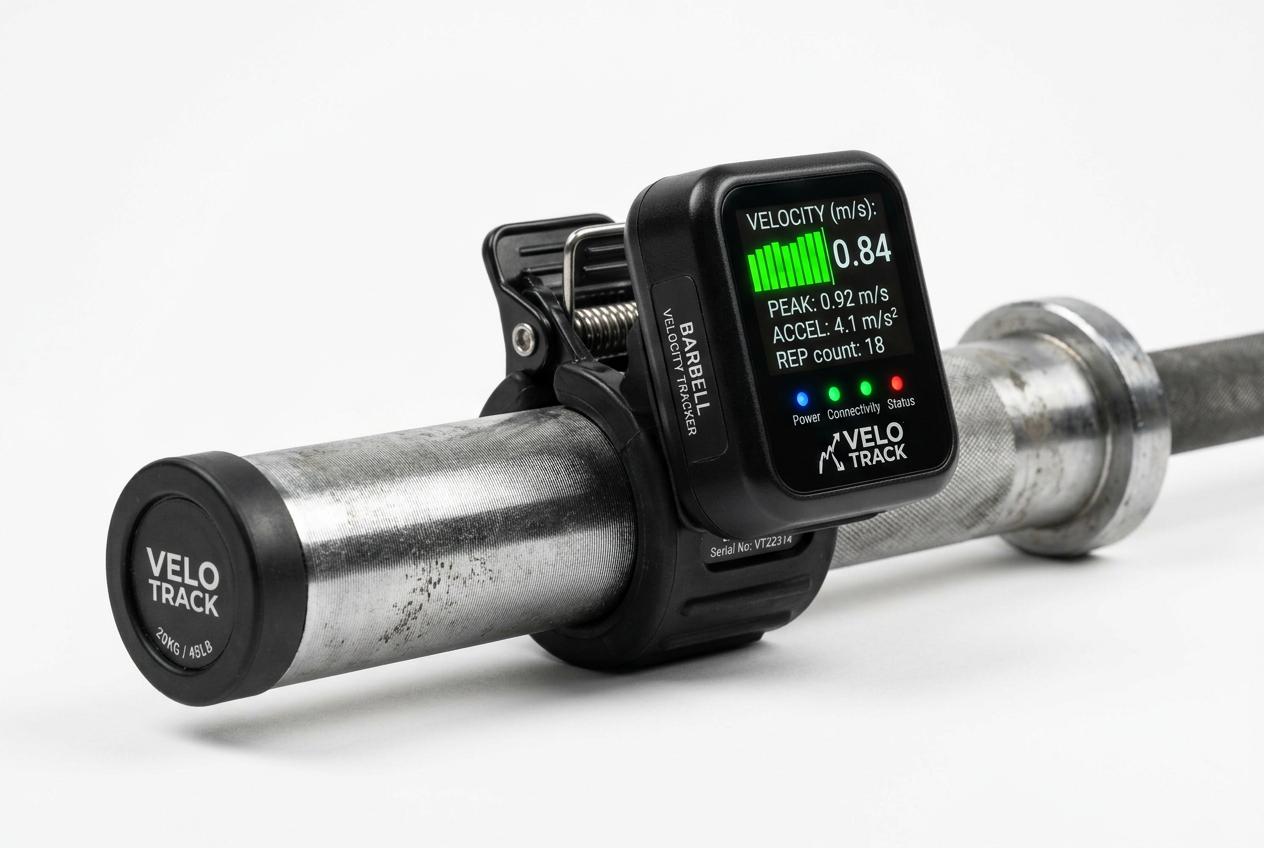 |
VELOTRACK Barbell Velocity Tracker | $399 | Best for VBT Training | Check Price |
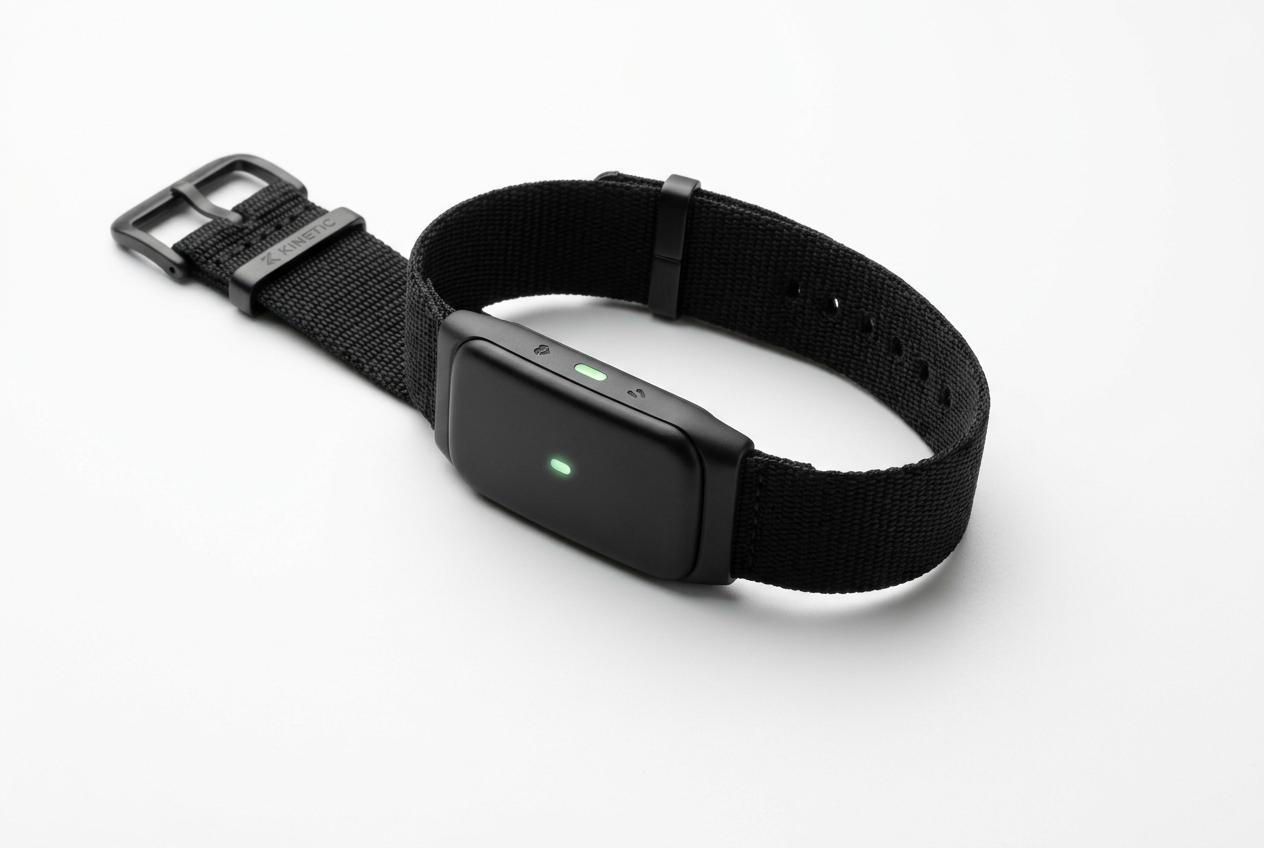 |
KINETIC Recovery Band Pro | $239 | Premium Pick | Check Price |
The gold standard autoregulation wearable, providing comprehensive recovery data to guide daily training decisions.
An affordable, clinical-grade grip strength tester that provides objective daily readiness data for autoregulated training.
A user-friendly fitness tracker that provides the essential recovery metrics needed for basic autoregulation at a mid-tier price.
A precision velocity-based training device that enables true autoregulation by measuring bar speed in real time.
A dedicated recovery-tracking wearable that provides the most comprehensive autoregulation data available in a minimalist package.
The Garmin Forerunner 255 is the ultimate autoregulation tool for serious athletes. Its Training Readiness score synthesizes HRV, sleep quality, stress, and recent training load into a single metric that tells you whether to push hard or back off. The Morning Report feature delivers this insight the moment you wake up, making it effortless to adjust your daily training plan based on objective recovery data.
Check Price on Amazon
The CAMRY dynamometer brings laboratory-grade assessment into your home gym. By measuring grip strength each morning, you can objectively detect CNS fatigue and autoregulate your training intensity. The unit's memory function tracks trends over time, helping you correlate grip scores with training performance and identify your personal readiness patterns.
Check Price on Amazon
The Fitbit Charge 6 strikes an excellent balance between functionality and simplicity for autoregulation beginners. Its Daily Readiness Score tells you whether your body is prepared for a challenging workout or needs recovery, while the built-in GPS accurately tracks run and ride metrics. The sleek, lightweight design means you'll actually wear it 24/7, ensuring consistent data collection.
Check Price on Amazon
The VELOTRACK transforms autoregulation from subjective guesswork into objective science. By measuring bar velocity on every rep, it tells you exactly when fatigue is affecting performance and load should be adjusted. The Bluetooth integration with training apps makes it easy to set velocity targets and track progress over time. For lifters serious about VBT, this device is a game-changer.
Check Price on Amazon
The KINETIC Recovery Band Pro takes autoregulation to the next level with its continuous biometric monitoring. Unlike standard fitness trackers, it's designed specifically to measure recovery metrics around the clock, providing insights into sleep quality, HRV trends, and daily strain. The accompanying app delivers actionable training recommendations based on your body's readiness, making it the premium choice for data-driven athletes.
Check Price on Amazon