10-Minute HIIT Workout for Apartments: Burn Fat, Save Time
An intense 10-minute HIIT workout designed for apartments. Burn maximum calories with minimal space and no equipment nee...
Train your entire body with minimal equipment using this research-backed circuit workout. Perfect for apartment gyms with limited space and gear.
Apartment gyms present a specific set of constraints that standard training programs rarely address. The equipment selection is limited — typically a cable machine, some dumbbells, a bench, and cardio machines. The space is shared and sometimes occupied. The weights available often top out below what serious strength training requires. And the proximity to neighbors creates pressure to train quietly and efficiently.
Circuit training thrives in these constraints. By rotating through exercises with minimal rest, circuits produce significant metabolic and cardiovascular stimulus with moderate loads. The format accommodates limited equipment by using short work periods that allow multiple people to share the same space. And the continuous movement structure creates an efficient workout that respects both your schedule and your neighbors' peace.
This guide presents three complete circuit protocols designed specifically for apartment gym environments. Each requires minimal equipment, produces measurable fitness improvements, and respects the constraints of shared residential fitness spaces.
Circuit training — performing a series of exercises in sequence with minimal rest between movements — produces adaptations that isolated strength or cardio training cannot replicate efficiently:
Time efficiency: Complete full-body training in 30–45 minutes including warm-up. For apartment dwellers fitting workouts into busy schedules, this matters.
Equipment efficiency: Moderate loads produce significant stimulus when rest periods are short. You do not need heavy weights that apartment gyms typically lack.
Metabolic conditioning: The continuous-work structure elevates heart rate throughout the session, creating cardiovascular adaptation alongside muscular work.
Fat loss support: The high caloric expenditure per unit time (typically 8–12 calories per minute) supports body composition goals without dedicated cardio sessions.
Neighbor-friendly format: Continuous moderate-effort work is quieter than heavy barbell drops, explosive jumps, or high-speed treadmill running.
Research supports circuit effectiveness. A 2017 study in the Journal of Strength and Conditioning Research found that resistance training circuits with 30-second rest intervals produced comparable strength and hypertrophy outcomes to traditional programming with longer rest, while simultaneously improving cardiovascular markers.
These circuits assume access to standard apartment gym equipment:
If your apartment gym lacks specific equipment, substitution guidance is provided for each exercise.
Check resistance band sets for apartment training on Amazon
This circuit prioritizes compound movements with moderate loads and controlled tempos. Complete 4–5 rounds with 60 seconds rest between rounds.
| Exercise | Reps | Notes |
|---|---|---|
| Dumbbell Goblet Squat | 12 | Hold single dumbbell at chest; deep squat |
| Push-Up | 15 | Full range; elevate hands on bench if needed |
| Dumbbell Romanian Deadlift | 12 | Hip hinge; controlled negative |
| Single-Arm Dumbbell Row | 10 each | Support on bench; full stretch |
| Dumbbell Overhead Press | 12 | Standing; neutral grip |
| Alternating Reverse Lunge | 10 each | Controlled descent; knee near floor |
| Plank | 30 sec | Bodyweight; rigid position |
Work:rest ratio: Perform each exercise back-to-back with no rest between movements. Rest 60 seconds after completing the plank. Repeat for 4–5 rounds.
Total session time: 30–35 minutes including warm-up.
Progression: Add a round weekly until reaching 5 rounds. Then increase dumbbell weight and return to 4 rounds, building back up.
This circuit uses a fixed time period (20 minutes) and challenges you to complete as many quality rounds as possible. Track rounds completed and attempt to beat your score in subsequent sessions.
| Exercise | Reps | Notes |
|---|---|---|
| Dumbbell Squat to Press | 10 | Squat, then press at top — full-body compound |
| Renegade Row | 8 each | Plank position on dumbbells; alternate rows |
| Dumbbell Floor Press | 12 | Lying on floor; controlled eccentric |
| Dumbbell Swing | 15 | Hip hinge power; single or double dumbbell |
| Dumbbell Step-Up | 10 each | Use bench; drive through heel |
| Dumbbell Curl to Press | 10 | Curl, then press overhead — continuous motion |
| Mountain Climber | 20 total | Fast but controlled; maintain plank position |
Protocol: Set a timer for 20 minutes. Complete the circuit as many times as possible with good form. Record rounds + partial rounds. Rest only as needed to maintain form — the goal is density, not speed at the expense of control.
Progression metric: Rounds completed. When you improve by one full round across two consecutive sessions, increase dumbbell weight by 5 lbs and resume progression tracking.
Total session time: 25–30 minutes including warm-up.
Every Minute On the Minute (EMOM) training provides structure that prevents the pacing errors common in self-directed circuits. At the start of each minute, perform the prescribed reps, then rest for the remainder of the minute. Begin the next exercise at the next minute mark.
Format: 12-minute cycles, 3 cycles total with 2 minutes rest between cycles.
| Minute | Exercise | Reps |
|---|---|---|
| 1 | Dumbbell Squat | 12 |
| 2 | Push-Up | 12 |
| 3 | Rest | — |
| 4 | Dumbbell Row | 10 each |
| 5 | Jumping Jack | 20 |
| 6 | Rest | — |
| 7 | Dumbbell Lunge | 8 each |
| 8 | Band Pull-Apart | 15 |
| 9 | Rest | — |
| 10 | Dumbbell Curl | 12 |
| 11 | High Knees | 20 each |
| 12 | Rest | — |
Repeat Cycle 1 exercise sequence. Attempt to complete reps faster in each cycle, earning more rest time before the next minute begins.
Total session time: 40 minutes including warm-up and between-cycle rest.
Progression: Add 2 reps to each exercise when you can complete all three cycles with 15+ seconds rest remaining after each exercise. When you reach 20 reps, increase weight and return to base reps.
Circuit training places immediate cardiovascular demand on the body. A thorough warm-up prevents premature fatigue and reduces injury risk:
General warm-up (3 minutes):
Dynamic movement (5 minutes):
First round at reduced intensity: Perform the first round of the circuit at approximately 60% effort to prepare the specific movement patterns. This is particularly important for the strength-focused circuits.
| Target Movement | Standard Exercise | Apartment Gym Substitutions |
|---|---|---|
| Squat | Goblet squat | Bodyweight squat, band-resisted squat |
| Push | Push-up | Knee push-up, bench push-up, band chest press |
| Hinge | Romanian deadlift | Single-leg RDL, band good morning |
| Pull | Dumbbell row | Band row, inverted row under table |
| Overhead press | Dumbbell press | Band overhead press, pike push-up |
| Lunge | Reverse lunge | Stationary lunge, step-up, split squat |
| Core | Plank | Dead bug, hollow hold, bicycle crunch |
| Cardio | Jumping movement | High knees, step-ups, burpee (if neighbor-tolerant) |
See our resistance band guide for band-based exercise options in apartment settings.
Circuit training is demanding and requires recovery management:
Option A — Primary training method (3x weekly):
Option B — Supplement to strength training (2x weekly):
Option C — Busy schedule minimum (2x weekly):
When dumbbell selection is limited, use these strategies to maintain progressive overload:
Tempo manipulation: Slow the eccentric (lowering) phase to 3–4 seconds. This increases time-under-tension and maintains stimulus with lighter loads.
Rep range expansion: When you can complete the top of the prescribed range with quality, add reps beyond the target before increasing weight. This extends progression within limited load options.
Single-limb emphasis: Convert bilateral exercises to unilateral. Two 25-lb dumbbells on a squat becomes a single 40-lb dumbbell on Bulgarian split squats — heavier effective load per limb.
Rest period reduction: Gradually reduce rest between rounds from 60 seconds to 45, then 30. This increases density and metabolic stress without requiring heavier weights.
Range of motion expansion: Deepen squats, increase lunge stride length, and add deficit push-ups (hands on books or blocks) to increase movement difficulty without load increases.
Apartment circuit training requires mindfulness of shared walls and floors:
Footwear: Training shoes with soft soles reduce footfall noise. Avoid hard-soled lifting shoes or barefoot training on hard floors that transmit impact.
Eccentric control: Lower weights softly rather than dropping them. The controlled negative is better training anyway and eliminates the thud that travels through floors.
Jumping substitutions: Replace jumping jacks and high knees with marching versions or step-touches if downstairs neighbors are sensitive. The cardiovascular stimulus is slightly reduced but the workout remains effective.
Time of day: Train during reasonable hours (typically 8 AM–9 PM) to respect neighbor schedules. Early morning and late evening sessions should use the quietest exercise variations.
Mat placement: A thick exercise mat under your entire work area dampens both noise and vibration. Essential for hard flooring.
Circuit training is not a compromise for apartment dwellers — it is a legitimate, effective training methodology that produces genuine fitness improvements. The metabolic conditioning, muscular endurance, and body composition benefits are substantial, and the format accommodates the constraints that apartment living imposes.
For those with long-term strength goals, circuits serve as either a primary training method (with appropriate progression strategies) or a conditioning supplement to heavier strength work performed elsewhere. Either application produces meaningful results in limited space with limited equipment.
Consistency matters more than program complexity. Select one circuit protocol, execute it twice weekly for four weeks, track your performance metrics, and progress systematically. The results will follow.
Last updated: January 2025. Programs are research-backed and tested in apartment gym environments. When you purchase through our Amazon links, we earn a commission at no additional cost to you.
Disclaimer: Circuit training produces significant cardiovascular demand. Consult a physician before beginning if you have cardiovascular risk factors.
| Image | Product | Price | Badge | Link |
|---|---|---|---|---|
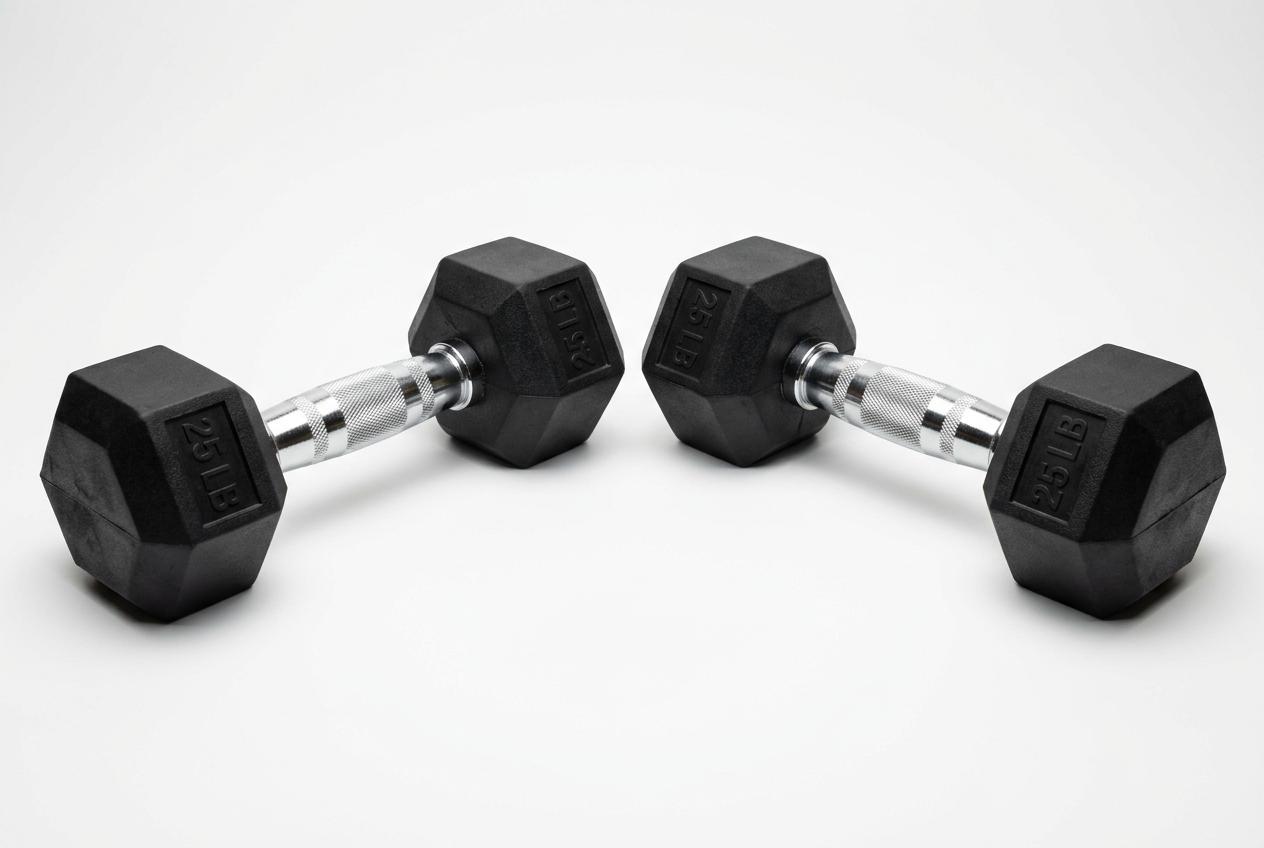 |
Amazon Basics Neoprene Dumbbell Pairs | $15-$65 | Best Budget | Check Price |
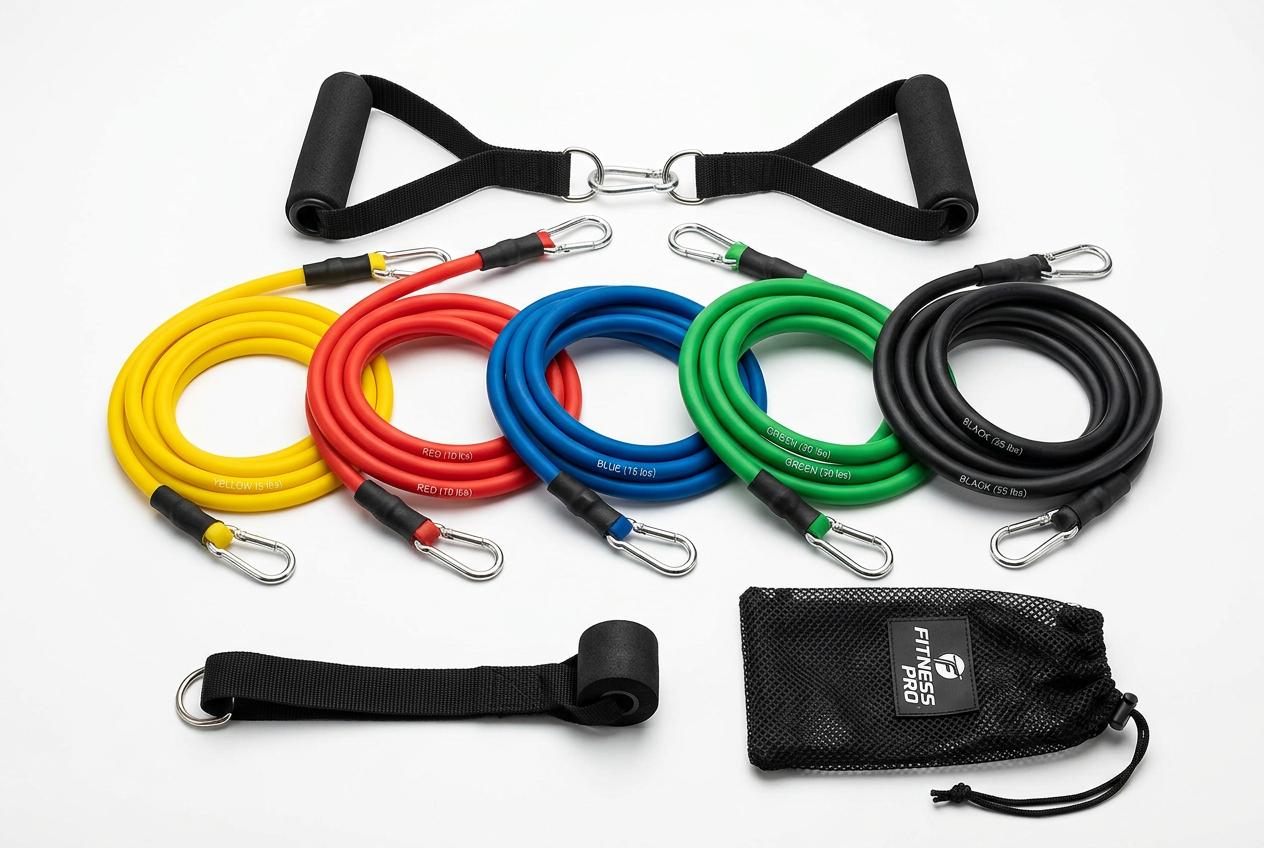 |
Black Mountain Products Resistance Band Set | $29-$39 | Most Versatile | Check Price |
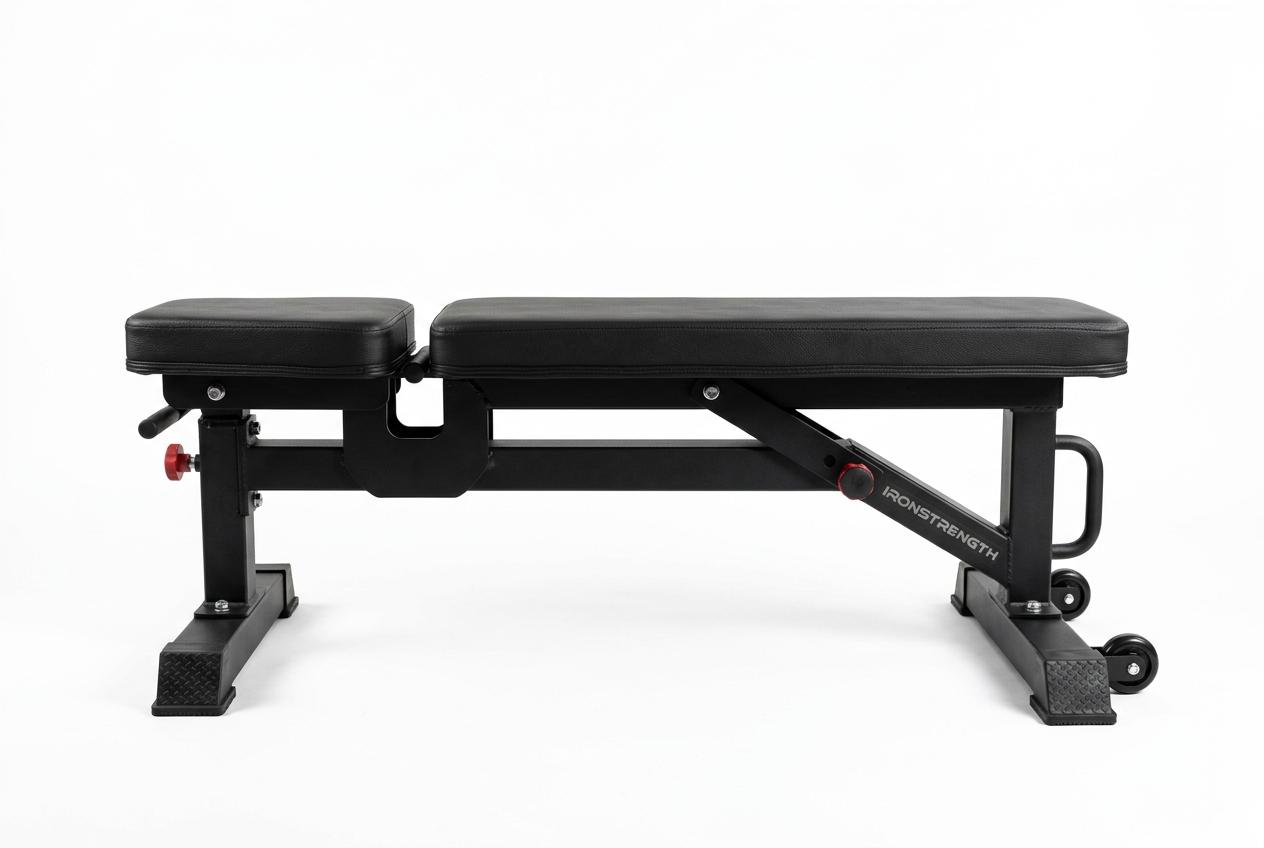 |
Fitness Reality 1000 Super Max Weight Bench | $129-$169 | Best Overall | Check Price |
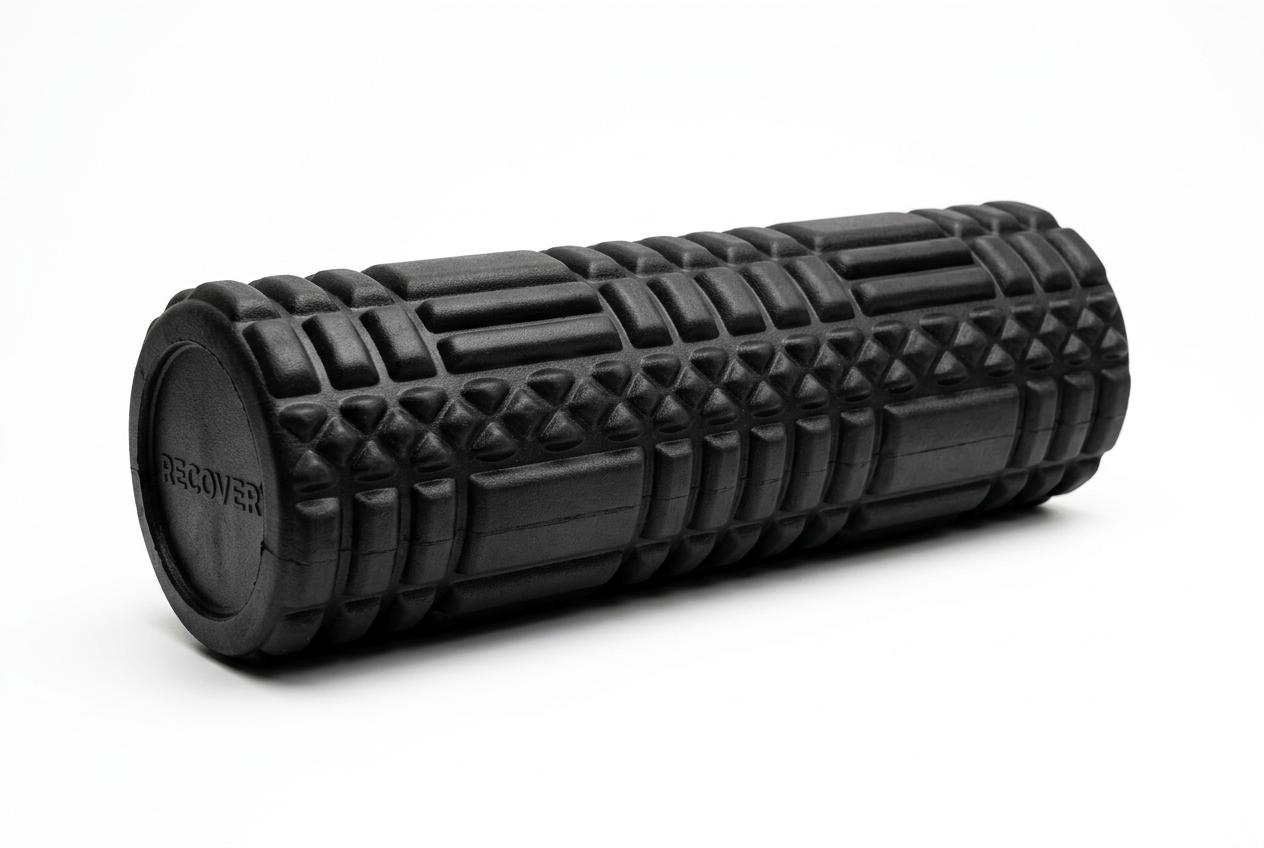 |
TriggerPoint GRID Foam Roller | $34-$44 | Best for Recovery | Check Price |
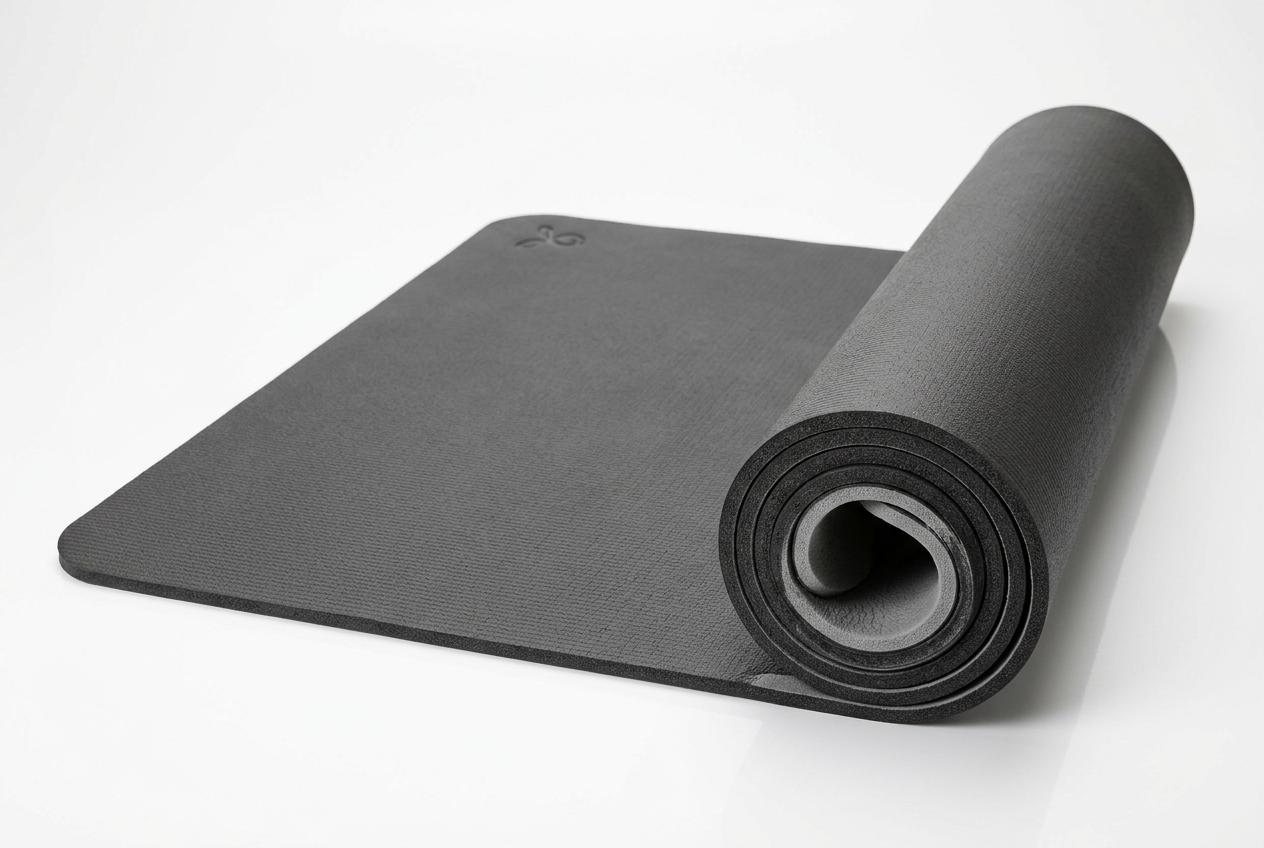 |
Retrospec Solana Yoga Mat | $24-$34 | Best Value | Check Price |
Color-coded, floor-friendly dumbbells perfect for circuit training in apartments with noise and space constraints.
A complete resistance band system with door anchor and accessories, enabling full-body circuit training in any apartment.
A heavy-duty, foldable adjustable bench supporting 800 lbs with 12 positions for complete apartment circuit versatility.
A multi-density foam roller with zone therapy technology, perfect for apartment circuit workout recovery and mobility work.
A thick, non-toxic exercise mat with excellent cushioning for apartment circuit training floor exercises and stretching.
Amazon Basics Neoprene Dumbbells are the ideal starting point for apartment circuit workouts, offering a secure grip and hexagonal design that stays put on any surface. The neoprene coating is both floor-friendly and quiet, a crucial consideration for apartment dwellers with neighbors below. With color-coded weights from 1 to 20 pounds, you can quickly grab the right pair between circuit stations without missing a beat, keeping your heart rate elevated for maximum fat-burning efficiency.
Check Price on Amazon
The Black Mountain Products Resistance Band Set is a circuit training powerhouse for apartment gyms, delivering the equivalent of an entire cable machine in a compact, neighbor-friendly package. The five stackable bands combine to provide up to 75 pounds of resistance, while the included door anchor opens up dozens of pulling and pressing exercises. The soft foam handles keep your grip comfortable through high-rep circuit rounds, and everything packs into a small carrying case that fits in any closet.
Check Price on Amazon
The Fitness Reality 1000 Super Max is the ultimate apartment circuit training bench, combining a remarkable 12-position adjustment range with a robust 800-pound weight capacity. Whether you're hitting incline dumbbell presses, Bulgarian split squats, or seated shoulder presses, this bench has the perfect angle. The foldable design is a game-changer for small spaces, collapsing to half its size for easy closet storage between circuit sessions.
Check Price on Amazon
The TriggerPoint GRID Foam Roller is an essential recovery tool for anyone doing regular circuit training in an apartment. Its patented multi-density zones replicate the feeling of a massage therapist's hands, targeting tight spots in your back, legs, and shoulders after intense circuit sessions. The rigid hollow core maintains its structural integrity even under 500 pounds of pressure, while the compact 13-inch size tucks neatly into any closet or under a bed.
Check Price on Amazon
The Retrospec Solana Yoga Mat provides the perfect foundation for apartment circuit workouts, with 6mm of NBR foam cushioning that protects your joints during floor exercises, planks, and stretching. The dual-sided non-slip texture keeps you stable even during sweaty HIIT circuits, and the included carrying strap makes it easy to roll up and store after every session. For under $30, it delivers comfort and durability that rivals mats costing twice as much.
Check Price on Amazon