Amazon Basics vs Yes4All Fitness Equipment: Budget Gear Comparison
Comprehensive comparison of Amazon Basics vs Yes4All fitness equipment covering dumbbells, kettlebells, resistance bands...
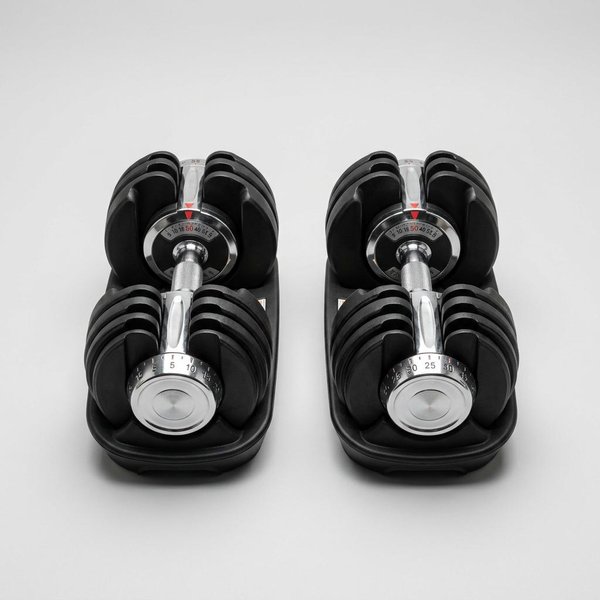
Complete guide to insurance considerations for home gym owners. Renter's policy coverage for equipment, liability protection, documentation requirements, and claim filing strategies.
A home gym represents a significant financial investment. For renters, that investment exists within a property they do not own, governed by lease agreements and insurance policies they may not fully understand. Our analysis examines how insurance applies to home gym equipment, what coverage gaps exist, and how to protect yourself against loss, damage, and liability.
This guide does not constitute legal or insurance advice. Consult a licensed insurance professional for decisions affecting your specific coverage.
Standard renter's insurance (HO-4 policy) typically includes four coverage categories:
This covers your belongings against named perils including fire, theft, vandalism, windstorm, and certain water damage. It is the primary coverage that would apply to home gym equipment.
Key considerations:
The equipment question: Standard personal property coverage generally covers home gym equipment the same as any other personal property. There are typically no exclusions for exercise equipment in standard policies. However:
This protects you if someone is injured in your rental unit and sues you. For home gym owners, this is particularly relevant.
Scenario: A guest uses your pull-up bar, the mounting fails, and they are injured. Liability coverage would typically respond to resulting claims.
Coverage limits: Standard policies provide $100,000; $300,000 is commonly recommended; higher limits are available via umbrella policies.
Important limitation: Liability coverage generally does not extend to injuries you sustain yourself. If you are injured using your own equipment, your health insurance—not renter's insurance—would apply.
If your rental becomes uninhabitable due to a covered peril, ALE covers temporary housing and related costs. Relevant to gym owners if fire, flood, or other damage renders your space unusable.
Covers minor medical expenses (typically $1,000–$5,000) for guests injured on the property regardless of fault. Distinct from liability coverage and does not require a lawsuit.
If your treadmill shorts out and causes an electrical fire, your personal property coverage would likely cover the damaged equipment and other property. But:
Renter's insurance personal property coverage does not extend to damage you cause to the rental unit itself.
Scenario: You drop a heavy dumbbell and crack the tile floor or dent hardwood.
If you own a $3,500 Peloton bike, a $2,000 Rogue rack setup, or a $1,500 Concept2 rower, individual item limits in your policy may cap recovery.
Solution: Schedule ("rider") high-value items specifically on your policy. This typically costs $10–$20 per $1,000 of additional coverage annually.
If you train clients in your home gym for compensation, your equipment and liability exposure likely falls outside standard renter's insurance.
Solution: Business owner's policy (BOP) or inland marine policy for the equipment; professional liability insurance for training services. Consult an insurance agent.
Standard renter's insurance excludes earthquake and flood damage. Separate policies or endorsements are required. Equipment stored in basements is particularly flood-exposed.
To ensure a claim is paid fully and promptly, document your equipment before any loss occurs.
Maintain records of:
Update frequency: Annually, and within 30 days of any new significant purchase.
If your gym equipment is damaged or stolen:
Before building a home gym, review your lease for:
If in doubt: Request written clarification from your landlord or property manager before installing equipment.
The most likely financial impact of a home gym on your tenancy is damage to flooring, walls, or fixtures. Protect your security deposit by:
If your home gym is substantial (high-value equipment, frequent guests using the space), consider an umbrella liability policy. These provide additional liability coverage ($1 million to $5 million) above and beyond your renter's insurance liability limits.
Cost: Approximately $150–$400 per year for $1 million coverage, depending on location and other factors.
Relevance: If someone is seriously injured using your equipment and sues, medical costs and legal judgments can exceed standard $300,000 liability limits. Umbrella coverage protects personal assets.
Insurance is regulated at the state level. Key variations affecting gym equipment:
Consult an agent licensed in your state for state-specific guidance.
| Annual Cost | Coverage Provided | Recommendation |
|---|---|---|
| Renter's insurance: $150–$300 | $10,000–$30,000 personal property + $100,000–$300,000 liability | Essential for all renters |
| Scheduled item rider: $10–$20 per $1,000 | Full replacement of high-value individual items | Recommended for equipment over $1,500 per item |
| Umbrella policy: $150–$400 | $1M–$5M additional liability | Recommended for home gyms with frequent guest use |
| Increased personal property: $50–$100 | Additional $10,000–$20,000 coverage | Recommended if total equipment value exceeds base policy limit |
Typical total annual cost for a well-protected home gym: $200–$500 depending on equipment value and coverage selections.
Does renter's insurance cover equipment damaged by my own negligence (dropping a weight)? Generally yes—personal property coverage is not contingent on fault unless the damage was intentional. However, damage you cause to the landlord's property (floors, walls) would fall under liability coverage and may have different conditions.
Will my landlord's insurance cover my equipment? No. A landlord's policy covers the building structure and landlord-owned fixtures only. Your personal property is never covered by the landlord's insurance.
Does insurance cover wear and tear on gym equipment? No. Insurance covers sudden, accidental damage from named perils. Gradual wear and tear is a maintenance expense, not an insurable loss.
If my equipment is stolen from my car, is it covered? Personal property coverage typically extends to theft from your vehicle, subject to your policy's terms and deductible. Verify with your specific policy.
Can I deduct home gym equipment or insurance on my taxes? Generally no for personal use. If the gym is used for business purposes (training clients, content creation as a business), business deductions may apply. Consult a tax professional.
Renter's insurance is the foundation of equipment protection for most home gym owners. Verify that your personal property coverage limit exceeds your total equipment value, schedule individual high-value items, maintain thorough documentation, and consider umbrella liability coverage if your gym sees frequent use by others.
The annual cost of adequate coverage ($200–$500) is modest compared to the replacement cost of even a basic home gym setup. Maintain an updated inventory, understand your policy terms, and file claims promptly when losses occur.
This content is for informational purposes only and does not constitute professional insurance or legal advice. Consult a licensed insurance agent for guidance specific to your situation. As an Amazon Associate we earn from qualifying purchases.