Gym Equipment Priority List: What to Buy First, Second, Third by Goal
Buy in the wrong order and you'll own $400 of equipment that doesn't work together. Buy in the right order and each purchase compounds the last. This guide ranks equipment by priority for three common goals, with clear reasoning for every position.
Our analysis is based on exercise science principles, published equipment specifications, and the practical realities of compact home gyms.
Goal: General Fitness (Weight Loss + Strength + Mobility)
Priority framework: Versatility per dollar, then progressive overload capacity, then recovery tools.
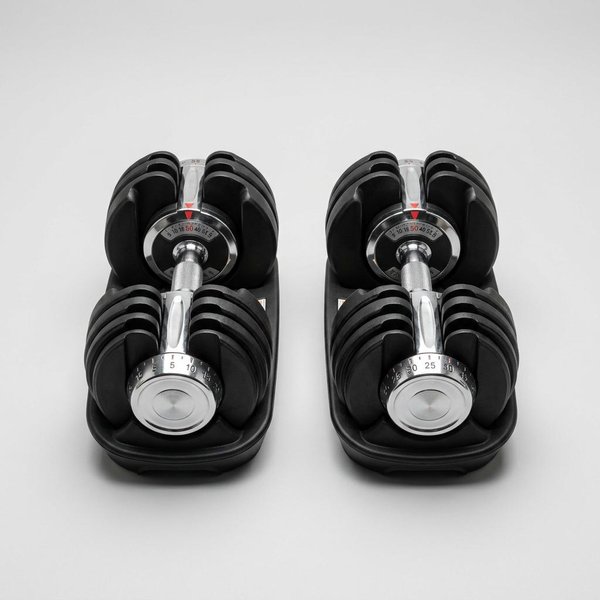
First Purchase: Adjustable Dumbbells ($150–350)
Why first: No single piece of equipment offers more exercise variety. Adjustable dumbbells replace 10–15 fixed-weight pairs. They enable pressing, rowing, squatting, lunging, curling, and overhead work at progressive loads.
What to look for:
- Weight range: minimum 5–50 lb per hand for general fitness
- Adjustment mechanism: dial, pin, or spin-lock (see our dumbbell mechanism comparison)
- Stored footprint: should fit your available space
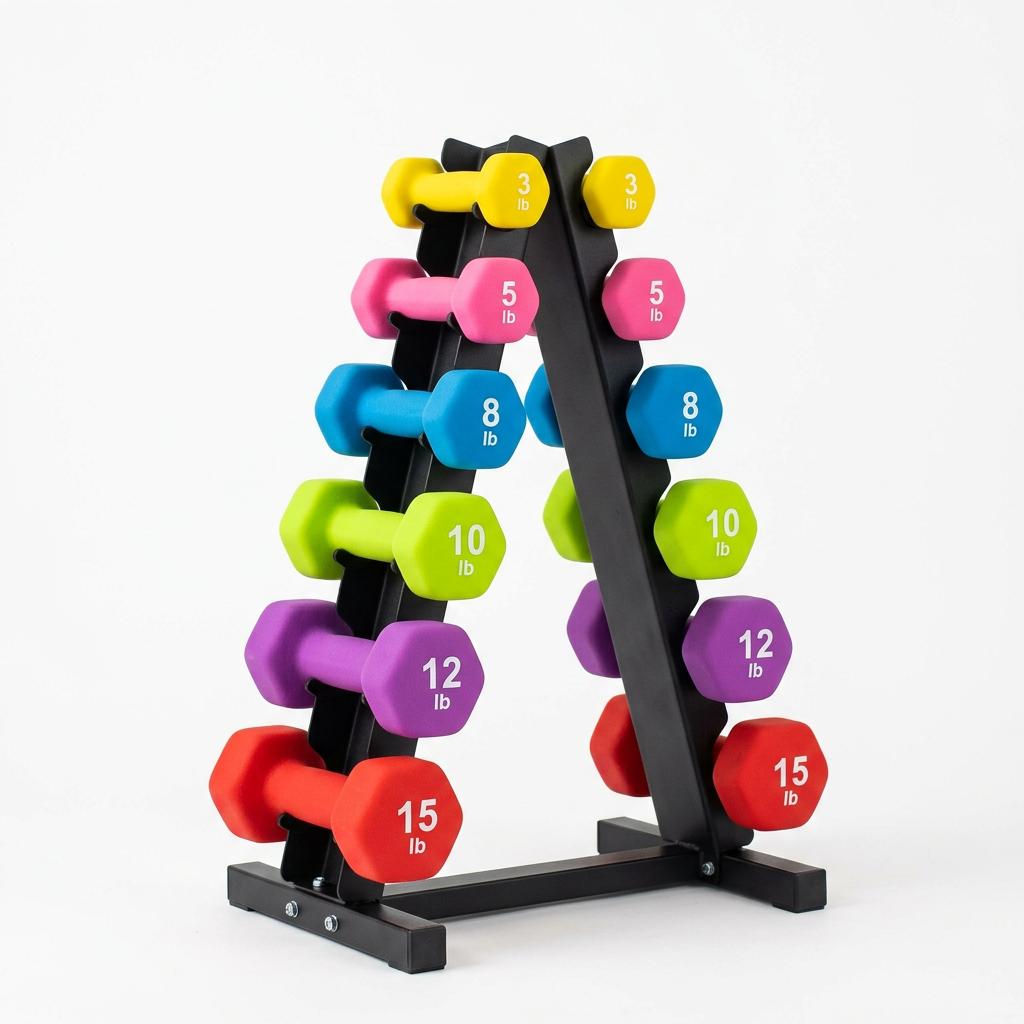
Budget alternative: A set of 3–4 fixed dumbbells (light, medium, heavy pairs) at $1.50–2.00 per pound used. Less convenient, equally effective.
Second Purchase: Adjustable Bench ($100–250)
Why second: A bench multiplies dumbbell exercise options by 3×. Flat position for pressing. Incline for shoulder emphasis. Decline (if available) for lower chest and ab work. Also enables step-ups, Bulgarian split squats, and supported rows.
What to look for:
- Adjustable from flat to 85+ degrees (near-vertical)
- Weight capacity: 500+ lbs including user
- Folds for storage if space-constrained
Budget alternative: A stability ball ($20–40) for pressing and sitting support. Less stable, less versatile, but functional for beginners.
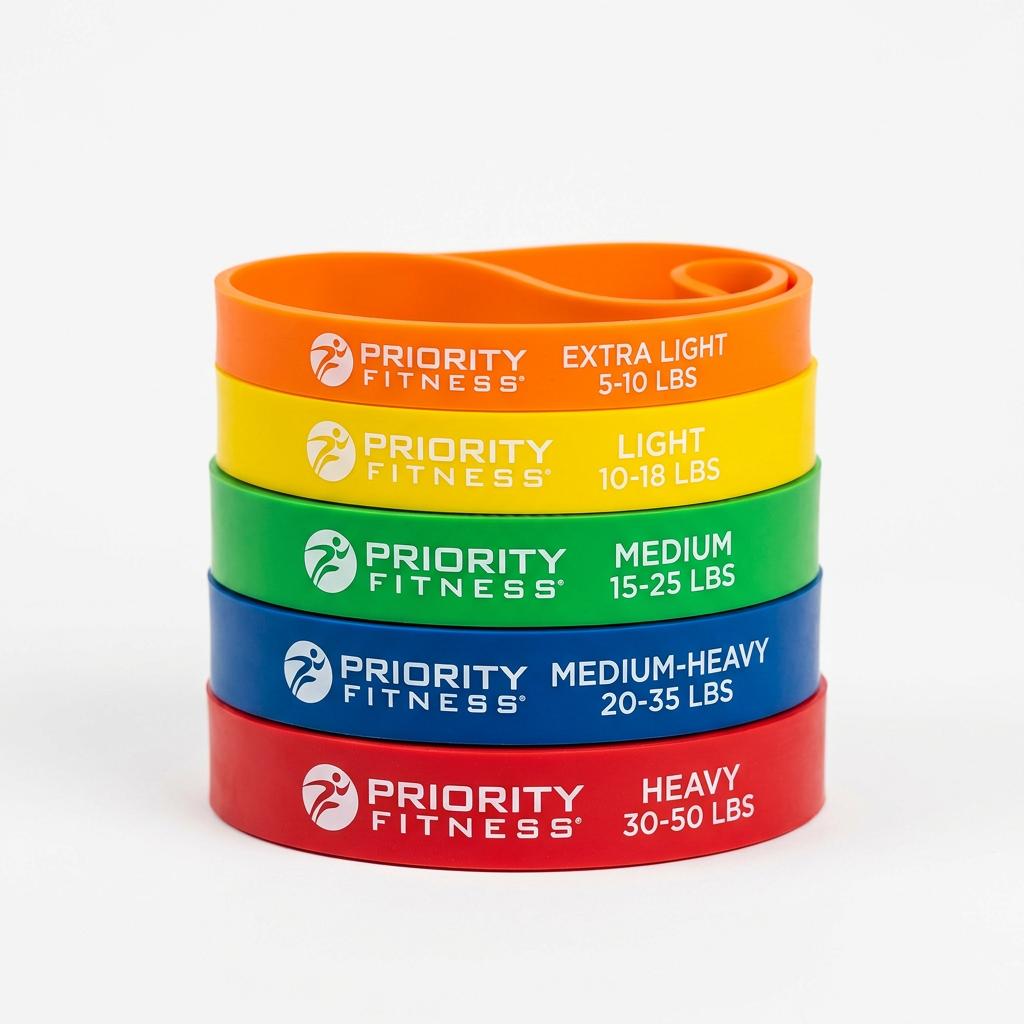
Third Purchase: Resistance Band Set ($20–50)
Why third: Bands add pulling movements (rows, pulldowns, face pulls) that dumbbells struggle to replicate without a cable machine. They also enable variable resistance, band-assisted bodyweight exercises, and warm-up activation work.
What to look for:
- Set of 4–5 bands with resistance range 10–100+ lbs
- Door anchor included (transform any door into a cable station)
- Handles and ankle strap for exercise variety
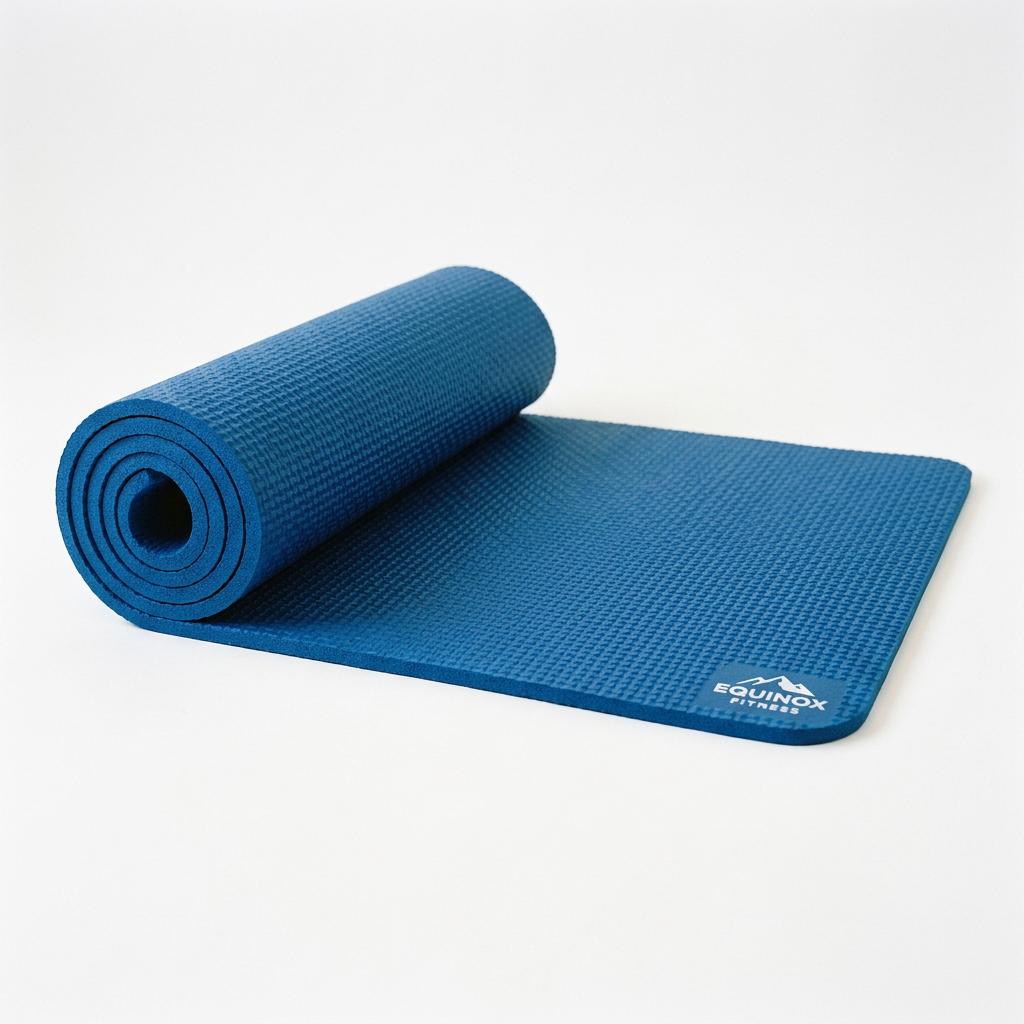
Fourth Purchase: Yoga Mat + Foam Roller ($30–60 combined)
Floor work and recovery. The mat enables comfortable bodyweight exercise, stretching, and core work. The foam roller supports recovery and mobility—both essential for long-term consistency.
Fifth Purchase: Cardio Equipment ($100–500+)
Why last: Cardio options outside the gym are abundant. Walking, running (outdoor), stairs, and jump rope require little or no equipment. If budget is tight, buy strength equipment first and use outdoor/zero-cost cardio. When you do purchase, a compact folding treadmill, under-desk bike, or rowing machine should match your preferences and space constraints.
Goal: Strength & Muscle Building (Hypertrophy Focus)
Priority framework: Progressive overload capability, then exercise variety for complete muscle coverage, then recovery.
First Purchase: Adjustable Dumbbells (Heaviest Range You Can Afford) ($300–600)
Why first: Muscle growth requires progressive overload—gradually increasing the resistance your muscles work against. For hypertrophy, you need dumbbells that go heavy enough to challenge large muscle groups at 8–12 reps.
Critical specification: Weight ceiling. General fitness dumbbells topping at 50 lb per hand are insufficient for strong lifters doing goblet squats, Romanian deadlifts, or chest presses. Look for systems expandable to 70–90 lb per hand.
Budget alternative: A barbell and weight plate set if space allows. Higher absolute loads possible at lower cost per pound. But barbells require more space and a rack for safety.
Second Purchase: Adjustable Bench with Decline ($150–300)
Why second: Hypertrophy training hits muscles from multiple angles. A bench with decline enables lower chest emphasis. High incline targets shoulders. Flat hits mid-chest. For back training, a bench supports chest-supported rows that isolate the back without lower body involvement.
Key feature: Weight capacity. Heavy dumbbell work plus body weight can exceed 600 lbs total. Check the manufacturer's stated limit.
Third Purchase: Pull-Up Bar + Dip Station ($30–100)
Why third: Pull-ups and dips are foundational compound movements for upper body muscle. A doorframe pull-up bar ($20–40) installs in seconds. A dip station or power tower ($100–300) adds dip capability plus vertical knee raises for core.
Alternative: Suspension trainer ($40–100) anchored to a door or overhead mount enables inverted rows, which progress toward pull-ups. More versatile than a dedicated pull-up bar alone.
Fourth Purchase: Resistance Bands (Heavy Duty) ($30–60)
For prehab/rehab, warm-up activation, and accommodating resistance. Bands become essential for shoulder health (face pulls, external rotations), glute activation, and adding resistance to bodyweight movements.
Muscle growth happens during recovery, not during training. Foam rolling and targeted massage improve tissue quality, reduce soreness, and enable higher training frequency. See our foam roller vs. massage gun comparison for guidance on which to prioritize.
Goal: Weight Loss (Fat Loss Focus)
Priority framework: Caloric expenditure, exercise consistency, then supporting muscle retention.
First Purchase: Cardio Machine You Will Actually Use ($200–800)
Why first: Weight loss is primarily driven by a sustained caloric deficit. Cardiovascular exercise directly increases daily energy expenditure. The best cardio machine is the one you use consistently.
Decision framework:
- Enjoy walking? Compact folding treadmill.
- Enjoy cycling? Folding stationary bike or under-desk cycle.
- Want full-body? Rowing machine (highest caloric expenditure per minute of common home cardio machines).
- Space extremely limited? Jump rope + mini stepper ($30–80 combined).
Critical factor: Consistency predicts results more than machine type. A treadmill that becomes a clothing rack burns zero calories. A mini stepper used daily for 20 minutes burns significant calories over months.
Second Purchase: Adjustable Dumbbells ($150–350)
Why second: Resistance training preserves lean muscle mass during caloric deficit. Without resistance training, weight loss includes significant muscle loss. Dumbbells enable full-body strength training 2–3× weekly alongside cardio.
Weight range: 5–50 lb per hand is sufficient for most fat-loss-focused trainees. Heavier loads are beneficial but not essential.
Third Purchase: Resistance Bands + Mat ($30–60)
For circuit training, HIIT, and bodyweight progressions. Bands enable high-rep metabolic circuits that combine resistance and cardiovascular demand. A mat enables comfortable floor-based HIIT (mountain climbers, burpees, planks).
Fourth Purchase: Heart Rate Monitor or Fitness Tracker ($50–300)
Data drives adherence. Knowing your heart rate zone confirms workout intensity. Step tracking provides daily movement accountability. See our GPS watch vs. fitness tracker comparison for decision guidance.
Consistency requires recovery. Foam rolling, stretching, and adequate sleep support the training frequency that produces weight loss results.
Cross-Goal Universal Priority Rankings
These items rank consistently across all three goals:
| Rank |
Item |
Est. Cost |
Cross-Goal Value |
| 1 |
Adjustable dumbbells (5–50+ lb) |
$150–600 |
Universal strength tool |
| 2 |
Adjustable bench |
$100–300 |
Multiplies exercise options |
| 3 |
Resistance band set with door anchor |
$20–50 |
Pulling exercises, warm-ups |
| 4 |
Yoga mat |
$15–40 |
Floor work, stretching, core |
| 5 |
Foam roller |
$15–40 |
Recovery, mobility |
| 6 |
Pull-up bar or suspension trainer |
$30–100 |
Pulling strength |
| 7 |
Cardio equipment (by preference) |
$100–800+ |
Caloric expenditure |
| 8 |
Recovery tools (massage gun, etc.) |
$50–150 |
Tissue quality, soreness |
| 9 |
Accessories (gloves, belt, chalk) |
$20–60 |
Comfort and safety |
| 10 |
Storage/organization system |
$30–100 |
Space management |
The $100 Starter Setup
If $100 is your absolute limit, buy in this exact order:
- Resistance tube set with door anchor ($20–30) — Full-body pulling, pressing, and leg exercises
- Set of 3 resistance band loops (light/medium/heavy) ($10–15) — Glute work, warm-ups, banded walks
- Yoga mat ($15–25) — Comfortable floor work
- Set of 2 push-up bars ($10–15) — Deeper range of motion for push-ups, better wrist position
Total: $55–85. This setup supports a full-body routine using bodyweight + band resistance. Progress by increasing reps, slowing tempo, and adding band tension. Save for dumbbells as soon as budget allows.
See our detailed guide to home gym on a tight budget for a complete $50–100 setup plan.
Common Buying Mistakes
- Buying cardio first, always — If you won't use it daily, it's expensive decoration. Strength equipment provides faster visible results for beginners, which drives adherence.
- Buying too light — A 3–10 lb dumbbell set is insufficient for leg training within weeks. Buy expandable systems.
- Buying fixed-weight sets over adjustable — Five fixed pairs consume 5× the storage space of one adjustable system.
- Ignoring the bench — A bench isn't optional for serious pressing or supported rowing. It's the second most important purchase after weights.
- Buying accessories before fundamentals — The lifting belt, gloves, and fancy water bottle don't matter if you lack weights to lift.
Who This Is For
- First-time home gym builders overwhelmed by equipment options
- People on a budget who need to maximize early purchases
- Anyone who has bought equipment that sits unused
- Goal-oriented trainees who want a systematic approach
Who This Is NOT For
- People buying everything at once (budget is not a constraint)
- Trainees with sport-specific needs (requires specialized equipment)
- Those who already own a complete setup and want to optimize
Bottom Line
Equipment priority follows a simple hierarchy: versatile strength tools first (dumbbells, bench), resistance bands for pulling movements next, recovery tools to support consistency, and cardio equipment selected specifically for the adherence it enables. The exact order shifts slightly by goal—cardio rises in priority for weight-loss-focused trainees—but the fundamentals remain constant.
Buy once, buy right, buy in order. Each purchase should compound the utility of what you already own.
As an Amazon Associate we earn from qualifying purchases.
Last updated: 2025-07-21 rage-specific
 Amazon Basics 1/2" Exerci
 Amazon Basics Neoprene Du
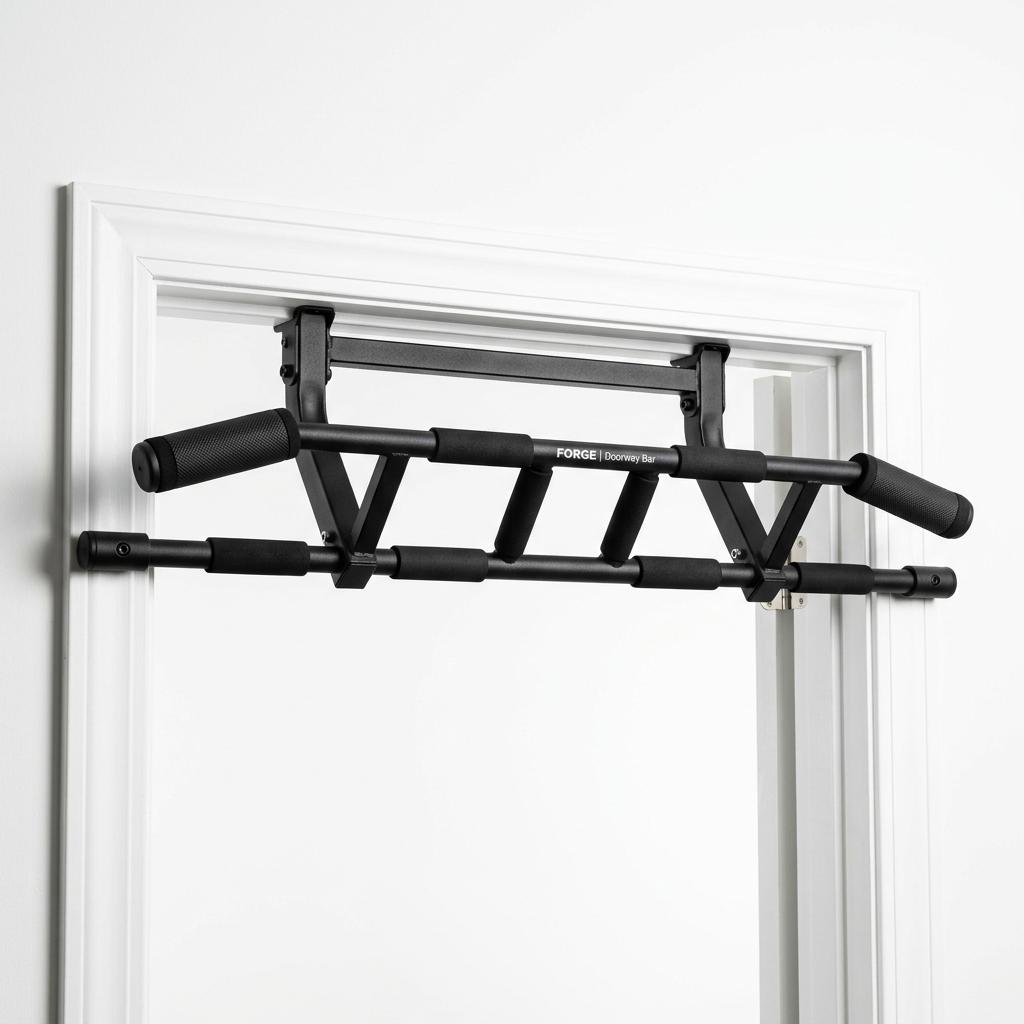 Iron Gym Pull-Up Bar
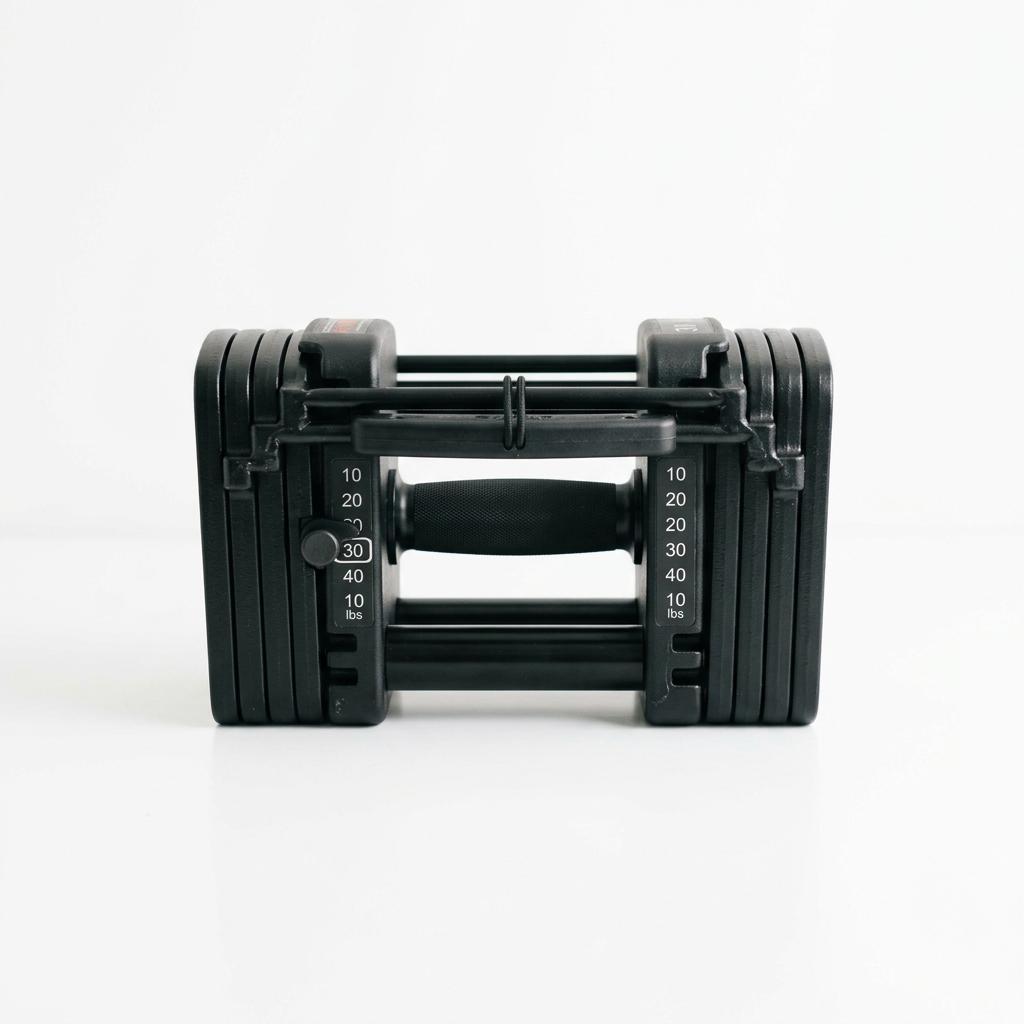 PowerBlock Elite EXP 5-50